How Wildfire Smoke Changes Summer Exercise For Oregon Dogs
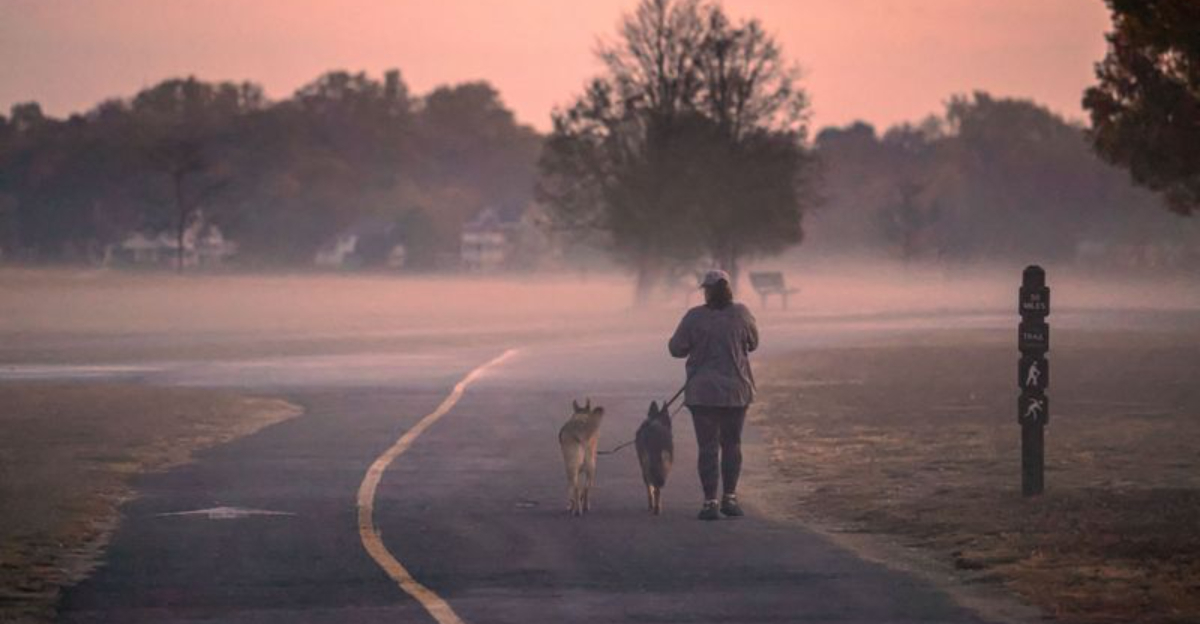
If you live in Oregon, you already know the routine. Summer arrives, the trails dry out, and then one afternoon the sky turns a strange orange-gray.
Wildfire smoke has become part of our seasons, drifting in from local fires or blowing over from Washington, Idaho, and California. For dog owners, that haze changes more than the view.
It changes how far you walk, how hard you play, and sometimes whether you go outside at all. The good news is that adjusting is simple once you know what to watch for.
You do not need special equipment or a veterinary degree. You mostly need a habit of checking the air, a willingness to shorten the outing, and a few indoor tricks for the days when the smoke settles in.
This article walks through practical, calm guidance for exercising your dog during Oregon’s smoky stretches. You will learn which signs deserve attention, which activities to postpone, and how to keep your dog happy without a long hike.
Think of it as advice from a neighbor who has cancelled plenty of walks and figured out what works instead. Nothing here is meant to worry you.
It is meant to make you feel ready.
Smoke Can Turn A Normal Walk Into A Riskier Outing

The thermometer says 74 degrees, so the walk feels like an easy yes. Then you step outside and taste the smoke.
Air quality adds a second factor beyond temperature, and it deserves equal weight in your decision. Fine particles from wildfire smoke reach deep into the lungs of dogs just as they do in people.
A route that felt effortless last week may ask more of your dog today. Treat hazy days as their own category.
Oregon Summers Can Bring Sudden Air Quality Changes

Wind shifts fast in the Willamette Valley and across Central Oregon. A crisp 7 a.m. sky can turn milky by lunchtime.
Smoke also travels long distances, so a fire hundreds of miles away can affect your street. Smoke can travel into Oregon from neighboring states, but its movement depends on changing weather and wind patterns.
Because of that, morning conditions are not a promise about the rest of the day. Plan loosely and stay flexible with your schedule.
Watch The Air Quality Before Leaving Home

A quick phone check takes about ten seconds. Oregon DEQ and the federal AirNow site both publish current readings and forecasts.
Use the index number to set your plan rather than guessing from the window. When values climb into the unhealthy ranges, trim the outing or stay in.
Local monitors can differ from town to town, so look at the station nearest you. Sensors in smaller communities are sometimes sparse.
Heavy Panting Can Become More Concerning In Smoky Air
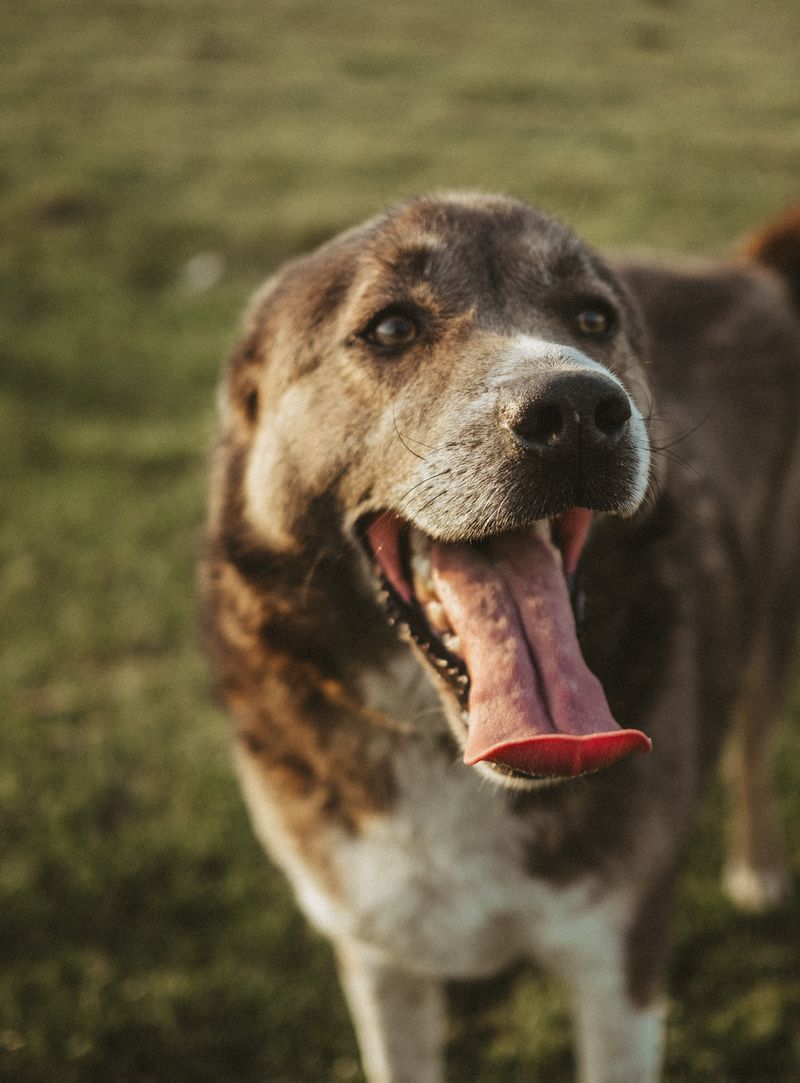
Panting is normal. Dogs release heat through their mouths because they barely sweat.
Smoky conditions complicate that cooling system, since every breath carries irritating particles. Panting that seems louder, faster, or harder than usual on a familiar route is worth pausing for.
Compare today against your dog’s typical rhythm rather than a chart. You know their baseline better than anyone.
If it looks off, head home and let them settle indoors.
Shorter Walks May Be The Better Choice
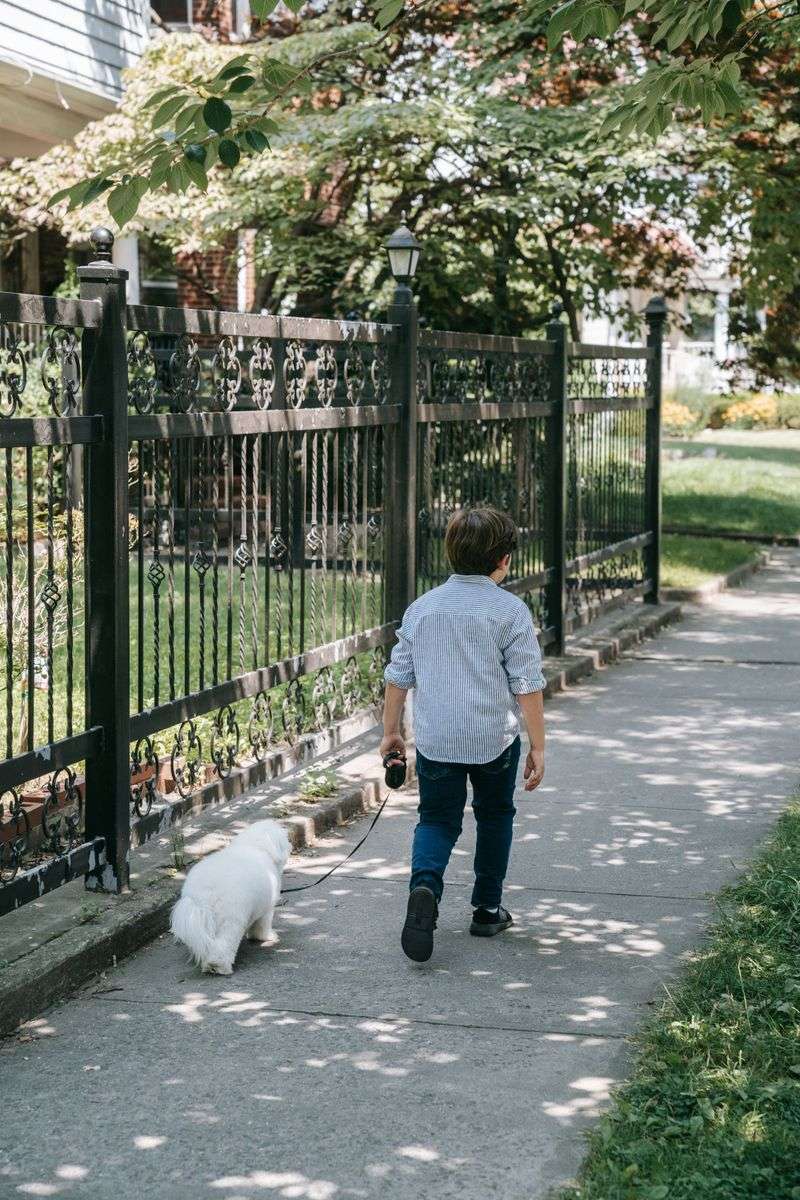
Trade the three mile loop for a lap around the block. Less time outside means fewer particles inhaled.
Even athletic dogs benefit from a scaled-back version on hazy days. A brisk ten minute sniff walk still checks the mental stimulation box.
Consider two short outings instead of one long one if your dog gets restless. Splitting the time keeps them satisfied while limiting total exposure to smoky air.
Choose Cooler Times With Better Air Quality
Dawn and dusk usually bring cooler temperatures, which helps with heat. Smoke, though, does not follow the same schedule.
Overnight air can actually trap particles in valleys, leaving mornings hazier than afternoons. Let the monitor decide, not the clock.
Pair both pieces of information: temperature for comfort, air quality index for breathing. When the two line up favorably, that is your window.
Take it.
Skip Strenuous Runs When Smoke Is Thick
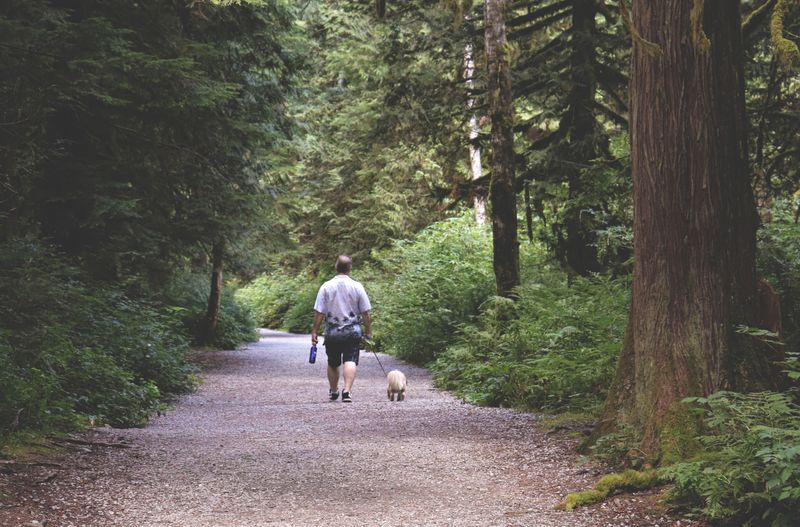
Hard exercise multiplies how much air a dog moves through the lungs. That means more smoke with every stride.
Uphill hikes, fetch marathons, and bike runs all fall into the postpone pile during heavy haze. Your dog will not hold a grudge.
Save those big efforts for clear days, which Oregon still delivers plenty of. Swapping intensity for a slow sniffing stroll costs you nothing.
Keep Potty Breaks Brief When Conditions Worsen
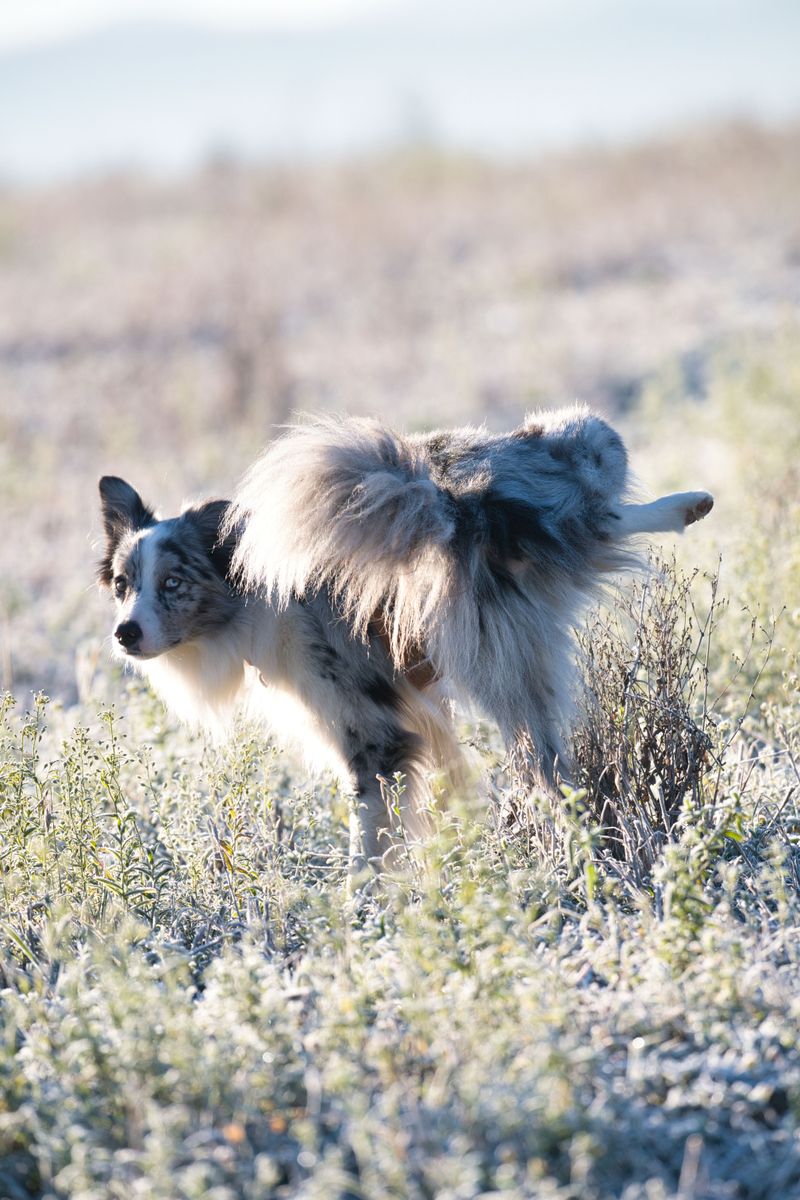
Bathroom needs do not pause for air quality. Nobody is asking your dog to hold it.
What changes is the length of the trip. Step out, let them do their business, and head back inside without the usual wandering.
A backyard or a spot right outside the door works well on the worst days. Keep the leash handy so the visit stays purposeful and quick.
Indoor Games Can Replace Outdoor Exercise
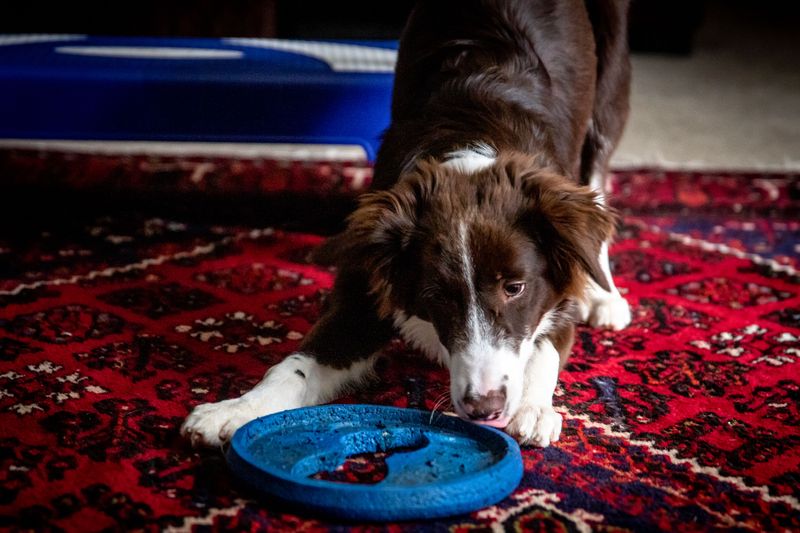
Mental work tires dogs faster than most owners expect. Mental enrichment can provide useful stimulation when outdoor exercise is limited.
Try hiding treats around a room, practicing sit and stay sequences, or rolling a food puzzle across the floor. Stair games and hallway fetch burn energy too.
Rotate activities so novelty stays high through a smoky week. Many owners discover their dogs actually love these indoor sessions.
Pay Attention To Breathing Changes
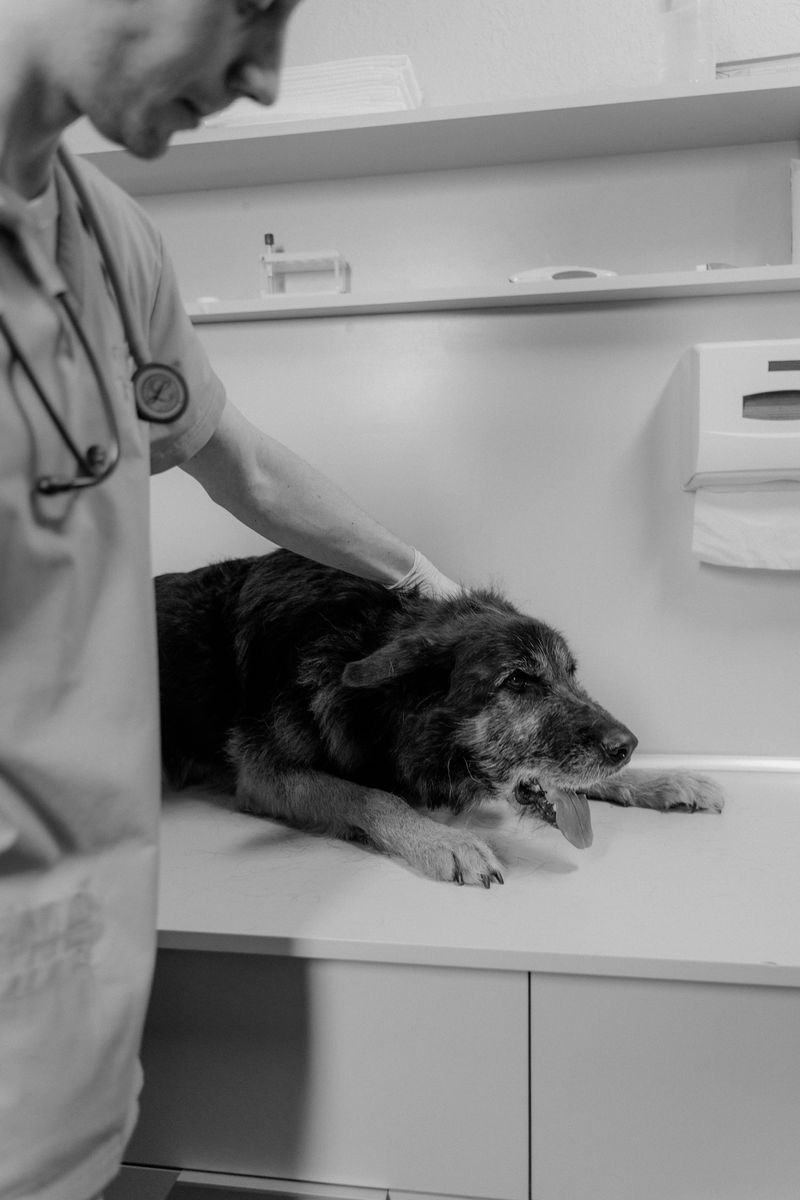
Coughing, wheezing, gagging, or effortful breathing all signal that the air is bothering your dog. Unusual tiredness counts as well.
Should any of these appear, end the activity and bring your dog into cleaner indoor air. Give them a quiet place to rest.
If symptoms continue after resting, contact your veterinarian for guidance. Dogs with squished faces, like bulldogs and pugs, warrant closer watching.
Some Dogs May Be More Sensitive To Smoke
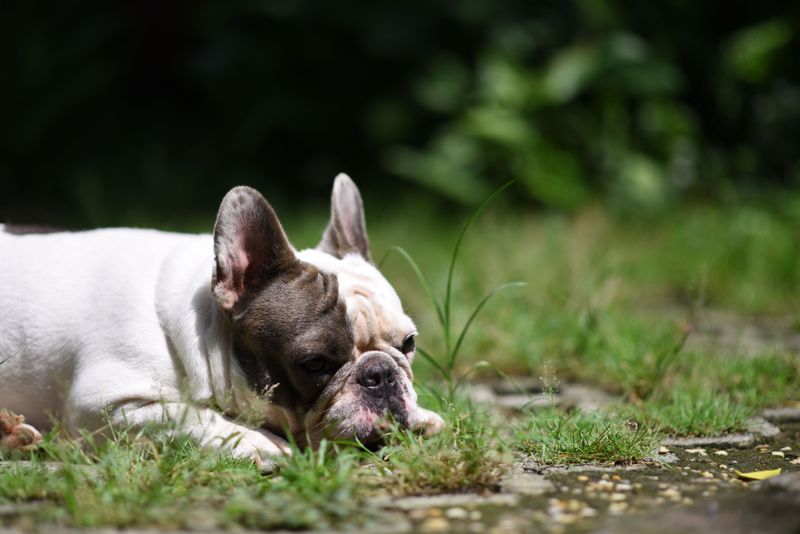
Not every dog reacts the same way to a smoky afternoon. Dogs with existing respiratory or heart conditions may be more vulnerable to poor air quality and may need more conservative exercise plans during smoky periods.
Puppies, senior dogs, and dogs with existing health concerns may need extra care during periods of poor air quality.
Ask your vet how your individual dog should be managed during fire season. A tailored plan beats general advice every time.
Hot Weather And Smoke Can Compound The Problem

Ninety degrees alone already asks a lot of a dog’s cooling system. Add haze and the workload doubles up.
Panting is how dogs shed heat, but smoky air makes that breathing less comfortable. The two stressors stack rather than cancel out.
On days that are both hot and hazy, treat outdoor exercise as optional. Shade, fans, and an air-conditioned room do more good than any walk.
Keep Fresh Water Available
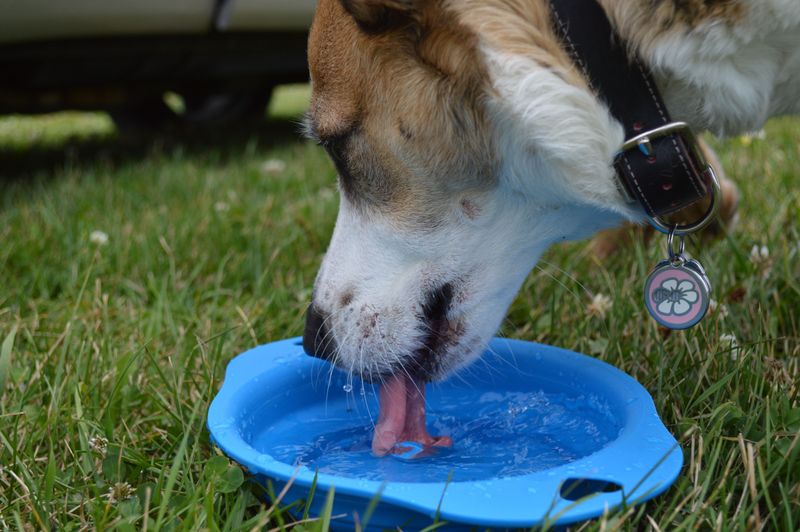
Hydration does quiet work. Warm weather and exercise both raise how much water a dog needs.
Offer a drink before you head out and again when you return. Indoors, keep a full bowl in an easy spot and refresh it often.
A collapsible bowl in your bag makes short walks simpler. Some dogs drink better when a splash of water sits over their food.
Avoid Areas Where Smoke Looks Or Smells Strongest

Your eyes and nose are decent backup sensors. Heavy haze and a sharp campfire smell both point to poor conditions nearby.
Rather than driving around hunting for a clearer trail, call it and go indoors. Smoke rarely stays neatly in one place.
Valleys, low riverbeds, and basins tend to hold particles longer than open ridges. When visibility drops noticeably, that is your signal.
Paws Still Need Protection In Summer
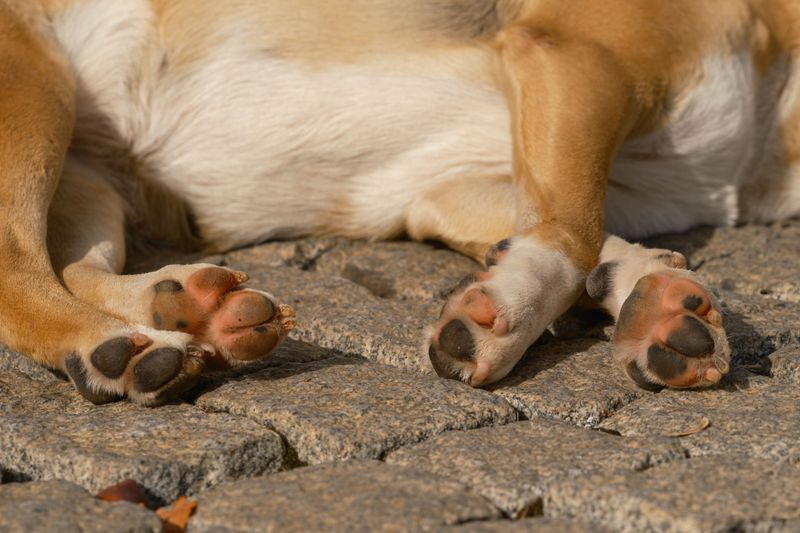
Smoke gets the headlines, but pavement quietly causes plenty of summer trouble. Asphalt absorbs heat and holds it long after the sun peaks.
Press the back of your hand to the surface for ten seconds. If you want to pull away, it is too warm for paws.
Grass, shaded sidewalks, and dirt paths are kinder options. Early or late outings help here too.
Don’t Let A Dog Run Through Smoke For Exercise
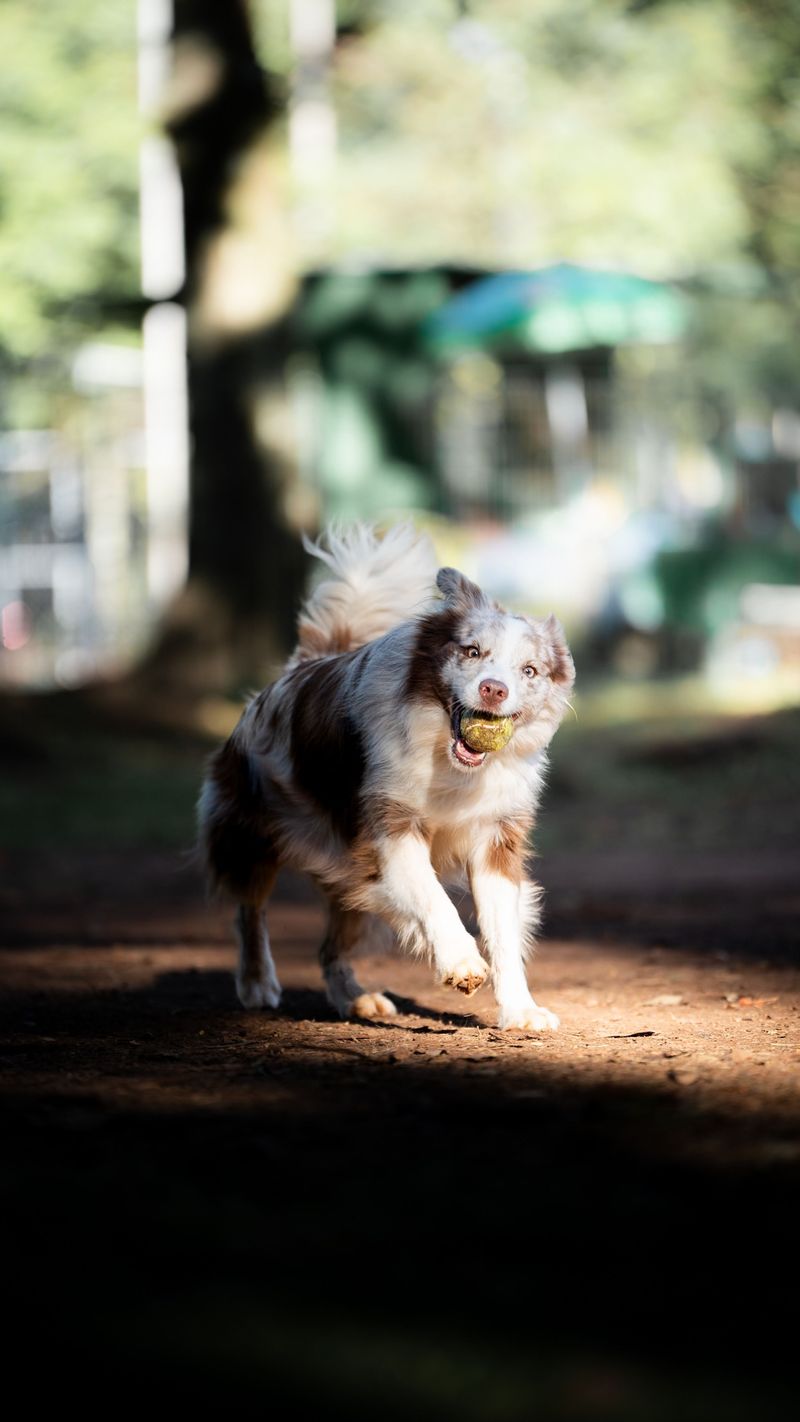
Ball at your feet, tail going like a metronome, eyes locked on yours. Enthusiasm is not an air quality report.
Dogs will happily sprint through conditions that are working against them. They do not connect the haze with how their chest feels afterward.
That judgment call belongs to you. Redirect the excitement to an indoor game and keep the tennis ball for clearer skies.
Know When To Cancel The Outing
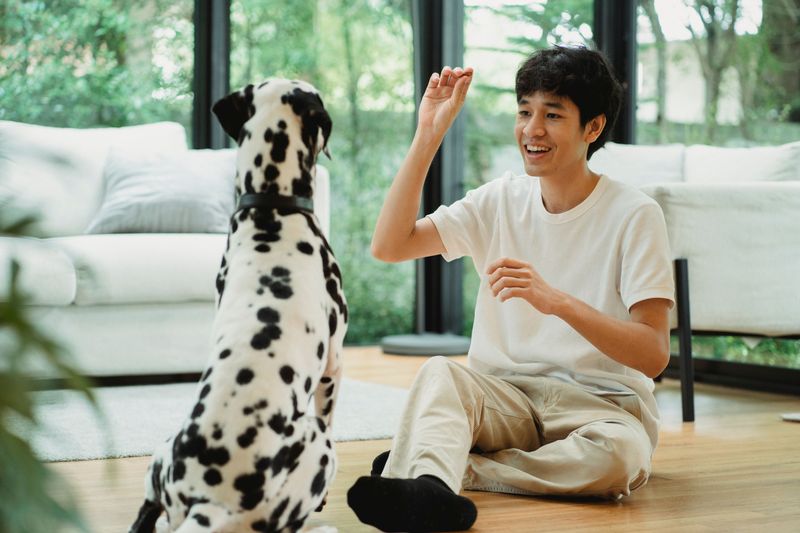
Some days the best workout happens in the living room. Skipping the walk is a legitimate choice, not a failure.
When readings sit in the unhealthy range, swap the route for training drills, a chew, or a puzzle feeder. Your dog gets stimulation without the smoke.
Once air quality lifts, ease back in slowly instead of launching into a long hike. Watch their energy and adjust the pace accordingly.