16 Mosquito And Heartworm Questions Louisiana Dog Owners Should Ask Their Vet
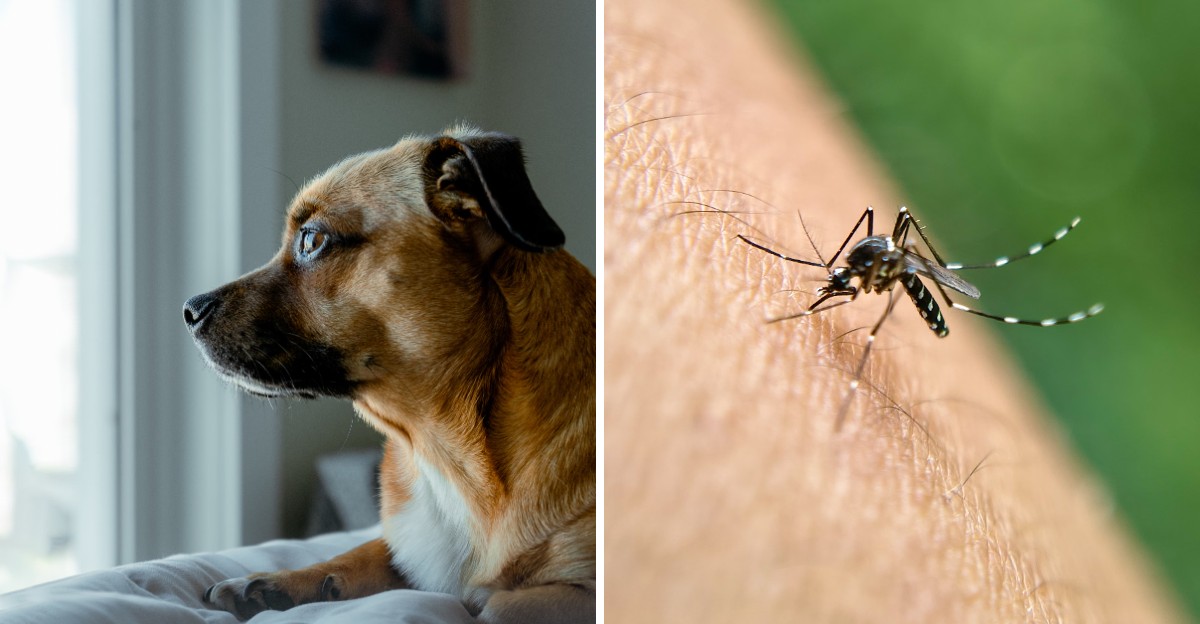
Louisiana’s warm weather gives you plenty of time outside with your dog, but it also keeps mosquitoes around. A steady heartworm prevention plan helps protect your pet without making everyday life complicated.
Your veterinarian can explain testing, medicine choices, and simple ways to reduce mosquito exposure at home. Bring these questions to your next visit so you can leave with clear answers and a plan that fits your dog.
1. Why Do Louisiana Dogs Face Year-Round Heartworm Risk?
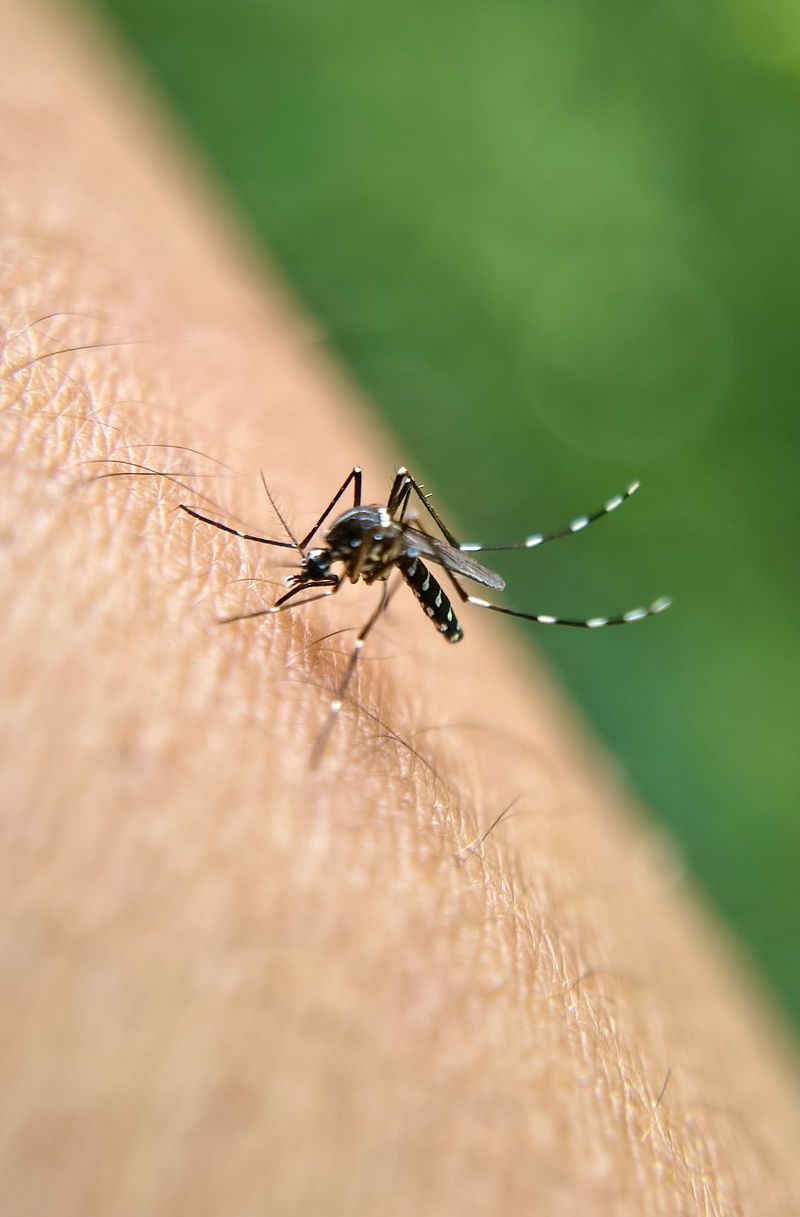
A mild January afternoon can feel like spring in Louisiana, and mosquitoes may stay active during warm spells. The state’s warm, humid climate supports mosquito activity for much of the year.
Cooler weather does not provide a dependable break from heartworm risk.
Ask your veterinarian how local conditions affect your dog’s protection plan. Year-round prevention avoids guessing when mosquitoes will return.
Keep giving prescribed medicine on schedule, even when outdoor temperatures briefly feel chilly again.
2. How Do Mosquitoes Spread Heartworms, and Does Every Bite Cause Infection?
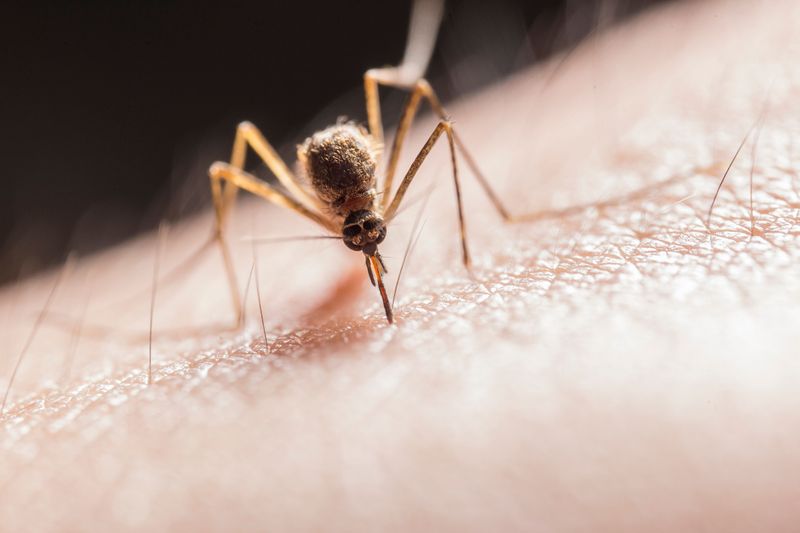
One mosquito bite does not automatically mean your dog will develop heartworms. A mosquito must carry infective heartworm larvae before it can pass them to a dog.
Those larvae enter through the bite wound and develop inside the body.
Heartworms do not spread through shared bowls, play, or ordinary contact between dogs. You cannot tell whether a mosquito carries larvae by looking.
Ask your vet why consistent prevention matters more than counting bites after outdoor time.
3. Which Heartworm Preventive Fits My Dog Best?
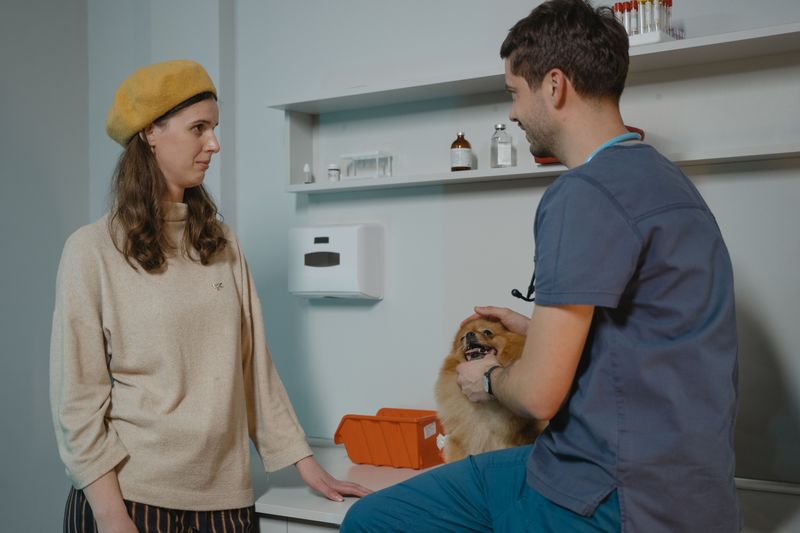
Your neighbor’s favorite preventive may not be the best match for your dog. Options include oral medicines, topical products, and veterinary injections with different schedules.
Age, weight, medical history, and other parasite risks help guide the choice.
Discuss cost, convenience, and any past medicine reactions before deciding. Some products also protect against certain intestinal worms, fleas, or ticks.
Ask exactly what your prescription covers. Follow its label rather than assuming every preventive works the same way.
4. Does My Dog Need Prevention Throughout the Year?

A calendar is more reliable than watching the weather when planning heartworm protection. The American Heartworm Society recommends year-round prevention for dogs, including those living in Louisiana.
Stopping during winter can leave gaps when mosquitoes remain active.
Many monthly preventives target immature heartworms acquired during the preceding weeks. That timing makes regular dosing especially valuable.
Ask whether monthly medicine or a scheduled injection better suits your household. Set reminders that match your prescribed product’s exact schedule.
5. What Should I Do After Missing a Preventive Dose?
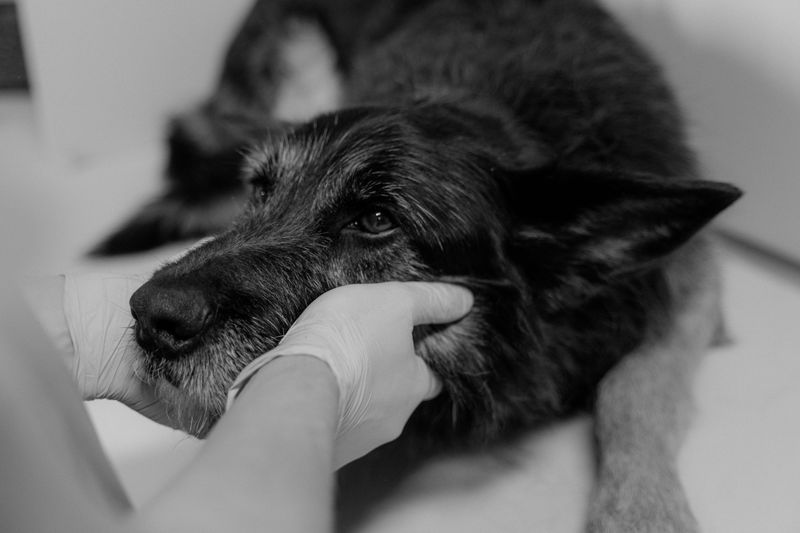
A forgotten dose is a reason to call your clinic, not blame yourself. Tell the staff which product your dog uses and when you last gave it.
Your veterinarian can explain when to restart and whether follow-up testing is needed.
Do not double a dose or combine products without instructions. A test immediately after a gap cannot detect every recent infection.
Ask about later testing, then choose a reminder system that fits your routine more reliably.
6. Should Testing Come Before Starting Prevention?
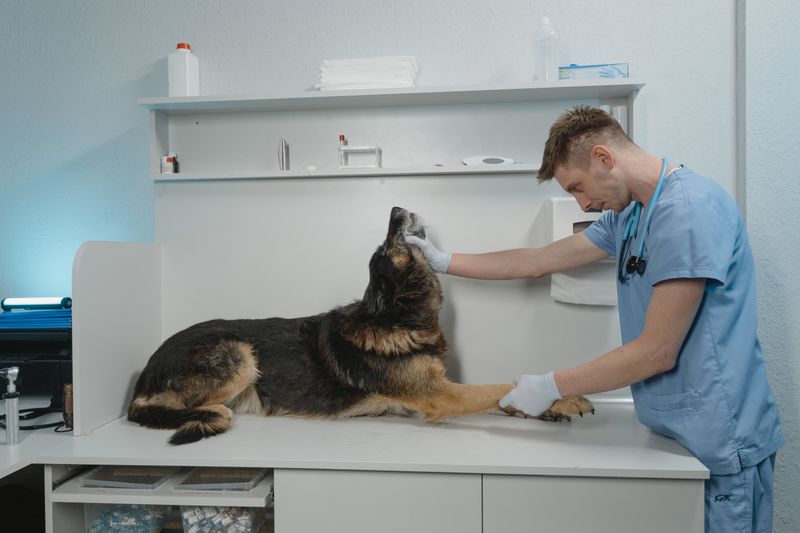
Bringing home a new dog often means sorting through incomplete medical records. Tell your veterinarian if previous prevention or testing dates are unknown.
Dogs seven months or older that have not previously been on heartworm prevention generally need testing before starting prevention.
Younger puppies follow a different testing schedule because recent infections may not yet show up. Your vet should guide both the starting date and future checks.
Avoid borrowing another dog’s medicine while waiting. A clear baseline helps your clinic plan safe protection.
7. How Often Should Heartworm Testing Be Done?
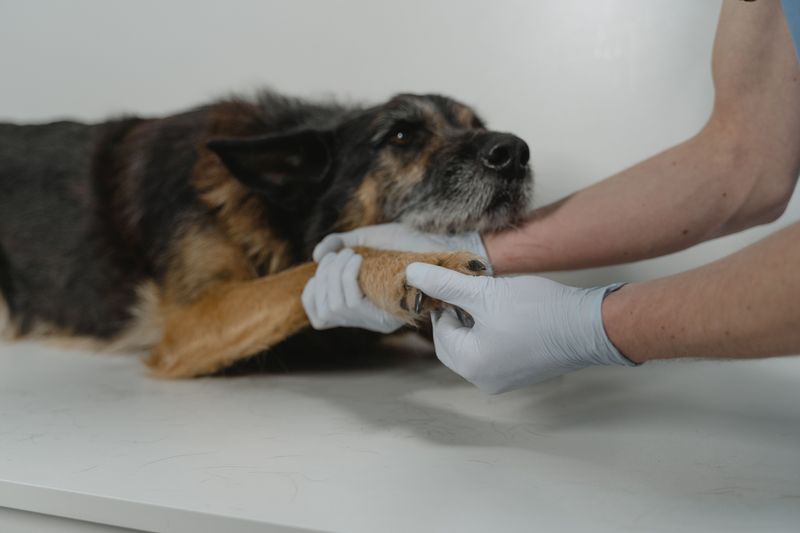
Regular checkups provide a useful safety net, even when you never miss medicine. Annual heartworm testing is recommended for dogs receiving prevention.
Veterinarians commonly check for adult female heartworm proteins and circulating young heartworms in blood.
Extra testing may be advised after missed doses, uncertain records, or a change in products. Infection can take months to become detectable.
Ask your clinic to explain your dog’s next testing date and record it alongside vaccine and wellness appointments.
8. Can Indoor Dogs Get Heartworms?

Your couch-loving companion still takes bathroom breaks, and mosquitoes sometimes slip through open doors. Indoor living reduces some outdoor exposure, but it does not remove heartworm risk.
Small dogs and apartment pets need protection too.
Check window screens and repair gaps that let insects inside. Avoid leaving doors open during chores or gatherings.
Ask your vet about prevention based on your dog’s health, not just time outside. Even short walks can bring contact with local mosquitoes.
9. When Should Puppies Begin Heartworm Prevention?
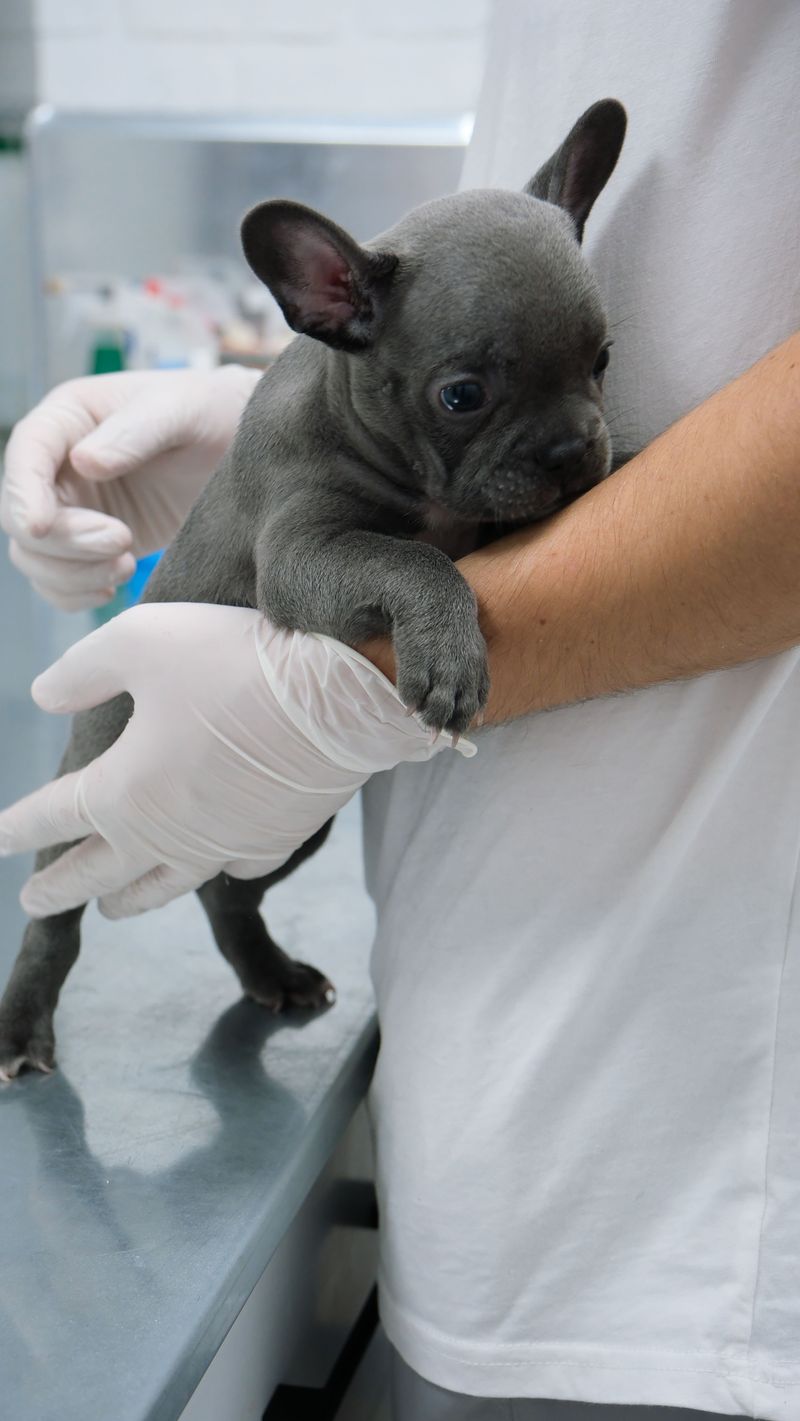
Tiny paws do not come with built-in protection against mosquito-borne heartworms. Puppies should begin prevention early, generally by eight weeks, following the chosen product’s approved age and weight limits.
Your veterinarian can select a suitable option.
Young puppies may start prevention without an initial test, but they still need scheduled testing later. Growing bodies also need regular weight checks so prescriptions remain appropriate.
Bring your puppy’s birth date and records, then request a written prevention and testing calendar.
10. Could My Dog Have Heartworms Without Looking Sick?
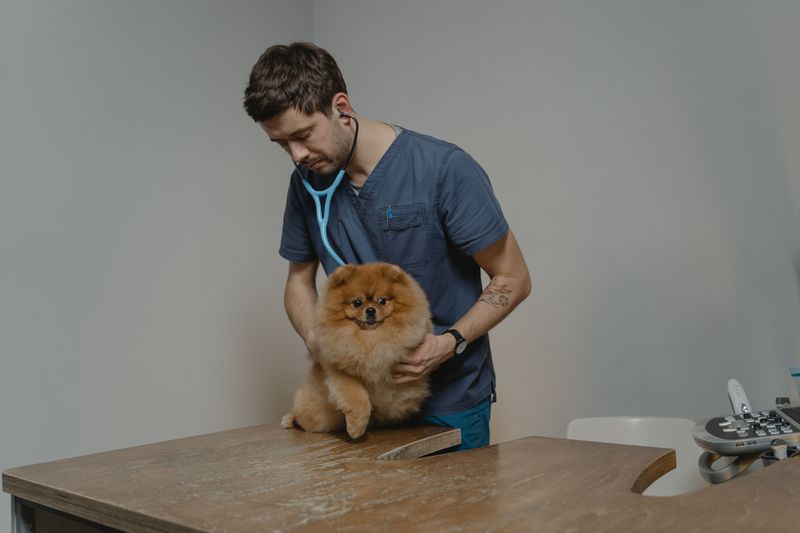
A wagging tail cannot tell you whether your dog has heartworms. Early infections often cause no obvious symptoms, which makes routine testing valuable.
As disease develops, signs may include coughing, tiring easily, or reduced interest in exercise.
Those changes can have other causes, so avoid diagnosing your dog at home. Call your veterinarian if you notice a new cough or lower stamina.
Share when symptoms started. Do not wait for visible illness before arranging recommended heartworm screening.
11. Can Heartworms Cause Serious Health Problems?
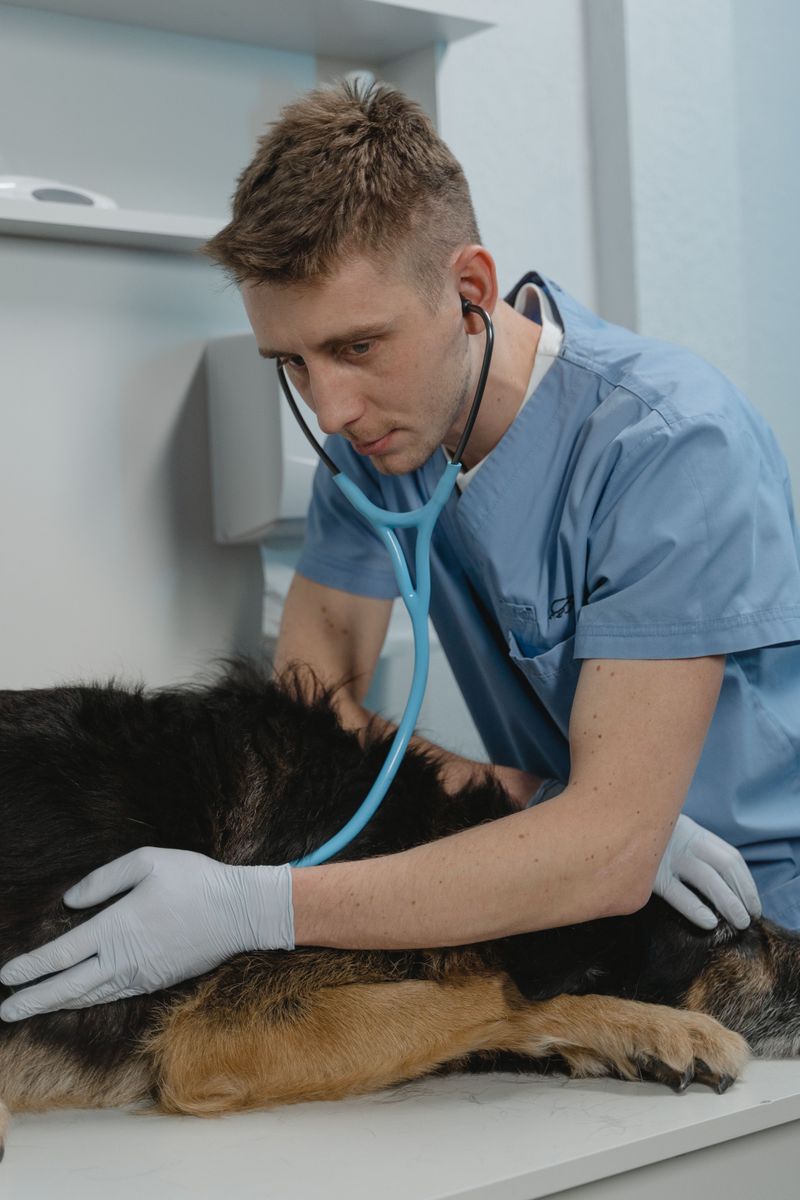
Heartworm disease affects more than the heart, despite its familiar name. Adult worms mainly live in blood vessels serving the lungs and can damage those vessels.
Advanced disease can strain the heart and affect other organs.
Your vet may recommend bloodwork, chest imaging, or other checks to understand an infected dog’s condition. These findings help shape treatment and activity limits.
Ask which changes need prompt attention. Early detection and appropriate care give your dog a better path forward.
12. Which Mosquito Repellents Are Safe for Dogs?

A spray that works for people may be unsafe for your pet. Do not apply human mosquito repellents, including DEET products, unless your veterinarian specifically approves their use.
Essential oils and homemade mixtures can also create problems.
Ask about veterinary products labeled for your dog’s species, age, and weight. Some dog products are dangerous to cats sharing the home.
Repellents cannot replace heartworm prevention. Bring labels to your appointment so your vet can check ingredients and directions.
13. How Can I Reduce Mosquito Exposure Around Home?

After a Louisiana rainstorm, small puddles can collect in surprisingly ordinary places. Empty buckets, plant saucers, toys, and other containers that hold water.
Keep gutters clear, maintain screens, and refresh outdoor drinking water regularly.
Mosquito activity varies by species, so changing walk times alone will not eliminate exposure. Ask your vet about practical outdoor precautions.
For community mosquito concerns, contact your local mosquito control program. Yard improvements support protection, but your dog still needs prescribed heartworm prevention.
14. What Happens If My Dog Tests Positive?
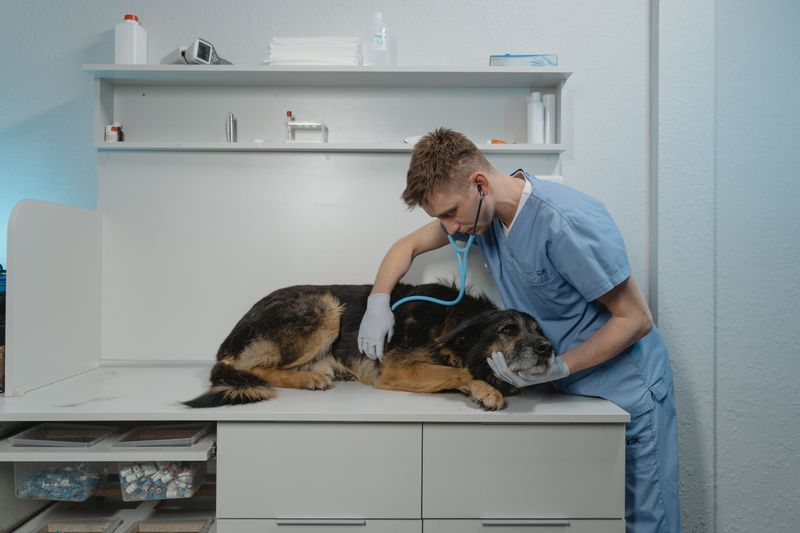
A positive result calls for a clear plan rather than rushed decisions. Your veterinarian will generally confirm the finding and assess your dog’s health before treatment.
Follow activity restrictions immediately, since exercise can increase complications.
Ask about the treatment steps, expected costs, appointment schedule, and medicines needed at home. Prevention alone is not a substitute for recommended adult heartworm treatment.
Avoid internet remedies or leftover prescriptions. Keep your clinic’s contact information handy and request written instructions for caregivers.
15. Can Heartworm Treatment Be Hard on My Dog?
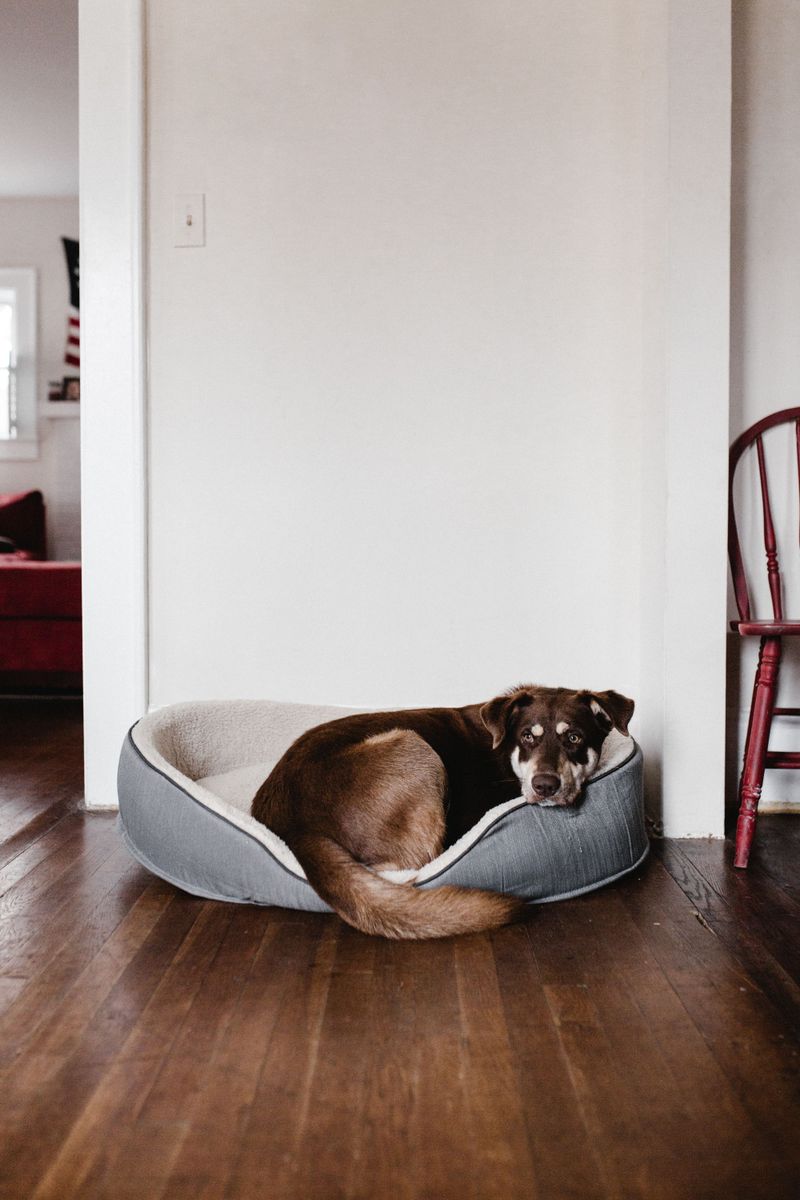
Rest can be the biggest adjustment for an energetic dog during treatment. Standard care often includes several medicines and injections, along with strict exercise limits.
Treatment can cause discomfort, and your vet will explain possible complications.
Discuss pain relief, quiet enrichment, and safe bathroom routines before appointments begin. Ask how long restrictions must continue and which symptoms require urgent contact.
Never change the plan without guidance. A comfortable resting space helps make recovery more manageable for everyone involved.
16. What Should I Ask at Every Checkup?

A few questions can turn a routine visit into a useful protection check. Confirm your dog’s current weight, preventive dose, next test date, and prescription supply.
Mention missed doses, vomiting after medicine, travel, or changes in health.
Ask whether other parasite protection needs updating and whom to call with concerns. Keep records where everyone caring for your dog can find them.
Leave with one simple plan: protect on schedule, test as advised, and ask whenever you feel unsure.