Pennsylvania Dog IDs And Microchip Records Deserve A Check Before Holiday And Hunting-Season Travel
Holiday visits and hunting trips mean new places, open doors, and lots of excitement for your dog. A quick check of your dog’s license, tags, and microchip records can make a big difference if your pup wanders off.
Think of it as a friendly tune-up before you hit the road. Here is what every Pennsylvania dog owner should review before packing the car.
1. Start With A Current County License

Every trip plan should begin at home with one simple question. Is your dog licensed right now?
Pennsylvania law requires a license for dogs three months and older.
Licenses come from your county treasurer or an authorized agent. Skipping one can bring a fine of up to $500, plus court costs.
Beyond the rules, a license gives shelters a fast way to find you. Check your paperwork today, and buy one if anything is missing.
2. Watch The December 31 Deadline

Holiday travel and license renewal season land at the same time. That timing catches many owners off guard.
Annual Pennsylvania dog licenses run from January 1 through December 31. A new one is due by January 1 each year.
So if you are driving to see family over New Year’s, your dog may be crossing into a fresh license year. Renew early in December.
Then you can relax and enjoy the festivities.
3. Match The Tag To The Paperwork

Here is a quick kitchen-table task. Grab your dog’s collar and your license certificate, then compare the numbers.
Each Pennsylvania license comes with a tag that carries the same number. That tag should hang from a sturdy collar or harness.
Old tags from past years can sometimes stay on by mistake. A worker reading the wrong number may hit a dead end.
Remove outdated tags so only the current one tells your story.
4. Link Lifetime Licenses Correctly
Lifetime licenses feel like a set-it-and-forget-it deal. Still, they depend on one key detail being right.
To qualify, your dog needs a microchip or tattoo. A Permanent Identification Verification form records that number.
A Pennsylvania veterinarian, or qualified staff, must sign it.
Out-of-state veterinary verification for microchips is not accepted. Ask your county office to confirm the chip or tattoo number on file.
One wrong digit could slow down a happy reunion.
5. Refresh Your County Contact Details

Picture a shelter worker looking up your dog’s license number. They find an old phone number you stopped using years ago.
Avoiding that moment is easy. Make sure your county licensing record shows your current name, address, and telephone number.
A quick call to the treasurer’s office usually sorts it out. Some counties also offer online tools.
Either way, current details help your dog get home faster.
6. Ask For A Quick Chip Scan
Microchips are tiny, about the size of a grain of rice. They usually work quietly for years.
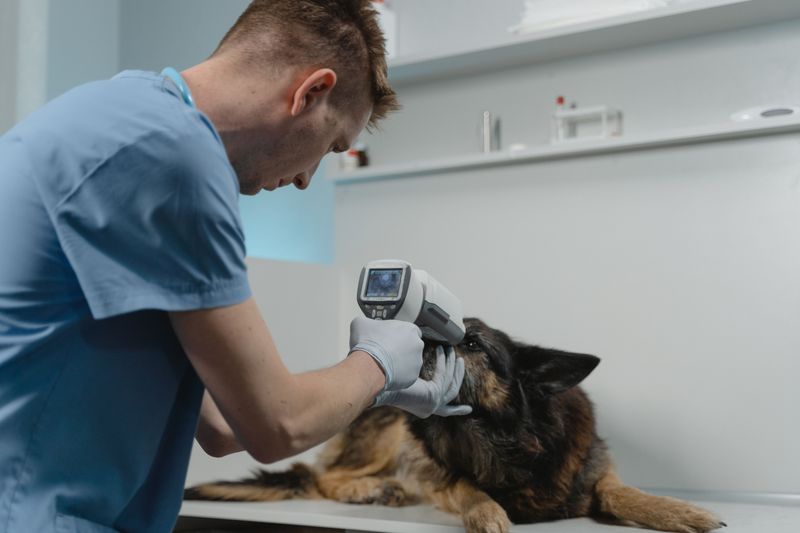
Even so, a chip can shift under the skin. Many veterinarians suggest a scan once a year to make sure it still reads.
A working chip makes the scanner beep and show a number within seconds. Many clinics will scan for free.
Ask at your next visit, or call ahead before your trip.
7. Compare Every Number On File

Typos happen, even in official paperwork. One swapped digit can send a finder to the wrong record.
After the scan, write down the number shown. Then compare it with your vet records, adoption papers, and registration certificate.
All of them should match exactly. If they do not, contact your vet or the registry to fix it.
Keep a clean copy of the correct number somewhere easy to find.
8. Confirm The Registry Still Exists
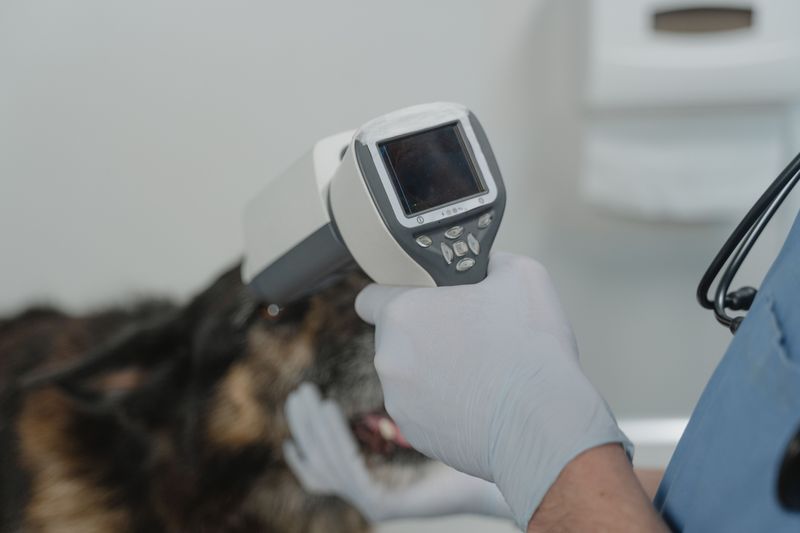
A chip without registration is like a phone number nobody answers. The real magic lives in the registry record.
The AAHA Universal Pet Microchip Lookup tool can show which registry holds your chip. Some registries, such as Save This Life, have closed.
Those records are no longer active.
If yours shut down, re-register with another service. No search result does not always mean no record, so contact any listed registry directly.
9. Make Sure You Are Listed As Owner

Rescue dogs often arrive with a history. Sometimes that history includes a chip still registered to a breeder, shelter, or past family.
Once you find the registry, call or log in. Confirm that your name appears as the current owner.
If not, ask how to transfer ownership. Some registries offer electronic transfers that take only minutes.
That small step ensures the call comes to you, not a stranger.
10. Put Your Best Phone Number First

Think about which number you actually answer while traveling. For most people, it is a cell phone.
Your primary phone number is the first thing a finder will try. Most registries let you update it online in a few minutes.
Do it before you load the car, not after. If you changed carriers or numbers this year, double check carefully.
A ringing phone is often the quickest path home.
11. Double Check Email And Home Address

Phones lose signal in hunting country and rural valleys. That is when backup contact methods earn their keep.
Look over the email and home address in your microchip record. Old addresses linger longer than people expect.
Multiple accurate contact options give finders more ways to reach you. An email might reach you at a motel with Wi-Fi.
A correct address helps shelters confirm you are the rightful owner.
12. Choose A Reliable Backup Person
Long drives, quiet tree stands, and crowded family dinners can all keep you away from your phone. That is perfectly normal.
An emergency contact in your registry acts as your stand-in. Pick someone who answers calls and lives near home.
A neighbor, sibling, or close friend works well. Let them know they are listed.
A quick heads-up means they will not be surprised if a shelter calls.
13. Account For A Second Chip
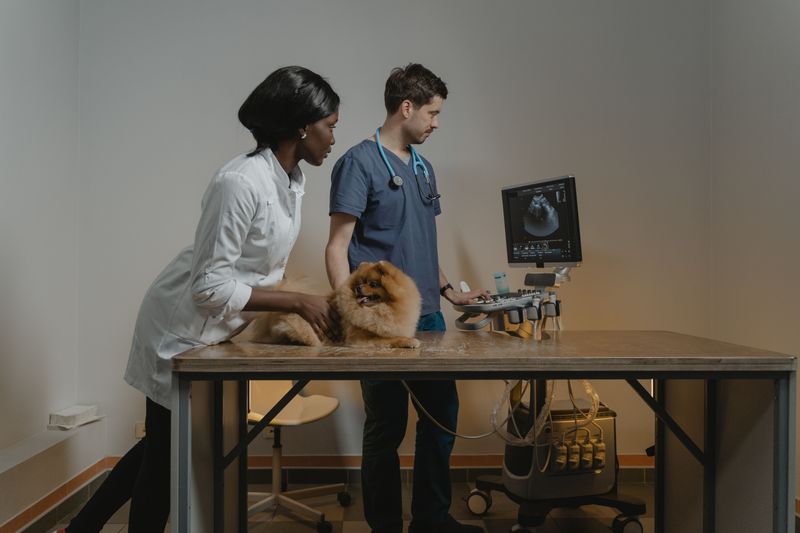
Surprise discoveries happen at the vet. Some dogs, especially rescues, carry more than one chip.
A scanner might read either one. So each chip needs its own accurate registration with your details.
Ask your vet to scan the whole body, not just between the shoulders. If a second number appears, look it up and update it.
Two well-kept records give twice the safety net.
14. Test The Everyday ID Tag
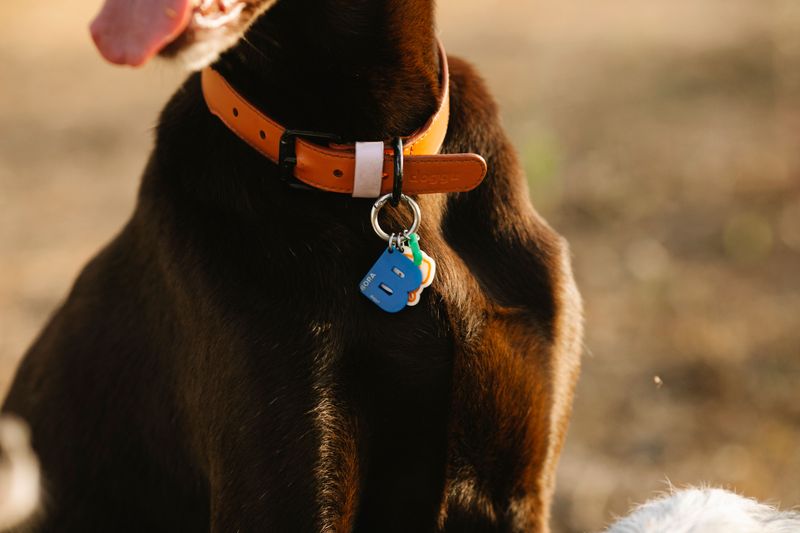
Give the ID tag a gentle tug. Does it stay put, or does the ring feel loose?
A personal ID tag is separate from the license tag. Its job is simple: show a working phone number anyone can call.
Worn engraving and old numbers are common problems. Replace faded tags and swap flimsy rings for sturdy ones.
A neighbor can often help sooner than any office.
15. Clip On A Temporary Travel Tag
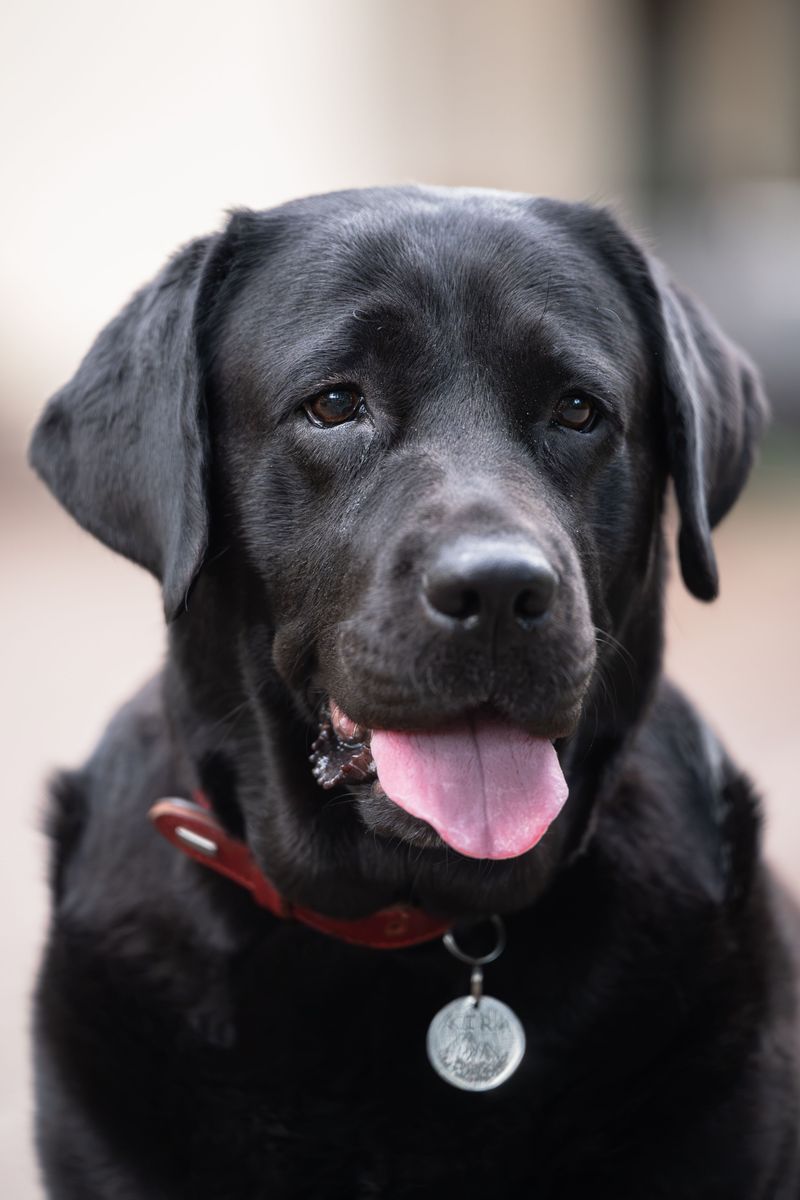
Fun idea for the road: give your dog a vacation tag. It works like a little postcard on the collar.
Temporary travel tags let you list where you are staying. Add the cabin address or a relative’s phone number.
You can buy write-on tags or make a simple one yourself. Someone nearby can return your pup quickly.
Remove it when the trip ends to avoid confusion later.
16. Review The Rabies Certificate
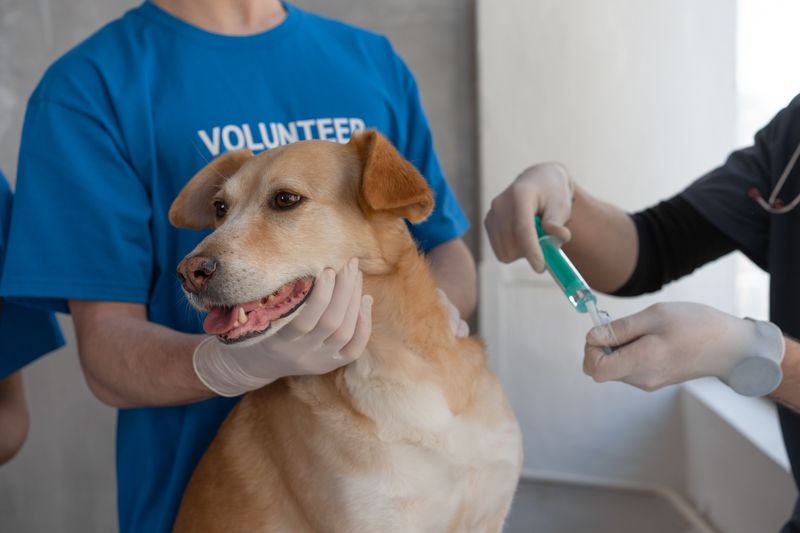
Rabies paperwork is easy to forget in a drawer. Yet it often matters most during travel.
Pennsylvania requires rabies vaccination for dogs three months and older. A licensed vet, or someone under their direct supervision, must give it.
You should receive a signed certificate.
Check the date and confirm your dog’s description is correct. Boosters are often every three years, but confirm timing with your vet.
17. Research Your Destination’s Rules
Crossing state lines? Rules can change at the border, and each state sets its own.
Some destinations want a Certificate of Veterinary Inspection, also called a health certificate. Many airlines ask for one issued within about 10 days of travel.
Boarding kennels may have their own requirements too. International trips need even earlier planning.
Call your destination’s agriculture department, airline, or kennel well ahead of time.
18. Pack License Proof For The Hunt

Bird dogs and hounds sometimes work without collars in the field. Pennsylvania allows for that in certain cases.
Exceptions cover hunting, training, shows, and travel to or from them. However, the person with the dog must carry a copy of the license or tag.
A waterproof pouch keeps it handy. Visiting hunters should check nonresident rules, which require a collar nameplate with owner details.
Confirm specifics with your county or the Game Commission.
19. Build A Simple Lost Dog Kit

Ever tried describing your dog from memory while feeling rattled? It is harder than it sounds.
Put together a small kit before you leave. Include clear recent photos, a short description, and copies of license and chip details.
Store copies on your phone too. If your dog slips away, you can share details fast.
Being ready means you stay steady, and your dog likely heads home sooner.