Two Homes Mean Two Sets Of Dog Records For Many Michigan Cottage Owners

A weekend at your Michigan cottage feels easier when your dog’s information is already there. A second set of records can help a sitter follow routines, help a veterinarian understand your dog’s care, and keep important papers close at hand.
It also gives you a chance to check licensing and rabies paperwork before you travel. You do not need a complicated system, just clear details that stay current at both homes.
1. Keep One Record Set Ready For Each Home
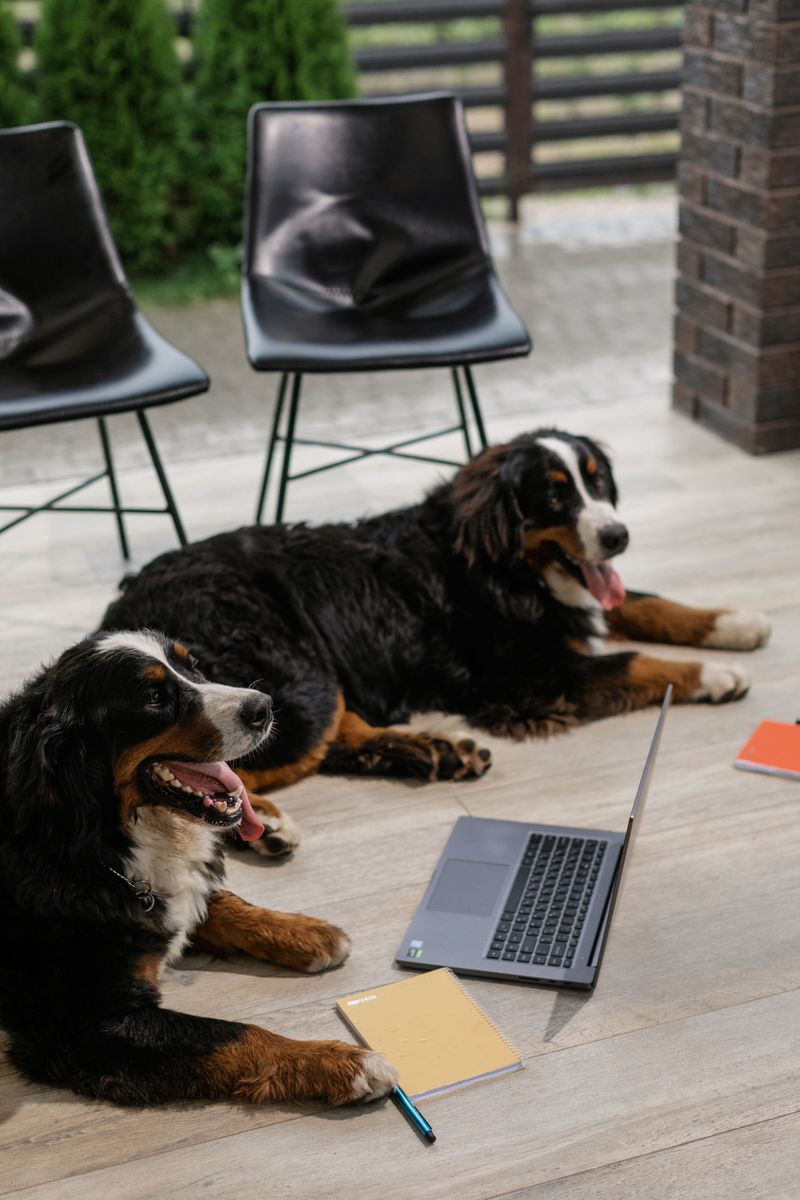
Picture arriving at the cottage without searching your car for a vaccination certificate. Keep a folder at each home with your dog’s license information, health papers, and care notes.
Put it somewhere another caregiver can find quickly.
Michigan requires dogs at least four months old to be licensed, and current rabies vaccination is required to obtain a dog license. Licensing is handled by the local city, village, township, or county.
Owning a cottage does not automatically mean your dog needs two licenses, so ask the appropriate county or township.
2. Update Both Records After Every Vet Visit

A routine appointment can change more than one line in your dog’s records. Your veterinarian might adjust a medicine, recommend a follow-up, or issue a new certificate.
Add those details to both folders while the visit is fresh.
Write the appointment date beside each update, and replace older instructions that no longer apply. If you use paper copies, take a clear photo before leaving the clinic.
A quick update now prevents conflicting directions later.
3. Keep Vaccination Details In Both Places
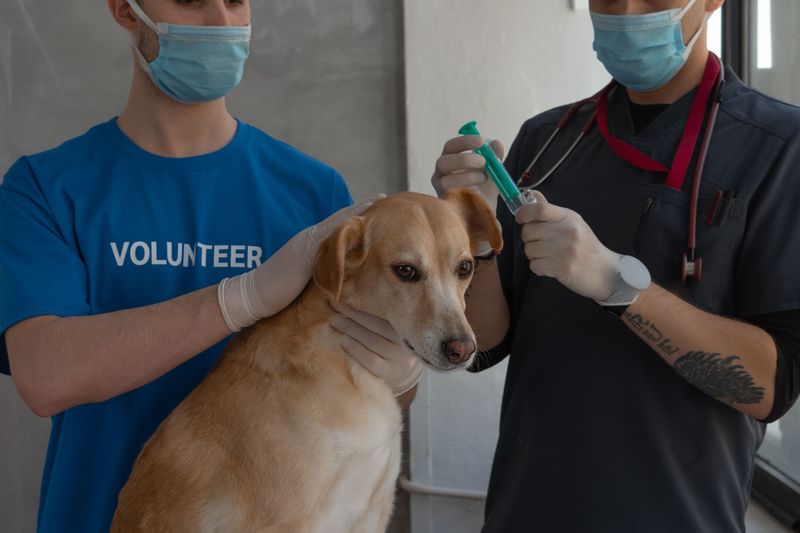
Rabies paperwork is especially useful when your dog travels between homes. Keep a copy of the current certificate in each folder, along with your dog’s other vaccination records.
Check the expiration date before a long cottage stay.
Michigan licensing requires current rabies vaccination, but your veterinarian determines the appropriate vaccination schedule for your dog. The timing of future rabies vaccinations depends on the vaccine used and applicable requirements.
Ask your veterinarian which other vaccines fit your dog’s activities.
4. Store Medication Information At Each Cottage
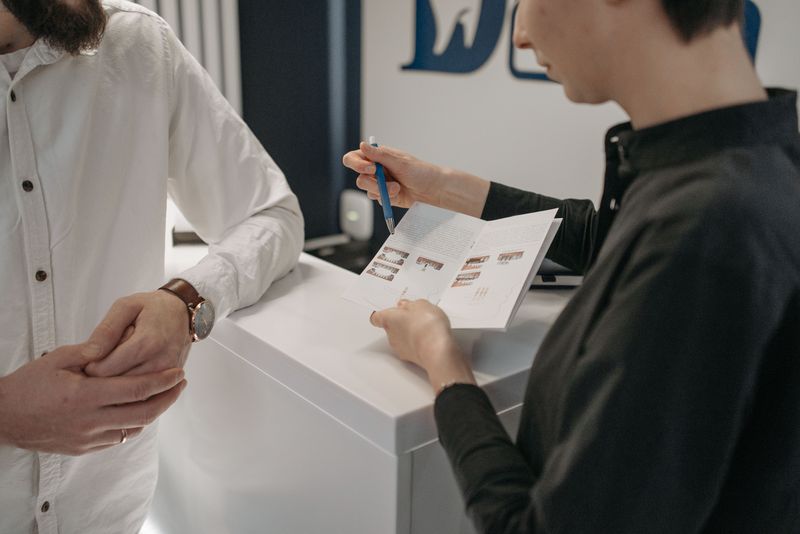
Medicine directions are harder to remember when a trip changes your usual schedule. Place a current medication sheet in each home’s record folder.
Include the medicine name, prescribed amount, timing, purpose, and storage instructions.
List the prescribing veterinarian and the date the directions were confirmed. Keep medicines in their original containers and store them as directed, away from pets and children.
If supplies stay at the cottage, check their labels and expiration dates before each visit.
5. Add Your Veterinarian’s Contact Information
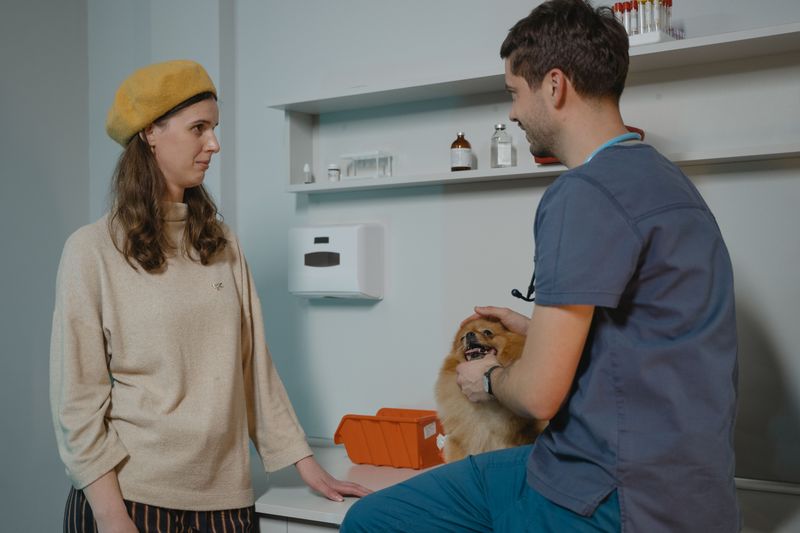
Your regular clinic knows your dog, even when you are miles from home. Save its phone number, address, and office hours in both record sets.
Add a nearby cottage-area veterinary clinic and an after-hours option.
Before your next trip, call or check current websites to confirm those services and hours. Note how to reach the cottage from the nearest main road.
If someone else drives your dog for care, clear directions and contact details can save valuable time.
6. Include Emergency Contacts
A trusted neighbor may be closer than you during an unexpected delay. List people who can reach your dog, provide care, or contact you.
Ask for their permission first, then include phone numbers and any access instructions.
Keep local animal control information with those contacts for both communities. Check which office serves the cottage address, since boundaries and service hours vary.
Tell your contacts where the records are stored, and review the list whenever a phone number changes.
7. Keep Microchip Details Current

A microchip helps only when its registration leads to someone who answers. Keep your dog’s chip number, registry name, and contact details in both folders.
Update the registry after a move or phone number change.
If the registry allows extra contacts, consider adding someone who can respond while you travel. Ask your veterinarian to scan the chip during a regular visit if you cannot find its number.
A microchip supports identification, but it does not replace a readable collar tag.
8. Record Your Dog’s Feeding Routine
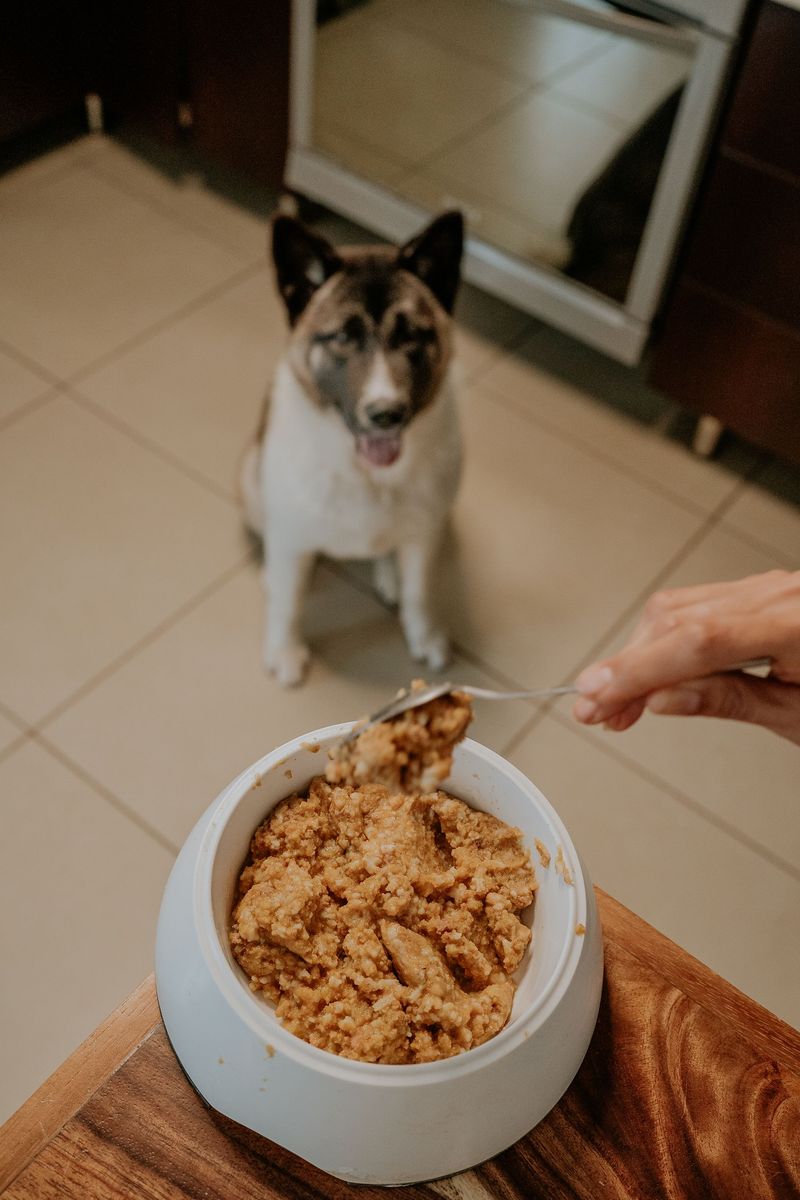
Dogs often notice a change in meals before people notice a change in plans. Write down your dog’s food, usual portion, meal times, and treat limits.
Keep the same instructions at both homes for sitters.
Include where food is stored and how you measure each serving. If cottage days bring more activity, ask your veterinarian whether meals need adjusting.
Bring enough familiar food for the visit, especially when local stores may not carry your usual choice.
9. Write Down Daily Medications And Supplements

When several people help with care, a simple daily chart can prevent confusion. List each medicine and supplement separately, with its veterinarian-approved amount and time.
Add a checkbox for each dose at both homes.
Mark doses immediately after giving them, rather than relying on memory. Tell caregivers whether an item should be given with food.
Supplements can affect treatment too, so share the full list with your veterinarian. Never guess about a missed dose; call the clinic for advice.
10. Track Allergies And Food Sensitivities

A well-meant snack can upset a dog with a known food sensitivity. Put allergies and foods to avoid near the front of each folder.
Include any reactions your veterinarian has identified and the instructions they provided.
Keep the wording specific, so caregivers know whether a concern involves food, medicine, or something outdoors. Check labels before offering unfamiliar treats at the cottage.
If you suspect a new sensitivity, record what happened and discuss it with your veterinarian before changing treatment.
11. Keep A Current Photo In Both Records
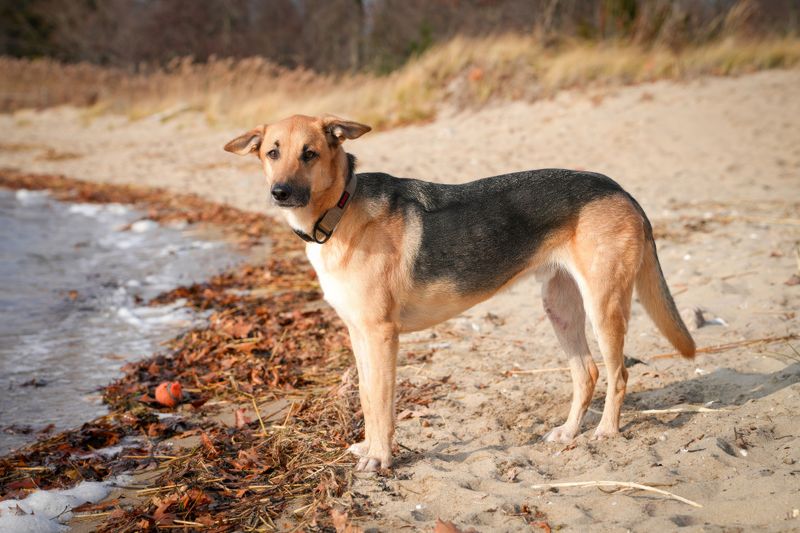
Your favorite puppy picture may no longer show what your dog looks like today. Place a recent, clear photo in both folders.
Choose one showing the face and another showing the full body.
Update the pictures after a major change in coat, size, or appearance. A photo can help a neighbor or local animal control identify your dog if you become separated.
Save the images on your phone too, where you can share them without searching through a folder.
12. Add A Recent Weight
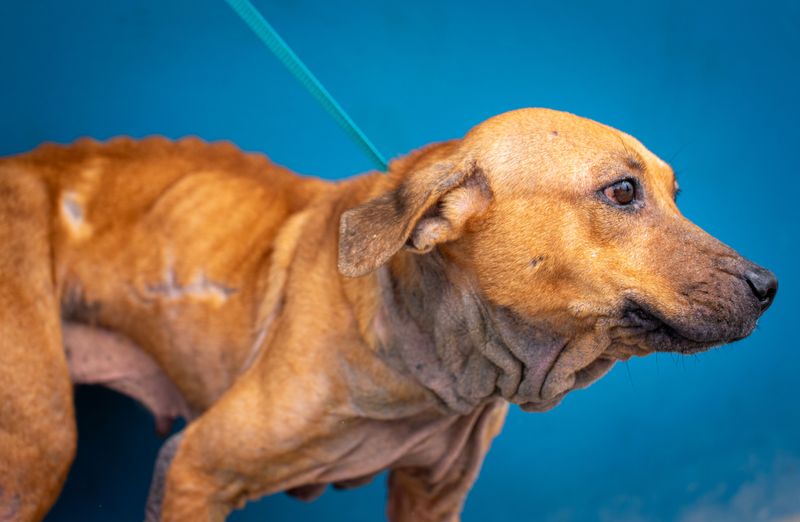
A number from last year may not describe your dog now. Record the most recent weight, the date measured, and the clinic or scale used.
Copy that entry into both home folders.
Weight gives veterinarians helpful context when discussing health and treatment. It can also help you notice a gradual change over time.
Do not use an old weight to choose medicine amounts yourself. If you see an unexpected change, ask your veterinarian whether a checkup makes sense.
13. Note Your Dog’s Normal Routine
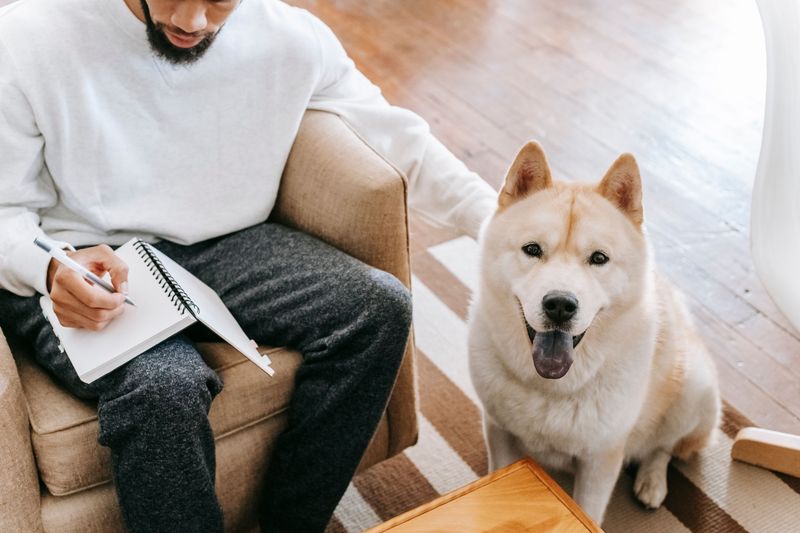
Some dogs settle in quickly, while others depend on familiar habits. Describe your dog’s usual walk times, rest periods, bathroom breaks, and favorite games.
Keep the notes short enough for a sitter to scan.
Mention behaviors that are normal for your dog, such as asking to go outside after dinner. Those details help caregivers spot a meaningful change.
Include any cottage differences, like an earlier bedtime after lake walks, so the plan reflects real life there.
14. Keep Cottage-Specific Safety Notes
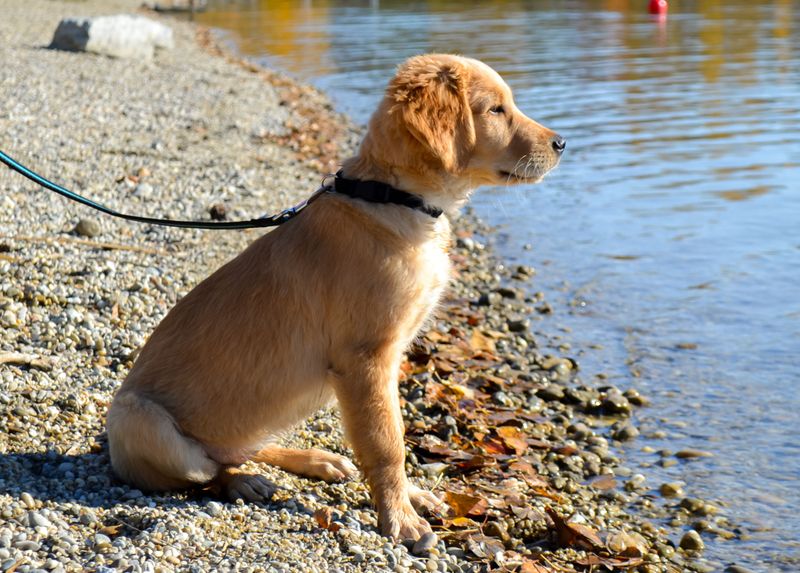
The cottage has its own layout, sounds, and outdoor distractions. Note secure exits, shoreline access, nearby roads, and places where wildlife appears.
Add a simple map if guests may walk your dog.
Check local leash rules with the municipality or animal control, since requirements can differ. Ask about current water conditions before letting your dog swim, and provide fresh drinking water.
Update these notes when a dock, fence, or neighboring property changes.
15. Keep A Leash And Collar Checklist
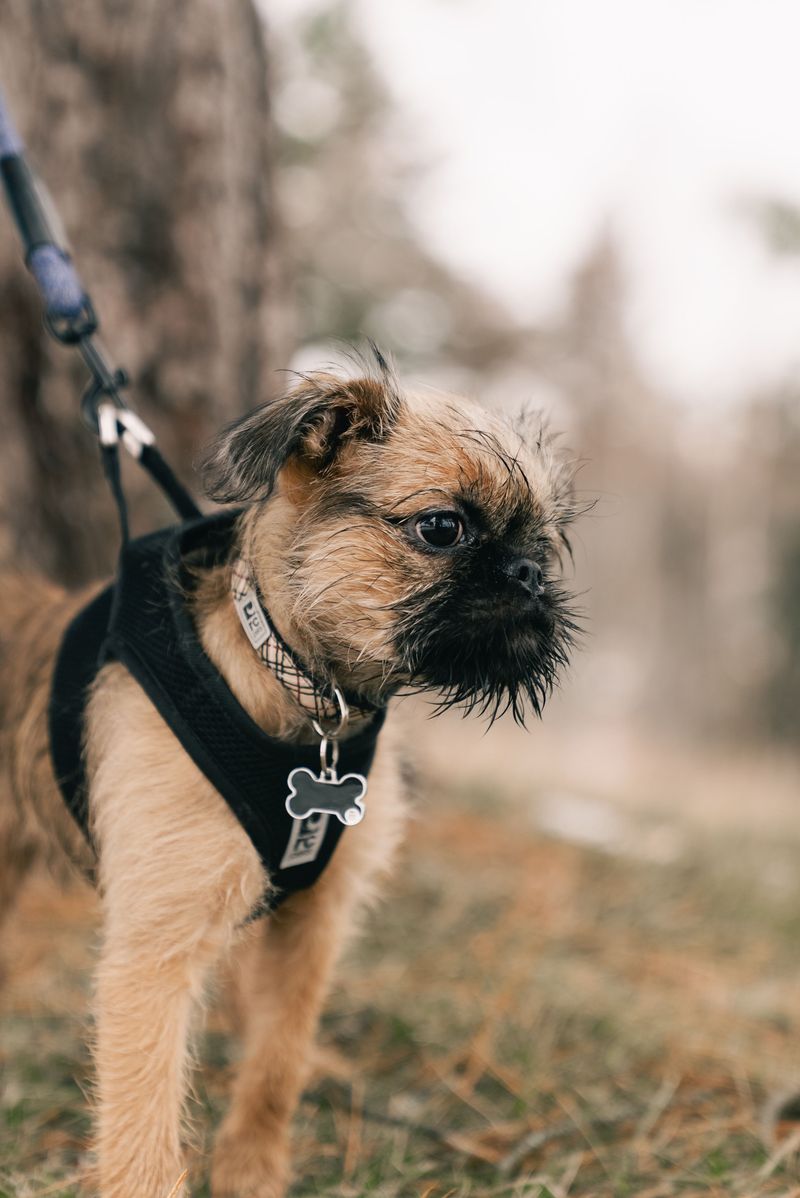
A packed car can still be missing the one leash you use daily. Add a gear checklist to your records and review it before leaving.
Include a leash, properly fitted collar or harness, and readable identification tag.
Check that the tag shows a phone number you currently answer. Pack a spare leash if you have one, and inspect worn clips or straps.
Local leash rules may differ near the cottage, so confirm them before exploring a new trail.
16. Store A Backup Record Digitally
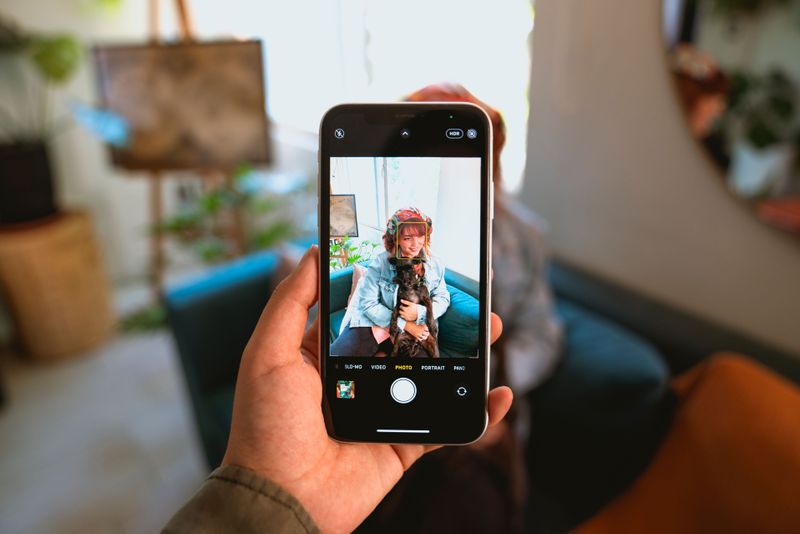
Paper folders are handy until you need information while away from either house. Scan key documents and save them in a secure digital folder.
Include vaccination certificates, medication instructions, chip details, and contact numbers.
Use a password or device lock to protect personal information. Download essential files for offline access if cottage service is unreliable.
Tell a trusted caregiver how to reach the records without sharing passwords broadly. Review the digital copies whenever you update the paper sets.
17. Check Records Before Each Cottage Trip
Give the folders a quick look while you plan the drive. Check rabies paperwork, contact numbers, medicine directions, and the cottage veterinarian’s hours.
Replace missing pages before they become a problem.
If you have changed your primary residence, ask the new county or township about its licensing deadline. A cottage stay alone does not establish that you need another license.
Confirm any location-specific questions with the local licensing office. A five-minute review makes the trip feel more organized.
18. Make One Person Responsible For Updates
Shared tasks work best when someone knows who handles the final check. Choose one household member to update both paper folders and the digital backup.
Everyone can pass along new information to that person.
Set a reminder after vet visits and before cottage season begins. Keep a dated checklist inside each folder, so updates are easy to verify.
With one clear system, your dog’s details stay ready at either door. Then you can enjoy the cottage with fewer loose ends.