What California Dog Owners Should Know Before Buying A Puppy From A Breeder
Bringing home a puppy starts long before you choose a collar or pick a name. As a California dog owner, you have health records, breeder practices, and local rules to check first.
A little preparation can help you find a well-raised puppy and understand what you are paying for. Think of this guide as a friendly checklist for making a thoughtful choice, without rushing past the details that matter.
1. Check California’s Breeder Licensing and Consumer Rules

A polished website does not tell you whether a breeder follows the rules. California has breeder consumer protections, but their coverage depends on the seller’s activities.
Local permits and business requirements can also differ.
Ask animal control which rules apply where the breeder operates. Request any required permit details, then confirm them independently.
Do not assume every small breeder needs the same license. Save the seller’s legal name, address, and written answers before paying any money.
2. Ask Where the Puppies Were Born and Raised
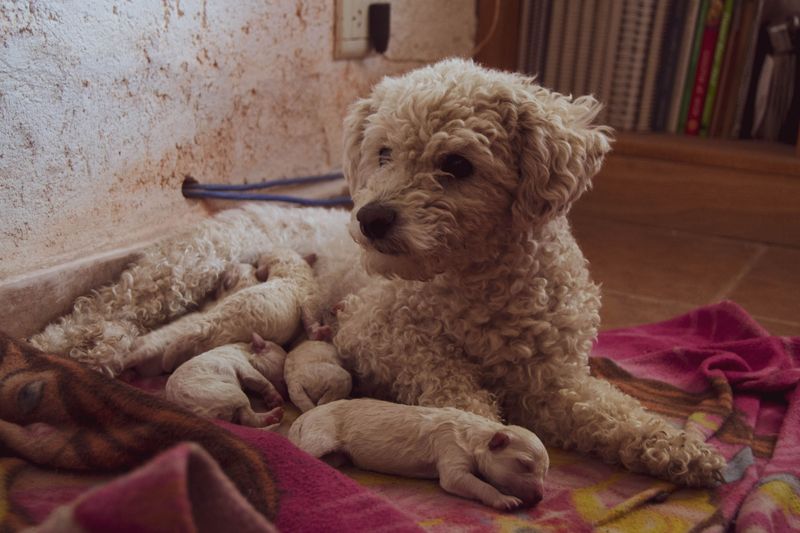
A puppy’s first address can reveal more than a sales photo. Ask where the litter was born, who raised it, and whether it moved between locations.
Clear answers help you understand its early care.
Find out whether the seller bred the litter or obtained puppies elsewhere. Request an explanation for any transfers.
Photos and video can support the story, but they cannot replace reliable records. Be cautious when basic details keep changing during your conversations together.
3. Visit the Breeder Before Bringing a Puppy Home

Your nose, eyes, and ears offer clues a listing cannot provide. Arrange a visit before committing, while respecting reasonable disease prevention measures.
Look for clean bedding, fresh water, safe spaces, and comfortable dogs.
Notice whether puppies appear curious and receive patient handling. One quiet moment does not prove a problem.
Ask about routines instead of guessing. If access is restricted, request a live video tour and clear reasons.
A parking lot handoff alone reveals very little.
4. Meet the Puppy’s Mother

Meeting the mother adds useful context to a puppy’s story. Ask to see her where she normally lives, without forcing interaction.
Her condition and behavior can help you discuss care and temperament.
Remember that nursing dogs may be tired, protective, or less social than usual. Ask how she behaves outside motherhood.
The father may live elsewhere, which is common. If the mother is unavailable, request a clear explanation and supporting records rather than accepting vague excuses.
5. Request Health Records for the Puppy
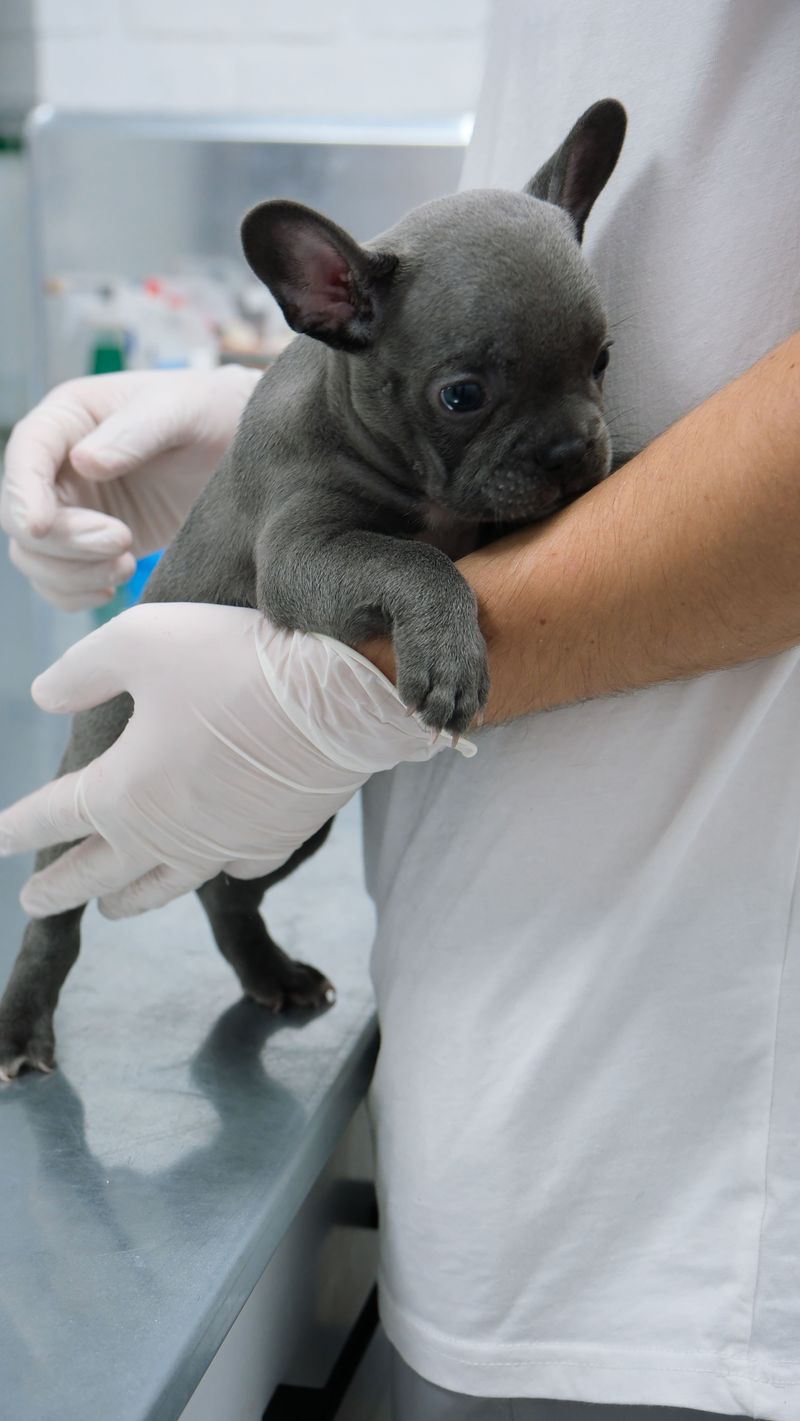
A folder of records is more useful than a reassuring promise. Request vaccination dates, deworming details, examination findings, and any known medical concerns.
Records should identify the puppy and the veterinary provider.
Ask permission to verify unclear information with the clinic. Share the documents with your veterinarian before planning future care.
Puppy vaccines usually require a series, not one appointment. Keep copies somewhere accessible, and ask whether microchip information needs updating when ownership changes after purchase.
6. Check the Parents’ Breed-Specific Health Testing
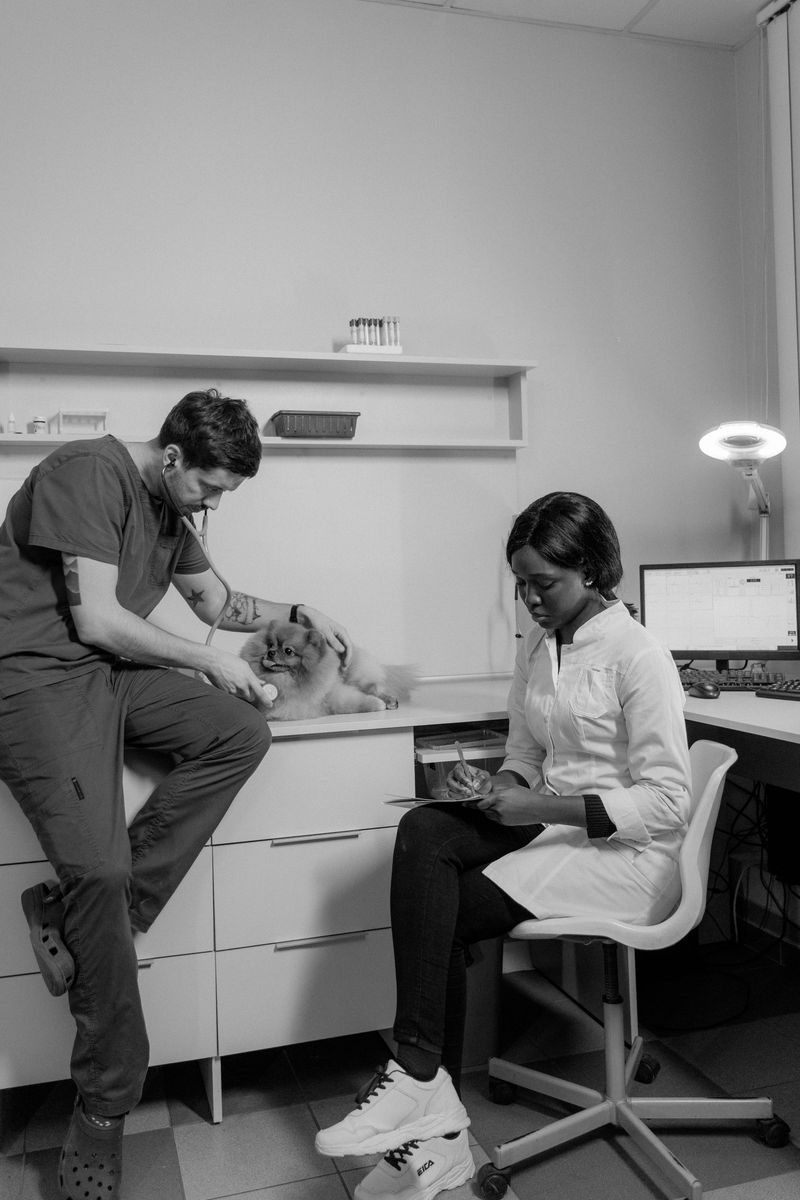
Healthy-looking parents can still carry inherited conditions. Research the screenings recommended for the breed through its national breed club and your veterinarian.
Depending on the breed, testing may involve hips, eyes, hearts, or DNA.
Request actual results for both parents, including identifying information. Check public databases when results are available there.
A DNA panel does not replace every recommended examination. Good results reduce certain risks, but they never promise a puppy will avoid all health problems.
7. Be Careful With Healthy or Vet Checked Claims
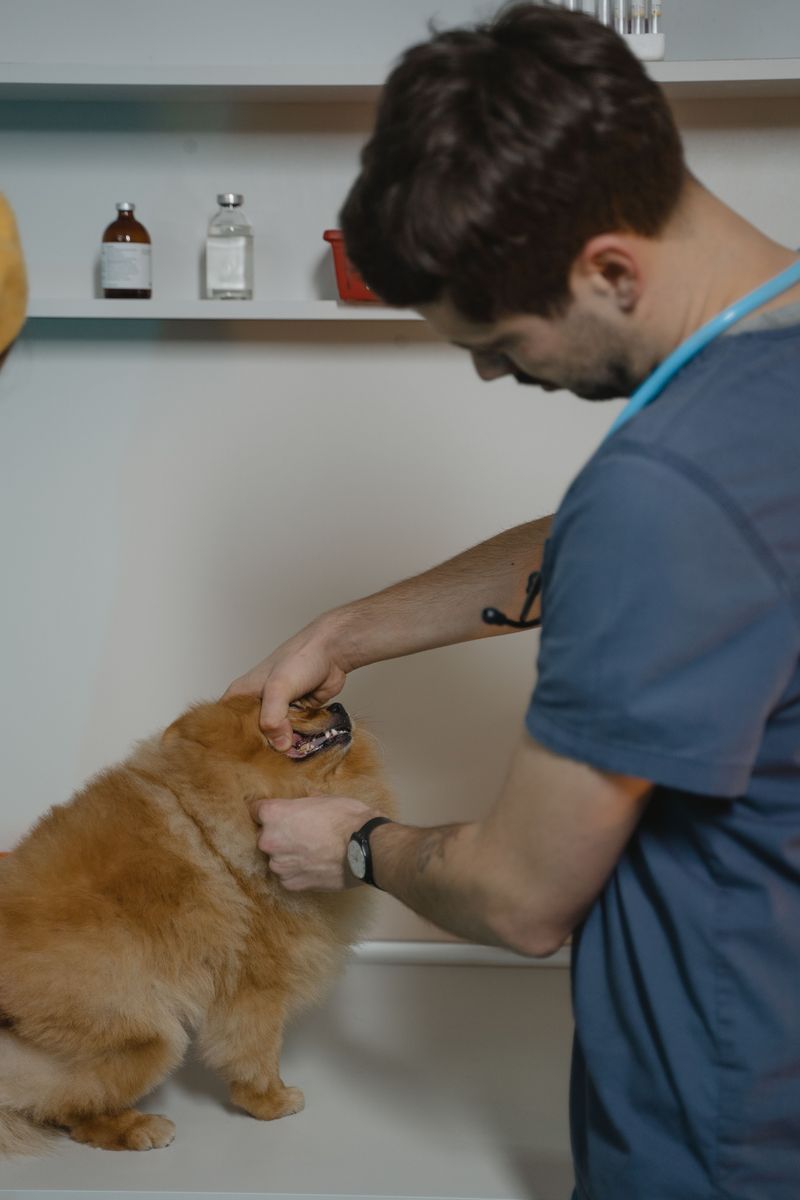
Two comforting words can leave plenty unanswered: vet checked. An examination describes what a veterinarian observed at that time.
It does not automatically include genetic screening, complete vaccination, or a guarantee.
Ask when the visit happened and what was checked. Request the written findings, including anything needing follow-up.
Terms such as healthy should match documented facts, not replace them. Your own veterinarian can explain what those records establish and what still needs attention after coming home.
8. Understand California’s Puppy Sale Requirements

California law requires covered breeders to provide written disclosures and health information. The Polanco-Lockyer Pet Breeder Warranty Act applies to breeders that, during the preceding 12 months, sold, transferred, or gave away all or part of three or more litters or 20 or more dogs that were bred and reared on the breeder’s premises.
Different rules can apply to other sellers.
Confirm the current requirements through official state sources before signing. Ask for the required information before money changes hands.
California also restricts retail pet store animal sales, separately from direct breeder purchases. Do not assume a private sale automatically removes every legal responsibility.
9. Read the Purchase Contract Before Paying a Deposit

A deposit can create obligations before you ever hold the puppy. Read the full agreement first, including refund terms, pickup dates, and what happens if plans change.
Get verbal promises added in writing.
Check the puppy’s identification, total price, included services, and any breeding restrictions. Understand whether the deposit reserves one puppy or a future litter.
Avoid signing blank spaces or unclear terms. Keep a dated copy and payment receipt, preferably using a traceable payment method.
10. Know What the Health Guarantee Actually Covers
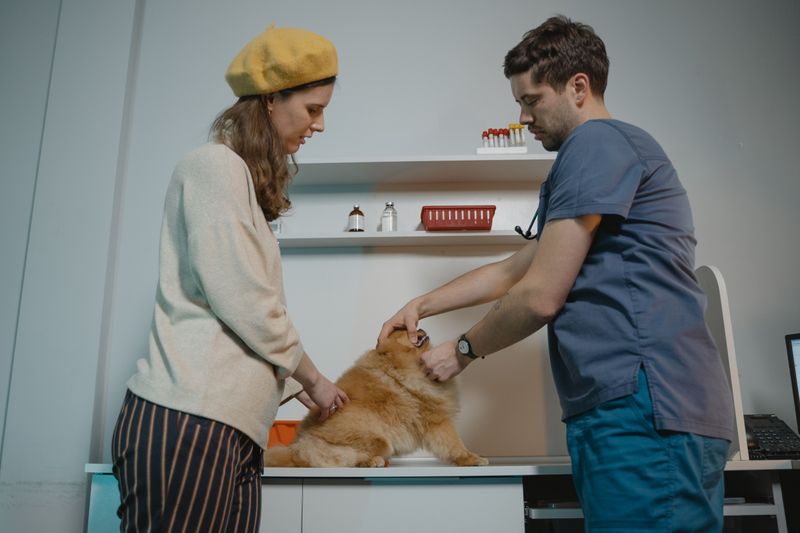
A long guarantee can sound generous while covering surprisingly little. Look for the conditions included, excluded problems, required examinations, and deadlines for notifying the breeder.
Check who pays veterinary expenses.
Some agreements offer replacement puppies rather than reimbursement, which may not suit your family. California consumer remedies may apply separately when legal requirements are met.
Arrange a veterinary visit promptly after purchase. Ask a qualified adviser about disputed terms instead of assuming the contract settles everything.
11. Ask When the Puppy Can Legally Go Home

That tiny puppy may be adorable, but timing matters. California generally prohibits selling puppies younger than eight weeks.
An exception requires written approval from a California veterinarian before the sale.
Ask for the birth date and supporting records, not an estimate based on size. Eight weeks is a legal threshold, not proof every puppy is ready.
Discuss weaning, eating independently, and developmental needs with the breeder. A later pickup can sometimes better suit a particular puppy.
12. Look for Early Socialization, Not Just a Good Pedigree

A famous family tree cannot teach a puppy about everyday life. Ask how the breeder introduces household sounds, gentle handling, different surfaces, and suitable people.
Early experiences should feel manageable, not overwhelming.
Look for a thoughtful plan that respects each puppy’s comfort. Exposure should increase gradually, with breaks and rewards.
Avoid settings with unknown dogs or contaminated ground before veterinary guidance. Continue safe socialization at home, using your veterinarian’s advice about local disease risks and vaccinations.
13. Check How the Breeder Matches Puppies With Families

The boldest puppy is not automatically the best match. A thoughtful breeder asks about your schedule, household, experience, and activity level.
Those questions help connect a puppy’s needs with your daily life.
Discuss grooming, training, expected size, and time spent alone. Ask how the breeder observes differences within the litter.
Temperament observations are useful, but future behavior is not guaranteed. Choose with practical needs in mind, rather than coat color or whichever puppy approaches you first.
14. Watch for Red Flags During Communication
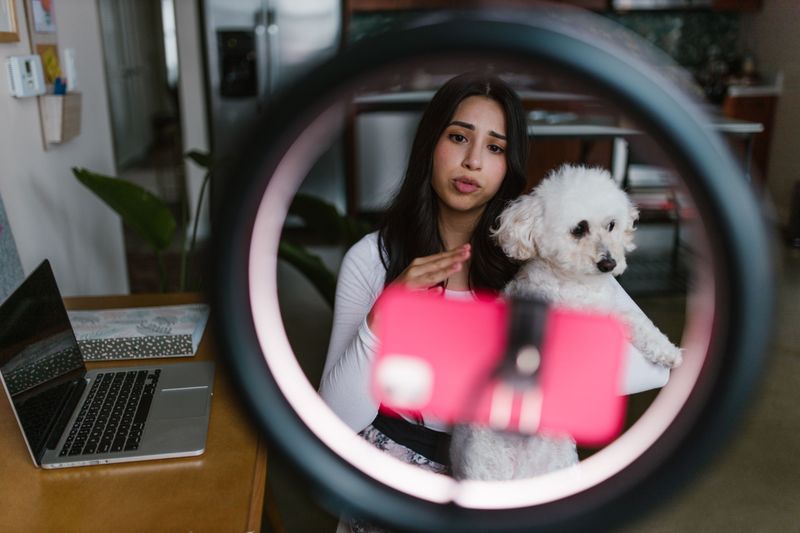
Pressure to pay today deserves a pause, not a faster transfer. Watch for changing stories, copied photos, missing records, and refusal to answer reasonable questions.
These patterns warrant closer checking.
Request a live video showing the puppy and ask specific follow-up questions. Never share unnecessary identity or banking details.
Be cautious with payment methods offering little buyer protection. Honest breeders can have waiting lists and boundaries, but they should explain their process clearly without rushing you.
15. Verify the Breeder’s Reputation Independently

Friendly messages are a starting point, not independent proof. Contact breed clubs, ask for past buyer references, and verify health testing through reliable sources.
Look for consistent names and contact details.
Speak with owners whose dogs are older than a few months. Ask about communication after purchase and how concerns were handled.
Club membership alone does not guarantee responsible breeding. Likewise, limited online visibility does not prove wrongdoing.
Combine several checks before deciding whom to trust.
16. Be Skeptical of Extremely Low or High Prices
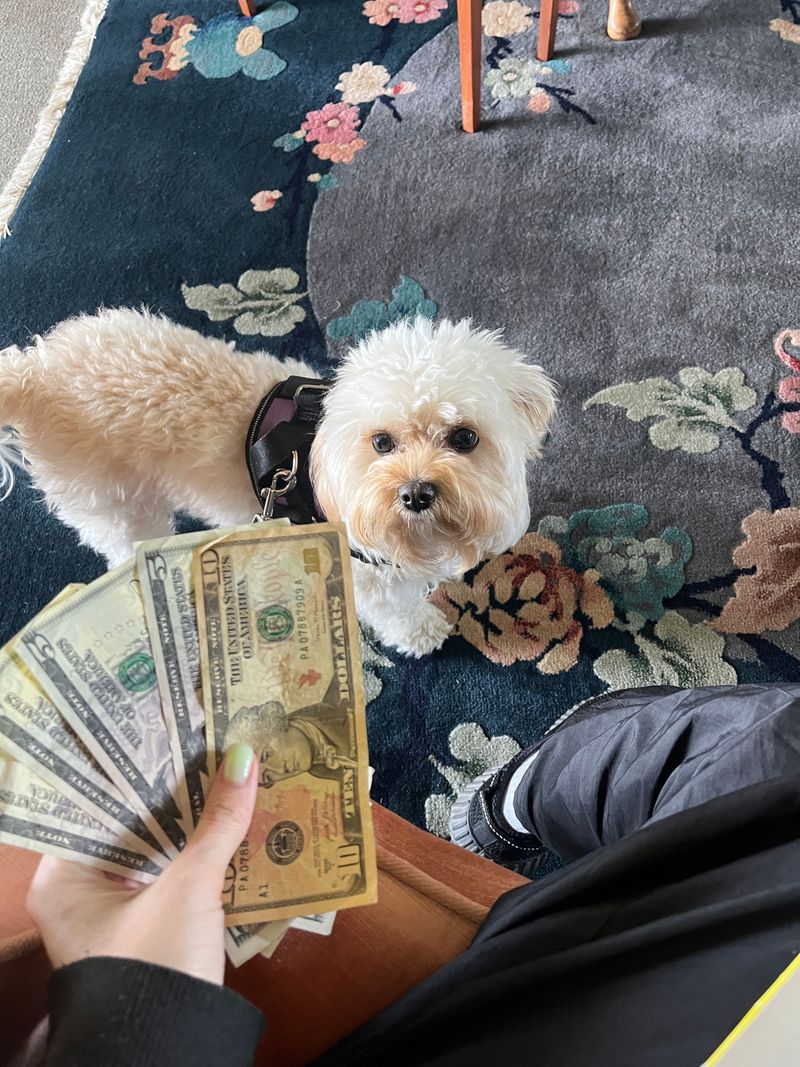
Price tells you what someone charges, not how well they breed. An unusually cheap puppy may involve missing care or a misleading listing.
A costly puppy can still lack proper testing.
Compare what the price includes, such as examinations, records, and support. Avoid paying extra solely for unusual colors or fashionable labels.
Budget beyond the purchase for veterinary care, training, food, grooming, and supplies. Choose documented practices over bargain pressure or claims that expensive means better.
17. Ask About Return and Rehoming Policies
Life can change even after careful planning. Ask what support the breeder offers if housing, health, or family circumstances make ownership difficult.
A clear rehoming policy helps protect the dog’s future.
Read whether returning the dog is required, encouraged, or subject to specific conditions. Clarify transportation, costs, and whether refunds are available.
Do not assume a return promise includes repayment. Keep contact information updated, and discuss training support early rather than waiting until problems feel unmanageable.
18. Consider California’s Local Rules Before Buying
Your home address matters as much as the breeder’s location. Check city or county dog licensing, rabies requirements, animal limits, and applicable housing restrictions.
Rules and deadlines vary across California communities.
Confirm details with animal control, your veterinarian, and your landlord when relevant. Plan secure fencing, safe transport, and a quiet settling area before pickup.
Buying thoughtfully means checking the paperwork and preparing the home. Take your time, ask clear questions, and welcome your puppy confidently.