What Arizona Dog Owners Should Know About Rattlesnakes, Scorpions, And Desert Wildlife
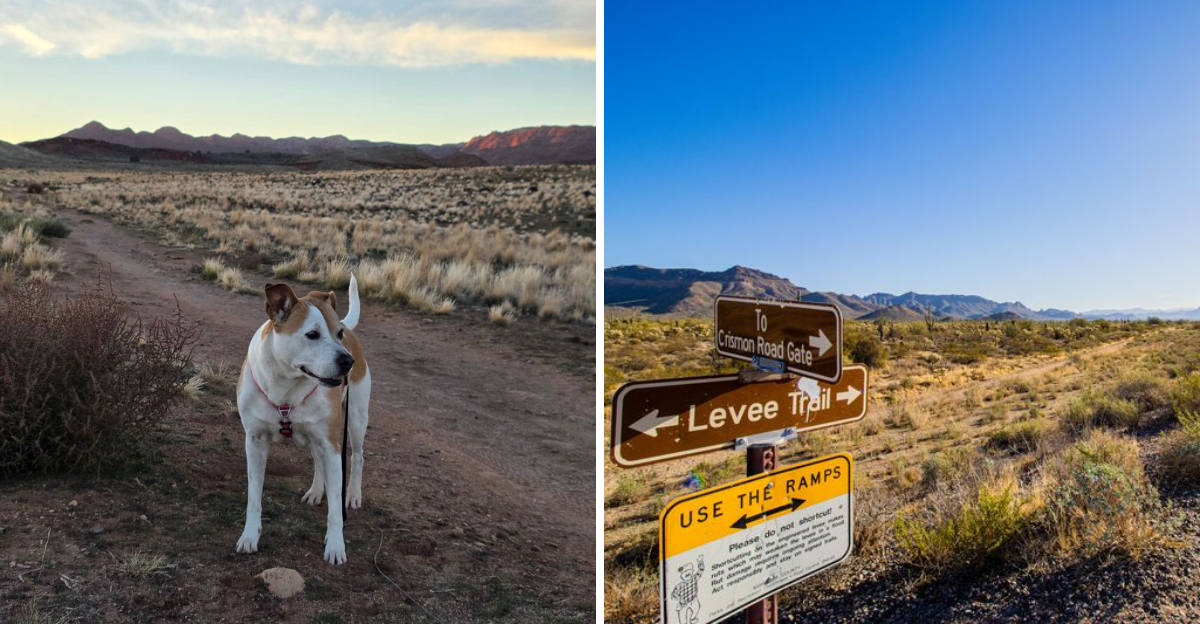
Living in Arizona with a dog means sharing space with rattlesnakes, scorpions, javelinas, and a few other neighbors most states never think about. The good news is that safe walks and calm backyards come down to a handful of habits, not luck.
A little planning goes a long way here. Here is what local owners learn over time, gathered in one place so you can feel prepared instead of worried on your next desert outing.
1. Stay close to small dogs where coyotes roam
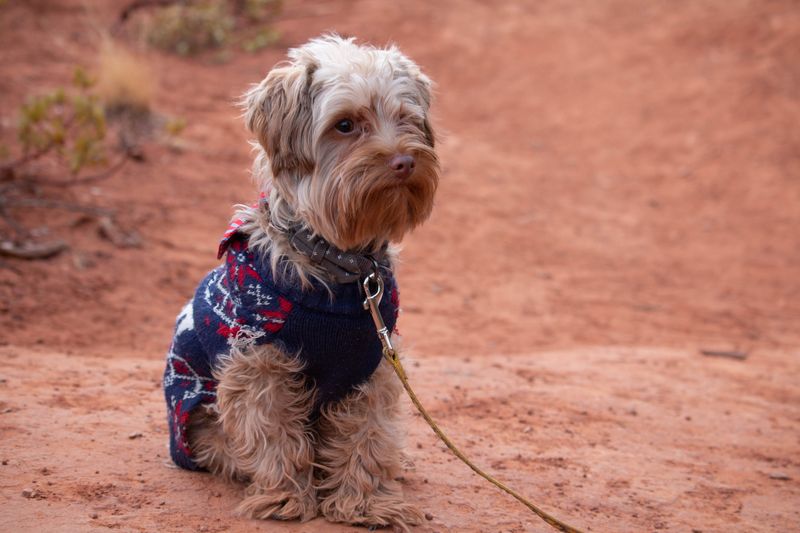
Dogs under about 25 pounds face the most risk, and coyotes clear fences over six feet with ease.
Never leave a small dog alone outside, even in a walled yard. Use a short, non-retractable leash for control.
Haze any coyote you meet: shout, stomp, wave your arms, or sound an air horn. Pick up small dogs, and never turn and run.
2. Remove what draws wildlife to your yard

Food, water, and shelter are the three things animals come looking for. Feed pets indoors, secure trash with tight lids, and gather fallen fruit daily.
Cover fountains at night and bring bowls inside. Clear brush piles and block crawl spaces under decks and sheds.
Consistency is what works here. A boring yard is a safe yard, and your dog gets quieter evenings because of it.
3. Keep dogs leashed on desert trails
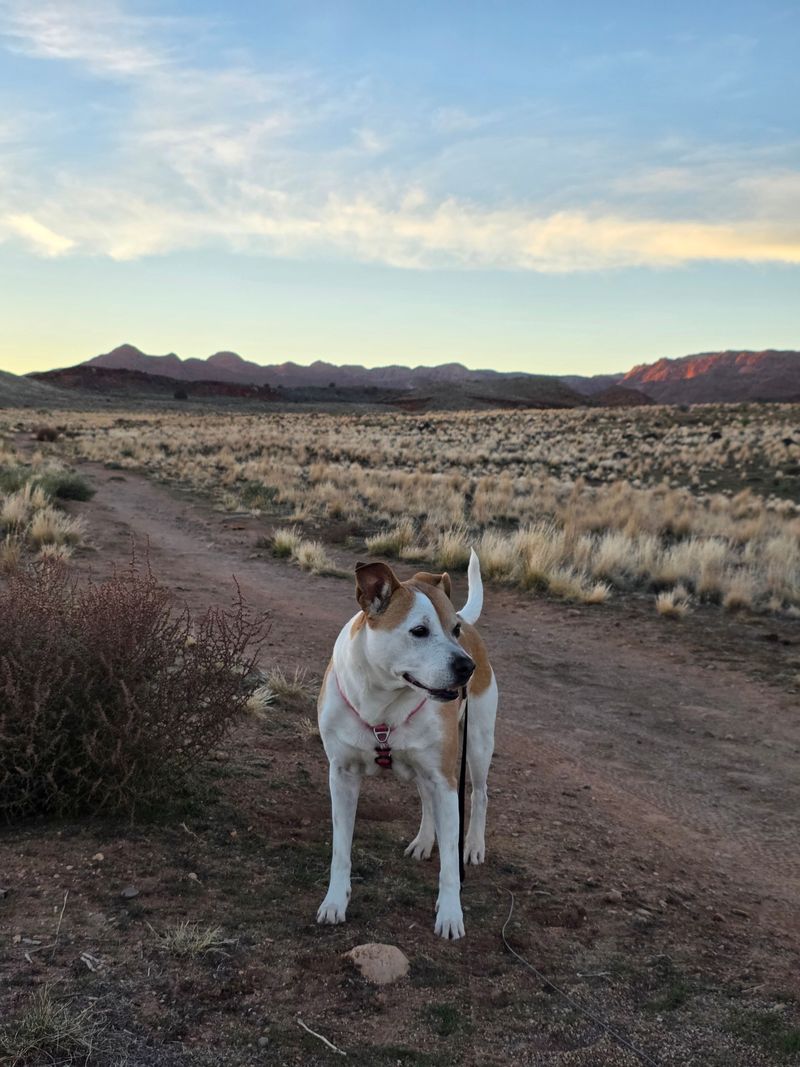
Arizona law generally requires dogs to be restrained in public, and many areas specify a leash no longer than six feet. Maricopa County and Scottsdale apply that rule to trails, washes, and desert areas.
Beyond the legal side, a leash keeps a curious nose out of brush where snakes rest. Rules vary by city and land manager, so confirm before you go.
4. Stick to established, marked paths
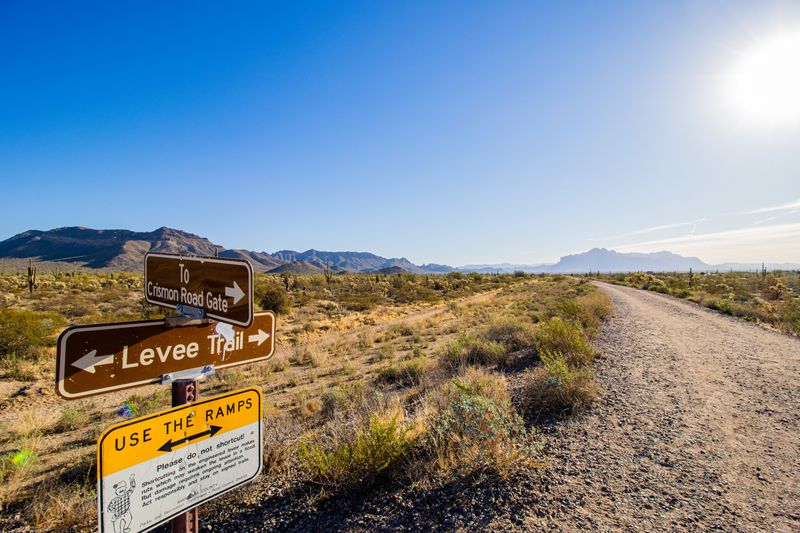
Open, well-worn paths give you sight lines. Off-trail ground hides snakes under rocks, scorpions in crevices, and cactus spines waiting for paws.
Shortcuts through brush are where most surprises happen.
Some trails also restrict dogs entirely to protect habitat or reduce conflicts with other users. Check posted signs at the trailhead, since rules differ between city preserves, county parks, and forest land.
5. Rattlesnake season stretches from spring into fall
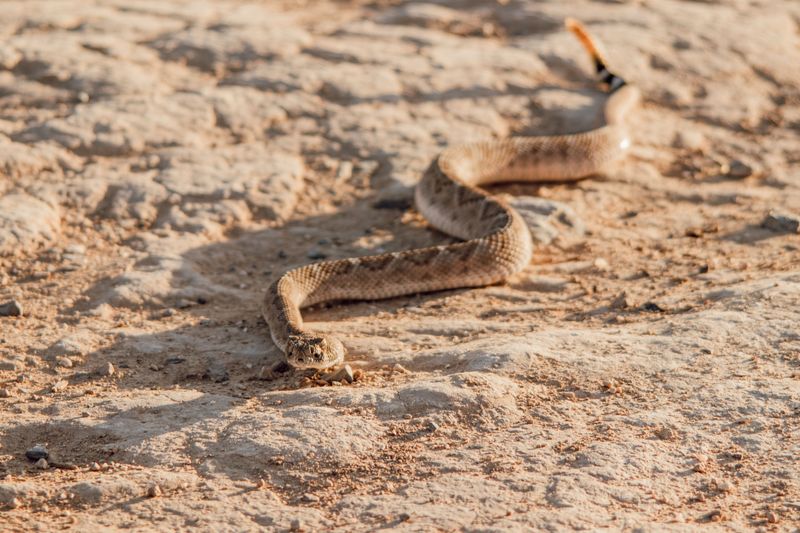
Most rattlesnake activity in Arizona runs March through October. Warm spells can wake snakes as early as late February in low desert elevations.
September often brings more reported encounters, since milder weather sends both snakes and people outdoors. By mid-November, most have settled into winter shelters.
Knowing the calendar helps you plan walks with sharper attention during peak months, without avoiding the outdoors altogether.
6. Temperature shapes when snakes move
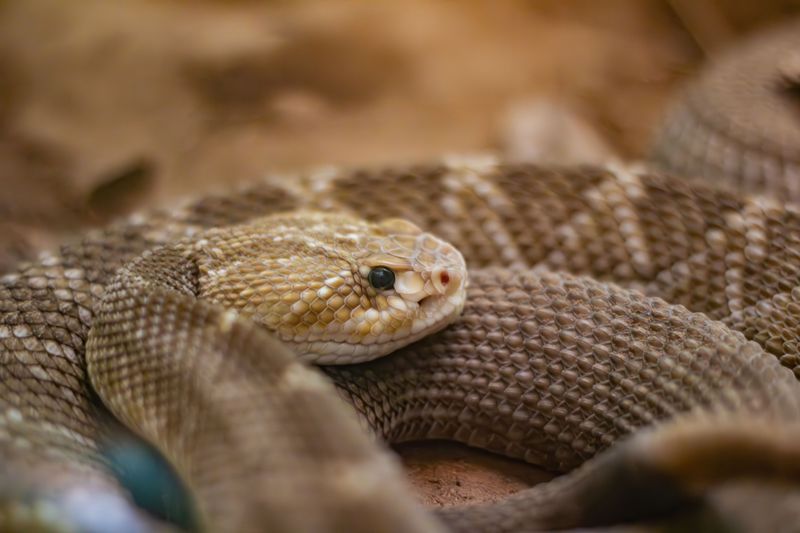
Cool spring days bring rattlesnakes out during daylight, basking where the sun hits.
Once serious heat arrives around early May, they flip to nighttime habits, moving after sunset and again near dawn. Ground temperatures simply get too extreme at midday.
Monsoon weeks in late summer bring another burst of movement, mostly after dark. Match your walking schedule to that pattern and you will cross paths far less often.
7. Carry a good flashlight after dark
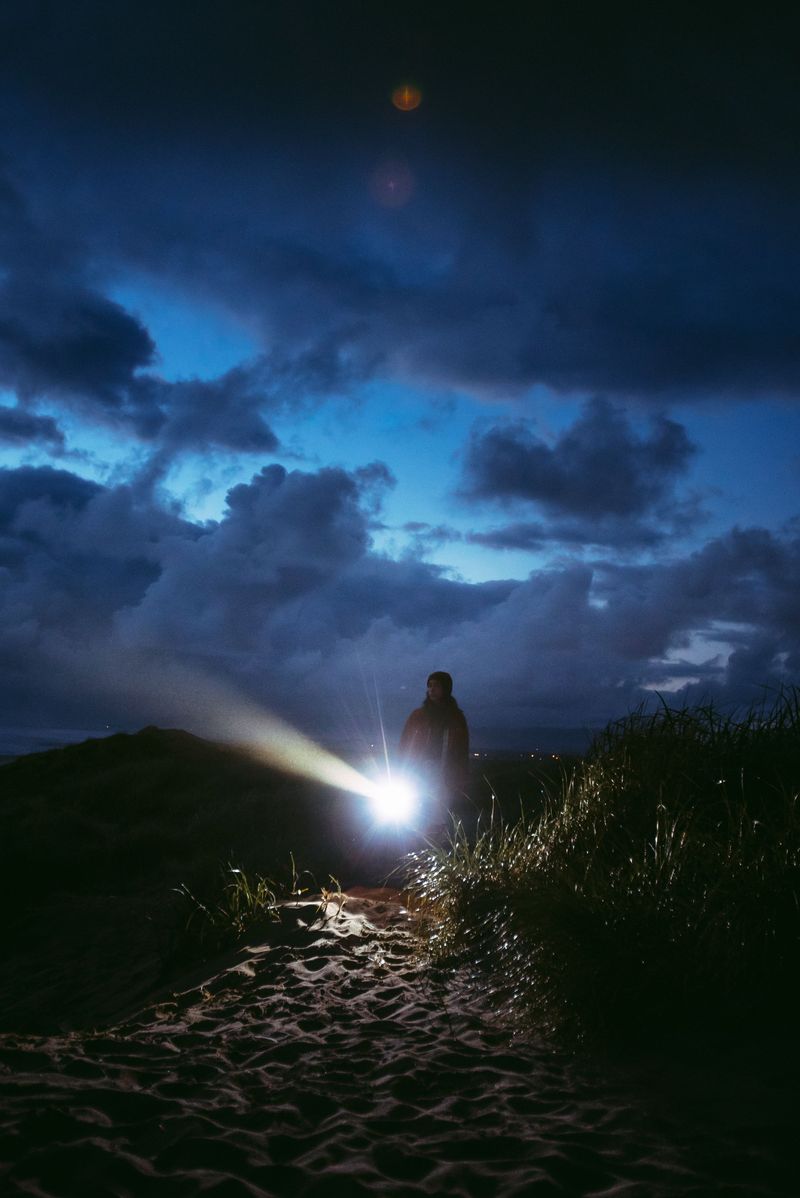
Night walks are the Arizona summer routine, and light is your best tool. Something in the 300 to 500 lumen range lets you scan the ground well ahead.
Snakes and scorpions both hunt after sunset, and pavement holds warmth that draws them.
Reflective gear on you and your dog helps drivers, too. Test pavement with your hand before setting out.
8. Give rattlesnakes a wide berth
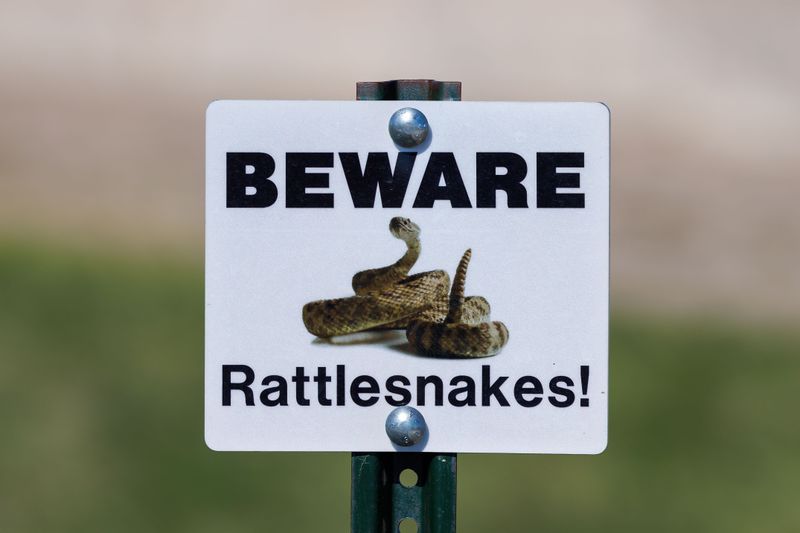
Rattlesnakes are defensive, not hostile. Strikes happen when they feel cornered, and their reach is roughly one third to one half of body length.
Back away slowly and aim for at least ten to twenty feet of distance. Step around a snake blocking the trail.
Never try to move or handle one. Their camouflage is excellent, which is why leash control matters so much.
9. Treat a suspected bite as an emergency
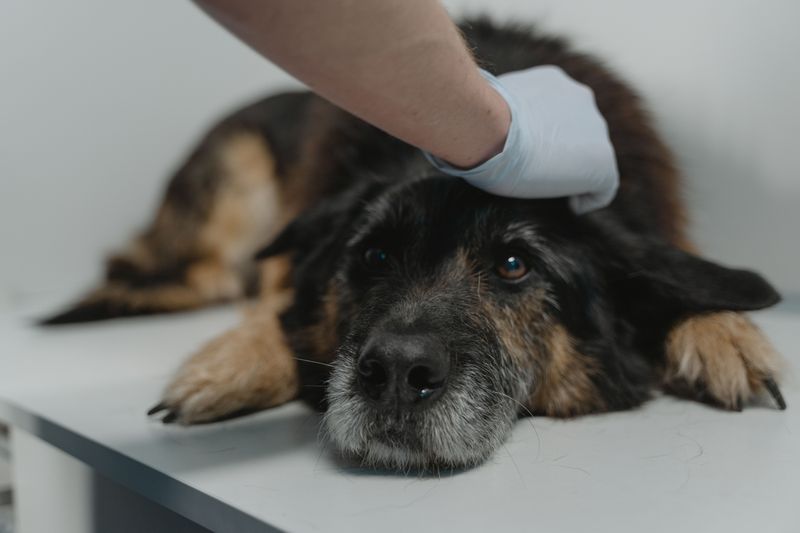
Any suspected rattlesnake bite means an immediate trip to an emergency veterinary hospital. Venom moves quickly, and delays make treatment harder.
Common signs include puncture wounds, swelling, bruising, whimpering, drooling, trembling, weakness, or labored breathing. Face and neck bites deserve extra urgency.
Keep your dog still, carry them if you can, and call ahead so the clinic can prepare antivenom.
10. Skip the snakebite home remedies
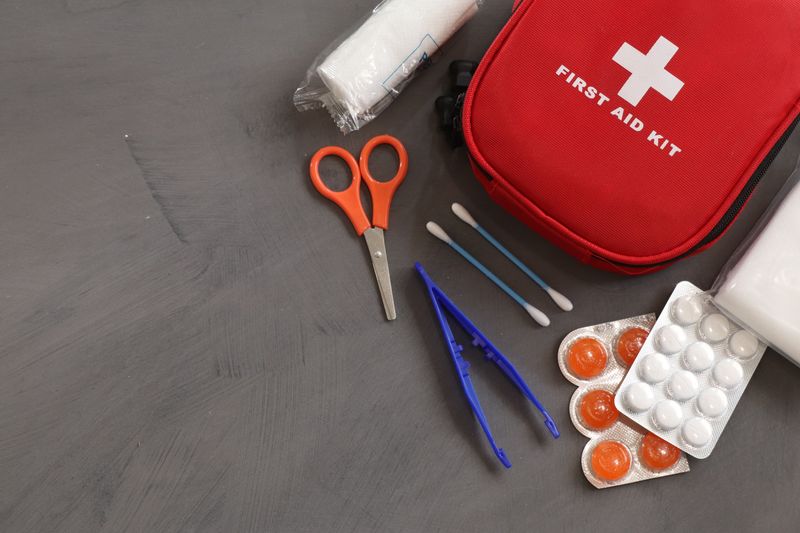
Old advice still circulates, and almost all of it causes harm. Tourniquets concentrate venom and damage tissue.
Cutting or suctioning the wound does nothing useful and invites infection.
Ice, heat, and commercial snakebite kits are not recommended either.
Avoid giving Benadryl, aspirin, or other pain relievers unless your veterinarian tells you to. Professional care remains the only genuinely effective option.
11. The rattlesnake vaccine is not full protection
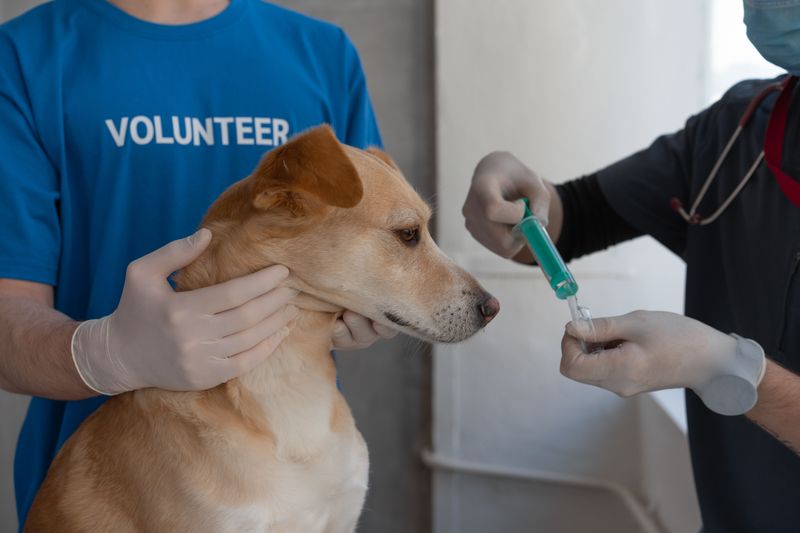
Plenty of Arizona owners vaccinate, and that is a reasonable conversation to have with your vet. The shot is built from Western Diamondback venom and may reduce severity.
It does not cover Mojave rattlesnake or coral snake venom, and evidence in dogs remains limited.
Emergency care is still required after any bite. Avoidance training and leash discipline do more prevention work.
12. Scorpions come out on warm nights
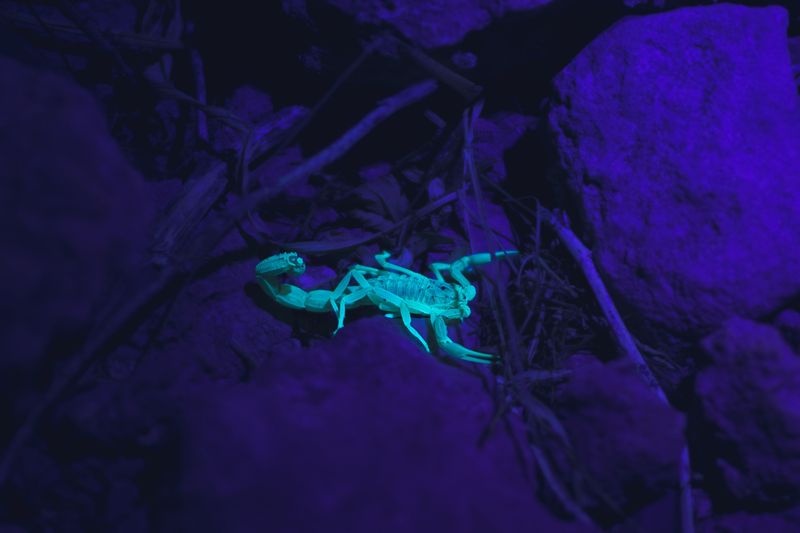
Peak scorpion movement runs March through October, with June through August the busiest stretch. They prefer temperatures between roughly 70 and 90 degrees.
Monsoon rain pushes them out of flooded hiding spots, so sightings spike then.
Daytime finds them tucked under rocks, bark, and wall voids. A blacklight makes them glow, which is a genuinely useful yard-check trick before letting dogs out.
13. Recognize the signs of a sting
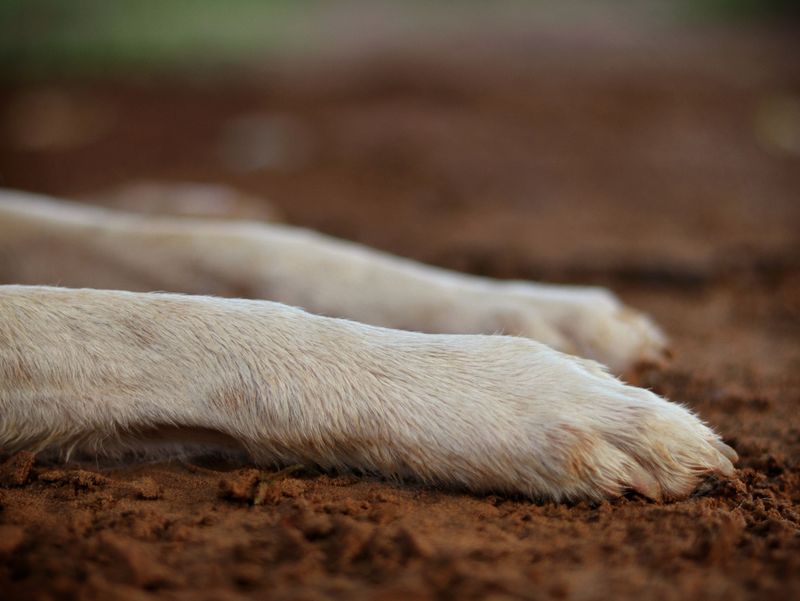
A sudden yelp is usually the first clue, followed by obsessive licking or chewing at a paw or the face.
Look for localized swelling, redness, and a small firm spot. Restlessness, pacing, panting, drooling, watery eyes, or limping often follow.
Bark scorpion venom affects nerves, so tremors, breathing trouble, wobbliness, or repeated vomiting call for immediate veterinary contact.
14. Small dogs feel stings more strongly
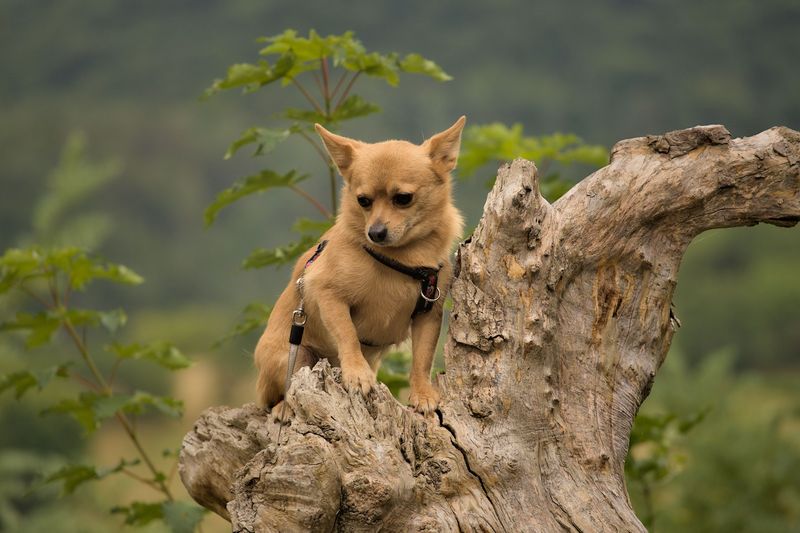
Body size changes everything with venom. In smaller dogs, the same amount goes further, so symptoms arrive faster and hit harder.
Research has found serious reactions in around 39 percent of small dogs compared with about 13 percent of larger ones.
Puppies, seniors, and dogs with existing health issues sit in the same higher-risk group. Call your vet promptly rather than waiting things out.
15. Watch closely in the hours after a sting
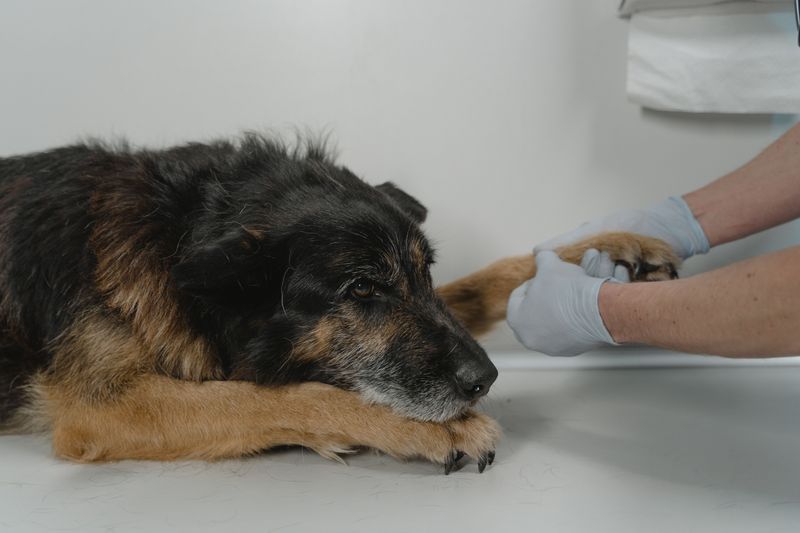
Symptoms usually peak within minutes to a couple of hours. Mild cases show local pain, swelling, or limping, and a cold compress may ease discomfort.
Never give human medication without veterinary approval.
Breathing difficulty, strong tremors, collapse, disorientation, or fast decline mean go now. Describe what you saw when you call, and keep your dog calm and still on the way.
16. Clear out scorpion hiding spots
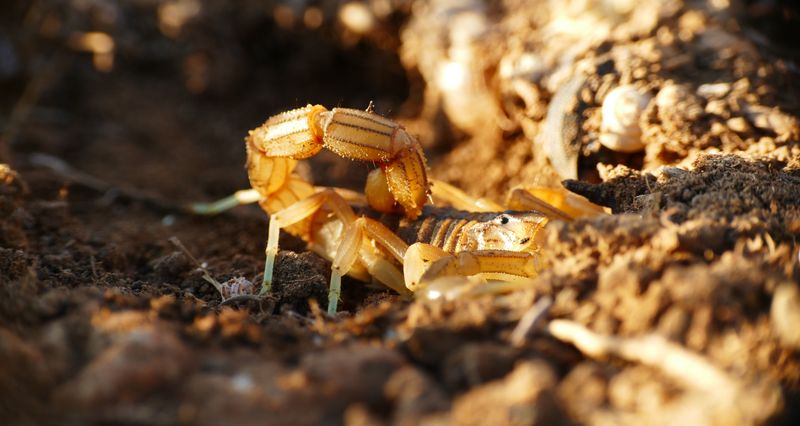
Yard cleanup does more than any spray. Remove wood piles, loose rocks, leaf litter, and clutter, and keep firewood raised and away from walls.
Trim plants back from the house and leave a clear zone near the foundation.
Fix leaks and standing water, since moisture attracts them. Amber bug lights draw fewer insects, and sealing cracks keeps scorpions outdoors where they belong.
17. Steer well clear of javelinas
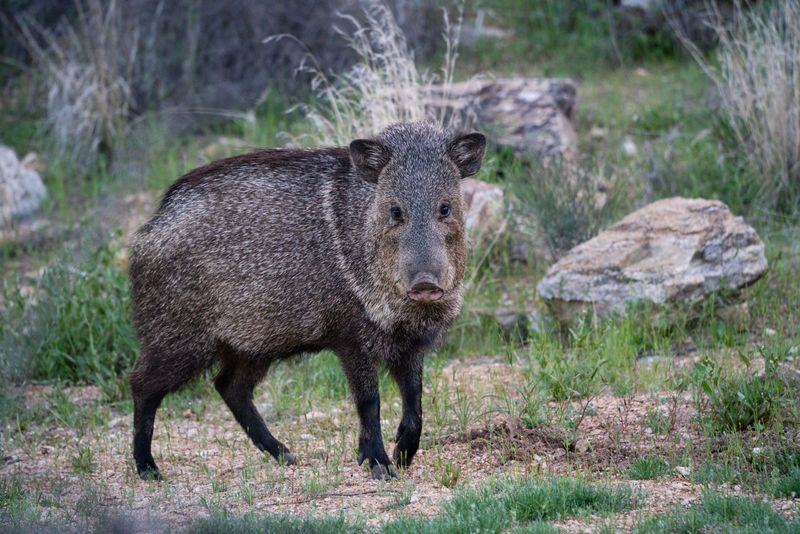
Javelinas mistake dogs for coyotes and react defensively, sometimes very fast. Encounters can turn rough for pets.
Change direction the moment you spot a herd, and keep your dog leashed in areas they frequent. Do not run, since that invites a chase.
Loud noises, an air horn, or a garden hose usually move them along. Any bite wound needs prompt veterinary cleaning and antibiotics.
18. Extra care in mountain lion country
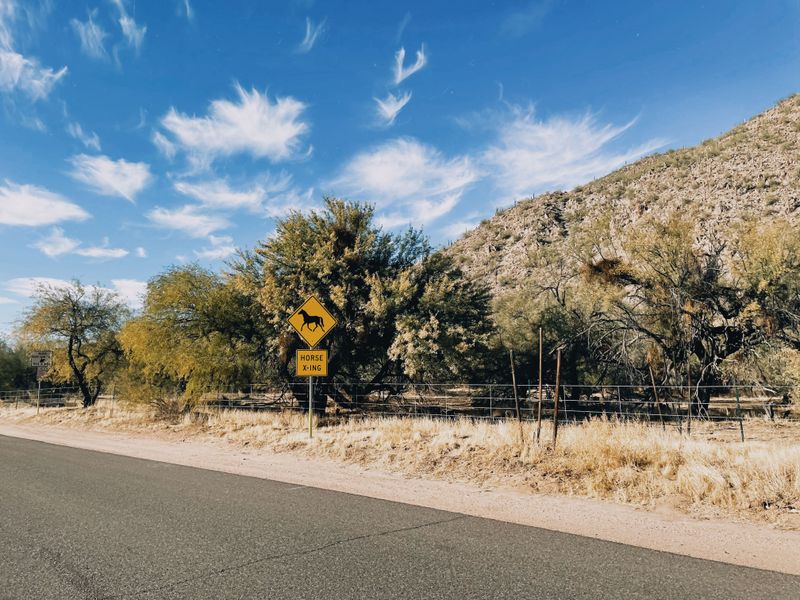
Rugged, mountainous parts of Arizona hold mountain lions, and they travel washes and natural corridors. Dawn and dusk are their busiest hours.
Bring dogs inside at night, walk on leash, and supervise even in fenced yards.
If you meet one, stand tall, hold eye contact, speak firmly, and back away slowly. Keep your dog beside you and quiet.
Motion lighting helps at home.
19. Keep dogs away from Sonoran Desert toads
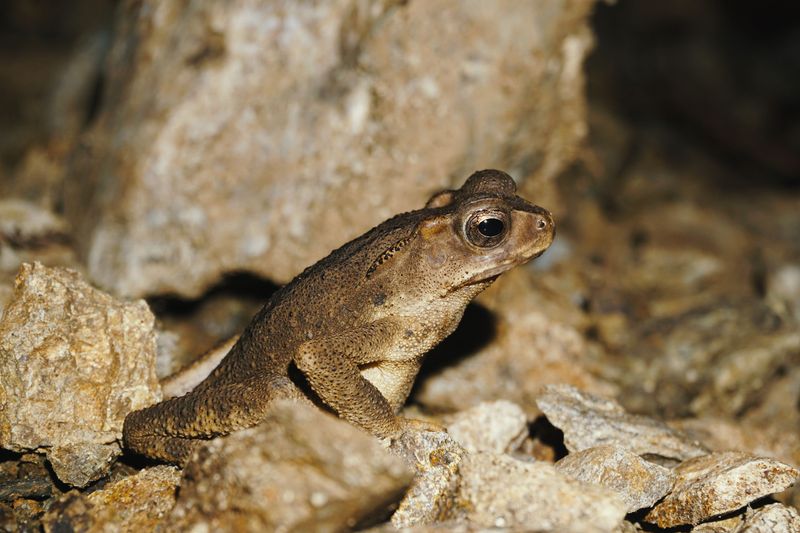
Monsoon nights bring out the Colorado River toad, and its skin secretes a strong toxin. A single mouthful can affect a dog within minutes.
Watch for foaming, pawing at the face, bright red gums, wobbliness, or tremors.
Rinse the mouth sideways with running water while heading straight to the vet. Bring water bowls in overnight, and consider toad aversion training.