What California Dog Owners Should Know About Foxtail Grass in Summer
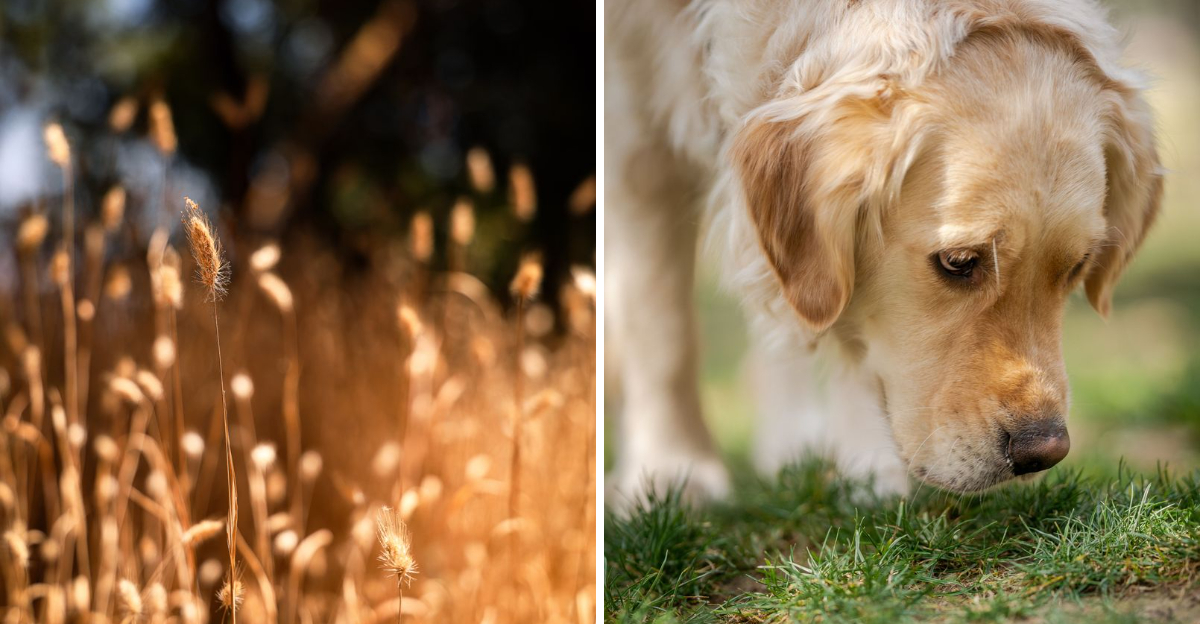
Summer in California means longer walks, warmer trails, and more time outdoors with your dog. It also means foxtail season is in full swing.
Foxtails are barbed seed heads from common wild grasses, and they can cause real health problems for dogs who brush through dry vegetation. Knowing what to look for, where these seeds hide, and how to respond can make a big difference for your dog’s comfort and safety.
This guide covers everything a California dog owner needs to feel prepared and confident heading into the warmer months.
Foxtails Are Not Just One Plant
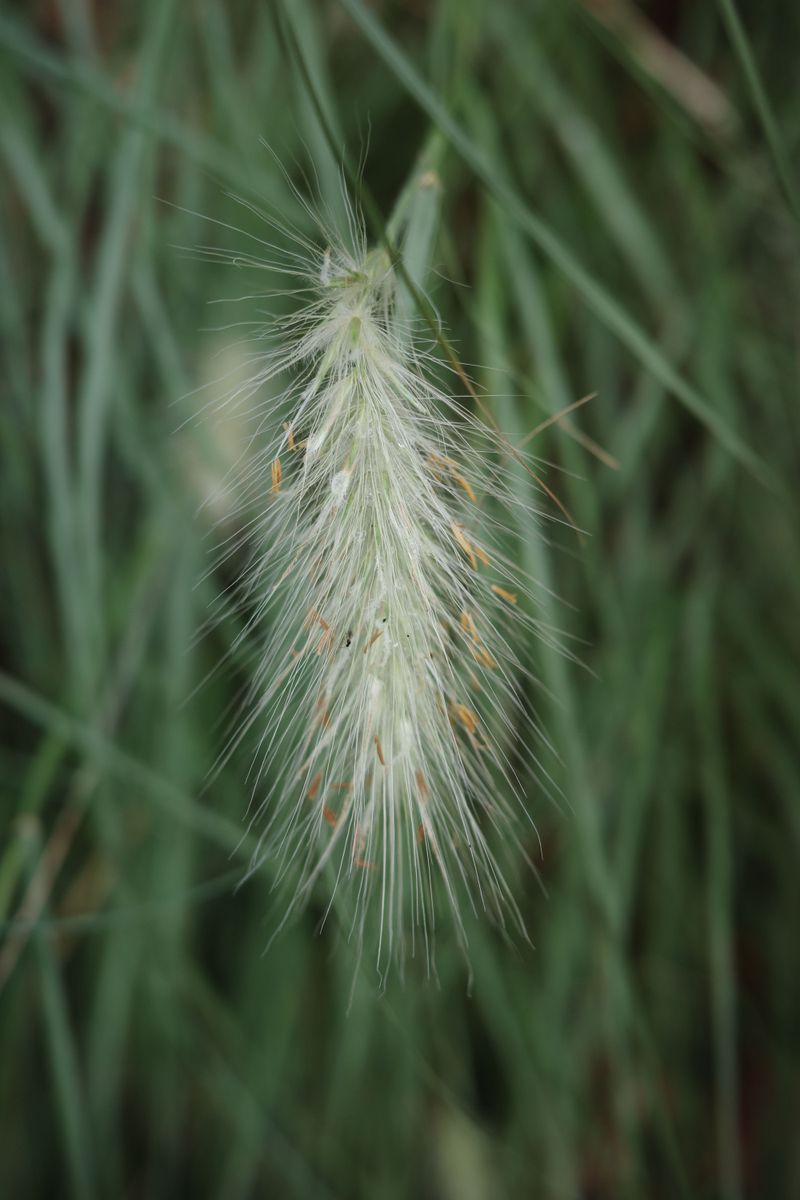
Many people hear “foxtail” and picture one specific weed. The truth is a little more layered.
The term describes the barbed seed heads produced by several different grass species, including certain barleys, millets, and foxtail grasses. What they all share is a sharp tip and microscopic backward-facing barbs.
Those barbs are the real problem. They allow the seed to travel forward into fur, skin, and tissue but not back out naturally.
Knowing this helps you understand why these small seeds can become a serious concern.
Why Summer Makes Foxtails More Dangerous

Fresh green grass is mostly harmless. The danger rises sharply once the seed heads dry out and harden in California’s summer heat.
Dried foxtail seeds break away from the plant far more easily, scattering across trails, fields, and yards wherever the wind or a passing animal carries them.
California’s long dry season means this risk window stretches from late spring well into fall. Staying alert during these months, rather than just a few hot weeks, gives your dog a much safer season overall.
Where Foxtails Tend to Show Up
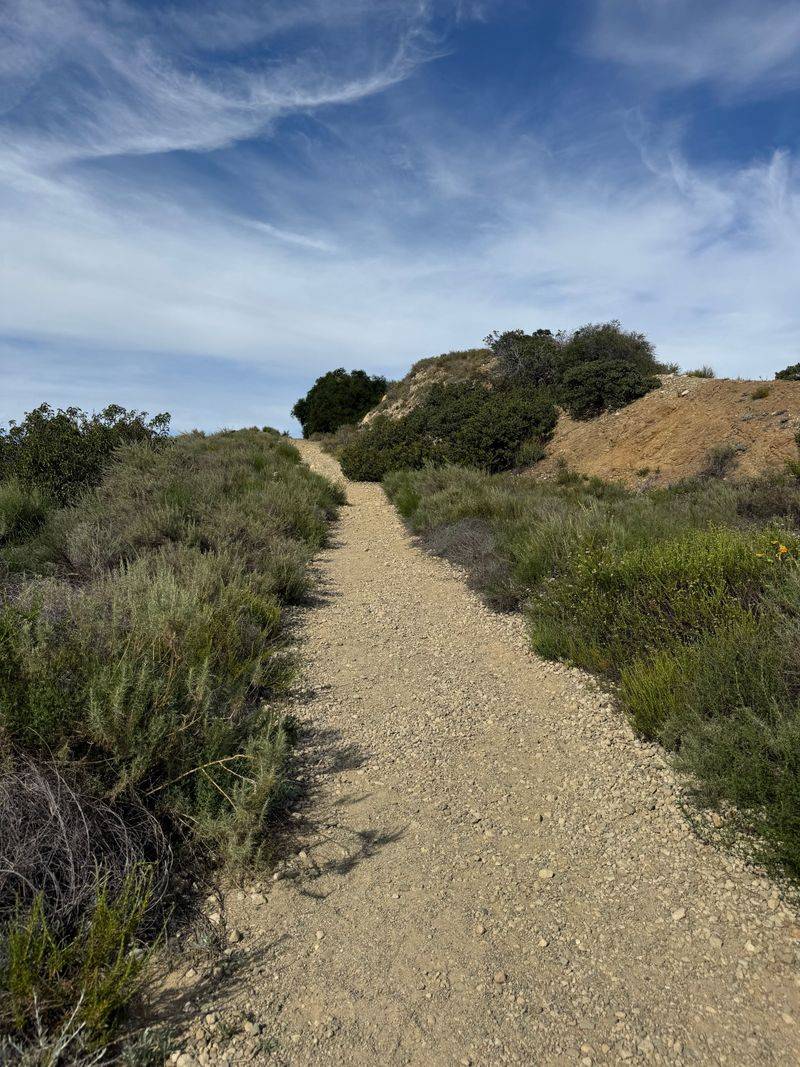
Foxtail-producing grasses grow in a wide range of environments across California. Hiking trails, roadsides, open fields, vacant lots, and neighborhood parks are all common spots.
Even a well-kept backyard can develop patches if weeds are left to go to seed along fences or near garden edges.
Urban areas are not off the hook either. Grassy strips along sidewalks and undeveloped lots between buildings can harbor the same seed heads found on rural trails.
A quick scan of any grassy area before letting your dog roam is always a smart habit.
Paws Are a Primary Entry Point
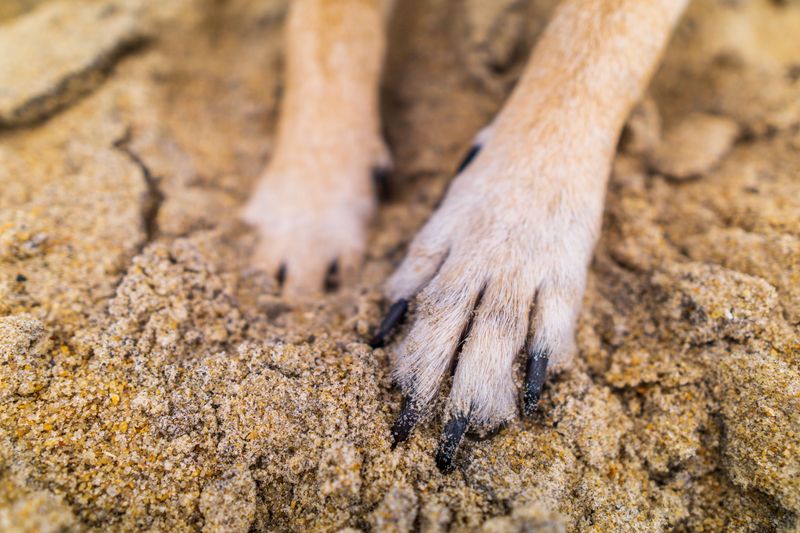
After any walk through dry vegetation, the paws deserve your first and closest attention. Foxtail seeds easily slip between toes, work under paw pads, and catch in the soft webbing between digits.
Once lodged, they can begin burrowing into the skin within hours.
Look for redness, swelling, or a small puncture wound between the toes. Your dog may also lick or chew at one paw persistently.
That focused attention on a single foot is often the earliest clue that a seed has found its way in.
The Ears Are a Common and Painful Target
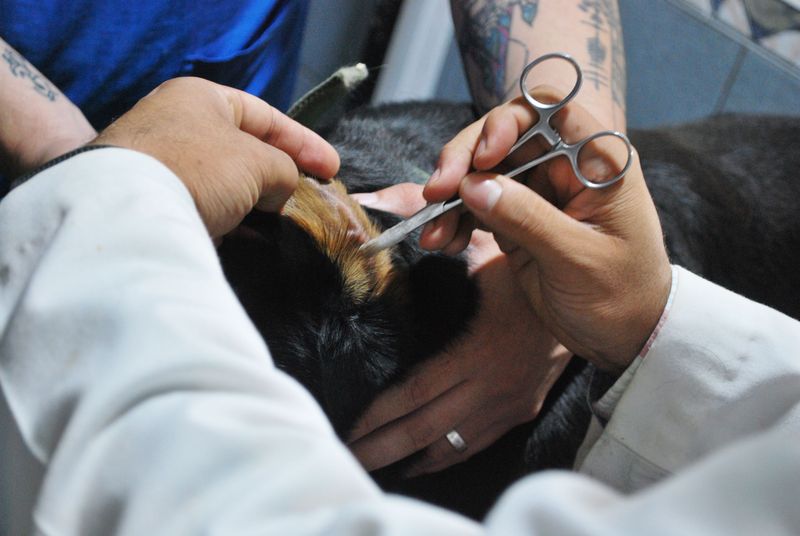
Foxtails and dog ears are an unfortunate combination. The ear canal is warm, slightly moist, and shaped in a way that practically guides a barbed seed inward.
Once inside, the seed works deeper with every head movement your dog makes.
Watch for sudden head shaking, repeated scratching at one ear, or visible discomfort after a walk through tall grass. These signs can appear quickly.
A veterinarian should examine the ear promptly, because foxtails in the ear canal are not safe to remove at home without the right tools and lighting.
Dogs Can Inhale Foxtails Through the Nose
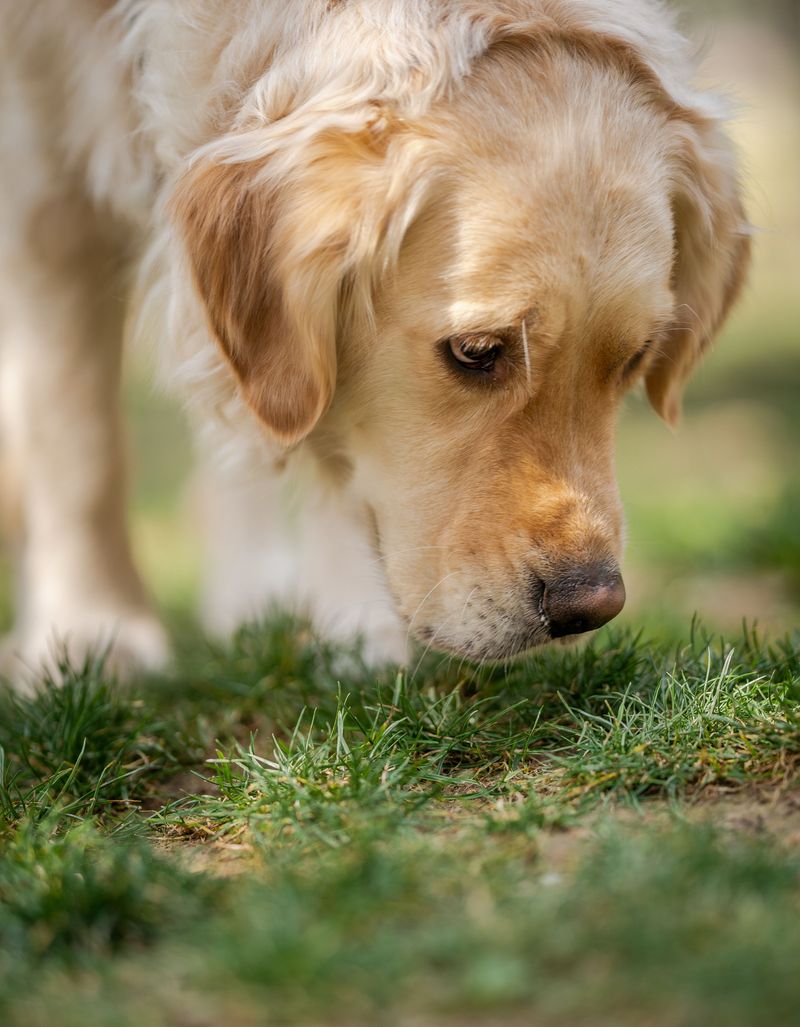
Dogs explore the world through their noses, which means sniffing through dry grass puts them at direct risk of inhaling a foxtail seed. Once inside the nasal passage, the seed’s barbs prevent it from being expelled naturally, even through sneezing.
Sudden, violent sneezing that does not stop, sometimes with a small amount of blood, is the clearest warning sign. This situation calls for a vet visit the same day.
Seeds in the nasal passage can migrate further if left untreated, making prompt care the wisest course of action.
Eyes Can Be Affected Too
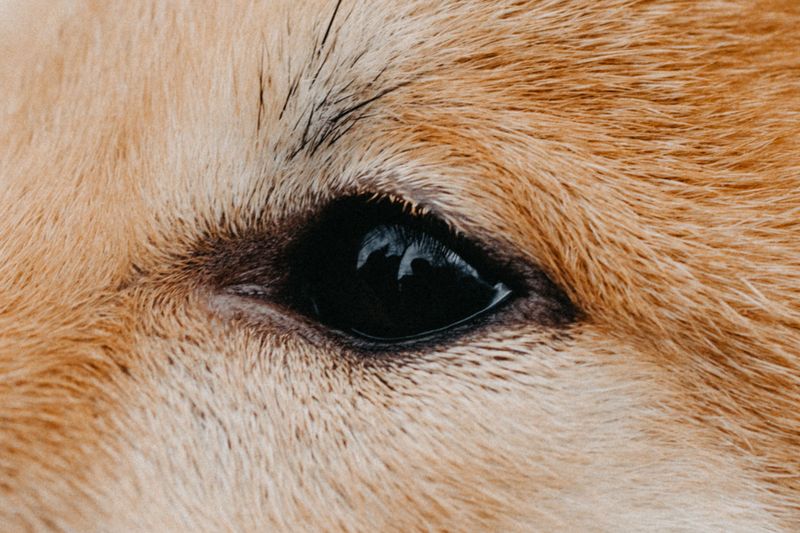
A foxtail landing near or in a dog’s eye can cause immediate irritation. The eye responds with redness, excessive tearing, and squinting.
Some dogs will suddenly keep one eye closed, which is a clear sign something has made contact with the eye surface.
Eye injuries from foxtails should be treated as urgent. Rubbing or pawing at the eye can push a seed further in or scratch the cornea.
Keep your dog calm, prevent self-rubbing if possible, and get to a veterinarian without delay for a safe examination and removal.
Foxtails Can Penetrate the Skin
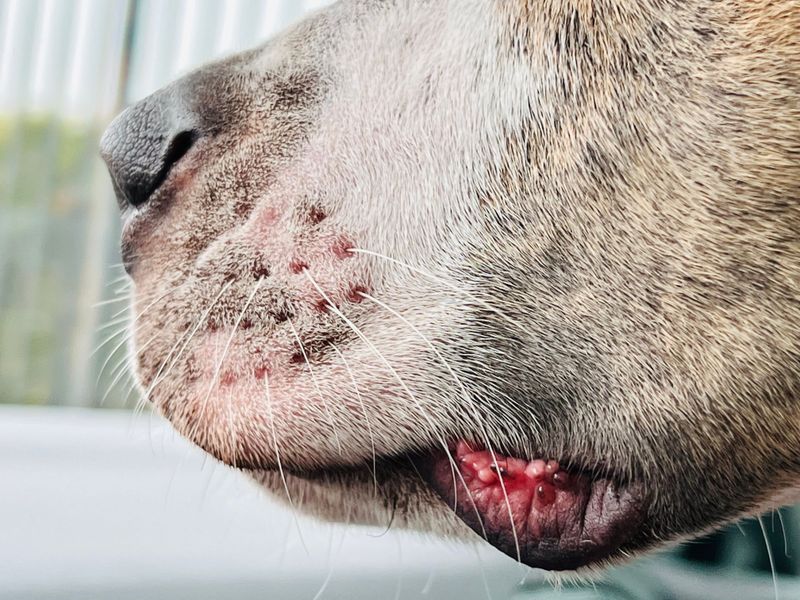
Thin-coated areas like the armpits, groin, and belly are especially vulnerable to foxtail penetration. The seed can push through skin and begin moving inward, often leaving behind only a small puncture or a developing lump.
Swelling, heat, or a draining sore at any spot on the body can signal an embedded seed.
These wounds sometimes look like minor skin infections at first. If your dog develops a sore that is not healing, or a lump that appears after time outdoors, mention foxtail exposure to your vet.
Early identification leads to simpler, faster treatment.
Foxtails Can Migrate Deep Inside the Body

Left undetected, a foxtail seed can travel surprisingly far from its entry point. Cases have involved seeds reaching the chest, lungs, abdomen, spine, and other internal tissues.
Migration happens gradually, but the longer a seed travels, the harder it becomes to locate and safely remove.
Internal foxtail cases may require imaging like X-rays or ultrasound, and sometimes endoscopy or surgery. These situations are serious, but catching warning signs early and visiting a vet promptly gives your dog the best possible outcome.
Early action is always the right call.
Long-Haired Dogs Need Extra Grooming Attention

Thick or long coats can trap foxtail seeds before they even reach the skin, which sounds helpful until you realize the seed stays warm, moist, and ready to burrow whenever it gets the chance. Dense fur also makes visual inspection much harder after a walk.
Keeping fur trimmed around the paws, ears, belly, armpits, and groin significantly reduces hiding spots for seeds. Regular grooming during foxtail season is not just about appearance.
It is a practical safety step that makes post-walk checks faster and more reliable for long-haired breeds.
How to Check Your Dog After Every Outing

Building a post-walk check into your routine is one of the most effective habits you can develop. Focus on the ears, paws, between the toes, armpits, groin, belly, and around the face and muzzle.
Run your fingers slowly through the coat, feeling for any small bumps or seeds caught in the fur.
A thorough check only takes a few minutes. Using a fine-toothed comb on dense areas helps surface seeds that fingers might miss.
Consistency matters more than speed here. A calm, methodical check after every walk in dry grass keeps small problems from becoming bigger ones.
Prevention, Safe Removal, and When to See a Vet
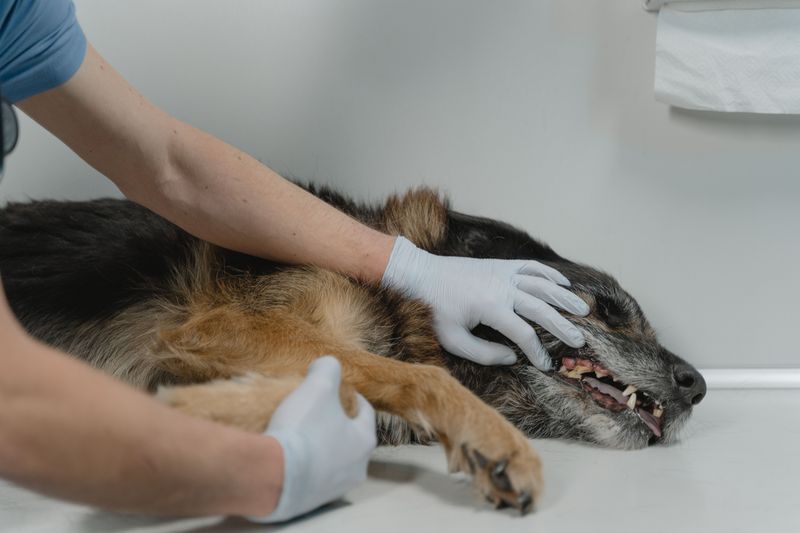
Avoiding tall, dry grass when possible is the simplest prevention strategy. Paved or well-cleared trails reduce exposure significantly during California’s dry season.
Removing foxtail-producing weeds from your yard before they dry out also limits the seeds your dog encounters at home.
A loosely attached seed visible on the surface of the coat can sometimes be carefully removed intact. However, any seed that appears embedded, any swelling, or any suspected fragment inside the body requires veterinary care.
Attempting to dig around a lodged foxtail risks breaking the seed and pushing it deeper.