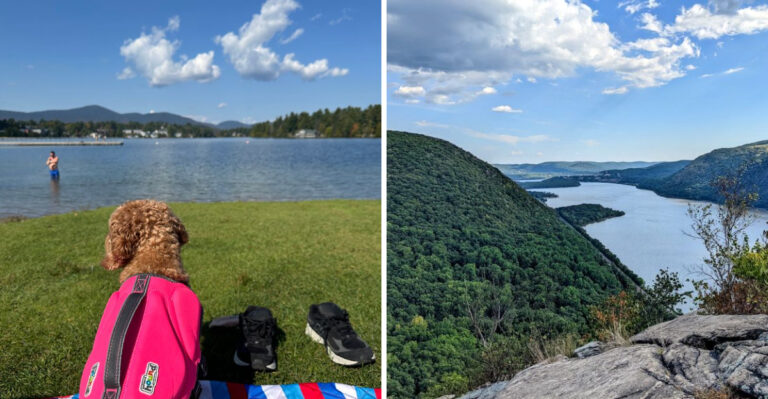
What Dog Owners Should Know Before Taking The Alaska Marine Highway With A Pet
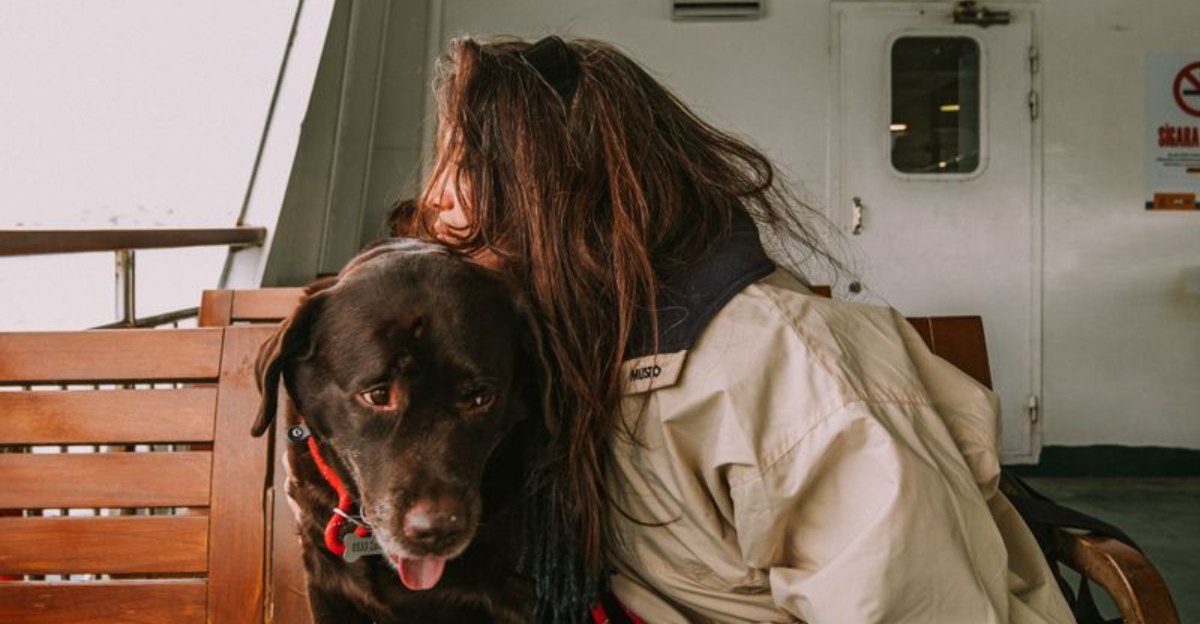
Somewhere between Bellingham and Skagway, a ferry glides past glaciers while a very content Labrador naps below deck. The Alaska Marine Highway is a real state ferry system, and yes, dogs can come along.
The catch is that pets travel differently than people do, with kennel rules, car deck visits, and crew-supervised schedules. Learn how it all works ahead of time, and your pup becomes a seasoned sailor instead of a stressed passenger.
Check The Alaska Marine Highway’s Current Pet Rules
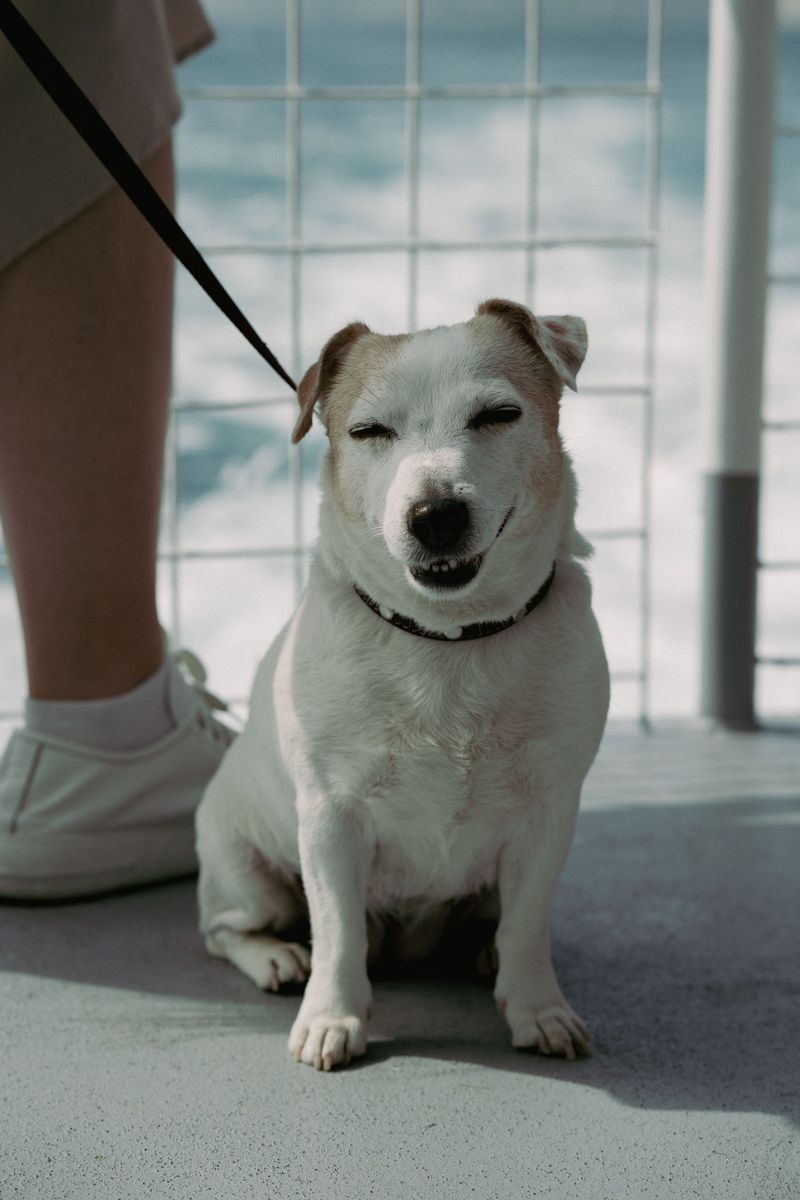
Rules on the water shift more often than the tide. The Alaska Marine Highway System publishes pet policies that can change between vessels, seasons, and routes.
Read the official pet information on the state ferry website before you pay for anything. Then call the reservation line to double-check details for your sailing.
Policies written last year may already be outdated. Five minutes of reading now saves a very awkward conversation at the terminal gate later.
Book Early For Pet-Friendly Travel
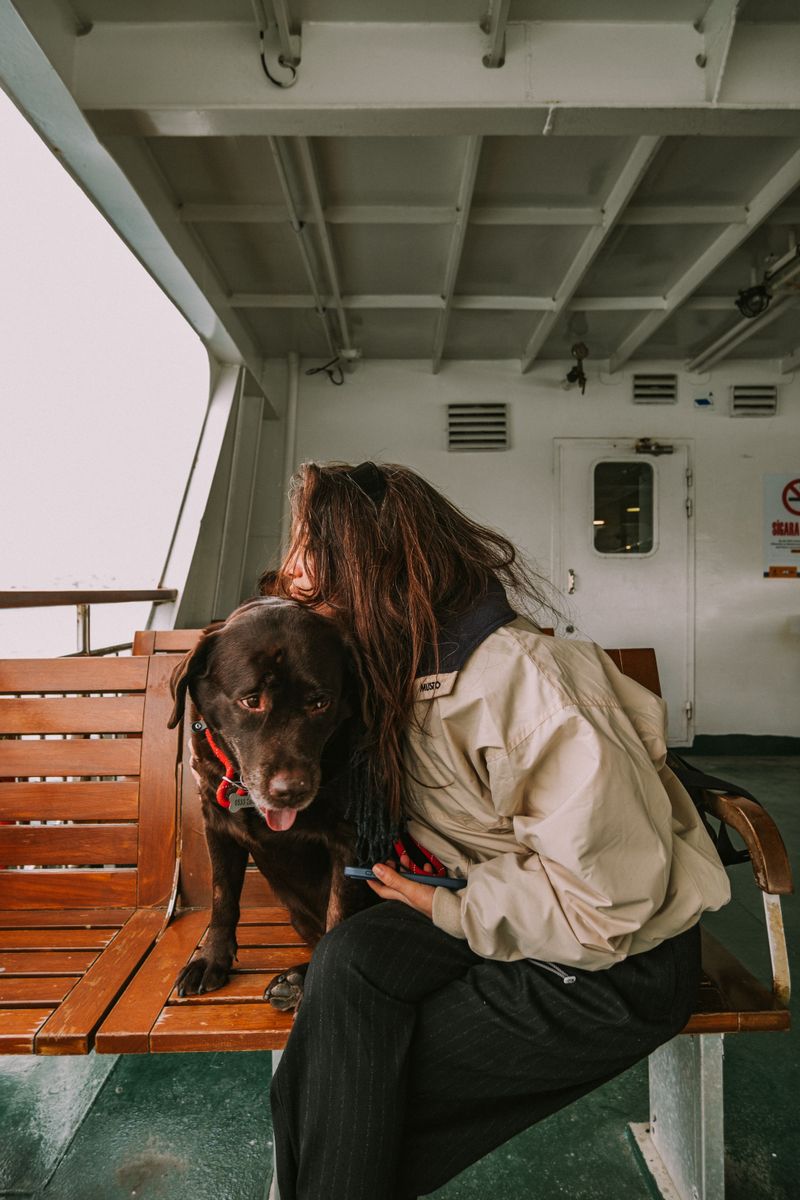
Ferry space for pets is genuinely limited, and summer sailings fill fast. Kennel spots and vehicle deck room go quickly once schedules open.
Reserve as soon as the season’s timetable is released, especially for popular runs to Juneau, Sitka, or Ketchikan.
Mention your dog during booking, not afterward. Staff need to record the pet so your reservation reflects it, and last-minute add-ons are rarely guaranteed on busy departures.
Understand Where Your Dog Can Stay
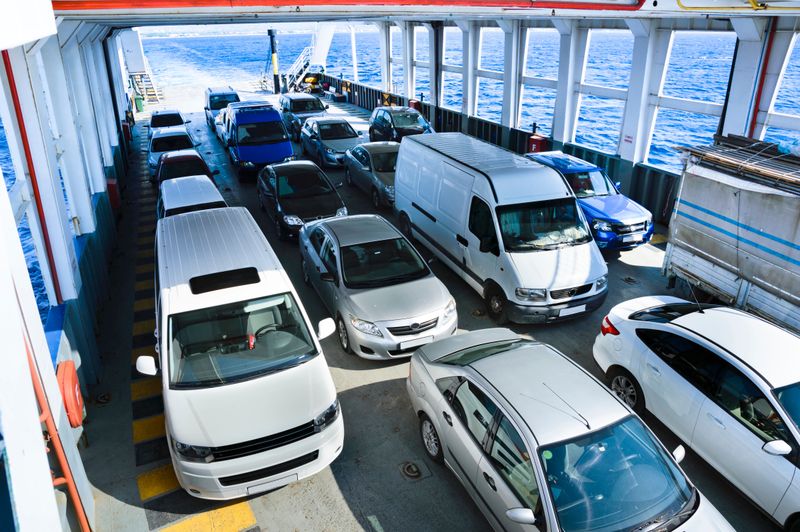
Here is the part that surprises most first-timers: dogs generally stay on the vehicle deck or in kennels, not in lounges or cabins.
Passenger areas are off limits for pets on Alaska Marine Highway vessels. Your dog rides with the cars or in a designated pet space.
Knowing that in advance changes how you pack. Set up a cozy crate in your vehicle rather than expecting your pup beside your seat.
Prepare For Kennel Requirements
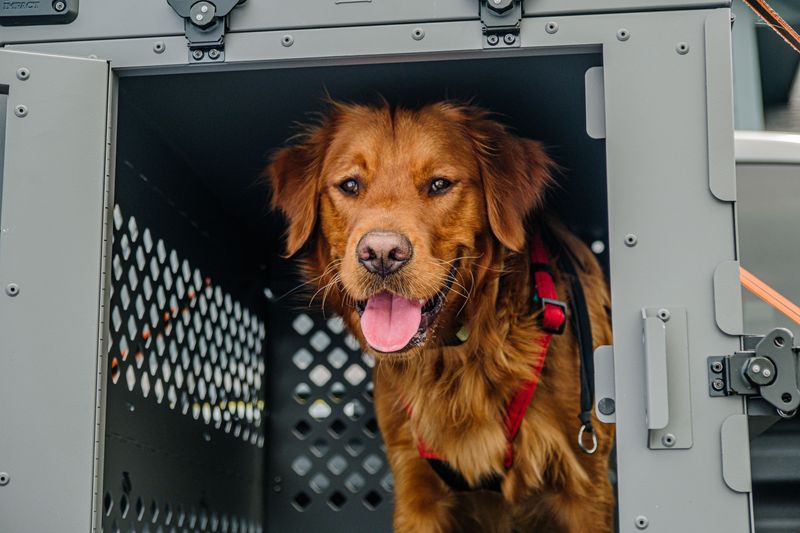
A crate-trained dog sails happily. A crate-shocked dog does not.
If your sailing requires kennel use, make sure your dog’s carrier or kennel meets the applicable Alaska Marine Highway requirements. Practice short, positive crate sessions beforehand if your dog is not already comfortable with confinement.
Toss in treats, a chew, and that one squeaky toy. By departure day, the kennel should feel like a familiar den rather than a strange box on a rumbling deck.
Bring A Secure Leash And Collar
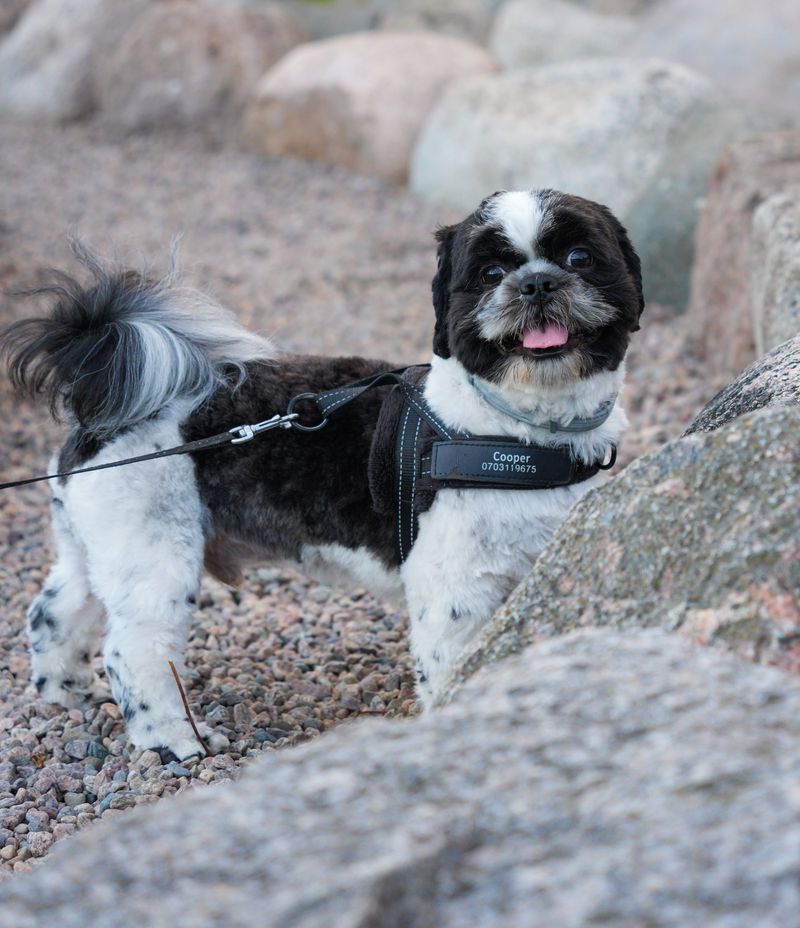
Terminals are busy places full of rolling luggage, idling trucks, and gusty wind off the water. A flimsy leash is asking for trouble.
Use a strong six-foot leash and a snug collar or harness your dog cannot back out of. Retractable leads are a poor fit in tight spaces.
Add an ID tag with your phone number and destination. Microchip registration should also be current before you leave home.
Pack Your Dog’s Familiar Essentials
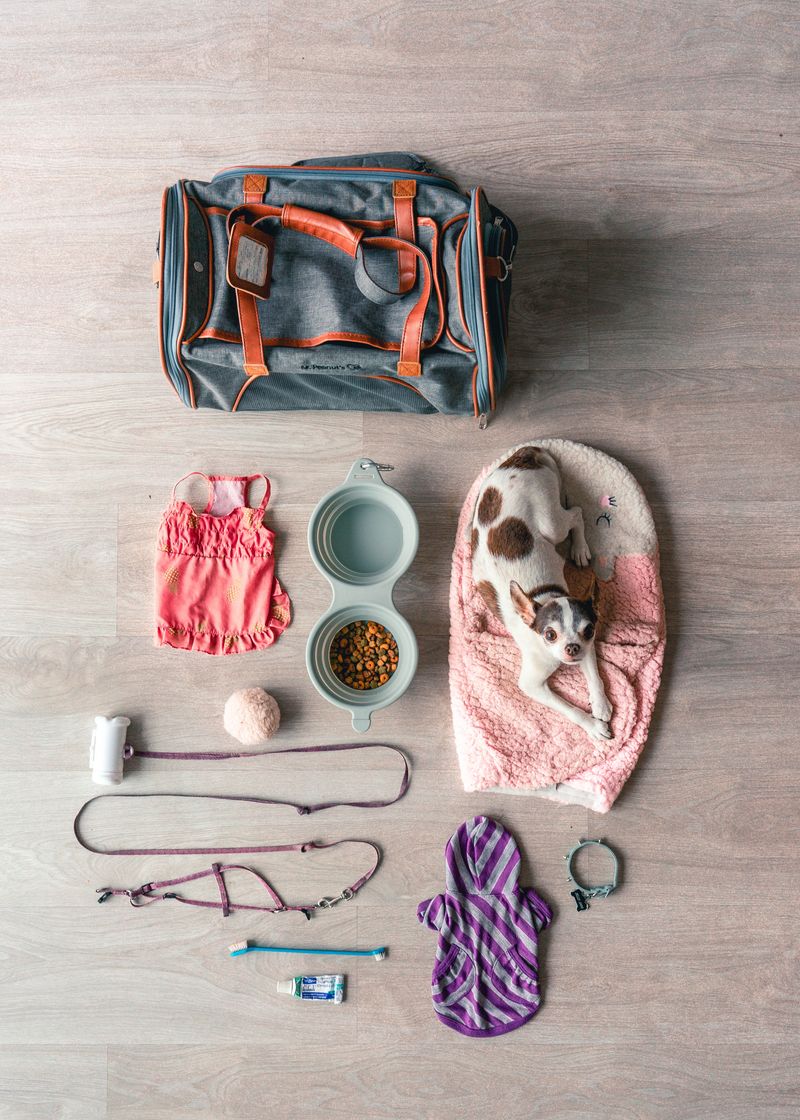
Smells matter more than scenery to your dog. A blanket from home carries reassurance no new bed can match.
Pack that blanket, a collapsible bowl, poop bags, treats, a favorite toy, and any medications in one clearly labeled bag.
Keep it reachable rather than buried under camping gear. Deck access is scheduled, so you want to grab what you need in seconds, not minutes.
Bring Enough Food For The Journey

Ferry gift shops sell postcards, not your dog’s exact kibble. Small Alaskan port towns may not stock it either.
Measure out daily portions in sealed bags, then add two extra days of food for weather delays or schedule changes.
Sudden diet switches upset canine stomachs, and nobody wants that on a vehicle deck. Sticking with the usual food keeps digestion boringly predictable, which is exactly the goal.
Carry Fresh Water And A Bowl
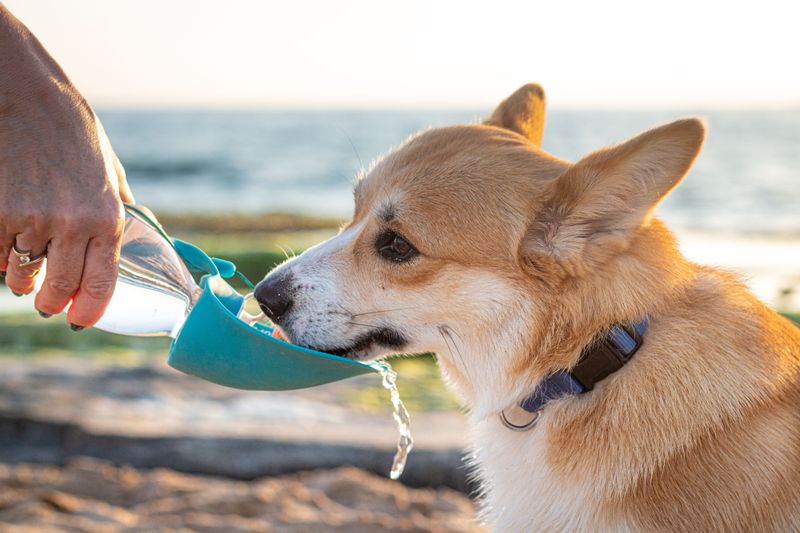
Salt air makes dogs thirsty, and taps are not always nearby when kennel visiting hours arrive.
Bring enough fresh water for your dog and a sturdy, collapsible bowl that is easy to carry during scheduled pet-access periods. Follow the vessel’s instructions about where and when you can provide water.
Offer drinks at every scheduled deck visit, even brief ones. Hydrated dogs handle engine noise, motion, and temperature swings far better than parched ones do.
Give Your Dog Exercise Before Boarding
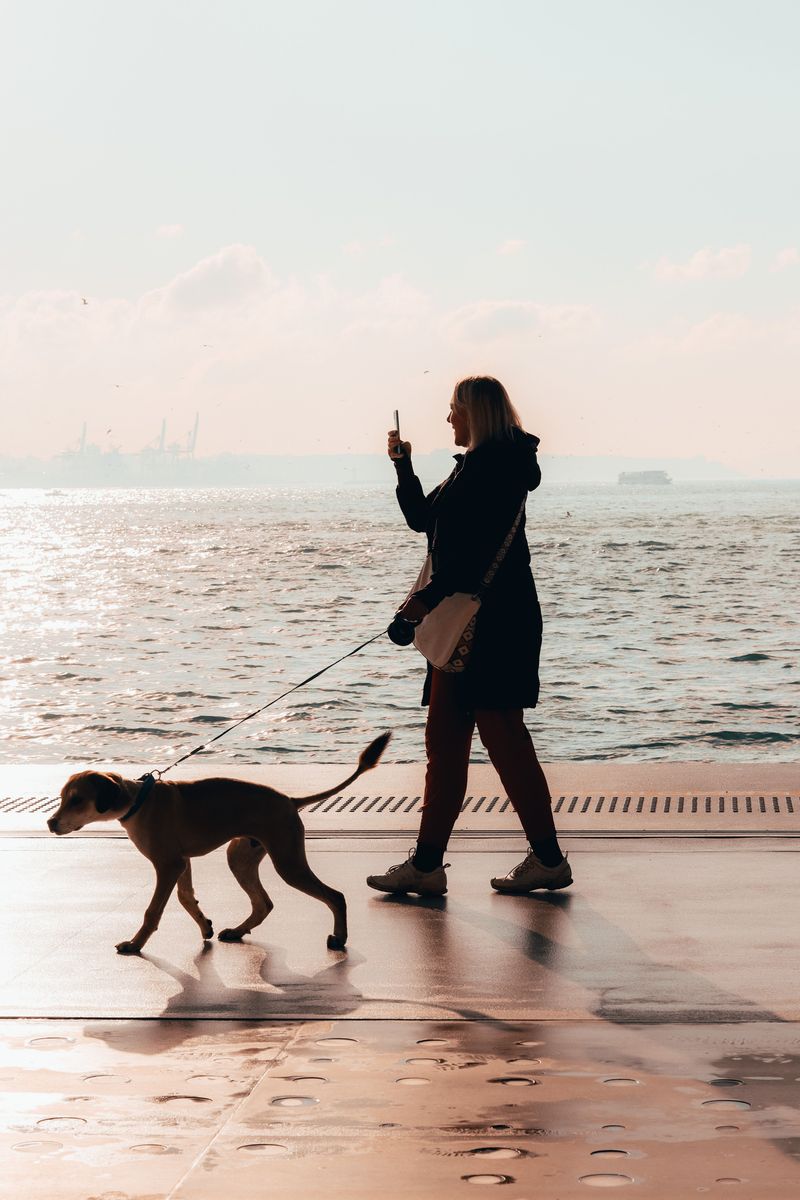
A tired dog is a calm dog, and calm is the currency of ferry travel.
Schedule a solid walk or play session before you head to the terminal. Aim for enough movement to burn off nervous energy.
Finish with a bathroom break in a grassy spot. Arriving with a settled, sniffed-out pup makes check-in smoother and the first hours aboard noticeably quieter for everyone nearby.
Plan For Bathroom Breaks
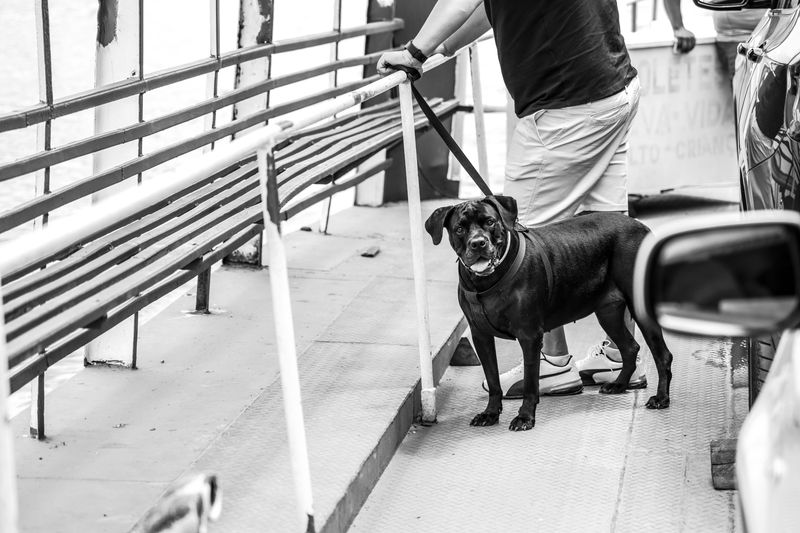
Pet-access periods and bathroom arrangements can vary by vessel.
Ask the crew at boarding when you can visit your dog and where pets are permitted to relieve themselves, then carry waste bags and clean up promptly.
Some vessels provide a designated area with absorbent material.
Carry bags and clean up immediately. Cutting back on evening water slightly helps, though never enough to leave your dog genuinely thirsty overnight.
Expect Changing Weather Along The Route
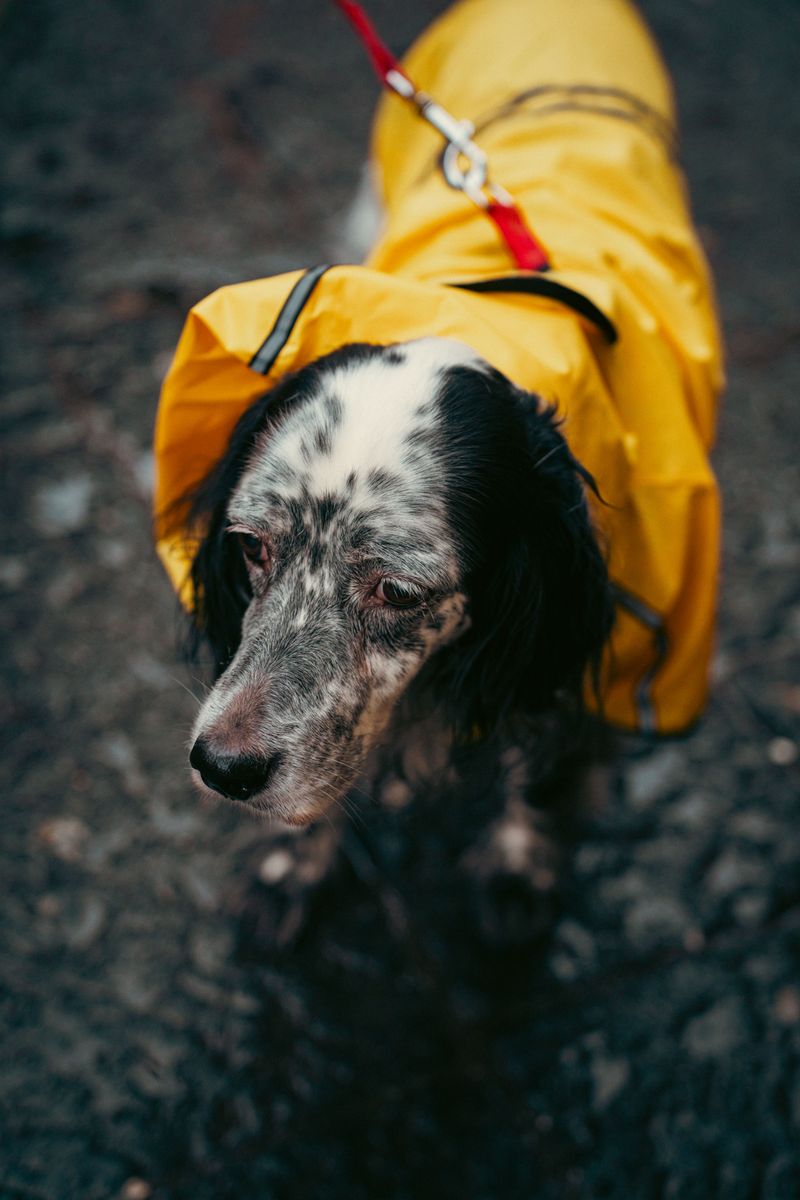
The Inside Passage can serve sunshine near Ketchikan and cold drizzle by Haines within the same trip.
Pack a waterproof coat for short-haired breeds, a towel for wet fur, and an extra blanket for chilly nights.
Vehicle decks are ventilated and can feel breezy. Layers for your dog cost little space and make a big difference when the fog rolls in.
Keep Your Dog Comfortable Around Other Travelers
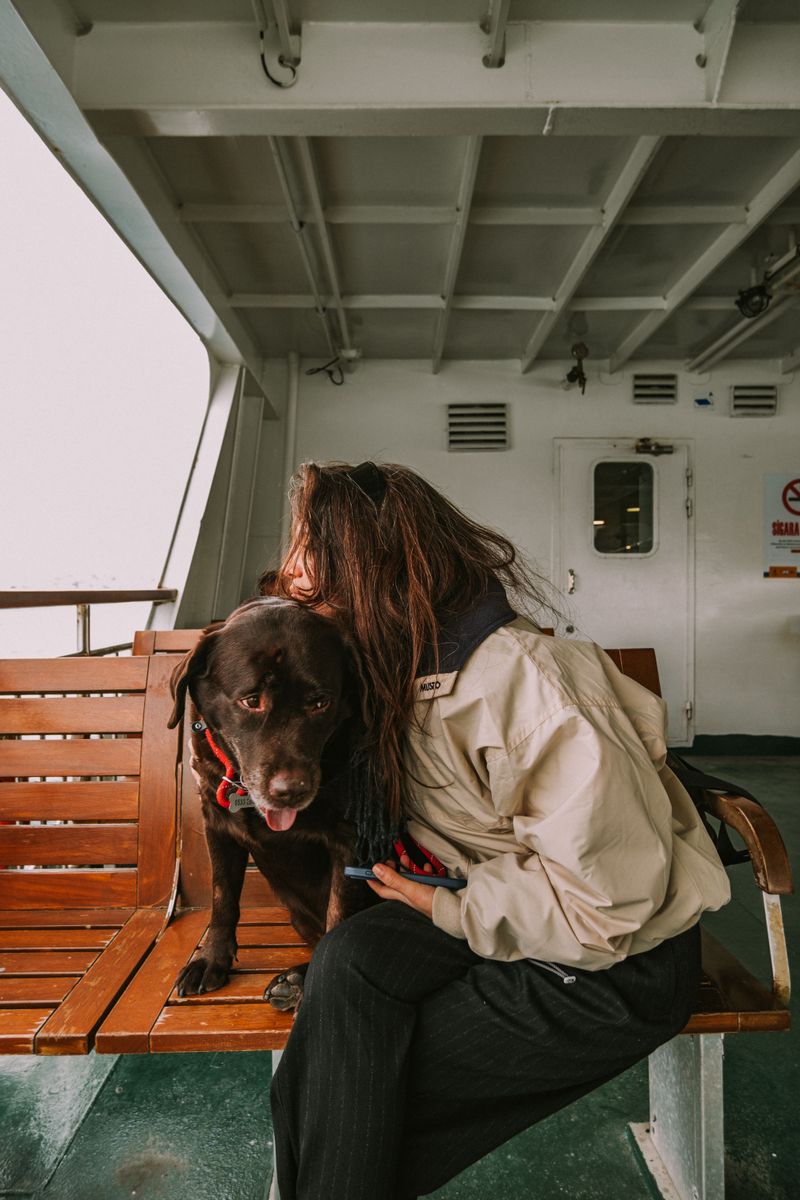
Picture a narrow stairwell, three strangers, and a rolling cart. Solid manners shine in moments like that.
Brush up on sit, wait, and loose-leash walking before your trip. Keep your dog close and give other pets space.
Not every passenger loves dogs, and some travelers have allergies. A polite pup earns smiles from crew and neighbors, which makes the whole voyage friendlier.
Prepare For A Long Day Of Travel

The Bellingham to Alaska run takes several days. Even short hops between southeast towns can eat many hours.
Add buffer time for check-in, vehicle loading, and possible delays from weather or mechanical schedules.
Fed, watered, and exercised beforehand, most dogs simply sleep through long stretches. Your patience matters more than theirs, so bring a book and enjoy the passing islands.
Check Health And Entry Requirements

Routes that touch Prince Rupert or Bellingham may cross international and state lines. Paperwork follows.
Canada and Alaska both have animal entry requirements, typically including proof of rabies vaccination and sometimes a health certificate from your veterinarian.
Verify current rules for every jurisdiction on your itinerary, since timelines for certificates are strict. Booking that vet appointment early keeps your travel dates flexible and stress-free.
Keep Veterinary Records Accessible

Records buried in a suitcase help nobody at a boarding gate.
Slip printed vaccination and health documents into a waterproof folder inside your carry bag. Photograph every page and store the images on your phone plus cloud storage.
Include your veterinarian’s contact information too. Having your dog’s records readily available can be useful if you need professional guidance or veterinary care during the trip.
Ask About Your Specific Vessel
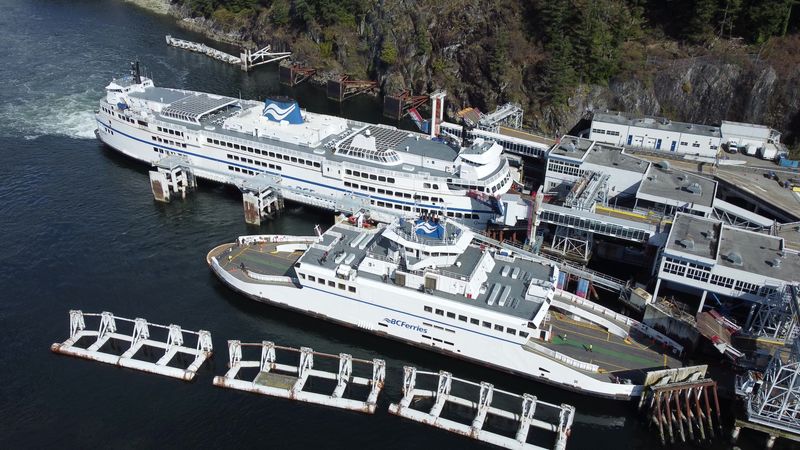
The fleet is not uniform. Larger ships like the Columbia differ from smaller shuttle vessels serving shorter runs.
Kennel availability, deck access, and pet handling can vary from one hull to the next. Some vessels have dedicated pet spaces, others rely on your vehicle.
Name your exact ship and sailing date when you call. General advice online may describe a completely different boat.
Follow Crew Instructions Throughout The Trip
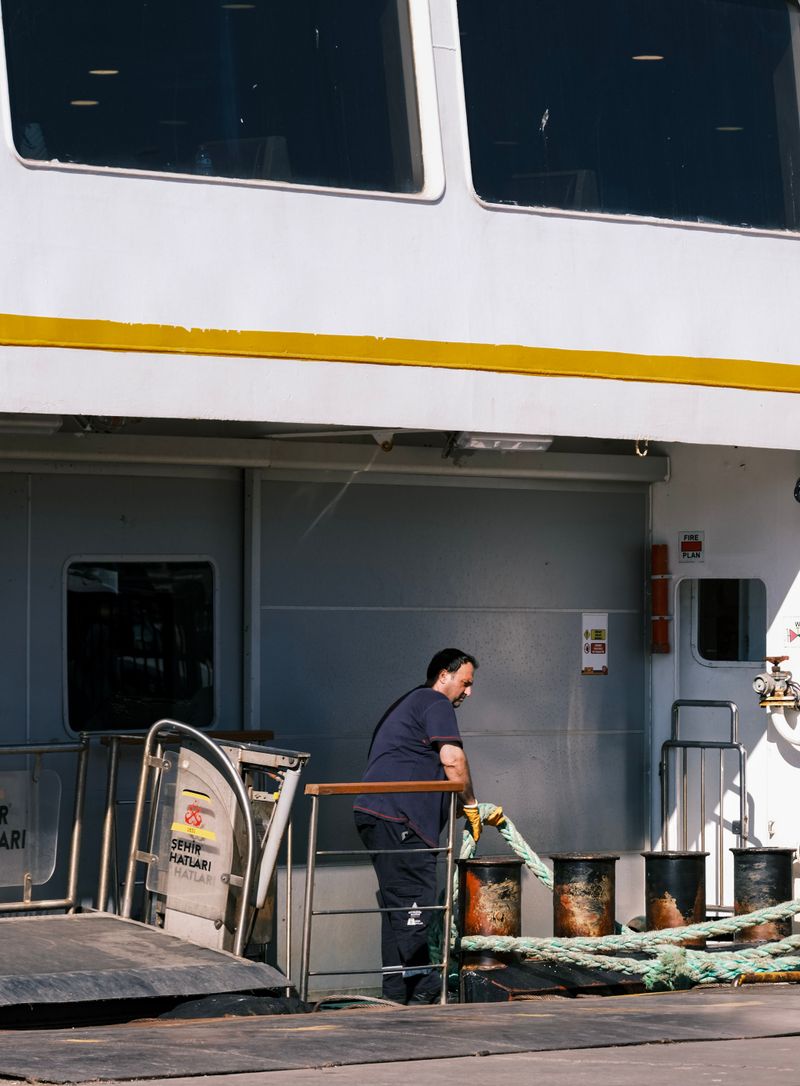
Crew members know their vessel better than any website does.
Listen for deck announcements, respect posted signs, and ask questions when something is unclear. Safety rules exist because vehicle decks are working spaces with moving equipment.
Cooperative owners tend to get helpful tips in return, like the quietest parking spot or the best time for a walk. Kindness travels well at sea.