17 Texas Dog Expenses Owners Underestimate Once Cooling, Yard Care, Boarding, And Long Drives Add Up
Life with a dog in Texas comes with costs that rarely fit neatly into a food budget. Summer power bills, worn fences, holiday boarding, and distant vet visits can stretch your plans before you notice.
You do not need to expect every surprise, but knowing the common ones makes saving easier. A few smart questions and small monthly savings can help you keep your dog comfortable without scrambling for money.
1. Summer Cooling Costs Can Rise Quickly
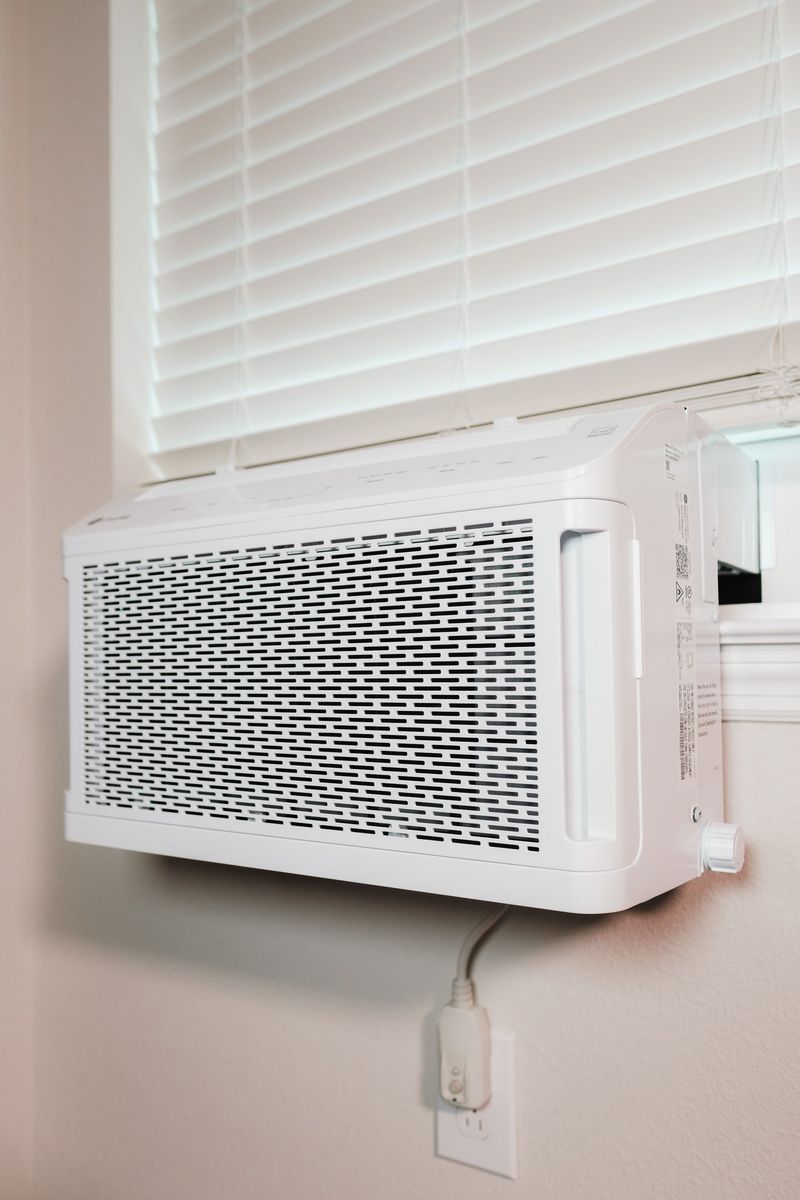
A comfortable house can cost more when Texas afternoons stay hot for weeks. Your dog may need indoor cooling while everyone else leaves for work.
Plan for that electricity rather than treating it as an occasional extra.
Close sunny blinds, replace air filters, and service cooling equipment before summer. Ask your veterinarian about comfort needs for your dog’s age, health, and breed.
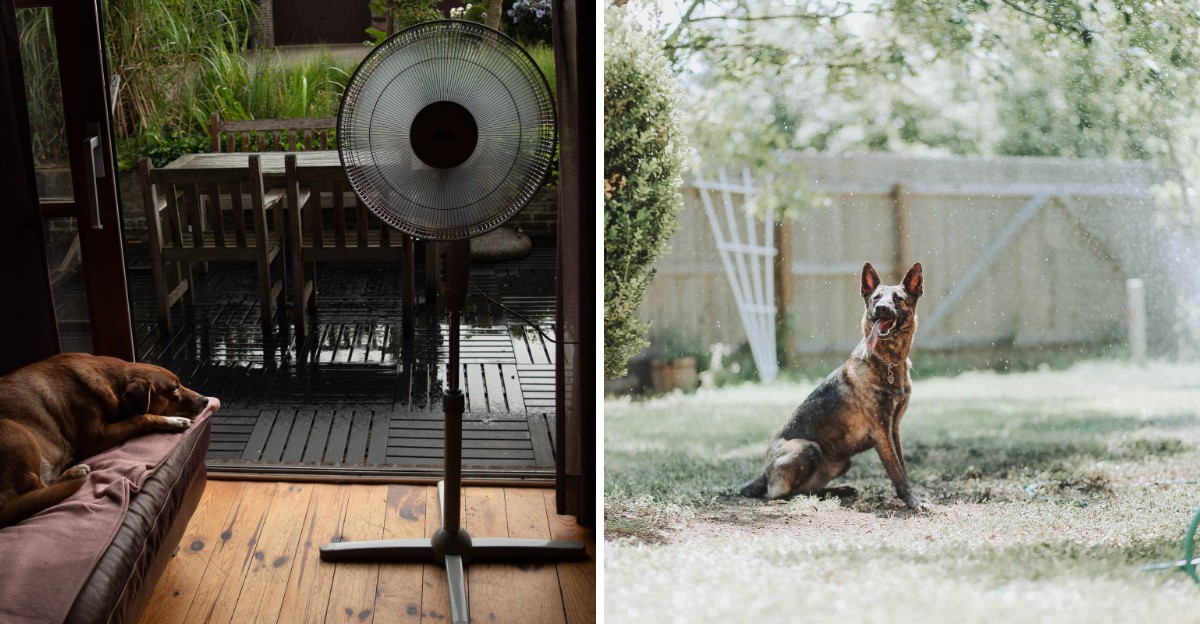
Fans alone cannot provide enough cooling during periods of extreme indoor heat.
2. Cooling Mats And Indoor Fans Need Replacing
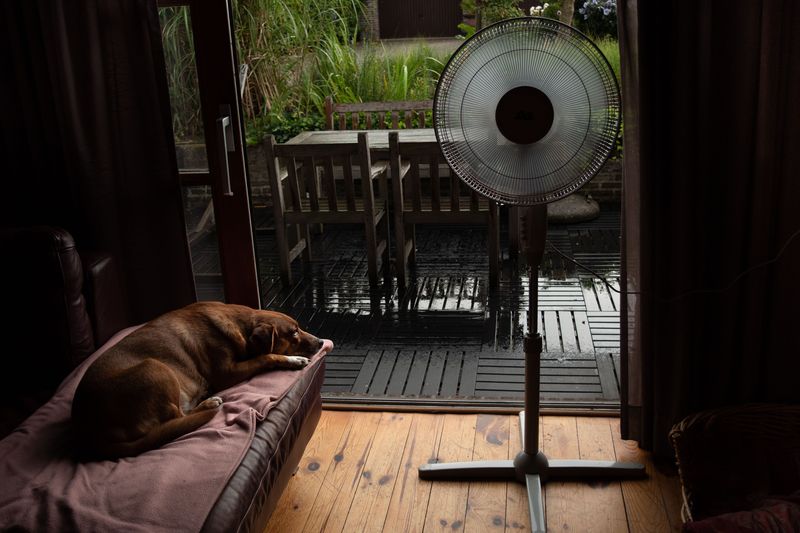
That favorite cool spot takes wear from claws, spills, and daily naps. Cooling mats can split, while fans collect dust and eventually need repair or replacement.
Cheap purchases may not stay cheap if they wear out quickly.
Choose washable products suited to your dog’s size and chewing habits. Check mats for damage and follow cleaning instructions.
Keep cords away from curious mouths. Set aside a small replacement fund before the next long summer arrives.
3. Outdoor Shade And Shelter Add To Yard Costs

Backyard comfort takes more than putting a bowl beside the porch. Shade structures, secure anchors, water stations, and suitable shelter all need money and upkeep.
Texas weather can also loosen covers or damage roofing.
Check shade throughout the day because the sun changes position. Bring dogs indoors during dangerous heat instead of relying on outdoor shelter.
Ask local animal control about applicable requirements. Budget for repairs, cleaning, and storm checks before damage creates urgent expenses.
4. Lawn Repairs Can Become A Regular Expense
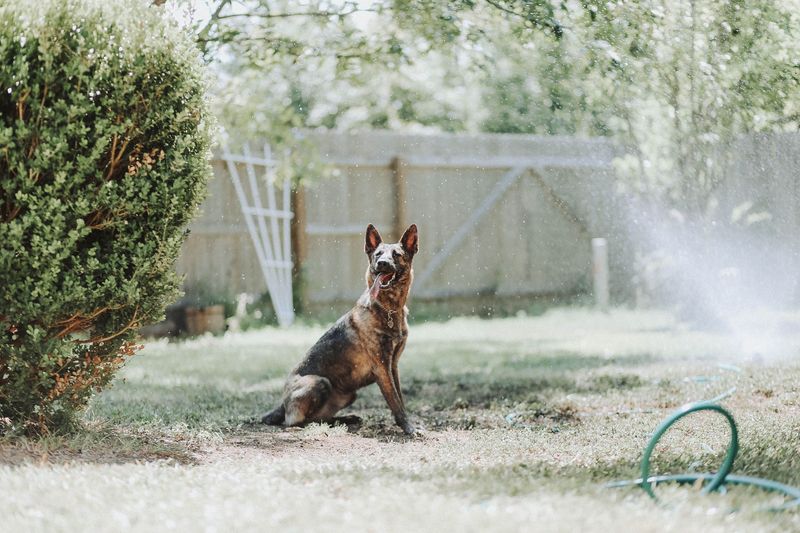
Paw paths have a way of becoming permanent backyard features. Running, digging, and urine can leave thin grass or bare patches that need attention.
Replacement sod, seed, soil, and watering can turn into repeat purchases.
Create a durable play area and rotate access when grass needs recovery. Follow local watering restrictions, which vary across Texas communities.
Ask a local nursery about suitable ground covers. Keep dogs away from lawn products until label directions allow access.
5. Fencing Repairs Are Easy To Overlook

A loose board rarely waits for a convenient payday. Weather, shifting soil, and determined digging can weaken a fence faster than expected.
Gate latches and gaps deserve attention alongside the panels you can easily see.
Walk the boundary regularly and after strong storms. Price repairs early, before one small opening requires a larger project.
Renters should confirm who handles maintenance under their lease. Keep dogs supervised or safely inside until any weak areas are repaired.
6. Pest Control Requires Extra Attention In Texas

Warm weather can keep unwanted yard visitors active for long stretches. Fleas, ticks, mosquitoes, and fire ants may call for different control plans.
Yard treatments and veterinary parasite prevention serve different purposes, so costs can overlap.
Ask your veterinarian which protection fits your dog’s health and local exposure. Tell pest companies that pets use the yard.
Follow every product’s directions, including return times. Compare service plans carefully rather than assuming every treatment covers every pest.
7. Heartworm Prevention Is A Year-Round Budget Item
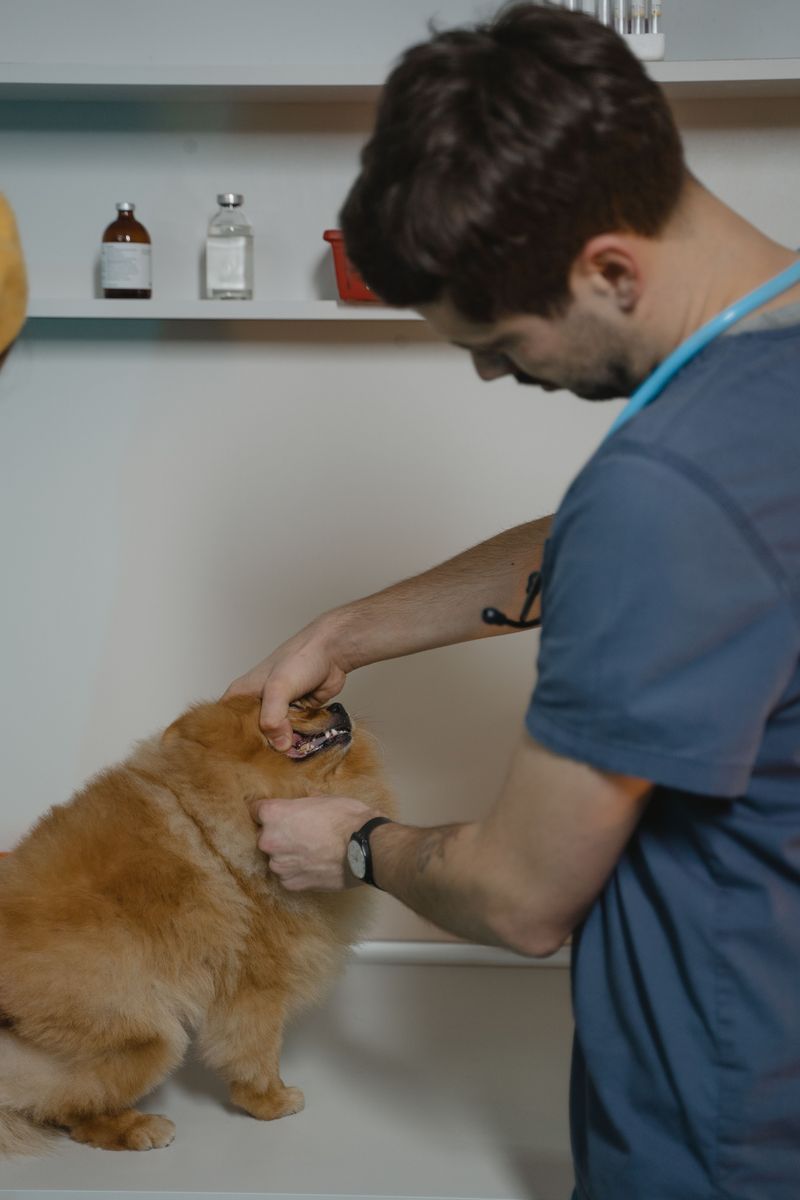
Mosquito season does not fit neatly into a short summer calendar. Veterinary guidance recommends heartworm prevention throughout the year, including for dogs that mostly stay indoors.
Regular testing adds another expense worth planning ahead.
Ask your veterinarian which product and testing schedule your dog needs. Prices vary with weight, product, and clinic.
Set reminders so doses stay on schedule. If you miss protection, contact the clinic for advice rather than guessing about the next step.
8. Boarding Costs Increase During Busy Travel Seasons
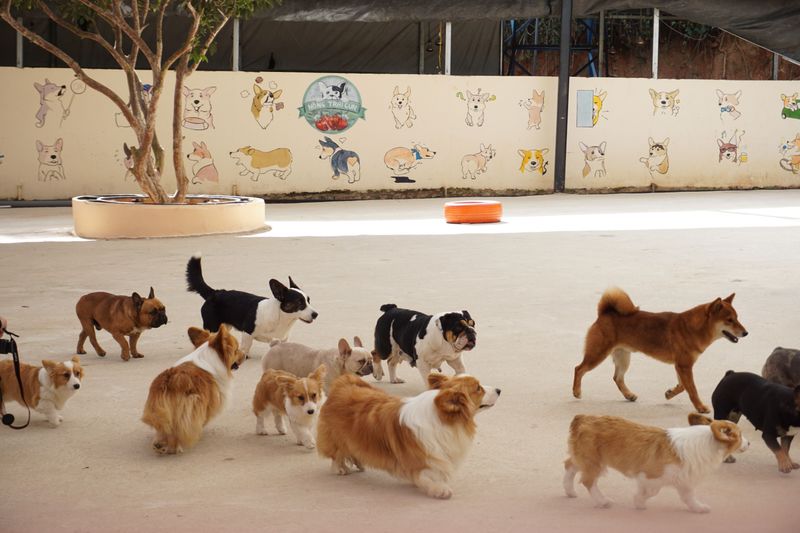
School breaks can fill boarding spaces before your suitcase leaves the closet. Popular facilities may charge more during busy periods or require longer stays.
Waiting can leave fewer choices within your preferred price range.
Request a written estimate before booking travel. Ask whether food, exercise, bedding, and checkout timing affect the bill.
Confirm vaccine requirements early so appointments do not become rushed extras. Reserve a suitable facility once dates are firm, and review cancellation terms.
9. Holiday Boarding May Come With Additional Fees

A holiday reservation can carry a different total than an ordinary weekend. Some boarding businesses add seasonal fees, deposits, or minimum stays.
Limited pickup hours may also mean paying for another night.
Ask for the full price covering your exact arrival and departure dates. Check whether deposits are refundable and when cancellation charges begin.
Compare complete totals, not advertised nightly rates alone. Keeping a little room in your travel budget makes seasonal charges easier to manage.
10. Daycare Can Become Necessary During Long Workdays
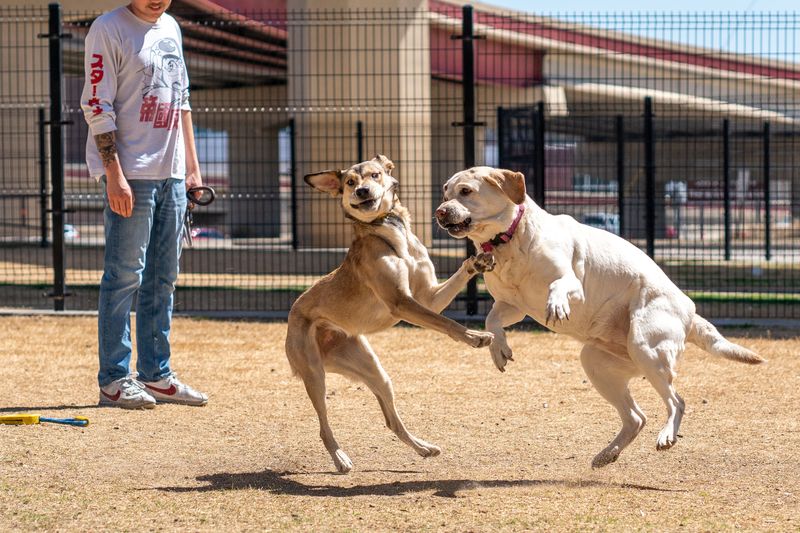
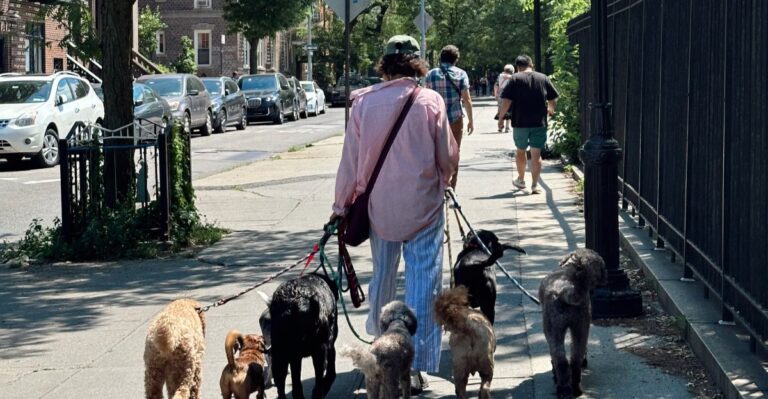
Long shifts and slow commutes can stretch a dog’s comfortable routine. Daycare, a midday walker, or a home visit may become a regular need.
Weekly charges can grow into a major monthly expense.
Choose care based on temperament, age, and health rather than convenience alone. Not every dog enjoys group play.
Ask about supervision, rest periods, screening, and late pickup fees. Compare packages with occasional visits, and include transportation when calculating what each option really costs.
11. Medication And Special Care Can Increase Boarding Rates
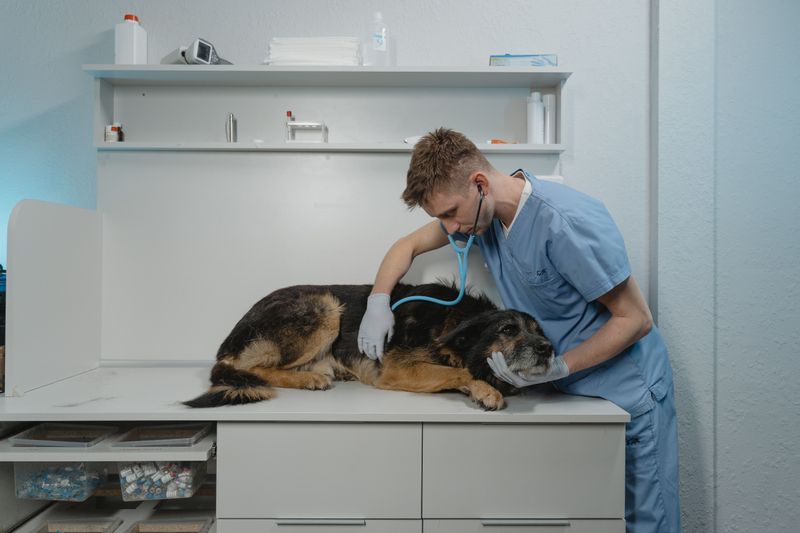
Older dogs and pets with health needs often require extra attention away from home. Boarding providers may charge for medication, special meals, mobility help, or added monitoring.
Some facilities cannot provide every level of care.
Describe your dog’s needs before paying a deposit. Request written confirmation of available services and fees.
Bring clear veterinary instructions and properly labeled medication. For complex conditions, ask your veterinarian whether medical boarding would offer a more suitable care setting.
12. Long Veterinary Drives Add Fuel And Time Costs
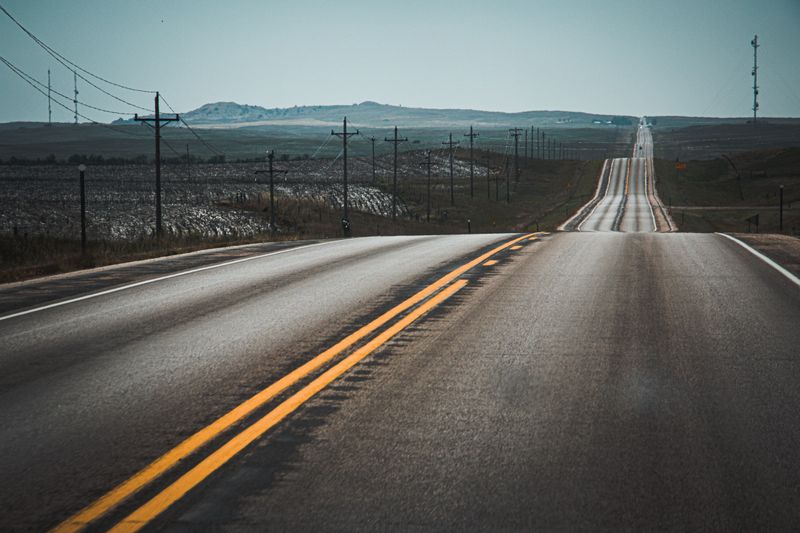
Specialty appointments are not always close to home, especially in rural Texas. A visit may involve highway miles, parking charges, meals, and missed work.
Those costs sit outside the clinic’s estimate.
Calculate the round trip before choosing an appointment time. Ask whether records can transfer ahead to reduce repeat visits.
Pack water and plan safe breaks for your dog. Keep some fuel money reserved for followups, since treatment plans may require several trips over time.
13. Emergency Travel Can Require Overnight Expenses
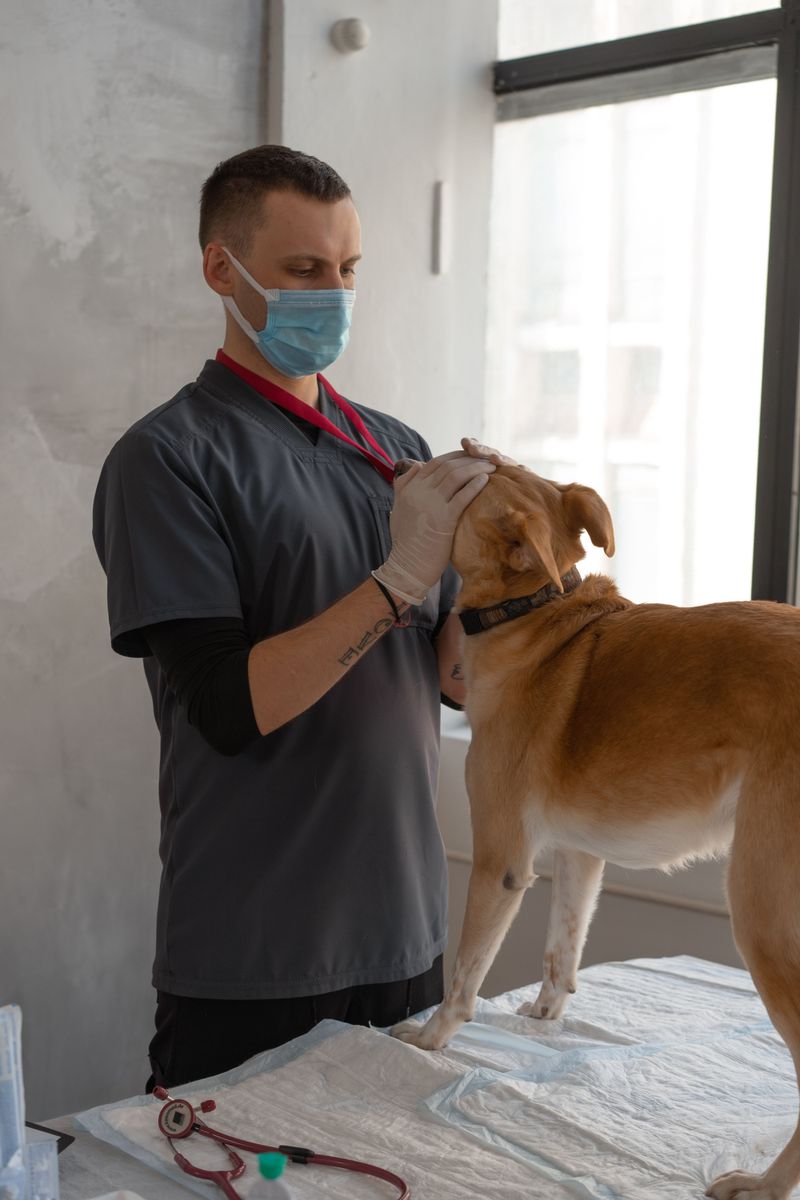
An unexpected clinic trip can turn into an overnight stay far from home. Hotels, meals, parking, and pet fees can quickly widen the bill.
Another household pet may need care while you are away.
Save nearby emergency clinic numbers and check their current hours before traveling. Keep a small overnight bag and copies of medical records ready.
Identify lodging that accepts dogs, but confirm policies directly. A separate travel cushion helps cover needs beyond veterinary treatment.
14. Car Safety Equipment Adds To Travel Expenses
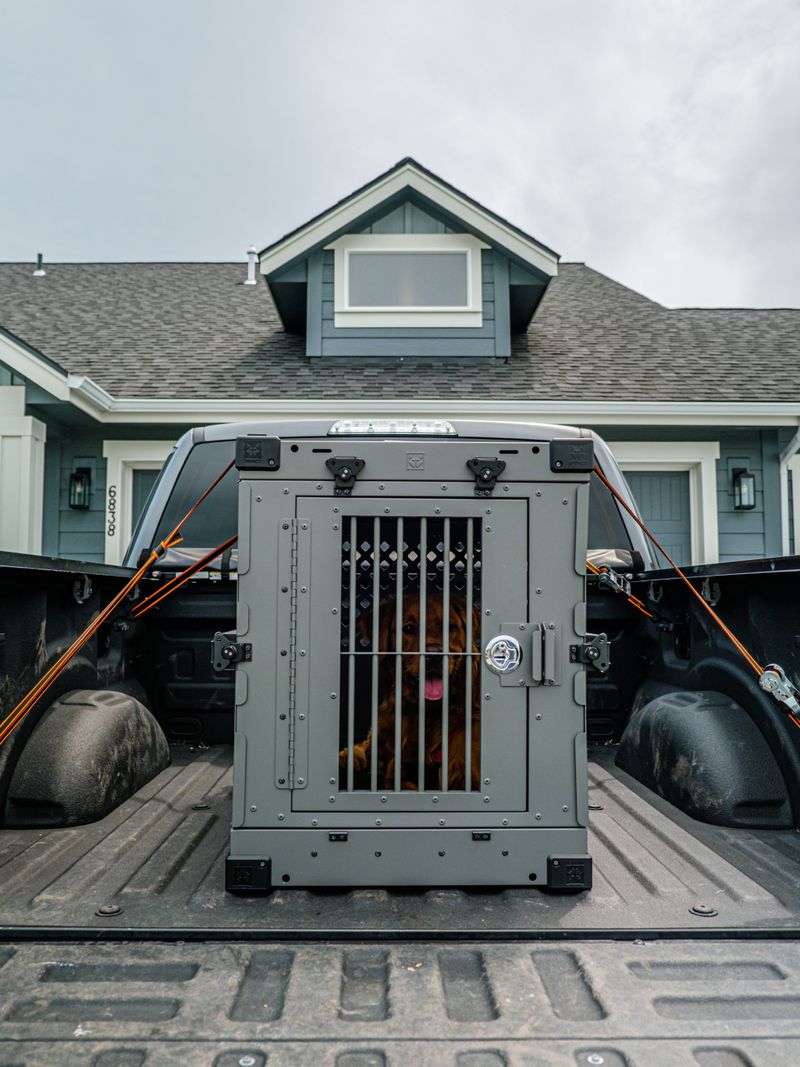
A road trip budget should include more than fuel and treats. A properly fitted vehicle restraint or secured crate helps limit movement during travel.
Quality equipment may cost more initially and need replacement as dogs grow.
Look for independent crash testing and follow installation instructions closely. A walking harness is not automatically designed for vehicle use.
Measure your dog and car before buying. Secure loose supplies, and never leave your dog alone in a parked vehicle.
15. Cleaning Supplies Become More Important After Long Drives
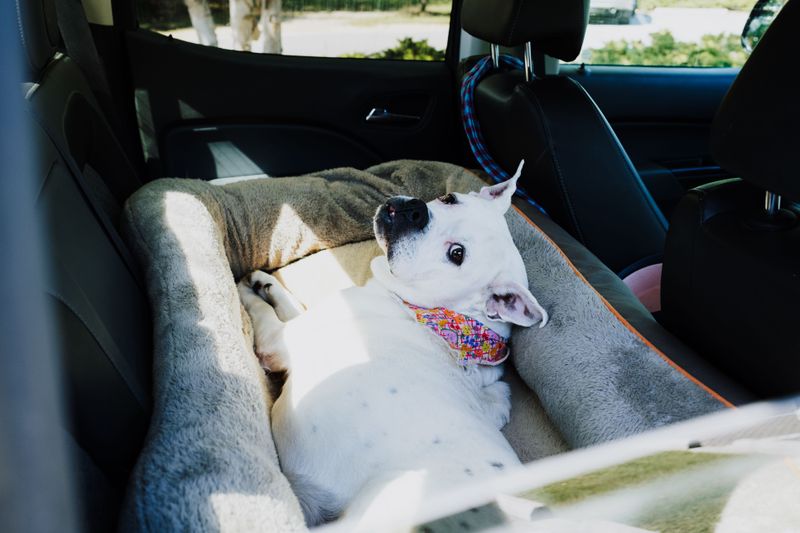
Dusty paws and a queasy stomach can leave travel souvenirs on your seats. Washable covers, towels, waste bags, and suitable cleaners become useful recurring purchases.
Laundering everything also uses water, detergent, and time.
Keep a cleanup kit within reach, separate from food and medication. Choose products labeled for the surfaces involved and follow directions around pets.
Ask your veterinarian about repeated travel sickness. Prevention and washable layers can reduce the need for expensive deep cleaning later.
16. Grooming Costs Can Increase During Hot Weather
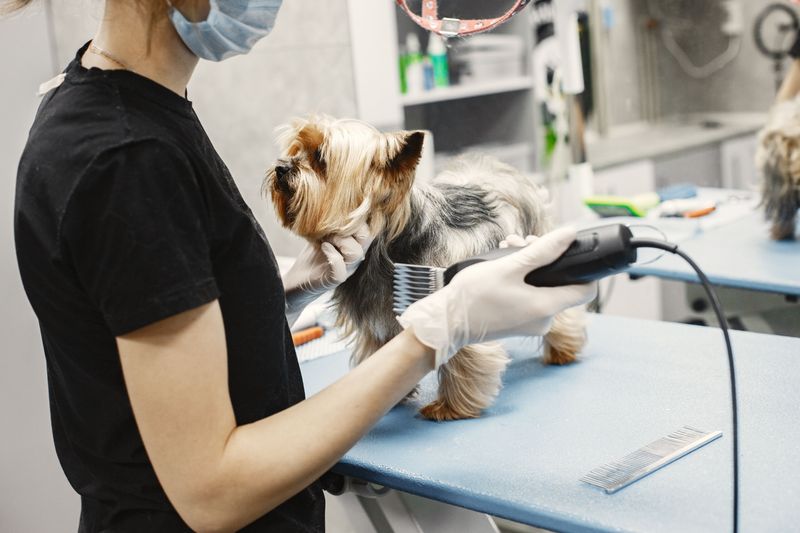
Summer adventures often bring extra dirt, loose hair, and tangled coats. More brushing supplies or grooming appointments may be needed to keep skin comfortable.
Prices depend on coat condition, size, services, and local demand.
Ask a groomer for a maintenance schedule suited to your dog. Do not assume a close shave helps every breed stay cool.
Double coats need particular care. Regular brushing can limit matting, while early booking helps avoid rushed appointments during busy weeks.
17. Backup Care Can Prevent Last-Minute Expenses

The easiest backup plan is one arranged before your calendar changes. A trusted sitter, relative, or boarding provider can help when travel or work runs long.
Last minute searches often leave fewer affordable options.
Introduce caregivers early and share feeding instructions, veterinary contacts, and access details. Confirm rates, availability, and permission for veterinary care in writing.
Review your savings as seasons change. A little planning keeps Texas dog expenses more manageable, and everyday care more dependable.