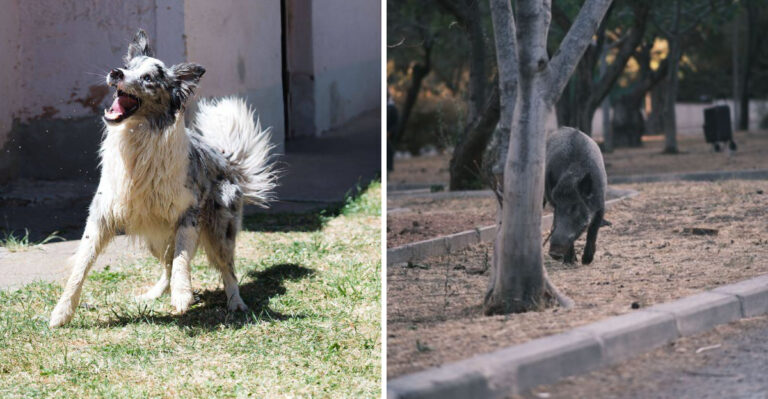
What Georgia Dog Owners Should Know About Copperheads On Suburban And Woodland Trails
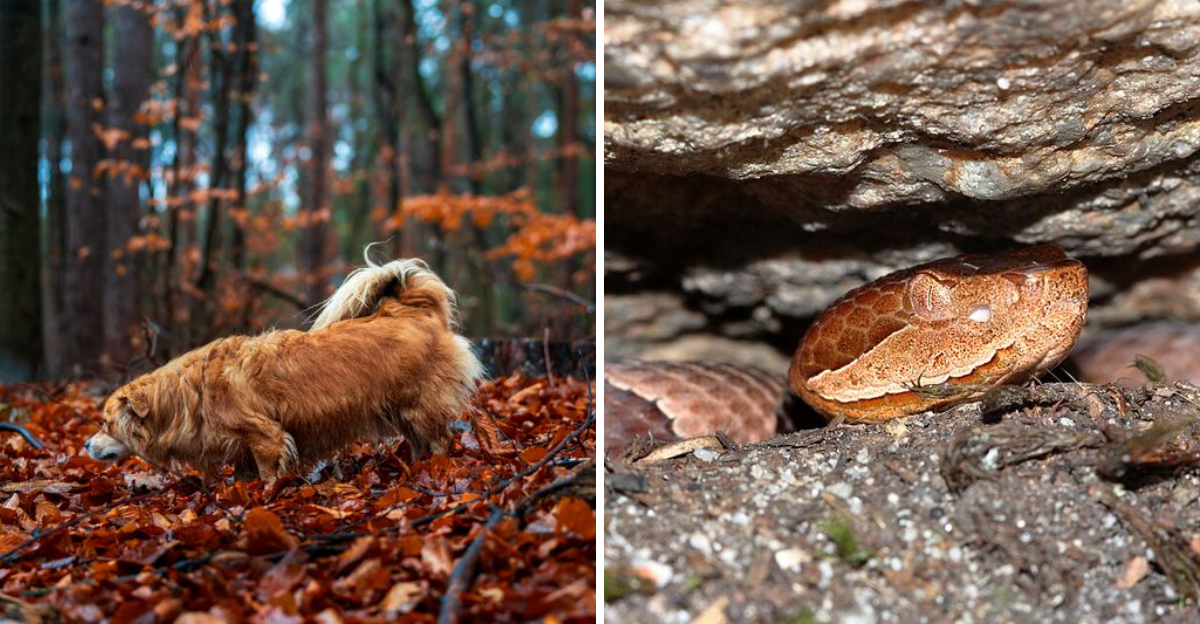
If you walk a dog in Georgia, you already know how much fun our trails can be. Shady greenways, pine woods, creek paths, and neighborhood loops all invite exploring.
Copperheads live here too, and they share many of those same spaces. That does not mean you need to change your routine or worry every time your dog sniffs a log.
It simply means a little knowledge goes a long way. Most encounters end quietly, with the snake staying still and the dog moving on.
Trouble usually starts when a curious nose gets too close to a spot no one checked. Think of this guide as advice from a neighbor who has walked these trails for years.
You will learn where copperheads like to rest, which habits reduce close calls, and what to do if you spot one ahead. You will also learn the calm, correct steps to take if you suspect a bite.
None of it is complicated. Leash awareness, eyes on the ground, and a solid leave-it cue handle most situations.
Read through once, share it with your walking partner, and head back out. Georgia trails are still yours to enjoy, and your dog agrees.
Why Copperheads Are Found In Georgia
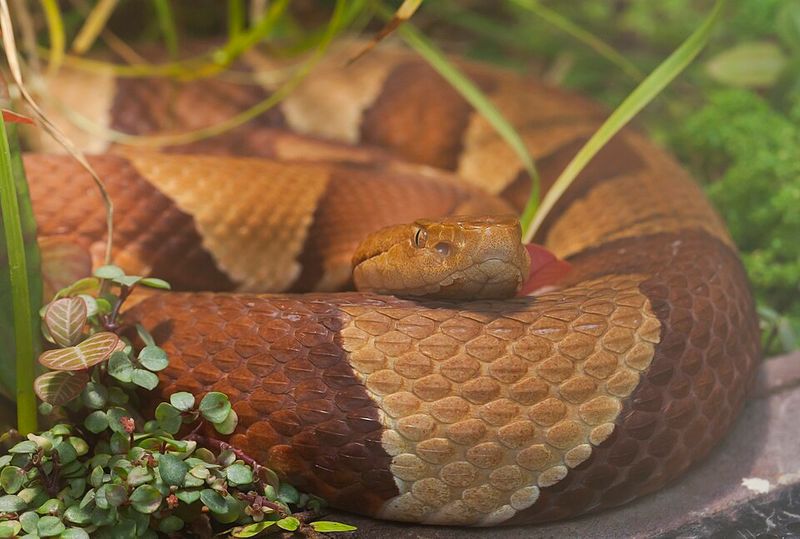
Copperheads are native residents here, not newcomers or escaped pets. Georgia’s mix of hardwood forests, brushy field edges, creek bottoms, and rocky slopes suits them well.
Those same landscapes surround many of our favorite walking routes. Understanding that overlap helps you stay alert without feeling nervous.
Snakes play a useful role, eating rodents and insects around us. Awareness, not avoidance, is the goal for dog owners who love the outdoors.
Where Dogs May Encounter Copperheads
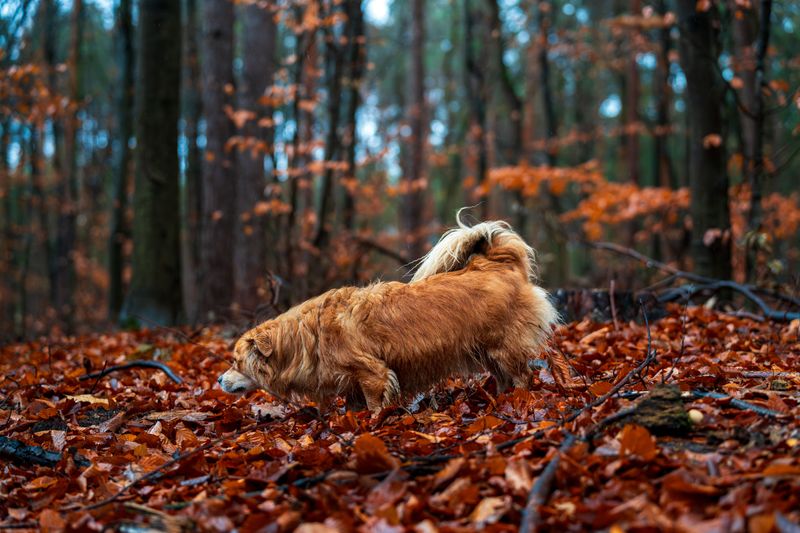
Cover is everything to a copperhead. Fallen leaves, rotting logs, stacked rocks, and thick vegetation offer shade, warmth, and hiding spots.
Dogs love those exact places, because they smell like a hundred interesting stories at once.
A nose pushing into a brush pile may find a snake before you see anything at all. Steering your dog away from dense clutter removes most of that guesswork on an ordinary walk.
Why Suburban Trails Can Still Have Snakes
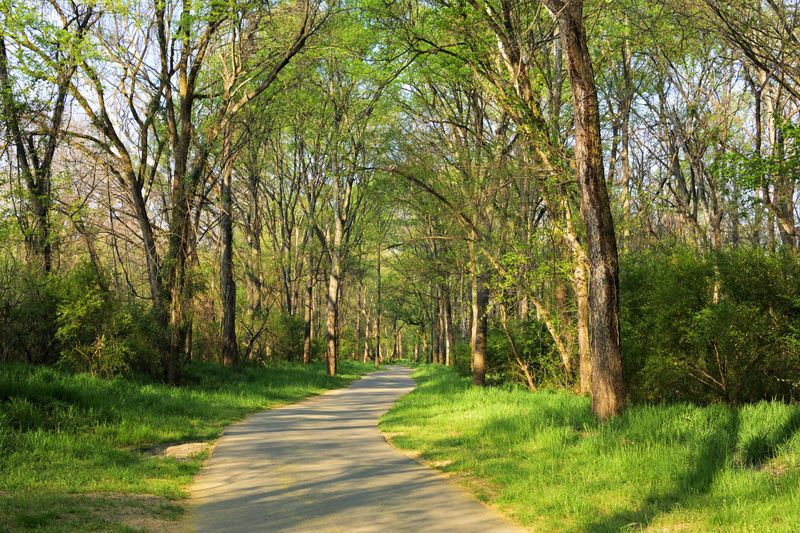
Plenty of owners assume snakes only live far from houses. Reality is friendlier to wildlife than that.
Greenways, city parks, drainage corridors, undeveloped lots, and wooded subdivisions all provide shelter and food.
A paved path can run right past ideal snake habitat. Treat suburban walks with the same easy attentiveness you would use in the woods, and you will rarely be surprised by what lives beside the pavement.
Keep Dogs On Established Paths
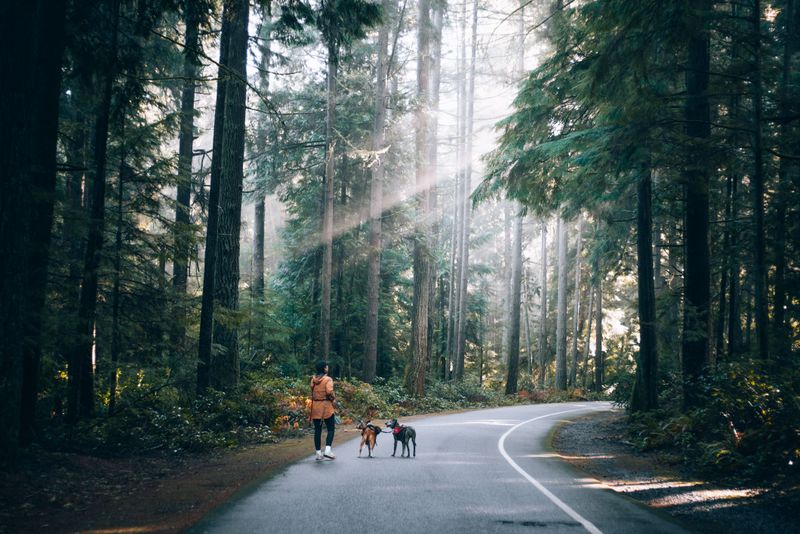
Open, well used trails give you something valuable: a clear view of the ground.
When your dog stays on the path, it may be less likely to wander into leaf drifts, tangled undergrowth, and hidden crevices along the sides.
You also spot obstacles sooner and react calmly. Shortcuts through brush may feel adventurous, but they trade visibility for surprises.
Sticking to the route keeps walks predictable, which is exactly what makes them relaxing.
A Short Leash Gives You More Control
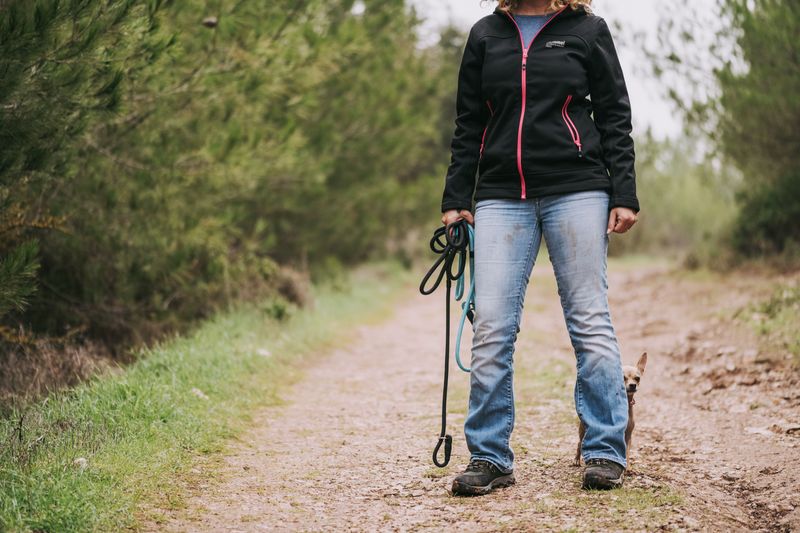
A shorter leash can give you more control when the trail narrows. Shorter lines let you redirect a curious dog in one smooth motion.
Around rocks, root clusters, and fallen branches, that quick response matters most.
Retractable leashes can allow dogs to move farther from their owners, which may make quick redirection more difficult. Many Georgia parks require leashes anyway, though rules differ by county and city, so confirm posted signs before you go.
Watch The Edges Of The Trail
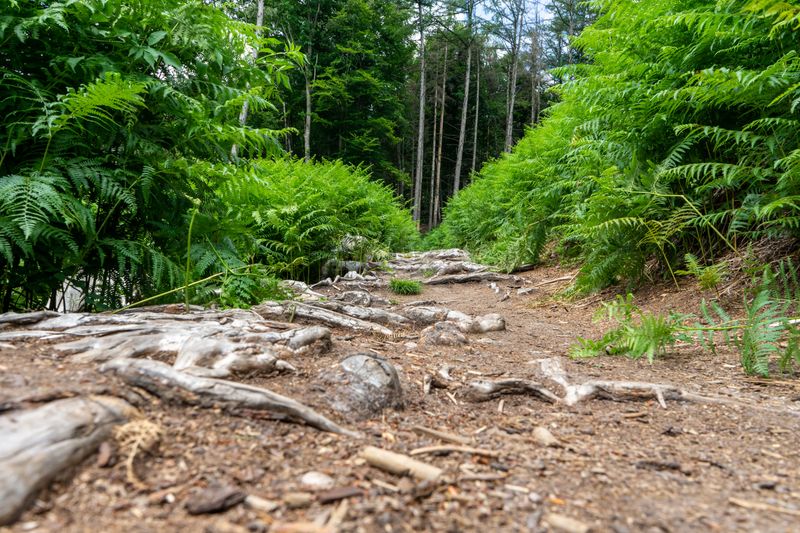
Edges are where habitats meet, and wildlife tends to gather there. Scan the strip of vegetation right beside the path as you walk.
Heavy ground cover, ivy, and low ferns deserve a second look.
Spotting movement or a coiled shape early gives you time to shorten the leash and pass by. It becomes automatic quickly, like checking mirrors while driving a familiar road.
Be Extra Careful Around Fallen Leaves
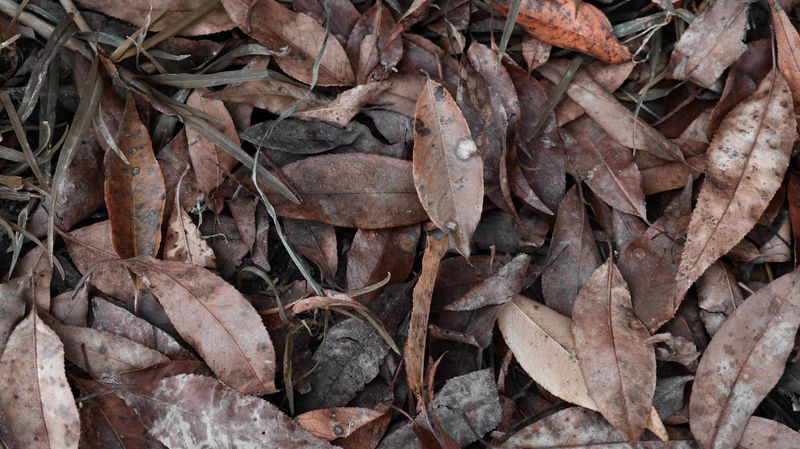
Copperhead patterning blends beautifully with dry leaves. That camouflage is why leaf litter deserves respect during autumn and spring alike.
Dogs adore burying their faces in crunchy piles, which is charming until visibility drops to zero.
Call your dog away from deep drifts, especially near logs or stone walls. A quick redirect costs nothing and removes one of the most common close calls owners report.
Logs And Rocks Deserve Extra Attention
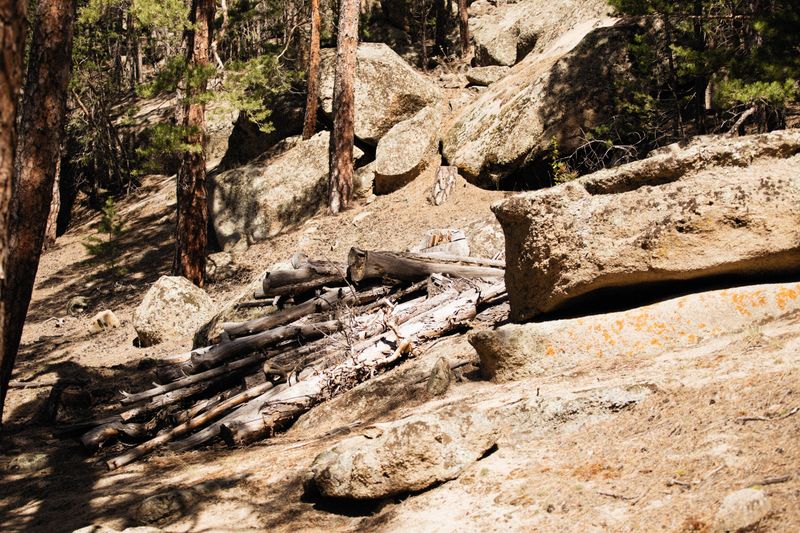
Natural structures act like snake apartments. Hollow logs, rock ledges, stone piles, and stacked brush hold cool shade and steady temperatures.
Dogs treat every crevice as an invitation to investigate.
Give those features a wide berth instead of letting a nose explore each gap. Walking a few feet farther out is simple, and it keeps both of you clear of a spot nobody can see into.
Warm Weather Can Increase Encounters
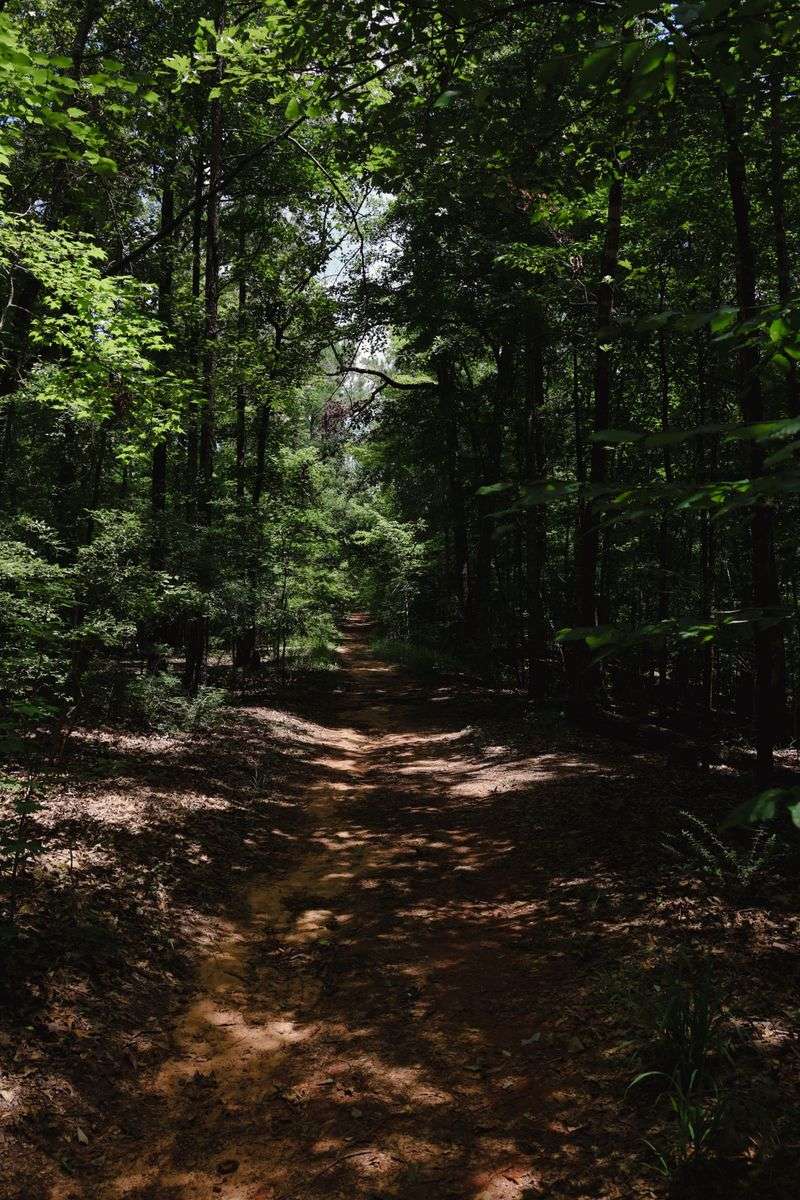
Snakes become more active as temperatures rise, so sightings climb through spring, summer, and early fall.
Georgia’s long warm season stretches that window across much of the year.
Copperheads often move during evening hours in the hottest weeks. Planning walks with that in mind helps, and so does carrying a small flashlight for dusk outings.
Cooler months bring fewer sightings, but never assume zero.
Give A Snake Plenty Of Space
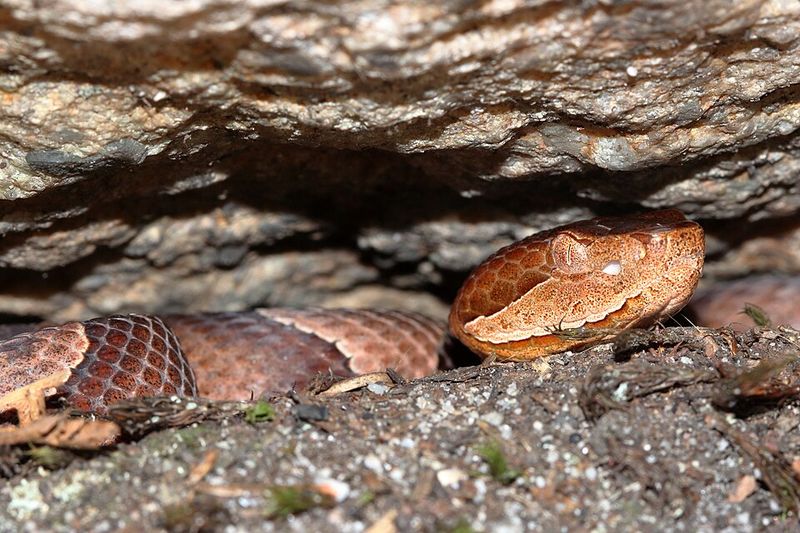
Distance solves nearly every snake encounter. Spot one, stop, then guide your dog steadily in the opposite direction.
No shouting, no sudden lunges, no attempts to shoo it off the path.
Copperheads rely on stillness and camouflage, so most stay put while you retreat. Give the snake as much space as practical and calmly guide your dog in the opposite direction.
Calm movement keeps your dog calm too, which makes the whole moment forgettable.
Do Not Let Curiosity Take Over
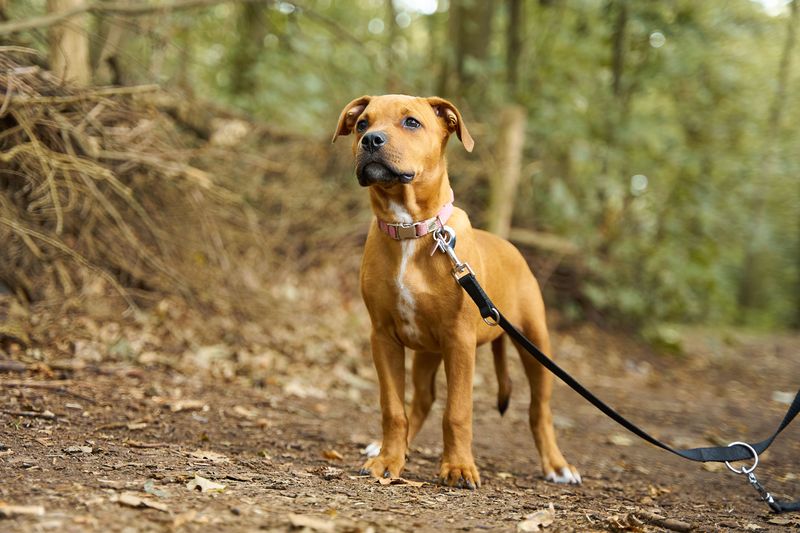
Dogs are investigators by design. A rustle in the leaves reads as an invitation, not a warning.
That enthusiasm is exactly what puts a snout too close to wildlife.
Learn your dog’s alert signals: frozen posture, raised ears, hard staring. When you see them, apply a gentle leash cue and turn away immediately.
Redirecting early is far easier than pulling a fixated dog backward later.
Teach A Reliable Leave-It Cue
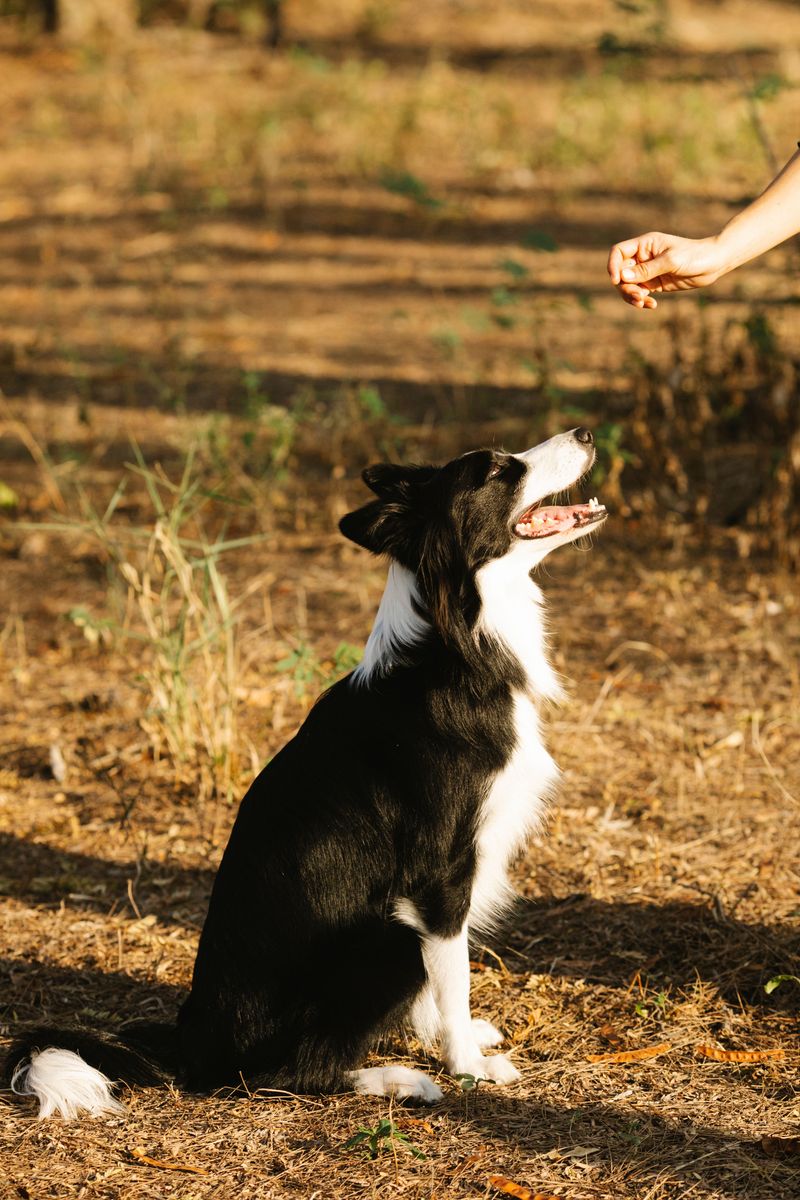
One well trained phrase can change a walk. A dependable leave-it cue pulls your dog’s attention off anything interesting, from snacks to snakes.
Practice indoors first with low value items, then build up outdoors with distractions.
Reward generously every single time. Short sessions beat long ones, and consistency matters more than duration.
By the time you need it on a trail, the response should feel automatic.
Keep Your Eyes On The Ground Ahead
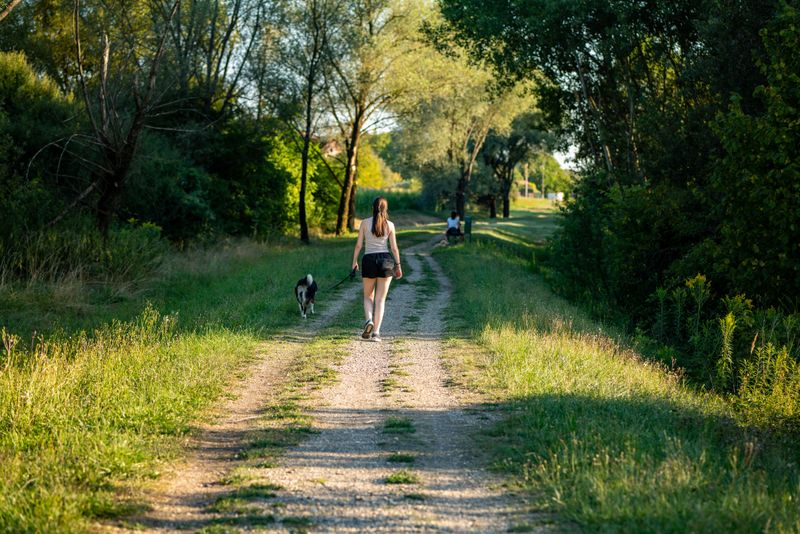
Phones are the quiet culprit behind many missed sightings. Scrolling drops your view to a screen instead of the path.
Try scanning six to ten feet ahead as you walk, then glancing at your dog.
That rhythm gives you seconds to react, which is all you usually need. Save the podcast for one earbud and keep the other ear on your surroundings.
What To Do If A Snake Is On The Trail
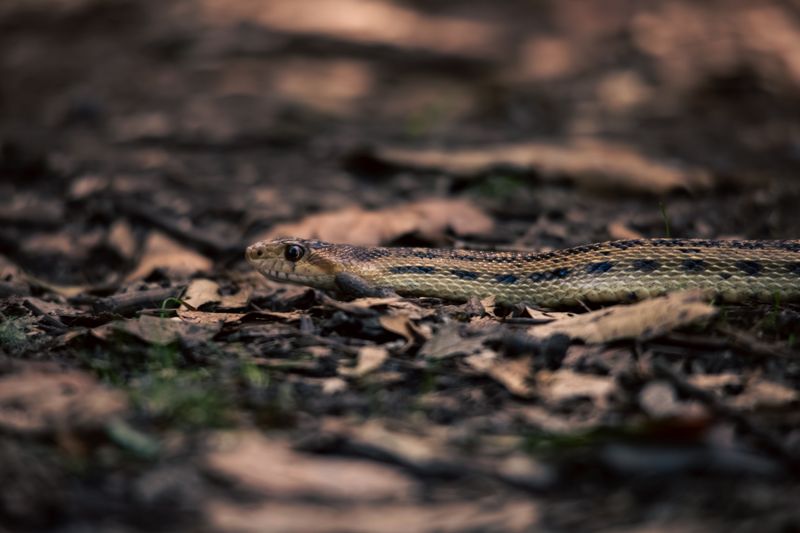
Sometimes a snake settles right across the path. Stop where you are, shorten the leash, and wait a moment.
Given room, most will move along on their own schedule.
If it stays, turn around and pick a different route. No trail is worth squeezing past wildlife on a narrow shoulder.
Mention the sighting to park staff if there is an office nearby.
What If Your Dog Is Bitten
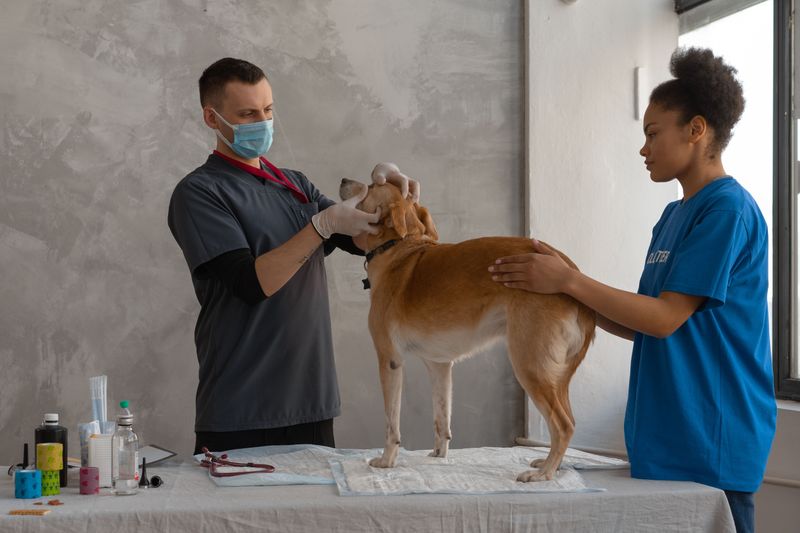
Treat any suspected snake bite as an emergency. Keep your dog still, carry smaller dogs if you can, and head for care right away.
Call your veterinarian or the nearest emergency clinic while traveling so staff can prepare.
Swelling, puncture marks, limping, or sudden pain are common signs. Speed and professional treatment matter most, so skip guesswork and let the clinic guide every step.
Do Not Try Home Remedies

Old advice about snake bites has aged badly. Never cut the area, try to draw out venom, or apply a tourniquet.
Skip ice packs and any human medication unless a veterinarian tells you otherwise.
Those steps can complicate treatment and delay real help. Your job is simple: stay calm, limit your dog’s movement, and get professional care as quickly as possible.
Check The Trail Before You Leave
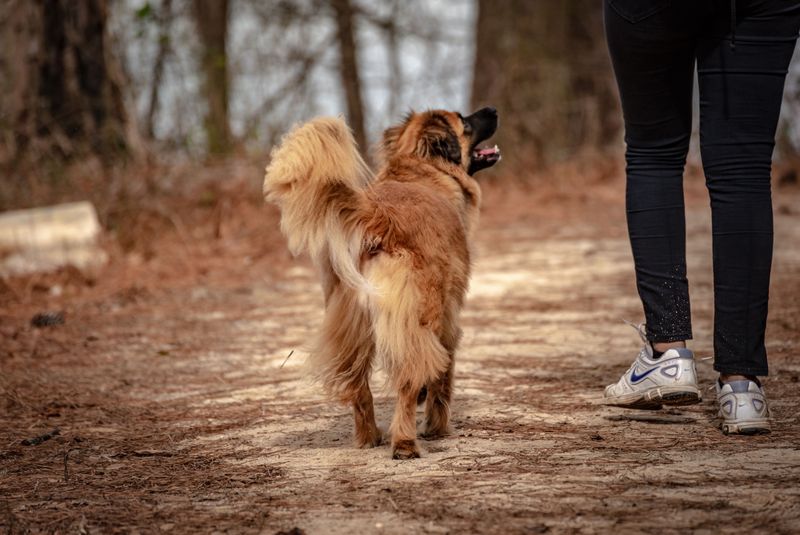
Five minutes of planning improves any walk. Look up trail conditions, recent closures, weather, and how shaded or overgrown the route tends to be.
Wide paths with mowed edges offer far better visibility than narrow overgrown ones.
Park websites and local hiking groups often post current notes. Bring water, a phone, and your vet’s number saved where you can find it fast.
Enjoy Georgia Trails With Awareness
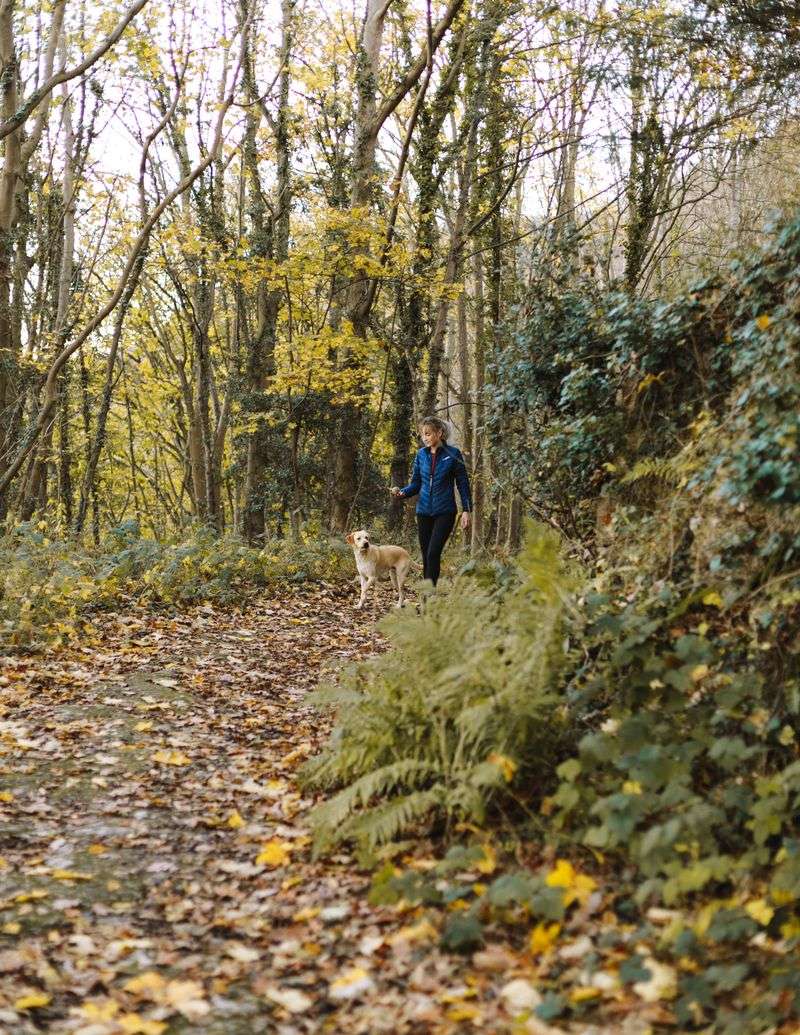
Spotting a copperhead once does not mean giving up a beloved route. It means the ecosystem is working.
With a proper leash, eyes forward, a solid leave-it cue, and respect for hiding spots, risk stays low.
Georgia’s woods and greenways are still yours to share with a happy dog.
Walk prepared, walk relaxed, and let curiosity stay on the path where it belongs.