What Wyoming Dog Owners Should Know About Moose On Mountain Trails
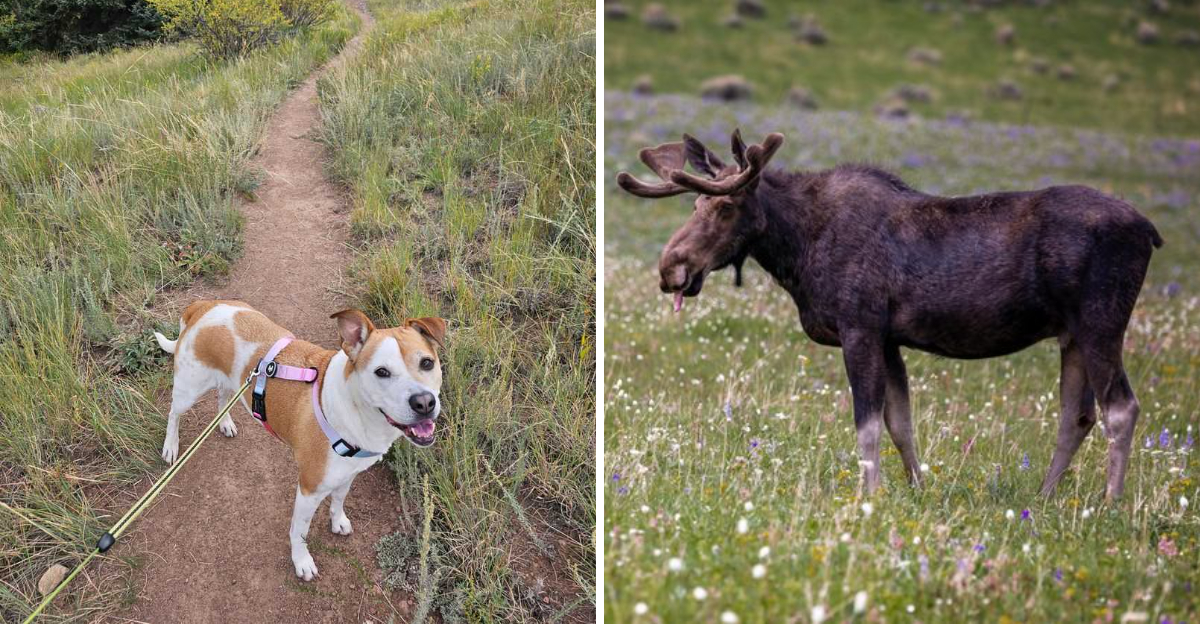
If you hike Wyoming’s mountain trails with a dog, moose are part of the landscape you share. Most encounters end quietly, with the moose going one way and you going the other.
Still, moose respond to dogs very differently than they respond to people walking alone.
The good news is that avoiding trouble comes down to a handful of habits: knowing when moose are most defensive, keeping your dog physically under control, giving wide berth, and reading the animal’s body language early.
1. Dogs Trigger a Much Stronger Reaction Than People
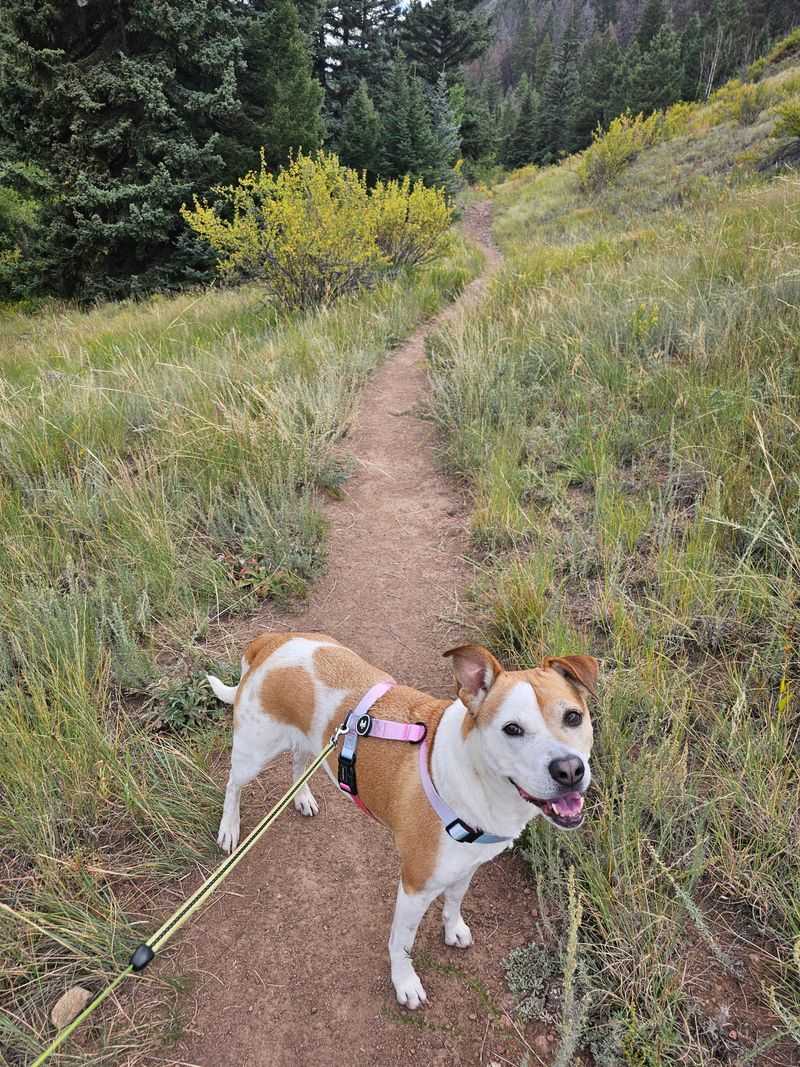
Here is the single most useful fact for Wyoming dog owners: moose read dogs as predators, much like wolves. That instinct is ancient and hardwired.
A hiker alone may barely register. Add a dog, and the same moose may stiffen, turn, or move toward you.
Moose have kicked at dogs that were leashed or even behind a fence.
Encounters involving dogs are a common trigger for serious conflicts, with injuries to both people and pets.
2. Physical Control Beats Good Intentions
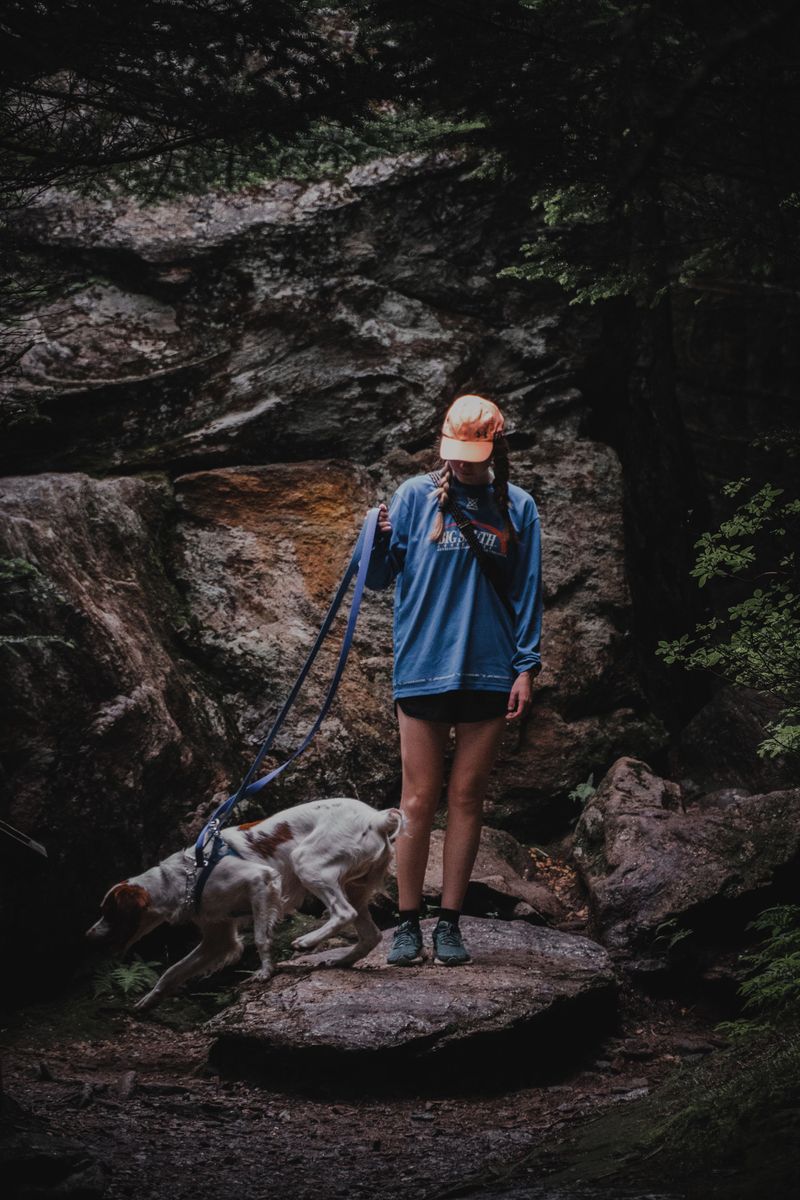
Voice control works beautifully right up until a moose appears. Then adrenaline takes over and recall falls apart.
Bridger-Teton National Forest allows dogs at your side or under reliable voice control. If you have any doubt, use the leash.
Grand Teton National Park requires leashes no longer than six feet. Shoshone National Forest sets the same limit.
The Jackson Ranger District adds a seasonal leash order from December 1 to May 1.
3. Widen Your Buffer When a Dog Is Along
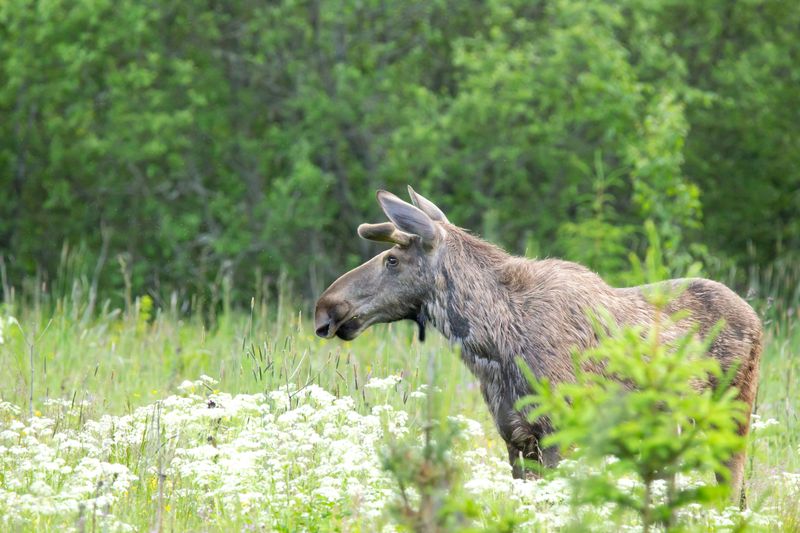
Twenty-five yards is the general minimum for moose, roughly two bus lengths. Some guidance suggests at least fifty feet of personal space.
With a dog beside you, treat those numbers as a floor rather than a target. More room is always better.
During calving season, give cows and young at least 100 meters, about 330 feet. Stepping off trail early costs you two minutes and prevents most problems.
4. A Chasing Dog Turns a Calm Moose Into a Defending One
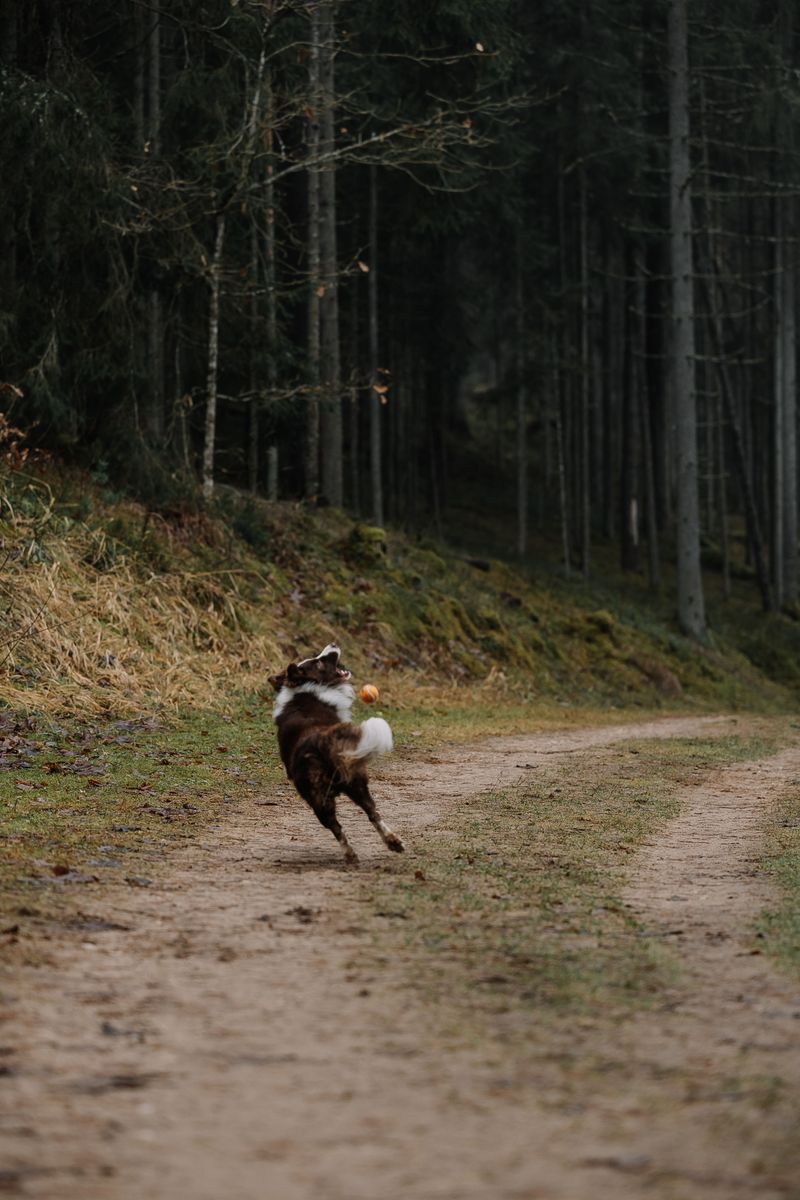
Some dogs cannot resist a large moving animal. That impulse is the most dangerous thing on the trail.
A pursued moose does not flee forever. It turns and defends itself, and a single kick from an animal weighing up to 2,000 pounds can seriously harm a dog.
Practice a solid recall and a hold command at home. Then trust the leash when moose could be near.
5. When a Moose Owns the Trail, Let It
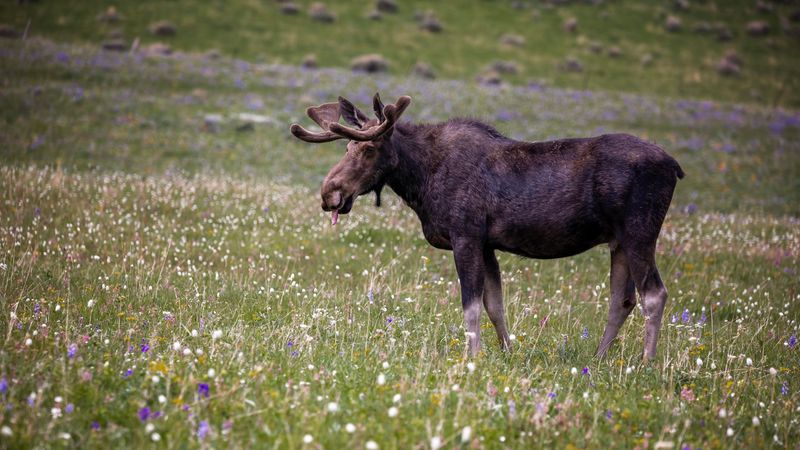
Blocked trail, moose in the middle, nowhere obvious to go. It happens more than visitors expect.
Pick a different route or wait patiently until the animal moves on its own. Never corner or crowd it.
A moose resting on a trail or road is often conserving energy, especially in winter deep snow. Pushing past may feel harmless to you, but the moose experiences it as pressure.
6. Cows and Calves Deserve the Widest Berth of All
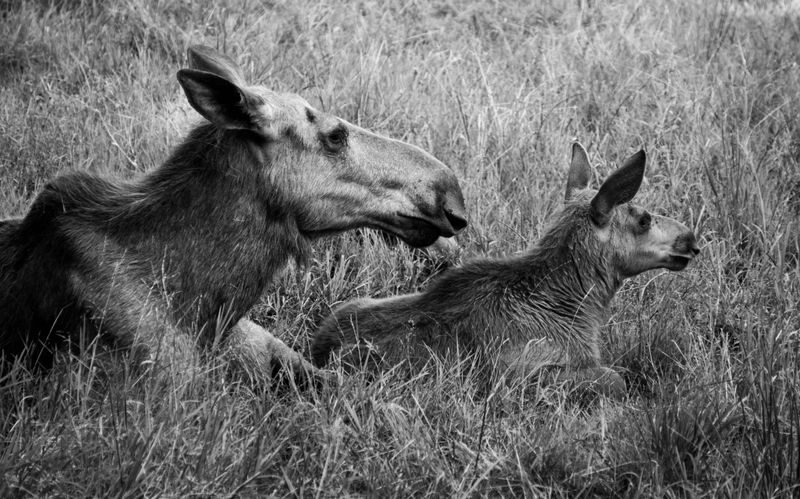
Mother moose are fiercely protective and will act on any perceived threat to a calf.
Spotting a calf by itself is a red flag, not a photo opportunity. Odds are good you have stepped between the calf and its mother without realizing it.
Back out the way you came, quietly and immediately. Shorten your dog’s leash first so it cannot drift toward the calf while you retreat.
7. Late May and June Call for Extra Patience
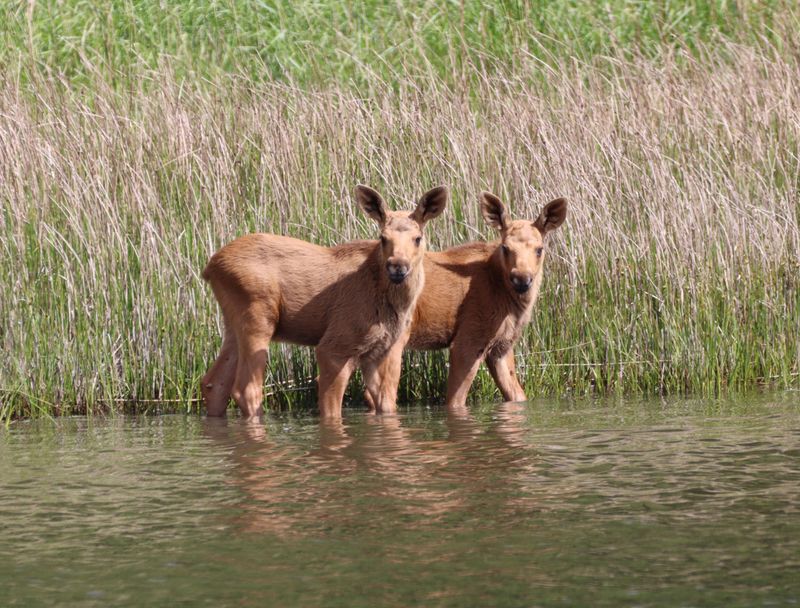
Calves arrive between mid-May and early June, and cows turn noticeably defensive.
During those weeks, moose that ignored you in March may respond sharply to a dog. Willow thickets and creek bottoms are prime nursery habitat.
Choose open, high-visibility routes, keep your dog leashed, and skip dense brush where a cow could be bedded just out of sight. Patience now saves everyone stress later.
8. Autumn Rut Changes Bull Behavior
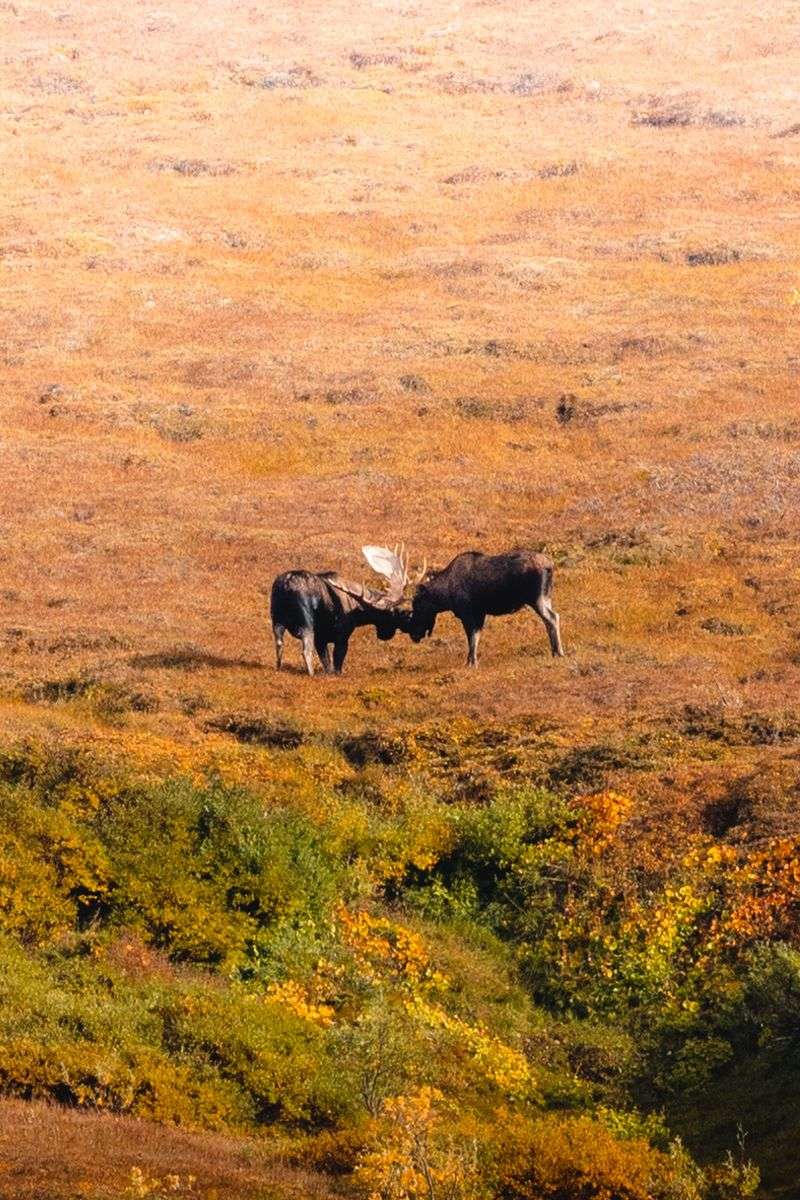
From late September into early October, bulls enter the rut and grow far more active and aggressive as they compete for mates.
Watch for posturing, deep grunts and bellows, and antlers clashing in the brush. A rutting bull can react strongly to anything it reads as a challenge.
Hike earlier in the day, stay on open trails, and turn around without hesitation if you hear that vocal grunting nearby.
9. Snowy Months Bring Their Own Risks
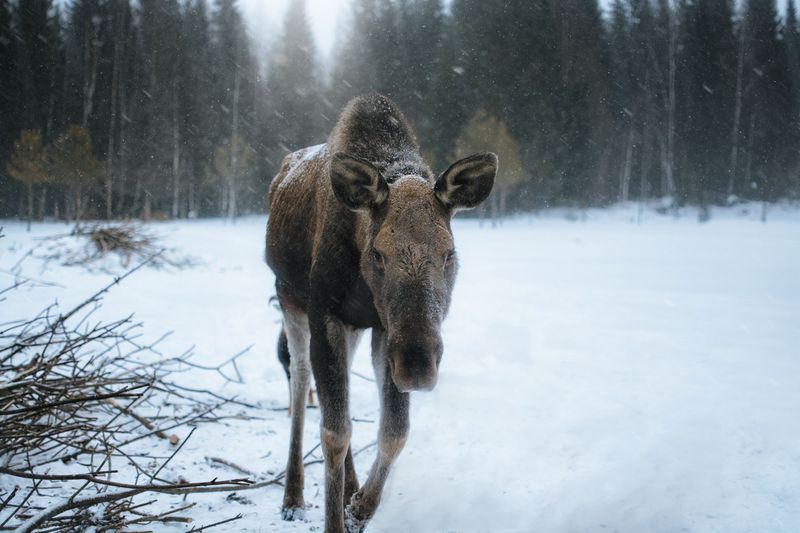
Cold-weather moose are often hungry and tired from pushing through deep snow. Winter is a high-stress stretch for wildlife.
An animal running low on energy has less tolerance for a barking dog on a packed trail.
Oddly enough, vehicles coated in salty slush can also draw defensive behavior. Keep your dog leashed near winter trailheads, and give any roadside moose plenty of room as you pass.
10. Read the Body Language Before It Escalates
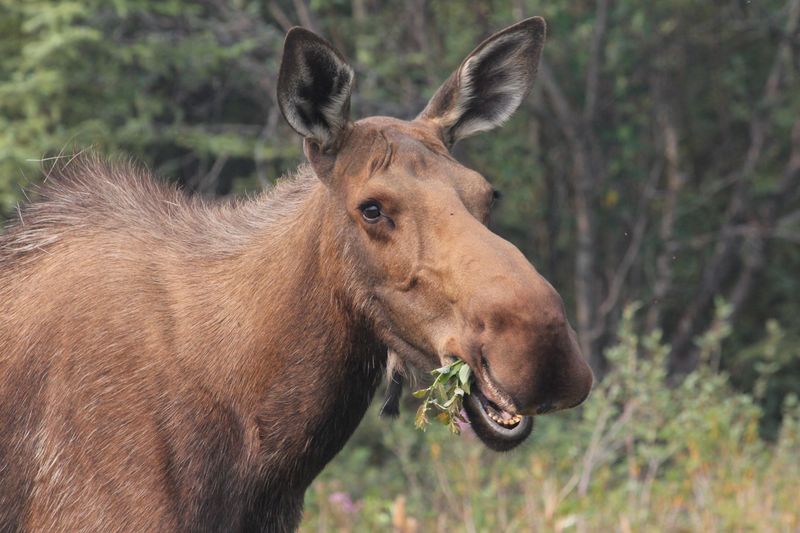
Moose almost always signal discomfort first. Learning those signals buys you time.
Look for pinned ears, raised hackles along the neck or hump, mouth licking or smacking, foot stomping, head swaying, grunting, or a short false charge.
A moose that stops eating and stares at you is already stressed. Lowered head, whites of the eyes showing, or a head whipped back all mean leave now.
11. A Moose Walking Your Way Is Your Cue to Back Out
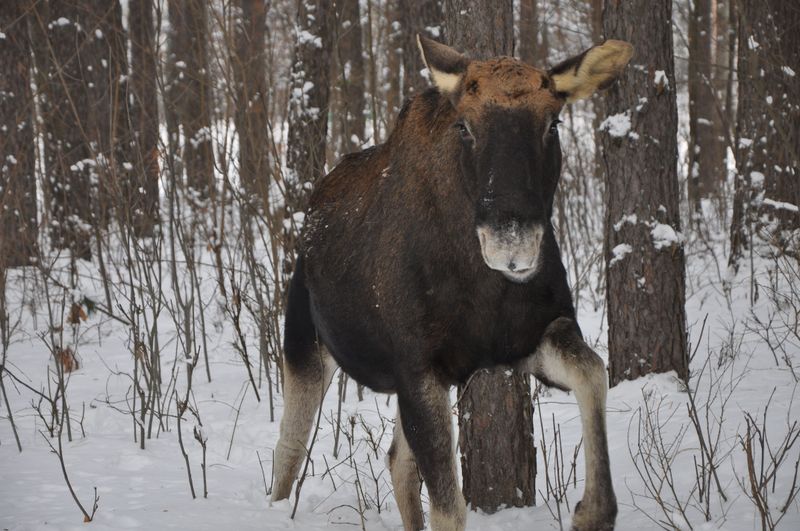
Lowered head plus forward movement in your direction is not curiosity. Treat it as a clear signal to retreat.
Back away slowly and keep your body facing the animal so you can track what it does. Pull your dog in close and quiet.
If the moose behaves aggressively or begins a charge, stop retreating slowly and run. Hesitation is the mistake, not movement.
12. Leave the Animal a Way Out
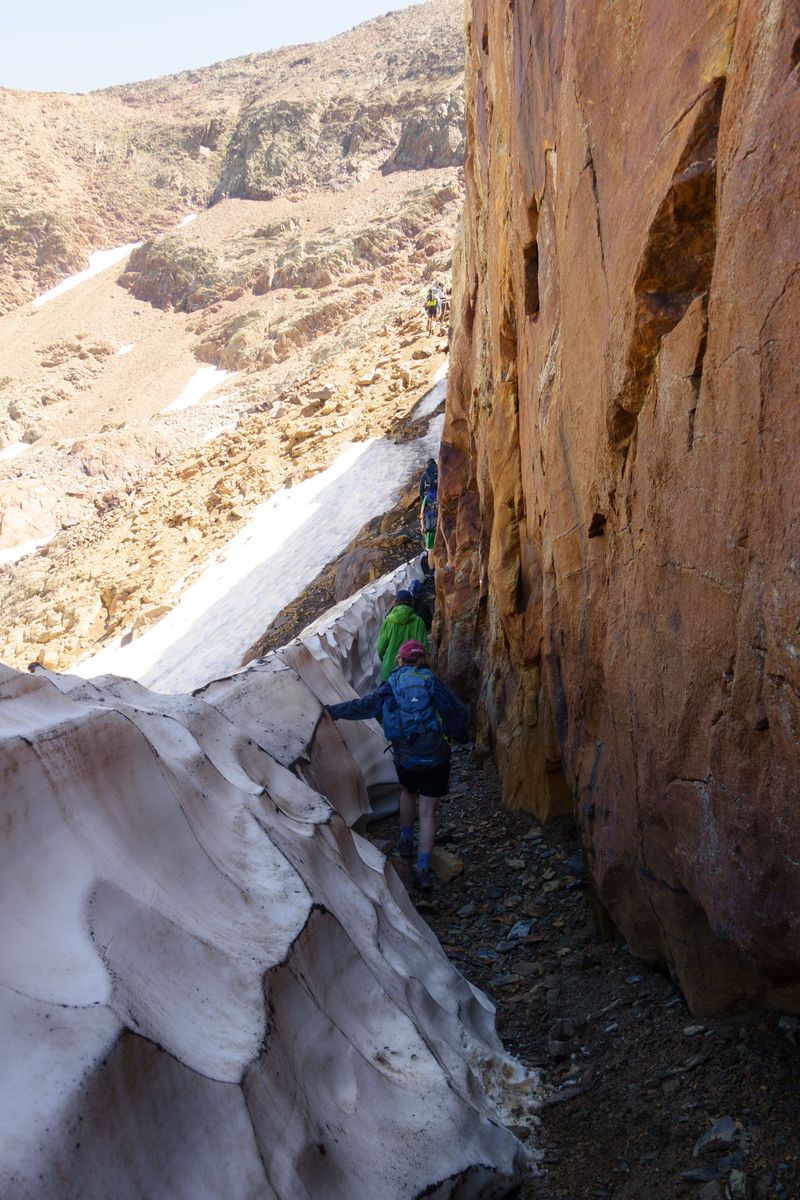
Cornered animals have only one option left, and it is rarely a good one for you.
Before you shift position, notice where the moose could go. Narrow switchbacks, fence lines, creek banks, and parked vehicles all limit choices.
Never block the obvious exit while trying to slip past. Stepping well off the downhill side and waiting quietly gives the moose room and lowers its defensiveness immediately.
13. Charge Means Run, and Put Something Solid Between You
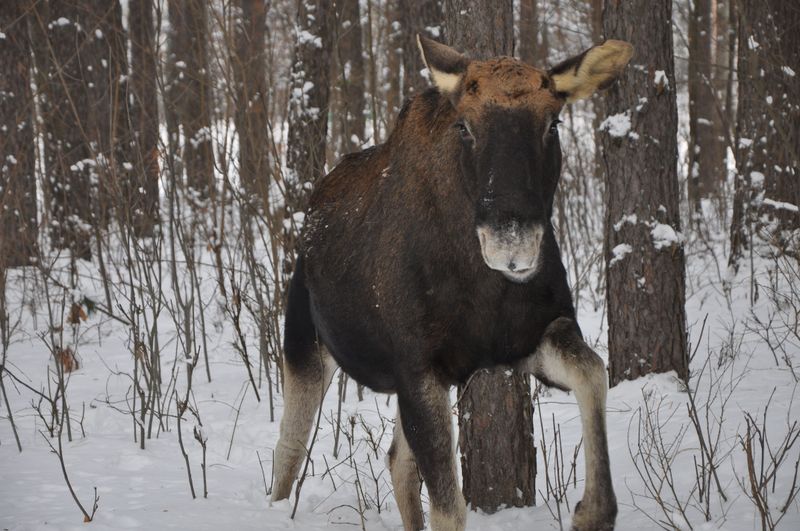
Bears and moose call for opposite responses. With a moose, running is the correct move.
Head for solid cover: a big tree, a boulder, a building, or a vehicle. Circling a wide trunk works well because you maneuver faster than a moose can.
Zigzagging can also help. Encouragingly, moose typically do not pursue people far once you are out of their space.
14. Do Not Gamble on a Bluff
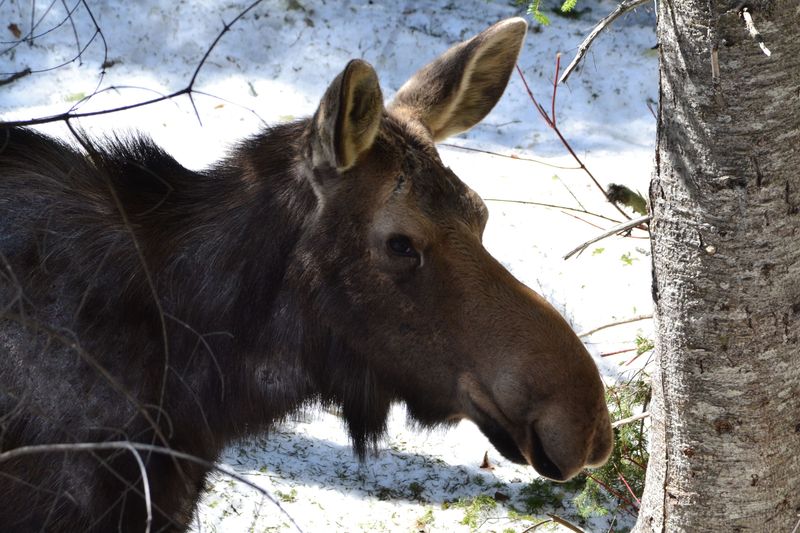
Plenty of moose charges are warnings meant to push you back. Guessing which one you are watching is a poor plan.
Respond to every charge as the real thing and move immediately toward cover. Standing still to evaluate costs you the few seconds that matter.
Worth remembering: compared with bears, moose are less inclined toward false charges. Assume commitment and act right away.
15. Those Hooves Carry Serious Power
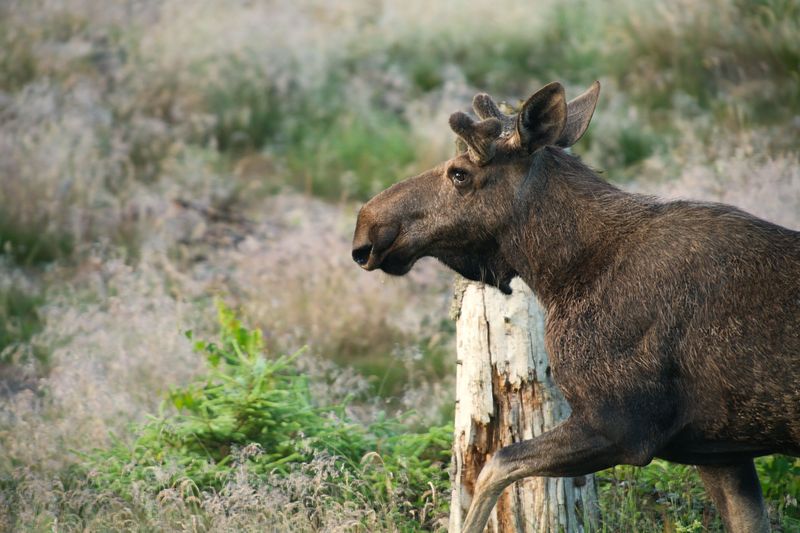
People picture antlers, but the front hooves do the work. Moose commonly strike forward with them.
Given their size and strength, a kick or stomp can cause severe injury. n animal near 2,000 pounds can seriously harm a dog with one blow.
That is precisely why distance and leashes matter so much. Prevention is far easier than any response once hooves are involved.
16. Knocked Down? Curl Up and Stay Put
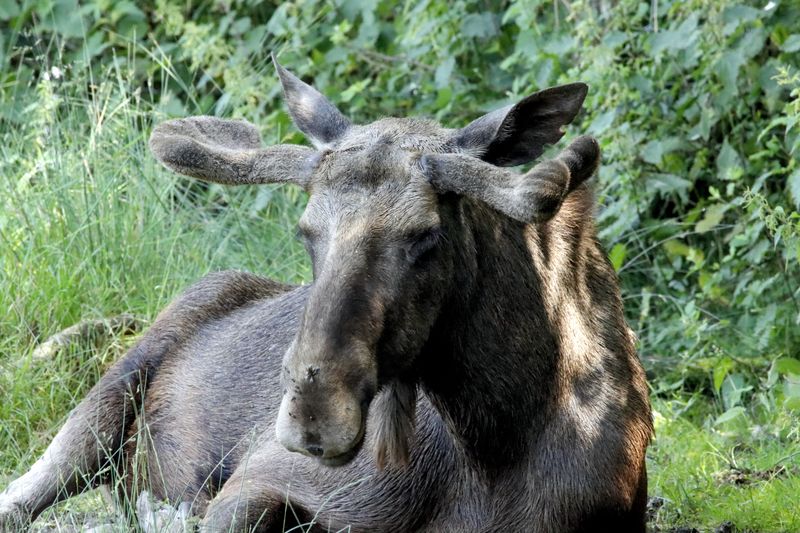
Should a moose knock you to the ground, drop into a tight ball and cover your head and neck.
Stay there. Use a backpack as extra shielding if you have one within reach.
After knocking someone down, a moose may simply keep running, or it may stomp and kick. Remaining still and low removes the threat it perceives and helps end the encounter faster.
17. Shouting, Throwing, and Feeding All Backfire
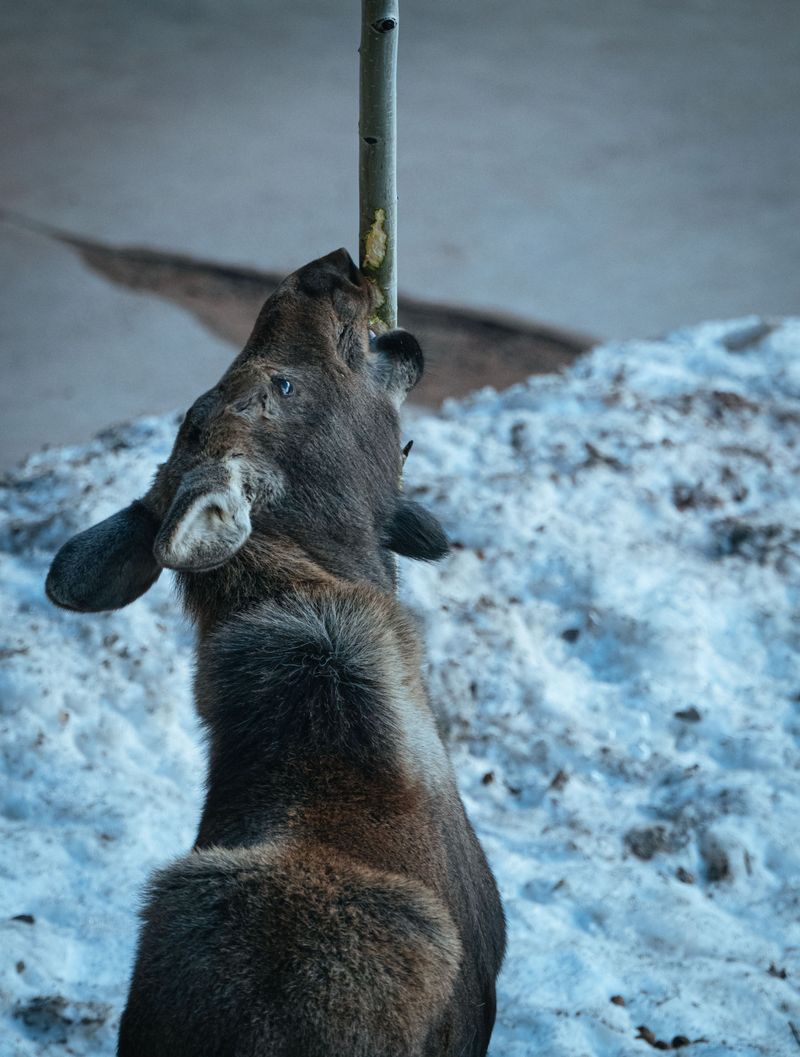
Trying to shoo a moose off the trail rarely works and often makes things worse.
Skip the yelling, rock throwing, and chasing. Harassing wildlife raises stress and sharply increases risk for you and your dog.
Feeding moose is illegal and genuinely dangerous. Fed animals grow conditioned to people and may act aggressively when the expected snack does not appear.
Quiet distance is the only tool you need.
18. Know Where Dogs Can Legally Go
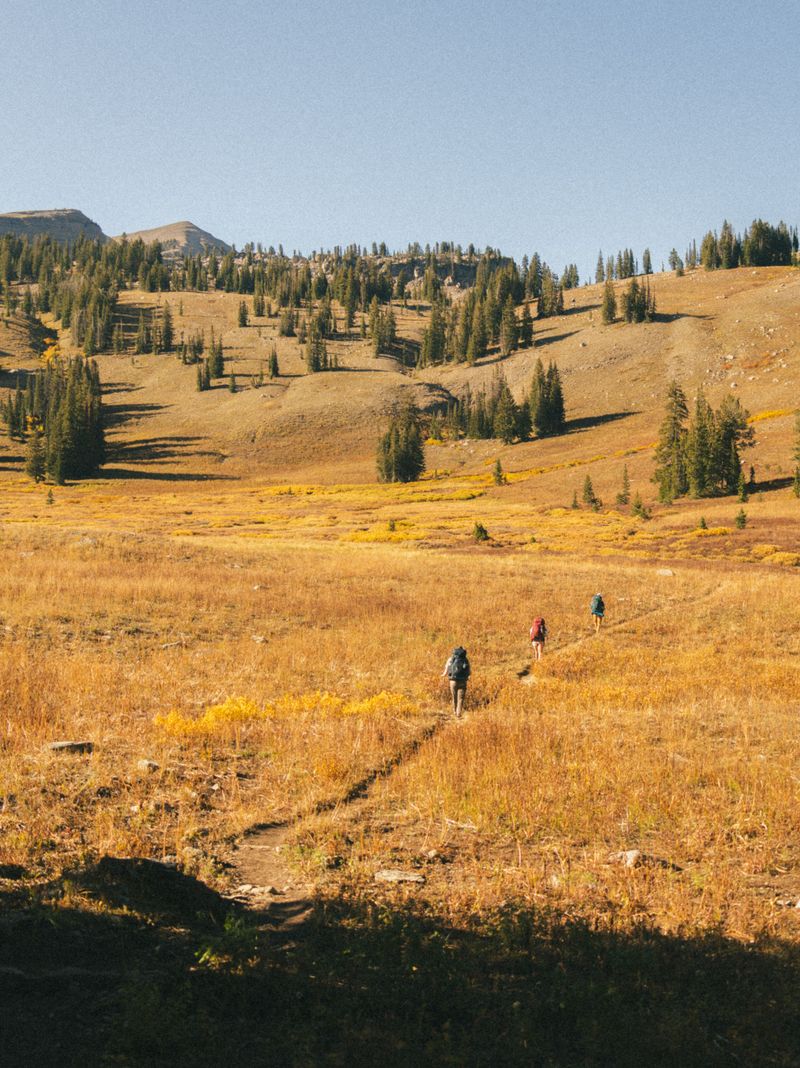
Rules shift sharply between land agencies, so check before you load the dog.
Grand Teton bans dogs from trails and backcountry, allowing leashed pets within 30 feet of roadways. Yellowstone keeps pets within 100 feet of roads and parking areas, never on trails or boardwalks.
Forest trails generally allow dogs, with seasonal orders and closures posted locally. Confirm current rules with the managing office.