What Happens If Your Dog Damages a Neighbor’s Property in Texas
Owning a dog in Texas brings a lot of joy, but it also comes with real legal responsibilities.
If your dog digs up a neighbor’s garden, tears through a fence, or injures another pet, you could find yourself facing more than just an awkward conversation. Texas law has specific rules about what dog owners owe to the people around them.
Knowing these rules ahead of time can help you stay prepared, protect your finances, and keep your relationship with your neighbors on solid ground.
1. Financial Responsibility Through Negligence

Most people assume their dog has to bite someone before legal trouble starts. That is not always true.
In Texas, you can be held financially responsible if your dog damages a neighbor’s property because of your negligent handling or control of the animal.
Negligence means you failed to act the way a reasonable person would. Leaving a gate unlatched or letting your dog roam freely are common examples.
Financial responsibility can cover repair costs, replacement costs, and more.
2. What Your Neighbor Must Show in Court
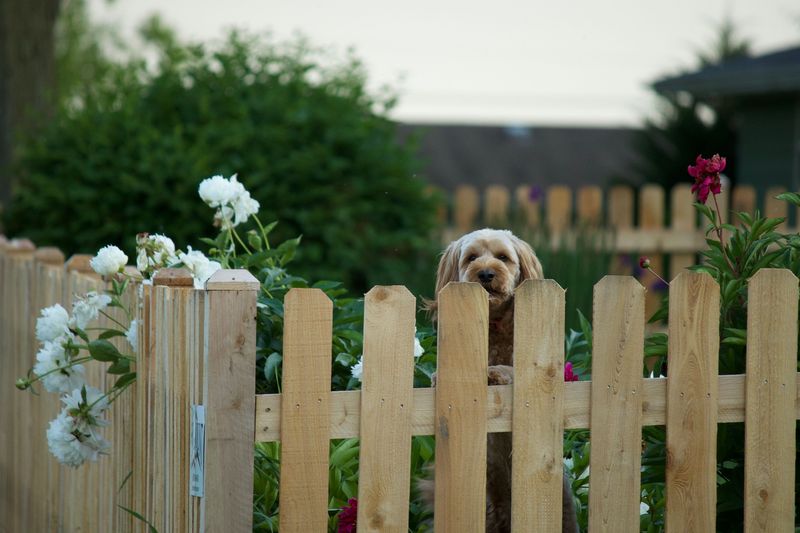
A neighbor who wants to pursue a claim cannot simply say your dog caused damage. For a negligence claim to hold up, your neighbor generally needs to demonstrate that your lack of reasonable care directly led to the damage.
Reasonable care includes things like following local leash rules, keeping fences secure, and supervising your dog outdoors. If your neighbor can show you skipped those steps, the claim becomes much stronger.
Courts look at the full picture of your behavior as an owner.
3. No Prior Aggression Required for a Claim
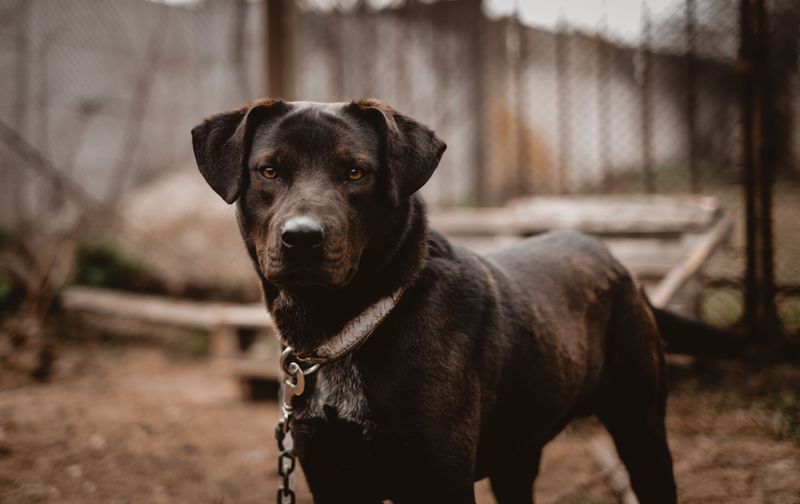
Many owners believe their dog gets a free pass if it has never acted aggressively before. Under Texas negligence law, that belief can be costly.
A dog does not need a history of aggression for a negligence claim to be filed against its owner for property damage.
What matters is whether you acted reasonably as an owner. Allowing a dog to roam off-leash or failing to fix a broken fence can be enough to show negligence, even if your dog has always seemed perfectly calm.
4. Stricter Liability When You Knew About Dangerous Tendencies
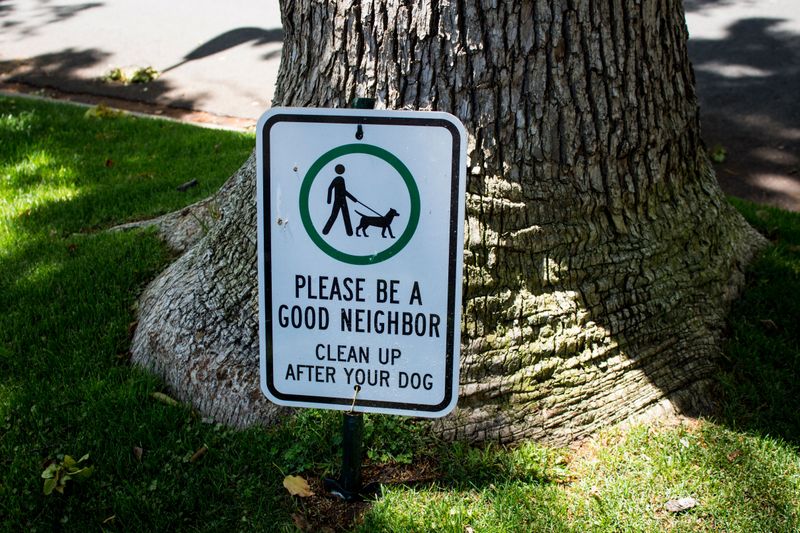
Knowing your dog has a history of aggressive behavior raises the stakes considerably. Stricter liability may apply when an owner was already aware that their dog had dangerous tendencies, a concept sometimes linked to what people call the one-bite rule.
Under this standard, prior knowledge of aggression can make you liable regardless of whether you were being careful at the time of the incident. If neighbors or others have previously complained about your dog’s behavior, that history may count against you in court.
5. Damage to Land and Personal Property Both Count
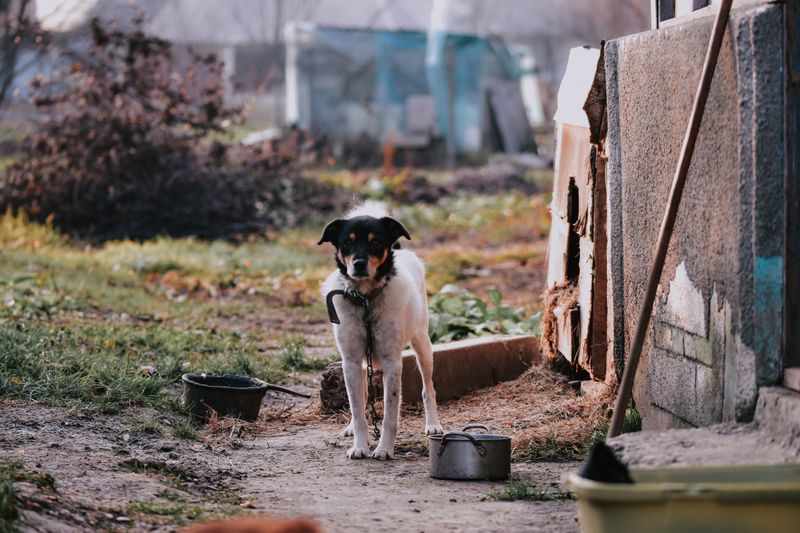
Dog damage is not limited to broken fences or torn bags. Liability for your dog’s actions can include damage to land itself, such as a ruined lawn or garden, as well as personal property like outdoor furniture or potted plants.
Both categories are recognized under Texas civil law. Your neighbor can seek compensation for anything your dog physically damaged or destroyed.
Keeping a clear record of what your dog has access to can help you stay aware of potential risks before an incident happens.
6. How a Leash-Law Violation Strengthens a Claim
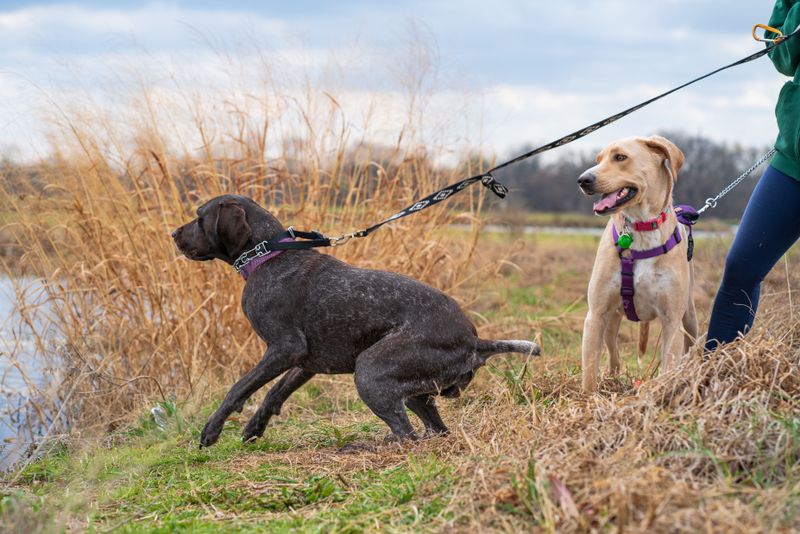
Running afoul of a local leash law does more than earn you a fine. Violating a local leash or at-large ordinance can significantly strengthen a neighbor’s claim for damages in a civil lawsuit.
Courts may treat the violation as what lawyers call negligence per se, meaning the act of breaking the law itself serves as evidence of careless behavior. You do not need to be formally cited for the violation to have it used against you.
The fact that your dog was off-leash may be enough.
7. A Violation Does Not Guarantee Liability
Leash violations matter in court, but they are not automatic proof that you owe your neighbor money. A leash-law violation does not automatically establish liability in every case, even though it can serve as critical evidence.
Other factors still come into play. The neighbor must still show that your violation caused the actual damage.
If a connection between the violation and the harm cannot be clearly established, the case may not succeed. Legal outcomes depend on the full set of facts presented.
8. Texas Has No Single Statewide Leash Law
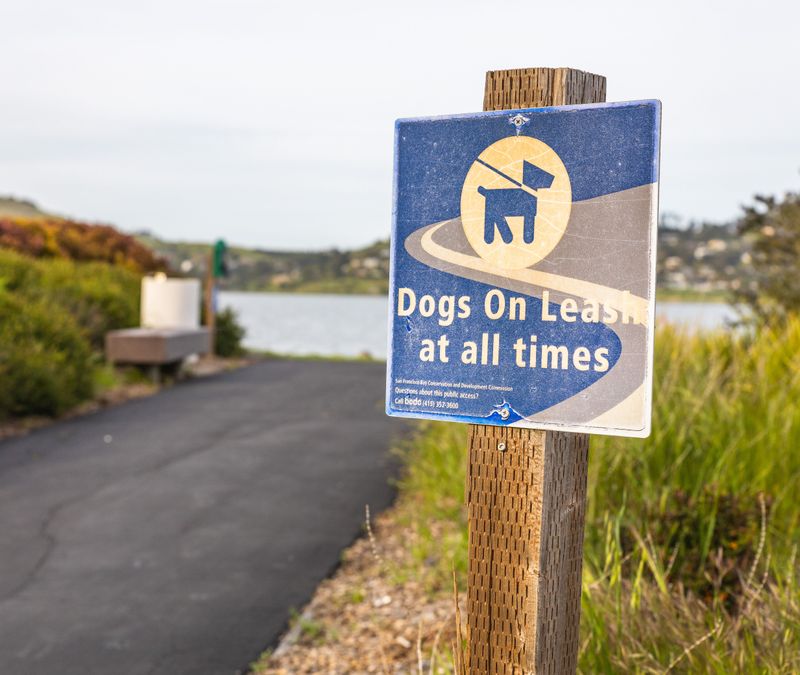
One thing that surprises many Texas dog owners is that there is no single leash law covering the entire state. Texas cities and counties are each allowed to set their own leash and dog-control rules, often referred to as running-at-large ordinances.
This means the rules in Houston may look very different from the rules in a small Hill Country town. Check with your local city or county government to find out exactly what applies where you live.
Staying informed about local rules is one of the simplest ways to protect yourself.
9. Animal-Control Penalties on Top of Civil Costs
Civil liability is not the only financial concern. Local animal-control penalties, including fines, can apply on top of any amount you owe your neighbor for the damage your dog caused.
Cities like Houston have fines ranging from $500 to $2,000 for serious leash law violations. That means one incident could leave you paying for both the neighbor’s damages and a government fine.
Staying current with local ordinances and keeping your dog properly secured helps you avoid both types of costs at once.
10. Homeowners Insurance May Cover Dog Damage

Good news for many homeowners: your existing insurance policy might already offer some protection. Homeowners insurance may cover damage your dog causes to someone else’s property under the personal liability section of the policy.
Coverage can apply whether the incident happens on your property or somewhere else entirely. If your neighbor files a claim against you, your insurer may handle the communication and cover the costs up to your policy limit.
Reviewing your current policy is a smart first step after any incident.
11. Policy Limits and Breed Exclusions Matter

Not every insurance policy treats dog-related claims the same way. Coverage for dog-related incidents depends on your specific policy’s limits and any exclusions written into the contract.
Some policies include breed-specific restrictions that reduce or eliminate coverage for dogs considered high-risk by the insurer. If your dog falls into an excluded category, you may be personally responsible for all costs.
Contact your insurance agent directly to confirm what your policy covers and whether your dog’s breed affects your protection.
12. Your Neighbor’s Pet Is Treated as Property Under Texas Law
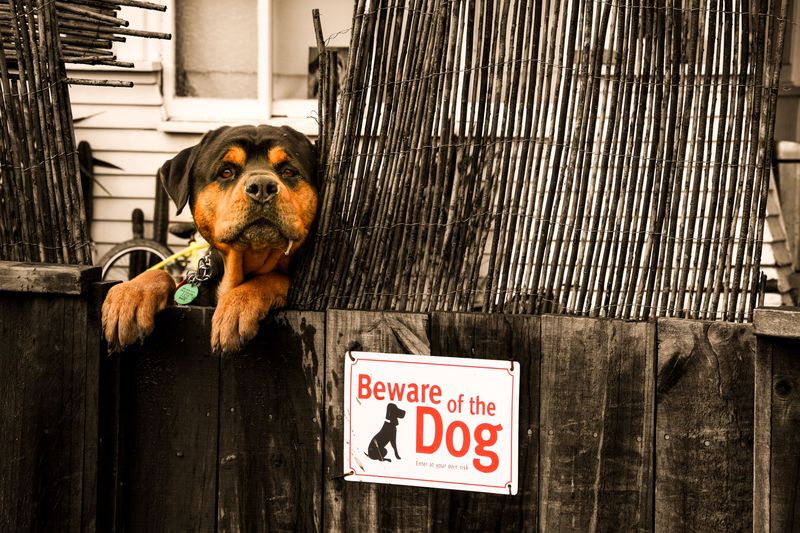
When dogs get into a fight or one pet is seriously hurt, emotions run high on both sides. If your dog injures or kills a neighbor’s pet, Texas law generally treats the neighbor’s animal as personal property, not as a family member with independent legal standing.
This classification shapes what your neighbor can and cannot recover in a lawsuit. Understanding this distinction early helps set realistic expectations for everyone involved.
It does not minimize the sadness of the situation, but it does clarify the legal path forward.
13. Sentimental Damages for a Pet Are Not Recoverable
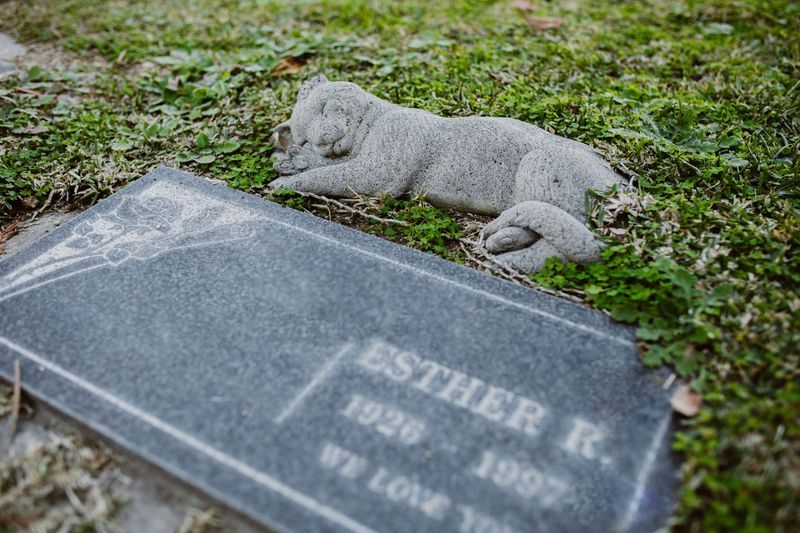
Losing a beloved pet to another dog’s attack is heartbreaking. Even so, Texas courts have consistently held that sentimental or companionship damages for a harmed or killed pet are not recoverable under state law.
The Texas Supreme Court has reaffirmed this position, classifying dogs as personal property in legal terms. That means a neighbor cannot sue you for emotional distress over the loss of their dog, even if the bond was deep.
The law focuses on economic loss rather than emotional suffering in these cases.
14. What Your Neighbor Can Actually Recover
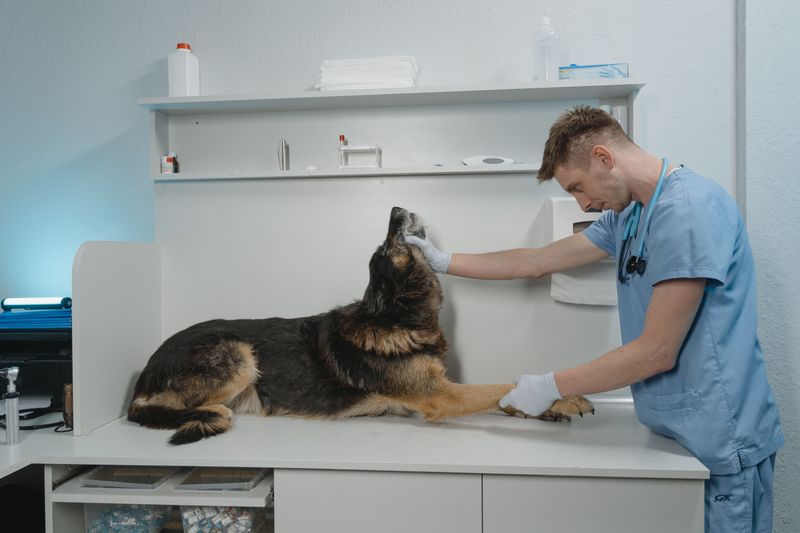
Even without sentimental damages, a neighbor still has meaningful options for financial recovery. Recoverable costs in Texas may include the economic value of the pet, such as its market value, training costs, or breeding potential.
Reasonable veterinary expenses directly related to the incident can also be included in the claim. If a dog required emergency surgery because of your dog’s actions, those medical bills are fair game.
Knowing what is and is not recoverable helps both sides approach the situation more calmly and practically.
15. Dogs That Chase Livestock Cannot Legally Run at Large
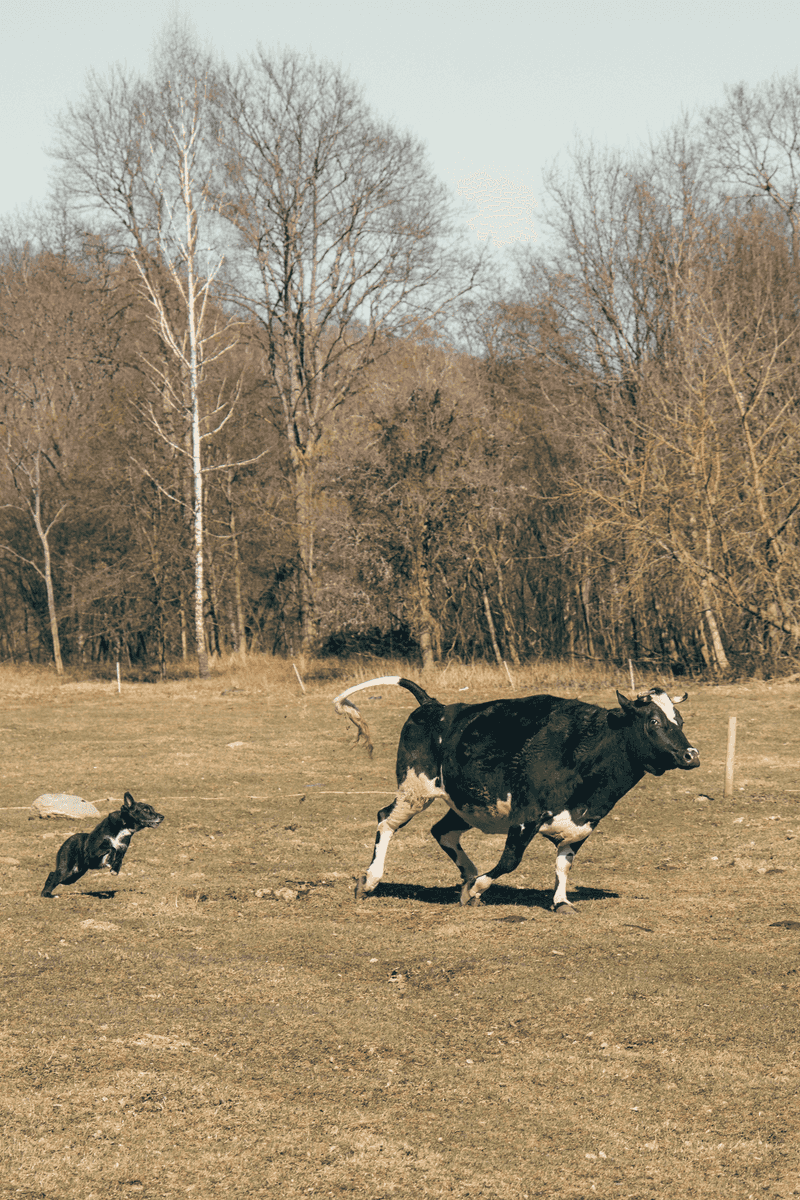
Rural Texas life brings an important legal rule into focus. Under Texas law, the owner or keeper of a dog known to chase, worry, or kill livestock, domestic animals, or fowl may not allow that dog to run at large.
This statewide rule applies regardless of local ordinances. If your dog has shown a pattern of chasing farm animals, you are legally obligated to keep it contained.
Failing to do so exposes you to fines and civil liability. This rule protects both your neighbors and your dog.
16. Fines for Letting a Known Offender Roam Free
Texas law does not just warn owners about dogs that chase livestock. Violating the statewide rule that prohibits certain dogs from running at large can result in a fine of up to $100 for each separate offense.
While that amount may seem modest, each incident counts as its own offense. Repeat violations can add up quickly.
Beyond the fines, the bigger concern is that each incident also strengthens any civil claim your neighbor might bring. Prevention is always the more affordable path.
17. Liability When Your Dog Attacks Livestock or Domestic Animals
Property damage and fines are not the only consequences when a dog attacks farm animals. If your dog attacks livestock, domestic animals, or fowl, you may be held liable for all costs involved in capturing and caring for your dog afterward.
You may also owe full compensation for all damage your dog caused during the attack. That can include the value of injured or killed animals and any related losses your neighbor suffered.
Texas takes the protection of livestock seriously, especially in agricultural communities.
18. Property Damage Alone Does Not Make Your Dog Legally Dangerous
Hearing the phrase dangerous dog can feel alarming, but Texas law has a specific definition. Property damage alone does not automatically classify your dog as a dangerous dog under state law.
Texas primarily defines a dangerous dog as one that makes an unprovoked attack on a person causing bodily injury. That said, some local ordinances may expand the definition to include injuring or killing a domestic animal while at large.
Check your local rules to understand how your city or county defines the term, since the answer can vary significantly.