What Hawaii’s Dog Quarantine Rules Mean Before You Book A Flight
Hawaii is the only rabies-free state in the country, and it works hard to stay that way. That means your dog needs paperwork, shots, and careful timing long before wheels go up.
The good news is that thousands of dogs land in Hawaii every year and walk out of the airport the same day. Plan early, follow the checklist, and the process becomes routine.
Here is what every owner should understand before booking that flight.
Hawaii’s Dog Quarantine Rules Start Before You Fly
Most owners assume quarantine is something that happens after landing. In reality, the clock starts months earlier at your own veterinary clinic.
Hawaii’s requirements are built around timed steps: microchip, vaccines, a blood test, and a waiting period. Miss one date and your dog may stay longer at the airport facility.
Build your timeline first, then shop for flights. Booking travel before checking dates is the most common and costly mistake owners make.
Why Hawaii Requires Dogs to Meet Entry Requirements
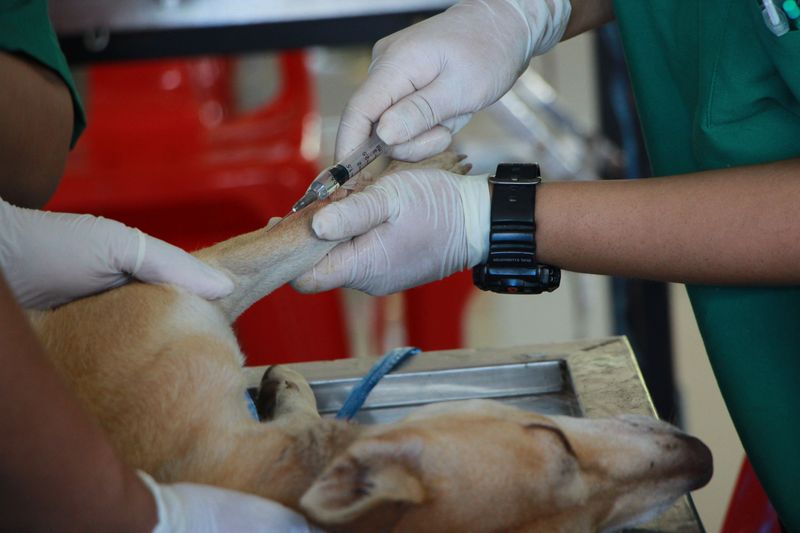
Rabies has never taken hold in Hawaii, and the state intends to keep it that way. Every entry rule traces back to that single goal.
Because Hawaii has historically remained free of rabies, preventing an infected animal from entering is an important public-health goal. Quarantine acts as a safety net.
Seeing the rules as protection rather than punishment helps. Your paperwork is part of a shared effort that keeps local pets and people healthy.
Check Your Dog’s Microchip Before Making Travel Plans
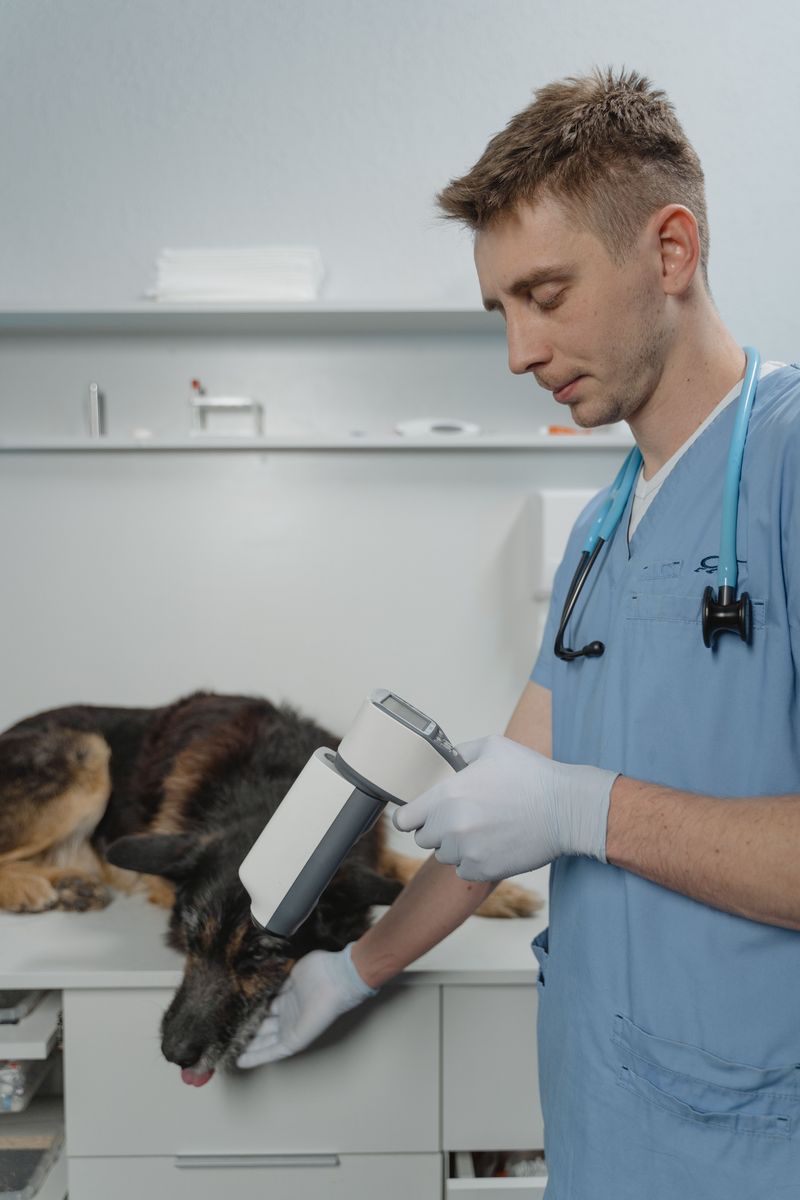
Everything in your dog’s file connects to one tiny number under the skin. If the scanner cannot read it, the records may not count.
Ask your veterinarian to scan the chip and confirm the number matches every vaccine certificate and lab report exactly. One wrong digit causes delays.
Chips must generally be implanted before the rabies vaccinations used for entry. Handle this step first, well ahead of any other appointment.
Make Sure Your Dog Has the Required Rabies Vaccinations
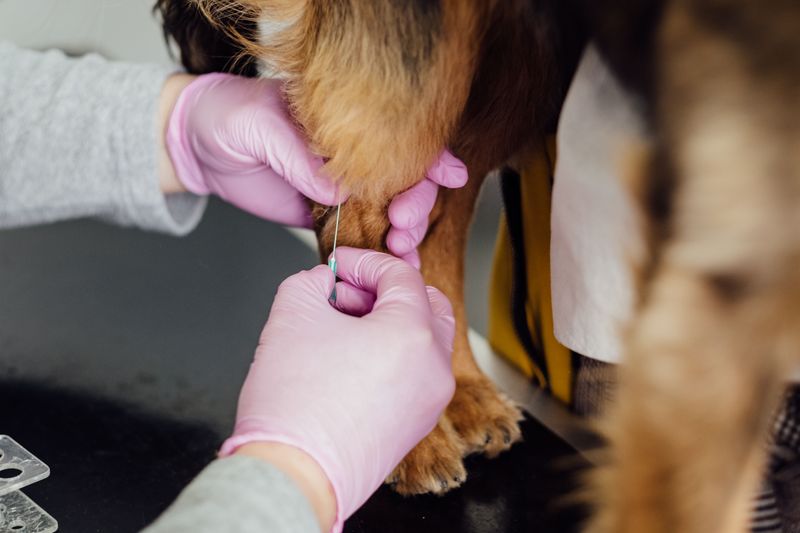
Two rabies vaccinations are the backbone of Hawaii’s program. They must be given at least thirty days apart, in your dog’s lifetime.
The most recent shot needs to be current on arrival day, and not given too close to travel. Timing matters as much as the vaccine itself.
Keep original certificates showing dates, product names, and lot numbers. Hawaii’s animal industry division reviews these closely, so ask your clinic for clean copies.
Understand the Rabies Blood Test Requirement
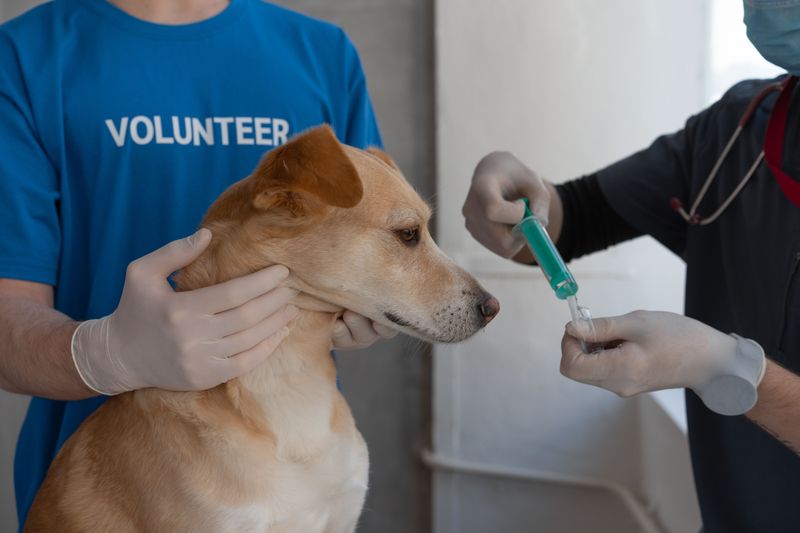
After vaccination comes the FAVN test, a blood check that measures rabies antibody levels. Only approved laboratories may run it.
Your veterinarian draws the sample and ships it out. Results can take several weeks, which surprises owners planning short-notice moves.
The result must reach the required level, and the sample date sets your waiting period. Schedule this test early, because retesting resets your entire travel calendar.
Know When the 30-Day Waiting Period Begins
Here is the detail people misread most often. The waiting period counts from the date the laboratory received the blood sample, not the result date.
Your dog must wait at least thirty days after that date before arriving in Hawaii. Arriving early means extra time at the holding facility.
Write the received date on your calendar and count forward carefully. Then book flights only for dates safely past that mark.
How Direct Airport Release Works
The best outcome is walking out with your dog the same day you land. Hawaii calls it Direct Airport Release.
Qualifying means the applicable requirements have been completed and the required documents have been received by the Animal Quarantine Station within the required timeframe. Inspectors then verify everything at arrival.
Dogs are checked, scanned, and released to owners, usually within a few hours. Careful paperwork is the entire difference between same-day release and a longer stay.
What the 5 Day Or Less Quarantine Program Means
Not every dog qualifies for immediate release, and that is fine. The 5 Day Or Less program is the backup path.
Dogs stay at the Animal Quarantine Station near Halawa for up to five days while records are confirmed. Staff feed, house, and monitor them.
Owners can usually visit during posted hours. Think of it as a short supervised stay rather than a setback for your travel plans.
When a Dog May Face a Longer Quarantine
Longer stays are rare, and they almost always trace back to missing steps. Incomplete vaccine records or an unreadable microchip are common triggers.
Dogs that do not meet the pre-arrival conditions may be held for an extended period, historically up to 120 days.
Avoiding that outcome is straightforward. Double-check every document with your veterinarian, then confirm receipt with the state before your departure date arrives.
Get the Required Health Certificate
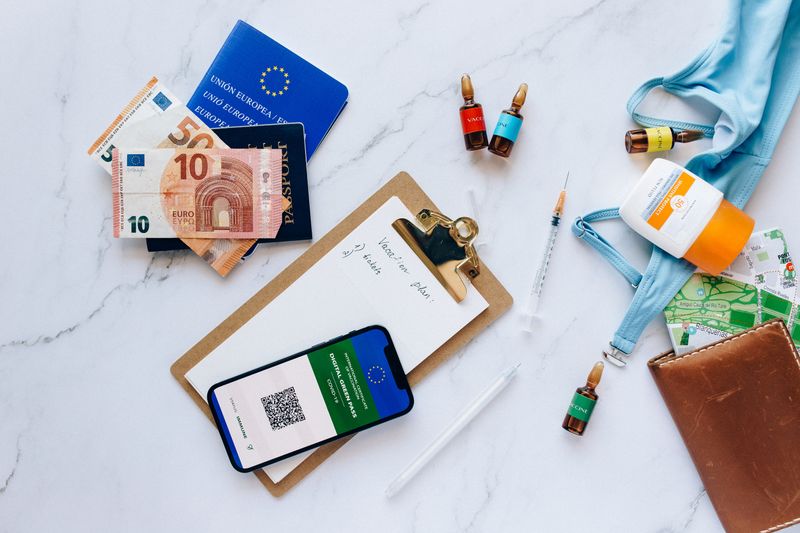
Shortly before departure, your dog needs an examination and a signed health certificate. Timing windows are strict, so ask your clinic in advance.
The certificate confirms your dog appears healthy and free of visible signs of illness or parasites. It travels with you, not in checked baggage.
Bring originals plus copies. Airport inspectors work faster when everything is organized in one folder, and you will feel calmer too.
Complete the Required Tick Treatment
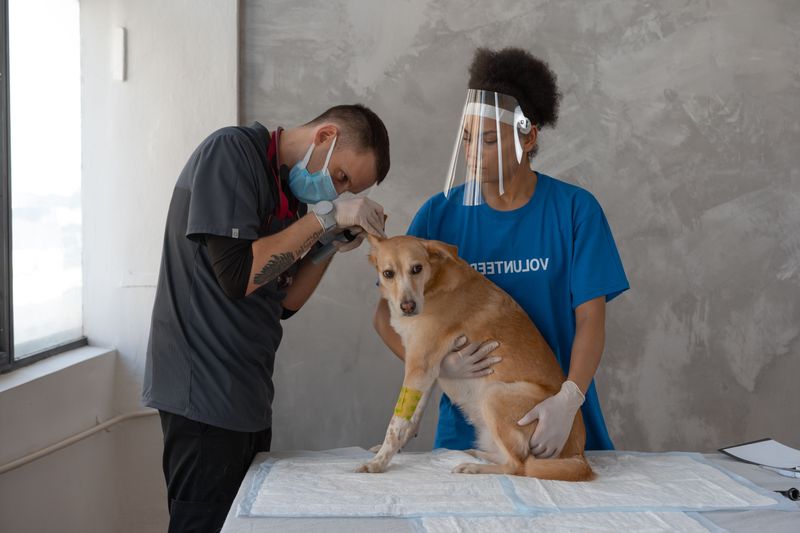
Ticks get their own rule, and it is easy to overlook. Hawaii requires treatment with an approved product before arrival.
Your veterinarian applies or administers it within the required window and records the product name and date on the health certificate.
Skipping this small step can hold up an otherwise perfect file. Mention it directly at your appointment so nothing gets missed in the rush.
Submit Hawaii’s Paperwork Before Your Flight

Documents do not travel with your dog alone. Hawaii wants them in hand before the plane lands.
That includes the dog and cat import form, vaccine certificates, the laboratory report, and payment. Late submissions can push a dog into the five-day program.
Send everything well ahead, then follow up to confirm arrival. A short phone call or portal check buys real peace of mind.
Check Requirements for Neighbor Island Airports
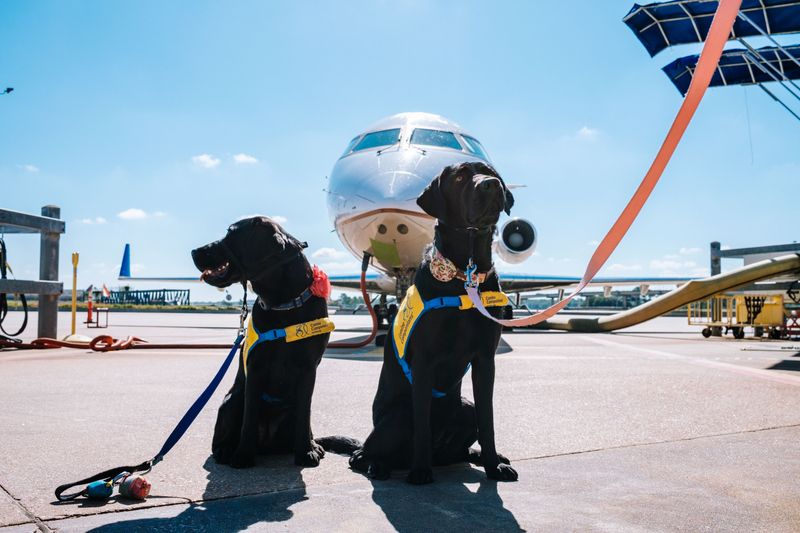
Kahului, Kona, and Lihue accept qualified dogs, but rules and hours differ from Honolulu. Inspection services are not always available all day.
Some flights and some seasons limit neighbor island releases, so confirm the current schedule before booking. Requirements can change without much notice.
If you live on Maui, Kauai, or Hawaii Island, plan your route carefully. A connection through Honolulu may add steps.
What to Know About Honolulu Pet Arrivals
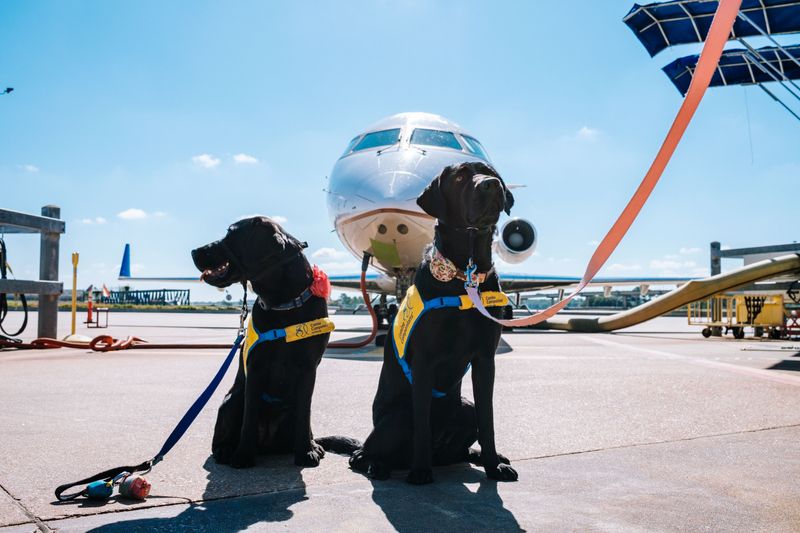
Daniel K. Inouye International Airport handles the largest share of arriving pets.
The Airport Animal Quarantine Holding Facility sits near the airfield.
Dogs are transported there from the aircraft, then scanned and inspected by state staff. Owners meet them at the facility rather than baggage claim.
Allow extra time after landing, especially with evening flights. Knowing where to go prevents that first hour of confusion.
Review Airline Rules Separately From Hawaii’s Rules
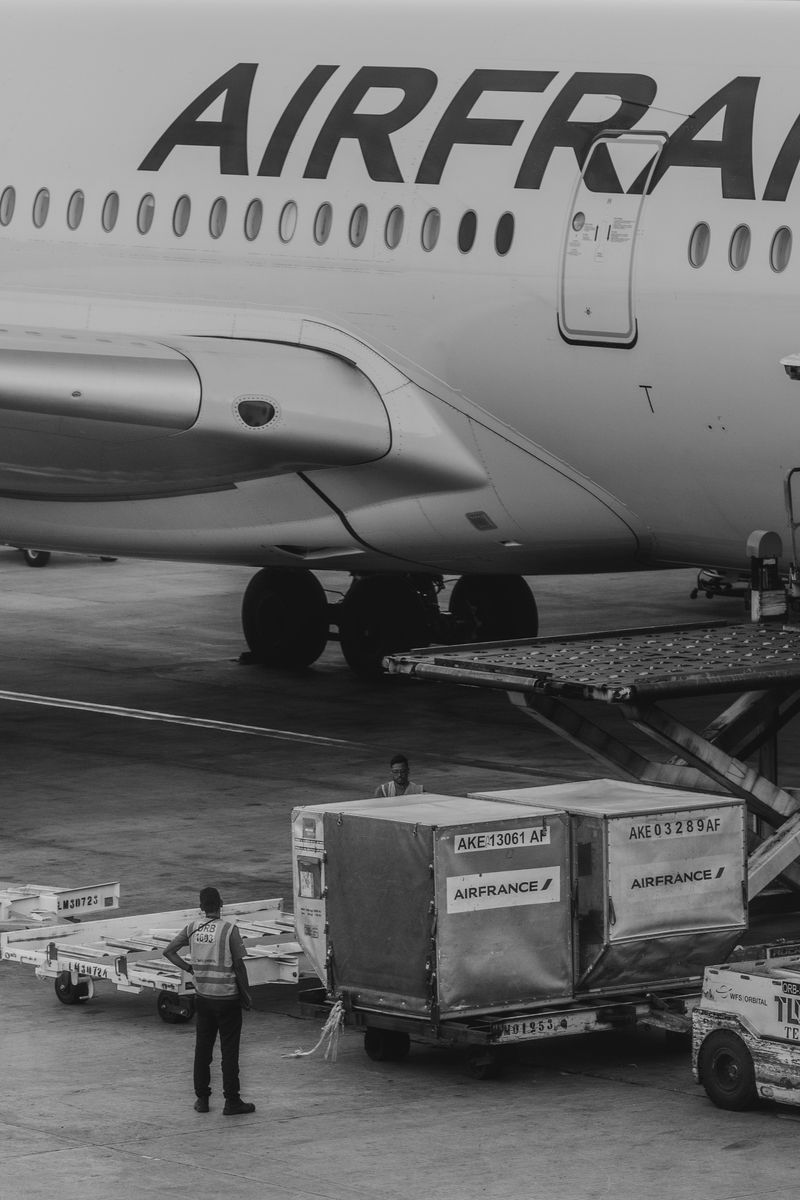
Two rulebooks apply to this trip. Meeting state requirements does not automatically satisfy your airline.
Carriers set their own crate sizes, breed policies, temperature limits, and cargo booking deadlines. Snub-nosed breeds often face extra restrictions.
Call the airline directly and reserve your dog’s spot early, since space is limited. Confirm again a few days before departure, because policies shift seasonally.
Prepare for Airport Inspection After Landing
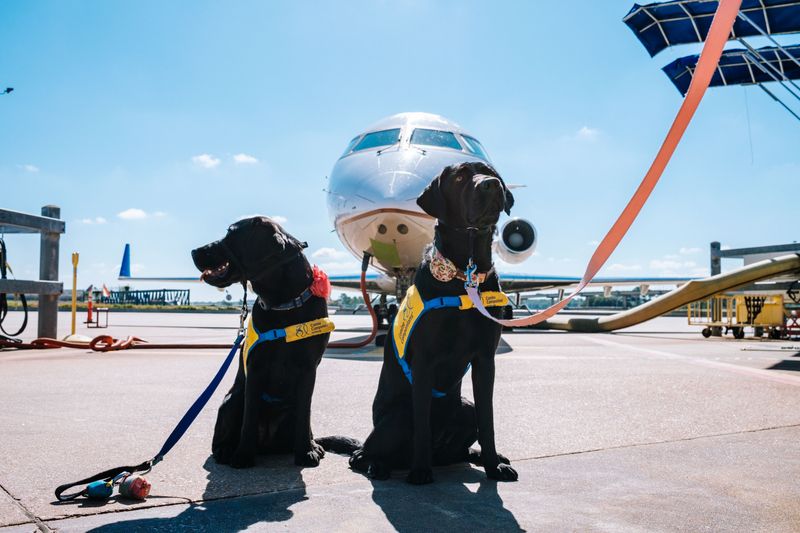
Arrival day moves faster when you know the routine. Staff scan the microchip, review documents, and give your dog a visual health check.
Bring your folder, a leash, water, and a little patience. Processing times vary with how many animals landed that day.
Dogs are often tired and thirsty after a long flight. A quiet greeting and a short walk help them settle quickly.
Budget for Hawaii’s Pet Entry and Quarantine Fees
Costs add up across several categories: vaccines, the blood test, the health exam, state fees, and airline charges.
Direct Airport Release carries a set fee per animal, while the five-day program costs more. Published amounts change, so check current figures.
Add a cushion for retests or schedule changes. Owners who budget realistically rarely feel stressed, and the whole move goes smoother.
Confirm totals with the state before paying.