What Illinois Dog Owners Should Know About Coyotes In Chicago And The Surrounding Suburbs
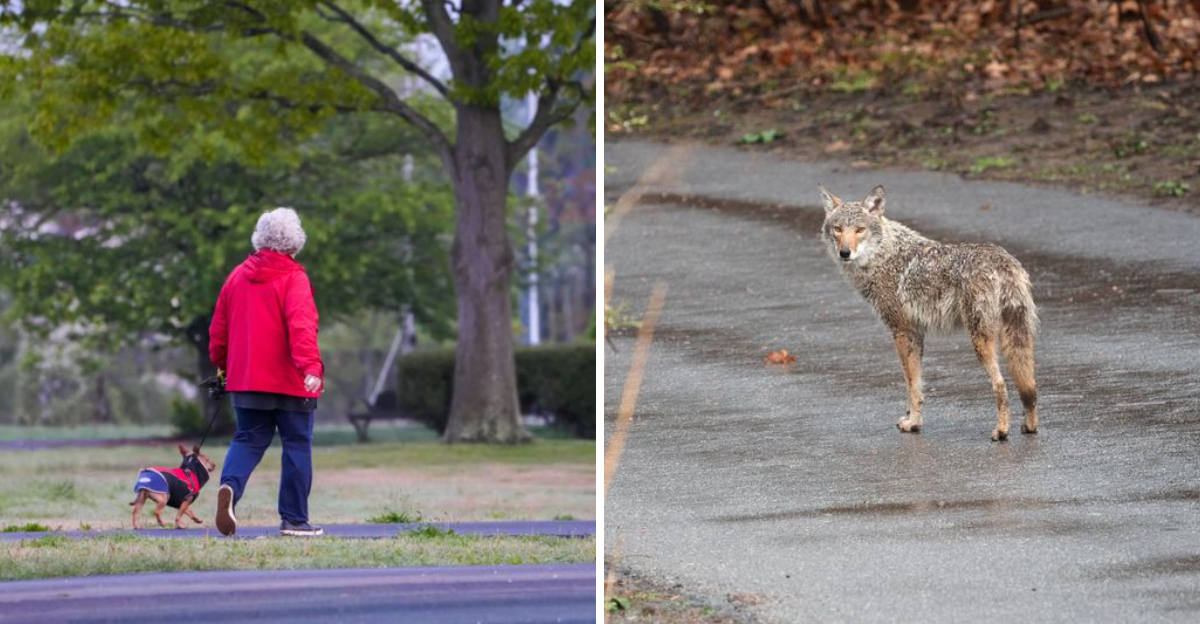
If you walk a dog anywhere from Rogers Park to Naperville, you share the neighborhood with coyotes. That sounds startling at first, but most sightings are simply part of life in the Chicago area.
Coyotes usually want nothing to do with you or your dog. A few smart habits, a little awareness, and some steady confidence go a long way.
Here is what local dog owners should understand, explained plainly, so your daily walks stay calm and enjoyable.
1. City Blocks And Cul-De-Sacs Alike Have Coyote Residents
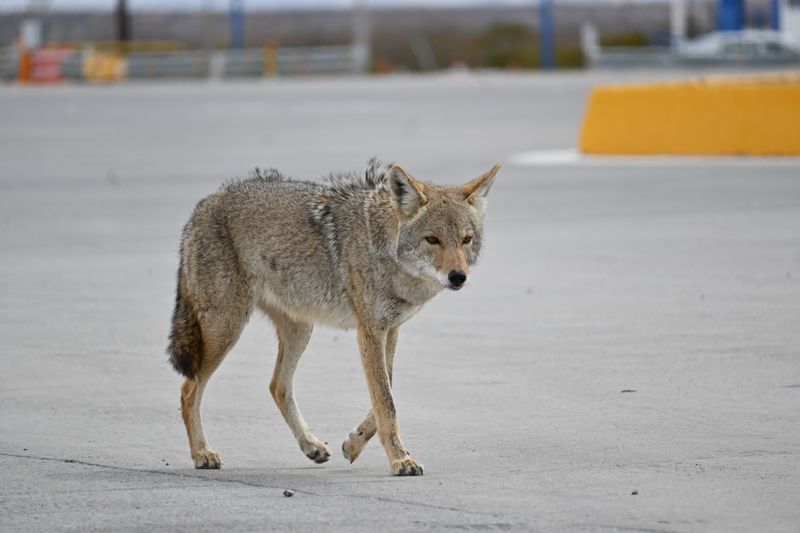
Coyotes live in every part of Illinois, including downtown Chicago, Cook County forest preserves, and quiet suburban subdivisions.
Their numbers have grown a lot over recent decades because they adapt so well to human spaces. Alleys, golf courses, and retention ponds all work as habitat.
Spotting one trotting along a street is normal behavior, not an emergency. Knowing they are around simply helps you plan walks with a bit more awareness and less surprise.
2. A Leash Is Your Best Everyday Tool
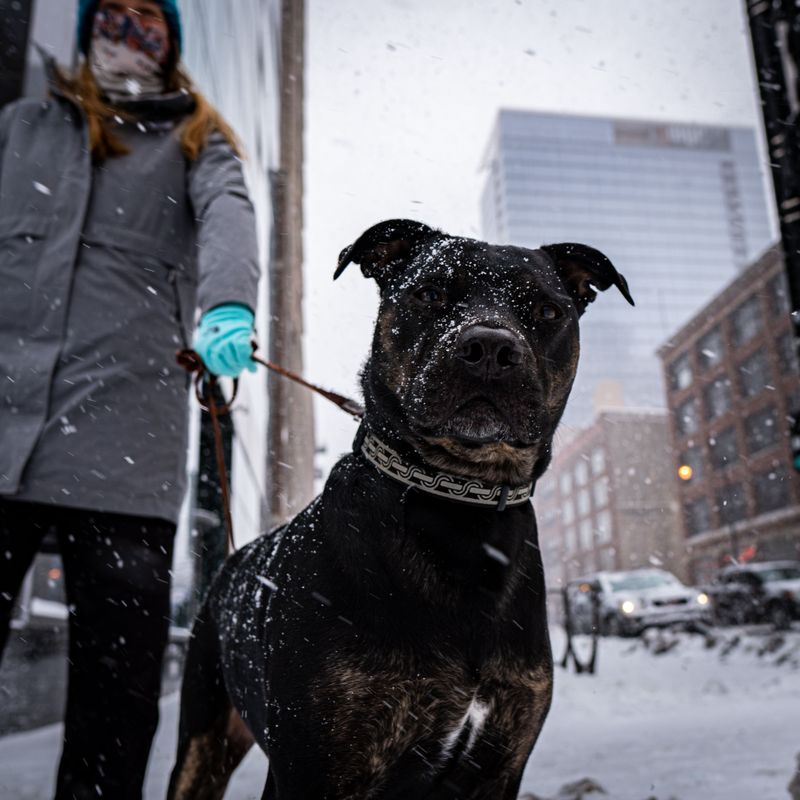
Nothing beats a standard six-foot leash for keeping your dog beside you when wildlife appears.
Chicago’s municipal code requires animals to be leashed off the owner’s property, and Illinois law expects dogs to stay under control in public. Rules vary by village, so check yours.
Retractable leashes can jam at the worst moment and give you little control. A fixed leash keeps your dog close, predictable, and easy to guide away.
3. Small Dogs Deserve Company Outdoors

Little dogs are the most vulnerable in coyote country, so they should not be outside alone.
Coyotes are busiest from dusk through dawn, which is exactly when many of us do quick potty breaks.
Stepping outside with your dog takes an extra minute and removes nearly all the risk. Stay on the patio, stay attentive, and skip the phone scrolling.
Your presence alone discourages most wildlife from coming near.
4. Give The Yard A Quick Scan First
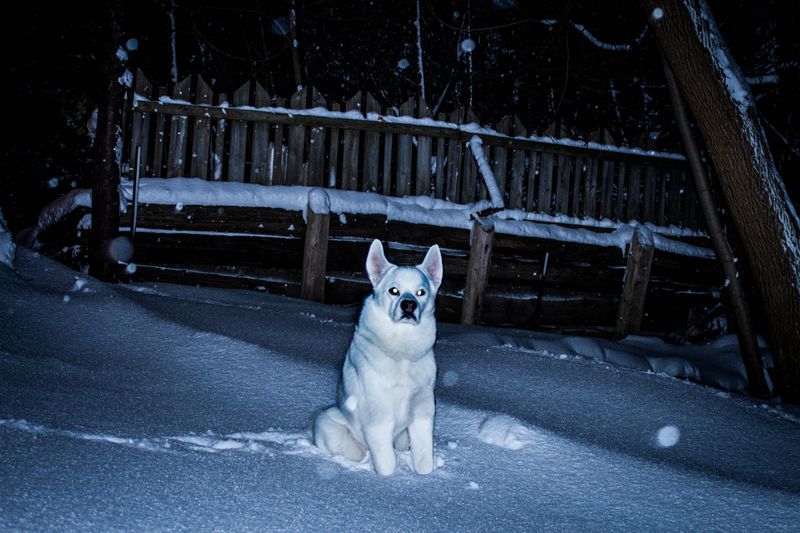
Before the door opens at night, take a few seconds to look around the yard.
Wildlife agencies recommend checking for animals before heading outside after dusk with a pet. Peek along fence lines, near sheds, and by shrubs where a coyote might be resting.
Once you have done it a dozen times, it becomes automatic. That simple pause prevents the startled, chaotic encounters that nobody wants at bedtime.
5. Flip The Lights On Before Stepping Out

Light and noise are gentle deterrents that work surprisingly well.
Turning on outdoor fixtures, clapping, or talking loudly encourages any nearby animal to move along before your dog goes out.
Motion-sensor lights handle this for you and add convenience during Illinois winters when it is dark by five. There is no need for anything elaborate.
A bright yard and a little sound tell wildlife the space is occupied.
6. Fences Help, But They Are Not Foolproof
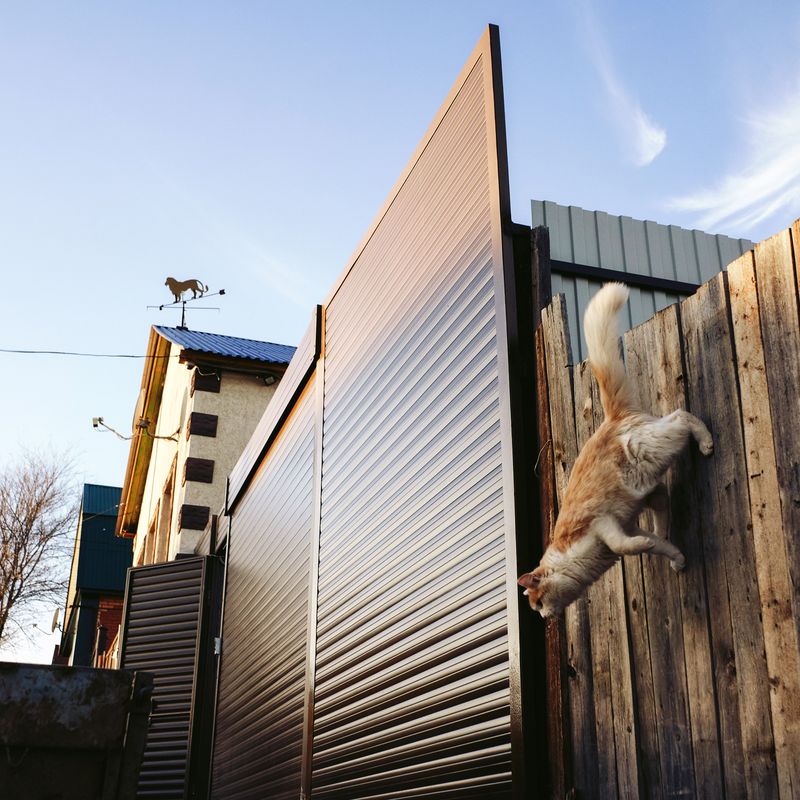
Plenty of owners assume a fence solves everything, and that is where trouble starts.
To actually discourage coyotes, fencing generally needs to stand four to six feet tall with the bottom reinforced against digging.
Roller devices along the top edge make climbing over much harder. Invisible or electronic fencing offers no barrier at all to wildlife.
Treat any fence as helpful backup, not a replacement for supervision.
7. No Chasing, No Curiosity Visits
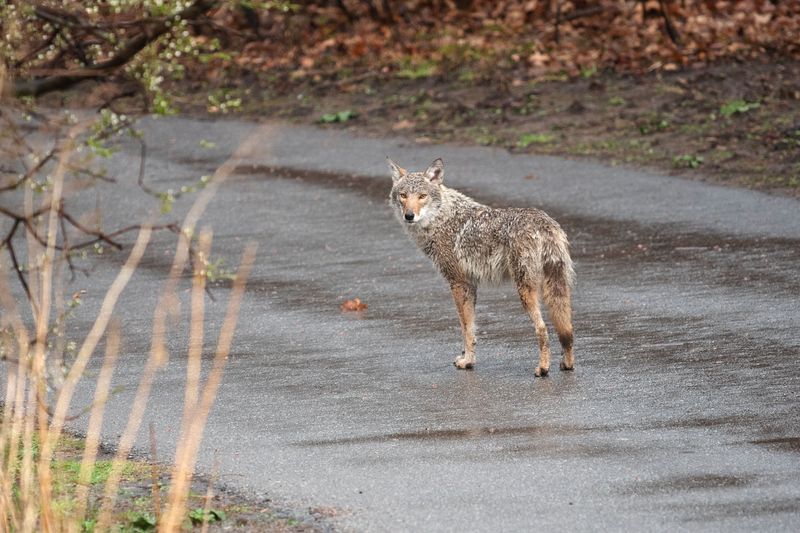
Dogs and coyotes see each other as territorial rivals, not potential playmates.
Letting your dog rush toward one turns a calm sighting into a confrontation nobody needs. Even friendly, social dogs misread the situation completely.
Shorten the leash, turn your body, and walk your dog away with a cheerful voice. Respecting the coyote’s space is the fastest way to end the encounter peacefully for everyone involved.
8. Standing Your Ground Beats Bolting
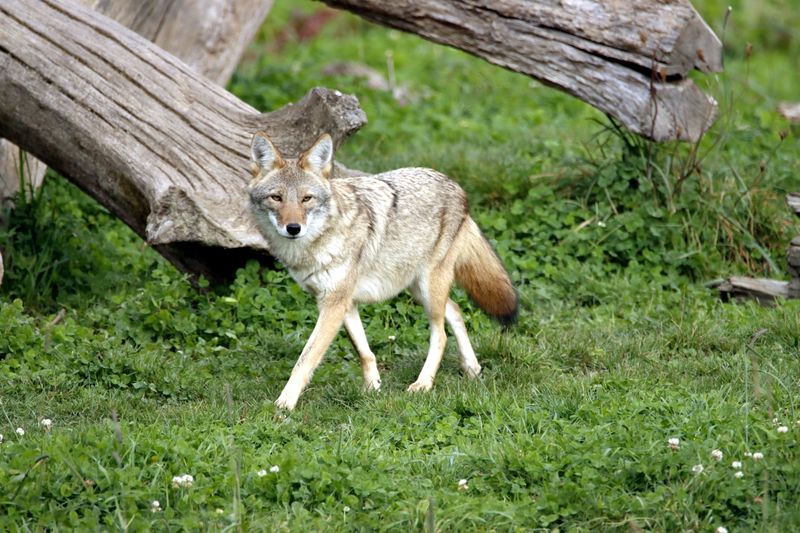
Instinct says hurry away, but running can trigger a chase response.
Wildlife experts advise staying upright and moving deliberately instead. Keep your dog beside you and avoid sudden sprinting or panicked movement.
Most coyotes simply watch for a moment and then continue on their way. Your steady posture communicates that you are not prey and not worth following.
Calm confidence really does most of the work here.
9. Get Big And Get Loud If One Approaches

Hazing is the official name for making yourself unpleasant to be near.
Stand tall, wave your arms wide, shout firmly, and use a whistle, air horn, or a can of coins.
Tossing a small stick or stone toward the ground nearby, meant to startle rather than harm, also works. These actions restore a coyote’s healthy wariness of people.
Keep going until it moves off.
10. Retreat Slowly With Your Dog Tucked In Tight
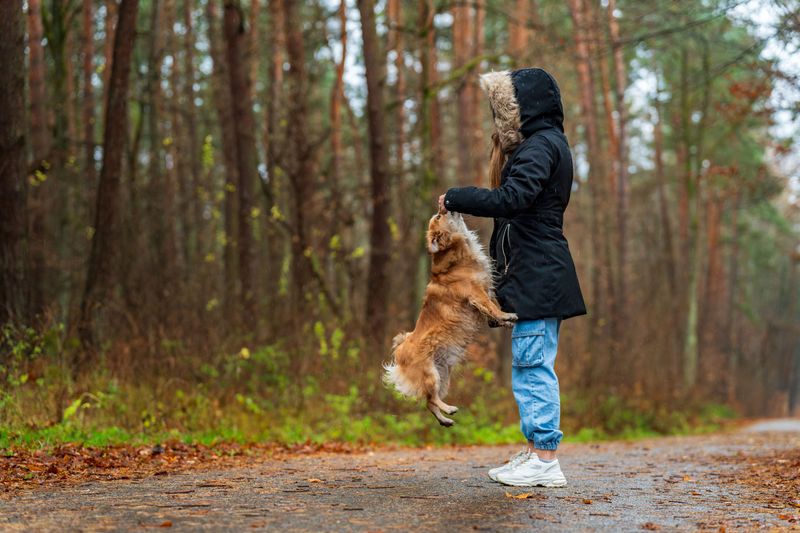
When a coyote lingers too close, gather your dog and create distance gradually.
Pick up small dogs if you can manage it, and hold larger dogs on a short leash at your side.
Back away while still facing the animal, continuing your noise and arm movements as you go. Never turn your back and hustle off.
Slow, deliberate withdrawal keeps you in control of the situation.
11. Switch Up Your Walking Route For A While

Coyotes notice patterns just like we do, including when the same dog passes at the same hour.
Repeated sightings along one street or path are a signal to try somewhere else for a few weeks.
Shifting your time of day helps too. This is not surrender, just smart scheduling.
New sidewalks, new smells, and a calmer walk make the change worthwhile for both of you.
12. Spring Through Fall Calls For Extra Space
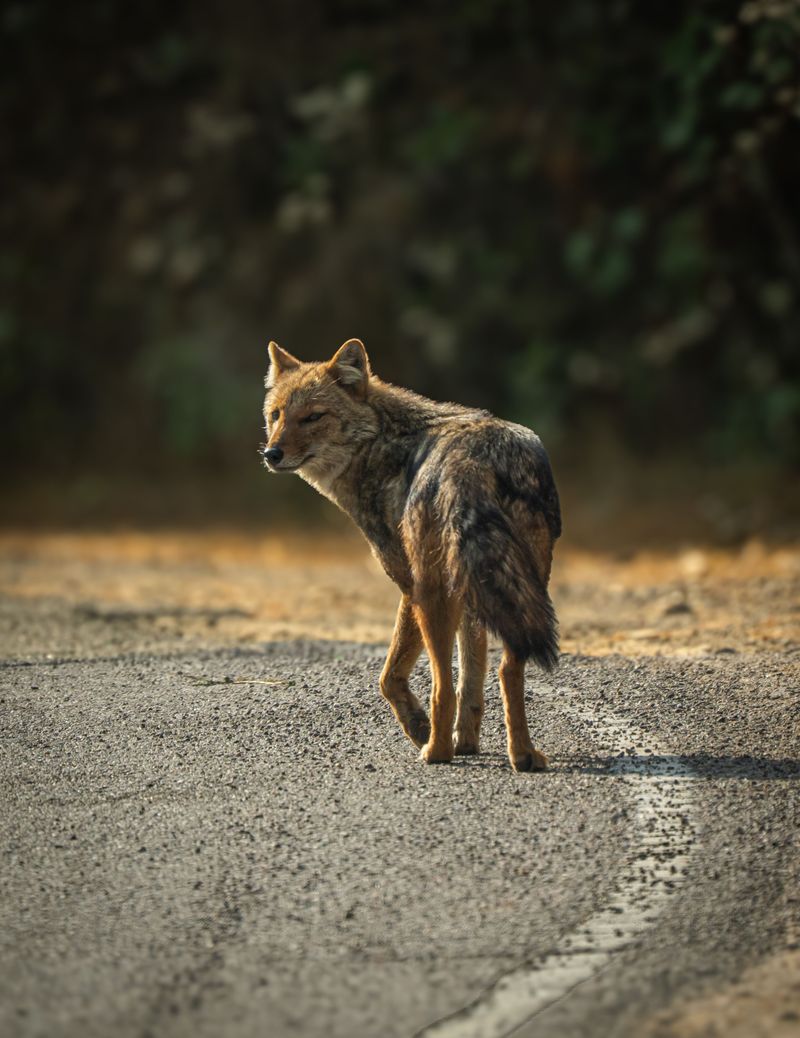
Pupping season changes coyote behavior noticeably.
Parents guarding a den or young will defend that area with real determination, escorting dogs and people away.
Brushy patches, culverts, wood piles, and overgrown lots near forest preserves are common spots. If a coyote seems to be shadowing you or vocalizing, you are probably close to something it values.
Leave the area calmly and walk elsewhere.
13. Feed Your Dog Inside, Every Time
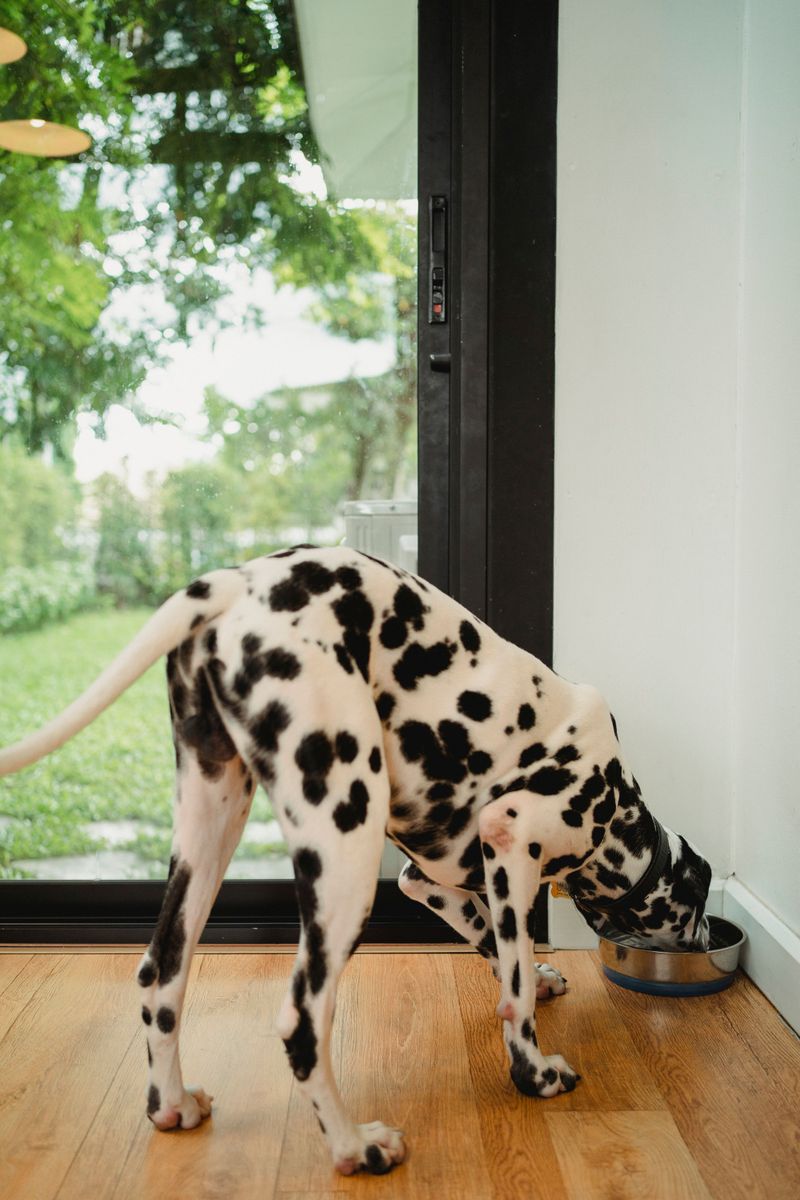
An outdoor food bowl is basically an open invitation.
Kibble left on a deck or porch draws coyotes, raccoons, and rodents straight to the spot where your dog spends time.
Serve meals indoors and sweep up any spilled bits outside. Same goes for water bowls with food residue.
Removing that easy meal is one of the simplest and most effective changes any household can make.
14. Lock Down The Trash And Clean The Grill
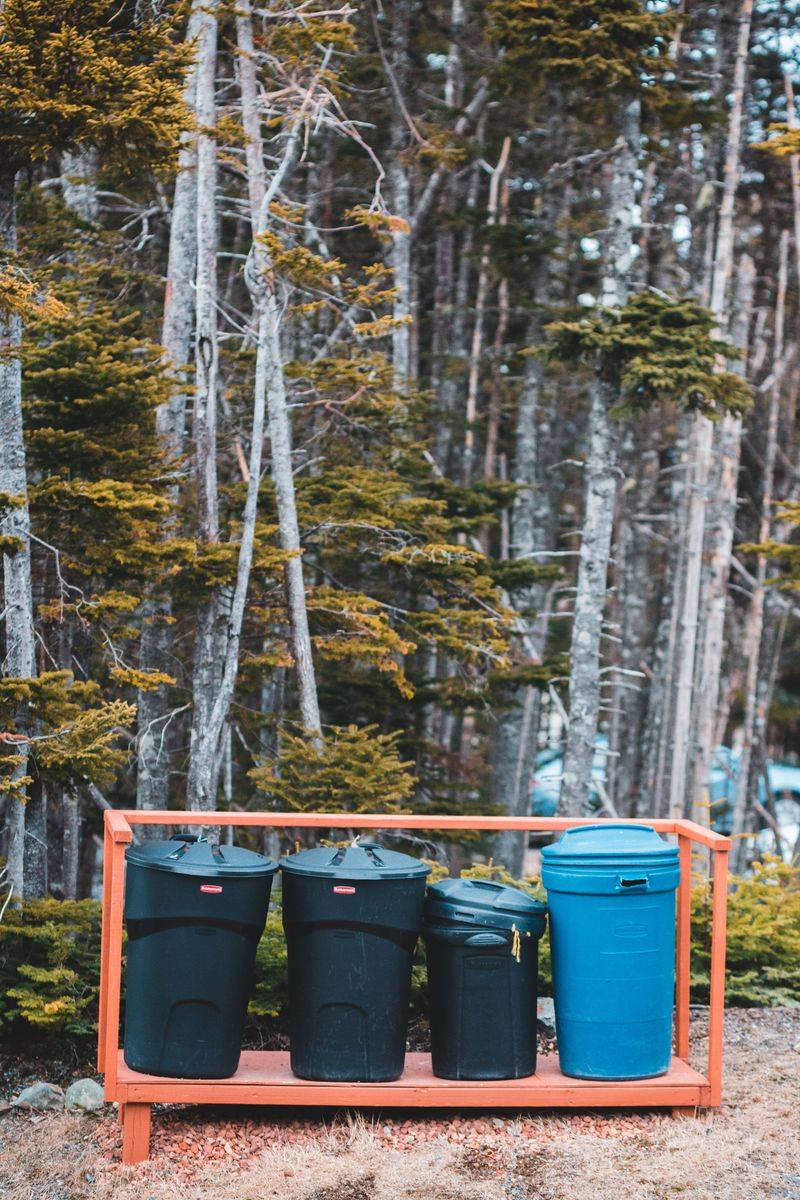
Garbage day can quietly teach coyotes that your block is worth visiting.
Use cans with tight-fitting lids, and store them in the garage when possible. Bungee straps help if raccoons already treat your bin like a buffet.
Scrape and cover the grill after cooking, since lingering food smells travel far. Less available food means fewer animals passing through, which means calmer evenings for your dog.
15. Tidy Birdseed Means Fewer Furry Snacks
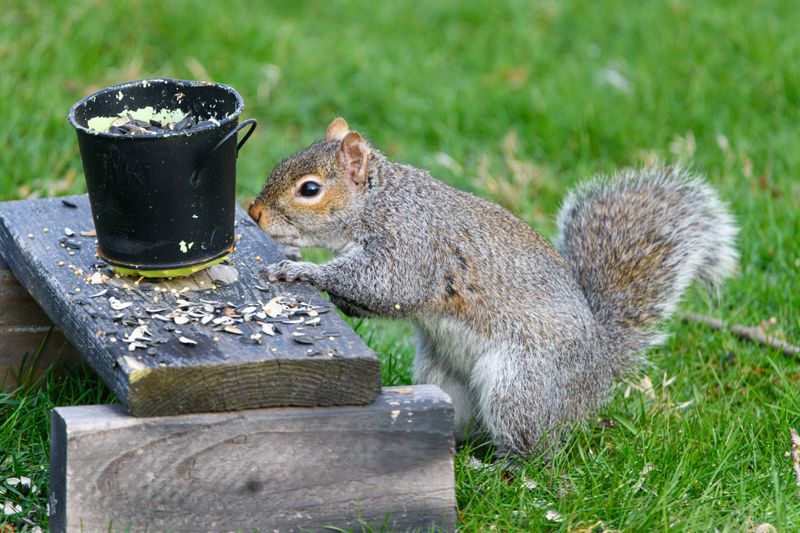
Here is a connection most people miss: birdseed feeds mice, and mice attract coyotes.
Spilled seed under a feeder builds a rodent and squirrel population right beside your patio.
Rake the area regularly, use a catch tray, and avoid overfilling. Windfall apples, crabapples, and berries deserve the same cleanup.
Keep the buffet closed and coyotes have far less reason to hunt in your yard.
16. Deliberate Feeding Creates Real Problems
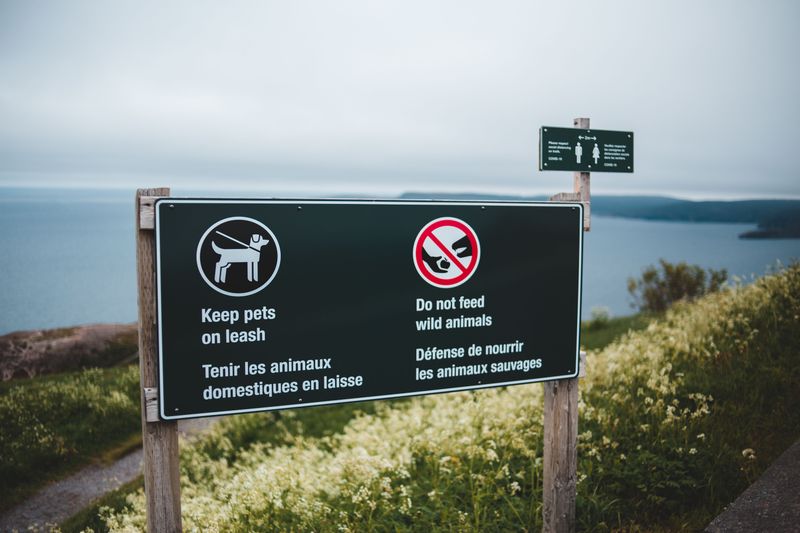
Some well-meaning neighbors leave food out because a coyote looked thin.
Doing so teaches it to associate people, homes, and pets with meals, which erodes its natural caution.
Several Illinois municipalities prohibit ground feeding of wildlife, so check your local code. Coyotes find plenty on their own without help.
If you see someone feeding them, a friendly heads-up about the risks often does more than complaining.
17. A Relaxed-Looking Coyote Is Still Wild
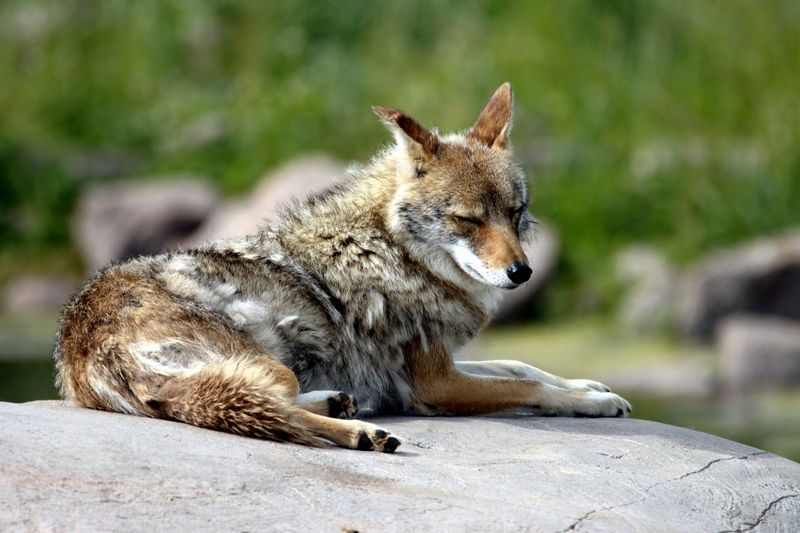
Urban coyotes often appear unbothered by traffic, joggers, and open garage doors.
That comfort comes from habituation, usually tied to nearby food sources, and it is not tameness.
Never walk toward one for a photo or to check on it. Instead, use hazing so it learns that people are worth avoiding.
Bold behavior should be discouraged, not admired, for the animal’s sake and yours.
18. Keep Vaccines And Preventives Up To Date
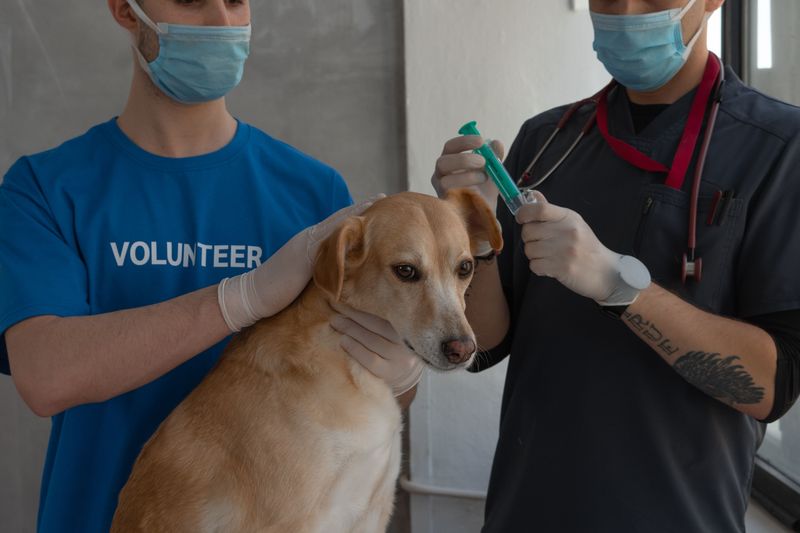
Current rabies vaccination is both a health safeguard and a licensing requirement in many Illinois communities.
Coyotes can carry canine distemper, parvovirus, and sarcoptic mange, all of which affect domestic dogs.
Ask your veterinarian whether your dog’s core vaccines and parasite prevention are on schedule. One appointment covers a lot of ground.
Records also make any future incident far easier to handle quickly.
19. Call Your Vet After Any Direct Contact

Physical contact with a coyote always warrants a professional look, even when your dog seems fine.
Punctures can hide under fur, and disease exposure is a genuine concern. Rinse nothing, cover nothing tightly, and phone the clinic right away.
Bring vaccination records and describe exactly what happened. Prompt care usually keeps a minor situation minor.
Your veterinarian will also advise whether local reporting is needed.
20. Report Bold Behavior To The Right People
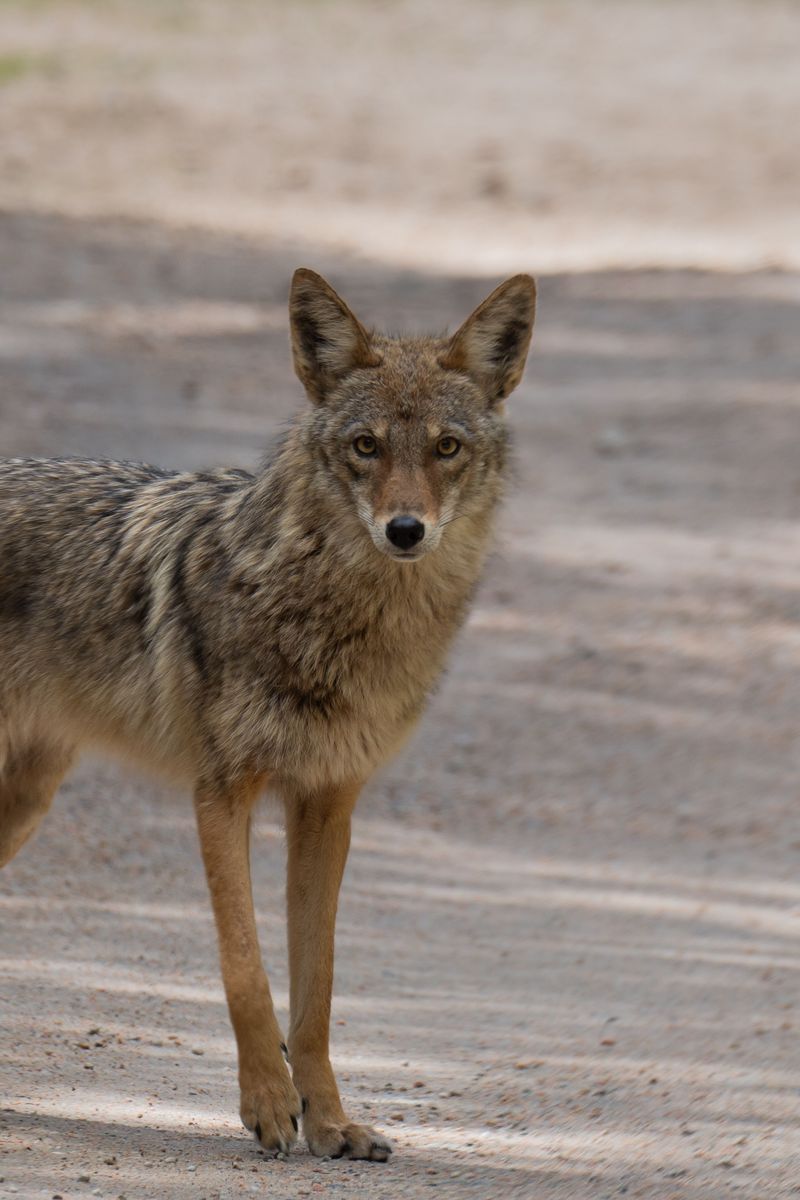
Routine sightings of healthy coyotes rarely need a phone call.
Worth reporting: animals that repeatedly approach people without fear, act aggressively toward pets, or appear unwell or injured.
Reach out to your village or county animal control, or the appropriate wildlife authority. For an immediate public safety concern, call 911.
Sharing accurate details helps officials respond well and keeps your whole neighborhood better informed.
Stay observant, stay calm, and enjoy your walks.