What Maryland State Park And Beach Rules Mean For Dog Owners
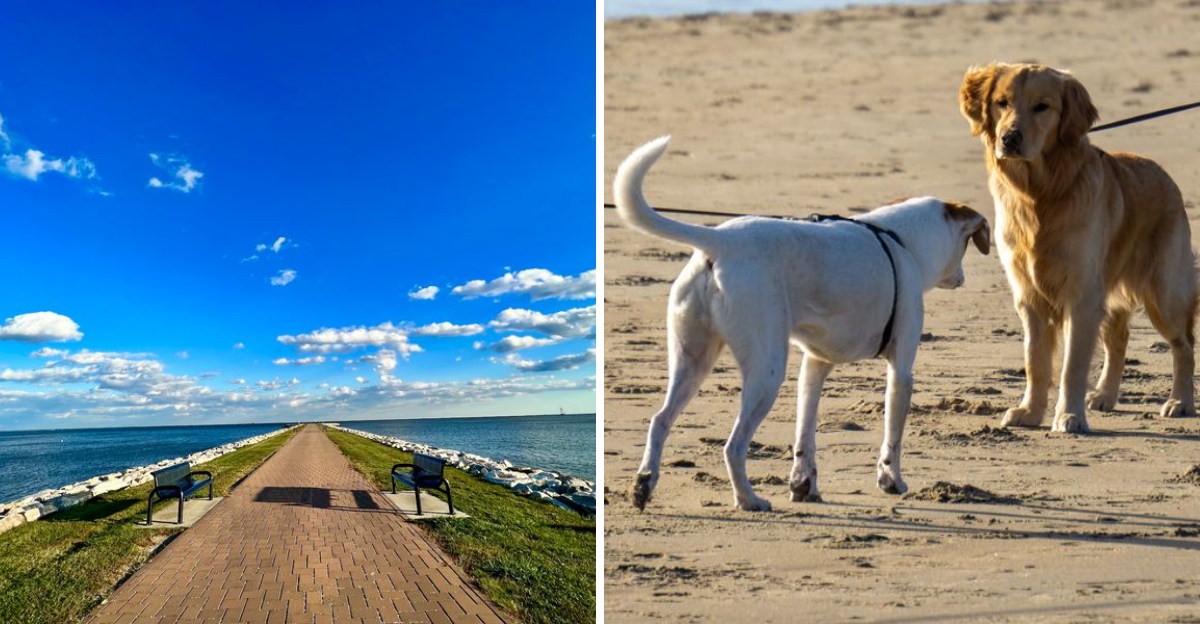
Maryland has shoreline, forest trails, and lakeside picnic spots worth sharing with your dog. The rules that come with them are simpler than most owners expect, once you know where to look.
Some parks welcome leashed pups almost everywhere, while others close sandy swim beaches during the busy summer stretch. Knowing which is which saves you a long drive and a disappointed dog.
Here is a friendly walk through what to expect before your next outing.
1. Licensing and Rabies Shots Come First
Paperwork rarely feels exciting, but it is the foundation of every legal outing. Maryland requires dogs, cats, and ferrets four months and older to be vaccinated against rabies.
Proof of that shot is usually needed when you apply for a license. Licensing happens at the county or city level, so rules and fees differ across the state.
Keep the tag on the collar. It also helps a lost dog find the way home quickly.
2. Leashes Are the Default in State Parks
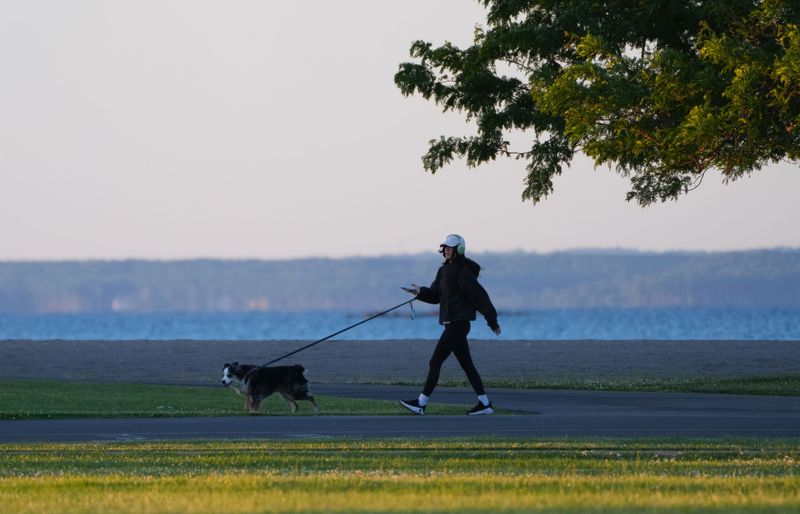
Across the Maryland Park Service system, dogs are expected to stay leashed at all times. Policy calls for a leash no longer than six feet.
That length keeps your dog close on narrow trails and near picnic areas. It also protects nesting birds, deer, and other visitors who may be nervous around dogs.
A short traffic handle helps on crowded boardwalks. Retractable leads extended far out do not meet the standard.
3. Off-Leash Freedom Has a Narrow Address
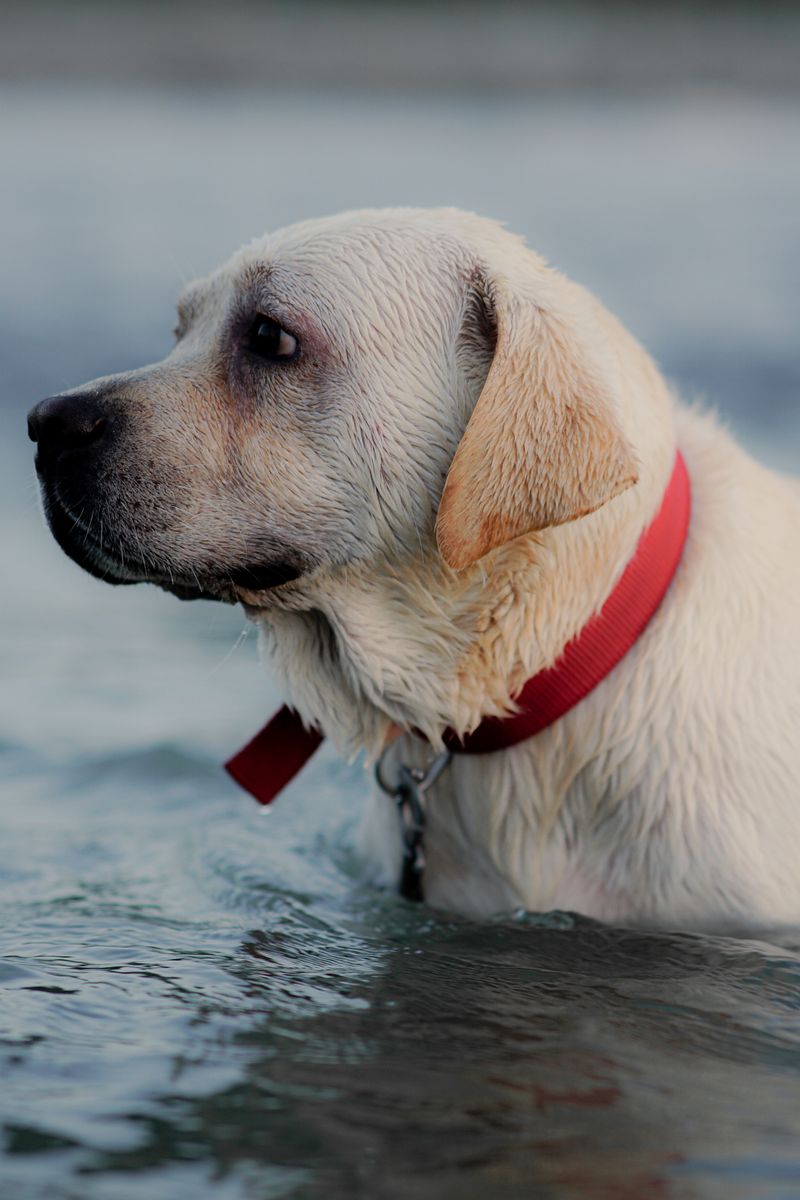
There is room for splashing, just not everywhere. Pets may be off leash and under voice control in designated swimming areas.
Hunting with the proper permit is the other recognized exception. Outside those situations, the leash goes back on.
Voice control means your dog returns the first time you call, even with ducks nearby. Practice recall at home before testing it beside open water and unfamiliar dogs.
4. Cleaning Up Is Part of the Deal
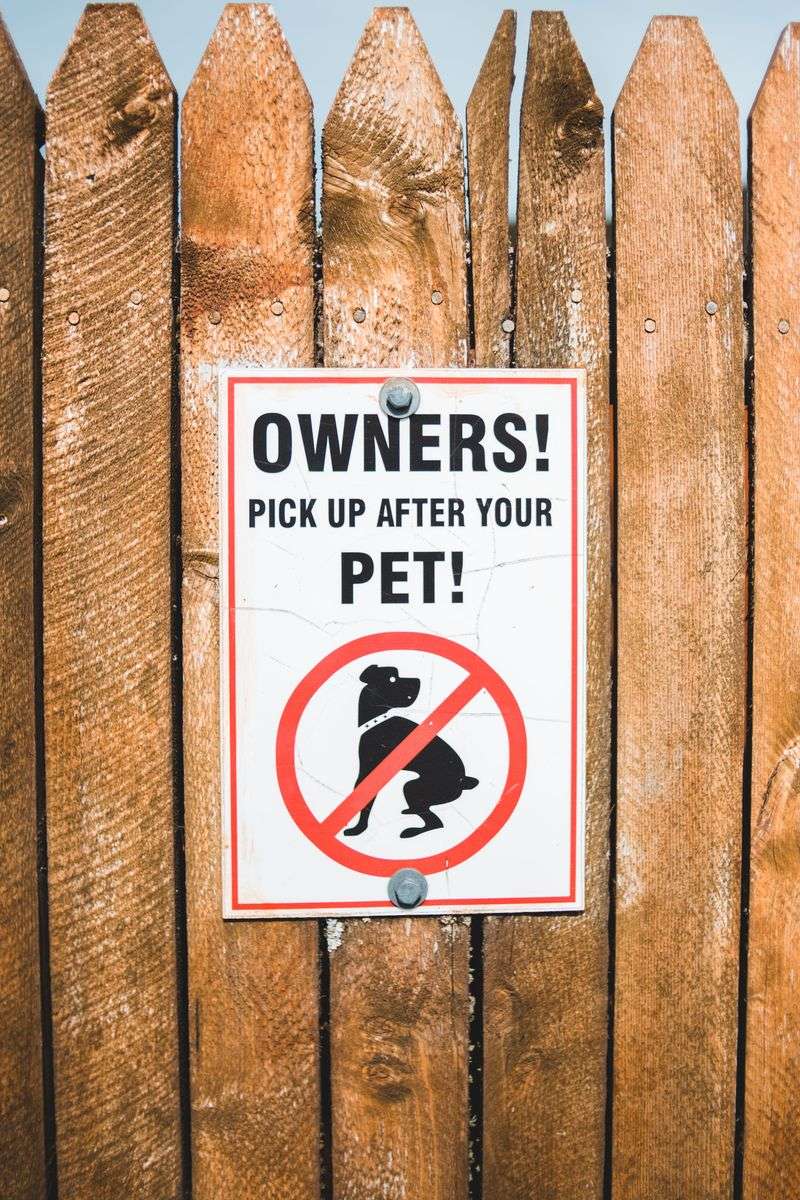
Nobody enjoys this chore, yet it keeps parks open to dogs. Owners must pick up and properly dispose of waste.
Bins sit near many high-use areas, though not all of them. Plenty of Maryland parks run trash-free, meaning you carry out everything you carry in.
Stash extra bags in your car, pocket, and leash clip. A sealable container in the trunk makes the ride home far more pleasant.
5. Indoor Spaces Stay People-Only

Visitor centers, nature centers, and restrooms are generally closed to pets. Playgrounds fall under the same restriction.
Service animals are the exception and may accompany their handlers into pedestrian areas open to the public.
Plan for it by traveling with a second adult who can wait outside with your dog. Never leave a pet in a parked vehicle while you step inside, especially in warm weather.
6. Shorelines Follow a Calendar
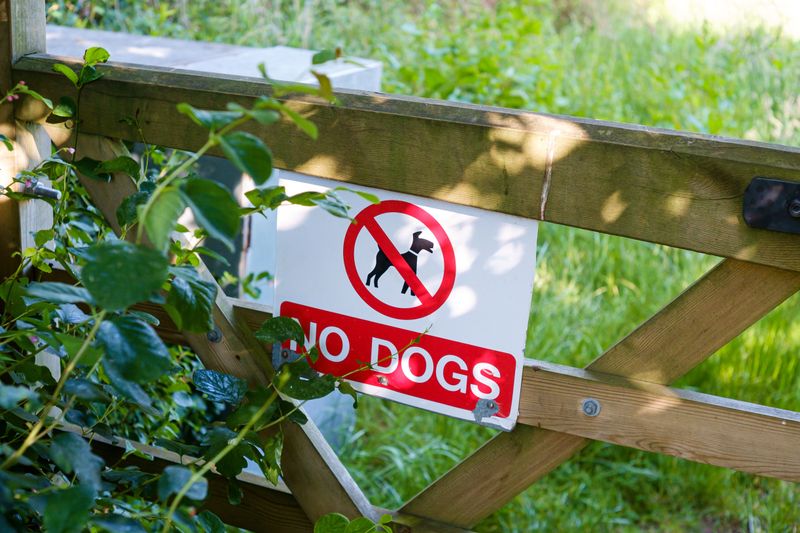
Ask ten owners about beach access and you will hear ten answers, because timing changes everything. Many parks bar dogs from sandy swimming beaches through the busy months.
That window commonly runs from Memorial Day weekend through Labor Day. Once lifeguards leave, access often reopens.
Fall and early spring turn into prime dog beach season here. Cooler sand is easier on paws, and crowds thin out considerably.
7. Sandy Point Closes Its Swim Beach to Dogs in Summer
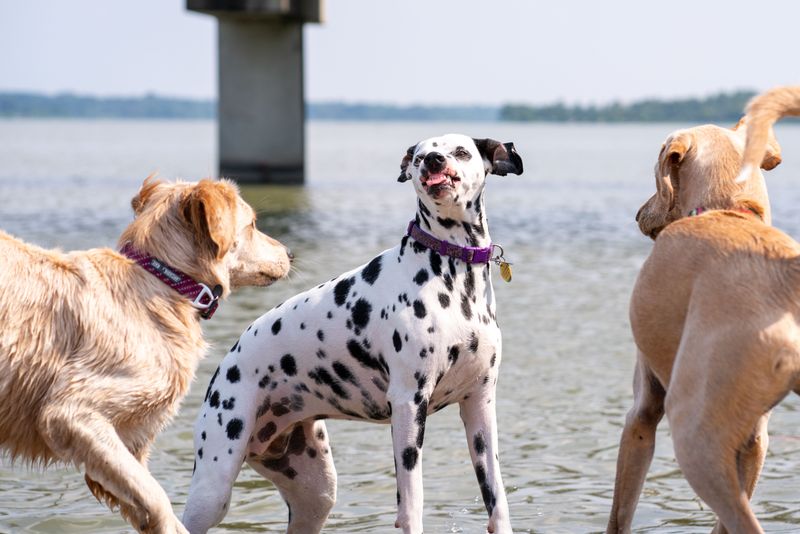
Views of the Chesapeake Bay Bridge draw big crowds to Sandy Point. From Memorial Day weekend through Labor Day, dogs are not permitted on the sandy portions of swimming beaches.
During the off-season, generally October 1 through April 30, dogs are welcome in day-use areas.
Winter visits reward you with wide-open sand and quiet water. Bring a towel; bay wind chills a wet coat fast.
8. North Point Keeps Seasonal Limits in Place
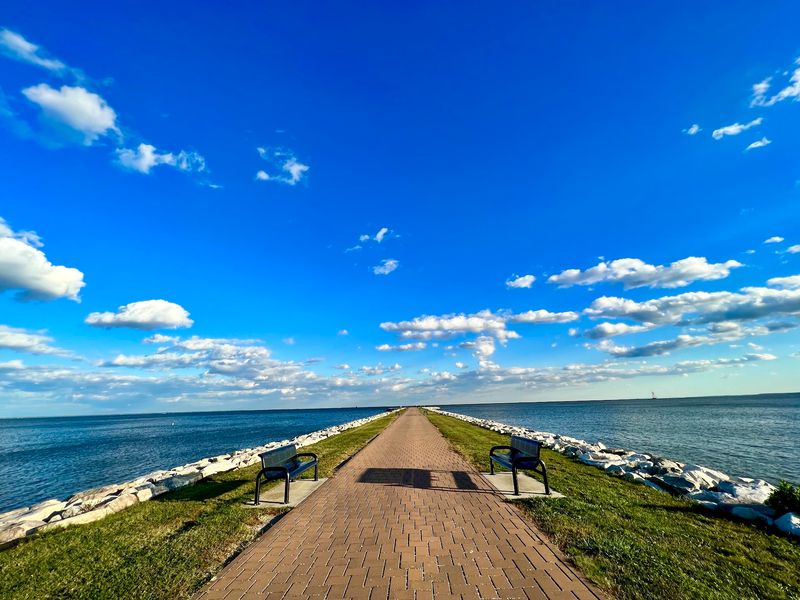
Details for this Baltimore County park are not always spelled out in general policy summaries. Seasonal beach restrictions do follow the pattern used across the system.
The safest move is a quick call or website check before you load the car.
Trails, meadows, and the shoreline paths still offer plenty of sniffing ground. Confirm current beach rules with park staff so your plans hold up on arrival.
9. Elk Neck Splits Access Between Beach and Trail

Turkey Point Lighthouse makes this North East gem a favorite hiking stop. Leashed dogs are allowed in campgrounds, on trails, and in certain day-use areas.
Restrictions apply to the sandy swimming beach and to cabins, especially during summer.
Call ahead if the beach is your main goal. Otherwise, the bluff trail delivers big water views without any seasonal headaches at all.
10. Hammerman Beach Pauses Dog Access Each Summer
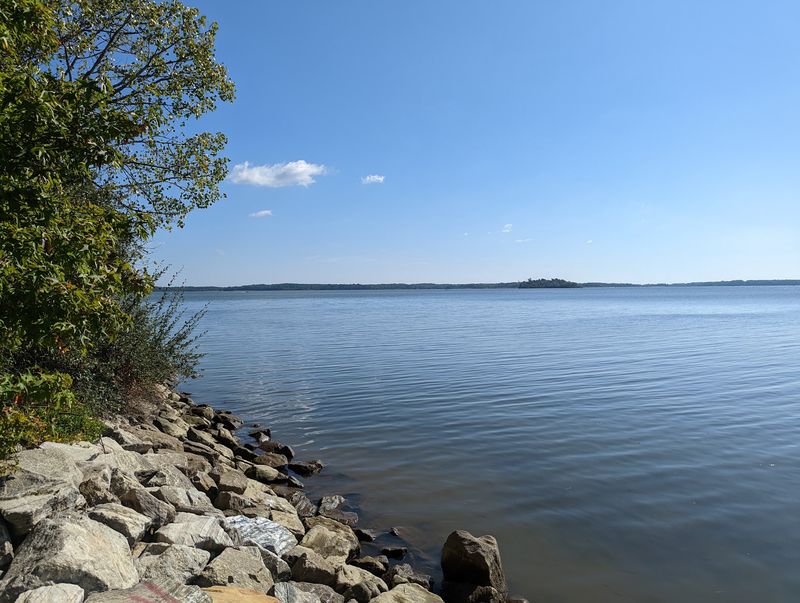
Gunpowder Falls covers a lot of ground, and its rules follow suit. Dogs are restricted from the sandy portion of Hammerman Beach from Memorial Day weekend until after Labor Day.
Pets remain welcome in undeveloped sections of the park and around the Dundee Creek Marina area.
That flexibility makes summer visits workable. Just aim your walk away from the guarded swim zone and everyone stays happy.
11. Rocky Gap Guards Its Sandy Swim Zones
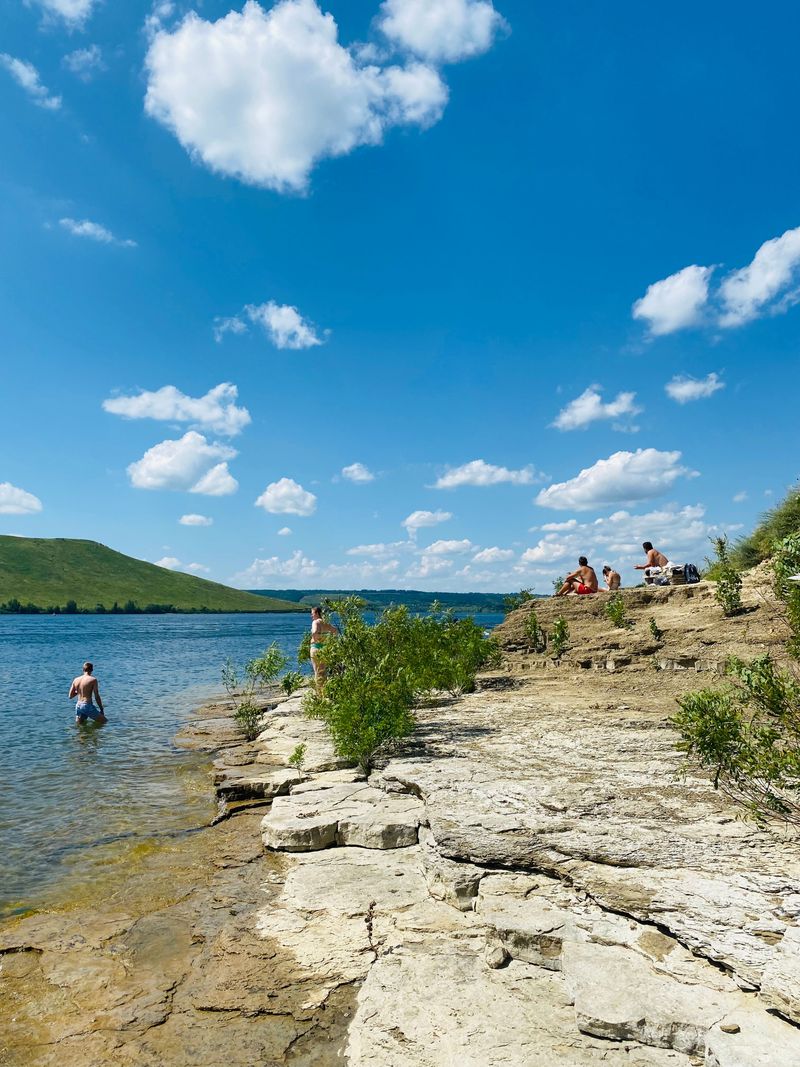
Lake Habeeb glows blue-green against the Allegany mountains, and the beaches fill quickly. Designated sandy swimming beach areas are off limits to dogs from Memorial Day weekend until after Labor Day.
Some sources mention roped or alternate areas allowing pets, but official policy for designated swim beaches stays restrictive in peak season.
Verify with the park office first. Lakeside trails still give your dog a scenic loop.
12. Cunningham Falls Keeps the Lake Area Restricted
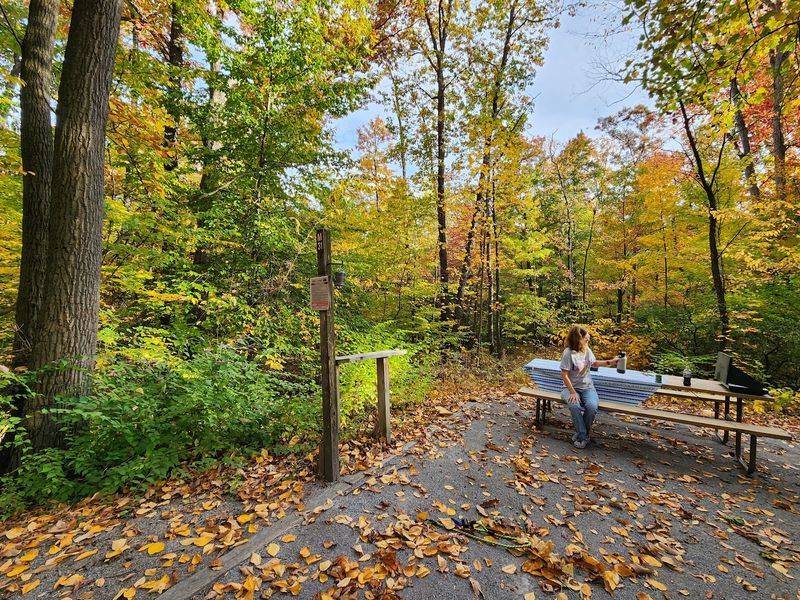
Two very different sides define this Thurmont park. Dogs face restrictions around the summer swimming beach and lake area.
The Manor Area offers pet-friendly day-use and picnic spots instead, which many owners prefer anyway.
Confirm lake and beach access before driving out, since policies shift with the season. Shade along the Manor picnic grounds helps on hot afternoons, and parking there tends to be easier too.
13. Greenbrier Opens Up Once Swim Season Ends
Timing turns this Boonsboro park into a real treat. Pets are permitted in the day-use area and on the sandy beach after Labor Day weekend until the Friday before Memorial Day, when swim ropes are out of the water.
Year-round, dogs are allowed in the Cedar and Dogwood camping loops.
Trails outside the day-use area also stay open. An October lake walk here is hard to beat.
14. Assateague Runs on Loop-by-Loop Rules
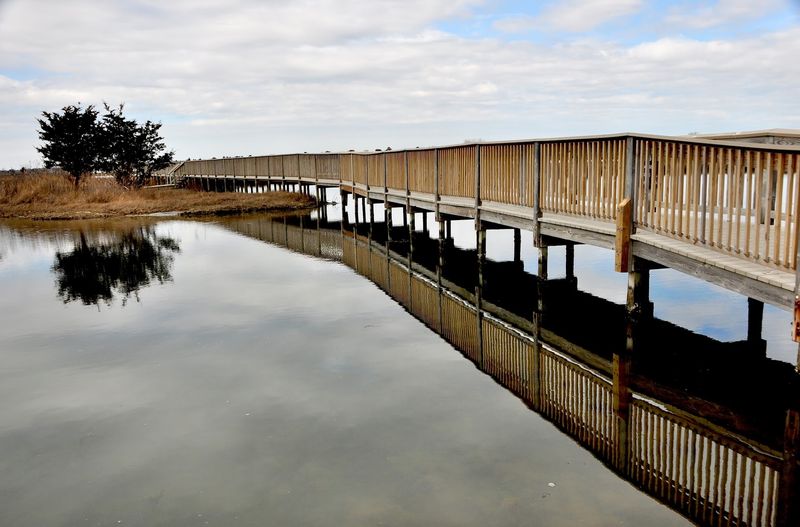
Ocean surf and wild ponies make this park unforgettable, and the pet rules are detailed. Leashed pets stay with registered campers in loops G, H, and I, plus adjoining beaches and water, during camping season from late April through November 1.
When the campground closes, leashed pets may use all loops and adjoining beaches.
Day-use access runs after Labor Day through the Friday before Memorial Day weekend.
15. The National Seashore Plays by Its Own Book
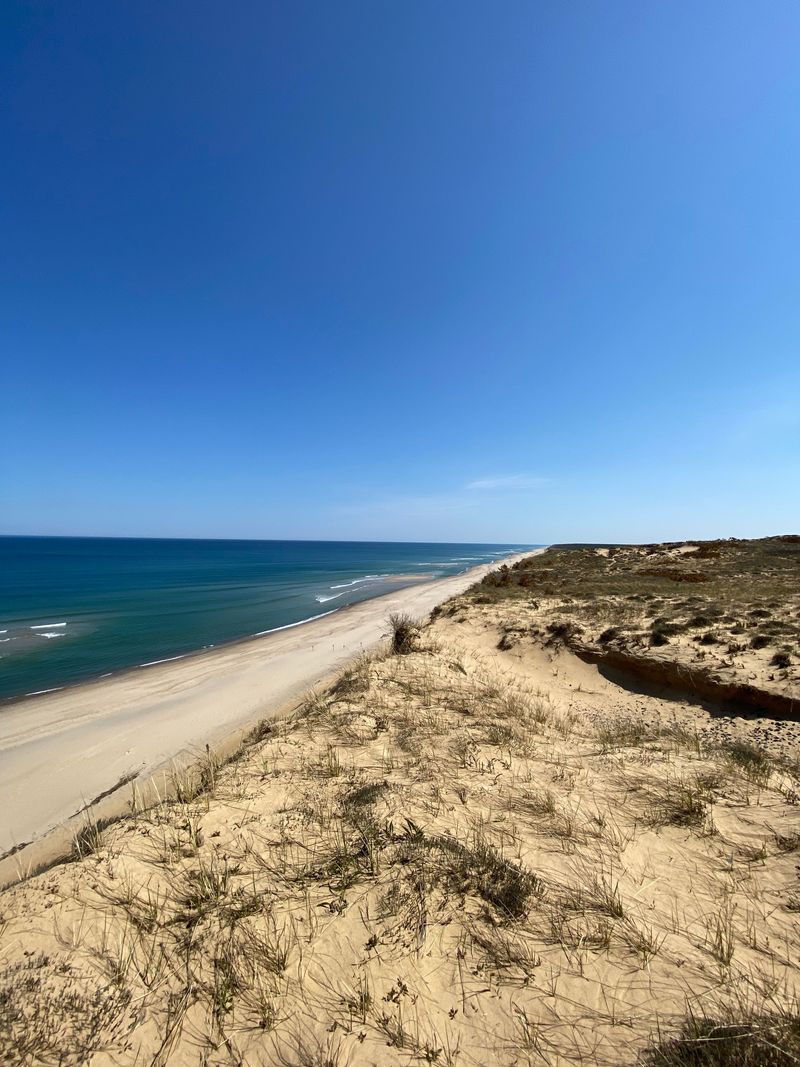
Right next door, federal land follows separate guidance. At Assateague Island National Seashore, leashed pets are generally welcome year-round in most areas.
They are not allowed on backcountry campsites, nature trails, or the lifeguard-protected beach.
Crossing an invisible boundary can change your options completely. Check maps and signage carefully so you know whether you are standing on state park sand or national seashore sand.
16. Campsites and Cabins Are Not All Pet-Friendly
Booking a site sight unseen is where trips go sideways. Parks designate specific loops for pets rather than allowing them everywhere.
Greenbrier uses Cedar and Dogwood, New Germany offers Hemlock, and Rocky Gap permits pets in Ash, Birch, Chestnut, Dogwood, and Elm, but not Hickory. Assateague allows dogs in loops G, H, and I.
Cabins often have separate restrictions. Verify before you reserve anything.
17. One Park Can Hold Several Different Policies
Large parks are stitched together from separate areas, each with its own character. Assateague separates state park and national seashore rules, then splits loops within the state park.
Gunpowder Falls treats Hammerman Beach differently from its undeveloped sections. Patapsco Valley applies specific pet rules to areas such as Hollofield.
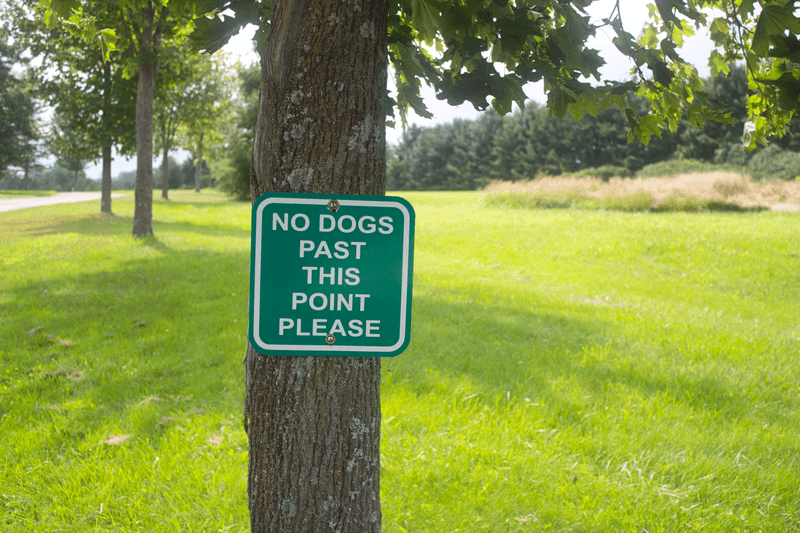
Read signage at the entrance you actually use. The rule at one gate may not apply at another.
18. Calvert Cliffs Welcomes Leashed Dogs Year-Round
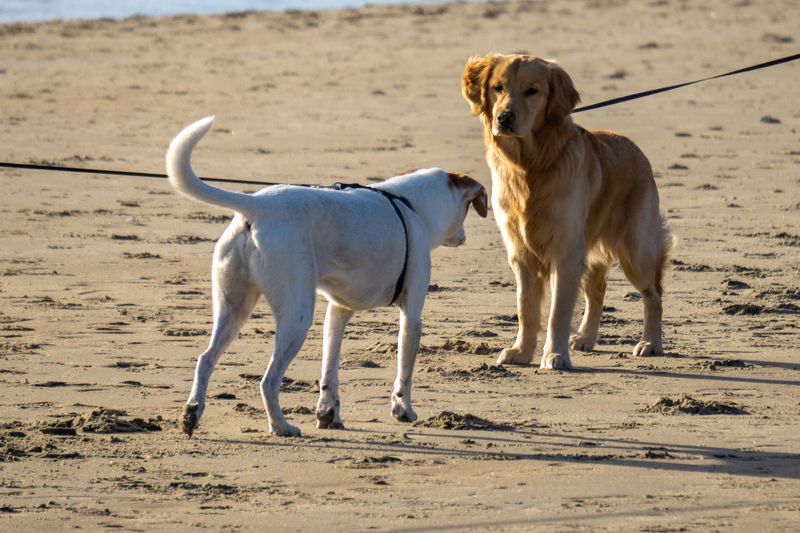
Fossil hunters love this Lusby park, and so do dog owners. Leashed pets are allowed throughout, including the beach area at the end of the main trail.
The walk out runs roughly two miles each way through marsh and forest.
Bring water for both of you, since there is little along the path. Keep the leash on near the cliff base at all times.