What Michigan Law Says About Dogs Riding Unrestrained In Vehicles
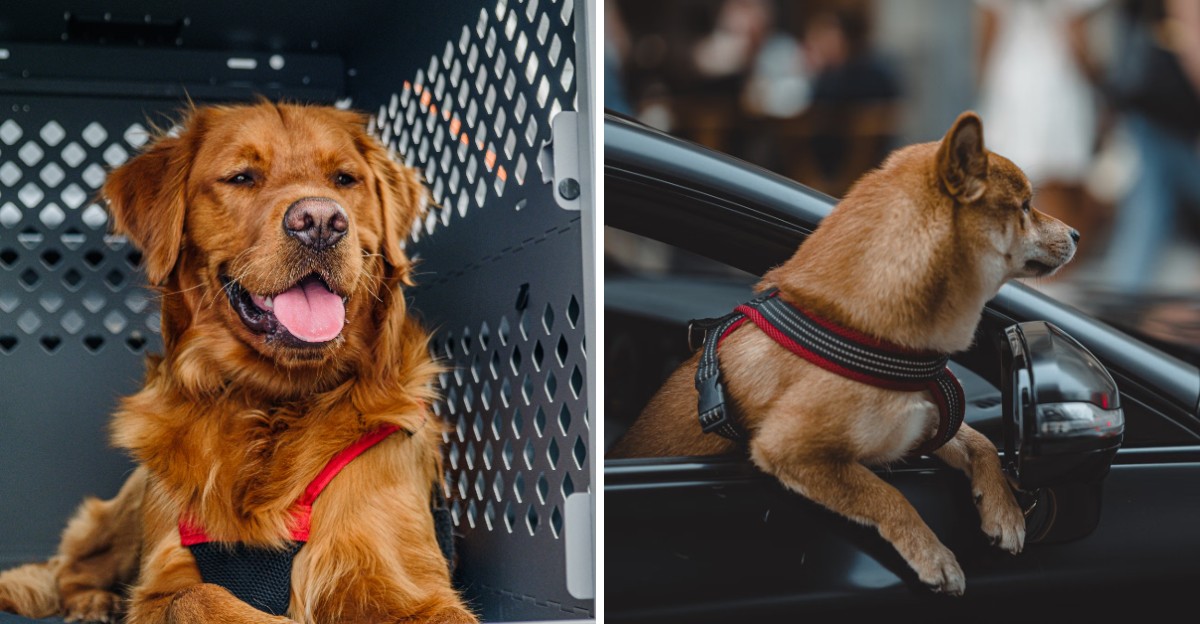
Taking your dog along for a Michigan drive should feel simple, whether you’re visiting a park or heading north. Yet the rules about loose dogs, seat belts, and safe transport can be easy to mix up.
Knowing the difference between legal requirements and safety advice helps you make better choices without unnecessary worry. Here is what Michigan owners should understand before their next ride together.
1. Michigan Does Not Have a Specific Dog Seat Belt Law
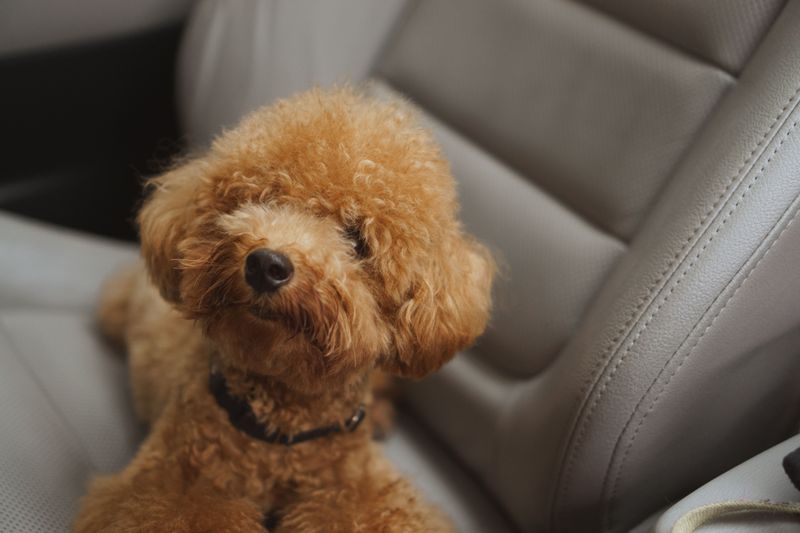
A missing pet seat belt does not automatically mean a Michigan driver has broken a specific restraint law. Michigan has no statewide rule requiring every ordinary pet dog to wear a dedicated vehicle seat belt.
However, animal welfare duties and traffic laws still apply during the trip. Owners must consider more than whether a product is legally required.
A suitable restraint remains a practical safety choice, even without a separate statewide dog seat belt mandate.
2. What Michigan Law Says About Transporting Animals
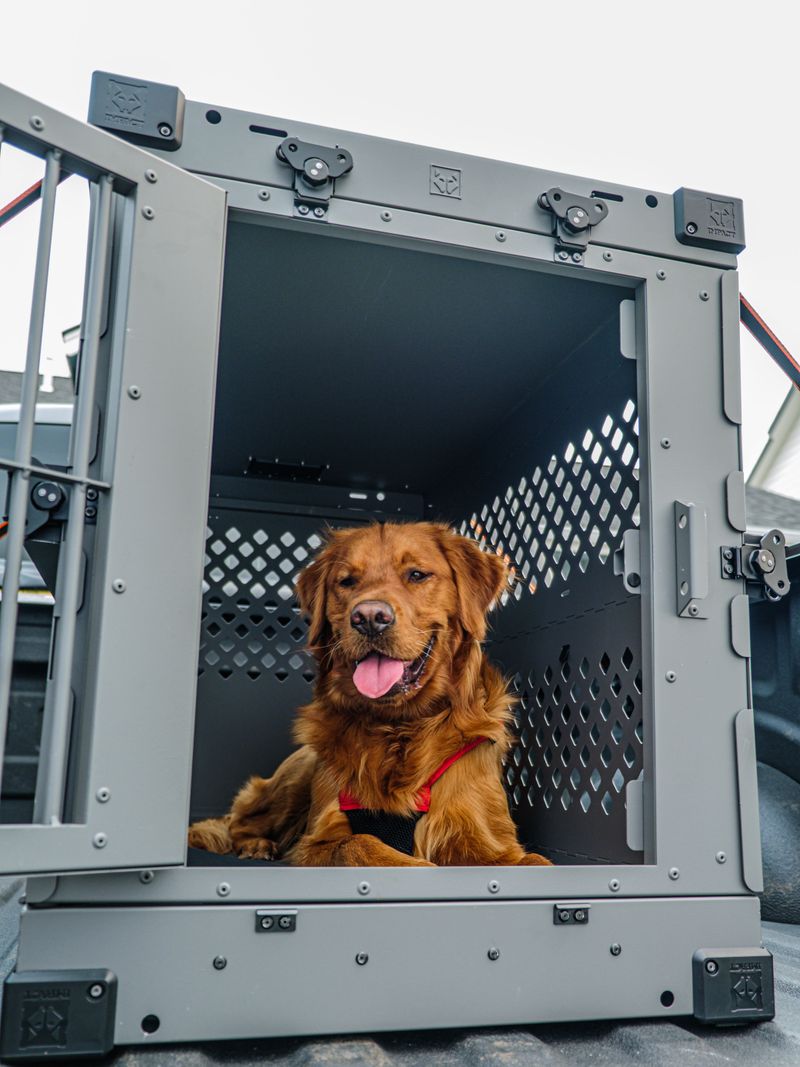
Room to move matters under Michigan’s animal transportation rules. MCL 750.50 prohibits cruel or inhumane transport and requires a secure space, rack, car, crate, or cage.
The animal must have room to stand, turn around, and lie down during transportation. That wording does not name one required consumer product.
It also does not make every loose seating arrangement acceptable. Choose a setup that supports comfort, containment, and safe driving throughout the entire journey with your dog.
3. Does the Law Require a Dog to Wear a Seat Belt?
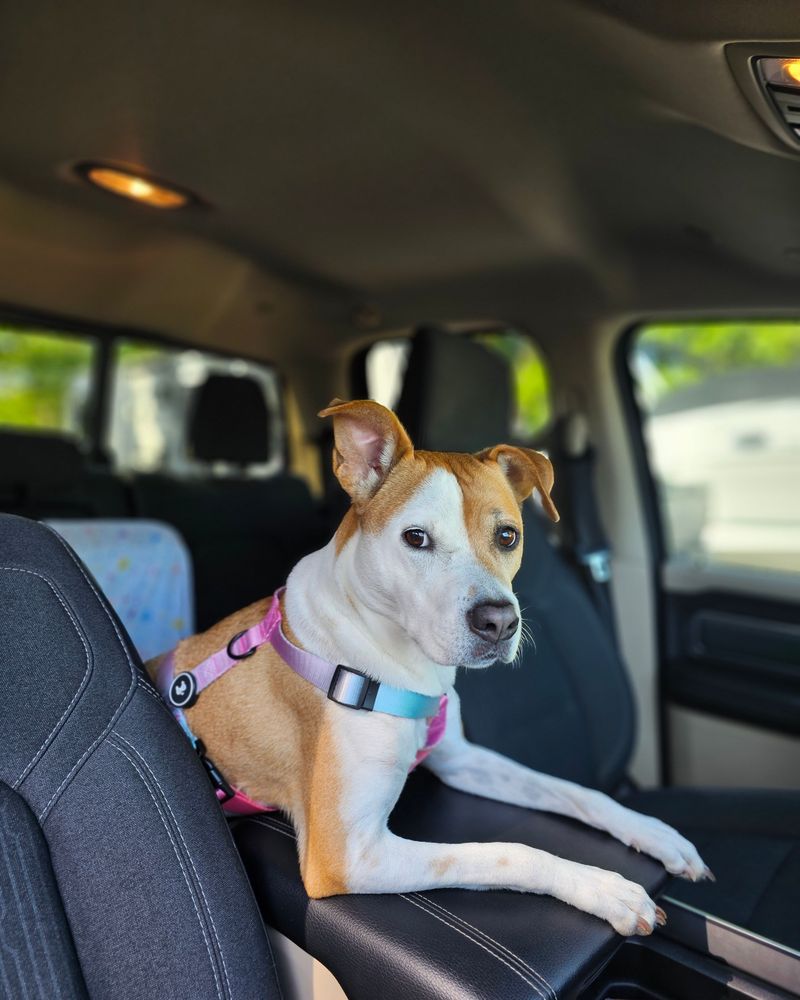
Shopping for a restraint can feel confusing when legal rules and product advertising overlap. State law does not specifically demand a dog seat belt, but secure transportation remains a separate legal concern.
A harness is one possible safety tool, not an automatic guarantee of compliance. Fit, attachment, available space, and the dog’s behavior all matter.
Avoid assuming any advertised pet belt meets an official Michigan approval standard. Ask manufacturers for clear installation instructions and testing details.
4. Can a Dog Ride Freely on the Back Seat?
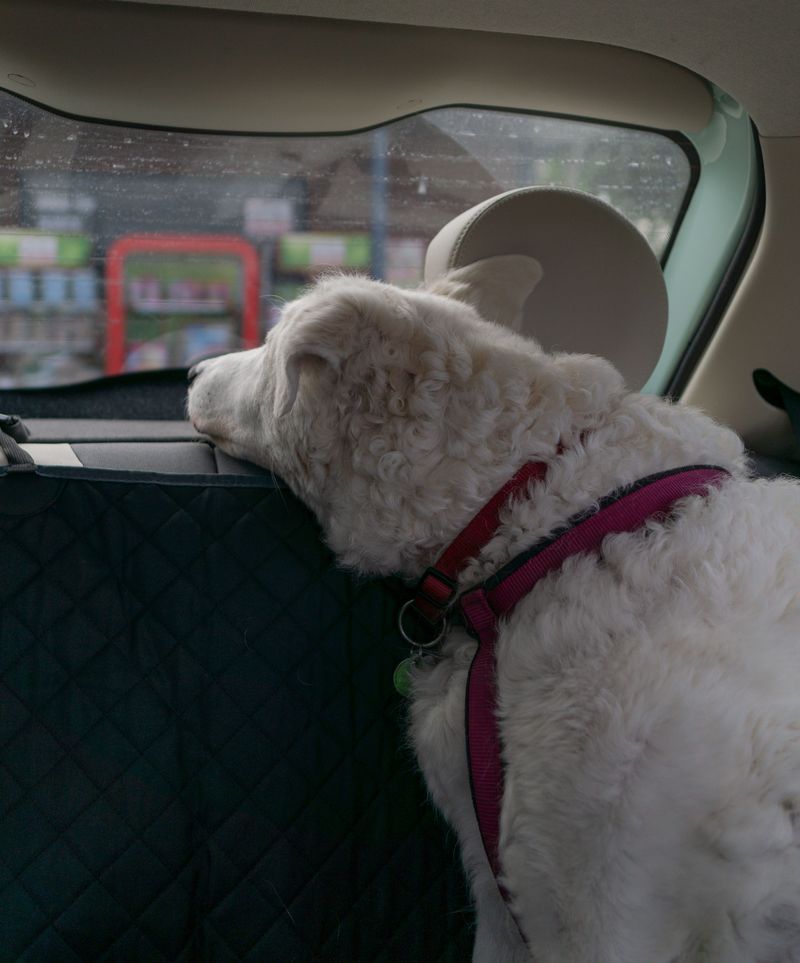
The back seat offers distance from the steering wheel, but location alone does not provide restraint. Michigan has no specific statewide ban on every dog riding loose there.
Still, the secure space requirement can raise questions about a particular arrangement. A roaming dog may reach the front seats or shift suddenly during braking.
Keep your companion in a suitable harness or secured carrier. Treat the back seat as a safer starting location, not complete protection.
5. Why a Dog Riding on the Driver’s Lap Is a Problem
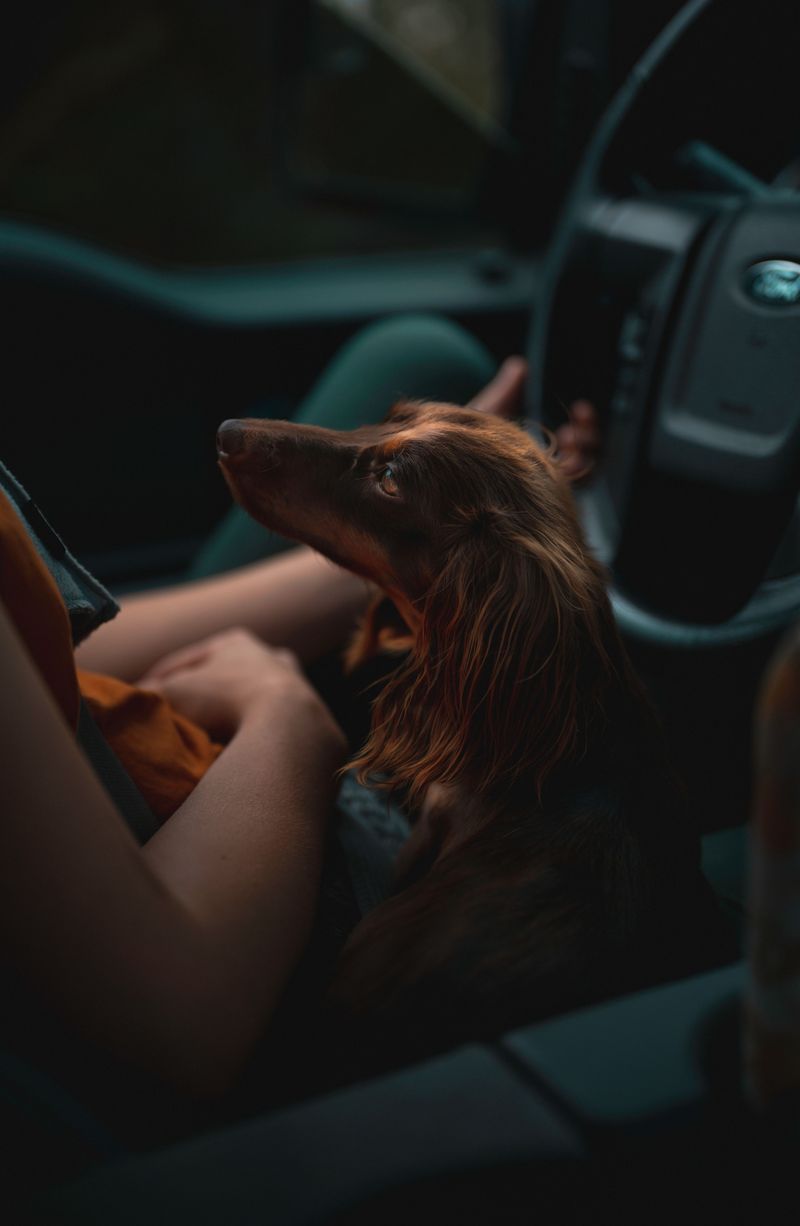
A small dog can take up surprisingly valuable space near the steering wheel. Lap riding may block your view, limit steering, or allow paws near vehicle controls.
Do not confuse proposed restrictions with laws that have actually taken effect. Bill numbers also repeat across legislative sessions, so older headlines need checking.
Regardless of any specific lap rule, unsafe driving can bring legal consequences. Settle your dog behind you before moving, rather than adjusting while driving.
6. What Counts as a Secure Space for a Dog?
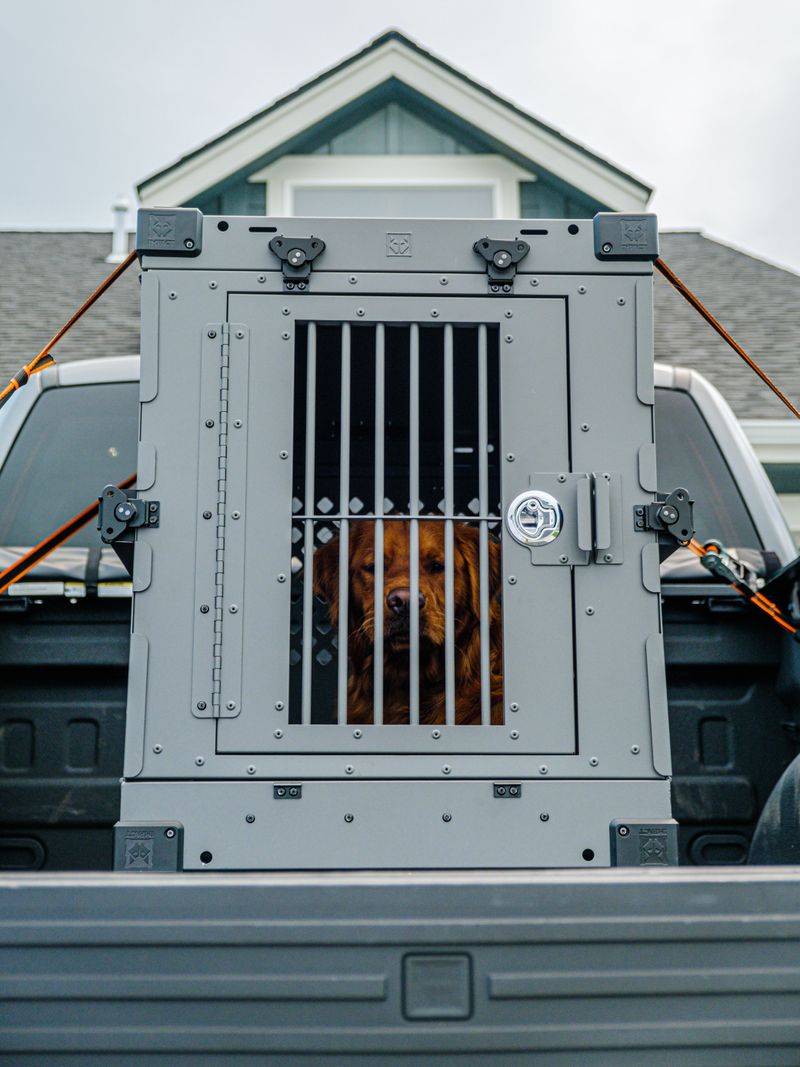
Think beyond a spot where your dog happens to sit quietly. Michigan’s statute lists several transport spaces but does not provide a detailed checklist for ordinary passenger cars.
The required room to stand, turn, and lie down remains central. Whether a particular setup meets the law can depend on its facts.
A properly secured crate or suitable vehicle harness can support safer travel. Neither equipment label alone guarantees legal compliance or protection in every collision.
7. Can a Dog Ride in the Front Passenger Seat?
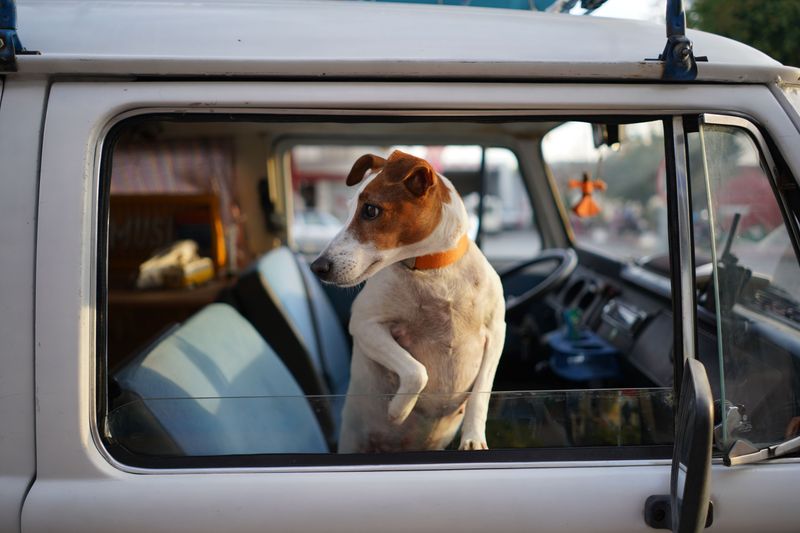
Your dog may prefer riding beside you, especially on familiar errands. Michigan does not specifically ban ordinary pet dogs from the front passenger seat statewide.
Safety advice points toward the rear because a deploying front airbag can injure a dog. Front seating also makes reaching the driver easier.
Follow your vehicle manual and restraint instructions when choosing placement. Never assume switching off an airbag makes every front seat arrangement safe.
Keep vehicle controls clear throughout travel.
8. Are Dogs Allowed to Ride With Their Heads Outside the Window?
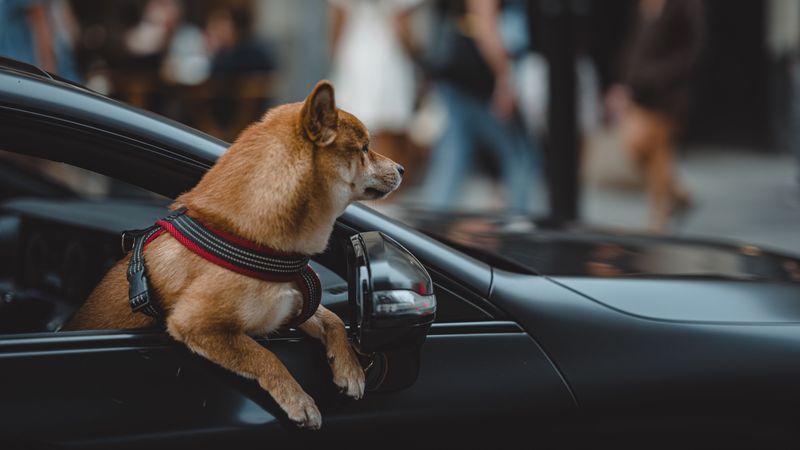
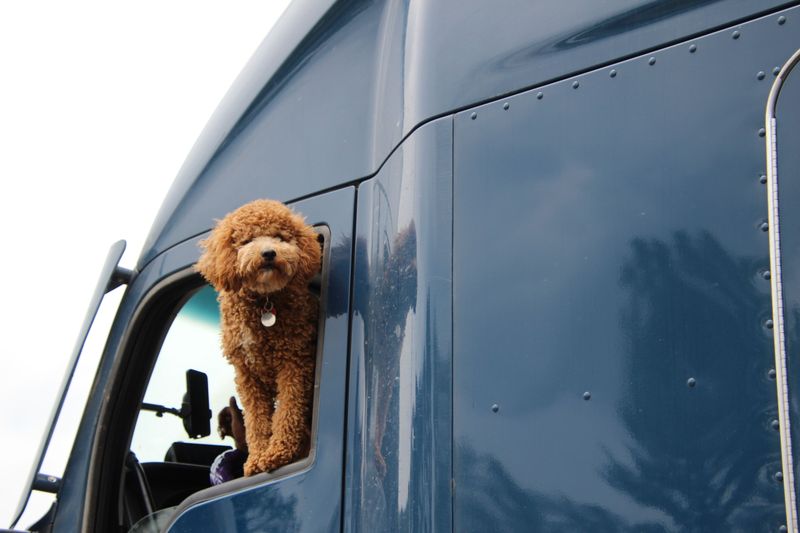
Fresh air is appealing, but an open window brings avoidable exposure. Michigan has no specific statewide rule banning a dog’s head outside a vehicle window.
Road grit can irritate eyes, and a wide opening creates an escape risk. Keep your dog’s head inside and use a restraint that limits access.
A small window opening may provide airflow without inviting climbing. Check window locks before departure, especially when paws can reach switches during an excited ride.
9. What Happens if a Dog Distracts the Driver?
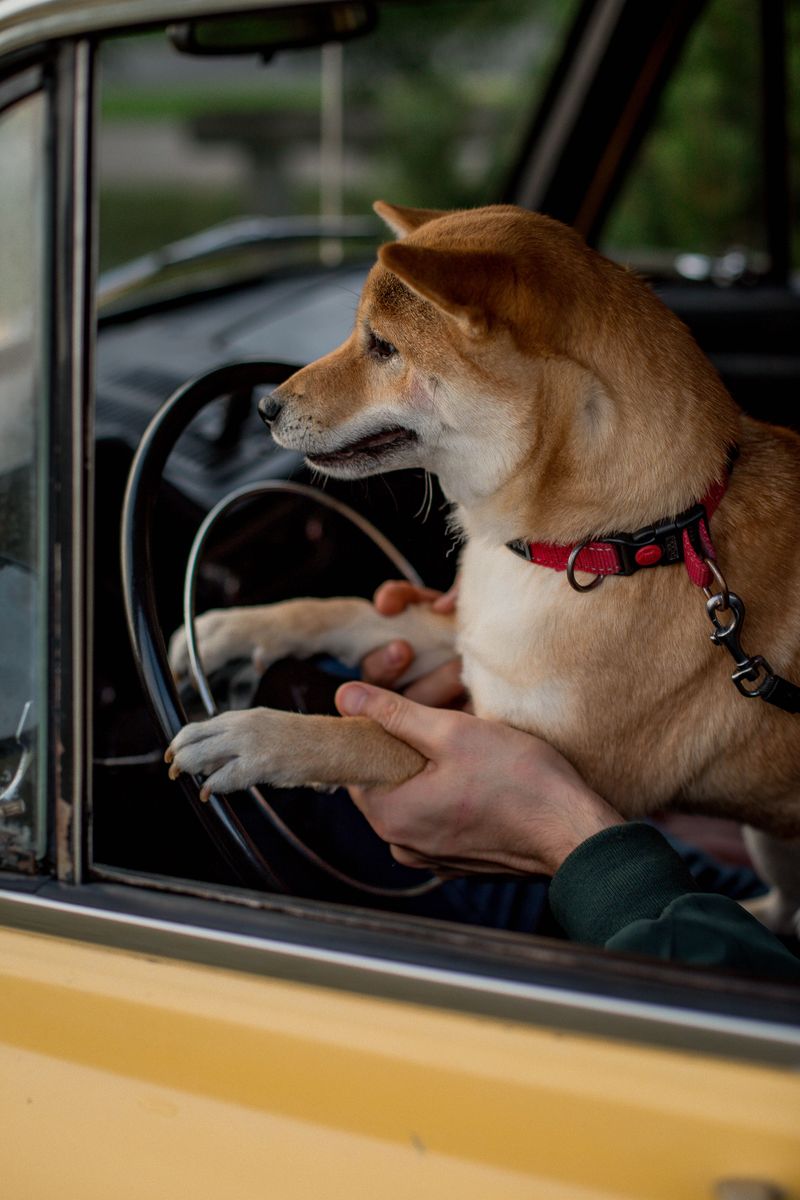
Barking or climbing can pull attention away from traffic within seconds. Michigan’s handheld device law should not be described as a blanket ban covering every possible distraction.
However, drifting lanes, ignoring signals, or otherwise driving unsafely can violate other traffic rules. A loose dog may help explain what happened, but it does not excuse the driver.
Pull into a safe parking area before handling trouble. Ask a passenger for help when one is available to assist.
10. Can an Unrestrained Dog Lead to a Reckless Driving Charge?
Not every loose dog turns a traffic stop into a reckless driving case. Under MCL 257.626, reckless driving involves willful or wanton disregard for the safety of people or property.
An unrestrained pet alone does not automatically prove that standard. The driver’s conduct and surrounding facts matter.
Less serious unsafe behavior may instead involve careless driving or another violation. Prevent interference before starting, rather than relying on your dog’s usual calm behavior during familiar trips together.
11. What Michigan’s Animal Cruelty Law Means for Car Travel
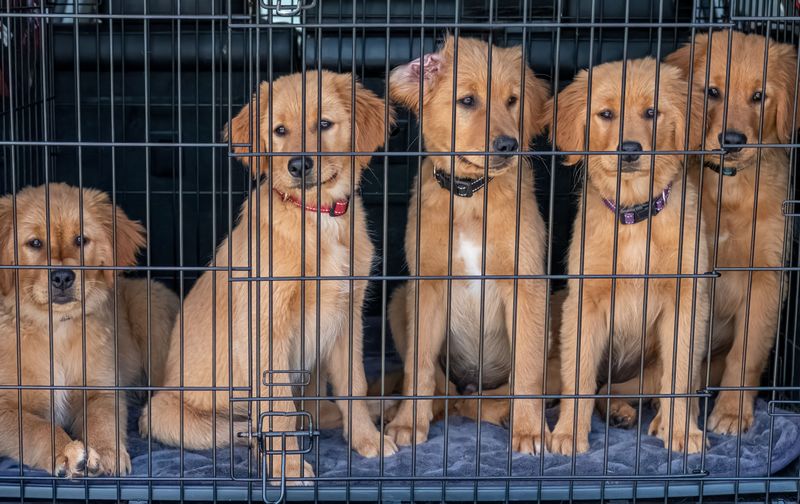
Comfort is part of responsible transport, not simply an extra kindness. MCL 750.50 includes duties involving adequate care and humane transportation.
Unsafe heat, poor ventilation, or unsuitable confinement can raise concerns under that law. Whether conduct violates it depends on the facts, and penalties vary with the offense.
Never leave your dog in conditions that could cause overheating or distress. Plan stops around your pet’s needs, rather than assuming an open window solves temperature problems alone.
12. When a Travel Crate May Be a Better Option
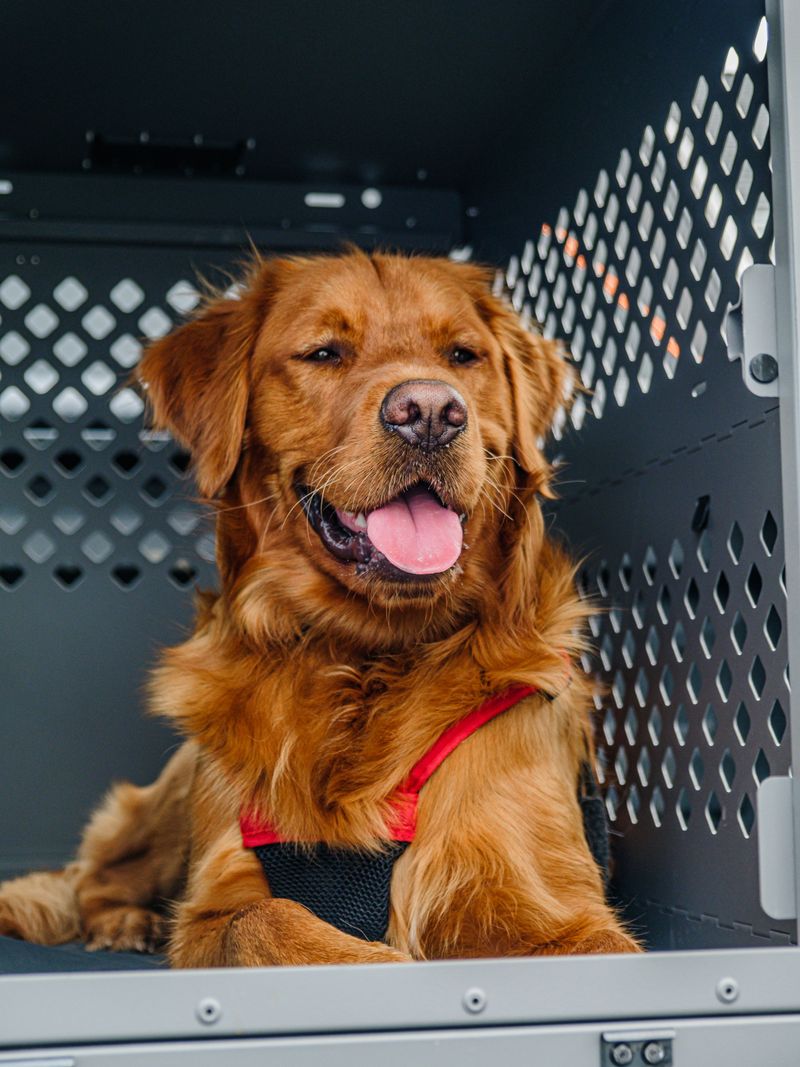
Some dogs settle faster when their travel space has clear boundaries. A crate may suit those pets, provided they can stand, turn around, and lie down.
Secure it according to both the crate instructions and vehicle guidance. A loose carrier can slide, and an ordinary household crate may lack meaningful crash testing.
Introduce the space at home with short, pleasant sessions. Choose ventilation and suitable placement as carefully as size when preparing your dog’s travel setup.
13. Why Dogs Should Not Ride Loose in an Open Truck Bed
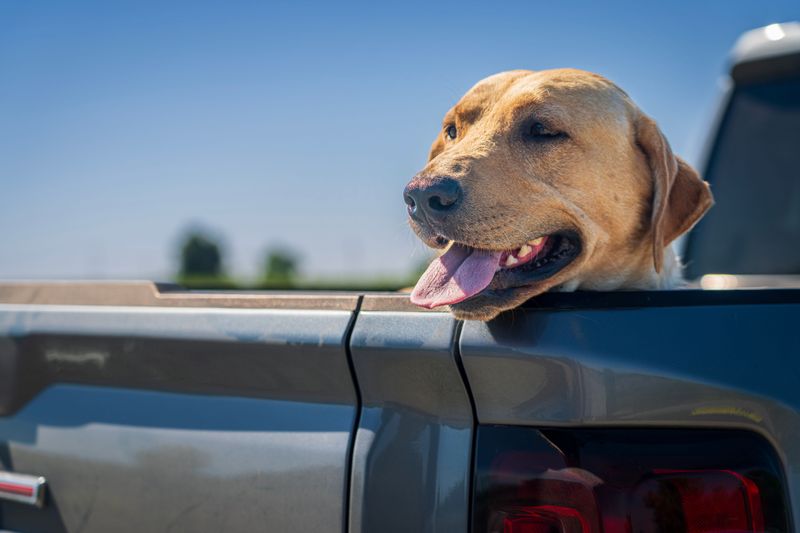
An open pickup bed offers little shelter from road conditions or weather. Michigan has no general statewide rule specifically banning every ordinary dog from riding loose there.
That does not remove humane transport duties or local restrictions. Sudden turns and stops can cause falls or loss of balance.
Prefer suitable restraint inside the passenger compartment. Wolf-dog hybrids have separate Michigan transport requirements, so their owners should check those specific rules instead of relying on ordinary dog guidance.
14. What If a Dog Is Injured During a Car Ride?
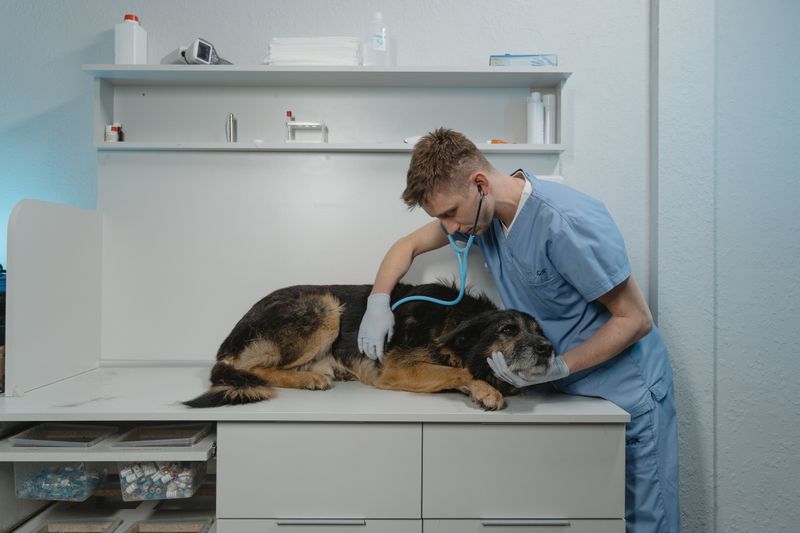
After a sudden stop or crash, a quiet dog may still need veterinary attention. Park safely, check people first, and contact a veterinarian for advice about your pet.
Handle a sore or frightened animal carefully, since unfamiliar reactions are possible. Record what happened and keep treatment paperwork.
Payment responsibility depends on insurance terms, fault, and other facts. An unrestrained dog does not automatically settle liability.
Ask your insurer or a Michigan attorney about your particular situation.
15. Do Local Michigan Rules Also Matter?
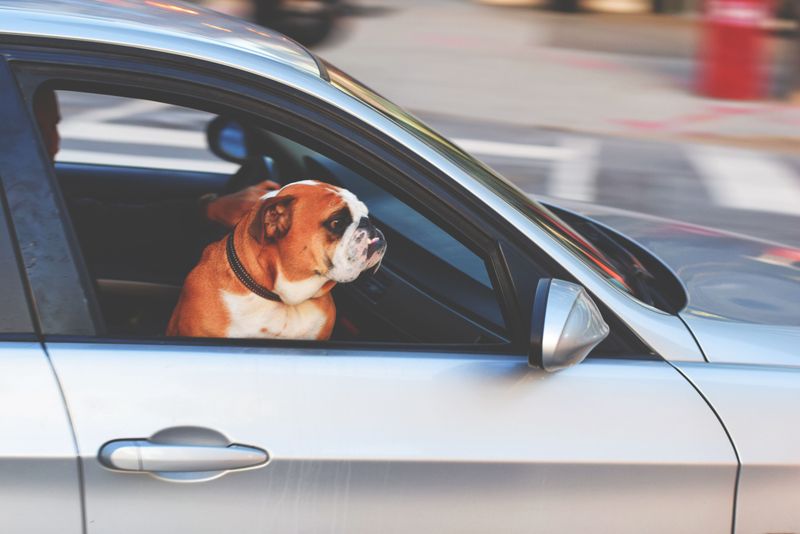
Crossing a city boundary can mean checking another set of animal rules. Michigan communities may have local ordinances affecting animal care or transportation, subject to state law.
Do not assume every county uses identical wording or enforcement practices. Contact municipal officials or local animal control for the current text.
Describe your actual vehicle and arrangement when asking questions. A clear answer about your planned setup is more useful than a broad question about dogs in cars.
16. Where to Find Michigan’s Current Animal Transportation Laws
Reliable answers start with official sources rather than recycled social media claims. Visit legislature.mi.gov for MCL 750.50 and relevant Michigan traffic laws.
MDARD provides animal health guidance, while administrative transport rules may cover regulated facilities rather than every private owner. Check each rule’s scope and effective date.
Local officials can explain ordinances, and an attorney can address specific legal concerns. Keep the takeaway simple: provide suitable space, prevent interference, and prepare your dog before every drive.