What Mississippi Dog Owners Should Know About Snakes Around Ponds And Creeks
If your dog loves splashing along a creek bank or circling the edge of a farm pond, you are in good company. Mississippi water draws wildlife, and snakes are simply part of that landscape.
The good news is that most encounters end quietly when owners know what to look for. A little awareness, a leash, and a few simple habits go a long way.
Here is what local dog owners should keep in mind before the next water walk.
Snakes Are Common Around Mississippi Waterways
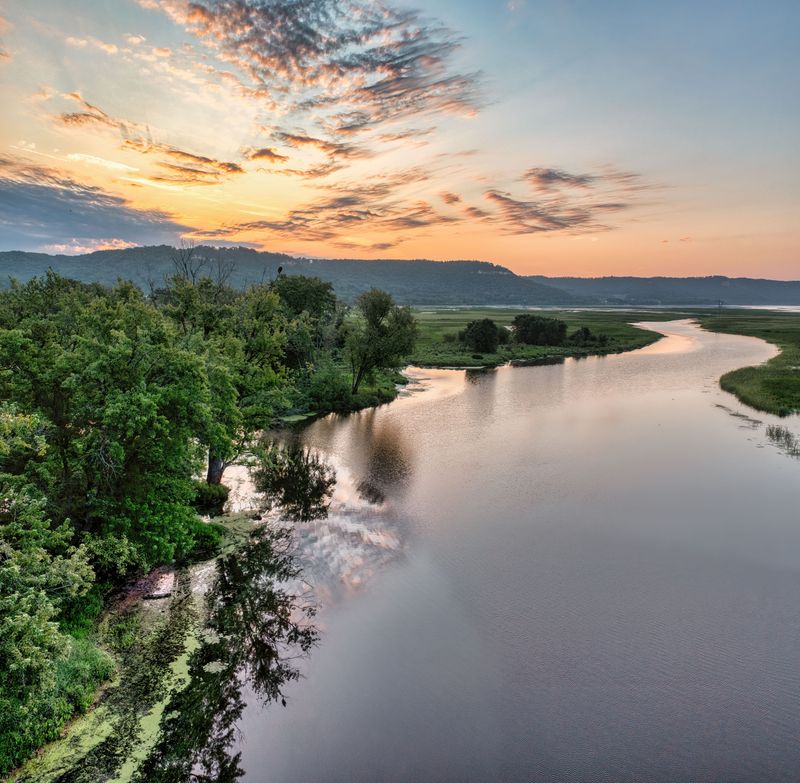
Water attracts life, and snakes are no exception. Ponds, creeks, and marshy ditches offer drinking water, frogs, fish, shade, and cover under roots or debris.
Spotting one near the shoreline is normal in Mississippi. It does not automatically mean trouble for your dog.
Most snakes prefer to slip away quietly rather than interact with anything large. Treat a sighting as useful information, not a reason to panic or cancel your walk.
Why Dogs May Get Too Close
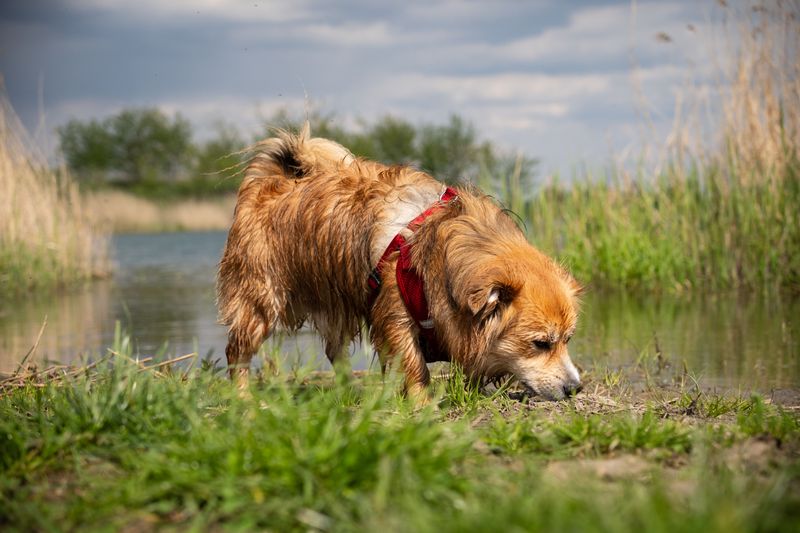
Curiosity is hardwired into most dogs. Anything that rustles, wiggles, or slides through mud becomes an instant investigation project.
Your dog may lower its nose, paw at the ground, or lunge before you register what moved. Retrievers and terriers are especially quick about it.
Because dogs react faster than we can speak, prevention matters more than correction. Watching the ground ahead of your dog buys you those crucial extra seconds.
Keep Dogs Out of Thick Vegetation
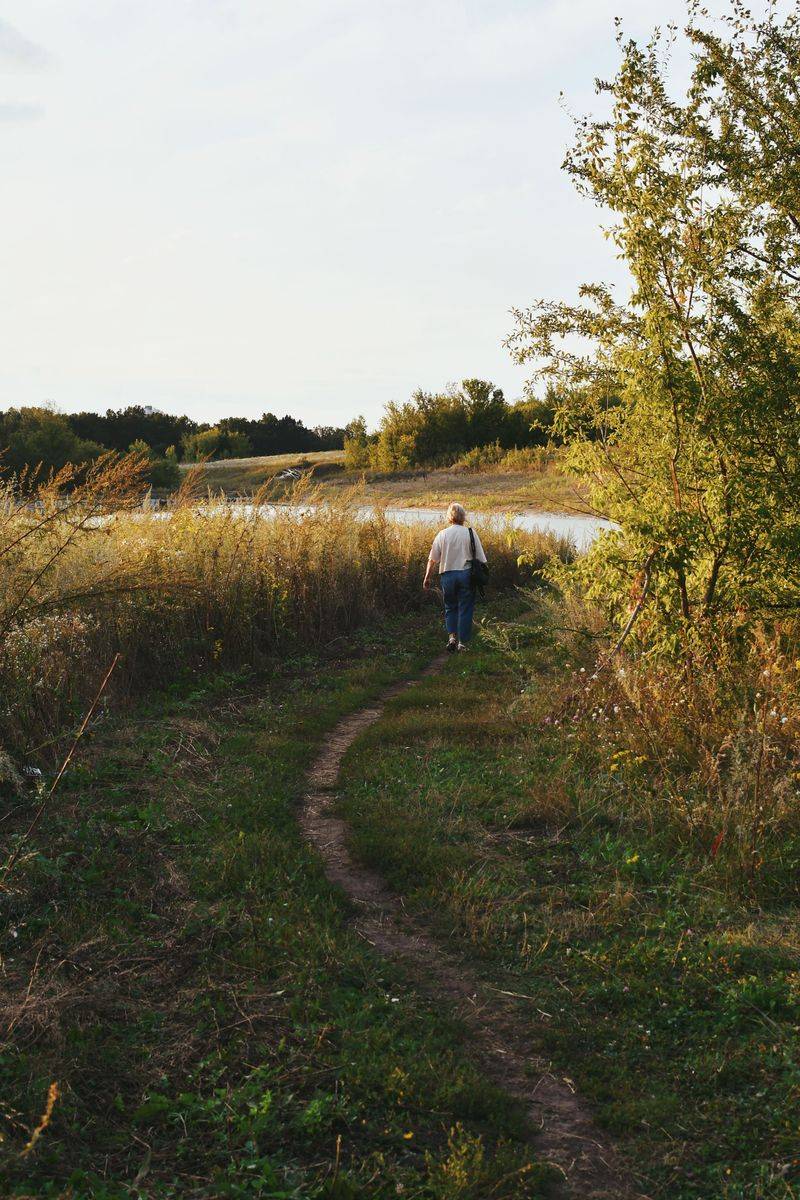
Overgrown corners are prime real estate for wildlife. Tall grass, brush, leaf litter, and fallen branches all provide cool cover and easy hiding.
Steering your dog onto a mowed or cleared path makes a real difference. You can see the ground, and so can your dog.
At home, trimming vegetation around frequently used areas and clearing debris piles can reduce places where snakes and their prey may find shelter.
Watch Carefully Near Creek Banks
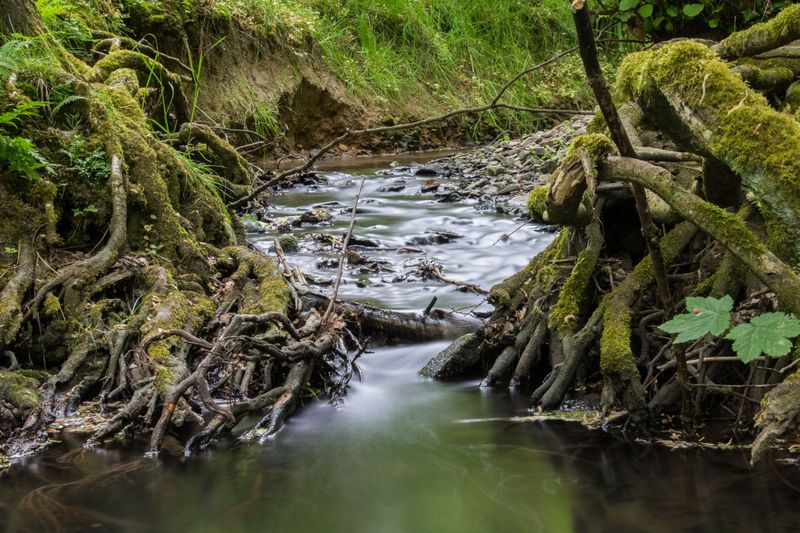
Creek edges can provide shade, cover, and places for snakes to rest. Shaded rocks, exposed roots, and partially submerged logs may offer shelter.
When your dog starts nosing along those features, slow down and scan first. A quick visual sweep costs a few seconds.
Snakes can be more active during warm weather, but activity varies with conditions and species. Keeping your dog beside you near the bank is a simple habit worth building.
Ponds Can Have Hidden Hazards
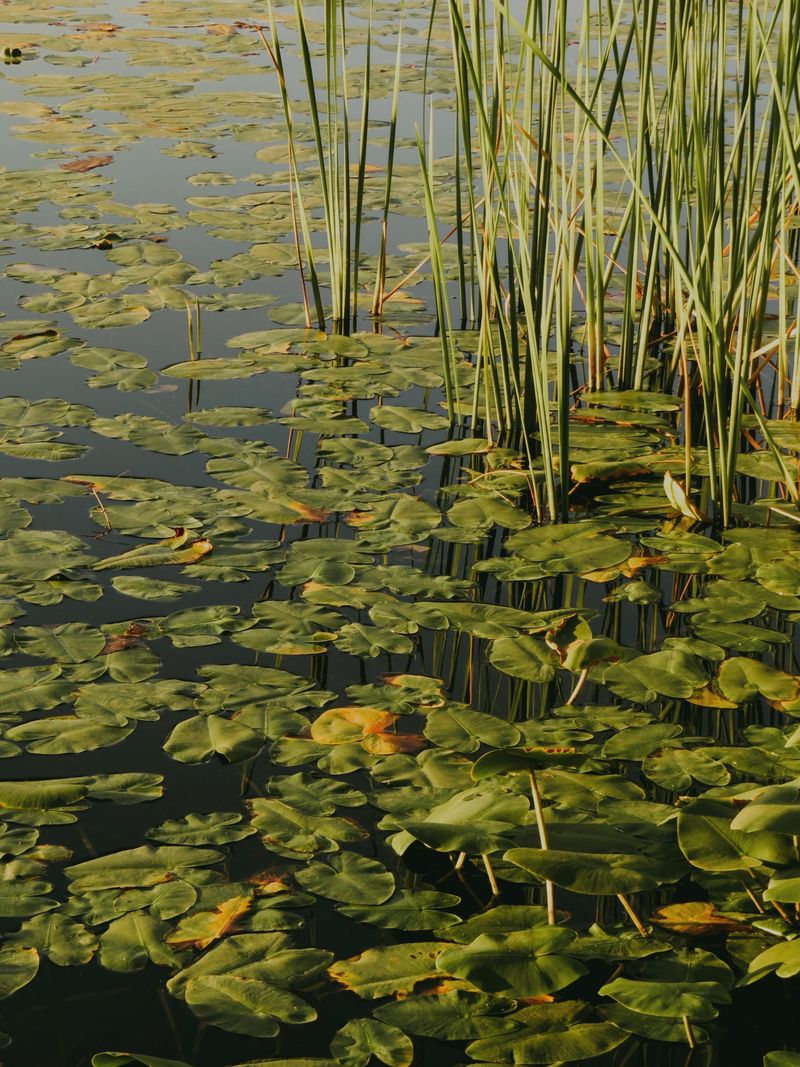
A glassy pond can look completely empty. Yet the shoreline mix of reeds, mud, and shade hides plenty from casual glance.
Walk the perimeter yourself before turning your dog loose to explore. Look at the water line, the reeds, and any floating debris.
Dock edges and boat ramps deserve a second look too. Once you have scanned, most pond visits go exactly as planned: wet dog, happy owner, no surprises.
Not Every Snake Is Dangerous
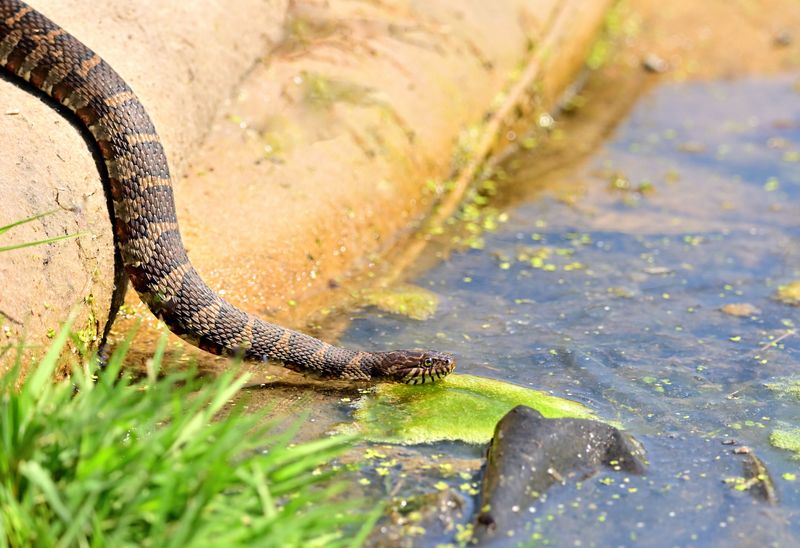
Mississippi has more than 50 snake species, and only six are venomous. Many nonvenomous snakes help control rodents and insects.
Still, no snake enjoys being nosed or pawed. Even a harmless species can deliver a defensive nip that breaks skin and invites infection.
So the rule stays the same regardless of species: no touching, no chasing, no investigating. Identification is helpful, but distance protects your dog in every single case.
Learn Which Venomous Snakes Live in Mississippi
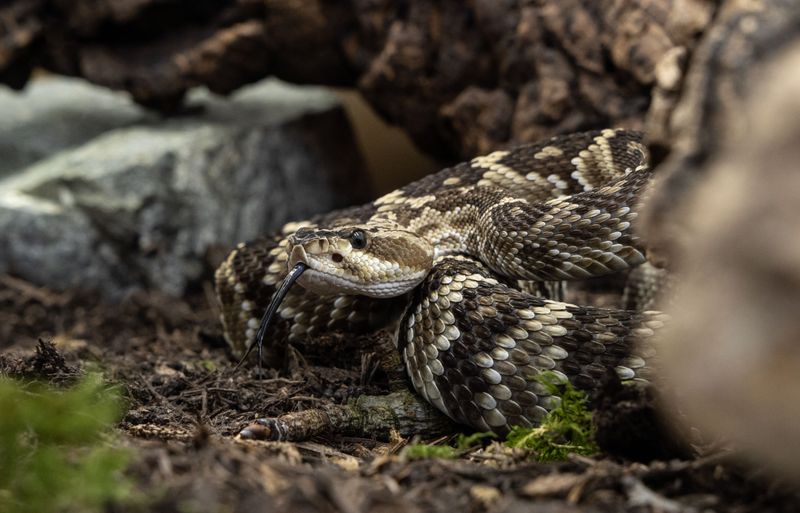
Six venomous species are recognized in the state. Copperheads, cottonmouths, timber rattlesnakes, pygmy rattlesnakes, eastern diamondbacks, and coral snakes make the list.
You do not need to become an expert, but identification can be difficult, especially from a safe distance. The safest approach is to avoid approaching any snake and give it plenty of space.
The Mississippi Department of Wildlife, Fisheries, and Parks publishes helpful identification guides. Spending ten minutes with photos before your next outing builds real confidence on the trail.
Cottonmouths Can Be Found Near Water
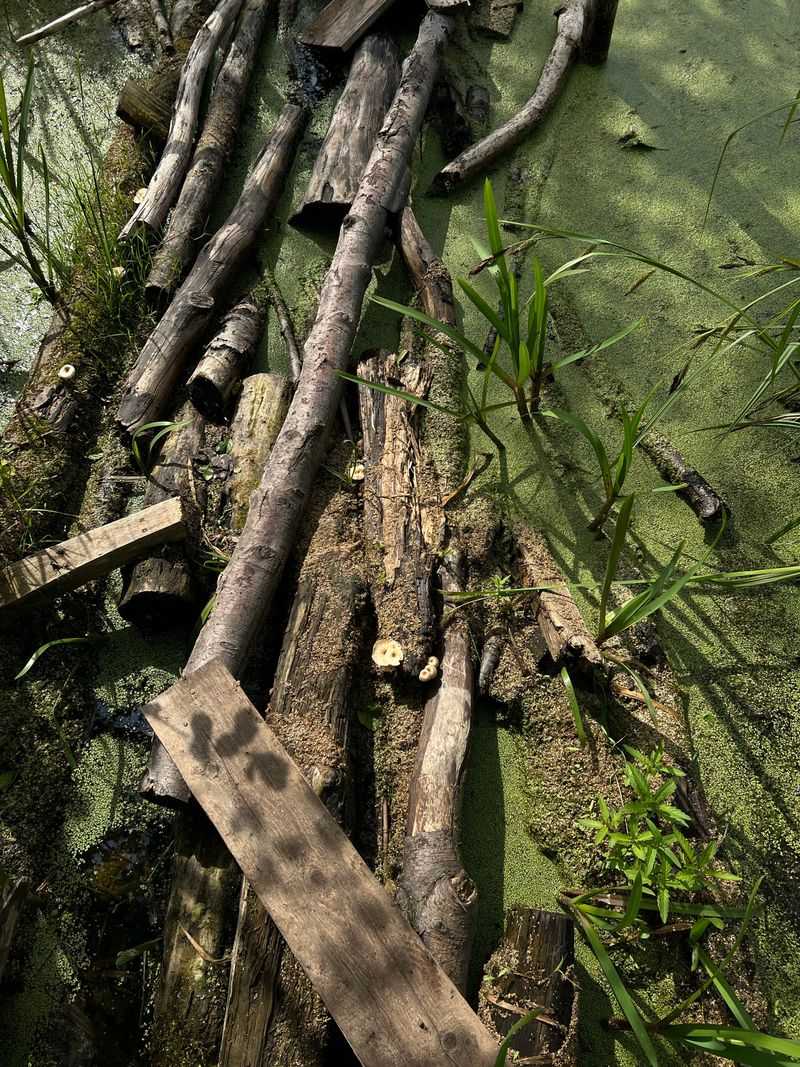
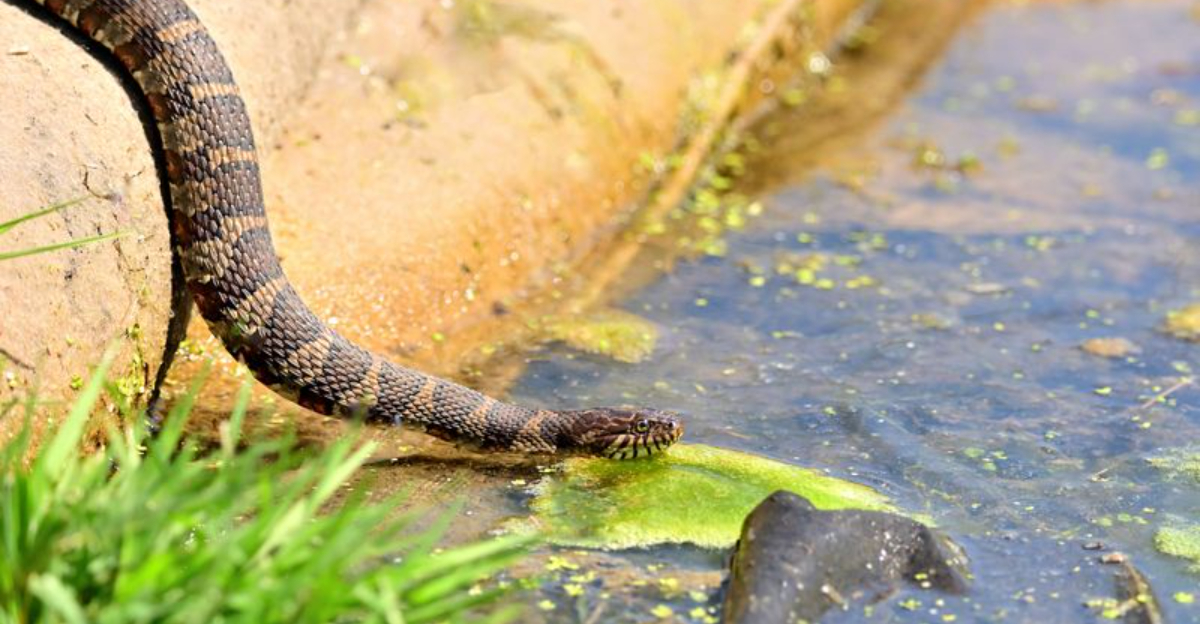
Also called water moccasins, cottonmouths are the species most tied to wet habitat here. Swamps, sloughs, oxbows, creeks, and pond margins all suit them.
Cottonmouths may rest on logs, banks, or floating debris near water. If you encounter one, give it plenty of space and do not approach it.
That tendency is exactly why supervision matters around Mississippi water. Keep your dog beside you near logs and shallow edges, and let any cottonmouth continue its afternoon undisturbed.
Give Snakes Plenty of Space
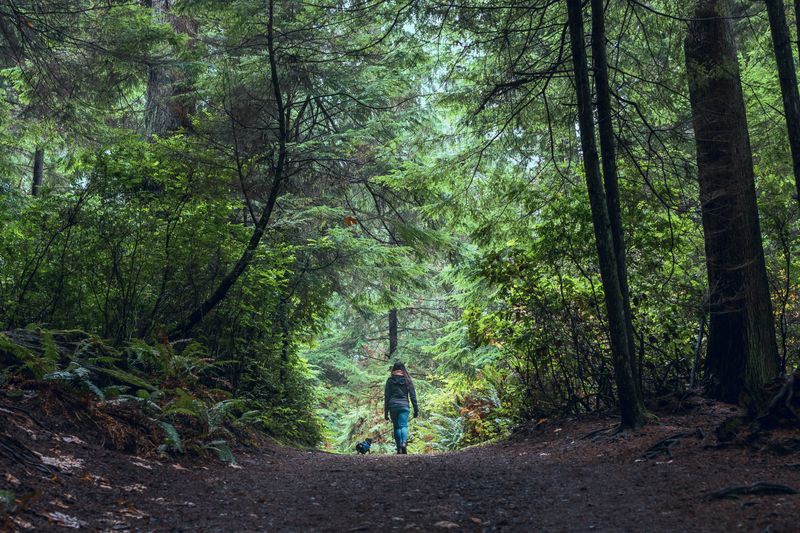
Distance solves almost every snake encounter. When you spot one, shorten the leash, turn, and walk your dog away without fuss.
Sudden shouting or stomping can startle everyone involved, including your dog. Calm and steady works better.
Snakes are not looking for confrontation. Given room, most will slide into cover within a minute or two.
Wait it out, take another route, and let the moment pass quietly.
Never Let Your Dog Chase a Snake
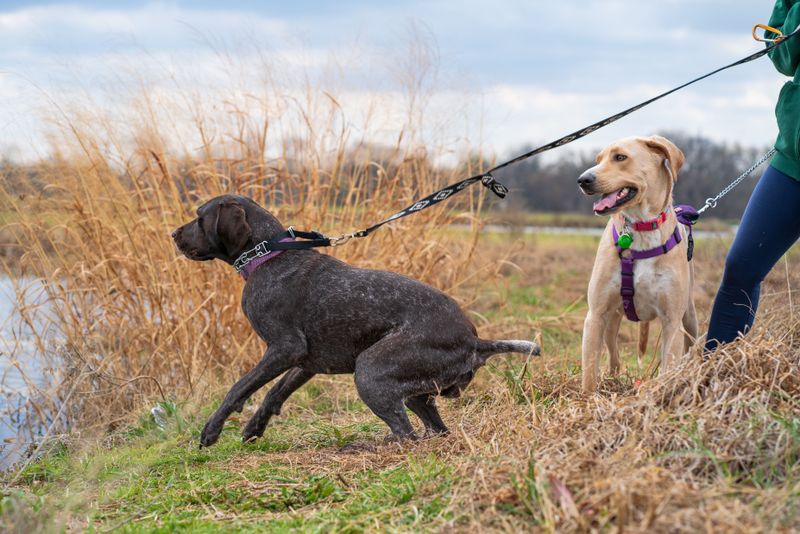
A quiet sighting becomes a problem the moment a dog gives chase. Cornered wildlife defends itself, and a snapping, spinning dog is hard to protect.
Bites to the face and front legs are the most common pattern in dogs for exactly this reason.
Keep the leash short in snake friendly areas. If your dog fixates, break the stare with movement and treats, then create distance immediately.
Use a Leash Near Unfamiliar Water
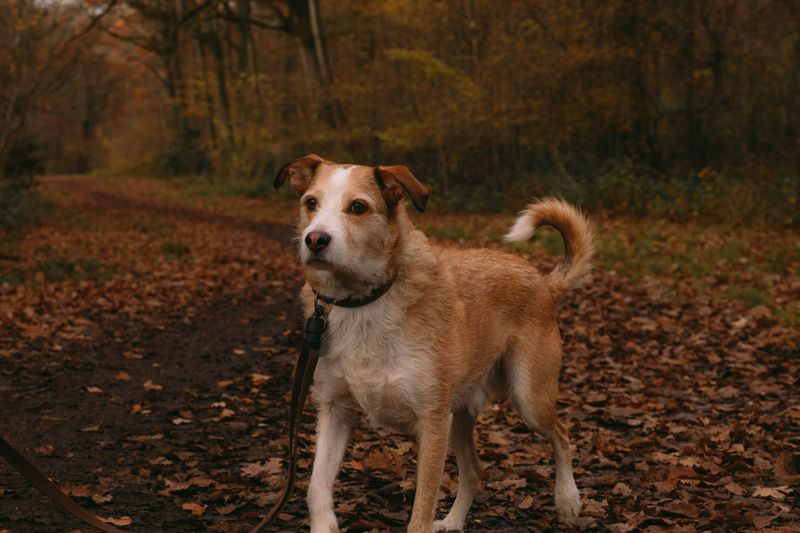
New water deserves a leash, every time. You do not know the banks, the cover, or what has been sunning there all morning.
A standard six foot lead beats a retractable one in brushy terrain. You keep your dog within arm’s reach and out of blind spots.
Once you have walked an area a few times and know its layout, you can relax. Start cautious, then loosen up gradually.
Keep Dogs Away From Logs and Rock Piles
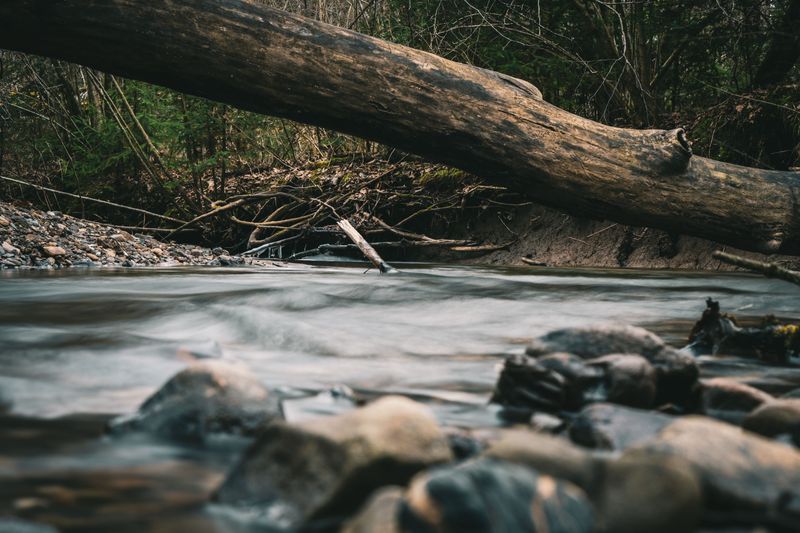
Gaps make good hiding spots. Rock piles, hollow logs, woodpiles, and old lumber stacks all offer cool, dark shelter close to water.
Let your dog look, but not stick its nose underneath. Redirect with a treat or a toy before curiosity wins.
Around your own pond, stacking firewood off the ground and away from the shore reduces attractive cover. Small property tweaks quietly lower the odds of a surprise meeting.
Teach a Reliable Leave-It Command
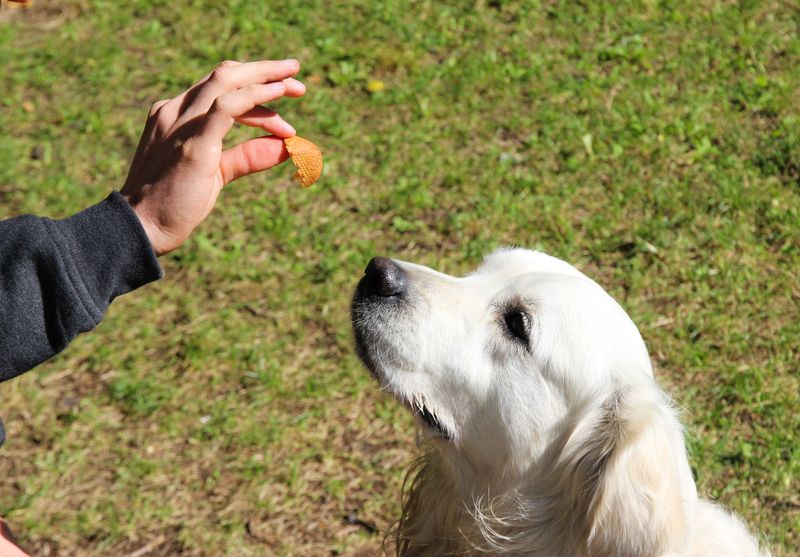
Few commands pay off like a solid leave it. When your dog turns away from something interesting on cue, you gain control instantly.
Practice indoors first with low value items, then add distractions outside. Reward generously and keep sessions short.
Recall matters just as much. A dog that returns when called can be pulled back from a bank before anything happens.
Training now, calm outings later.
What to Do If Your Dog Is Bitten
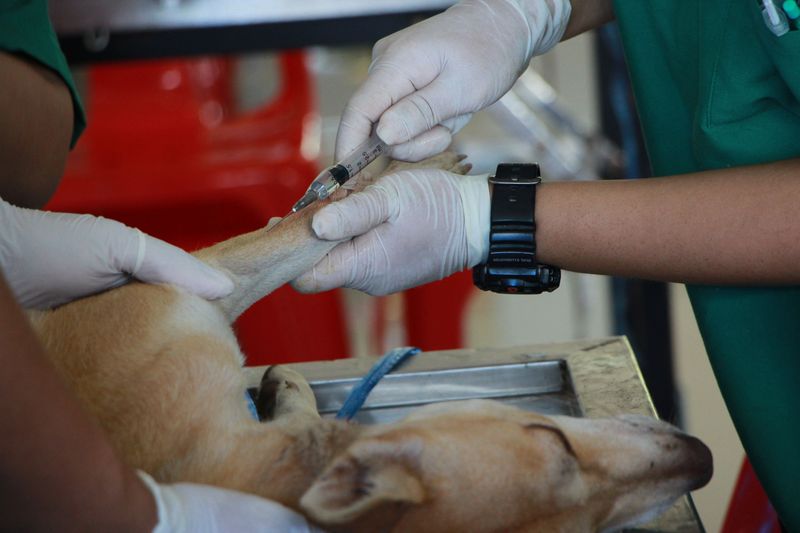
Suspected bite? Keep your dog still and quiet, then call your veterinarian or the nearest emergency clinic right away.
Carry your dog to the vehicle if you can safely manage the weight. Less movement is better.
Skip the old remedies. Do not cut the wound, attempt suction, apply ice, or use a tourniquet.
Professional care, including antivenom when appropriate, is the treatment that actually helps.
Know the Signs That Need Urgent Attention
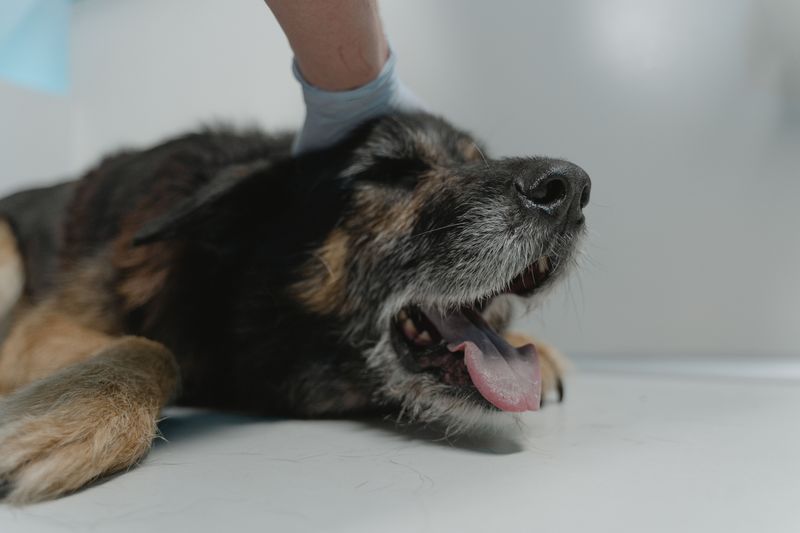
Possible signs after a venomous snakebite can include swelling, pain, bleeding, weakness, vomiting, or breathing problems.
Signs can vary and may not all appear immediately, so a suspected venomous bite should receive prompt veterinary attention rather than being monitored at home.
Treat any suspected venomous bite as an emergency rather than a wait and see situation. Your veterinarian can assess quickly and monitor for problems you cannot spot at home.
Do Not Handle or Kill the Snake
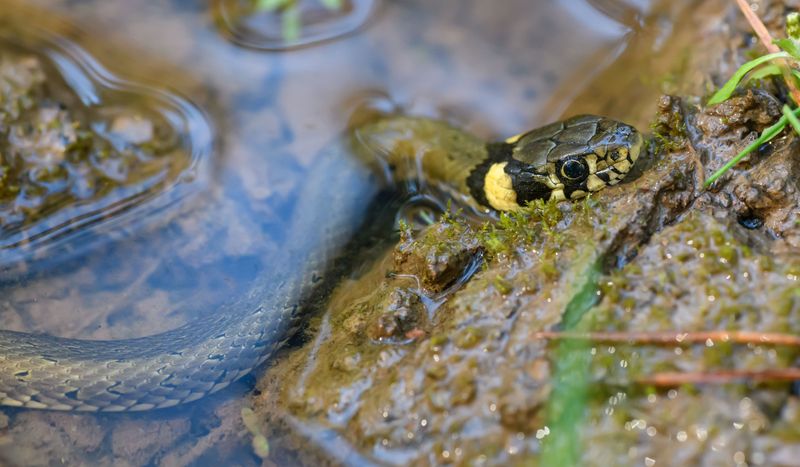
Trying to grab or dispatch a snake is how many people get bitten. Reflexive strikes happen fast, even from a wounded animal.
Step back instead. If it feels safe, snap a photo from several feet away using zoom.
A clear image or simple description helps your veterinarian, though treatment rarely depends on exact species. Your safety matters more than identification, so never approach for a better angle.
Keep Your Dog’s Vaccinations and Records Current
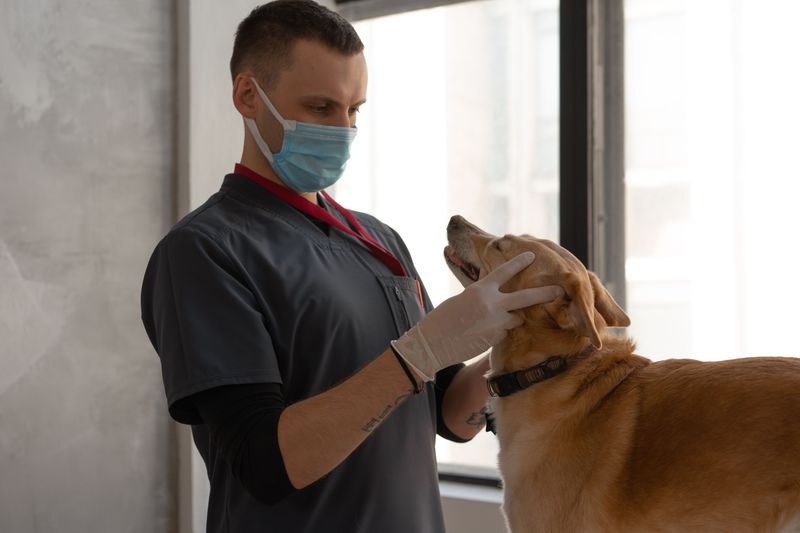
Emergencies run smoother when paperwork is ready. Current vaccination records, medication lists, and known allergies save time at an unfamiliar clinic.
Save your regular veterinarian’s number plus the closest after hours emergency hospital in your phone. Rural counties may mean a longer drive, so know the route.
Some owners may ask their veterinarian about rattlesnake vaccines. If you are considering one, discuss whether it is appropriate for your dog and understand that it should not replace prompt veterinary care after a suspected bite.
Make Water Adventures Safer
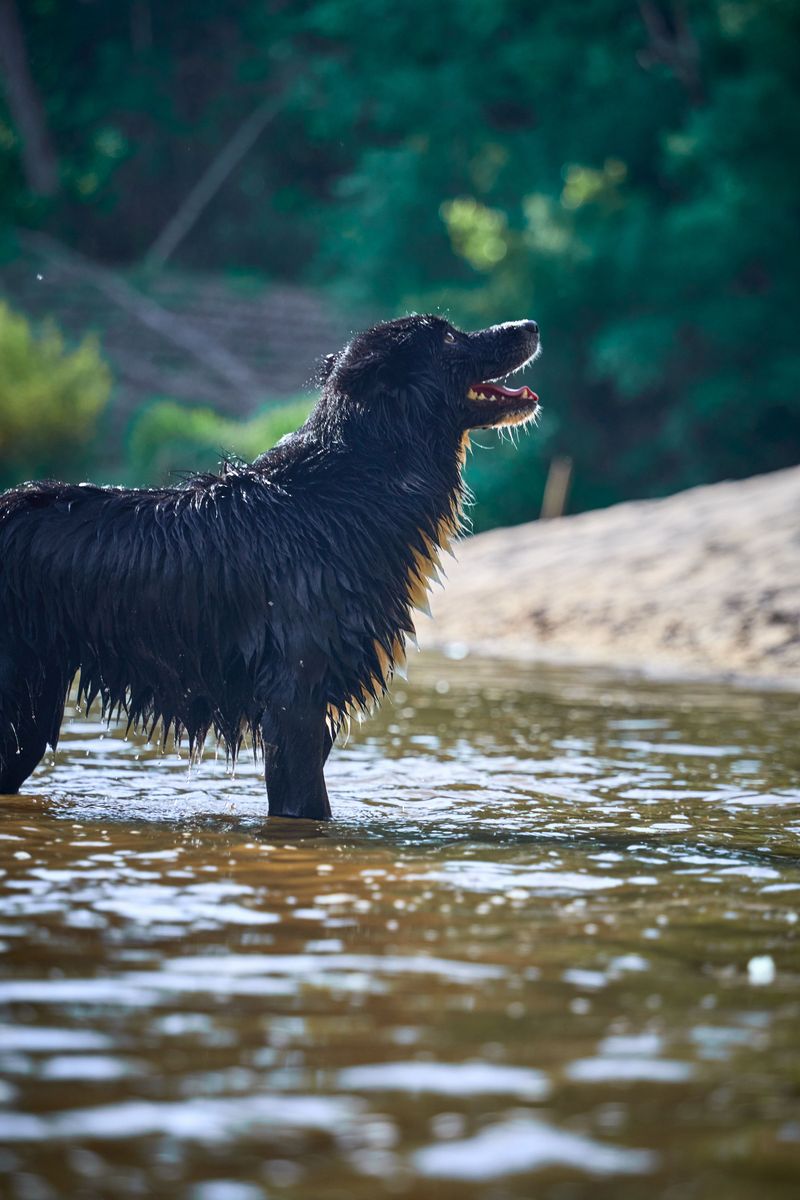
Good habits stack up. Scan the shoreline, check the brush, stick to open ground, and keep your dog where you can see it.
Go earlier or later when the ground is cooler, and bring the leash even if you rarely use it.
None of this ruins the fun. It just means you spend the afternoon watching your dog splash happily instead of worrying about what is nearby.