What New Mexico Dog Owners Should Know About Grass Awns And Burrs
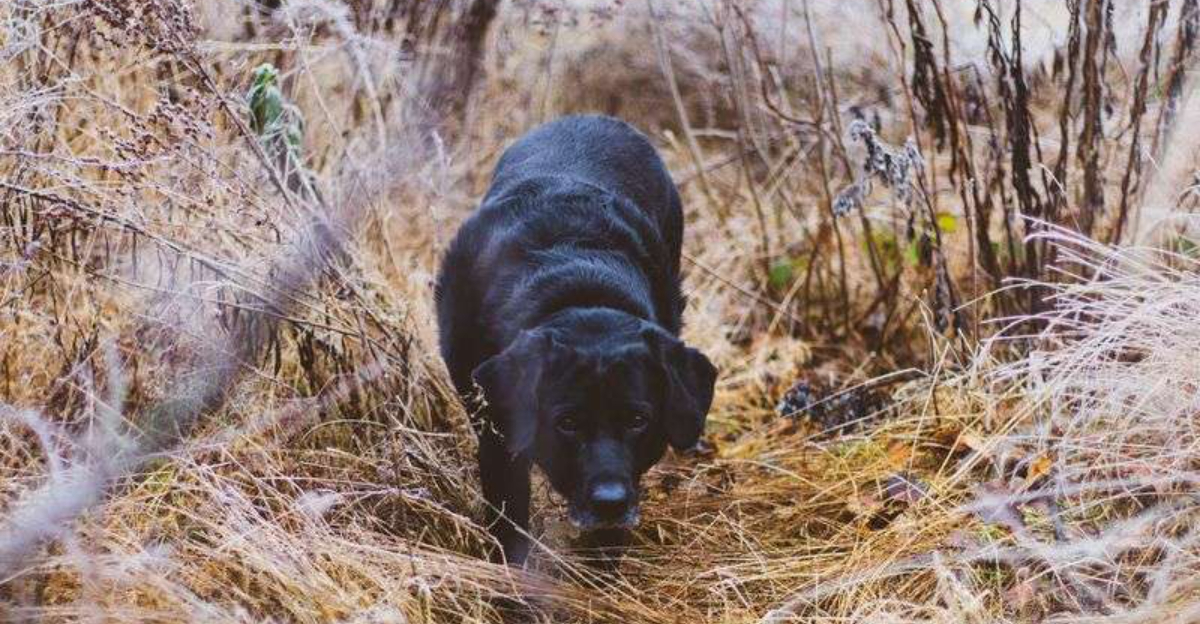
If your dog loves sniffing through dry grass along an arroyo or a neighborhood trail, this one is for you. New Mexico’s landscape is beautiful, but it also produces plenty of seed heads, spiky burrs, and brittle plant bits that cling to fur.
Most of the time, a quick check and a good brushing solve everything. Knowing what to look for, and when to call your vet, keeps outdoor time relaxed for both of you.
Why Grass Awns And Burrs Matter In New Mexico
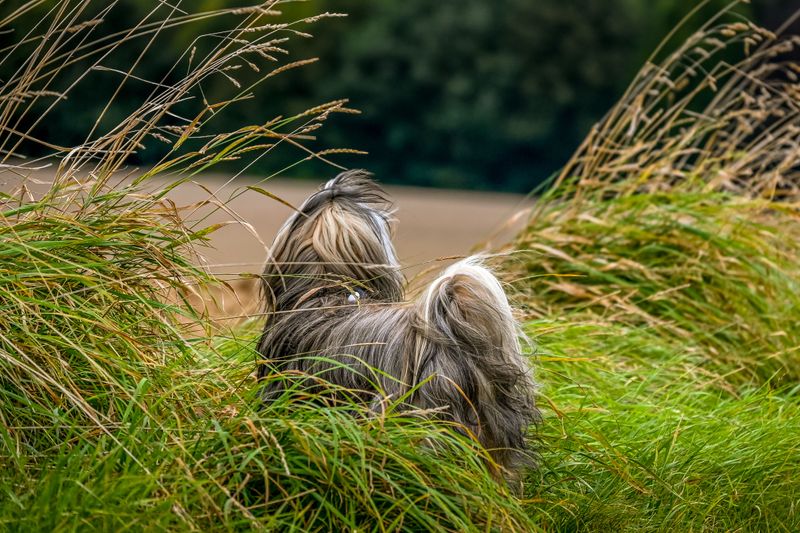
Those little seed heads look harmless sitting on a plant. Once they hitch a ride on a dog’s coat, they behave differently.
Many have tiny barbs that grip fur and slowly angle toward skin. Left alone, some settle into soft spots like armpits, ear flaps, or between toes.
Local yards, trails, and open lots all produce them. A little awareness turns a possible vet visit into a two minute grooming task.
Where Dogs Are Most Likely To Pick Them Up
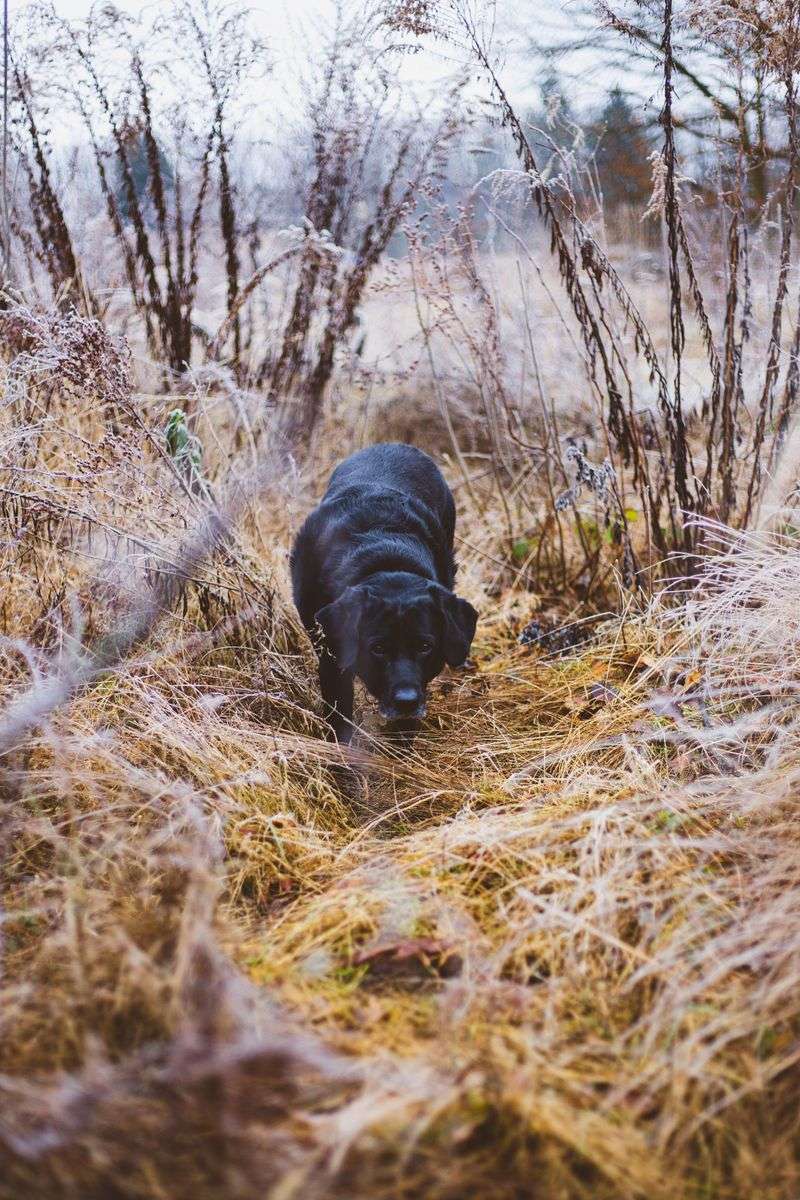
Grassy fields and weedy edges are the usual suspects. Trailheads, ditch banks, vacant lots, and park borders all collect loose plant material.
Dogs who love to nose through brush pick up more than dogs who stay on packed dirt.
After a walk through anything overgrown, assume something came along for the ride. Checking right away beats discovering it days later during a cuddle on the couch.
How Grass Awns Differ From Ordinary Burrs
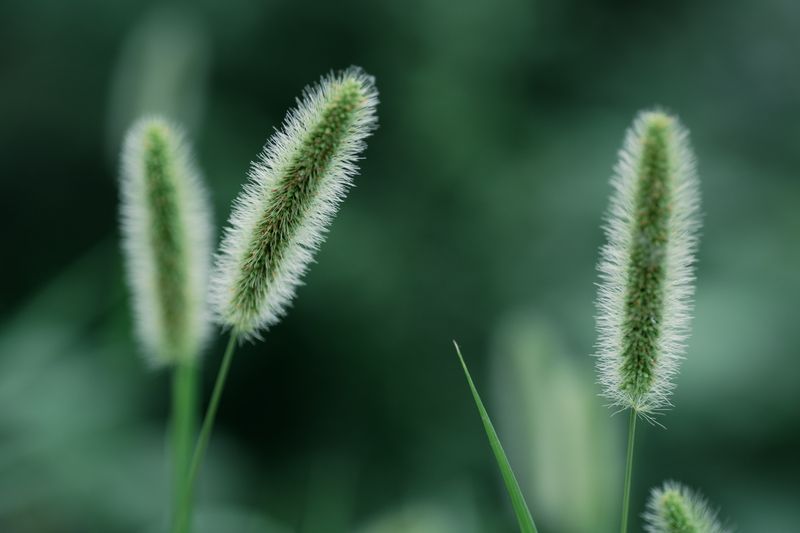
Not every piece of plant debris acts the same way. Burrs tend to be round or hooked, and they usually stay tangled in the coat’s surface.
Grass awns are often slender and may have backward-pointing structures that help them move through fur and tissue in one direction. Because of this design, some awns can become embedded and are harder to remove safely once they have penetrated the skin.
Because of that, awns deserve more caution. Burrs are messy, while awns can quietly work their way under fur and into skin.
Why New Mexico’s Dry Landscape Can Be A Concern
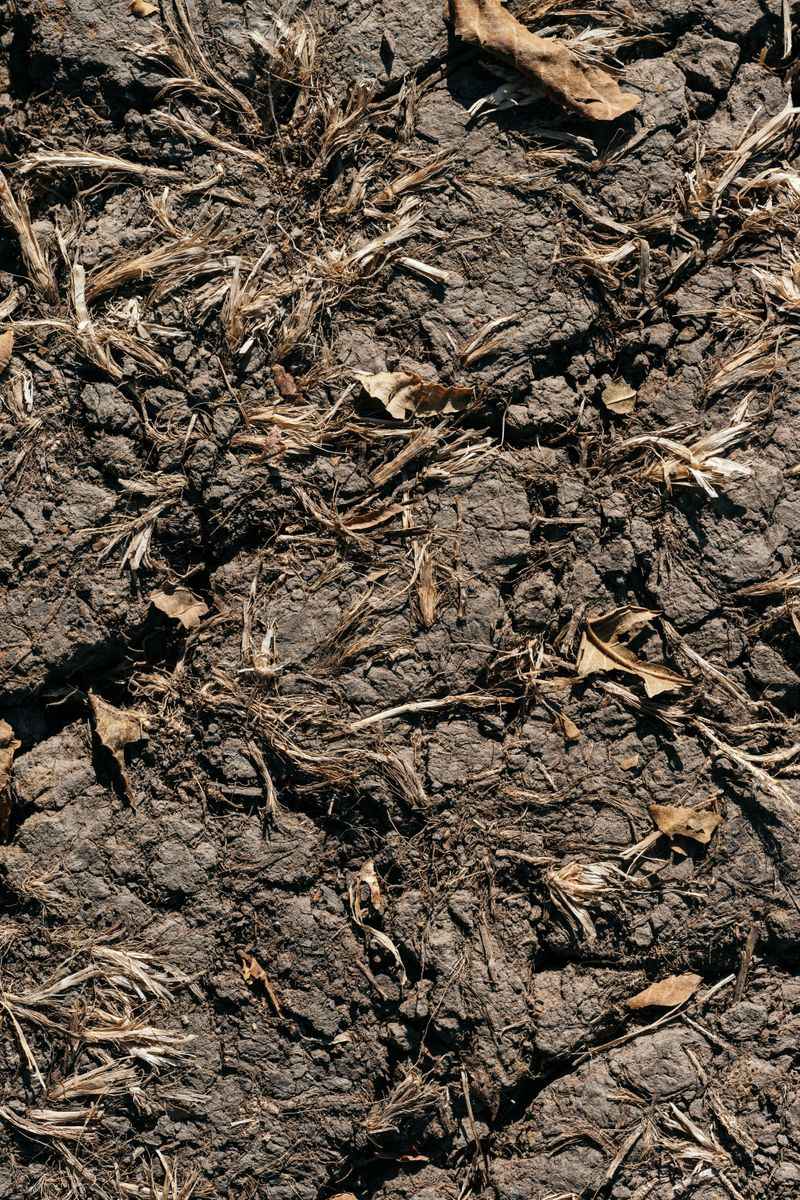
Dry heat does something predictable to grasses. Stems turn brittle, seed heads loosen, and plant pieces break away with the slightest bump.
The amount of loose plant material varies by plant species, season, and rainfall. Dry conditions can make mature grasses and seed heads more brittle and easier to pick up.
Windy days scatter debris across yards and sidewalks too. So even a short walk around the block can leave a few passengers tucked into your dog’s coat.
Check Your Dog After Outdoor Adventures
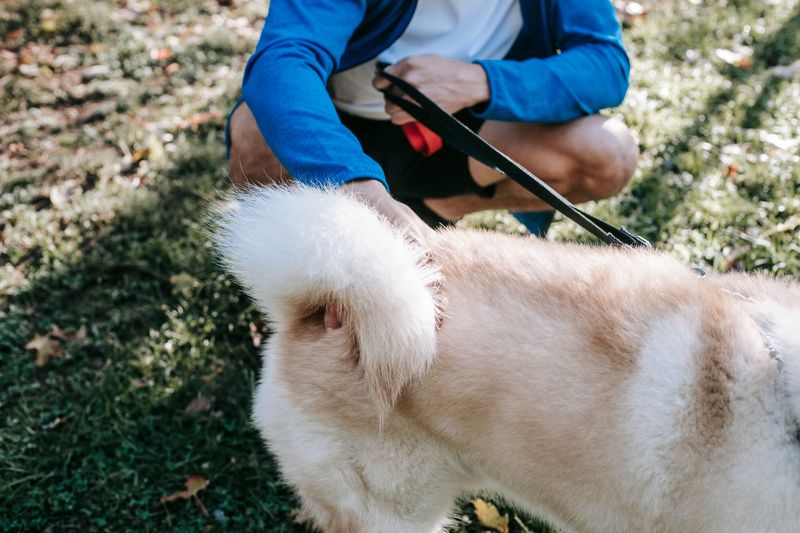
Think of it as a quick pat down, not a full exam. Run your hands slowly through the coat, moving with the fur and then against it.
Feel for small bumps, tangles, or anything crunchy. Pay attention to armpits, the groin area, the chest, and behind the ears.
Good light helps enormously. Sixty seconds outside your door often catches everything before it reaches the carpet or the bed.
Pay Extra Attention To Paws
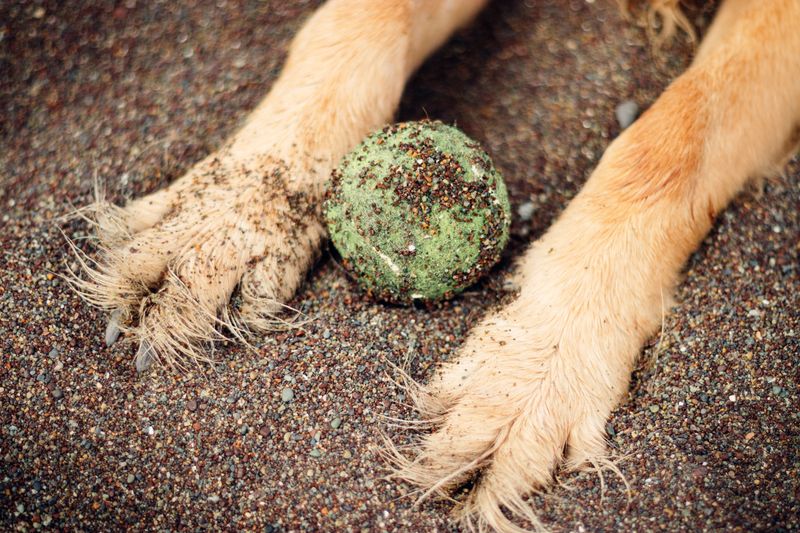
Paws take the most punishment on a desert walk. Awns and burrs slip between toes, wedge beside pads, and hide near the nails.
Gently spread each toe and look at the webbing. Limping, licking, or refusing to put weight down are useful clues.
Fun bit of trivia: many vets say paws are the most common spot they find plant material. Habit checks here pay off fastest.
Ears Can Be Particularly Sensitive
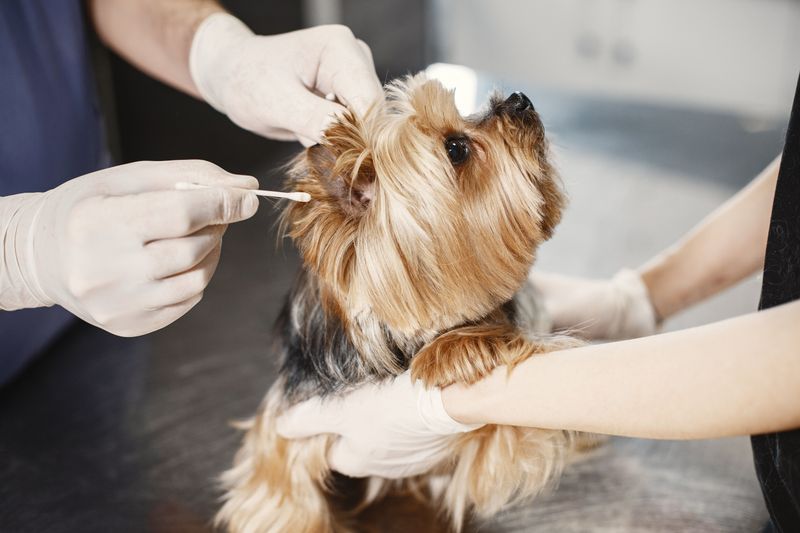
Ears are folded, warm, and open to whatever brushes past them. Plant material can catch on the outer flap or slip toward the canal.
Head shaking, tilting, pawing at one ear, or sudden whining after a walk all deserve a look.
Lift the flap and check the visible area only. Never poke anything into the canal.
Deeper concerns belong in your veterinarian’s capable hands.
Don’t Forget Between The Toes
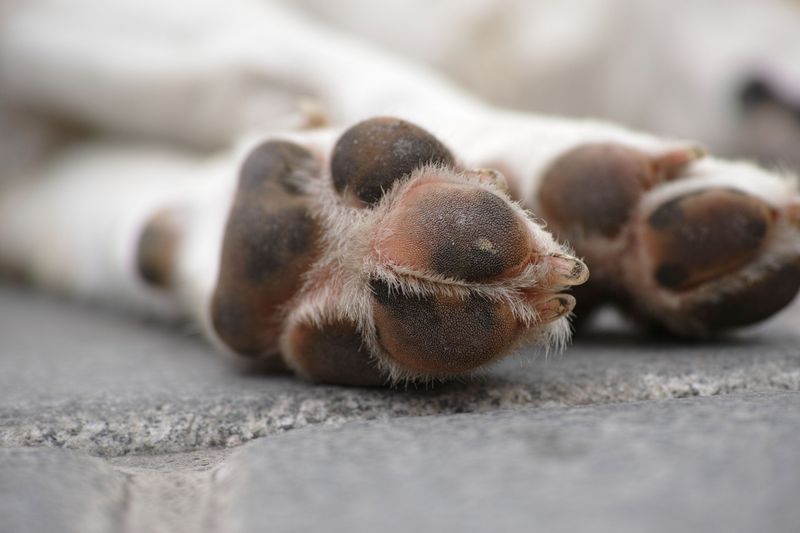
Toe webbing is a natural pocket. Small fragments settle there and stay hidden under tufts of fur.
Breeds with hairy feet, like retrievers, spaniels, and many shepherd mixes, collect the most.
Separate each toe and look at the skin, not just the fur. A comb helps lift debris out gently.
If your dog fusses, go slower and offer a treat between paws.
Long Fur Can Hide Plant Debris
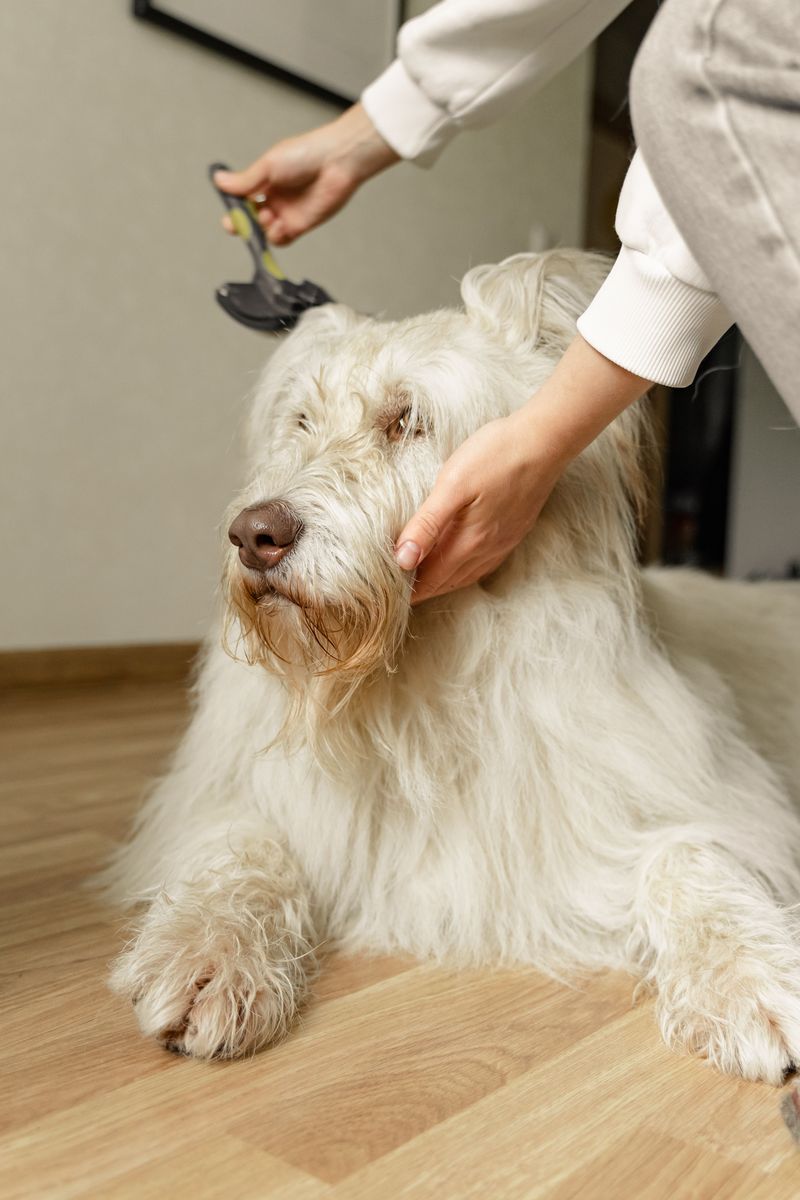
Thick coats work like velcro. A dozen burrs can disappear into feathering along the legs, tail, and belly without anyone noticing.
Brushing right after outdoor time solves most of it. A slicker brush and a metal comb make short work of surface debris.
Owners of long haired dogs often keep a brush by the back door. Simple placement turns good intentions into an actual routine.
Watch For Changes In Your Dog’s Behavior
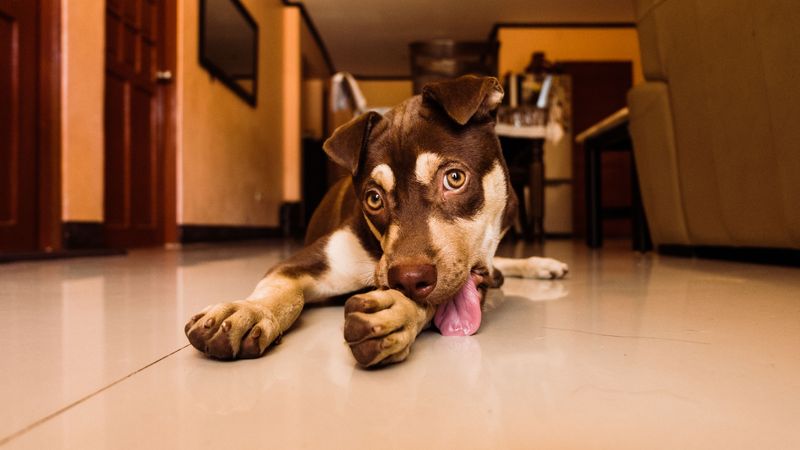
Dogs tell you plenty without a sound. Sudden fixation on one paw, ear, or patch of skin usually means something is bothering them.
Repeated licking, scratching, rubbing against furniture, or scooting can all point to trapped plant material.
Pay attention if your dog repeatedly focuses on the same area, especially if there is swelling, tenderness, discharge, persistent licking, or another noticeable change. If you suspect something is embedded, contact your veterinarian rather than waiting for a specific amount of time.
When You Should Avoid Pulling At Something
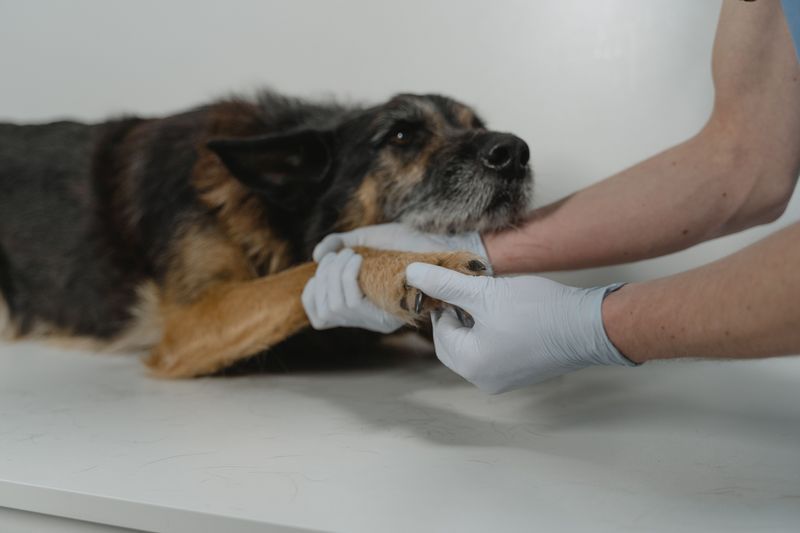
Here is where restraint matters. If plant material sits below the skin surface, or your dog flinches sharply, stop tugging.
Repeated pulling can break the piece and leave part behind. Swelling, discharge, increasing redness, warmth, or tenderness can be signs that the area needs veterinary attention.
Veterinarians have proper tools, lighting, and sedation options when needed. Making that call early usually means a simpler visit.
Grooming Can Help Prevent Problems
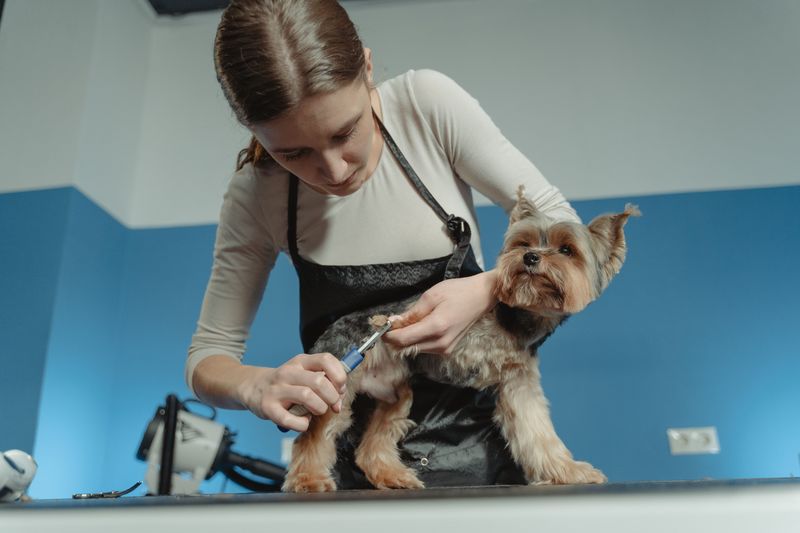
Regular grooming does quiet prevention work. Brushed coats hold less debris, and tangle free fur is easier to search by hand.
Trimming the hair between paw pads and around the ear openings makes inspections faster. A groomer can do it neatly if you would rather not.
Mats deserve attention too, since they trap fragments against skin. Shorter, tidier fur simply gives awns fewer places to hide.
Make Outdoor Checks Part Of Your Routine
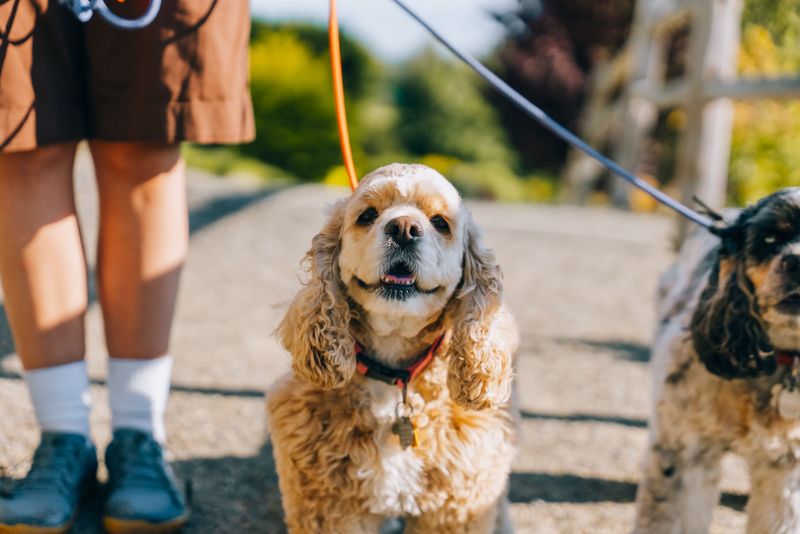
Routines beat willpower every time. Tie the check to something you already do, like unclipping the leash or filling the water bowl.
Work in the same order each visit: paws, legs, belly, chest, ears, tail, then the whole coat.
Most dogs learn to enjoy it, especially with a treat waiting. Two or three minutes on the porch keeps small problems small.
Choose Walking Areas Carefully
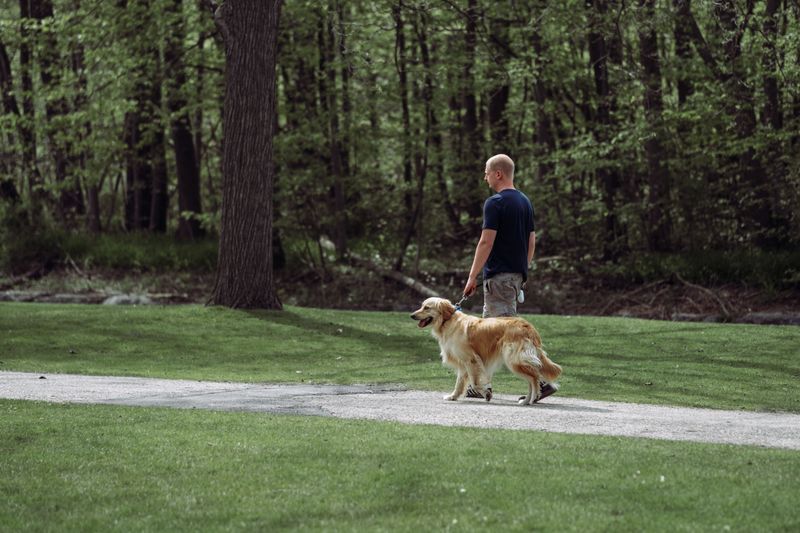
Route choice quietly reduces risk. Maintained trails, gravel paths, and mowed park edges hold far less loose seed material than weedy shoulders.
During dry stretches, steering around waist high grass makes a noticeable difference.
Keeping the leash a bit shorter near overgrown patches helps too. Your dog still gets the sniffs, sunshine, and exercise, just with fewer souvenirs stuck in the fur.
Keep Your Yard Free Of Excessive Weeds
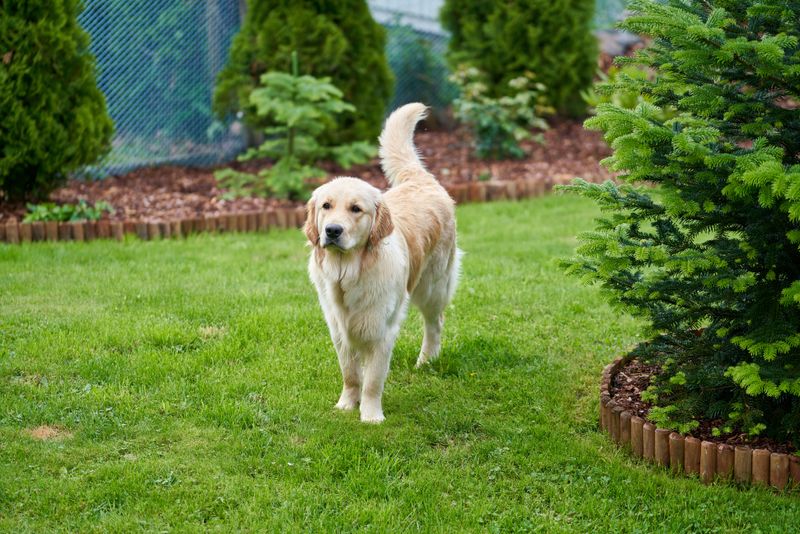
Home turf counts as much as the trail. Fence lines, side yards, and neglected corners grow the exact grasses that shed troublesome seeds.
Mowing or trimming before plants go to seed cuts the supply dramatically. Clearing dried clippings helps as well.
Ask your city or county office about weed guidance if you are unsure. Some New Mexico municipalities have property maintenance rules that vary locally.
What To Do If You Notice Something Embedded
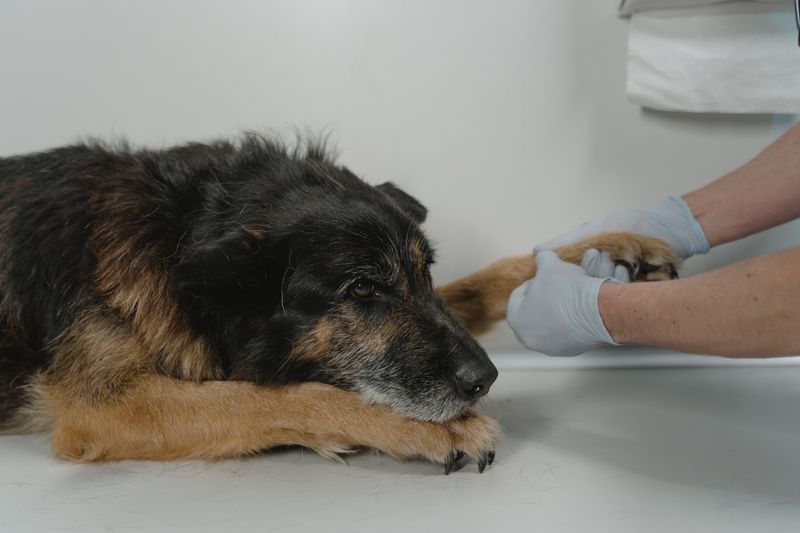
Resist the urge to solve everything at home. If a piece looks embedded, sits in an ear or eye area, or hurts to touch, book a visit.
Tell your veterinary team what you found, where it is located, and when you first noticed it. A photo may also be useful when contacting the clinic, although an in-person examination may still be necessary.
Early attention usually means a straightforward fix. Waiting rarely improves things, and your vet would much rather see you sooner.