What North Carolina Dog Owners Should Know About Hurricanes, Flooding, And Emergency Planning
If you live in North Carolina, storm season is simply part of life here. From the Outer Banks to the Piedmont, heavy rain and flooding can change plans fast.
The good news is that a little planning goes a long way for your dog. A packed kit, current tags, and a clear route make stressful days feel manageable.
Here is what every local dog owner should have sorted out well before the next watch or warning appears.
1. Write Your Dog Into The Household Plan
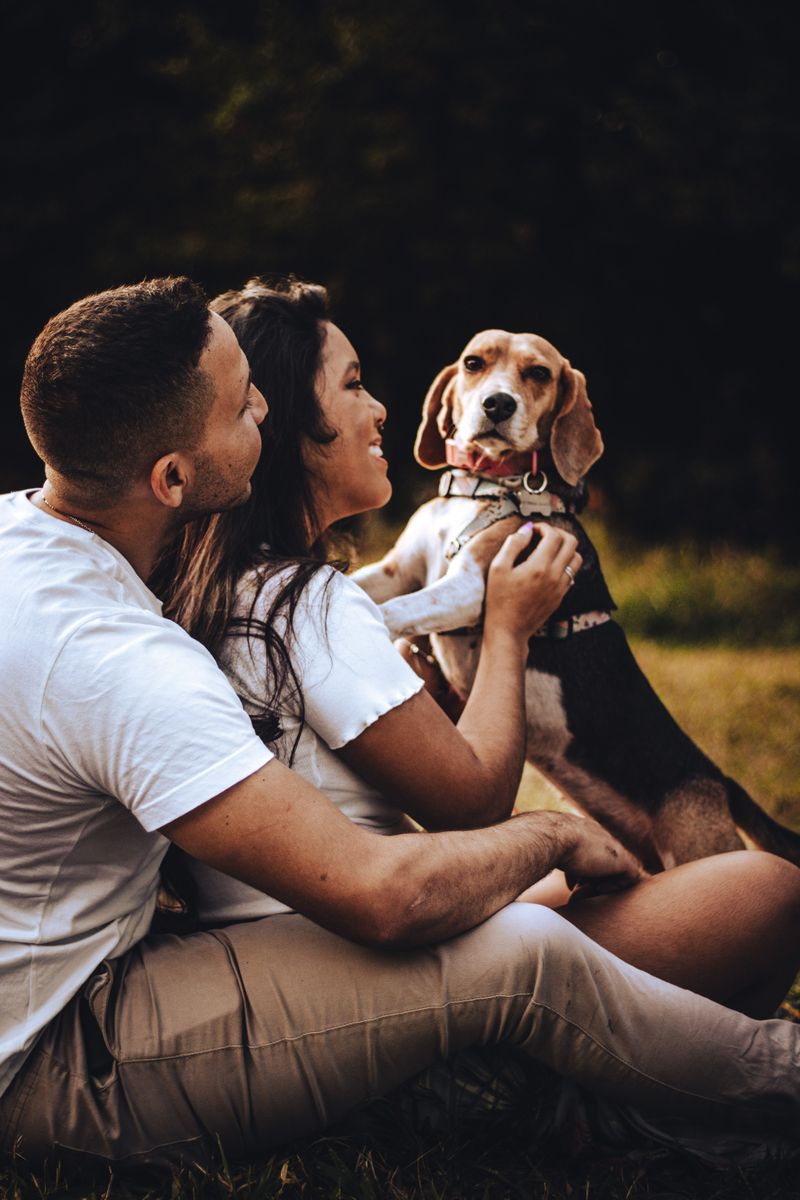
Most families map out where to meet and who to call, then forget the dog on the list. Your plan should name where your dog goes, who drives, and which supplies travel.
Ready NC and the NC Department of Public Safety both offer pet planning templates worth reviewing.
Write it down and post a copy on the refrigerator. Everyone in the house should know the steps by heart.
2. Never Leave Without Them
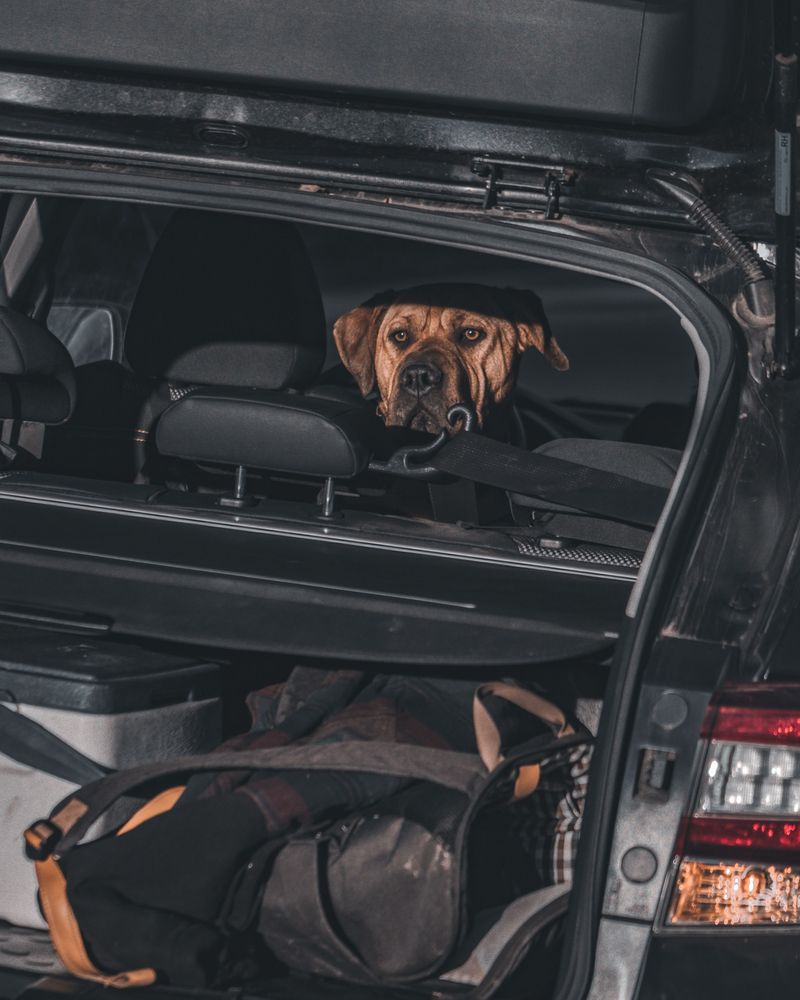
The rule from emergency officials is short and clear: if it is not safe for you, it is not safe for your dog.
Homes can flood quickly, and roads may close behind you. A pet left inside could become lost or stranded for days.
Load your dog first, before the last bags. Doing so removes the temptation to leave without them when time runs short.
3. Look Up Your Know Your Zone Color
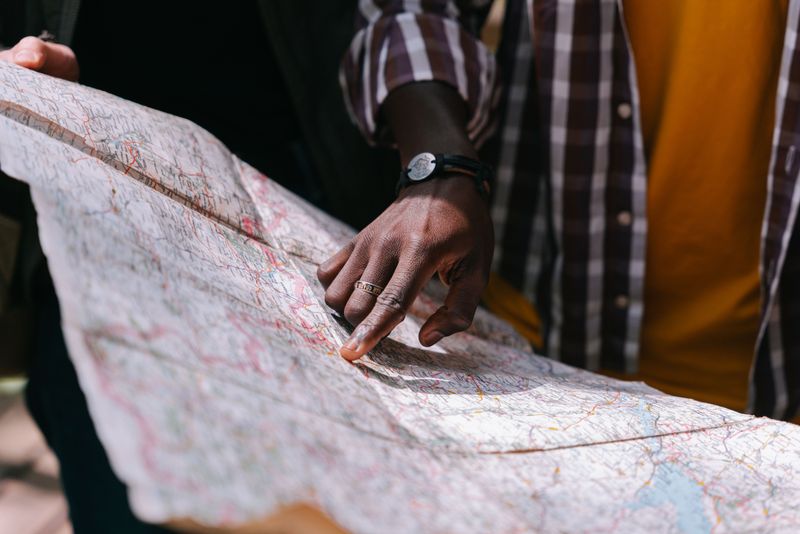
North Carolina uses a color-coded system called Know Your Zone along the coast. Enter your street address in the online lookup tool to find your letter.
Zone A usually leaves first, since storm surge reaches those areas soonest.
Local officials decide which zones move. Knowing your color ahead of time means you hear the announcement and act, instead of searching for answers.
4. Find Out Which Shelters Welcome Dogs
Plenty of public shelters and hotels accept only service animals. The federal PETS Act requires state and local plans to address pets, so some counties open pet-friendly or co-located shelters.
Pet areas are often separate from where people sleep, occasionally at another site.
Call ahead. Build a short list of pet-friendly hotels, boarding kennels, and clinics along your route, and confirm each policy yourself.
5. Stock Food And Water For A Week
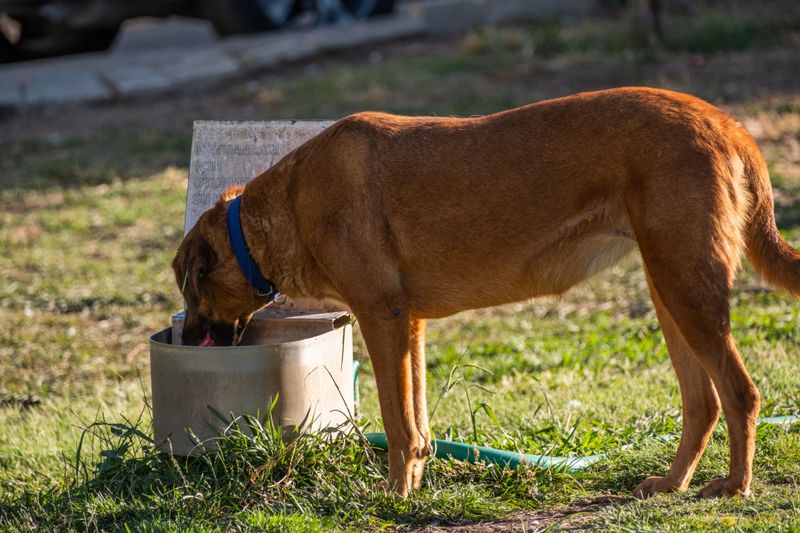
Three days is the minimum, and seven is better if you have the space.
Airtight, waterproof containers keep kibble dry when humidity climbs. Pop-top cans save you from hunting for an opener, though a manual one is handy backup.
Plan at least one gallon of water per pet per day.
Rotate the supply every few months so nothing sits past its date.
6. Refill Medications Before The Forecast Turns
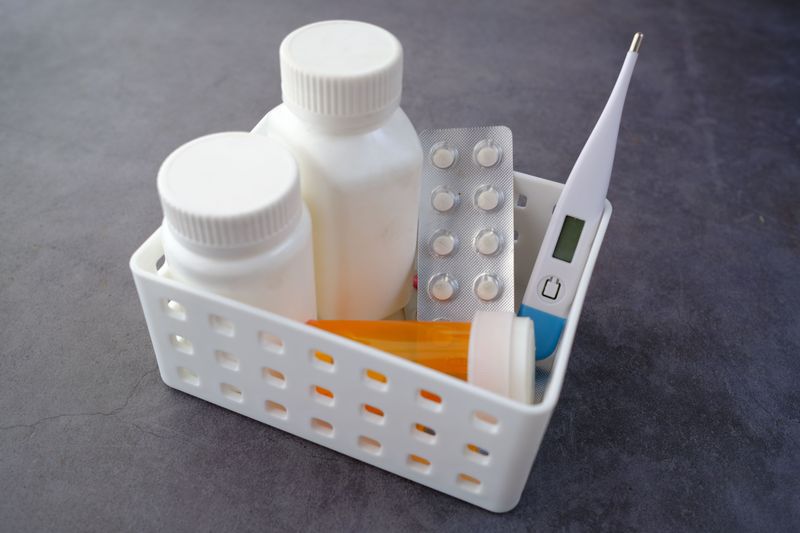
Pharmacies and veterinary offices may stay closed for several days after a storm passes.
Aim for a two-week backup of anything your dog takes regularly, stored in a sealed waterproof case.
Tuck in a written note listing each medication, the dose, and the schedule. Ask your veterinarian about refill timing early in the season.
Heartworm and flea prevention count too, so include those.
7. Seal Up The Paperwork
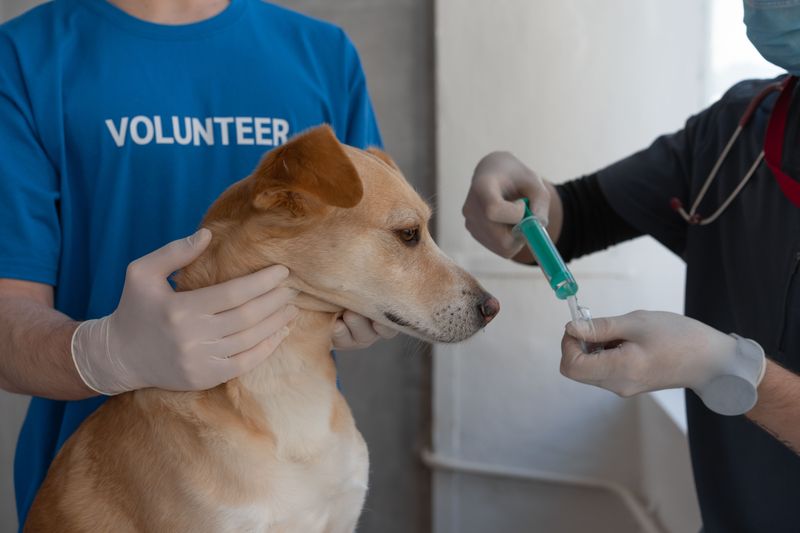
Boarding kennels and many shelters ask for proof of current vaccinations before they take your dog.
Gather rabies records, medical history, and your veterinarian’s phone number into one waterproof pouch.
Snap photos of everything and email them to yourself as backup. Cloud copies survive things paper cannot.
A single folder saves you from digging through drawers while the wind picks up outside.
8. Double Check Tags And Chip Details
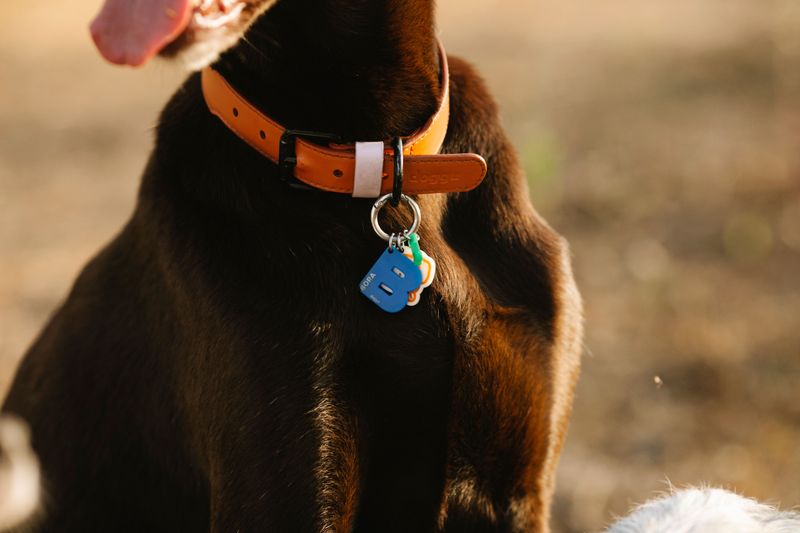
A collar tag is the fastest way for a neighbor to reach you.
Include your dog’s name, a working phone number, and any urgent medical need. Microchips add permanent backup, but only if the registry has your current address.
Log in and verify the details today. Registries do not update themselves when you move or switch carriers.
Check that the collar still fits properly.
9. Print Photos You Can Actually Hand Someone

Phone batteries fade, and shelter Wi-Fi is unreliable.
Keep printed pictures of your dog with your supplies, including one clear shot of the two of you together. That photo helps prove ownership if you get separated during a busy evacuation.
Capture distinctive markings, ear shape, and coat color from a couple of angles.
Write your dog’s name, breed, and weight on the back.
10. Pack A Strong Leash, Harness, And Crate
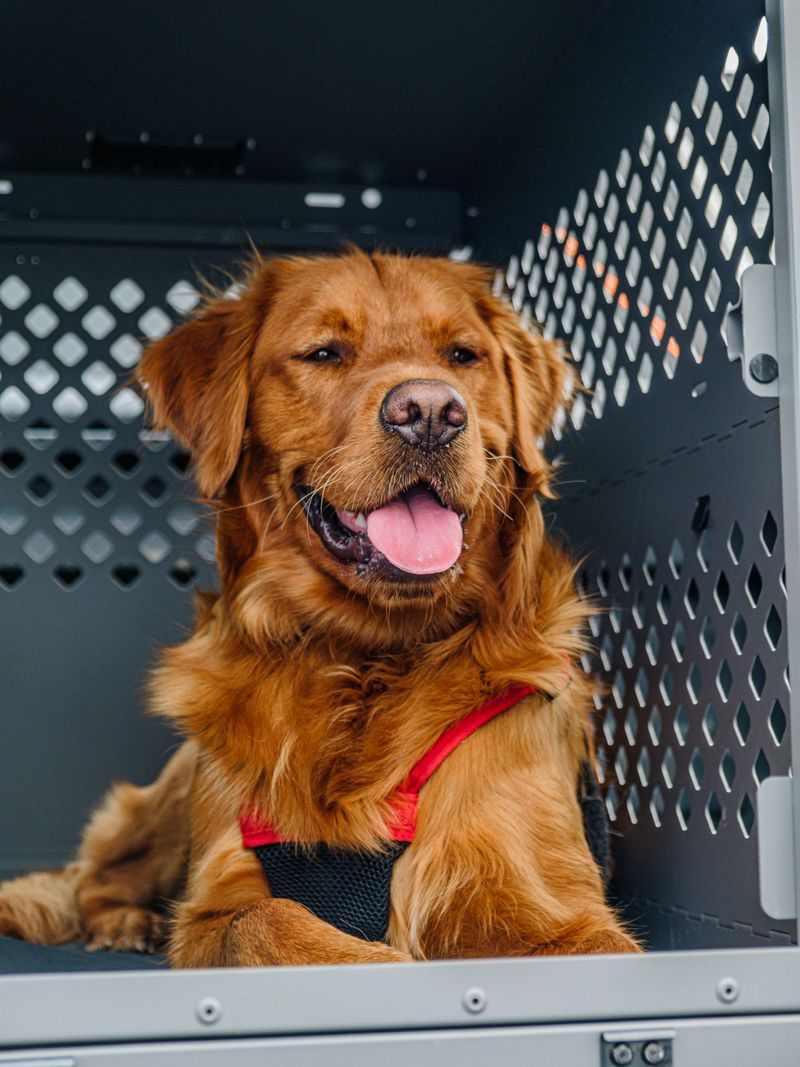
Frightened dogs pull harder than usual, and a worn clip can give way at the worst moment.
Include a sturdy leash and a well-fitted harness for each dog. Carriers should let your dog stand and turn around comfortably.
Introduce the crate weeks ahead with treats and short naps inside.
Label it with your name, number, and your dog’s feeding notes.
11. Bring Everyone Inside At The First Warning
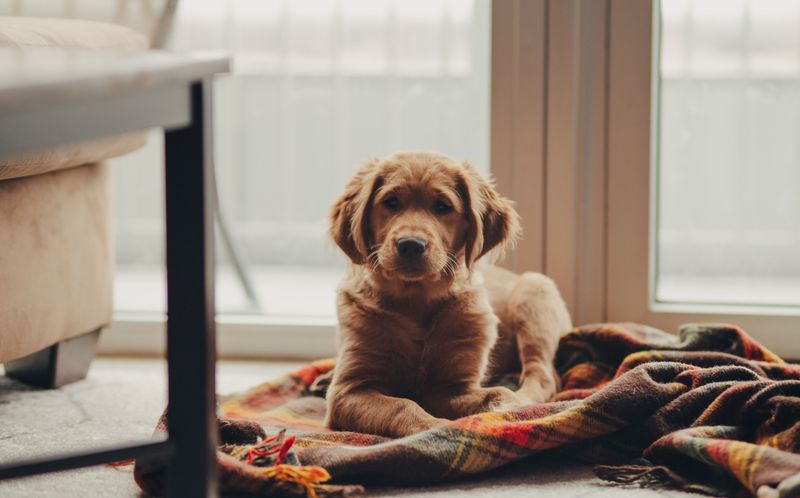
Pets should come indoors as soon as a watch or warning is announced.
Leaving a dog outside or tied up during a hurricane is never safe. Wind shifts, water rises, and fencing fails.
If you shelter in place, pick an interior room away from windows.
Keep outdoor trips short and leashed, steering clear of debris and slick, unstable ground.
12. Line Up A Reliable Backup Caregiver
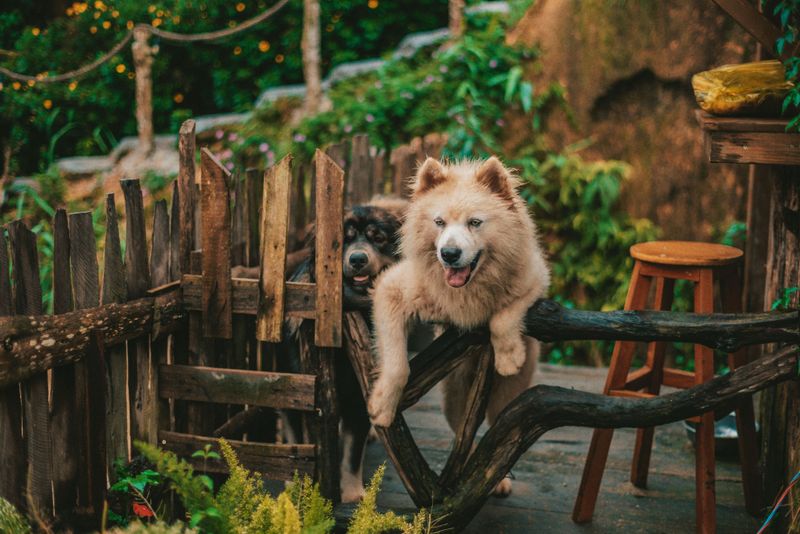
Work trips and hospital visits do not check the forecast first.
Set up a buddy system with a neighbor, friend, or relative who can reach your home quickly. Give them a key, your dog’s routine, and the location of the emergency kit.
Introduce them to your dog now, not during a crisis.
Trade the same favor for their pets, and both households sleep easier.
13. Do A Practice Run In Spring
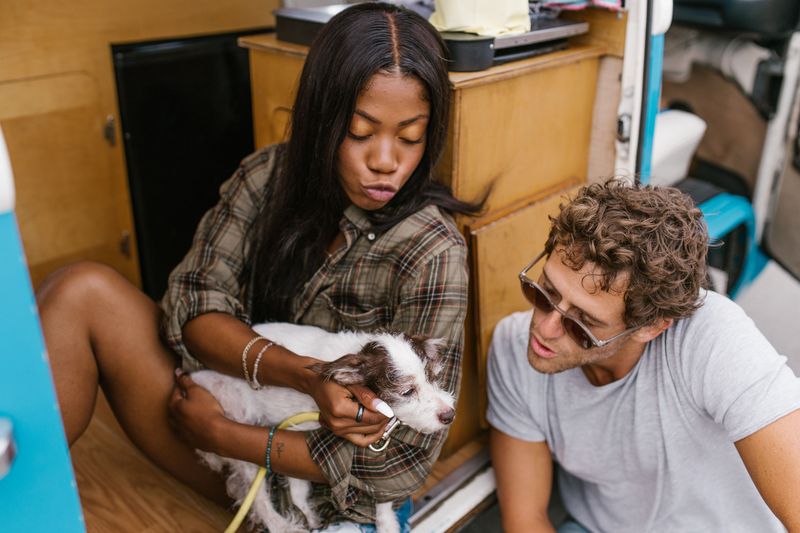
Hurricane season starts in June, so late spring is the sweet spot for a rehearsal.
Walk through the whole thing: crate loading, kit in the trunk, dog buckled and settled. You will spot problems while they are easy to fix.
Time yourself once, then try again.
Dogs read our energy, and a familiar routine keeps their nerves steadier on the real day.
14. Map A Backup Route, Then Another
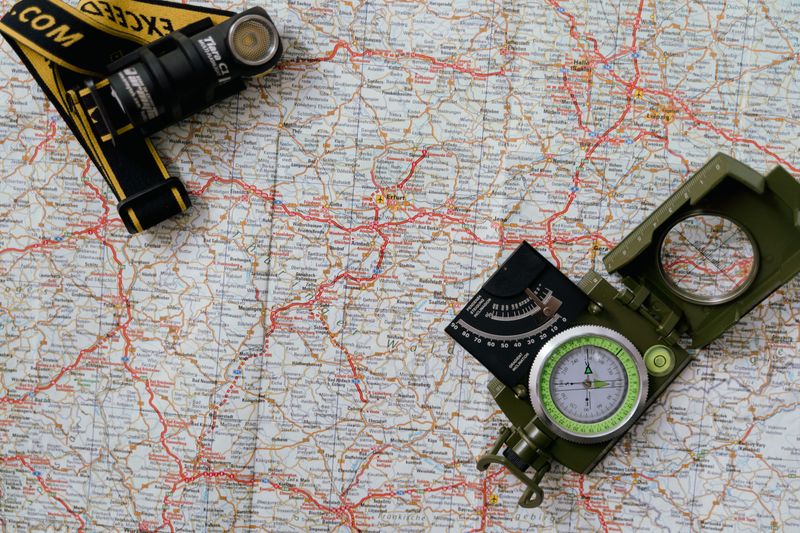
One flooded underpass can undo an entire travel plan.
Sketch a primary route and at least one alternate before the season begins. Marked evacuation routes usually have more emergency staffing, which helps if you break down.
DriveNC.gov posts real-time road conditions and closures across the state.
Note pet-friendly stops along each option, since long delays are common during large evacuations.
15. Lean On State Flood Monitoring Tools
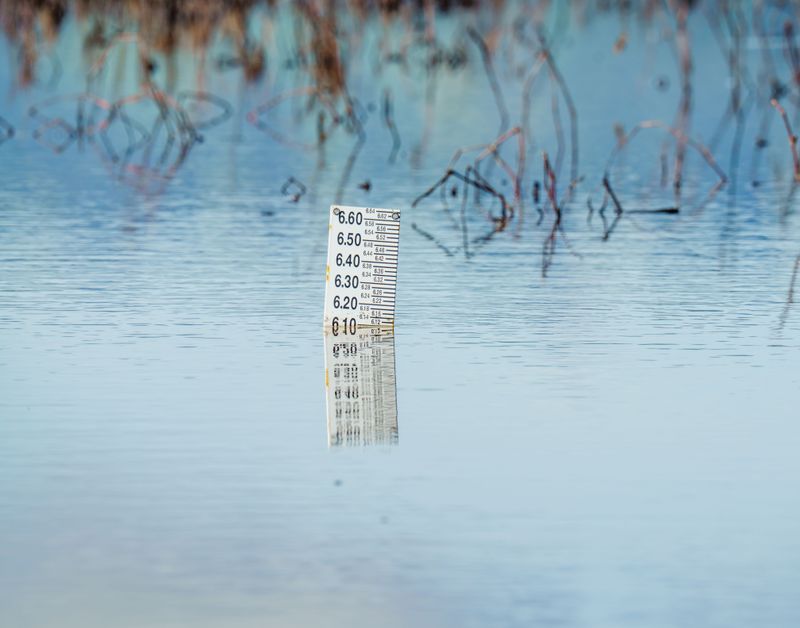
North Carolina runs a flood mapping and monitoring program with river gauge data and inundation maps.
Check whether your street, your usual walking trail, or your veterinarian’s office sits in a flood-prone area.
Pair that with local emergency alerts and county social media updates.
Officials give the final word on evacuating or staying put, so follow their instructions over any app forecast.
16. Steer Clear Of Standing Water
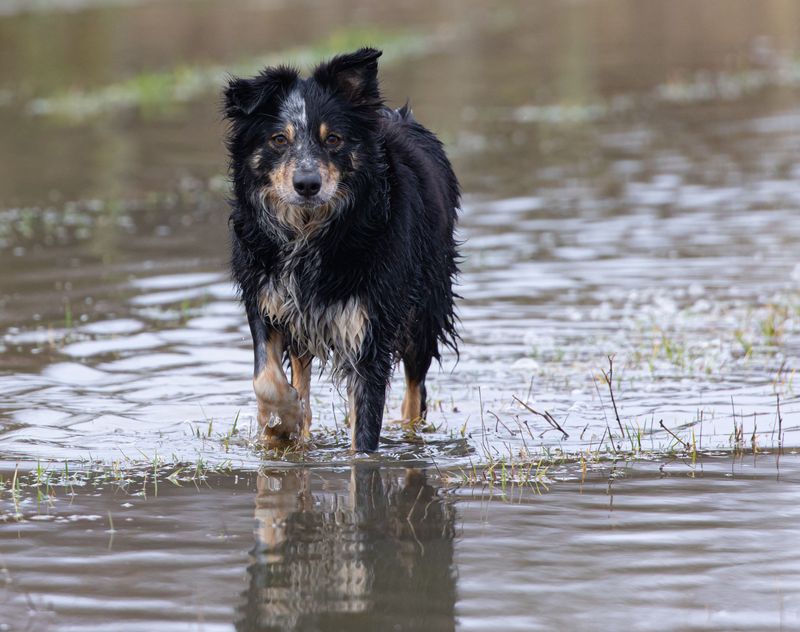
Floodwater looks like an inviting puddle to a curious dog.
What is actually in there can include bacteria, fuel, fertilizer, sharp debris, and unseen drop-offs. Never let your dog drink it or wade through.
Carry fresh water on every walk until the yard dries out.
If paws get wet, rinse and dry them, then call your veterinarian about any concerns.
17. Expect Wildlife In Unusual Places
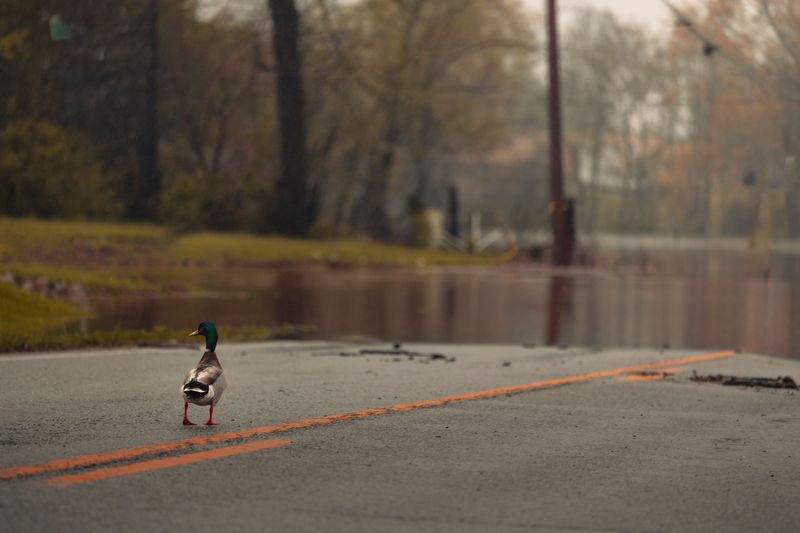
High water pushes snakes, raccoons, and other animals out of their usual spots.
They often turn up in yards, garages, woodpiles, and under porch steps. Stressed wildlife may act unpredictably around a curious dog.
Scan the yard before opening the door, and keep walks on open pavement for a while.
Report injured or cornered animals to animal control instead of handling them.
18. Keep The Leash On Longer Than Feels Necessary
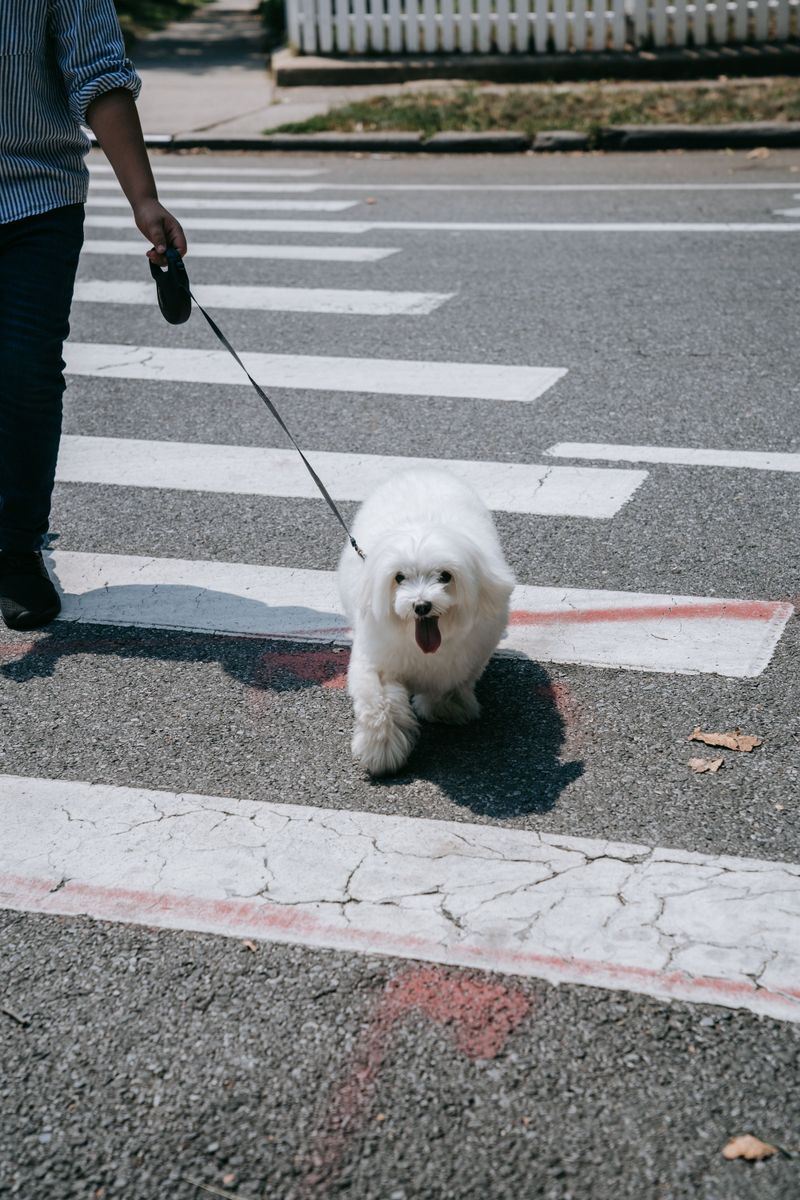
Storms rearrange the world dogs navigate by scent.
Familiar fences may be down, and scent markers get washed away, so even a reliable dog can wander off course. Downed power lines and nails in debris add real hazards.
Stay leashed for outdoor time until the neighborhood is cleared and fencing is repaired.
Short, calm walks help your dog settle back into routine.
19. Walk The Yard Before The Dog Does
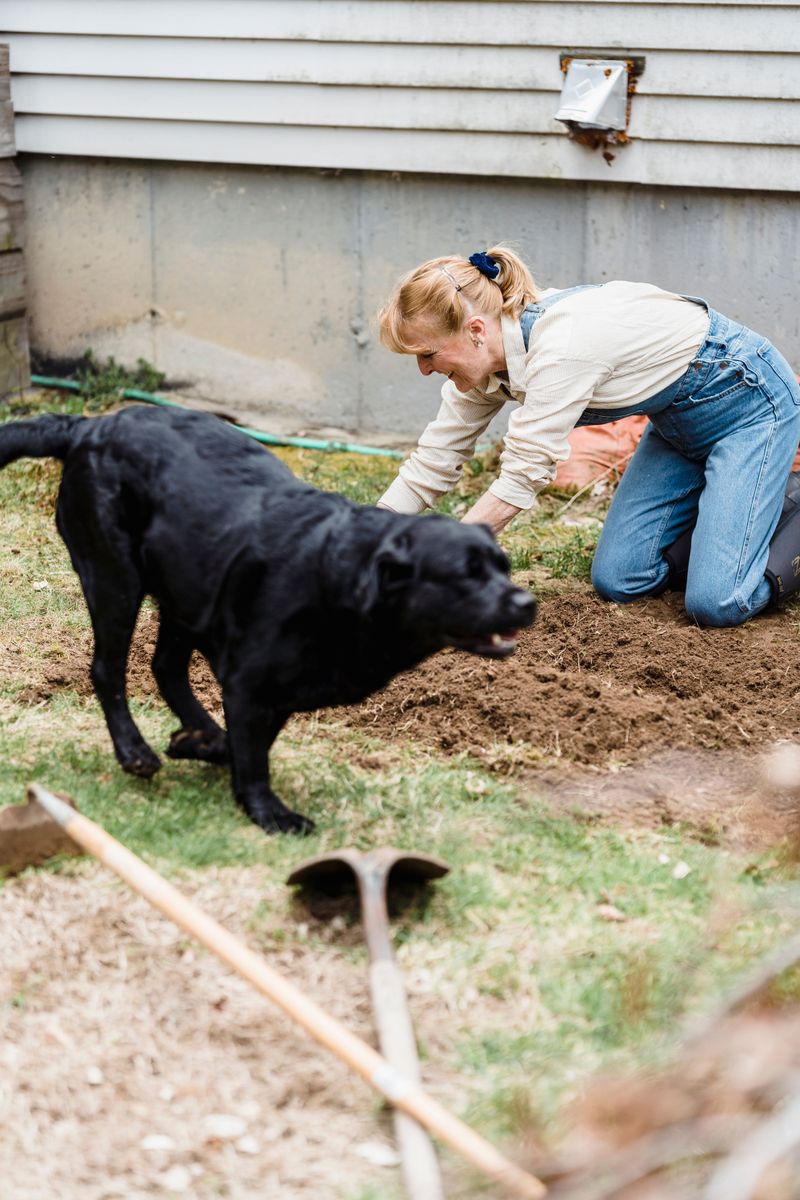
Give yourself ten minutes with gloves and boots first.
Look for broken glass, roofing nails, splintered branches, spilled chemicals, and gaps in the fence line. Downed lines should always be treated as live, so keep everyone back and call the utility.
Check indoors too, especially garages and sheds.
Once the space is clear, your dog can enjoy the yard again safely.
20. Set Up More Than One Alert Source
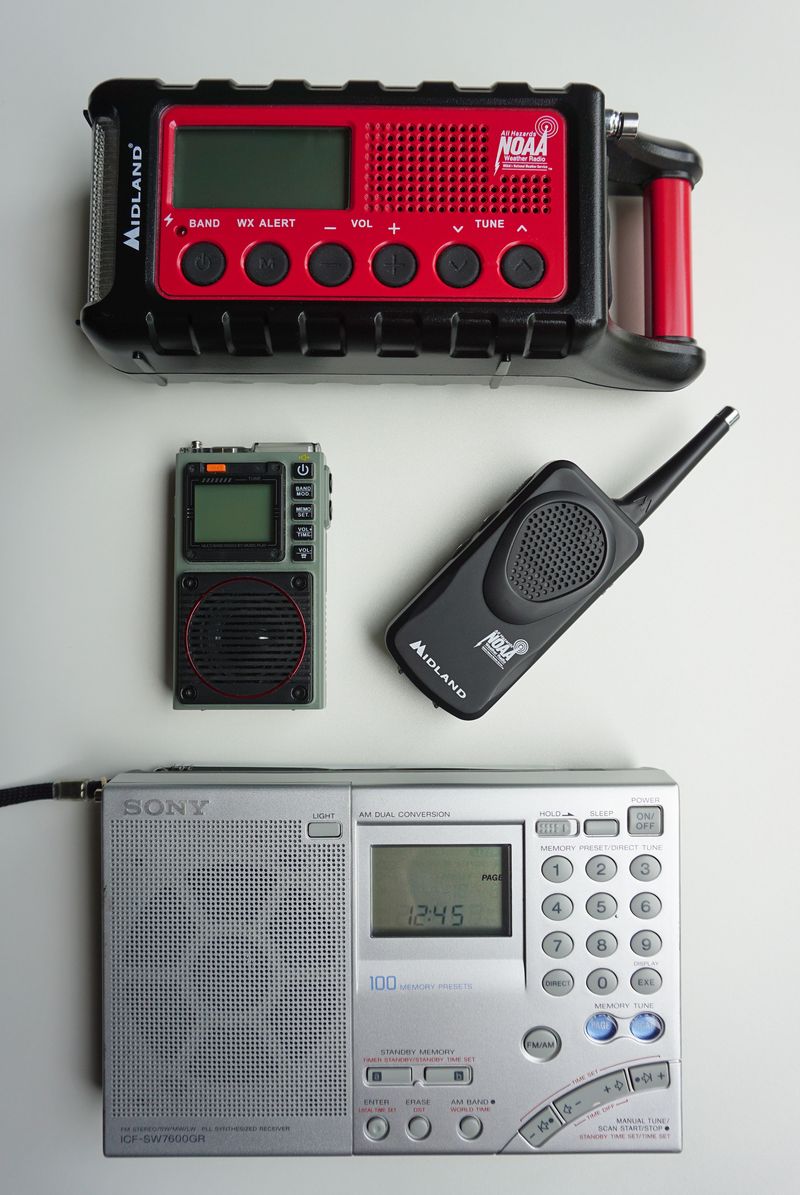
Power and cell service can both take a break during big storms.
Keep a battery-powered or hand-crank radio, a NOAA Weather Radio, and a charged phone with a backup battery. Sign up for your county’s alert system, since notifications vary place to place.
Redundancy is the whole point here.
Preparation is quiet work, but it is what lets you and your dog ride out the season calmly.