What Ohio Dog Owners Should Know Before Letting Dogs Swim In Lake Erie
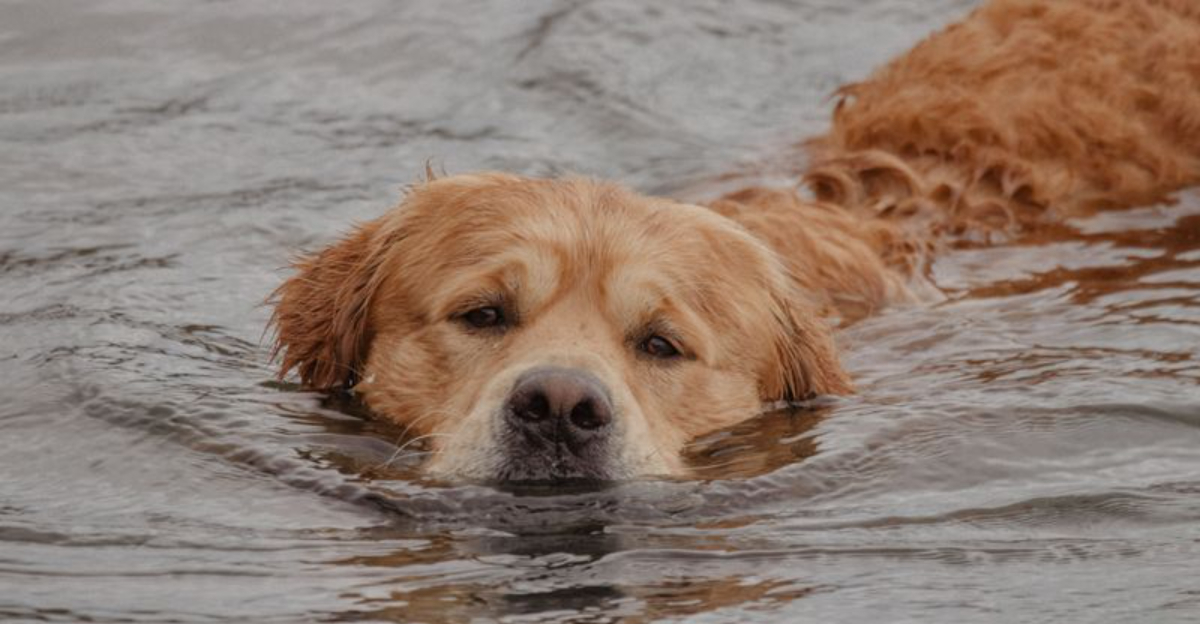
A Lake Erie swim can be a fun treat for many Ohio dogs, especially on warm days. Still, the lake is not the same as a backyard pool, and conditions can change fast.
A few smart checks before your dog splashes in can help you avoid common problems. Here is what local dog owners should know to make beach time safer, calmer, and more enjoyable.
1. Start With Ohio BeachGuard
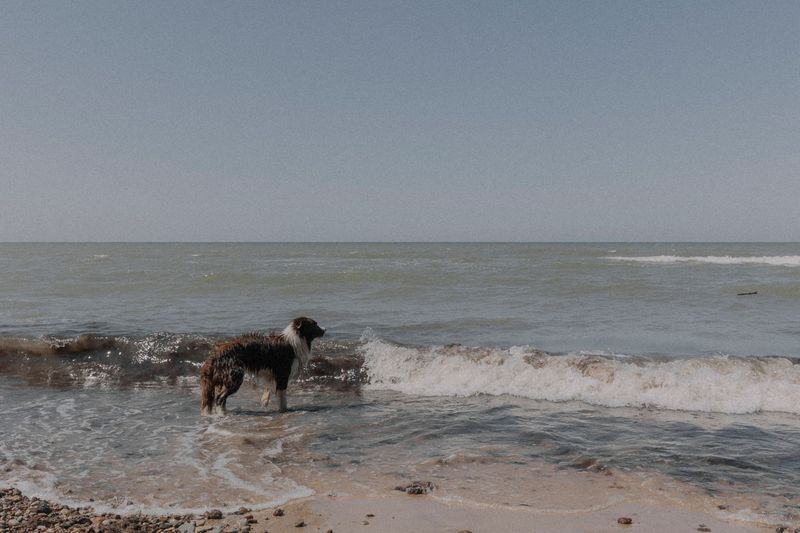
Before loading the car, take a minute to check Ohio BeachGuard for beach advisories. The Ohio Department of Health updates it with harmful algal bloom notices for Lake Erie beaches.
That stop can save a wasted trip.
Conditions can shift fast after wind, heat, or rain. If a beach is under advisory, choose another spot or skip swimming.
Checking first helps you plan smarter and keeps your dog away from water that may not be safe.
2. Treat Bloom Warnings Like Real Warnings
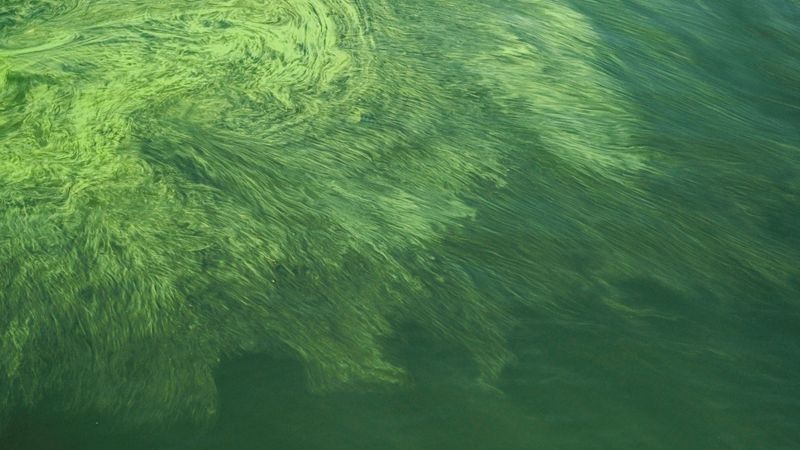
Some lake days look inviting, then a posted bloom warning changes everything. Harmful algal blooms can contain cyanobacteria that release toxins dangerous to pets.
Even when testing is still underway, caution is the best choice.
Experts often advise treating any visible bloom as potentially toxic. Dogs face extra risk because they swim low, lick fur, and drink water.
When officials post a warning, turn it into a land day and come back when conditions improve.
3. Do Not Ignore Strange Smells
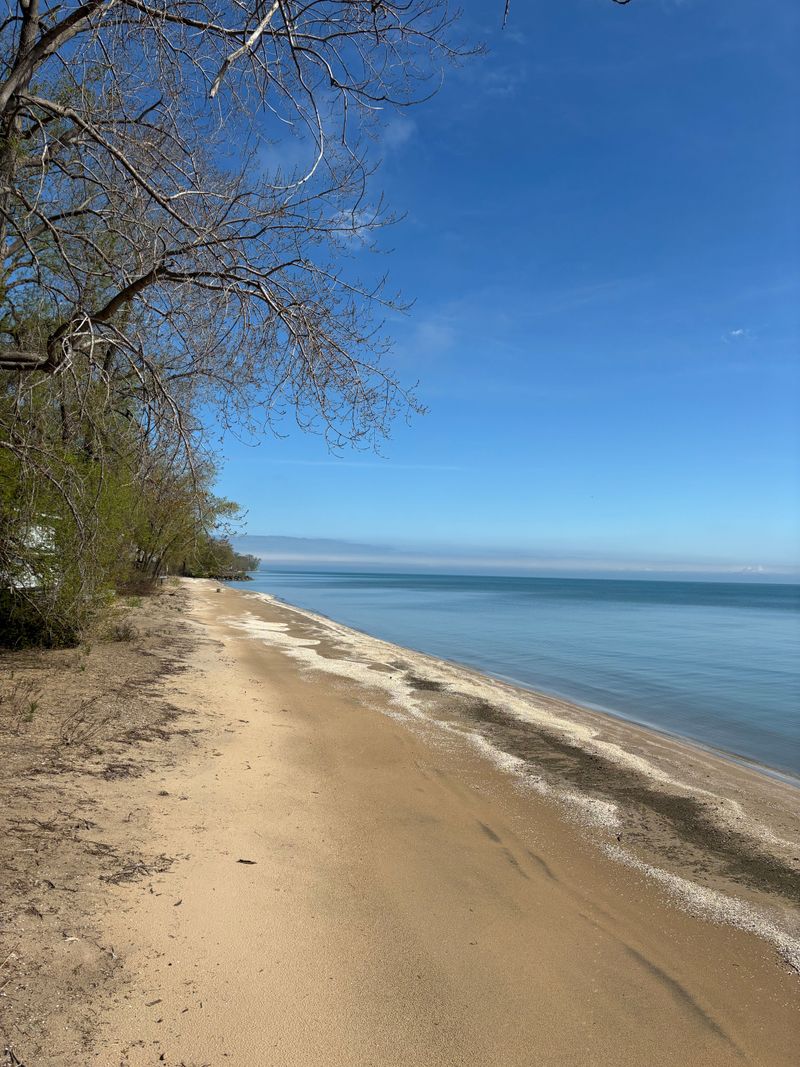
Your nose can help just as much as your eyes at the shore. Walk away from water with a musty, foul, putrid, or rotting plant smell.
An odd odor may signal a bloom or other poor water conditions.
Dogs investigate with enthusiasm, especially near wet sand and shoreline pockets. Smelly water is not the place for a playful swim.
If the beach smells wrong, head somewhere fresher, even if the surface looks mostly normal there.
4. Bring Fresh Water For Drinking
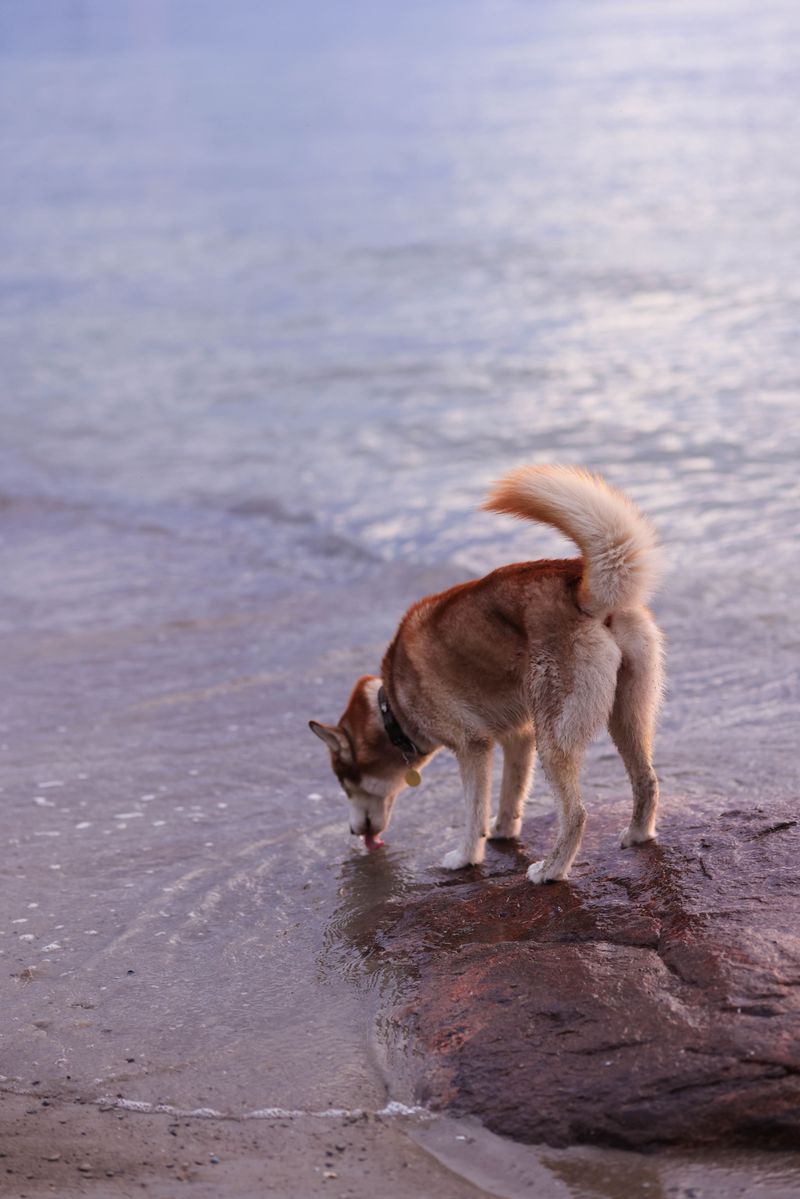
A thirsty dog may gulp lake water without you noticing. During a suspected bloom, do not let your dog drink from Lake Erie at all.
Swallowing contaminated water is one of the main ways dogs get exposed.
Bring a bowl and plenty of clean water from home. Offer drinks often, especially after play or swimming.
Easy access to fresh water makes lake water less tempting and helps your dog stay comfortable on Ohio beach days.
5. Watch The Shoreline For Algae
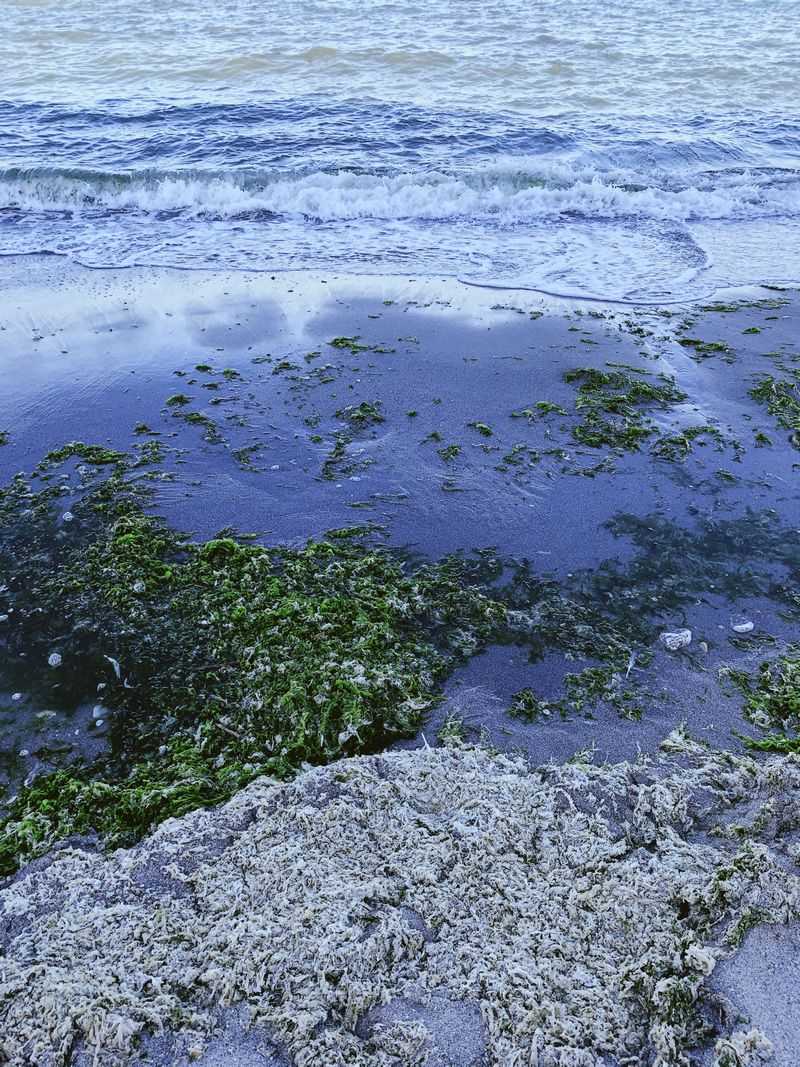
Shoreline leftovers can be just as risky as the water itself. Washed-up algae may collect toxins, even after it dries into crusty patches.
Curious dogs sometimes sniff, lick, or eat it before owners react.
Scan the sand before unclipping a leash or starting a game. Steer your dog away from green clumps, slimy mats, and dried residue along the edge.
A redirect with treats or a toy can stop bad snacking and keep outing calmer.
6. Notice Water That Looks Off
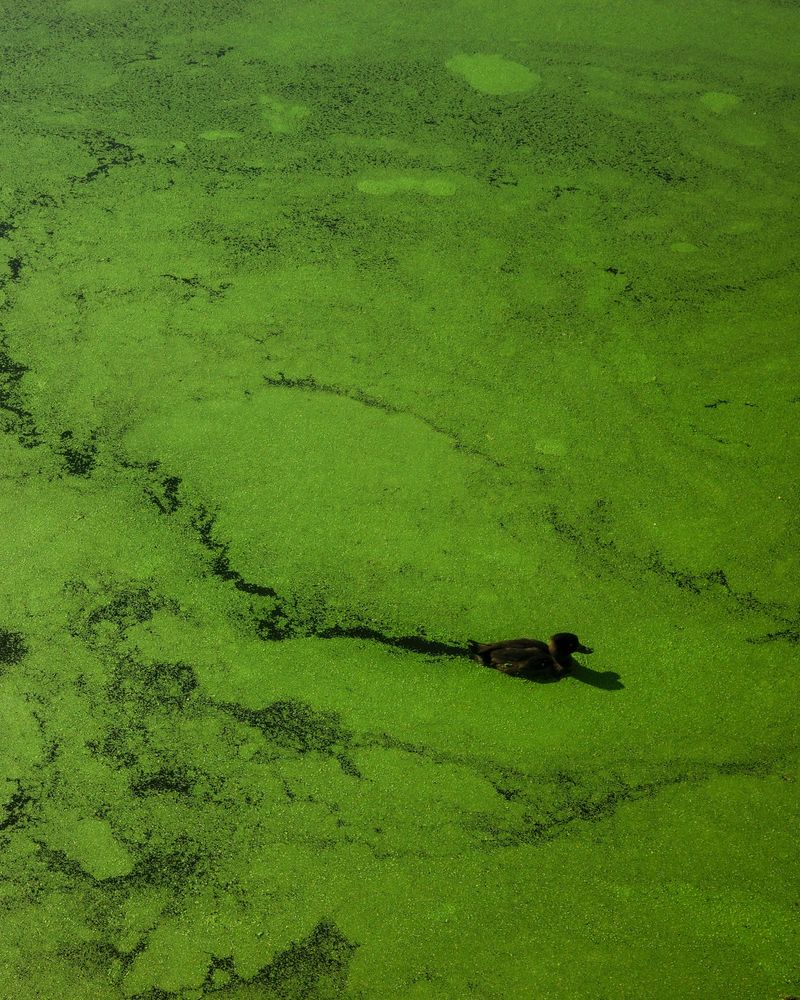
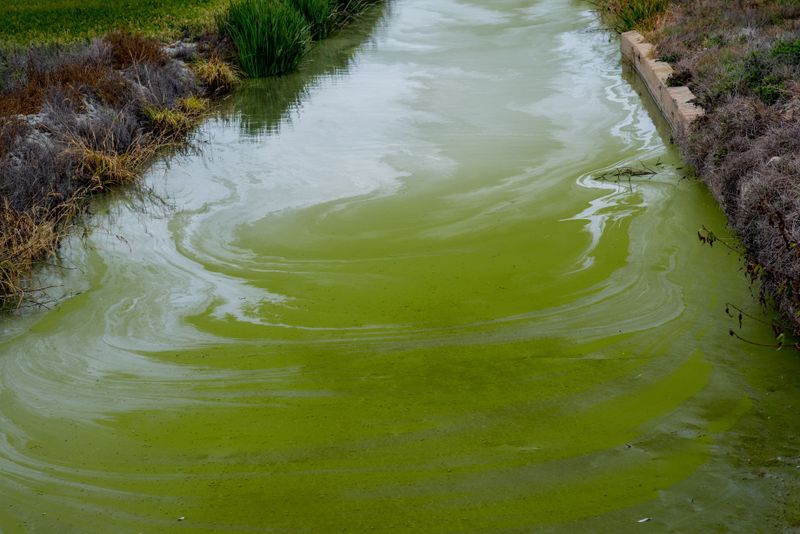
Colors tell a story before paws ever hit the lake. Skip water that looks green, blue-green, brown, yellow, red, white, or oddly cloudy.
Foam, scum, floating mats, or a paint-like surface also deserve caution.
Blooms do not always look the same from beach to beach. Some areas resemble pea soup, while others look like spilled paint.
If the water seems off in any way, trust your eyes, keep your dog out, and find a place.
7. Skip Fish And Animal Remains
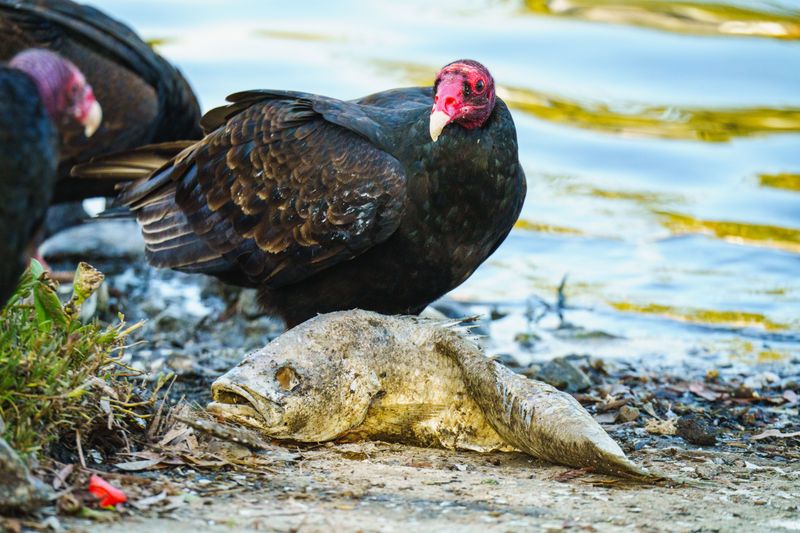
Beach finds can turn into trouble fast for a food-driven dog. Keep your pet away from fish, birds, and other animal remains along the shoreline.
They may carry bacteria, toxins, or signs of poor water quality.
Even a mouthful can create problems later in the day. Use a leash in messy areas and practice a solid leave it cue.
If you notice several animal remains, choose another beach and report concerns to park staff when possible.
8. Rinse Off After Every Swim
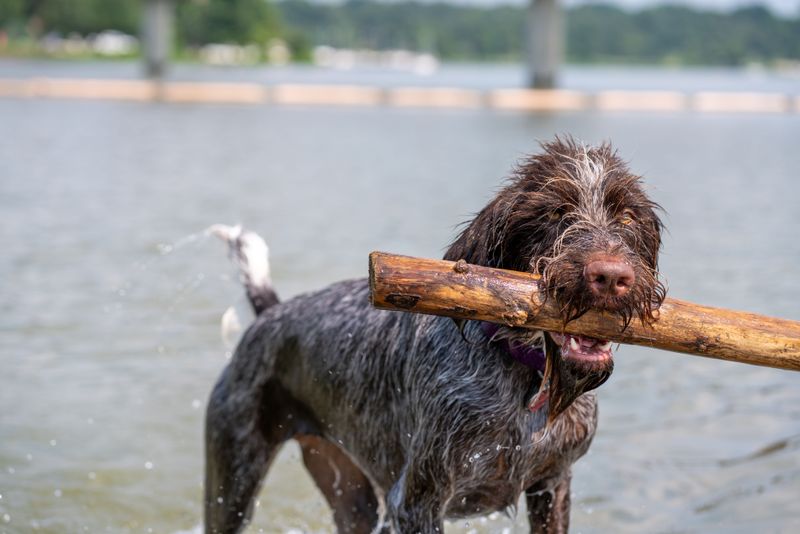
A clean rinse at the end of a swim does more than freshen wet fur. Fresh tap water helps wash away algae, sand, and whatever else clings to your dog.
It is a smart habit after any Lake Erie swim.
Keep water jugs, towels, and a simple rinse cup in the car. Pay extra attention to the belly, legs, paws, and coat.
That cleanup lowers chance of irritation and removes material a dog might lick.
9. Stop Coat Licking Until After Rinsing
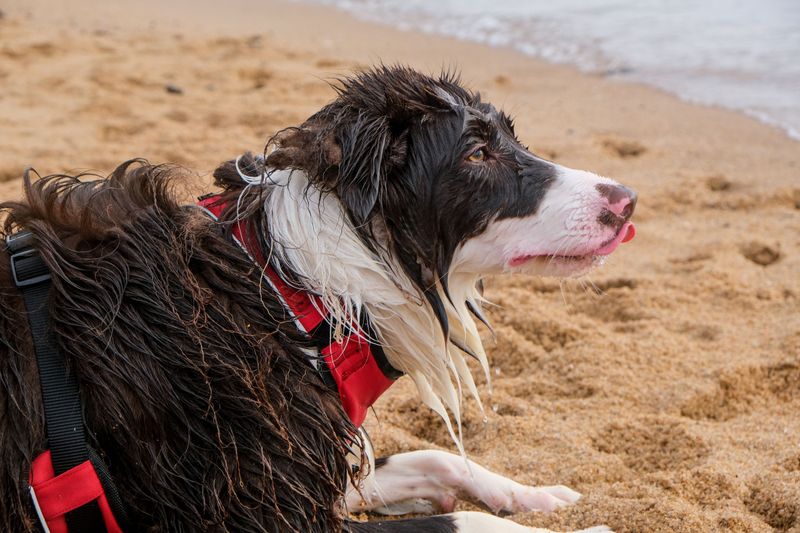
Many dogs start grooming the second they leave the water. Do not let your dog lick its coat before you rinse it well with clean water.
That simple pause can reduce swallowed toxins after a questionable swim.
Bring a leash or towel ready for the walk back to your setup. Gently keep your dog occupied while you rinse the fur.
A few careful minutes now may prevent a much more stressful evening at home later.
10. Know That Symptoms Can Show Up Fast
Timing matters more than many owners realize with bloom exposure. Signs of harmful algal bloom poisoning can appear within 15 minutes, or take several hours.
A normal ride home does not always mean everything is fine.
Watch your dog closely after any doubtful swim or shoreline contact. Keep the rest of the day calm and skip outdoor excitement.
Fast attention helps, so call a veterinarian promptly if anything seems unusual after time in the water.
11. Learn The Early Warning Signs
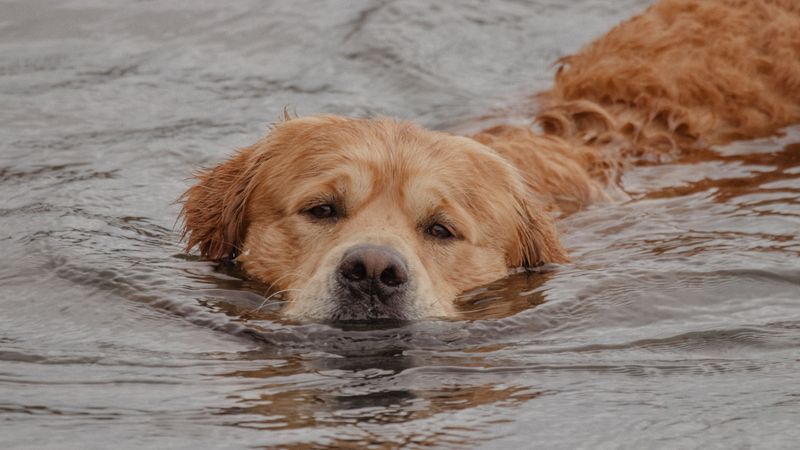
Sometimes the first clue is simply that your dog seems off. Watch for vomiting, diarrhea, appetite loss, drooling, or unusual tiredness after a Lake Erie outing.
Early signs can look mild at first.
Do not brush them aside as ordinary car sickness or excitement. Note when swimming happened, what the water looked like, and when symptoms started.
Sharing those details with your veterinarian can speed up decisions and help your dog get care sooner.
12. Get Emergency Vet Help For Serious Neurologic Signs
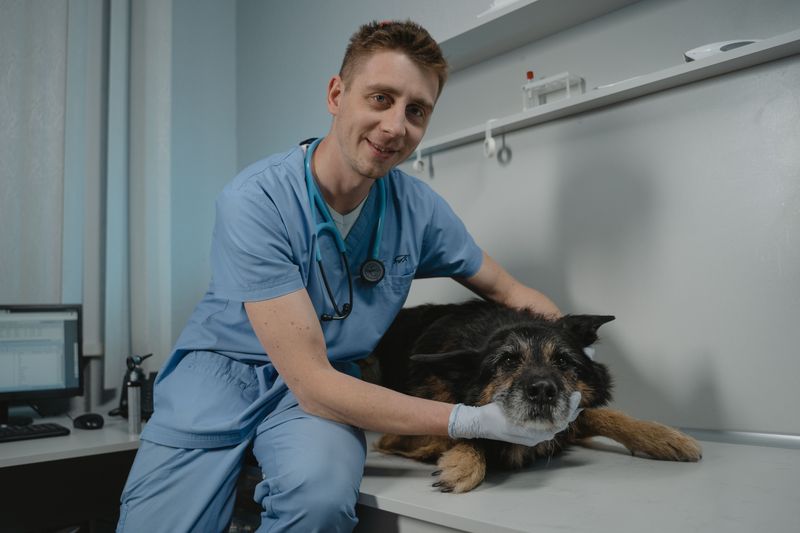
Certain symptoms call for urgent help, not watch and wait. If your dog is stumbling, drooling heavily, trembling, having seizures, or struggling to breathe, seek emergency veterinary care right away.
Neurologic signs can mean toxins are affecting the body quickly.
There is no home fix for this kind of emergency. If possible, rinse your dog, head to the nearest clinic, and call ahead.
Fast supportive care gives veterinarians the best chance to stabilize your pet.
13. Check Dog Rules At Each Beach
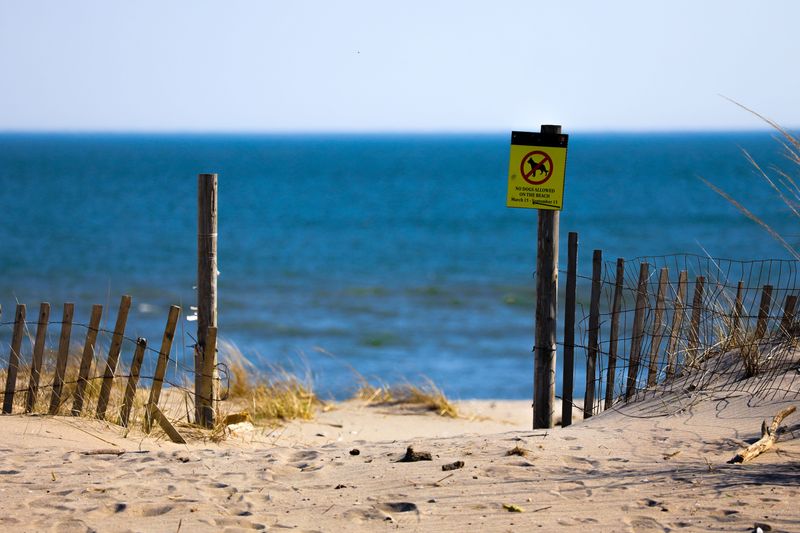
Rules can change from one Lake Erie beach to the next. Some beaches allow dogs only in certain areas, some limit hours, and others do not allow them on swimming beaches.
Posted signs matter, and local rules can vary by city, county, or park.
Checking ahead saves awkward turnarounds in the parking lot. Review the beach website or call park staff if details seem unclear.
A little homework helps you pick a spot where dog is welcome.
14. Choose Beaches With Dog-Swimming Areas
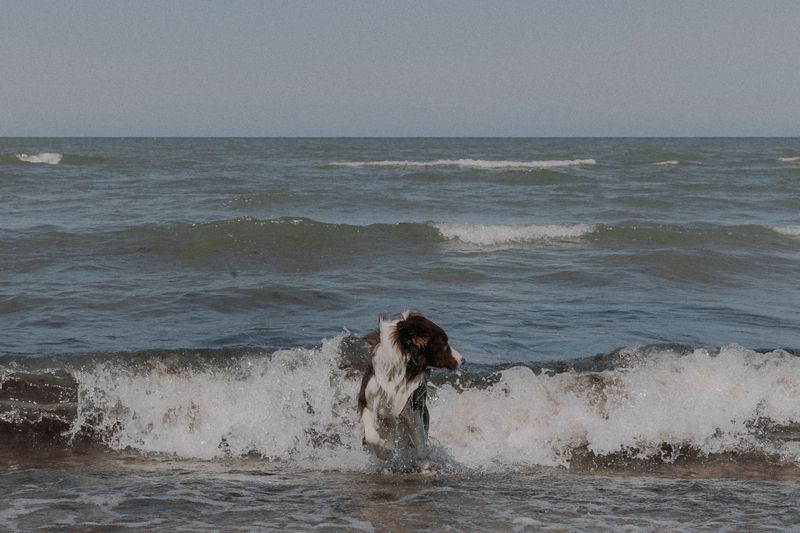
The easiest beach day often starts with the right destination. Look for designated dog-swimming areas or clearly marked dog-friendly sections before unpacking toys and towels.
They are designed to make access simpler and reduce conflicts with other visitors.
Some Lake Erie spots offer dog areas, but details can change by season or time of day. Confirm current rules before you go.
Choosing a dog-approved section usually means a smoother, more relaxed outing for everyone there.
15. Keep Control Around State Park Shorelines
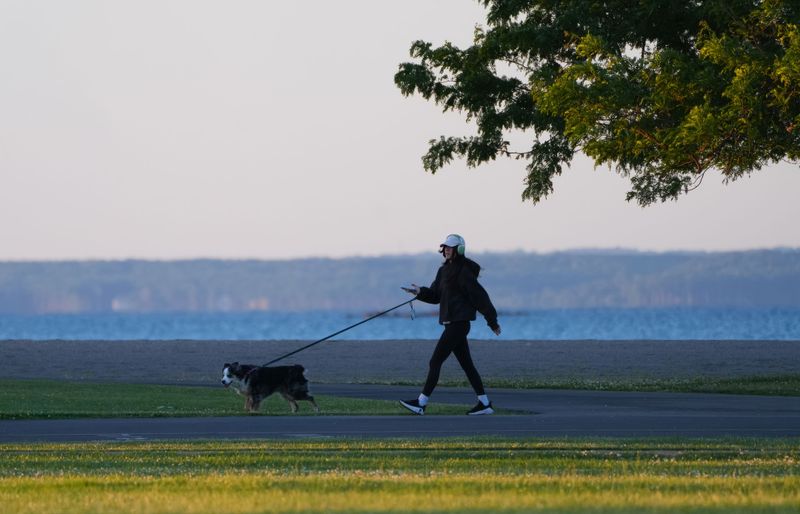
Freedom feels fun at the lake, but control matters even more. Around Ohio state park shorelines, dogs are generally allowed yet usually must stay leashed unless a posted area says otherwise.
Beach-specific limits may also apply.
Keep the leash short enough for guidance near other people, wildlife, and waves. Read signs at trailheads, parking areas, and beach entrances.
When rules vary from park to park, follow the instructions and ask staff if you are unsure.
16. Respect Lake Erie’s Currents
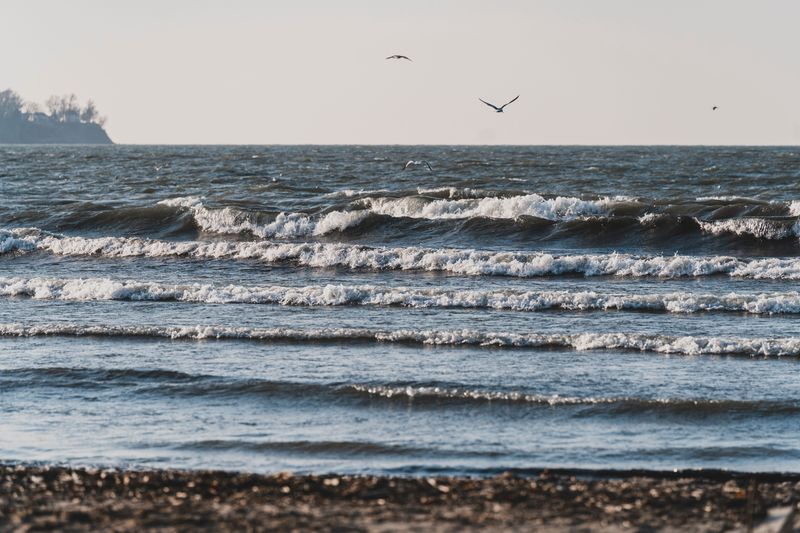
Lake Erie can look gentle and still hide strong moving water. Dangerous currents, including rip currents and longshore currents, can pull swimmers away from shore or along the beach.
Dogs can get tired quickly when water starts pushing them.
Current danger rises with wind, waves, and changing lake conditions. Water moving faster than two miles per hour is considered unsafe for swimming.
Stay close, use a life jacket, and end the swim if the lake feels pushy.
17. Give Piers And Jetties Extra Space

Piers and jetties can change the water in sneaky ways. Currents often grow stronger near breakwalls, rocks, and similar structures, even when the open beach seems manageable.
Those spots are poor choices for dog swimming.
Waves can bounce strangely there, and footing may be uneven or slippery. Give structures a wide buffer and head to open, supervised beach areas instead.
For play, pick entry spots farther from built features whenever possible for you both there.
18. Check Conditions Again On Swim Day
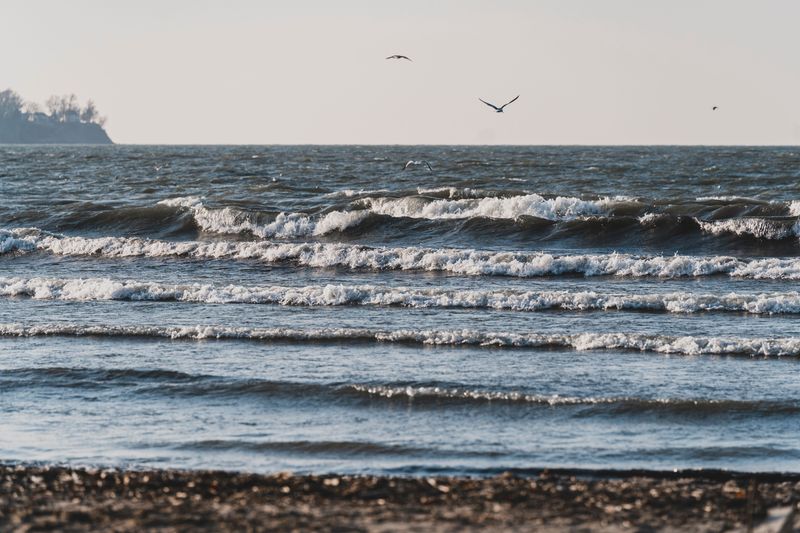
Morning plans should include one last conditions check before the leash comes off. Lake Erie beaches can change quickly, with shifting waves, wind, and rip current risk.
The National Weather Service and local advisories can help you judge the day.
Look at the water yourself when you arrive, too. Strong surf, rough chop, or sudden weather shifts are good reasons to skip swimming.
The safest beach day leaves your dog happy and ready for next time.