Moving From Florida To Colorado With A Dog Changes More Than The Weather
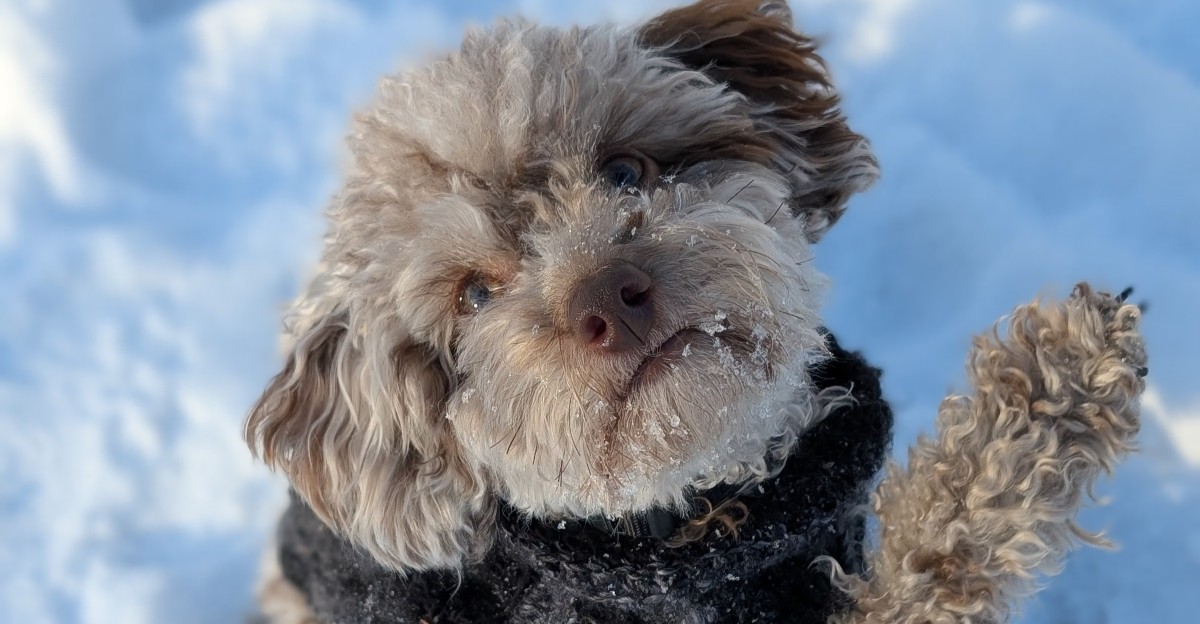
Trading Florida palm trees for Colorado mountain views brings a whole new world for your dog to explore. Along with colder mornings, you may notice different walking habits, water needs, and outdoor safety concerns.
A little planning helps your dog feel comfortable while you settle into your new home. From the first snowy potty break to your first neighborhood trail, small adjustments can make the move easier for both of you.
1. Florida Heat Does Not Prepare A Dog For Colorado Cold
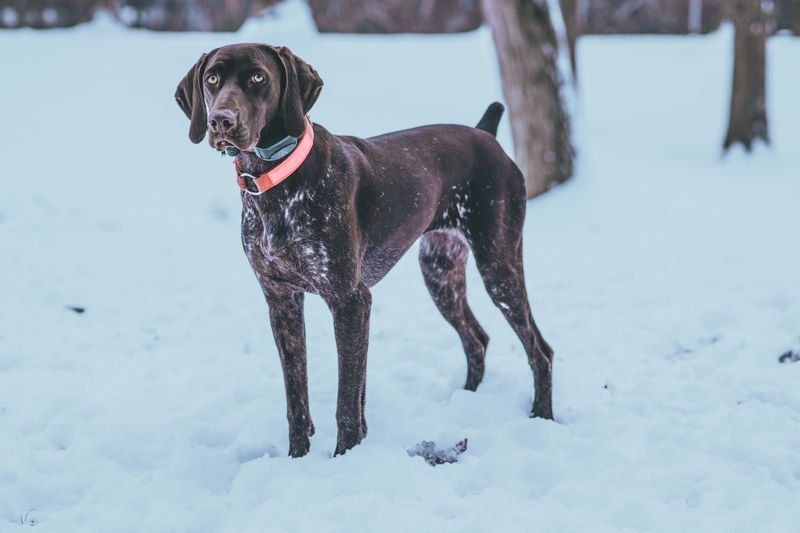
A dog comfortable with warm Florida evenings may hesitate at its first freezing Colorado morning. Coat thickness, age, size, and health all affect how well dogs handle cold.
Even energetic dogs need a careful introduction to winter weather.
Begin with brief outings near home, then adjust based on your dog’s comfort. Keep a towel ready for damp fur after walks.
Ask your veterinarian about extra precautions for puppies, older dogs, or dogs with medical conditions.
2. The Air Is Drier At Higher Elevations
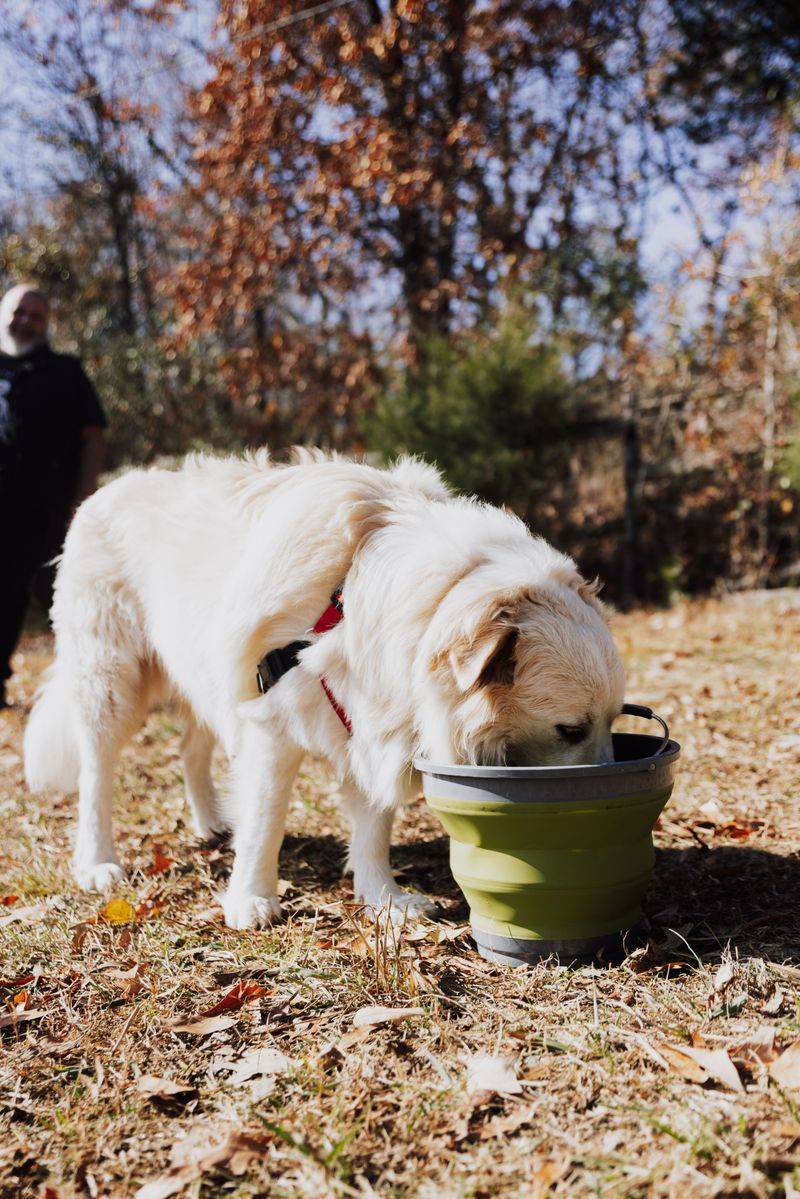
Your dog’s water bowl may become a busier spot after leaving humid Florida. Colorado’s generally dry air can contribute to dry skin and noses.
Indoor heating may make that dryness more noticeable during winter.
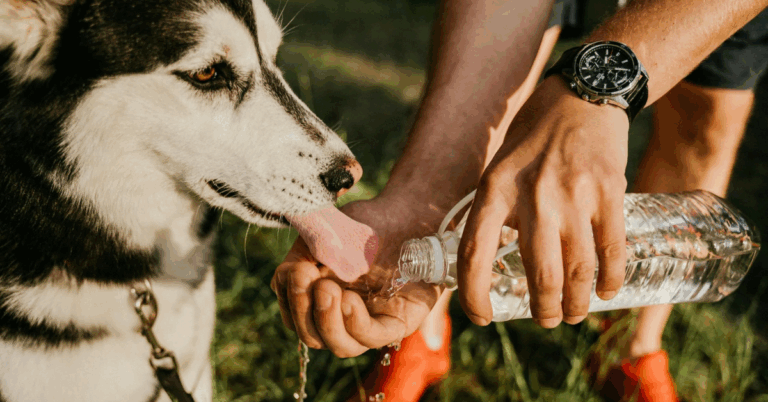
Provide fresh water throughout the day and bring water on every outing. Ask your veterinarian before using skin products or supplements.
A clean humidifier may improve indoor comfort, but maintain it carefully. Report persistent itching, cracking, or unusual thirst to your veterinarian.
3. Give Your Dog Time To Adjust To Elevation
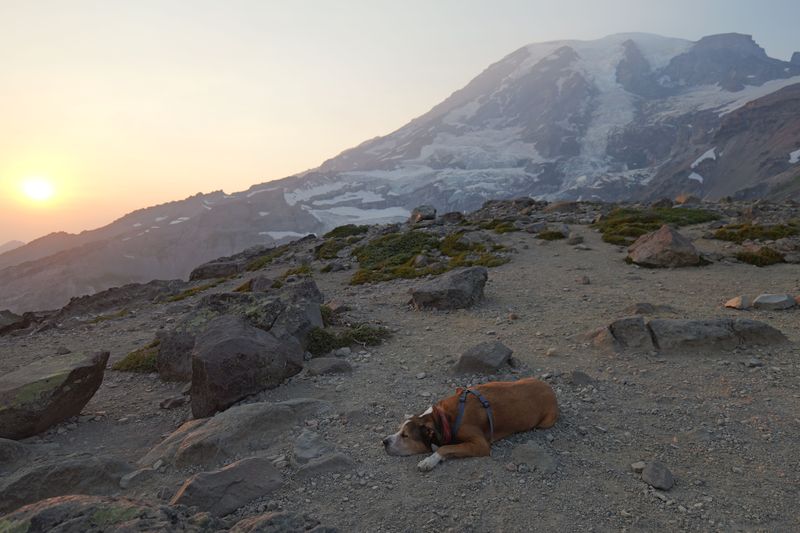
Mountain views can tempt you into a long hike before your dog is ready. Higher elevations have less available oxygen than Florida’s lowlands.
Dogs may tire sooner, especially during steep climbs or trips above their new home’s elevation.
Start with easy walks and build activity gradually rather than following a fixed adjustment schedule. Offer water and frequent breaks.
Contact a veterinarian promptly for unusual weakness, coughing, or breathing changes. Difficult breathing at rest needs urgent care.
4. Snow Changes Everyday Potty Breaks
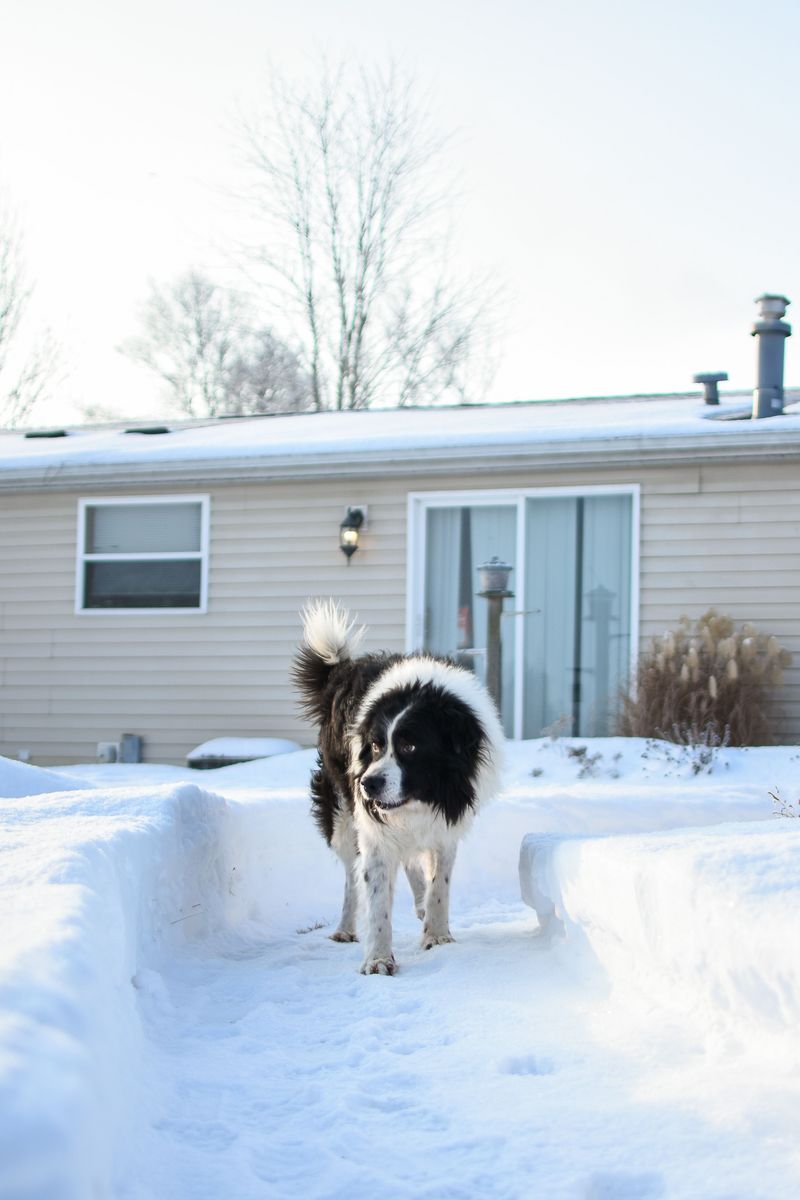
Yesterday’s favorite bathroom spot might disappear beneath a fresh layer of snow. Some dogs dislike the unfamiliar texture or struggle to find familiar scents.
Others become so interested in exploring that they forget their usual task.
Clear a small potty area and keep the route easy to reach. Use your usual bathroom cue, then reward success right away.
Take shorter, more frequent trips when needed. Always collect waste, even when snow makes it harder to see.
5. Paw Protection Becomes More Important
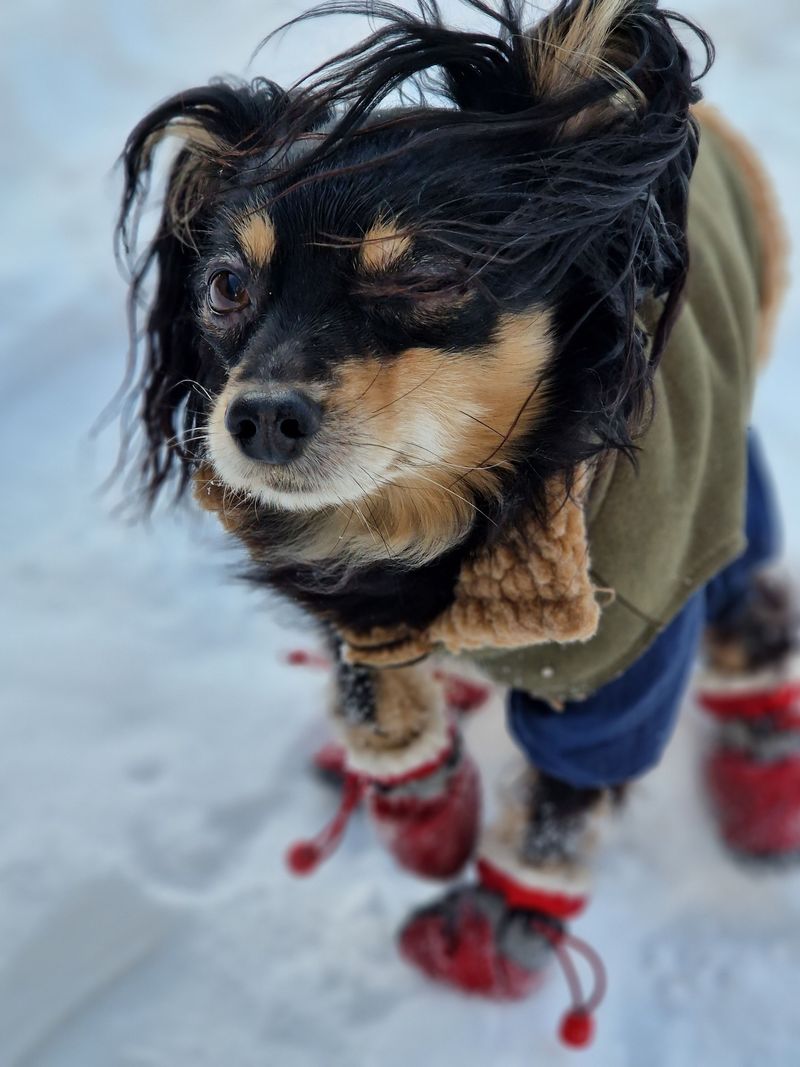
Sidewalks bring new challenges when ice, packed snow, and deicing products enter the picture. Salt and other ice treatments can irritate paws.
Snow may also collect between toes, making walking uncomfortable.
Practice wearing properly fitted boots indoors before trying them outside. If boots are unsuitable, ask your veterinarian about protective paw balm.
Rinse and dry paws after walks, checking between toes. Choose pet friendly ice treatments, but prevent licking or eating any product, regardless of labeling.
6. Your Dog May Need A Winter Wardrobe
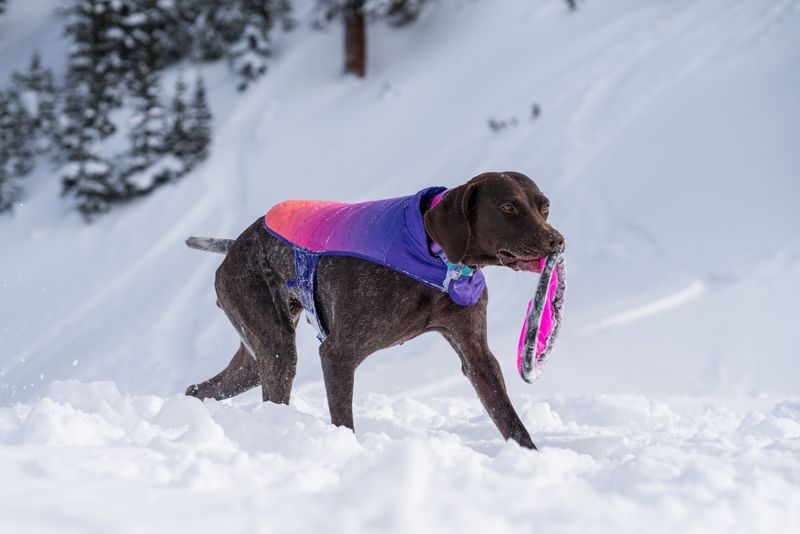
A sweater is more than a cute accessory for some dogs. Small breeds, thin dogs, and dogs with short coats may benefit from added warmth.
Older pets and certain health conditions can also change winter clothing needs.
Choose a coat that allows normal movement and does not interfere with bathroom breaks. Check for rubbing around the legs and chest.
Remove wet clothing promptly. Heavy coated dogs may not need layers, so watch comfort rather than appearances.
7. Colorado Sun Can Still Be Intense
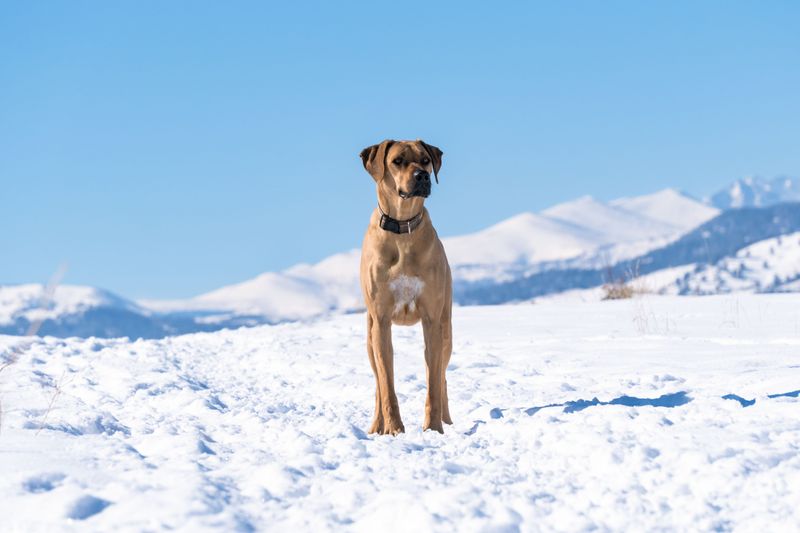
Bright winter sunshine can feel gentle while still exposing skin to strong ultraviolet rays. Higher elevation increases ultraviolet exposure, and snow reflects sunlight.
Dogs with thin fur or pale exposed skin may need extra protection.
Plan shade breaks and keep drinking water available, even on cool days. Ask your veterinarian about sunscreen specifically suitable for dogs.
Human sunscreen ingredients may be unsafe if licked. Never assume cold weather makes a parked car safe for unattended pets.
8. Exercise Needs May Change After The Move
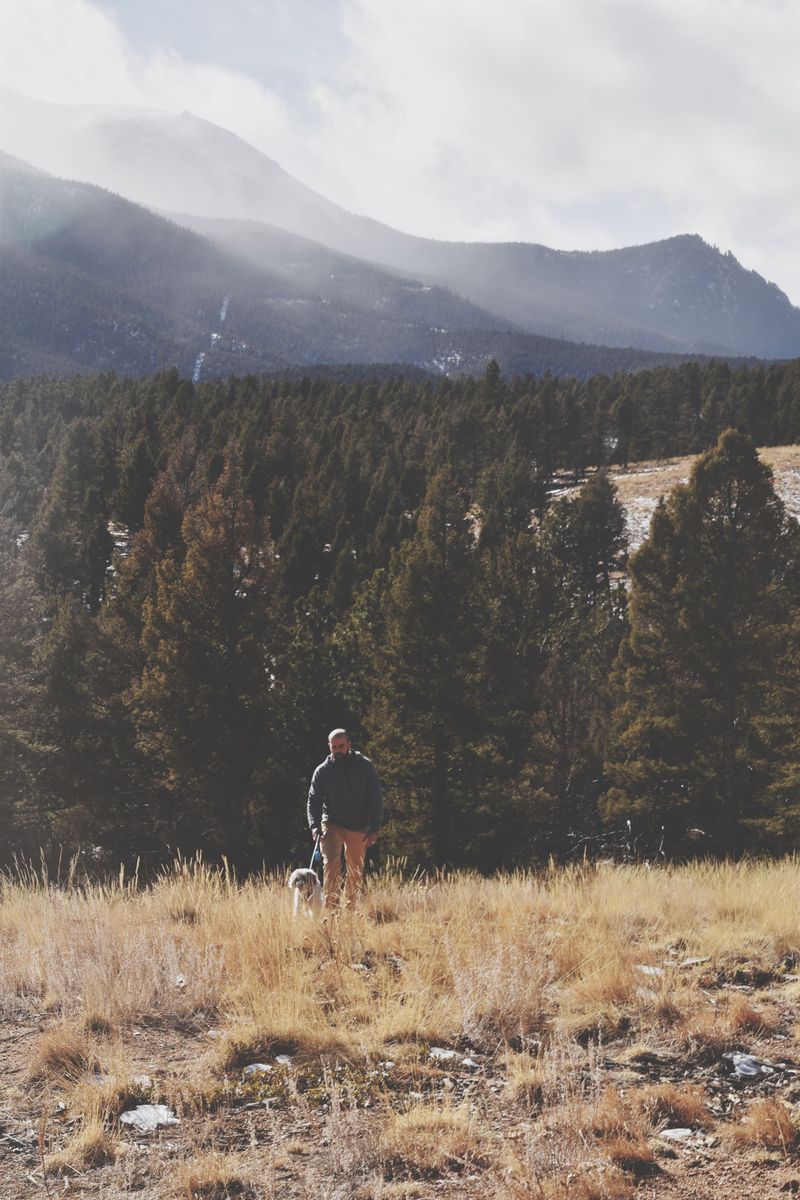
Your familiar Florida walking distance may feel different on Colorado hills. Uneven ground, elevation, and changing temperatures can increase effort without adding miles.
A dog that usually leads may suddenly prefer a slower pace.
Measure success by comfortable movement, not matching your old route. Split exercise into shorter sessions and add rest days when needed.
Watch for limping, unusual panting, or lagging behind. Discuss activity plans with your veterinarian if your dog has joint or heart concerns.
9. Prepare For Snowy Car Rides
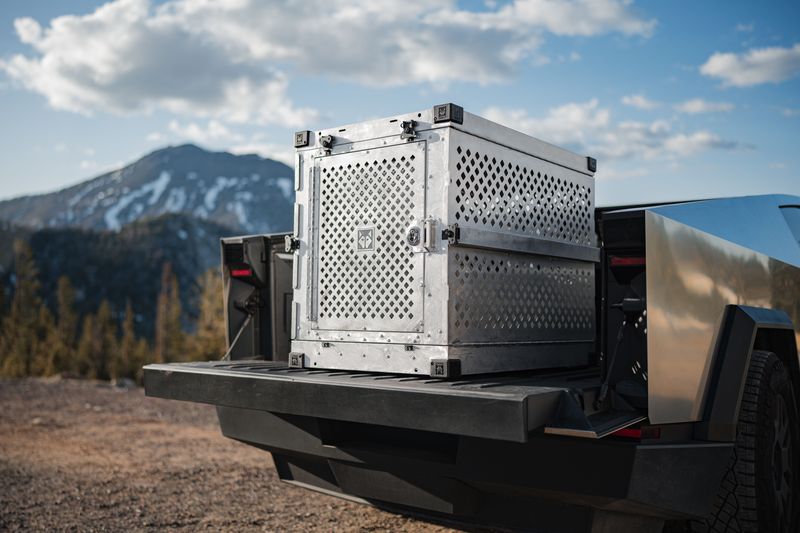
A quick drive can take longer when mountain weather changes or roads slow down. Your dog needs secure travel and supplies that remain useful during delays.
Check road conditions before leaving, especially when crossing mountain passes.
Use an appropriate secured crate or crash tested harness. Pack water, food, medications, towels, waste bags, and warm blankets.
Keep dogs away from spilled antifreeze and slushy parking areas. Never leave your dog unattended in a cold vehicle during stops.
10. Indoor Enrichment Matters On Stormy Days
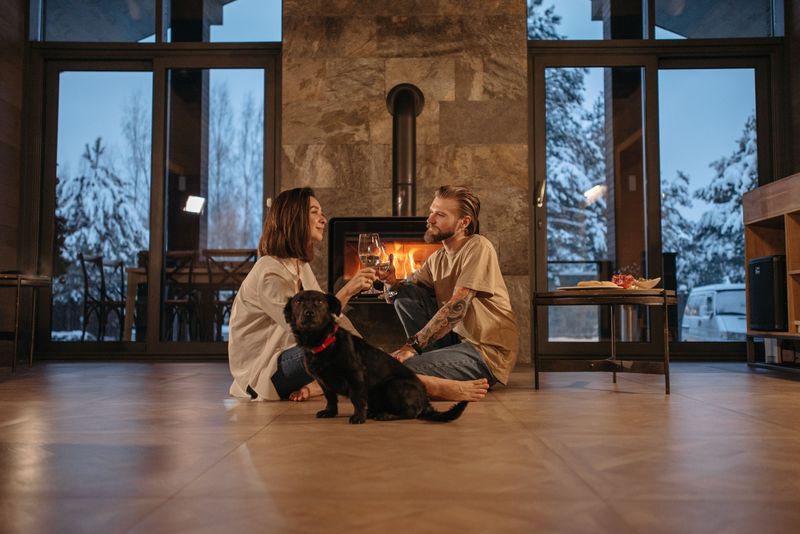
When sidewalks turn icy, your living room can become the day’s activity center. Mental games help dogs stay occupied without requiring a long outdoor adventure.
A few simple options can keep stormy afternoons from feeling frustrating.
Try hiding treats, practicing familiar cues, or offering a supervised food puzzle. Rotate activities instead of presenting every toy at once.
Count treat calories toward daily food needs. Avoid slippery floors during active play, and choose toys your dog cannot easily swallow.
11. Watch For Signs Your Dog Is Too Cold
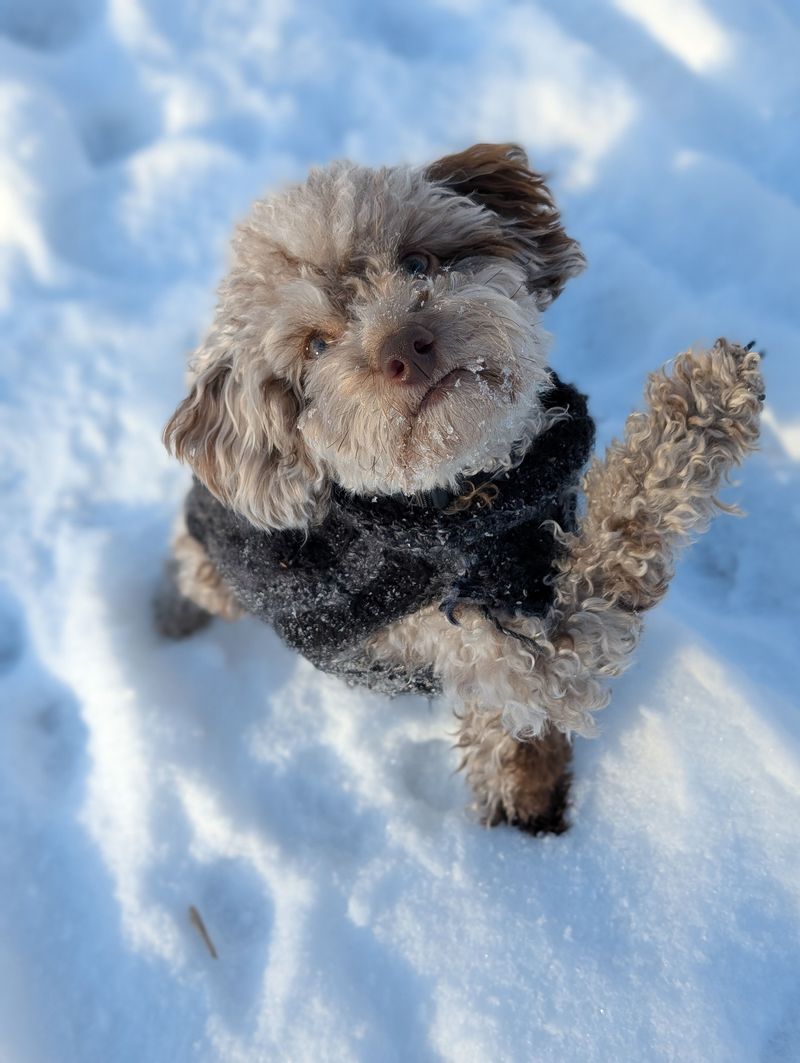
Lifting paws, shivering, slowing down, or trying to turn home can signal cold discomfort. No single temperature limit fits every dog.
Wind, moisture, coat type, and time outside all influence how your dog feels.
Head indoors when discomfort appears, then dry your dog and offer a warm resting place. Use blankets rather than direct heating pads or hot water.
Call your veterinarian for ongoing shivering, weakness, confusion, or unusual sleepiness. Do not wait for symptoms to worsen.
12. Wildlife Encounters May Look Different
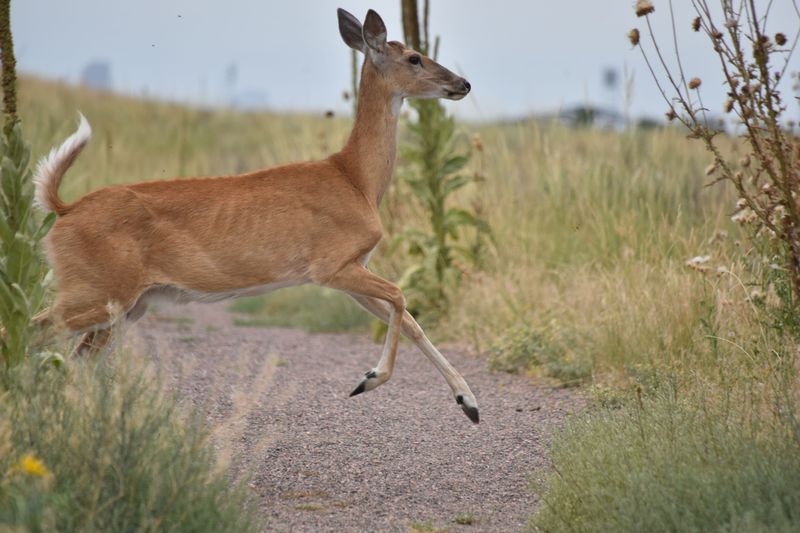
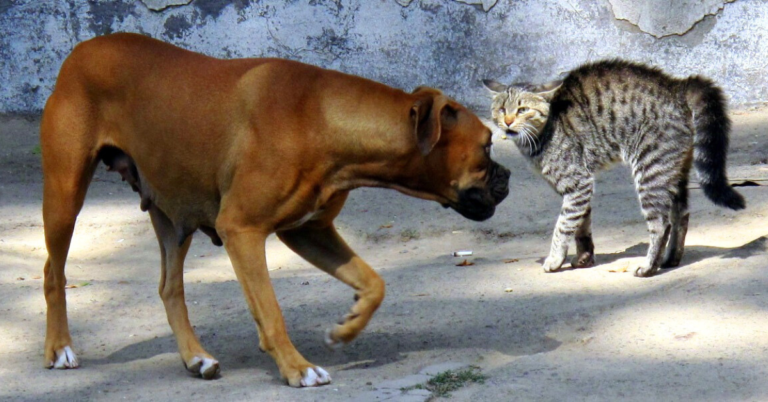
Colorado trails and neighborhoods may introduce animals your dog rarely encountered in Florida. Deer, elk, coyotes, and other wildlife need plenty of space.
Curious sniffing or barking can turn a quiet sighting into an unwanted interaction.
Keep your dog close and follow posted leash rules. Never allow chasing, and turn away when wildlife blocks your route.
Store pet food indoors and supervise yard time. Check local wildlife guidance, since seasonal activity and recommended precautions vary by location.
13. Fences And Gates Need A Winter Check
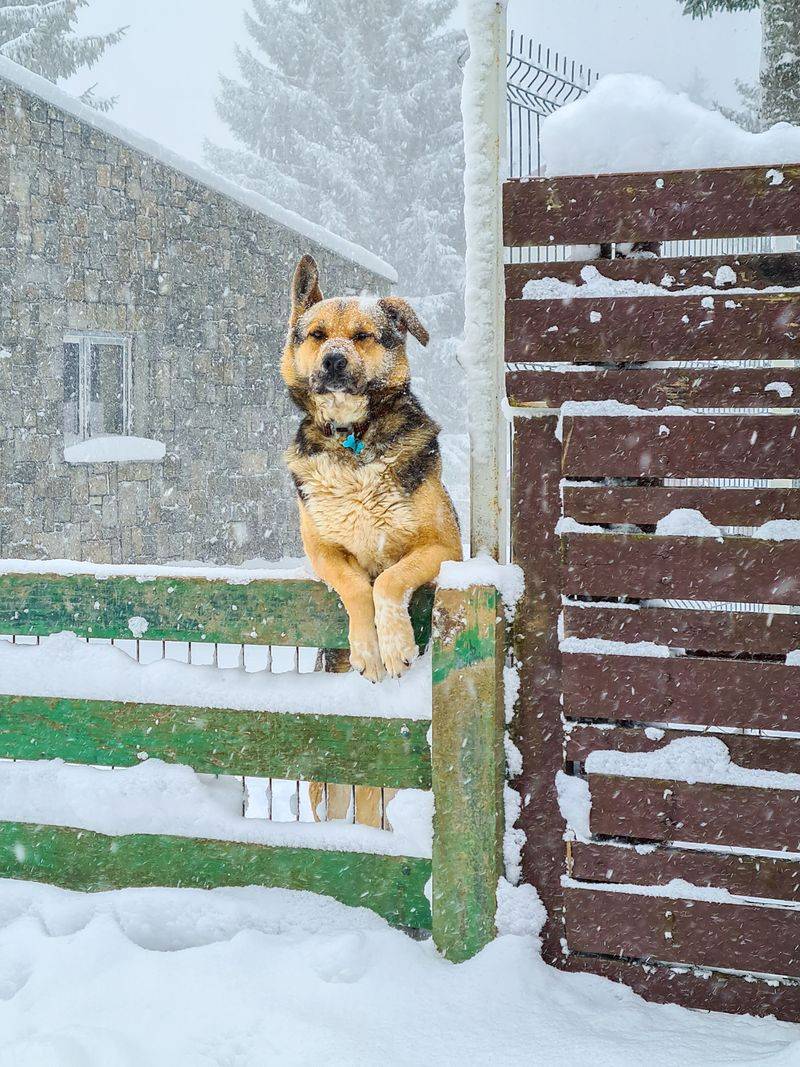
A secure summer fence may become easier to cross after snow piles against it. Drifts can reduce its effective height, while ice may prevent gates from latching.
Frozen ground and shifting hardware can create unexpected gaps.
Inspect the yard after storms and before letting your dog outside. Clear snow near fences, check latches, and repair openings promptly.
Supervise outdoor visits rather than trusting the fence alone. Keep pathways clear so your dog can return indoors without slipping.
14. Find A Local Veterinarian Before You Need One
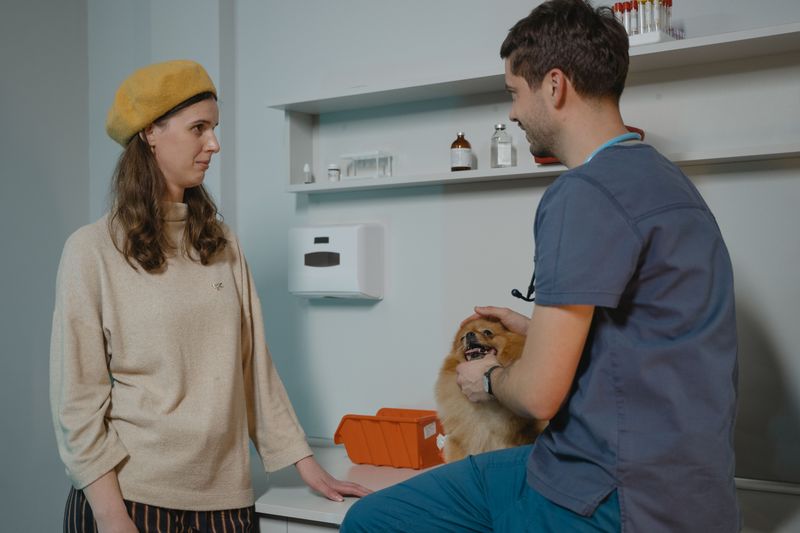
Getting established with a nearby clinic makes the first unfamiliar health concern easier to handle. Request your dog’s records before leaving Florida.
Include vaccination dates, medications, past test results, and any ongoing treatment plans.
Schedule a routine visit soon after arriving and locate an emergency clinic. Ask about heartworm prevention, ticks, and vaccines based on local risks and activities.
Colorado’s cooler weather does not eliminate parasite concerns. Confirm current Colorado pet-entry requirements with the Colorado Department of Agriculture before traveling.
15. Update Your Dog’s Identification
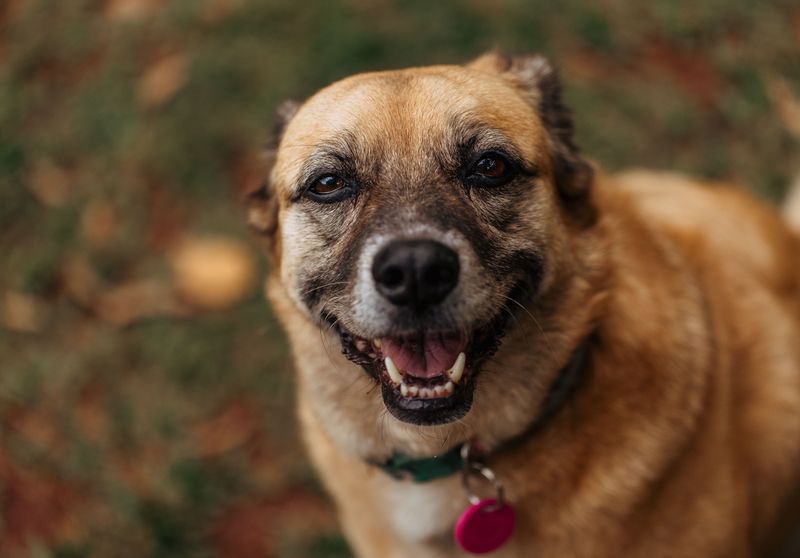
An unfamiliar neighborhood makes accurate identification especially valuable during a move. Replace outdated contact details on your dog’s collar tag.
Update the microchip registry separately, because changing a tag does not change that record.
Keep a current phone number attached throughout the journey. Ask your new veterinarian to check that the chip scans correctly.
Dog licensing and rabies documentation rules vary by city and county. Contact local animal services to confirm requirements, deadlines, and any leash rules.
16. Moving Day Can Be Overwhelming For Dogs
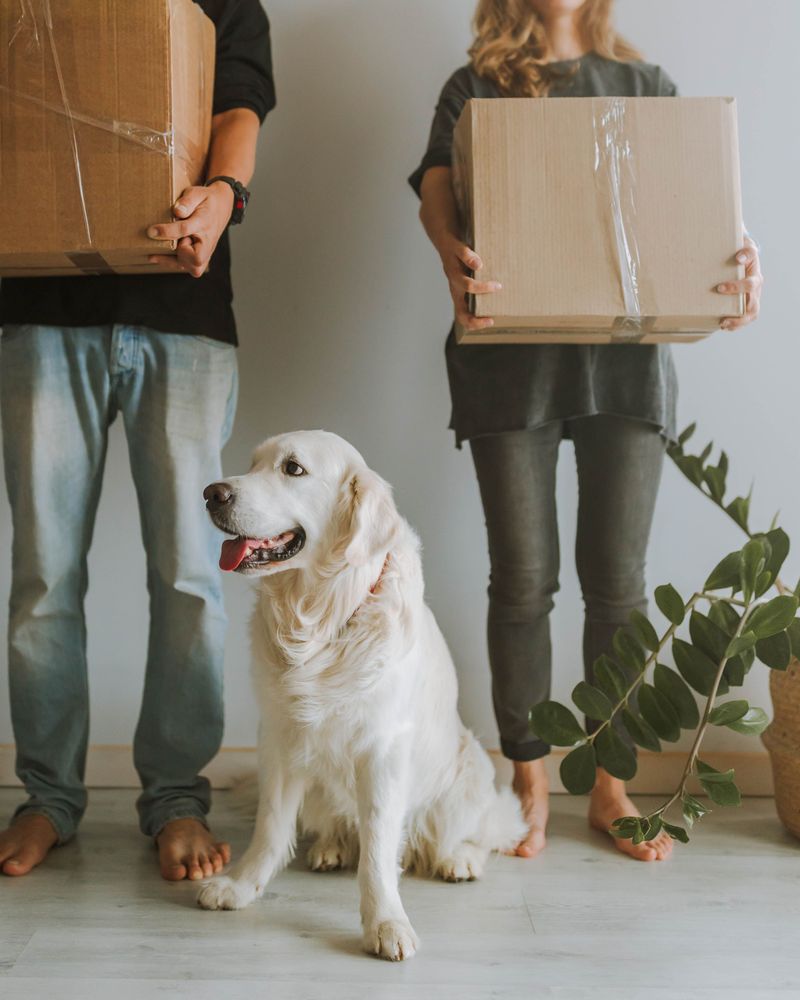
Boxes, unfamiliar helpers, and open doors can unsettle even a normally relaxed dog. Plan a quiet room away from loading activity.
Familiar bedding and a favorite safe toy can make that space feel less strange.
Post a reminder so helpers keep the door closed. Arrange trusted care elsewhere if your dog finds moving activity stressful.
Pack food, medications, bowls, and cleanup supplies where you can reach them. Discuss travel anxiety with your veterinarian before the moving day.
17. Build A New Routine Slowly
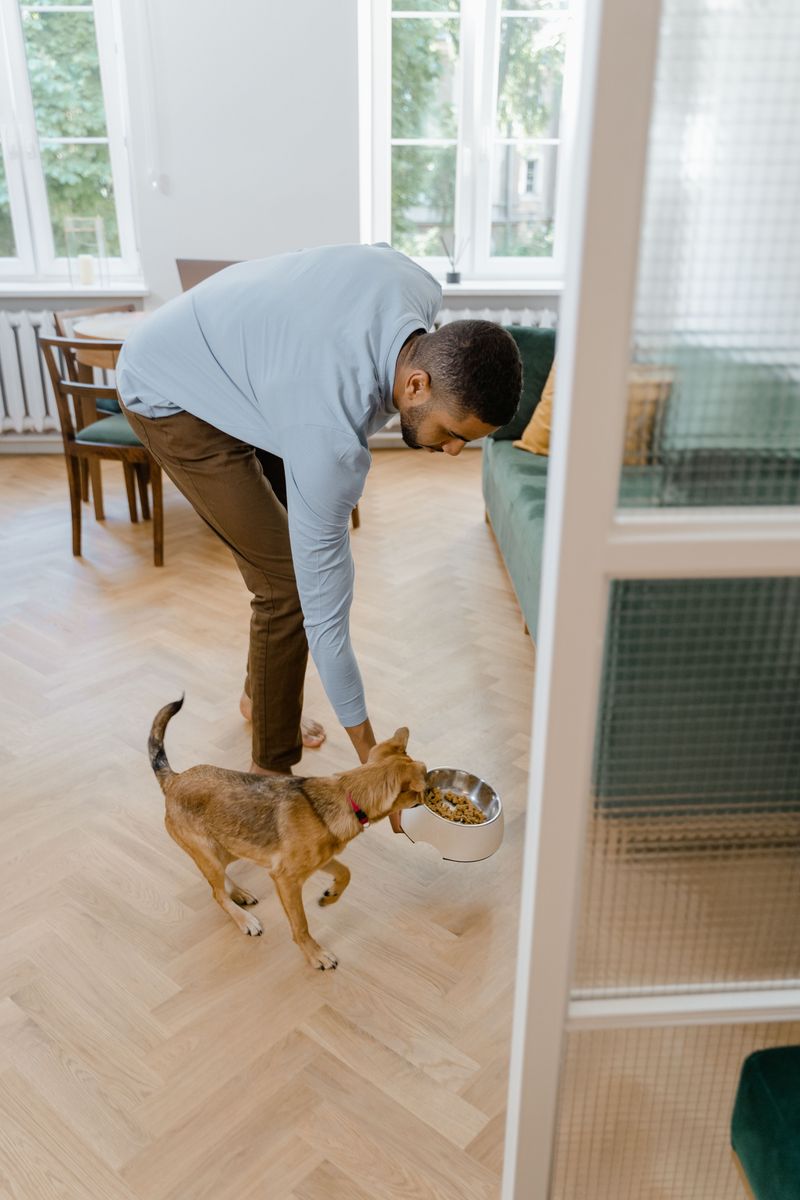
Familiar meal times can provide an anchor when everything else smells and sounds different. Your dog may need extra reassurance in the new house.
Begin with predictable feeding, bathroom trips, rest, and short neighborhood walks.
Introduce new rooms and longer absences gradually, watching for signs of distress. Reward calm exploration without forcing contact with strangers or unfamiliar dogs.
Keep favorite bedding available during unpacking. Contact your veterinarian if appetite changes, stomach problems, or anxiety persist after settling.
18. Explore Colorado At Your Dog’s Pace
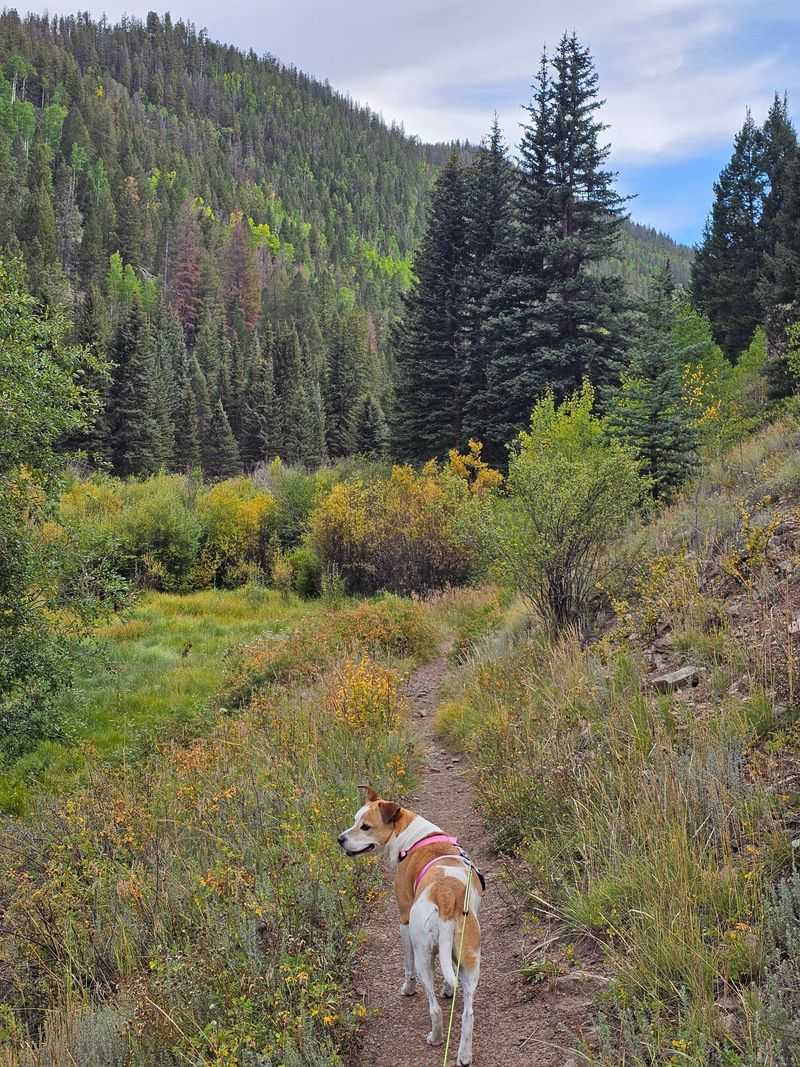
The best first adventure might be a quiet park rather than a mountain summit. Choose easy routes with clear footing and room to pause.
Check whether dogs are allowed, since parks and trails have different rules.
Carry water, waste bags, and a leash, then watch your dog’s energy throughout the outing. Turn back before enthusiasm becomes exhaustion.
Let comfort guide each new experience. With patience and steady habits, Colorado can become a place where you both feel home.