What South Carolina Dog Owners Should Know About Alligators Around Ponds, Lakes, And Coastal Trails
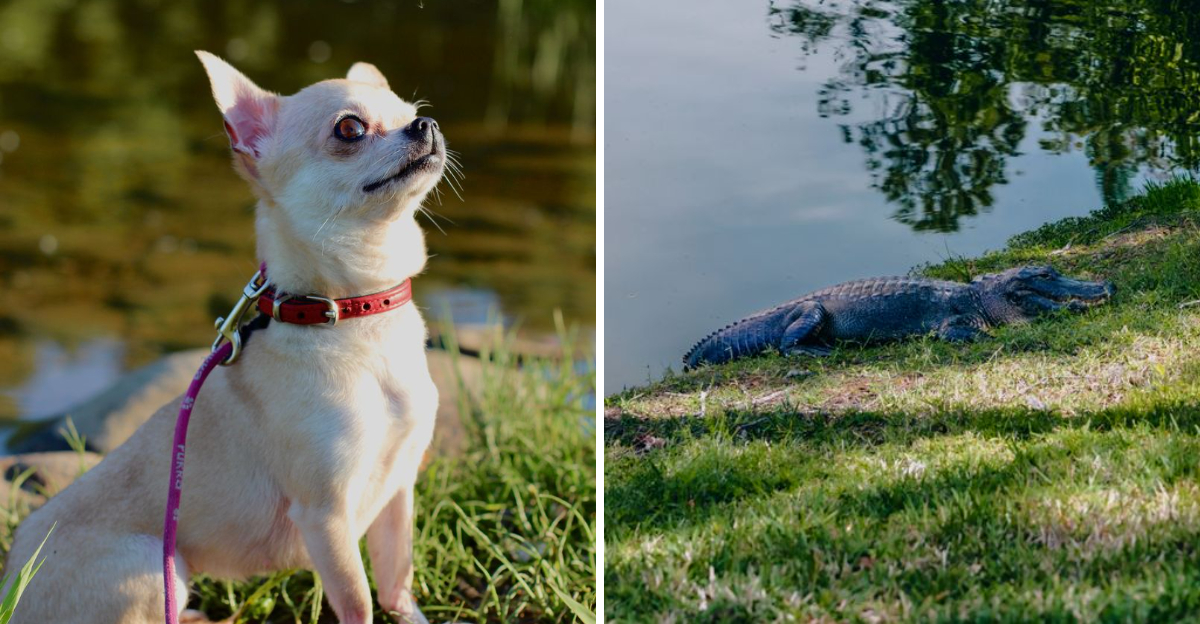
If you walk your dog anywhere in the Lowcountry, alligators are simply part of the scenery. The good news is that safe walks come down to a handful of easy habits, not luck.
Knowing where alligators rest, when they move most, and how to react keeps outings relaxed for both of you. Here is what local dog owners find most useful, explained plainly, so you can enjoy the ponds, lakes, and coastal trails with confidence.
1. Neighborhood And Retention Ponds Count Too
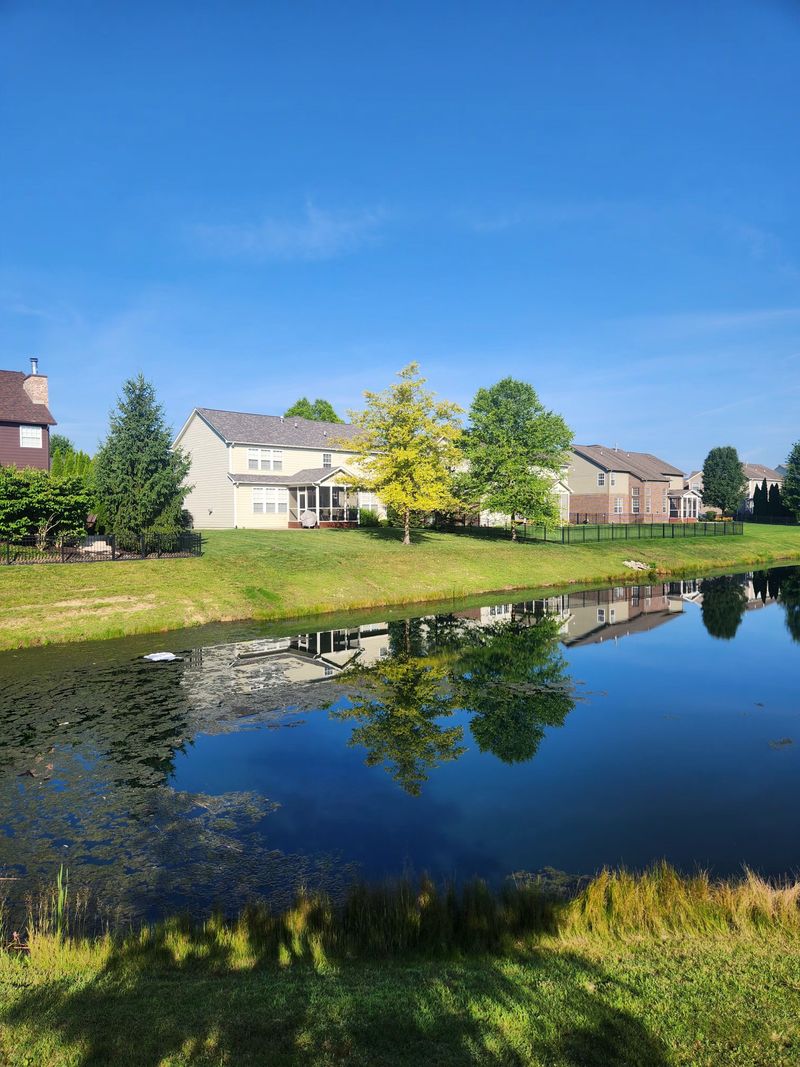
Those tidy ponds behind the mailboxes look harmless, and that is exactly why people relax too much. Many coastal neighborhoods were built on former wetlands, so man-made ponds became prime alligator real estate.
Retention ponds hold steady water, plenty of fish, and warm sunny banks.
A small pond can host a surprisingly large resident. Walk your dog on the far side of the sidewalk, and skip the shortcut across the bank.
2. Stay Back From The Bank, Not Just The Water
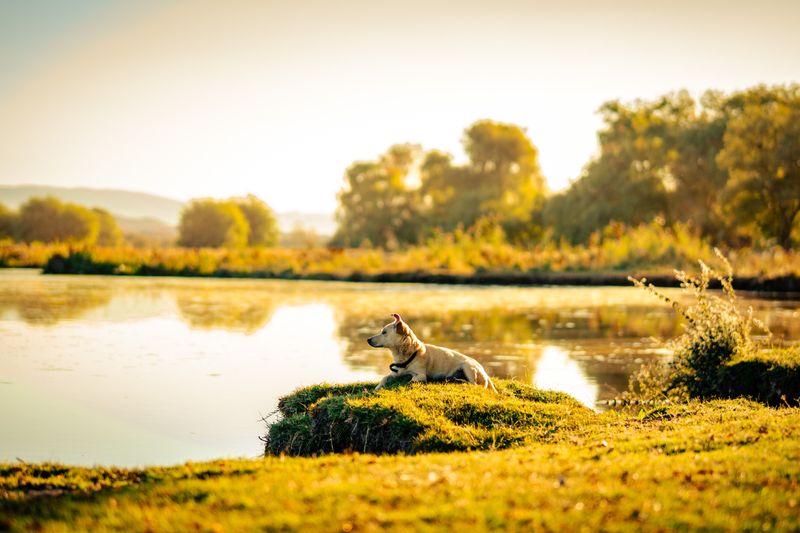
Plenty of owners think keeping a dog dry is enough. Alligators, though, can move quickly at the shoreline, so the edge itself is the risky part.
Aim for a buffer of at least ten to fifteen feet from any bank, and more if you can.
Let your dog sniff the middle of the trail instead.
That extra distance costs nothing and removes the most common close-call setup.
3. The Leash Is Your Best Safety Tool
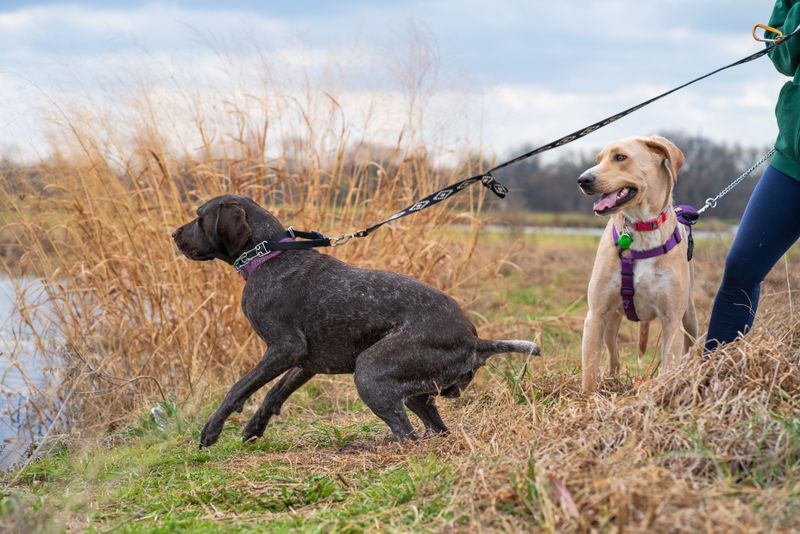
Nothing beats a leash for keeping a curious nose out of trouble. Near ponds, lakes, marsh edges, and coastal trails, keep your dog clipped in and close.
Off-leash dogs move fast, follow scent, and reach the water before you can call them back.
A six-foot leash gives you real control without spoiling the walk.
Many parks require leashes anyway, though rules vary by county and city, so check local signs.
4. No Swimming When A Gator Is Around
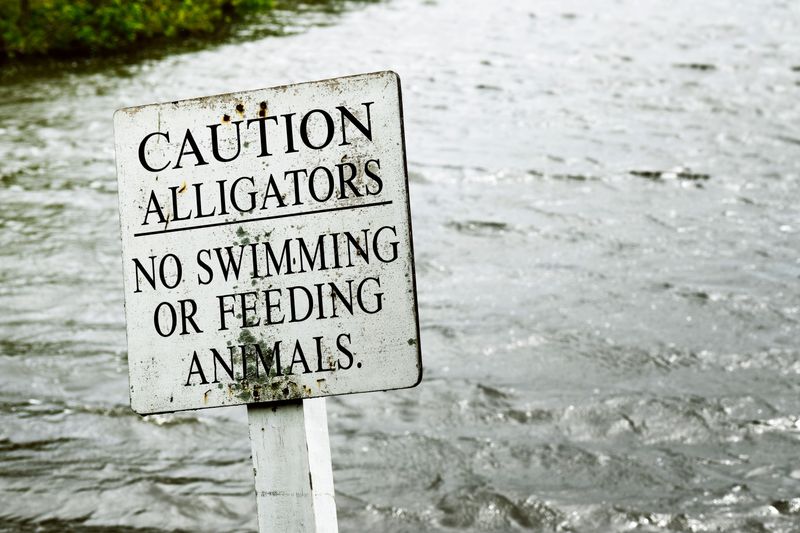
Retrievers love a cooling dip, and that instinct needs managing here. If you spot an alligator anywhere in a pond or lake, the swim is off for the day.
Splashing sounds and quick movements read like an easy meal.
Choose a fenced yard, a kiddie pool, or a dog-friendly beach with open surf instead.
Your dog will not mind the swap, and you will walk home relaxed.
5. Treat Almost Any Lowcountry Water As Gator Water
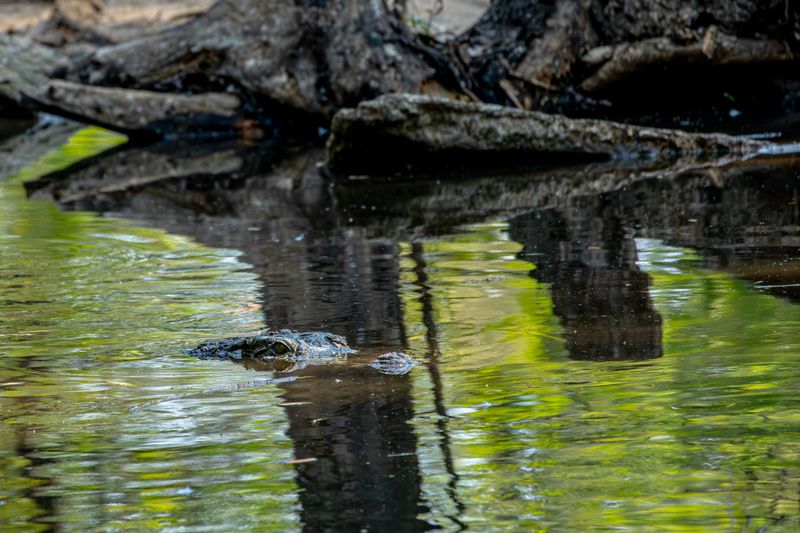
Locals have a simple rule that works: assume water holds an alligator until proven otherwise. Across the Atlantic Coastal Plain, alligators live in swamps, rivers, lakes, ponds, and slow streams.
They also slip into brackish estuaries and salt marsh edges now and then. So a quiet drainage ditch deserves the same respect as a big lake.
Walking with that mindset means you never get caught off guard, and your dog stays comfortably away from surprises.
6. To A Gator, Your Dog Is Simply Movement
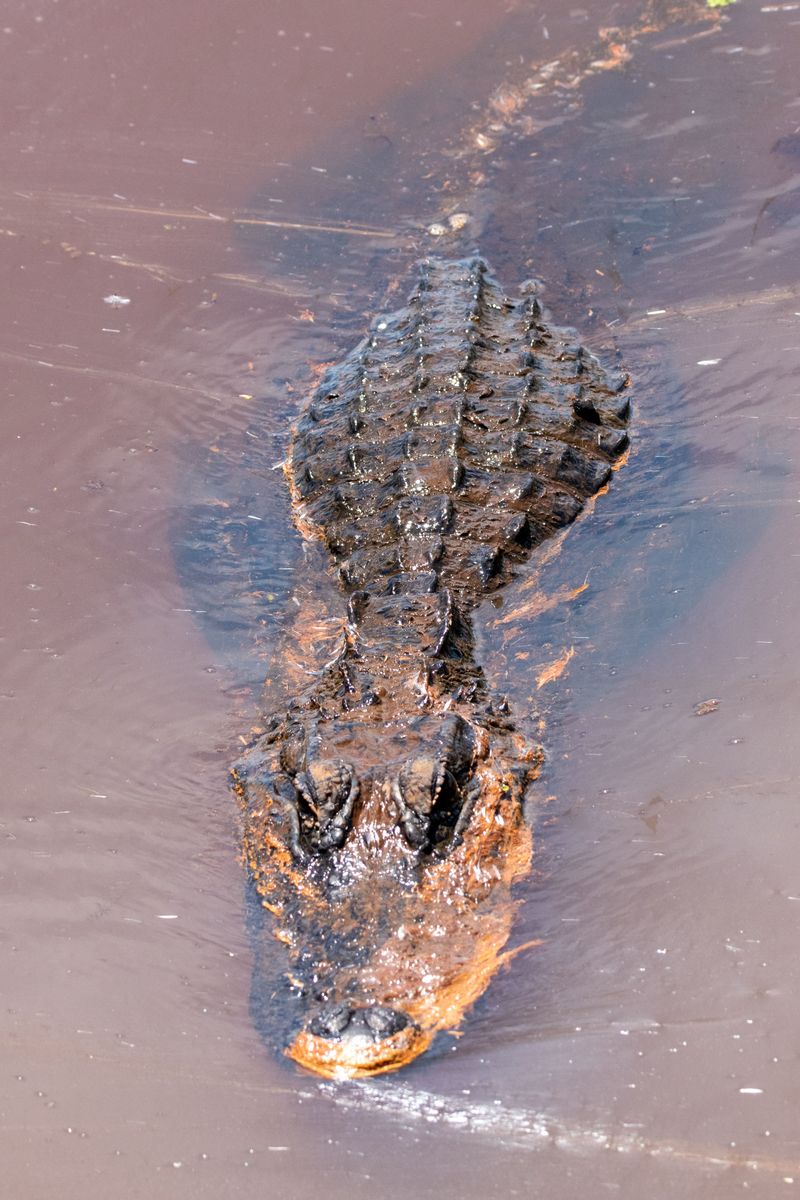
Here is the part that surprises people most. Alligators are opportunistic feeders, and they do not distinguish a family pet from natural prey.
A collar, a sweater, or a familiar bark means nothing to them.
Size, motion, and splashing near the shoreline are what register.
Understanding that removes any temptation to think your well-trained dog is somehow different. Distance is the only thing that reliably keeps everyone safe.
7. Small Dogs Need Extra Watching
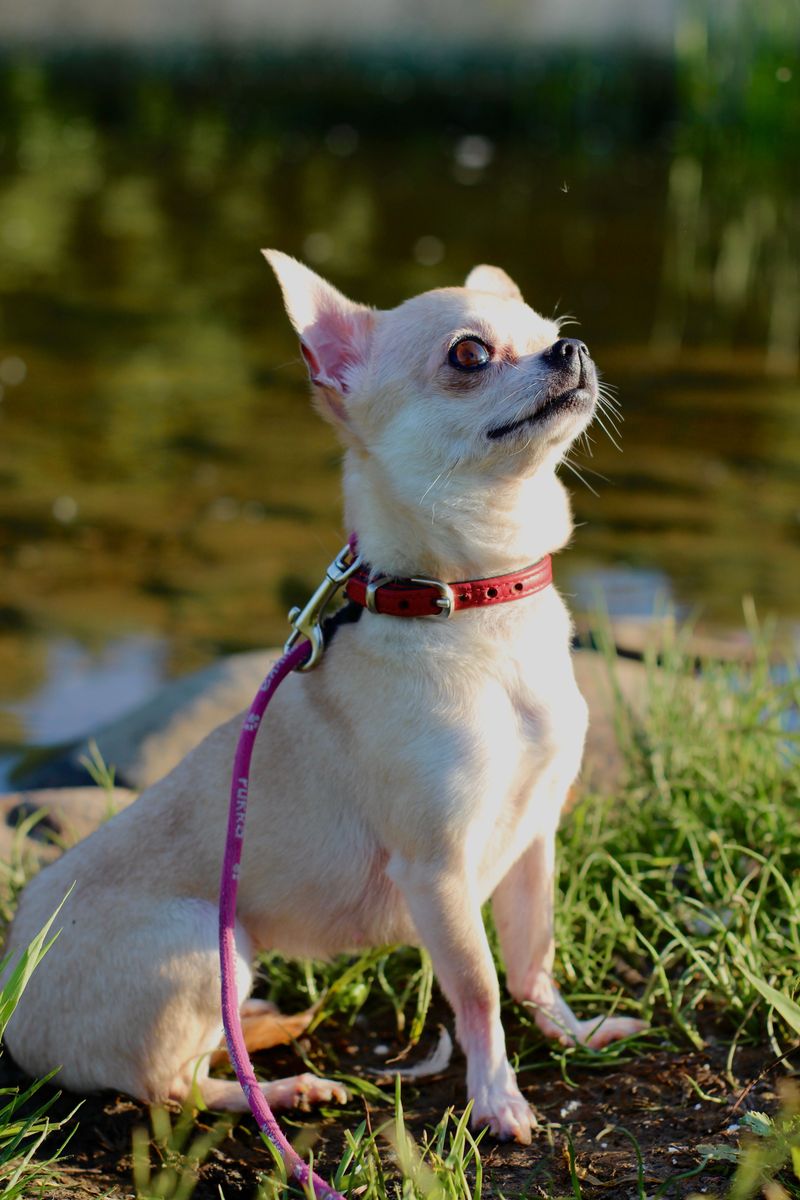
Little dogs carry big personalities and very little bulk. Because of their size, they can be mistaken for the sort of prey an alligator normally targets.
Keep small breeds on a short leash near water, and consider carrying them past open banks.
Avoid letting them wander into tall grass along pond edges.
Owners of toy breeds often walk in interior neighborhoods instead, which is a smart, simple adjustment.
8. Dusk To Dawn Deserves Wider Margins
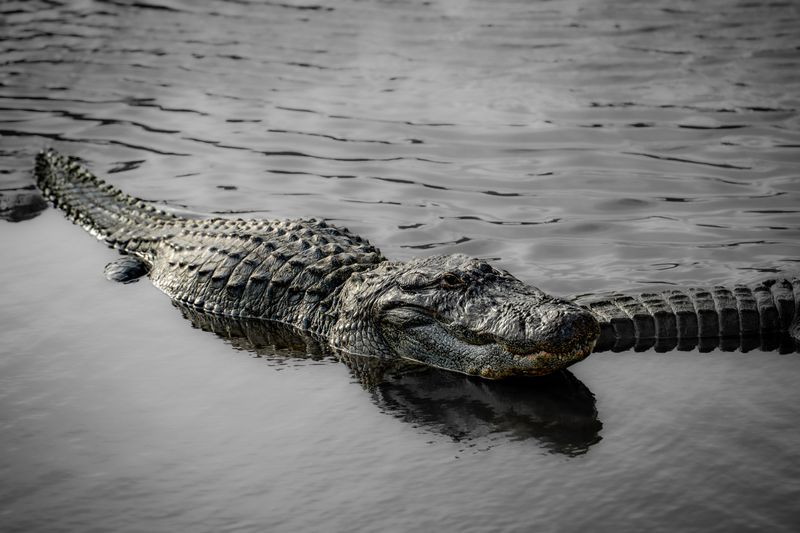
Evening walks feel wonderful in the coastal heat, and they also line up with peak alligator activity. Between dusk and dawn, alligators move and feed more.
Low light makes spotting one near the bank much harder.
Give ponds and marsh edges noticeably more space during those hours, or shift your route inland.
A bright headlamp helps you see the shoreline, and reflective gear keeps your dog visible too.
9. Warm Weather Turns Up The Activity Dial
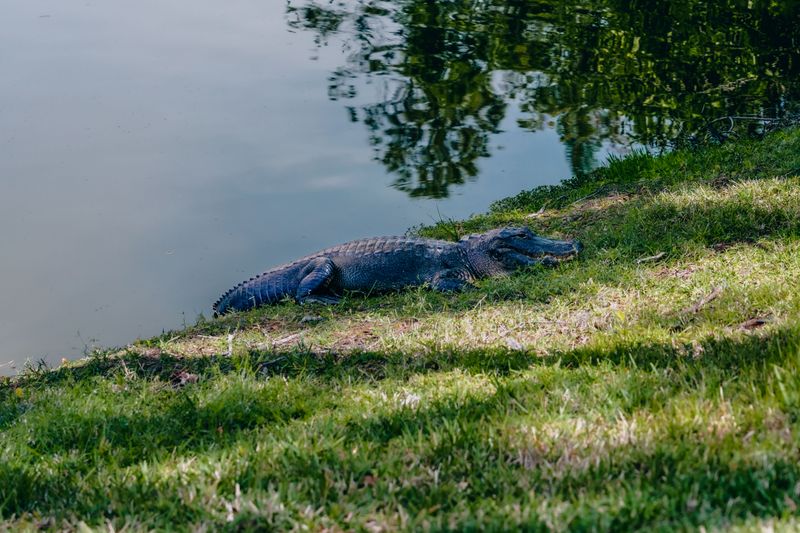
Alligators are cold-blooded, so temperature runs their schedule. As South Carolina warms up, they become far more active, with activity peaking in the hottest stretch of the year.
Cooler winter months bring sluggish, hidden animals, which lulls newcomers into bad habits.
From roughly April through September, tighten your routine near water.
Same trail, same dog, different season, different awareness level. That seasonal thinking is what experienced Lowcountry owners rely on.
10. Spring Brings More Roaming
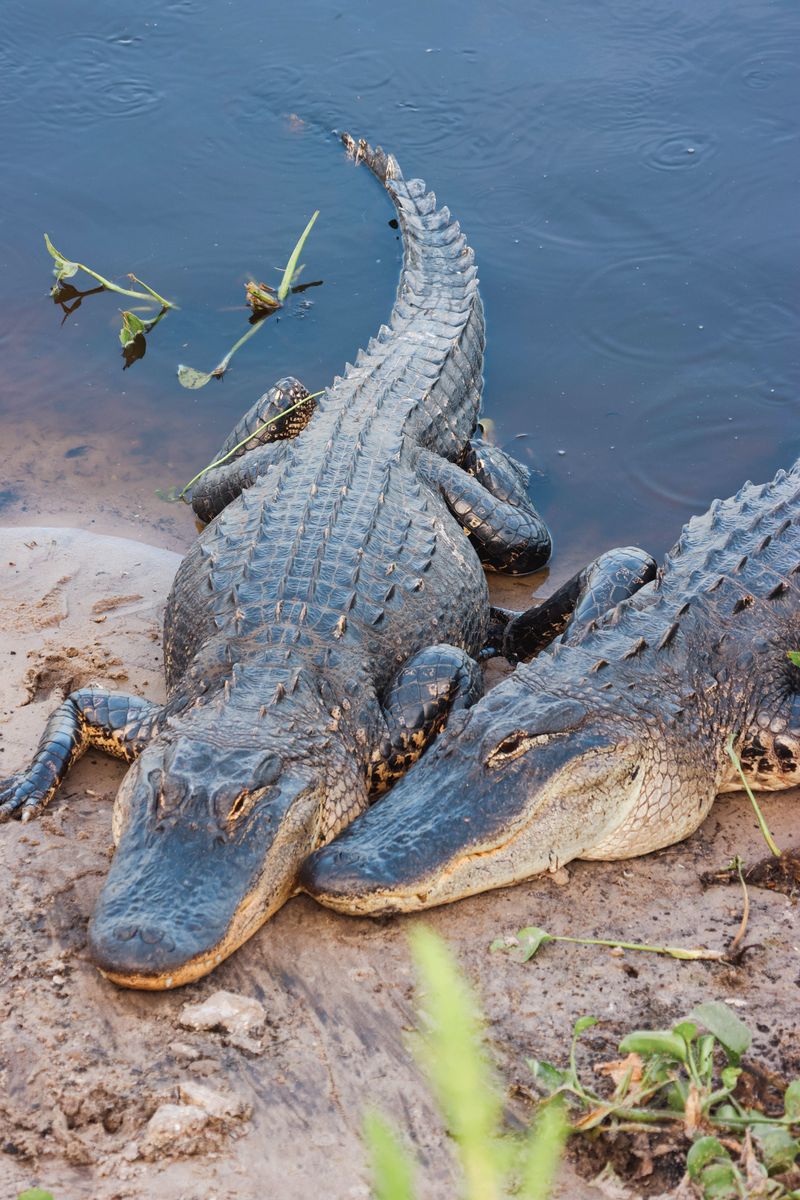
Courtship typically starts in April, with mating mostly in May and June. During that stretch, males travel farther looking for mates, sometimes crossing yards, roads, and golf courses.
An empty pond in March may have a new resident by May.
You might also hear low bellowing sounds from the water.
Treat spring as a fresh scouting season, and never assume last year’s quiet spot stayed quiet.
11. Summer Nesting Zones Call For A Wide Detour
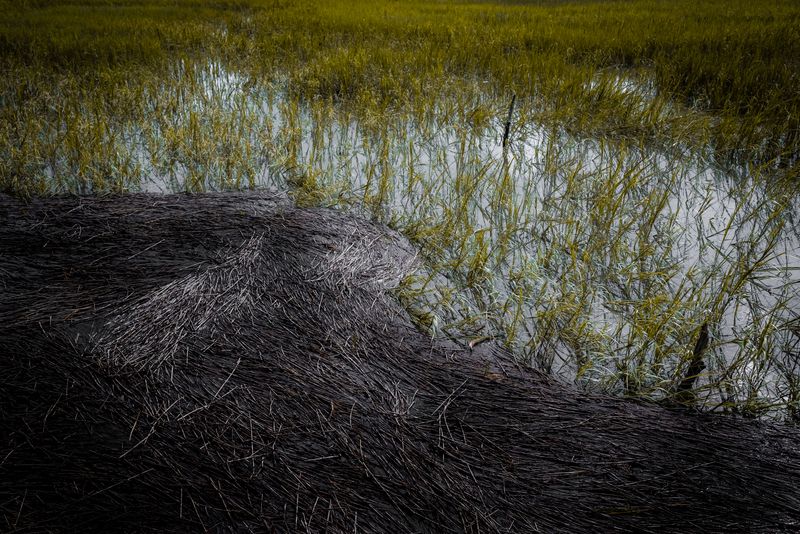
Females start building mound nests in June, usually on high ground close to the water. Mothers guard those nests closely through incubation, and they may stay protective of hatchlings for more than a year.
Piles of heaped vegetation near a bank are worth a very wide detour.
Tiny alligators are a clear signal that an attentive adult is nearby.
Cute as they look, keep your dog moving along.
12. Basking Gators Get Left Alone
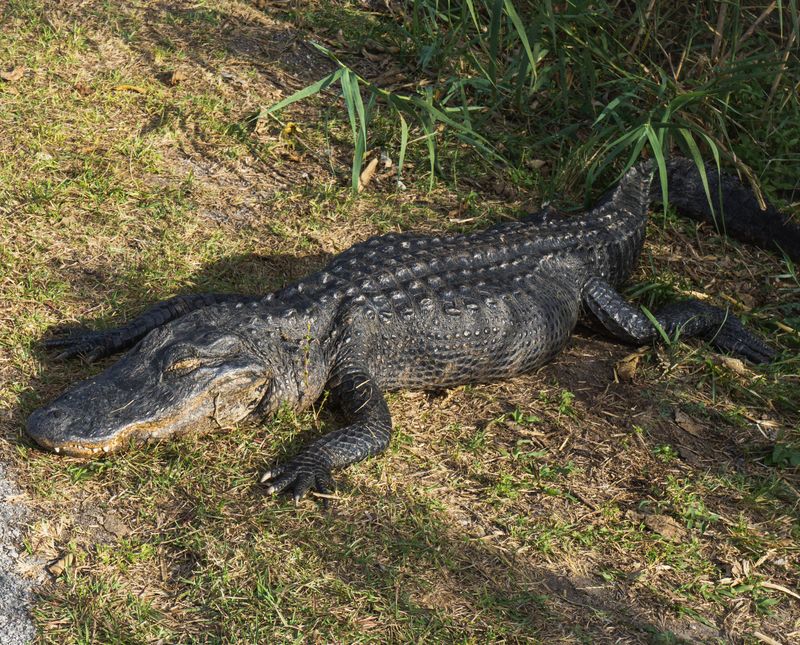
An alligator stretched out on a bank or path is usually just soaking up warmth. Resting does not mean relaxed or approachable, and it certainly does not mean slow.
Never walk closer for a photo, and keep your dog from investigating.
Turn around and take another route, even if it adds distance to your loop.
Curiosity is the one thing worth leaving at home on Lowcountry trails.
13. Never Block The Route Back To Water
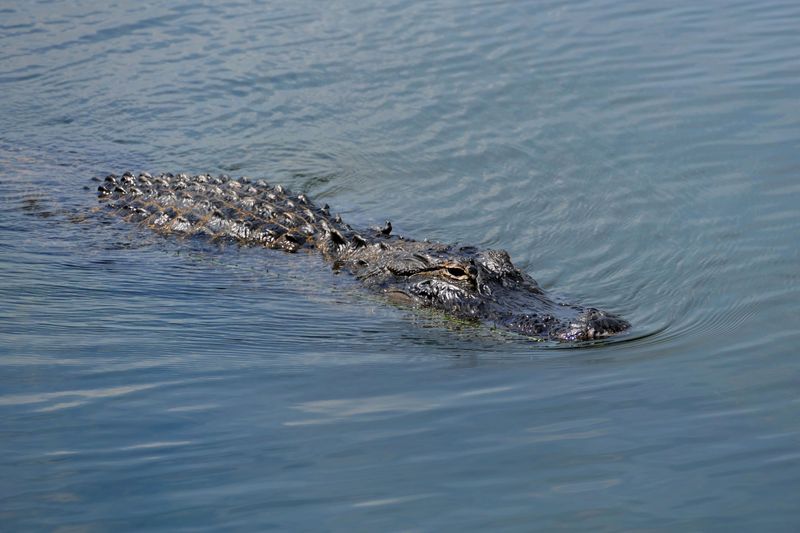
Alligators almost always want to retreat into the water when disturbed. Standing between one and its pond removes that option, which can trigger a defensive reaction.
Before you back up, notice where the water sits relative to you.
Move away in a direction that leaves the animal a clear, open path.
Guiding your dog behind you as you retreat keeps the whole thing calm and uneventful.
14. Hissing Or An Open Mouth Means Go
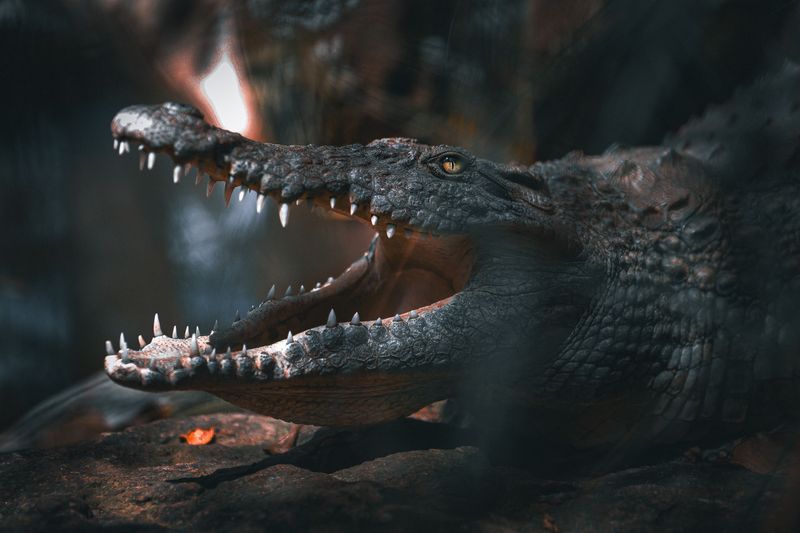
Alligators give clear signals before anything else happens. A hiss, a wide open mouth, or a short lunge forward all mean the same thing: you are too close.
Respond right away by leading your dog steadily away from the bank.
No shouting, no throwing objects, no lingering to film it.
Recognizing those cues early is one of the most practical skills a Lowcountry dog owner can build.
15. Zigzag Running Is A Myth
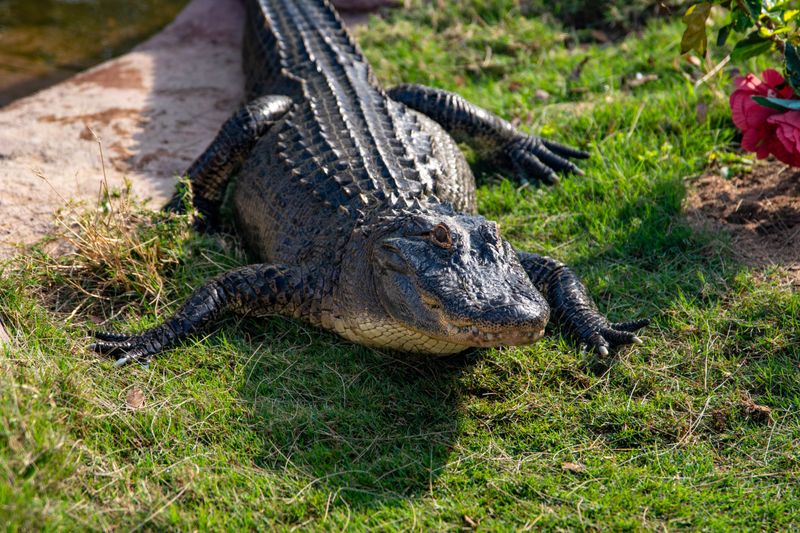
That old zigzag tip has been passed around for decades, and it simply is not helpful. If an alligator moves toward you on land, run straight away from it and put real distance between you.
Alligators do not chase people for long stretches.
Zigzagging only slows you down and risks a stumble.
Straight line, steady grip on the leash, off the bank. Keep it that simple.
16. Feeding Alligators Is Against The Law
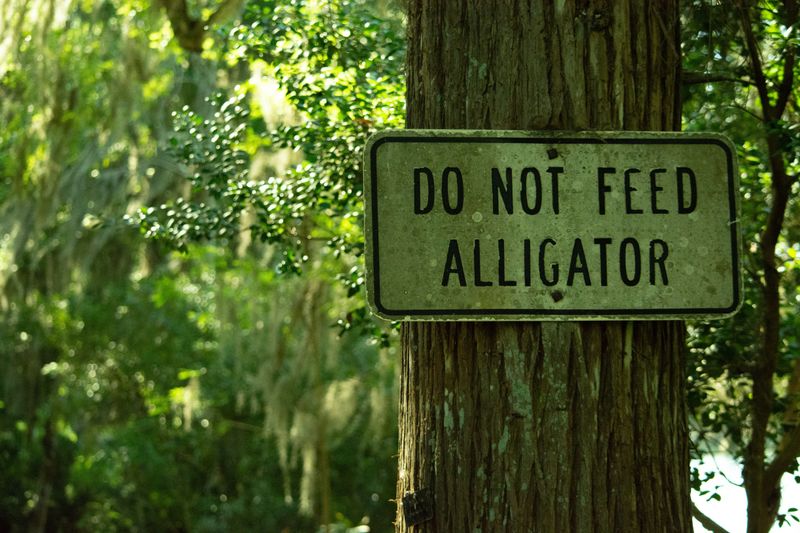
South Carolina law prohibits feeding or enticing alligators with food, under Section 50-11-750 of the state code. Beyond the legal side, feeding teaches an alligator to associate people with meals.
Once that fear fades, the animal often has to be removed permanently.
A fed alligator becomes a bold alligator, and bold ones create problems for every dog walker nearby.
Report anyone feeding them to local wildlife officials.
17. Skip The Duck Bread By The Pond
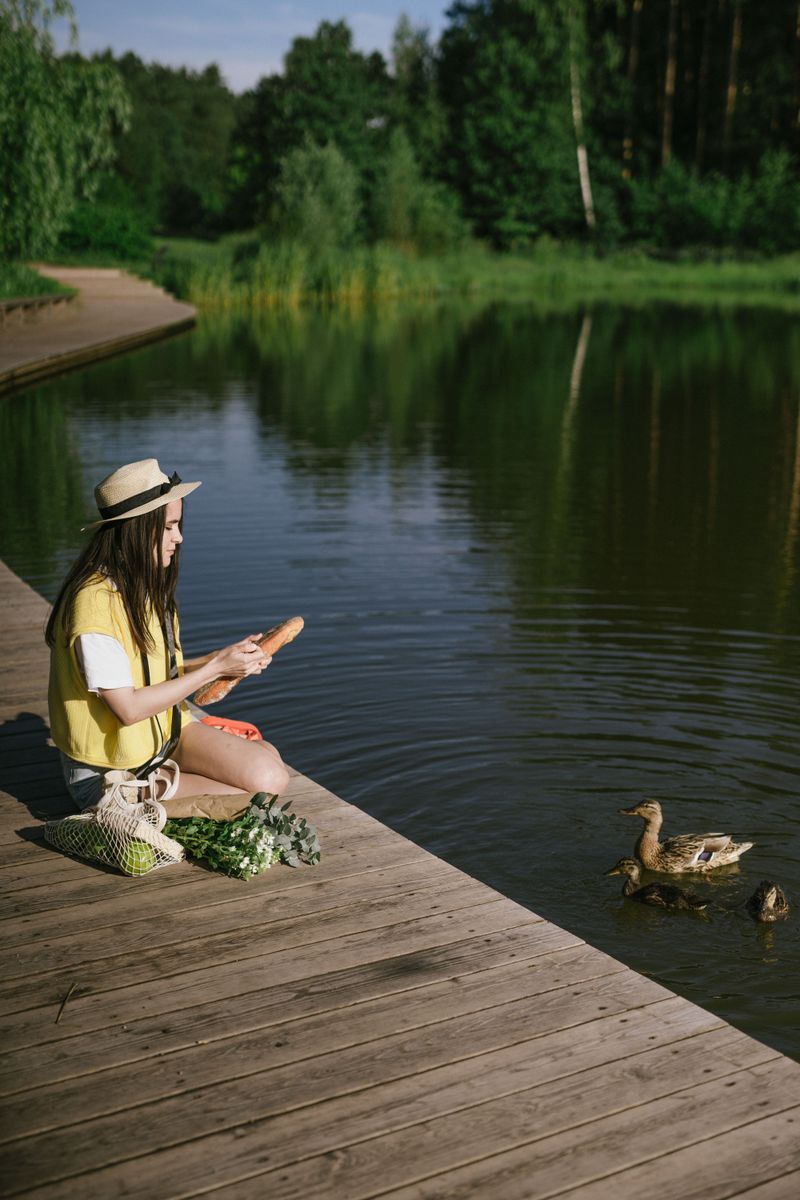
Tossing bread to ducks feels harmless and sweet. Unfortunately, feeding birds or fish beside alligator habitat gathers prey in one spot, and alligators notice the buffet.
Your dog may then be standing right where an alligator has learned to wait.
The same goes for scattering feed for turtles.
If you enjoy watching wildlife, watch from a distance and keep every snack in your pocket.
18. Pack Out Scraps And Fishing Waste
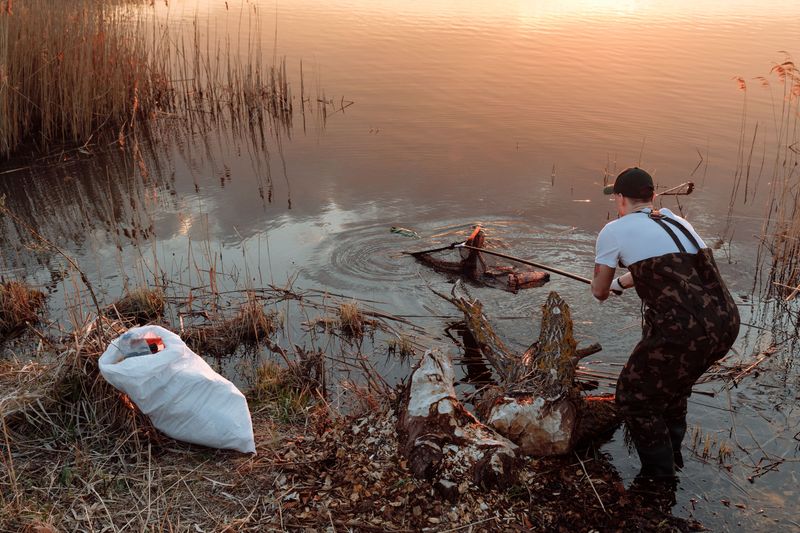
Anglers and picnickers unintentionally set the table sometimes. Fish remains, bait, and food scraps left near a shoreline draw alligators back again and again.
Use proper trash cans or take waste home with you.
Rinse your cooler away from the bank, and never dump leftovers into the water.
A clean shoreline is a quieter shoreline, which makes your next dog walk along that same pond far easier.
19. Marked Paths And Posted Signs Exist For A Reason
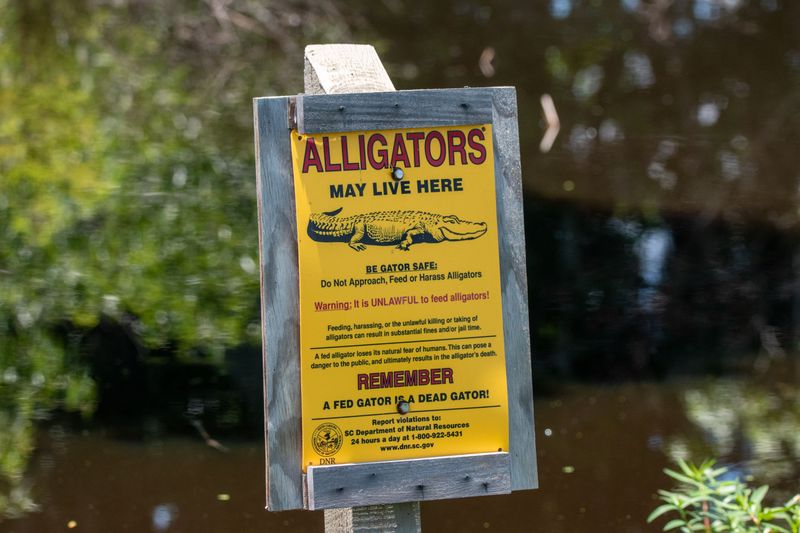
Those yellow warning signs at boardwalks and preserves are not decoration. They mark places where alligators are known to live, often right beside the trail.
Staying on marked paths keeps you out of tall grass where an animal may be resting unseen.
Trail rules differ between state parks, county preserves, and private communities.
Check posted notices at the trailhead, and follow whatever the local guidance says.
20. If The Leash Pulls Toward Water, Let Go
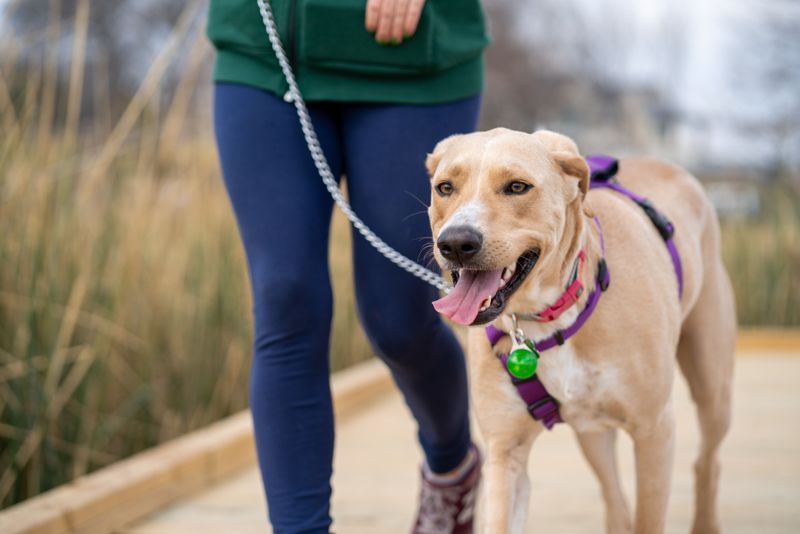
Nobody wants to think about this moment, but a plan matters. Should an alligator take hold of a leashed dog, drop the leash immediately.
Being pulled toward the water puts you in danger and helps nobody.
Move back to solid ground, then call local wildlife authorities or animal control.
Prevention is what keeps this scenario theoretical: leash on, distance kept, banks avoided. Stay aware, stay calm, and enjoy your walks.