What Tennessee Dog Owners Should Know About Copperheads Near Creeks And Wooded Yards
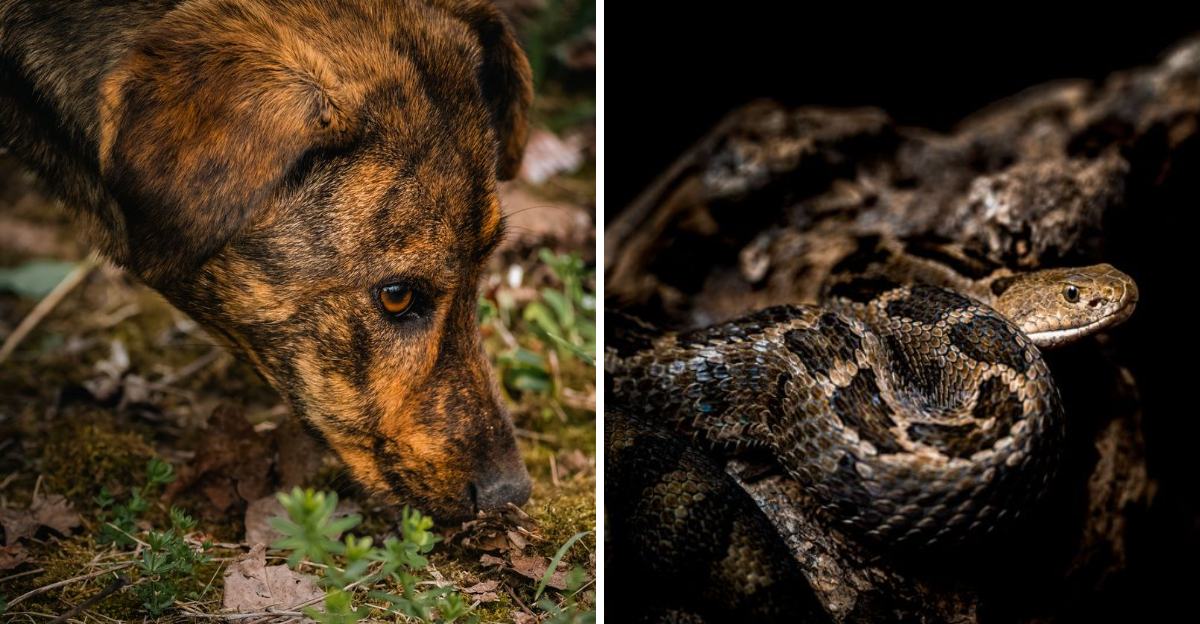
If your yard backs up to a creek, a treeline, or a tangle of brush, you share that space with more than songbirds. Copperheads live across much of Tennessee, and curious dogs sometimes stumble into them without meaning any harm.
The good news is that a little local knowledge goes a long way. Here is what experienced Tennessee dog owners keep in mind, from smart yard habits to knowing exactly what to do if something happens.
Why Copperheads Are Found Around Tennessee Homes
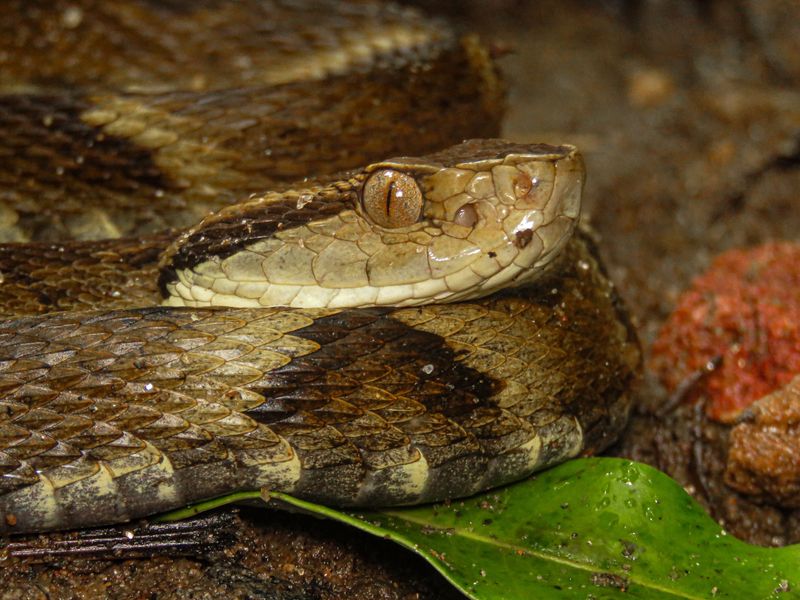
Tennessee sits in prime copperhead country, from the Cumberland Plateau to the suburbs of Nashville and Knoxville. Neighborhoods built near woods keep the habitat these snakes already used.
Homes offer warmth, cover, and steady food like mice, frogs, and insects. A tidy lawn with a leafy border still reads as good territory.
Seeing one nearby does not mean your property is overrun. Copperheads are common, quiet, and generally content to be left alone.
Why Creeks Can Be Attractive to Copperheads
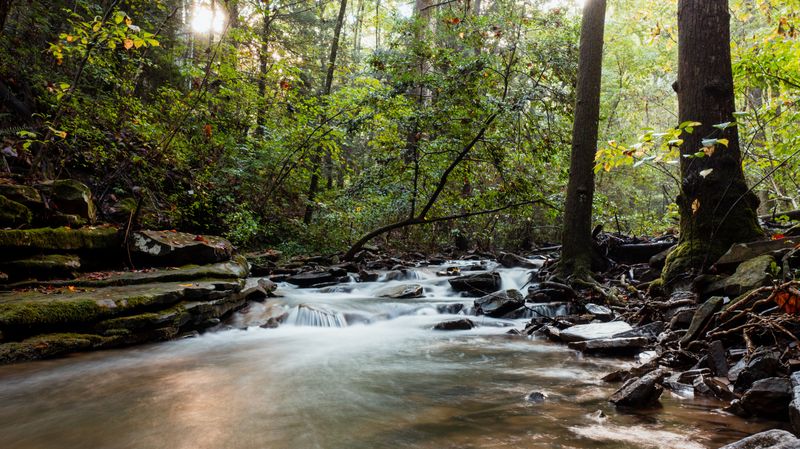
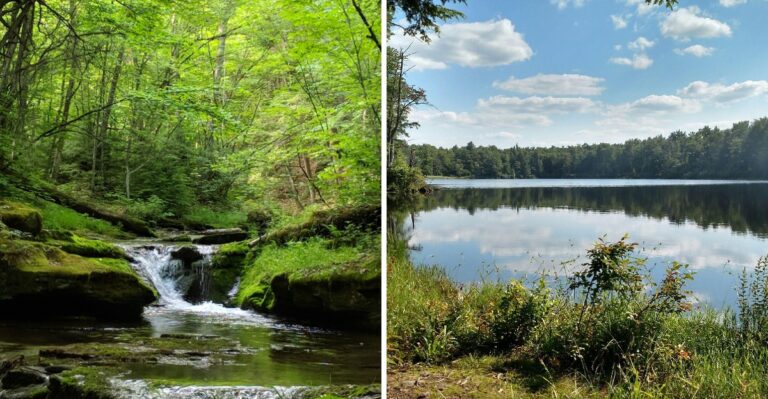
Water pulls in frogs, salamanders, and insects, and those animals draw hungry snakes. A creek is basically a well stocked pantry.
Damp banks also stay cooler in summer heat, which matters to a cold-blooded animal. Shade, moisture, and food all line up in one narrow strip.
Add flood debris and undercut banks, and you get shelter too. That combination explains why creek corridors deserve a bit more attention on walks.
Where Copperheads May Hide in Wooded Yards
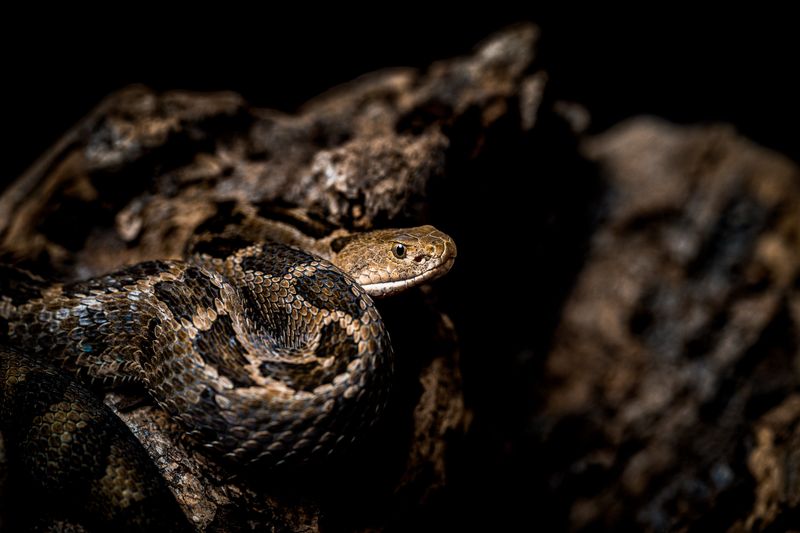
Copperheads are masters of blending in. Their hourglass bands mimic dappled shade and dry oak leaves almost perfectly.
Favorite resting spots include leaf piles, stacked branches, hollow logs, mulch beds, and the gap beneath a deck or shed. Low stone walls work too.
Because they rely on camouflage rather than fleeing, they often stay still as people pass. Knowing their preferred cover helps you steer your dog elsewhere.
Why Tall Grass and Thick Brush Can Be Risky
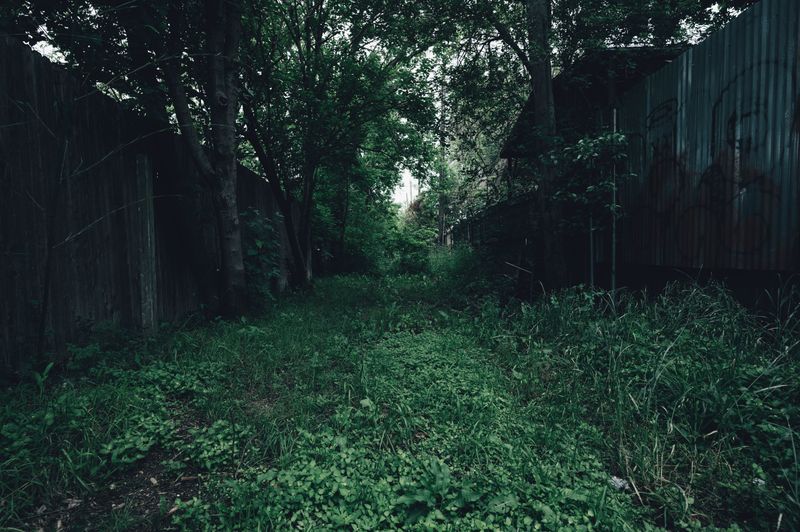
Overgrown corners hide everything, including whatever your dog is about to nose into. Visibility drops to nearly zero for both of you.
Tall grass holds moisture and rodents, two things snakes appreciate. Brush piles add a ceiling of cover on top.
Mowing regularly and trimming fence lines removes much of that appeal. A short, open border lets you spot movement early and gives your dog a clearer path.
How Dogs Accidentally Get Too Close to Copperheads
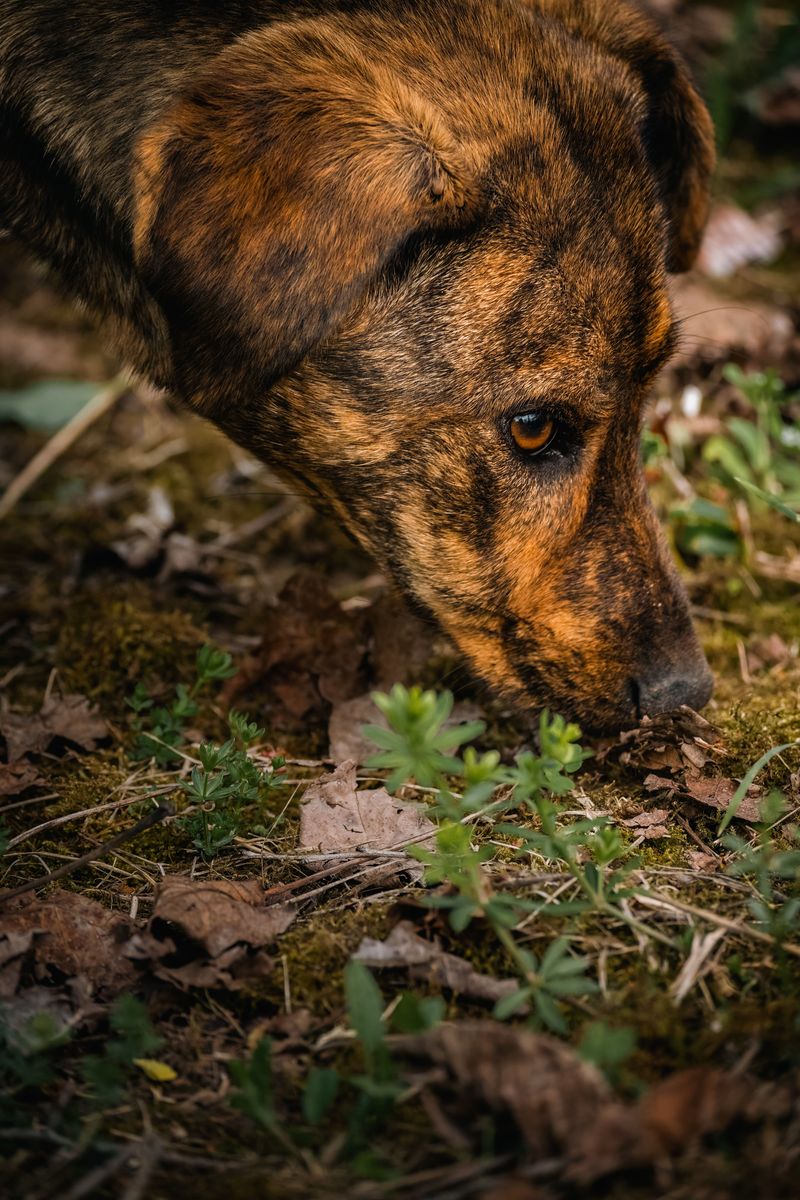
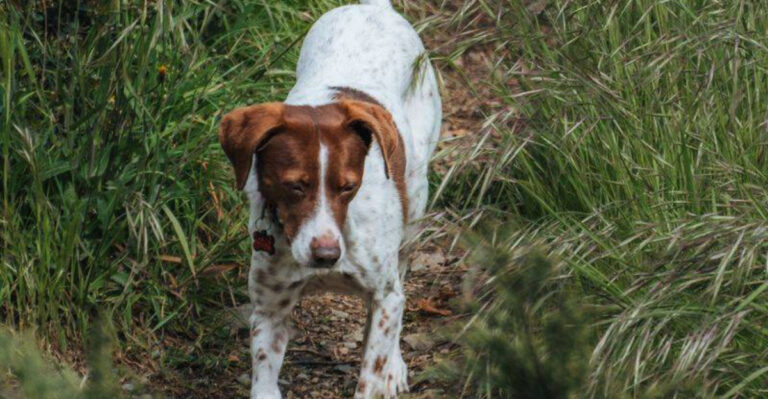
Dogs explore with their faces. A nose pushed into leaf litter arrives long before the eyes register anything unusual.
Most encounters can happen when a dog investigates a snake that has remained still. A curious dog may approach before either animal has much time to react.
Muzzle and front-leg areas can be exposed during these close encounters. Keeping your dog away from dense leaf litter, logs, and other cover can reduce the chance of an unexpected encounter.
Why Creek Banks Require Extra Caution
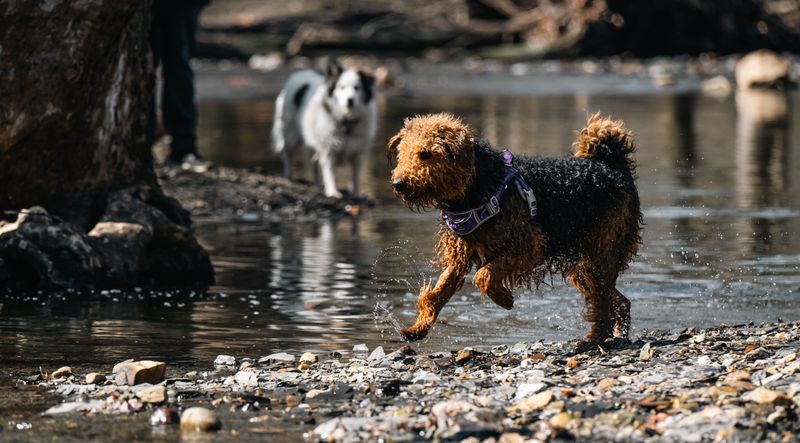
Picture the typical creek edge: loose rocks, root tangles, driftwood, and shady overhangs. Every one of those features doubles as a hiding place.
Footing is also uneven, so dogs scramble and lunge to keep balance. Sudden movements make careful placement harder.
Keeping your dog a few steps back from cluttered creek banks can reduce the chance of an unexpected encounter. If your dog needs to approach the water, choose open areas where you can see the ground clearly.
Keep Dogs Leashed Near Creek and Woodland Areas
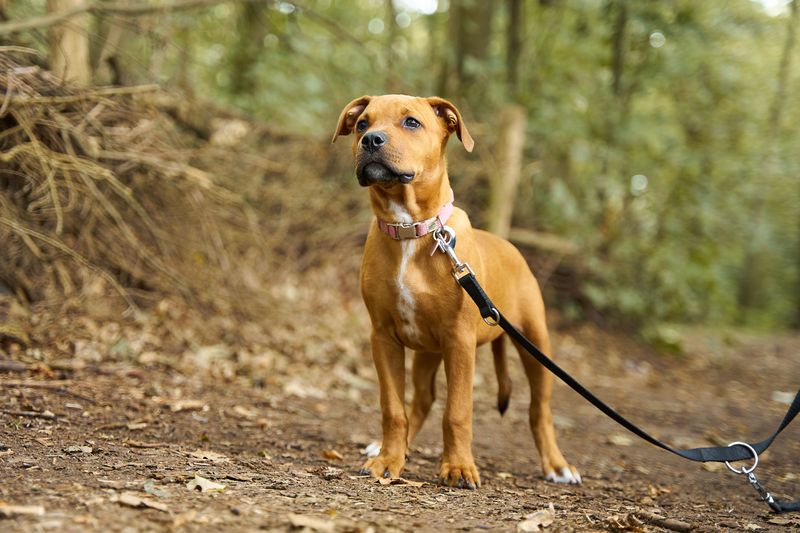
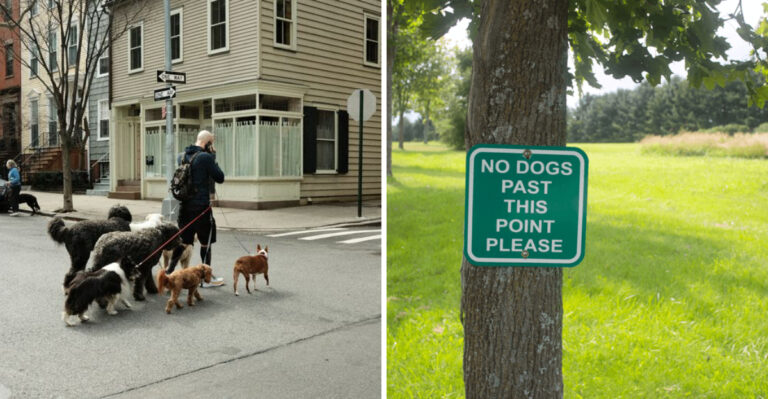
A leash is the simplest safety tool you own. Six feet of control beats calling a dog back from twenty feet away.
Many Tennessee cities and counties also have leash rules, and state parks generally require them. Requirements vary, so check your local ordinance.
Beyond legality, leashes let you steer around suspicious spots. Retractable models offer less control, so a standard lead works better in brushy terrain.
Teach Your Dog to Leave Wildlife Alone
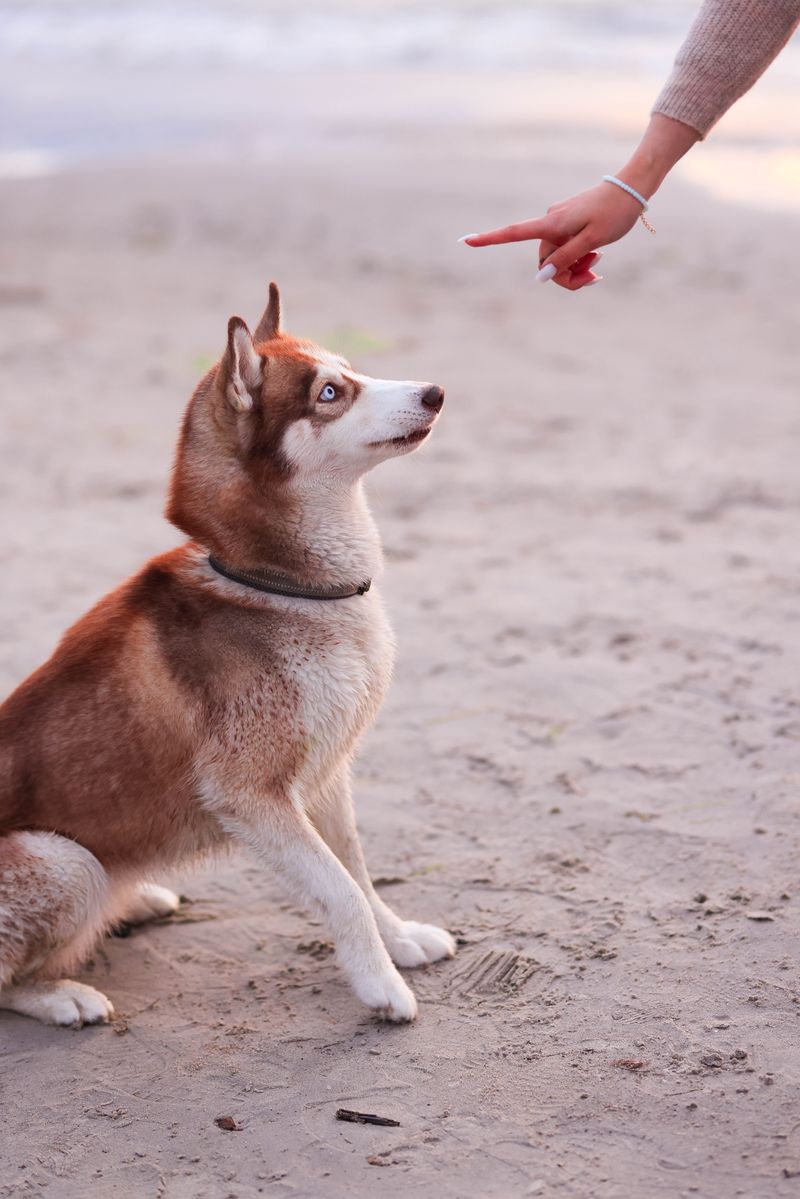
A reliable leave it cue is worth more than any gadget. Practice it indoors first, then in the yard, then on walks.
Pair it with a strong recall so your dog turns away instead of freezing in place. Reward generously every single time.
Some trainers in Tennessee offer snake avoidance classes. Ask about methods before enrolling, and choose programs that use reward-based, low-stress techniques whenever possible.
Watch Where Your Dog Sniffs and Steps
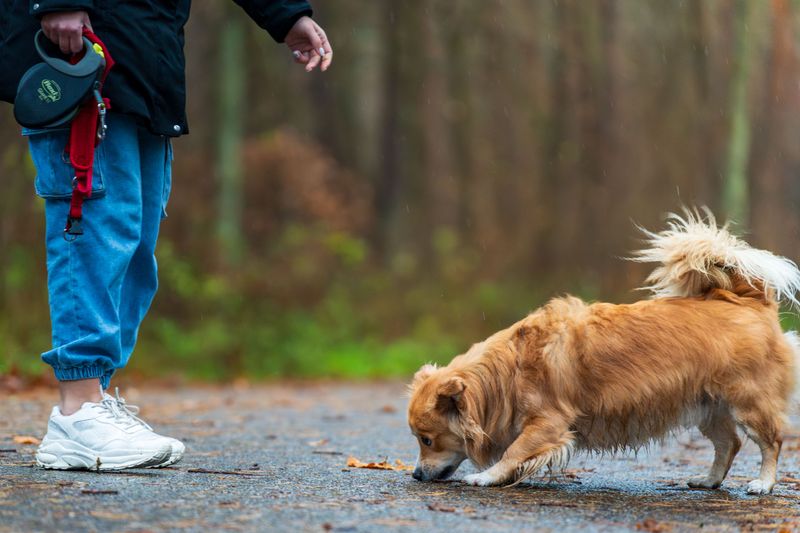
Scanning ahead becomes second nature once you start. Look at the ground five or six steps in front of your dog.
Pay attention to rock ledges, log crossings, mulch beds, and shady spots where leaves have gathered. Those deserve a wider berth.
Sunny mornings and cool evenings often find snakes stretched out on warm surfaces. A quick visual sweep costs you nothing and prevents a lot.
Remove Potential Snake Hiding Spots From Your Yard
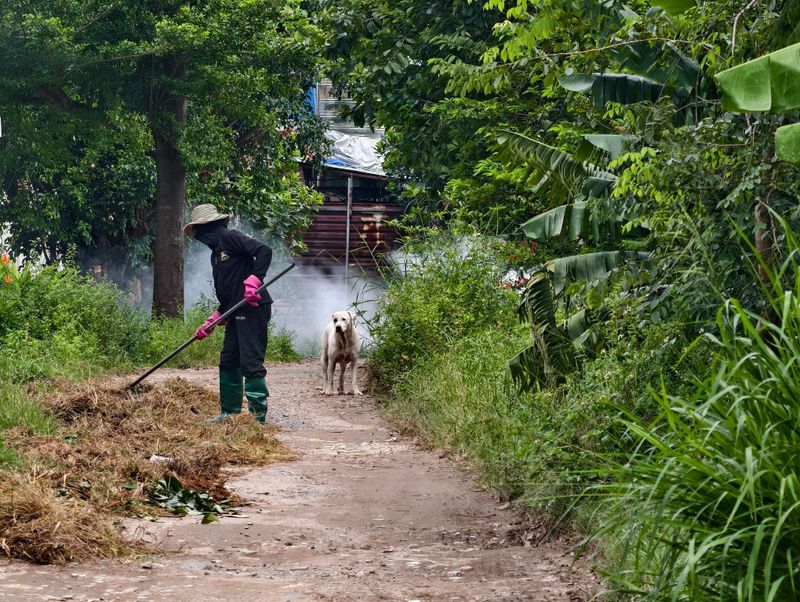
Reducing potential hiding places and food sources can make your yard less attractive to snakes. Clear accumulated leaves and debris, keep vegetation maintained, and reduce conditions that can support rodents.
Clear leaf piles, trim shrubs up off the ground, seal gaps under sheds, and store feed in sealed containers. Fewer rodents means fewer visitors.
Keep firewood off the soil on a rack. A yard with open sightlines and minimal clutter simply is not very inviting.
Be Careful Around Rock Piles and Wood Piles
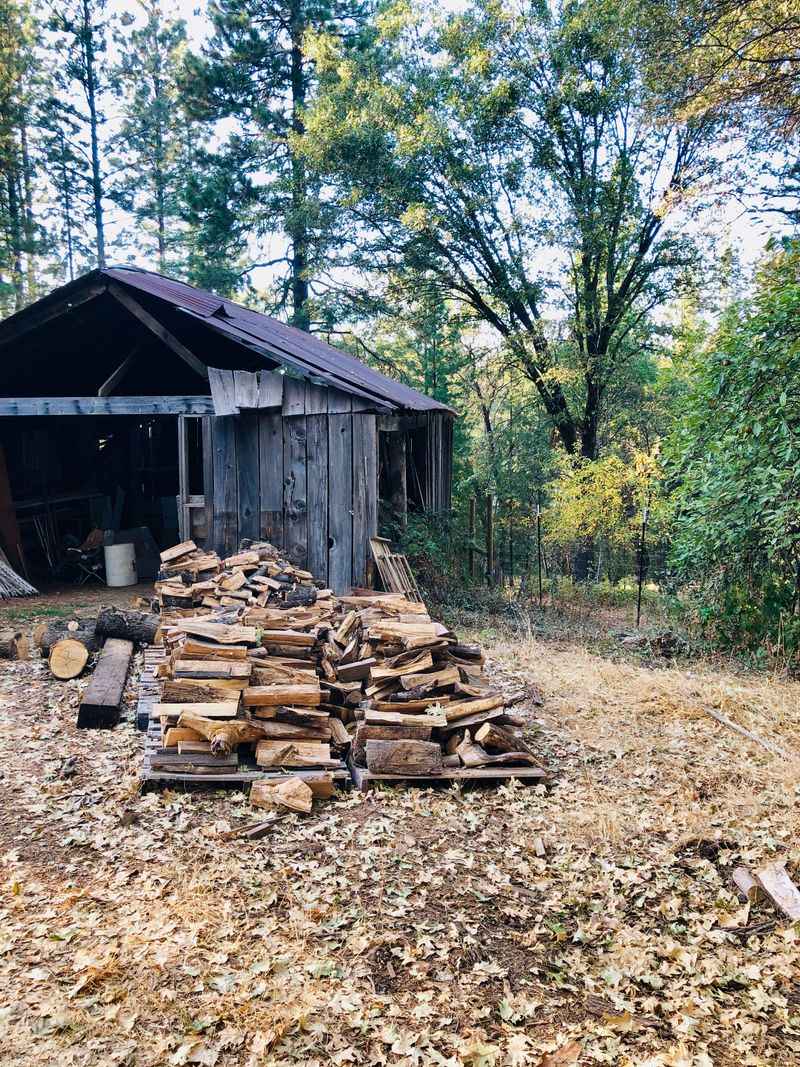
Stacked wood and loose stone create warm, sheltered pockets that hold heat overnight. Snakes and their prey both appreciate that.
When you need to move logs or landscape rocks, wear gloves and boots. Lift pieces away from you rather than reaching blindly into gaps.
Keep your dog inside during that work. Elevating woodpiles and consolidating loose stone reduces the number of pockets available year round.
Why Copperhead Bites Can Be Hard to Spot
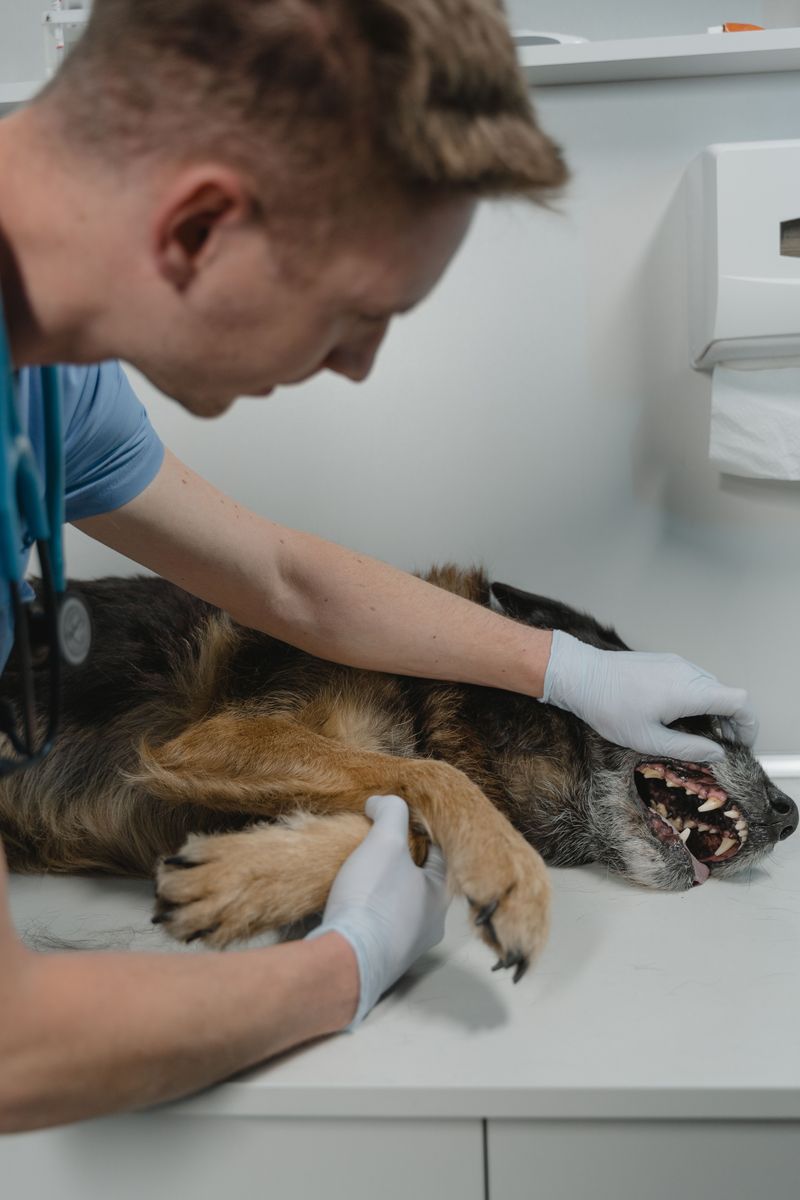
Small puncture wounds can be difficult to see, especially through thick fur, and swelling may be more noticeable than the bite marks themselves.
A bite may also occur when a dog investigates vegetation, leaf litter, or other cover. Your dog may return with swelling, pain, or other signs even if you did not see the encounter.
Trust behavior changes over visible wounds. Sudden limping, a puffy muzzle, or unusual whining after outdoor time deserves a call to your veterinarian.
Signs Your Dog May Have Been Bitten
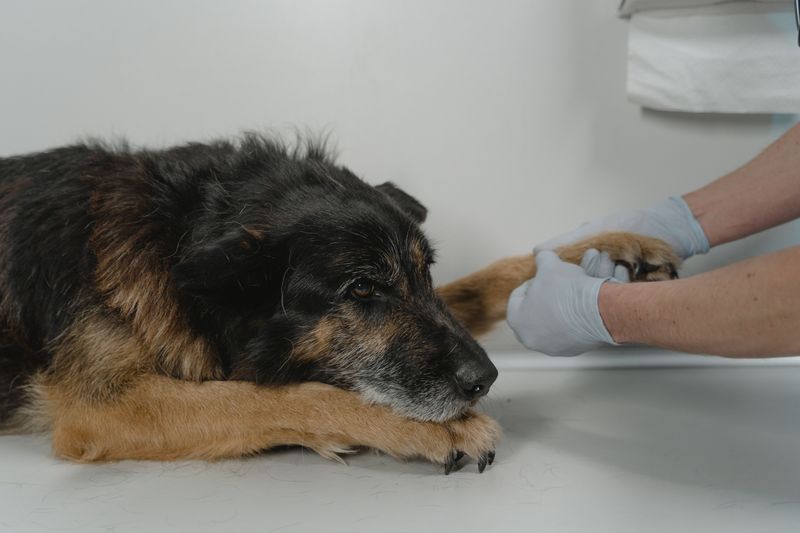
Rapid swelling around the face, muzzle, or a front paw is the most common early clue. Bruising may follow.
Other signs include sharp yelping, sudden limping, drooling, restlessness, pale gums, weakness, or refusing to put weight on a leg.
Symptoms can appear within minutes or build over an hour. Do not wait to see whether things improve on their own.
Head to a clinic instead.
What to Do After a Suspected Copperhead Bite
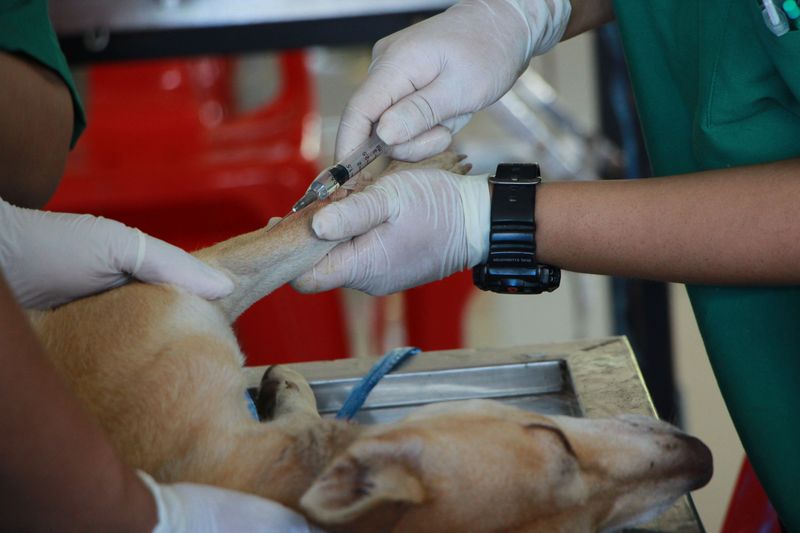
Stay calm and keep your dog still. Movement speeds circulation, so carry smaller dogs if you can manage it safely.
Call your veterinarian or the nearest emergency clinic while you head over. Let them know what you suspect so staff can prepare.
Remove collars or harnesses near swelling. Treatment may include pain relief, fluids, monitoring, and sometimes antivenom, and most dogs recover well with prompt care.
Why Home Remedies Are Not the Answer
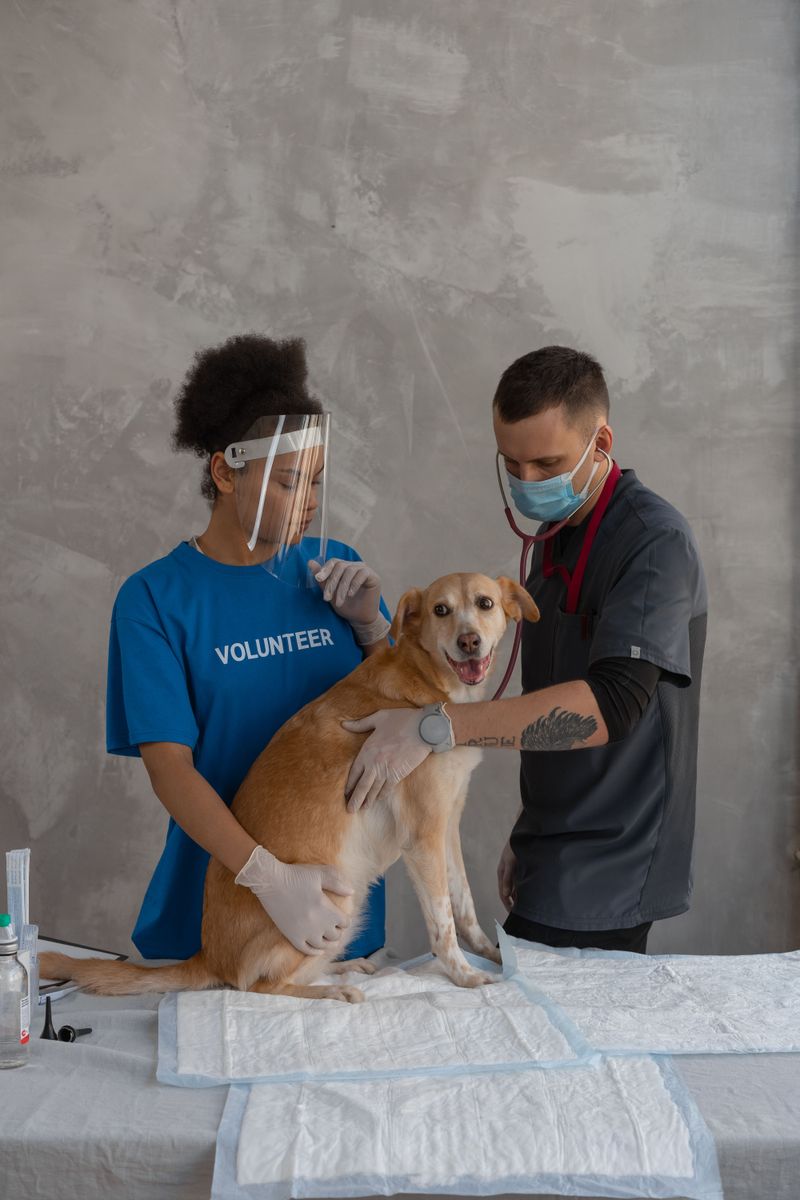
Old advice about cutting, suctioning, or applying ice keeps circulating, and none of it helps. Some of it makes things worse.
Tourniquets restrict blood flow and can damage tissue. Human pain medicines are unsafe for dogs in most cases.
Skip the internet fixes entirely. Your job is transport and communication.
Professional veterinary care remains the only treatment supported by current veterinary guidance.
Do Not Try to Handle or Catch the Snake
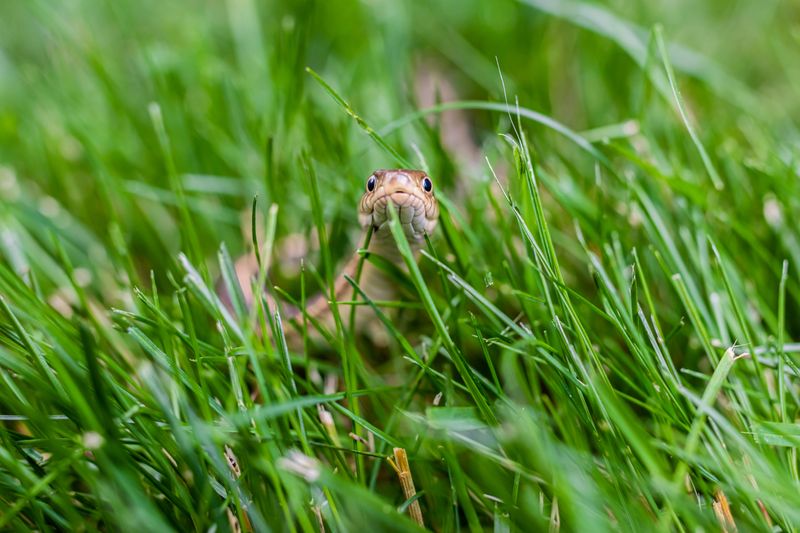
Resist the urge to deal with the snake yourself. Most bites to people happen during attempts to move or handle one.
Your veterinarian does not need the animal to treat your dog. A description or a photo taken from several feet away is plenty.
Nonvenomous species are protected under Tennessee wildlife regulations, so identification errors matter. Contact a licensed wildlife removal service if relocation is needed.
When Tennessee’s Warm Weather Raises the Risk
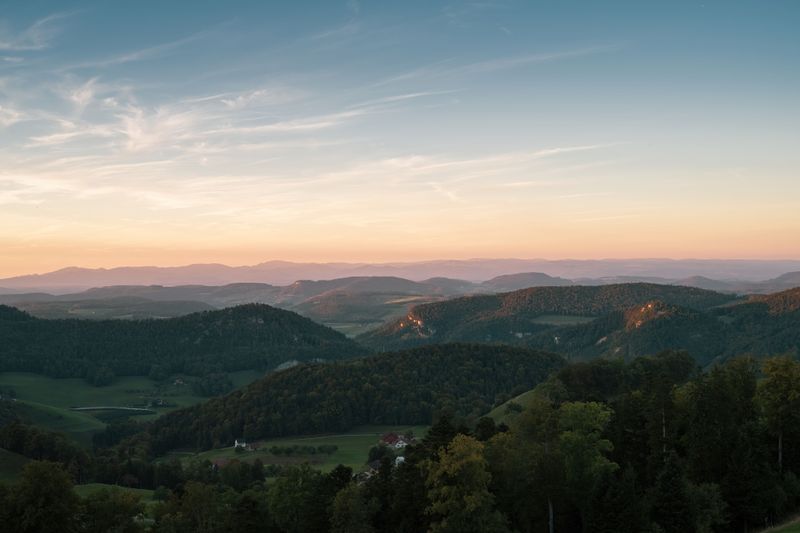
Activity generally picks up from April through October across the state. Spring and early fall bring the most movement.
Summer heat pushes copperheads toward dusk and nighttime hours. Late evening yard trips become the ones worth extra care.
A flashlight for after-dark bathroom breaks is a small habit with real payoff. Cooler months bring quieter yards, though mild winter days can stir brief activity.
How to Make Your Yard Safer for Your Dog
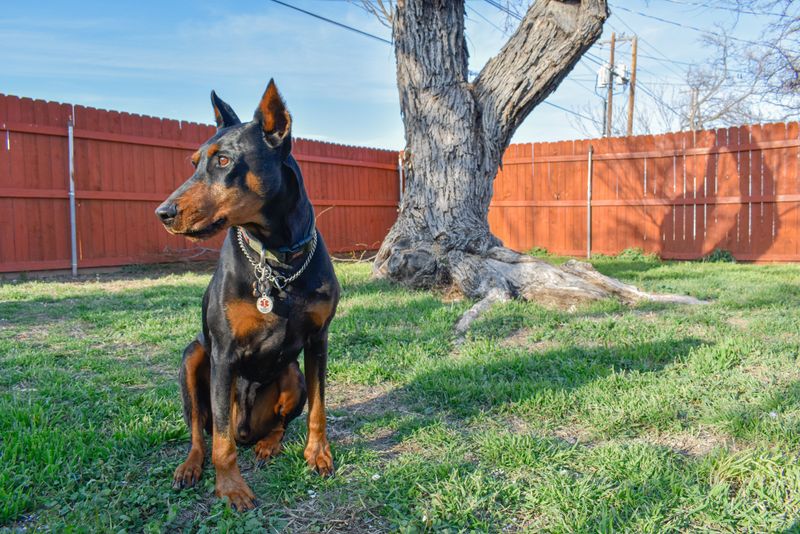
Think of it as landscaping with a purpose. Short grass, gravel borders, and open sightlines make the space less appealing to snakes.
A solid fence with fine mesh along the bottom helps, especially on the side facing woods or water. Fill burrows and seal foundation gaps.
Create one open play zone your dog uses most. Consistent maintenance beats any single quick fix.