What Texas Dog Owners Should Know About Feral Hogs Near Trails And Rural Properties
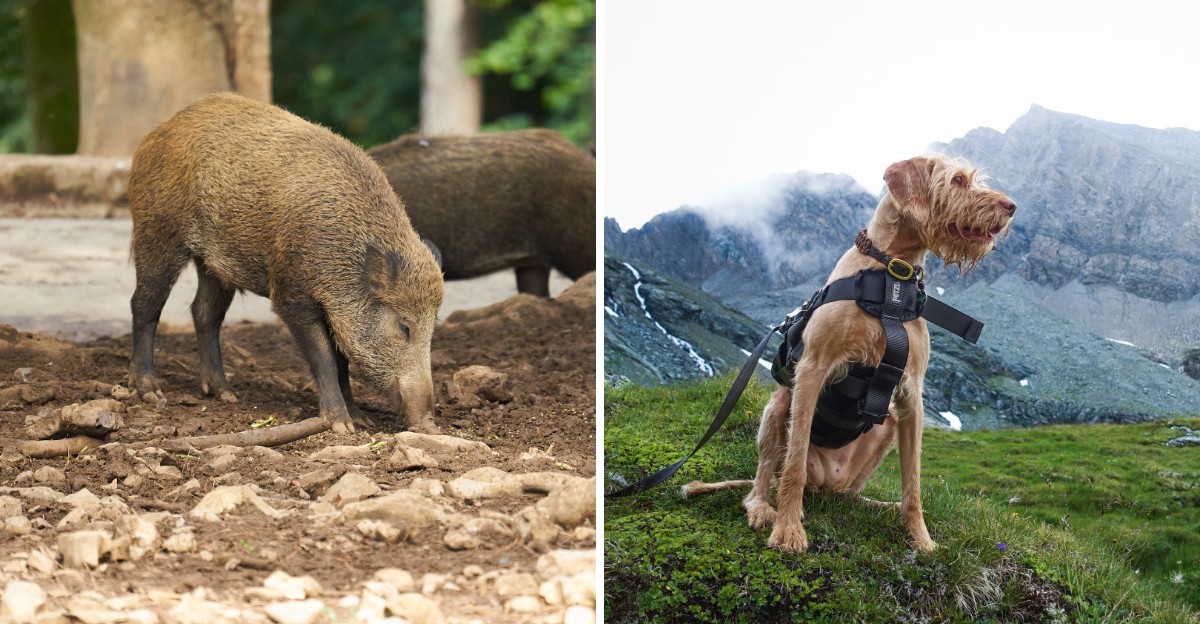
A walk through Texas brush country feels better when you know what signs to watch for. Feral hogs share many trails, creek beds, and rural spaces where dogs like to explore.
You can reduce trouble with a leash, a little planning, and a clear response if hogs appear. Whether you visit local trails or manage a country property, these habits can help you and your dog enjoy the outdoors.
1. Understand Why Hogs Matter to Texas Dog Owners
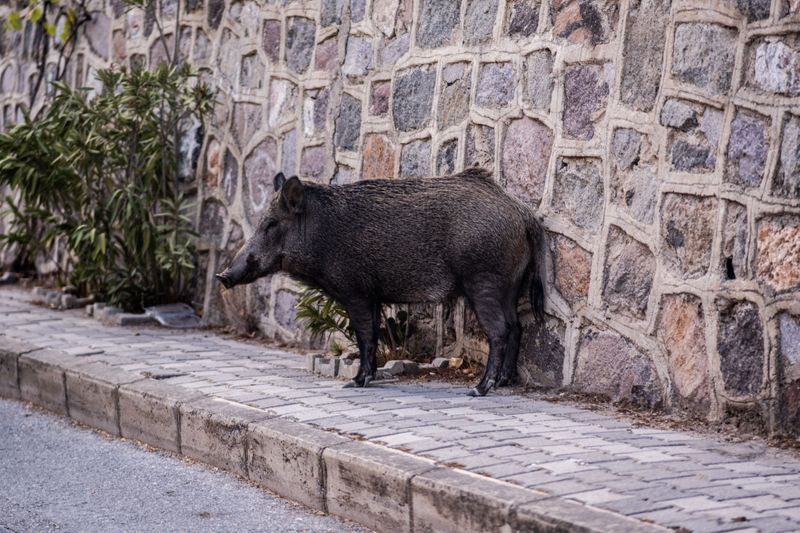
A familiar walking route can also be part of a hog’s daily range. Texas feral hogs use farmland, wooded edges, creek corridors, and some developed areas.
Their search for food and shelter can bring them close to dogs.
Most safety planning starts with preventing close contact, rather than expecting trouble around every corner. Learn where activity occurs, keep your dog nearby, and leave hogs plenty of space.
Small changes make outdoor routines easier to manage.
2. Read the Signs Beside the Trail
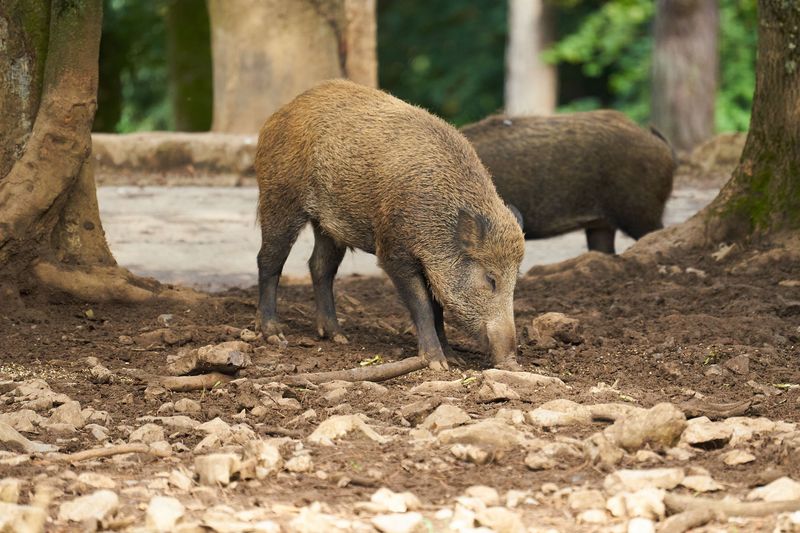
Turned soil beside a path deserves a second look before your dog investigates. Hogs leave rooting patches, muddy wallows, droppings, and sometimes mud rubbed onto trees.
Several signs together suggest more than one unexplained patch of disturbed ground.
Fresh mud and clear prints can point to recent activity, though weather affects their appearance. Keep your dog from sniffing droppings or entering thick cover nearby.
If signs increase, turn around or choose a different walking route.
3. Learn the Shape of Hog Tracks
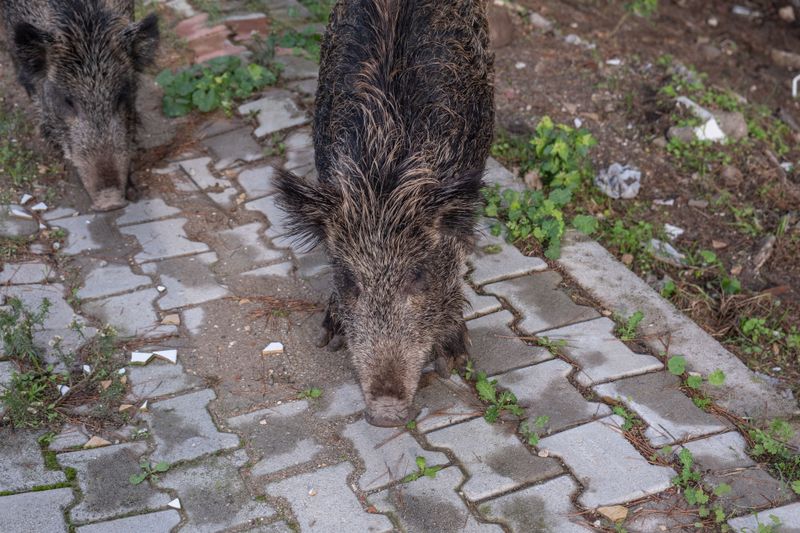
Two rounded hoof marks often give hog tracks a blunt, fairly broad appearance. Deer tracks usually look more pointed, but soft ground can blur those differences.
Small dewclaw marks may show behind the main hooves, especially in mud.
Size alone cannot confirm which animal passed through, since young hogs leave smaller prints. Look for nearby rooting, wallows, or repeated tracks before drawing conclusions.
Take a photograph instead of letting your dog follow the trail ahead.
4. Notice When Curiosity Turns Into Pursuit
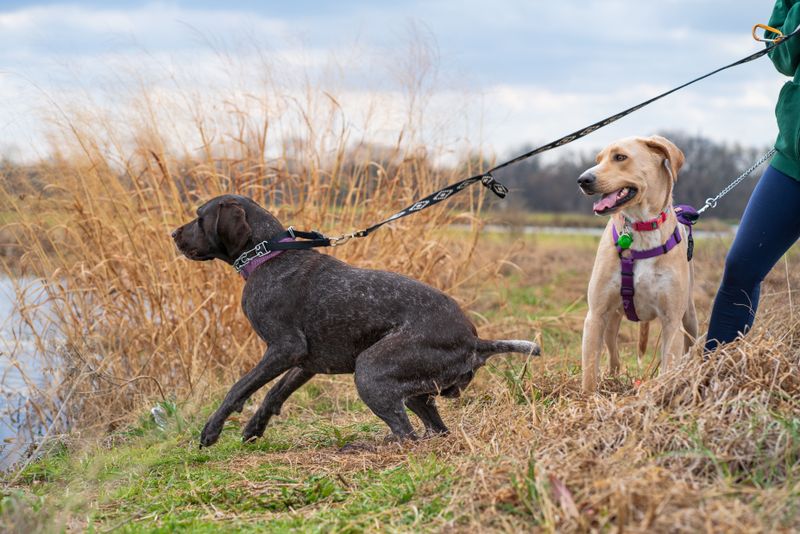
Your dog’s nose may notice a hog long before you see one. Strong scents, movement, and unfamiliar sounds can trigger curiosity or a chase response.
Even a dog that usually ignores wildlife may react differently at close range.
Watch for sudden staring, pulling, barking, or intense sniffing toward brush. Redirect early and move away before excitement builds into something harder to manage.
A calm response helps, but training never makes approaching a hog safe for dogs.
5. Give Hogs Room to Leave
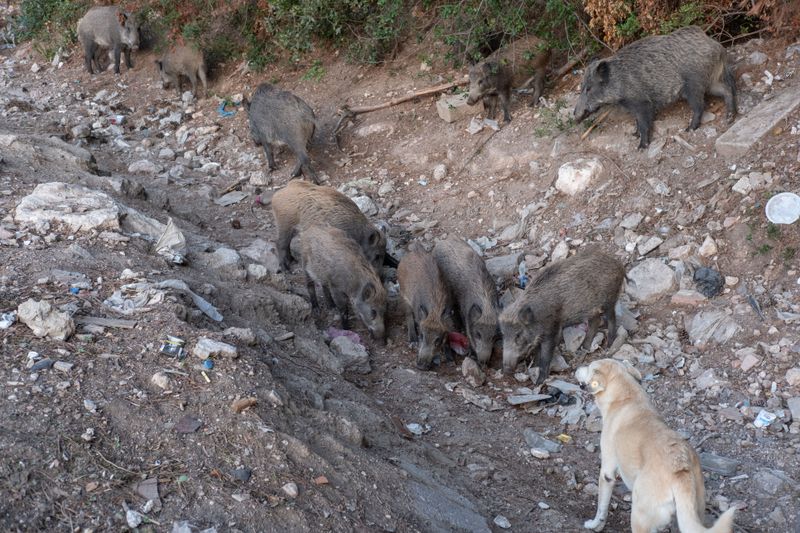
A hog that feels crowded may respond defensively instead of moving away. Close encounters become riskier when dogs bark, chase, or block an escape route.
Adults are strong, and their tusks can cause injuries during contact.
Never approach piglets, enter a group, or stand between animals and nearby cover. You cannot judge safety from a hog’s size or apparent calm.
Give every hog room, and avoid testing whether it will tolerate your dog moving closer.
6. Make a Leash Your Everyday Safety Tool
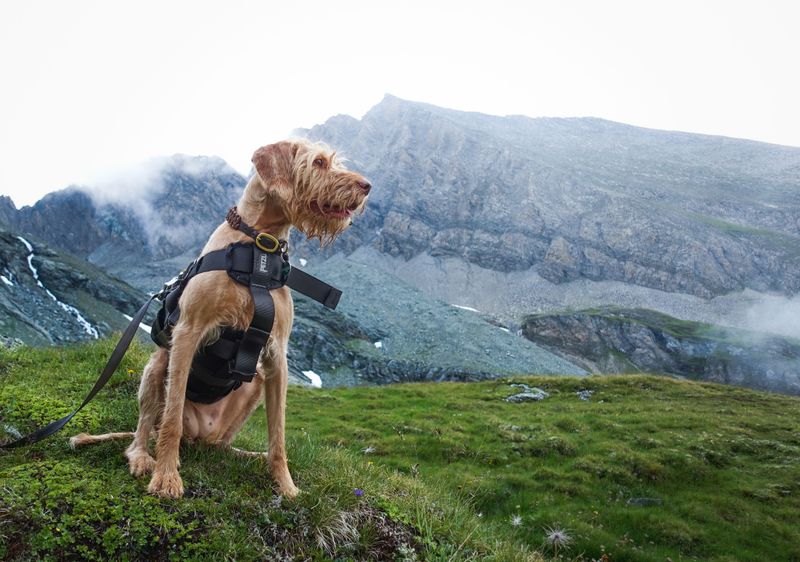
A leash gives you a practical way to stop an unwanted approach. Use sturdy equipment that fits properly, and keep your dog close near brush.
A long line offers less control when wildlife appears suddenly beside a narrow path.
Check park rules before visiting, since leash requirements vary by location and managing agency. Private land also calls for control wherever hogs may travel.
Inspect clips, straps, and attachment points before walks, especially after rough outdoor use.
7. Back Away Calmly When a Hog Appears
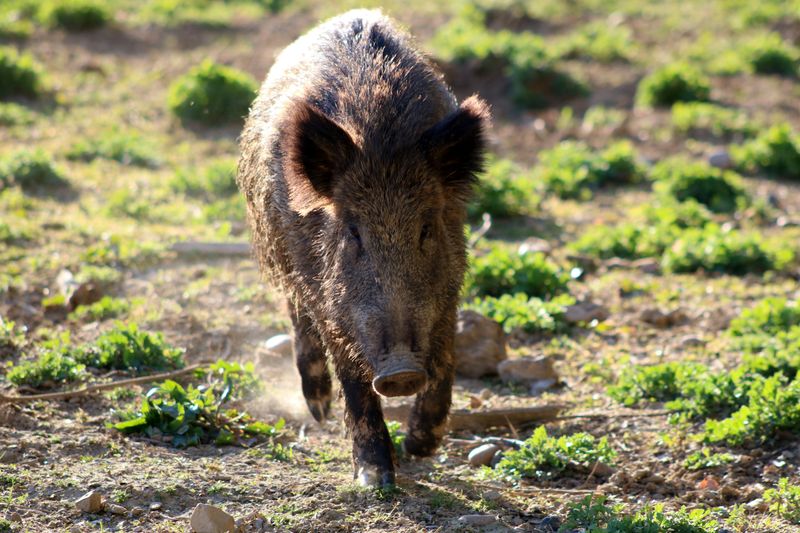
Spotting a hog ahead is your cue to create space, not take photographs. Bring your dog close, stay calm, and slowly back away along a clear route.
Avoid running, shouting, or trying to move the animal yourself.
Do not squeeze past, approach for a better look, or let your dog bark at it. Use another route if one is safely available.
If the animal approaches, seek sturdy shelter when possible, and call emergency services for immediate danger.
8. Resist the Urge to Release Your Dog
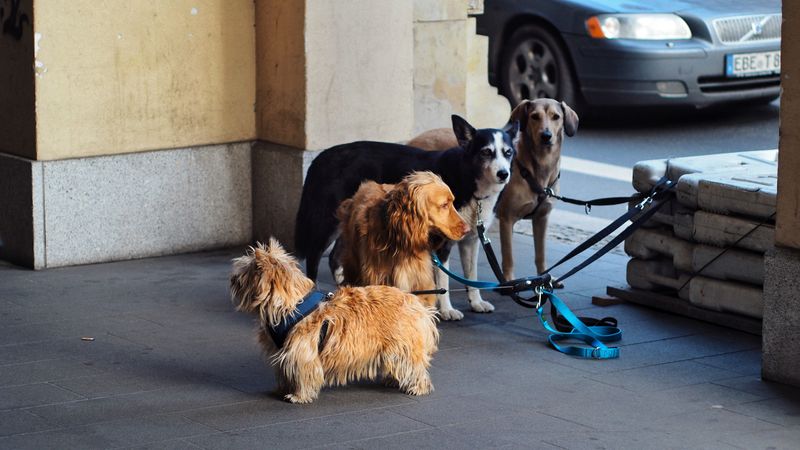
Unclipping the leash can feel tempting when you want your dog to escape. A loose dog may chase the hog, disappear into brush, or return with it following.
That can turn a distant sighting into a closer encounter for everyone.
Do not send your dog toward wildlife or depend on it for protection. Keep control while moving toward safety, without tangling yourself in the leash.
Avoid stepping between animals if contact occurs; seek help rather than grabbing blindly.
9. Choose Routes Using Recent Local Conditions
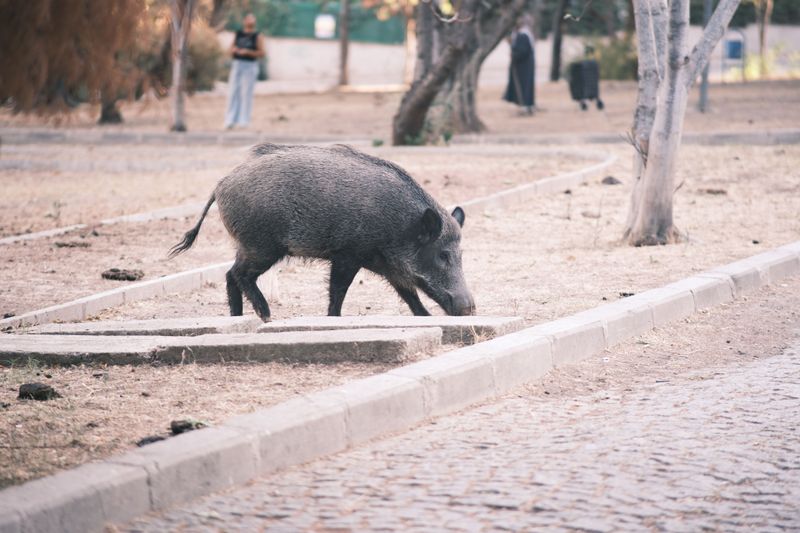
Yesterday’s peaceful walk does not guarantee the same conditions today. Check park notices, ask staff about recent sightings, and consider reports from nearby landowners.
Favor maintained trails with clear views over narrow paths enclosed by dense brush.
Hogs often move during cooler, darker hours, but daytime sightings still happen. Adjust plans when fresh signs or recent reports suggest regular use.
Carry a charged phone, share your route, and know where you can turn back without leaving established trails.
10. Treat Rural Water Stops With Care
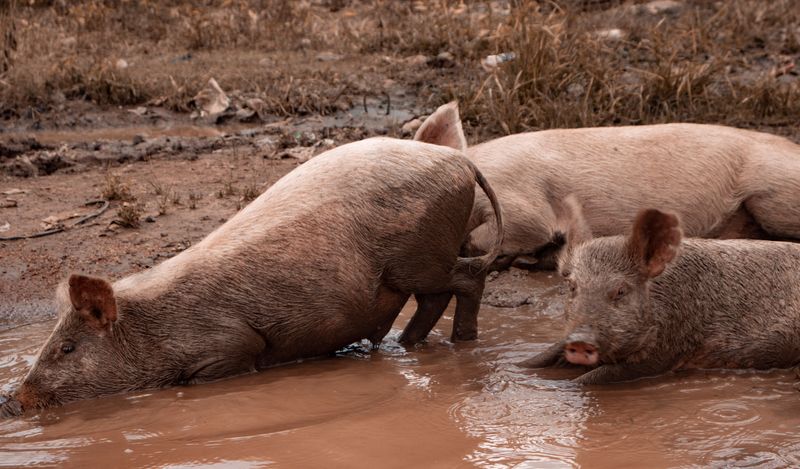
A shady pond may look like the perfect place for a thirsty dog. Hogs also visit stock tanks, creeks, and muddy shorelines for water and cooling.
Shared water can expose dogs to contaminated mud or waterborne germs.
Bring clean drinking water and a bowl instead of relying on natural sources. Keep dogs away from wallows, stagnant pools, and banks showing fresh hog activity.
Ask your veterinarian about local water risks before allowing swimming during rural outings with dogs.
11. Walk Your Property Before Letting Dogs Out
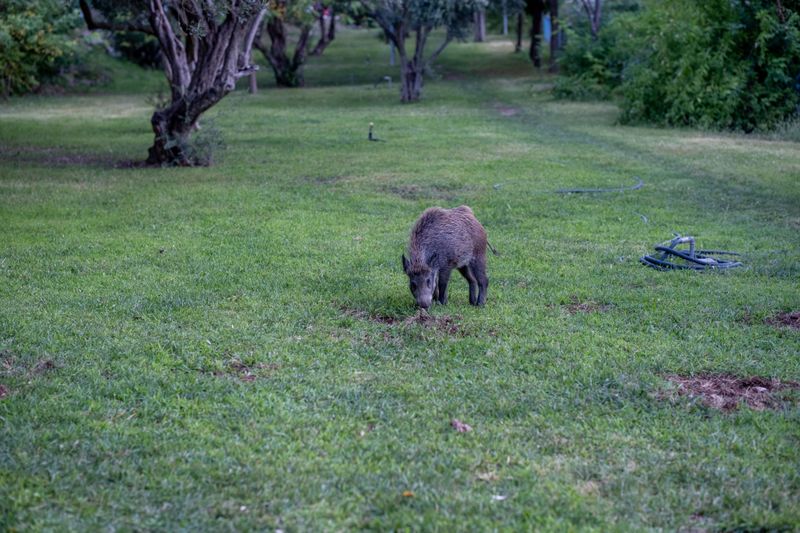
Freshly flipped turf can tell you that overnight visitors crossed your property. Walk dog areas before use, especially after new rooting appears near fences or gates.
Look for holes, loose soil, damaged wire, and paths leading into cover.
Keep dogs inside while you inspect, rather than bringing them along to investigate. Photograph changes and note dates to spot patterns over time.
Repair hazards promptly, and contact local wildlife professionals when activity continues or hogs repeatedly enter areas used by dogs.
12. Check Fences From the Ground Up
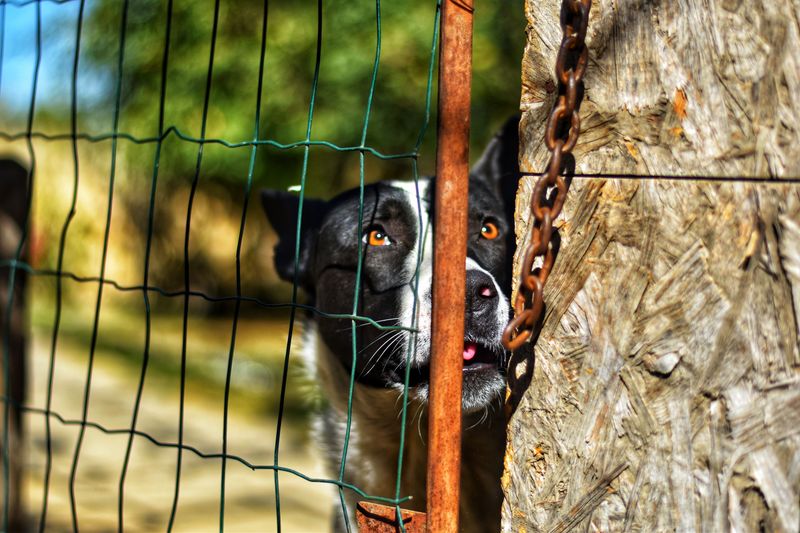
The weakest part of a fence may be the gap beneath it. Hogs can push under weak sections, and damaged fencing may let dogs wander out.
Check lower edges, corners, gates, and drainage crossings for openings or loose material.
Ask a qualified fencing professional about designs suited to your land and local hog pressure. No yard barrier deserves blind trust without regular checks.
Supervise outdoor time when hogs are active, and bring dogs indoors if animals gather near the enclosure.
13. Remove Easy Food From Outdoor Spaces
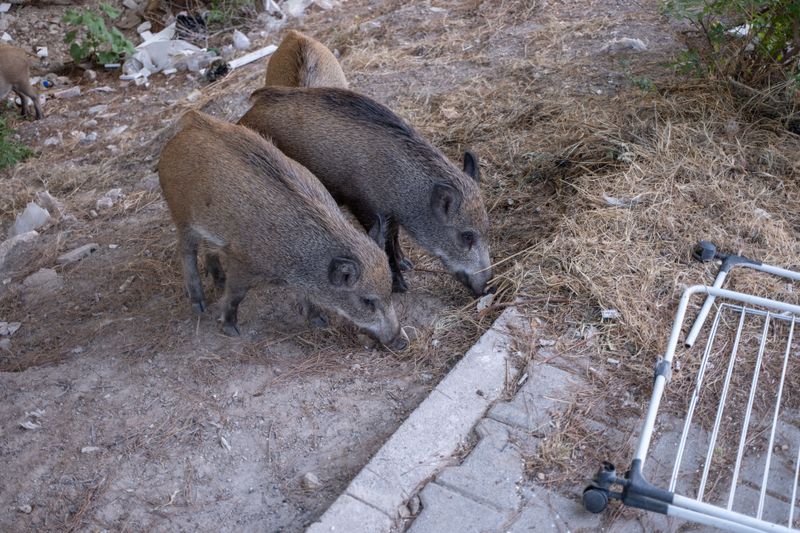
An outdoor food bowl can invite more visitors than your dog expects. Hogs eat many foods and may investigate pet meals, spilled feed, garbage, or fallen fruit.
Removing easy food helps make your property less rewarding to wildlife.
Feed dogs indoors when possible, and collect bowls promptly after outdoor meals. Store feed securely, clean spills, and use sturdy waste containers with tight lids.
Keep compost and livestock feeding areas managed, while remembering that removing attractants cannot guarantee hogs will stay away.
14. Discuss Hog-Related Disease Risks With Your Vet
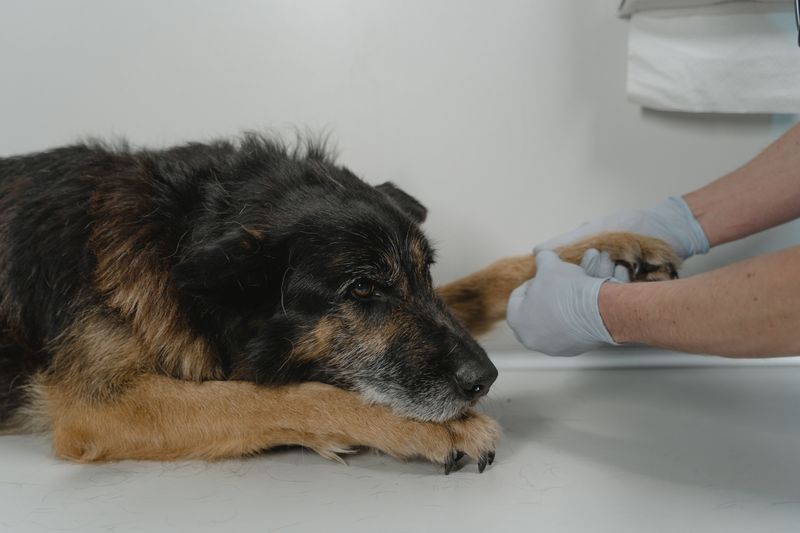
Not every hog carries disease, but exposure deserves a sensible prevention plan. Feral swine can carry infections affecting dogs, including pseudorabies, brucellosis, and leptospirosis.
Contact with tissues, body fluids, or contaminated environments can create different risks.
Ask your veterinarian which vaccines and precautions fit your dog’s activities and location. Routine vaccines do not protect against every infection associated with hogs.
Prevent scavenging and contact, and mention any suspected exposure when seeking advice, even if your dog initially seems completely well afterward.
15. Call Your Veterinarian After Contact
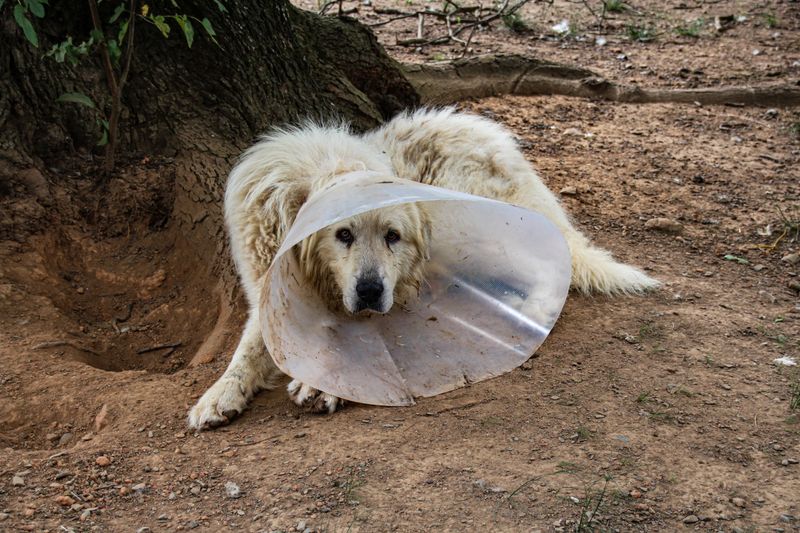
Once you reach safety, check your dog without putting your hands near painful areas. Small punctures can hide under fur, so visible marks may underestimate an injury.
Contact your veterinarian promptly after physical contact or suspected exposure to hog tissues.
Seek urgent care for breathing trouble, weakness, ongoing bleeding, or difficulty walking. Tell the clinic what happened and follow its transport instructions.
Avoid human medicines, and do not wait for symptoms before reporting a possible disease exposure to your veterinarian.
16. Keep Dogs Away From Hog Carcasses
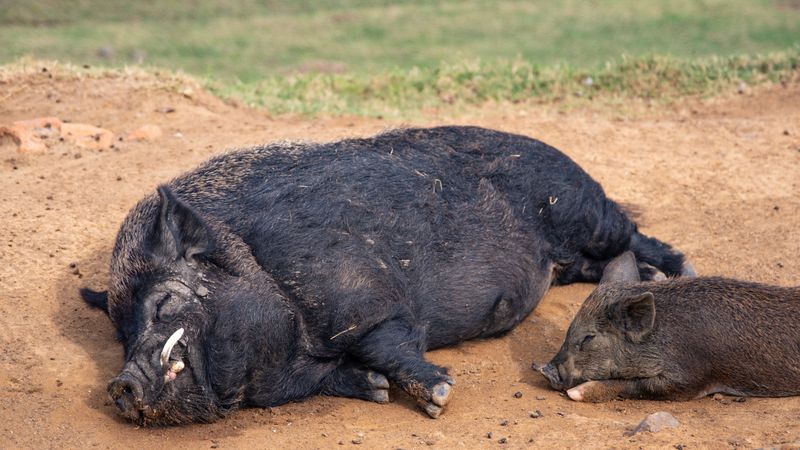
Scavenging deserves firm prevention, even when the surrounding area seems quiet. Hog carcasses, discarded organs, and raw meat can expose dogs to infections, including pseudorabies.
Do not allow sniffing, licking, chewing, or carrying remains found near trails or rural work areas.
Move away and tell the landowner or site manager where the remains are located. Avoid handling them yourself without appropriate guidance.
If your dog had contact, call your veterinarian promptly and describe what you observed, including any swallowing or chewing.
17. Check Hunting Activity Before Rural Outings
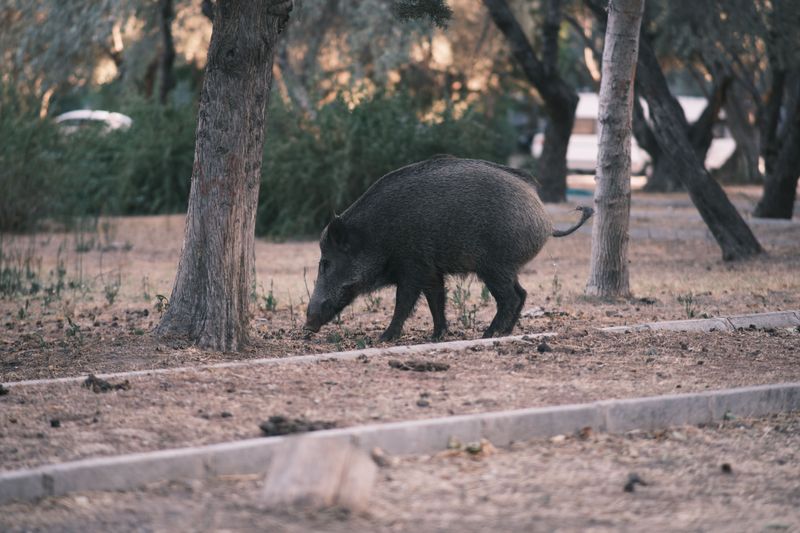
A quiet-looking property may still have hunting or hog management underway. Texas hog hunting can occur year-round on private land with landowner permission.
Public areas have their own access rules, scheduled hunts, and possible closures.
Ask before entering, check current notices, and never assume a familiar route remains open. Bright clothing and a visible dog vest can improve visibility, but cannot replace coordination.
Stay on permitted routes and keep dogs away from traps, bait sites, and any active field operations.
18. Practice Recall and Leave-It Before You Need Them
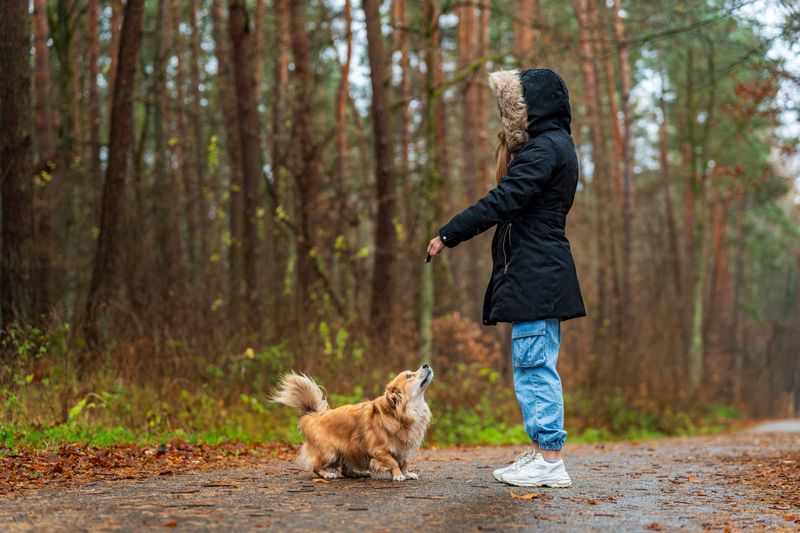
Good habits begin in quiet places, not during a surprise wildlife encounter. Practice recall and leave-it with rewards, then add safe distractions gradually.
Use a secure enclosure or supervised training line while building dependable responses.
Never practice by approaching hogs, and remember that training does not replace a leash. Reward your dog for turning toward you and moving away from distractions.
Notice the signs, keep your distance, and head home when conditions change. Prepared owners make calmer choices, one walk at a time.


