What Texas Rural Dog Owners Should Teach Before Letting Dogs Around Livestock
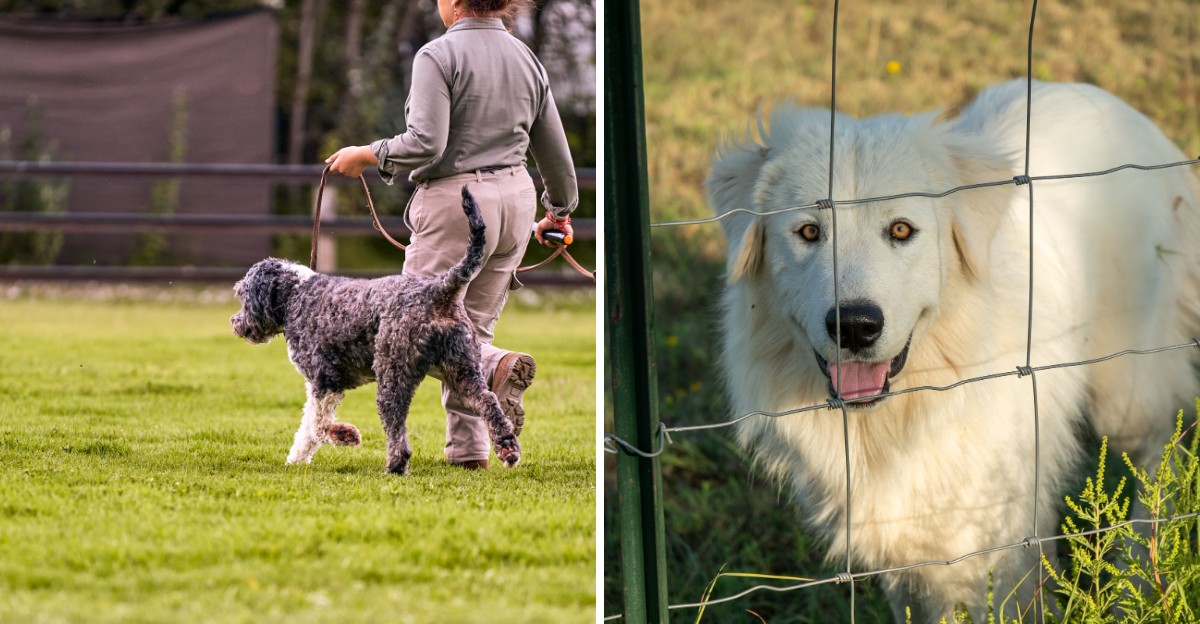
Life in rural Texas gives dogs plenty of room, but sharing space with livestock takes practice. Before your dog joins you near pastures, teach habits that protect animals and make daily chores easier.
You do not need a perfect ranch dog, just clear rules, secure boundaries, and patient training. Start away from livestock, move forward slowly, and let calm behavior guide each next step.
1. Teach Your Dog That Livestock Are Not Playmates
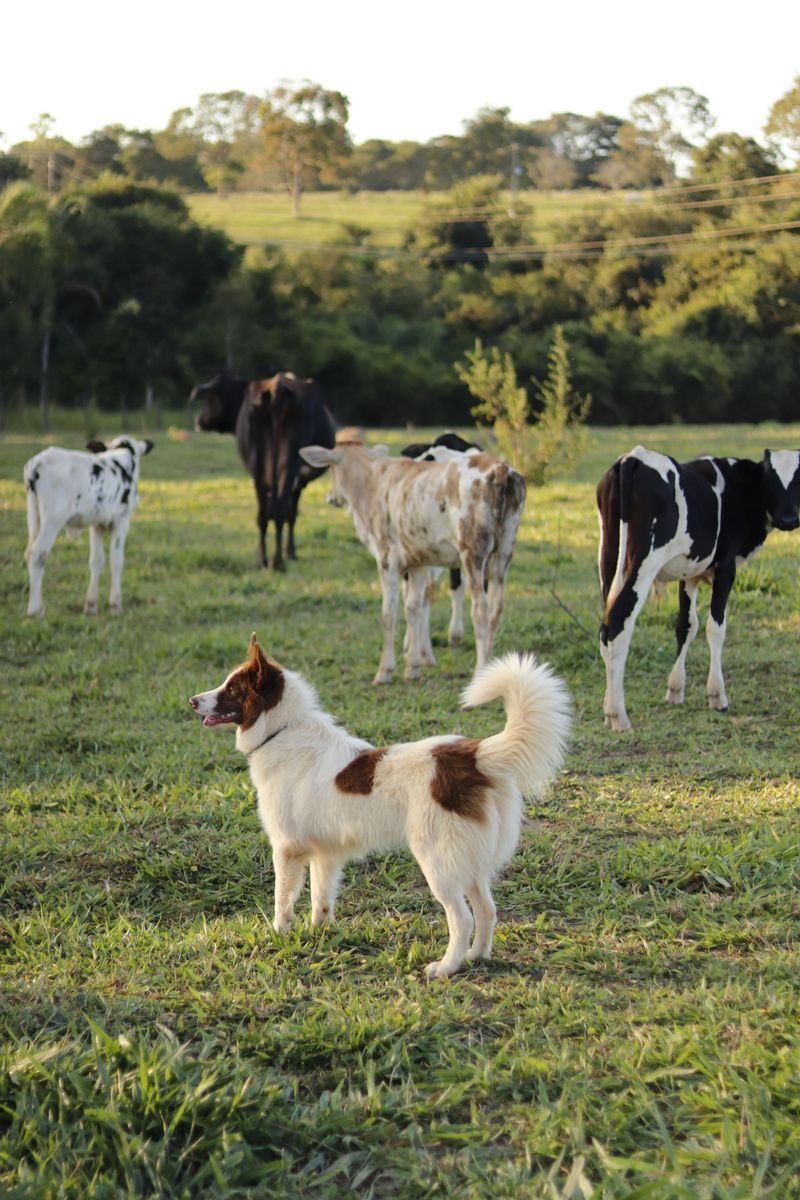
A wagging tail does not mean a cow wants company. Even friendly bouncing can unsettle livestock and lead to sudden movement.
Begin by rewarding your dog for watching quietly from outside a secure fence.
Offer treats when your dog looks back at you instead of pulling toward animals. Skip greetings through fence gaps, where noses and paws can get hurt.
Your goal is peaceful attention, not friendship, play, or close contact with every farm animal.
2. Build Reliable Recall Before Visiting Pastures
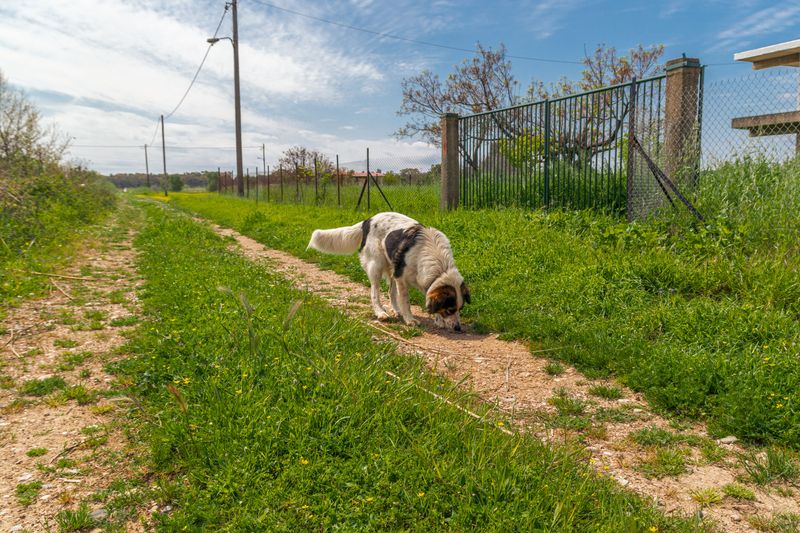
Coming when called must work beyond the kitchen door. Practice first in a fenced yard, using a cheerful cue and rewards your dog loves.
Add distractions slowly, without bringing livestock into early lessons.
Use a long line only in clear areas where it cannot snag or tangle. Never test recall by releasing your dog beside stock.
If responses weaken around distant animals, increase distance and keep practicing with secure physical control before trying anything harder.
3. Make Leave It a Nonnegotiable Command
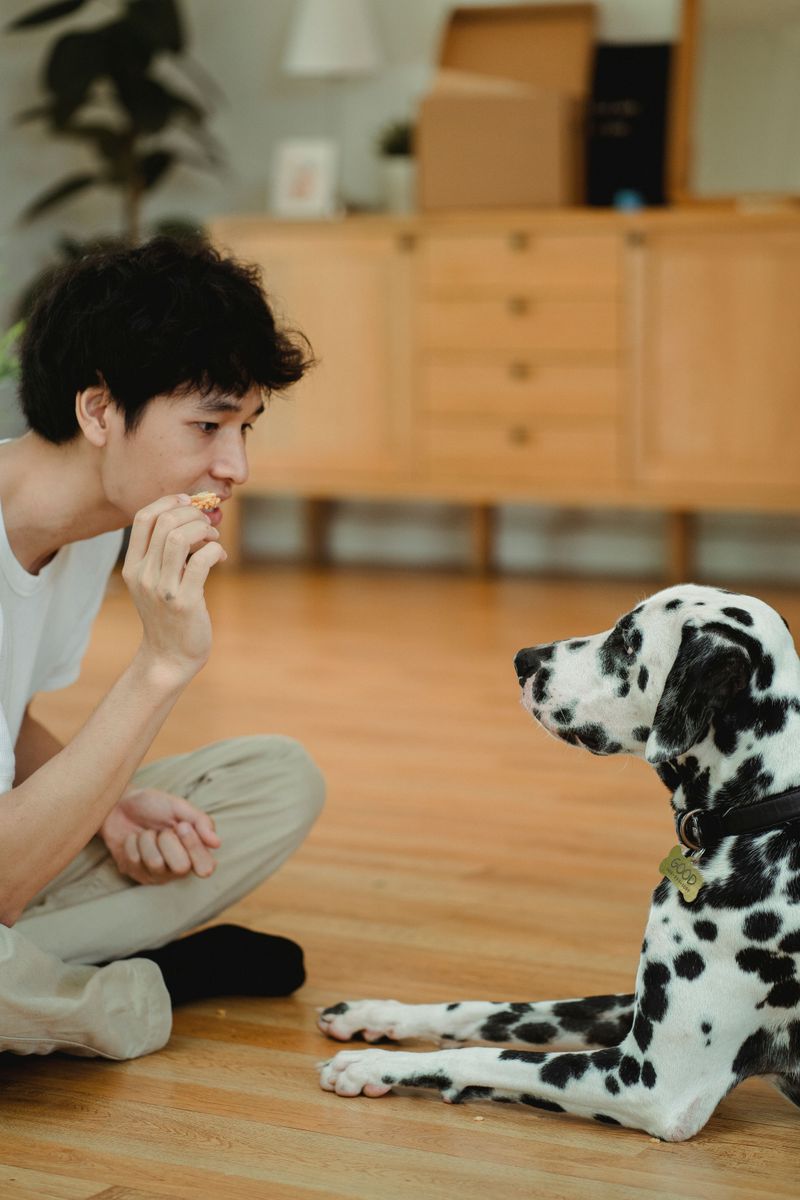
One useful cue can interrupt interest before trouble starts. Teach leave it with a covered treat, rewarding your dog for turning away.
Move toward harder distractions only after that choice becomes easy.
Near livestock, say the cue once and guide your dog away with the leash. Reward attention toward you, rather than repeating yourself or scolding.
Treat this lesson as a practiced skill, never a substitute for fencing, supervision, or enough space to stay calm.
4. Teach Dogs Not to Chase Cattle
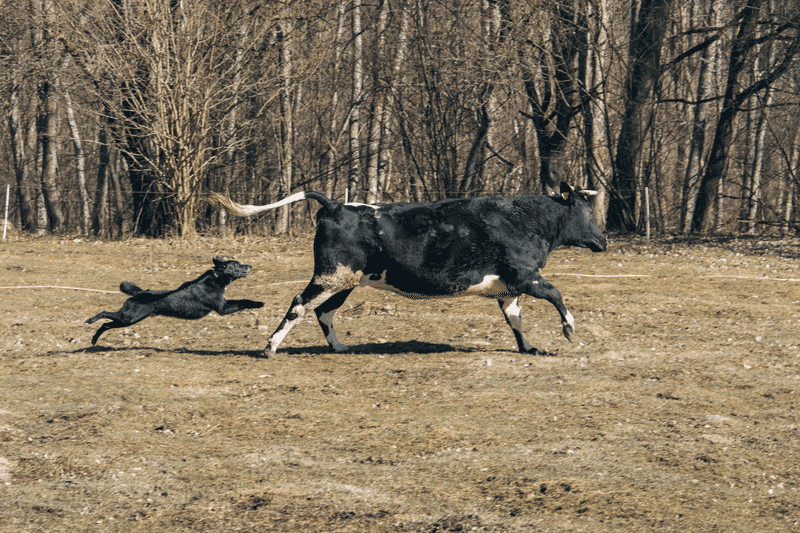
Moving cattle can switch on a dog’s urge to chase. Prevent practice by keeping your dog leashed and outside cattle enclosures.
Reward looking away while animals walk at a comfortable distance.
If your dog crouches, stares, or surges forward, calmly leave before excitement builds. Do not encourage chasing as a game or an informal herding test.
Working cattle requires specialized training, suitable dogs, and skilled supervision, not an owner’s guess about natural talent or instinct.
5. Introduce Horses With Extra Caution
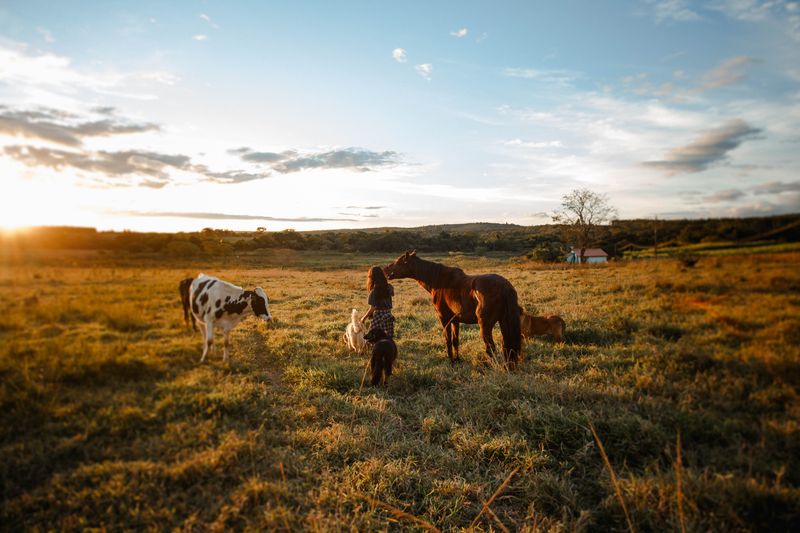
A horse may react quickly to a dog near its feet. Begin well outside the paddock, with permission from the horse’s owner.
Choose a calm setting without riders, feeding, or busy barn traffic.
Reward your dog for standing quietly and following you away. Never allow circling, barking beneath horses, or approaching from behind.
Even an experienced horse needs space, so avoid nose greetings and leave direct introductions to knowledgeable handlers who understand both animals very well.
6. Keep Dogs Away From Newborn Calves and Other Young Animals
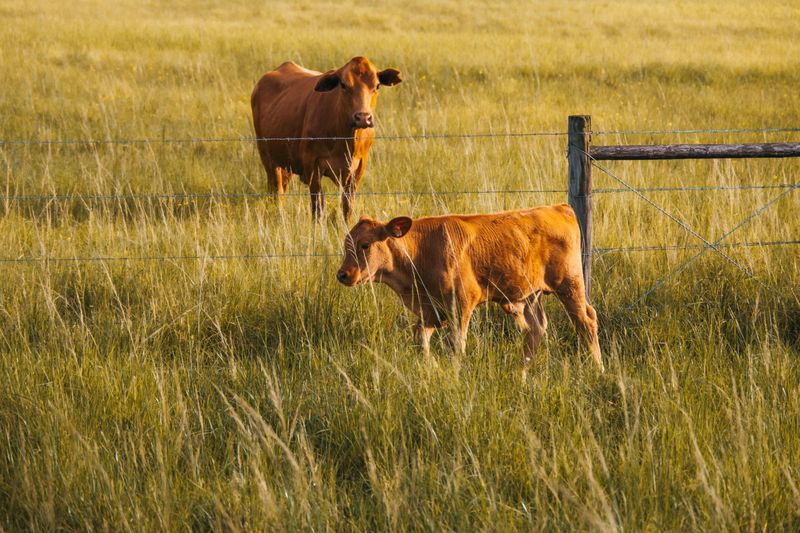
New arrivals need quiet space, not a curious canine visitor. Mothers may become protective when dogs approach their young.
Keep your dog completely outside birthing areas, nursery pens, and pastures holding newborn animals.
Practice turning away together before reaching these spaces, then reward your dog somewhere calm. Ask the livestock owner which routes avoid young stock.
Never assume a familiar mother will welcome your dog because she seemed relaxed during earlier visits without her baby nearby.
7. Practice Walking Calmly Along Fences
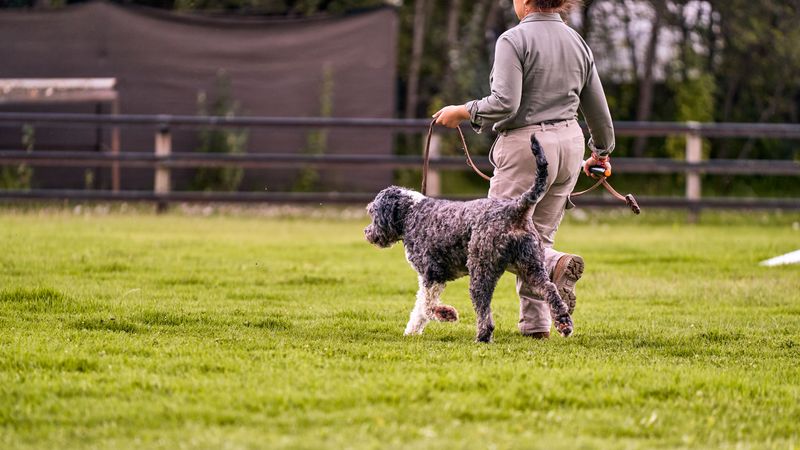
Fence lines can become exciting patrol routes for curious dogs. Start far enough away that your dog can walk without pulling.
Reward a loose leash and brief check-ins as you move together.
Keep sessions short, and turn away before staring becomes pacing or barking. Never let your dog run the fence while livestock follow along.
Watch for wire, holes, and protruding hardware, since calm walking still requires a clear, safe path outside the enclosure every time.
8. Stop Barking and Lunging Before They Escalate
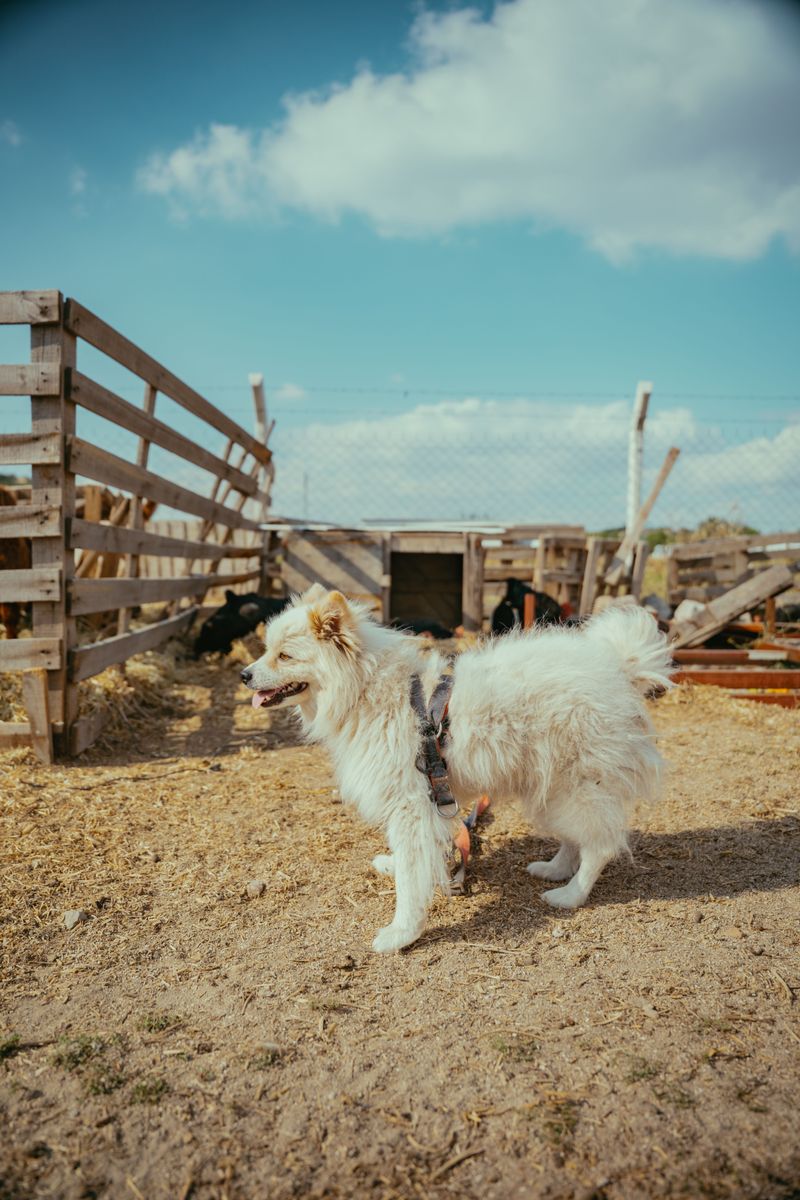
A stiff body often appears before the first loud bark. Notice closed mouths, fixed eyes, and weight shifting forward.
Create distance at those early signs instead of waiting for a full outburst.
Teach a cheerful turn cue away from animals, then use it during easier ranch walks. Reward your dog after moving somewhere comfortable.
Avoid yelling or leash jerks, which can add stress, and seek qualified reward-based help if reactions keep returning despite careful distance management.
9. Teach Dogs to Respect Gates and Open Pasture Entrances
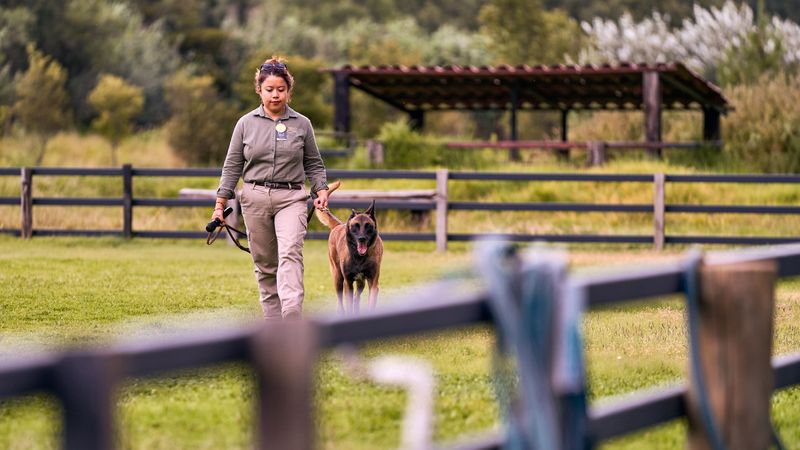
An opening gate should mean pause, not permission to rush. Teach your dog to wait while you touch the latch.
Build gradually toward small gate movements, keeping the leash attached throughout practice.
Release your dog only toward a safe area, never into occupied livestock space. During real chores, use another barrier or helper when needed.
A trained wait helps, but secure handling matters most when wind, equipment, or moving animals distract everyone at a busy entrance.
10. Never Let Dogs Wander Into Livestock Enclosures
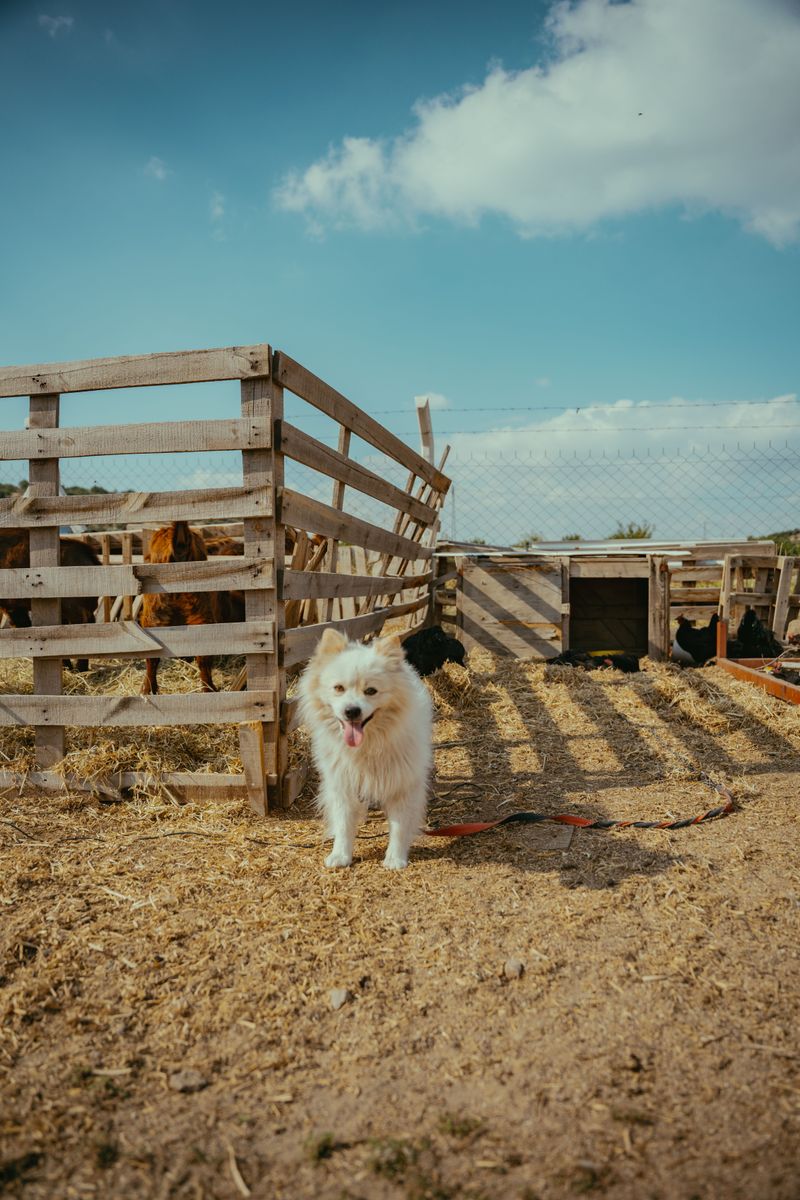
Your property’s boundary is not a training cue by itself. Give your dog a secure yard or supervised leash time instead.
Teach coming indoors and settling nearby as normal parts of ranch life.
Do not rely on an electronic boundary to prevent livestock encounters. Physical fencing remains important, especially when animals approach the property edge.
Texas laws and local ordinances may impose restrictions on dogs running at large, even in rural areas. Check applicable county and municipal rules rather than assuming that living in the countryside means dogs can roam freely.
11. Keep Dogs Away From Feed and Water Troughs
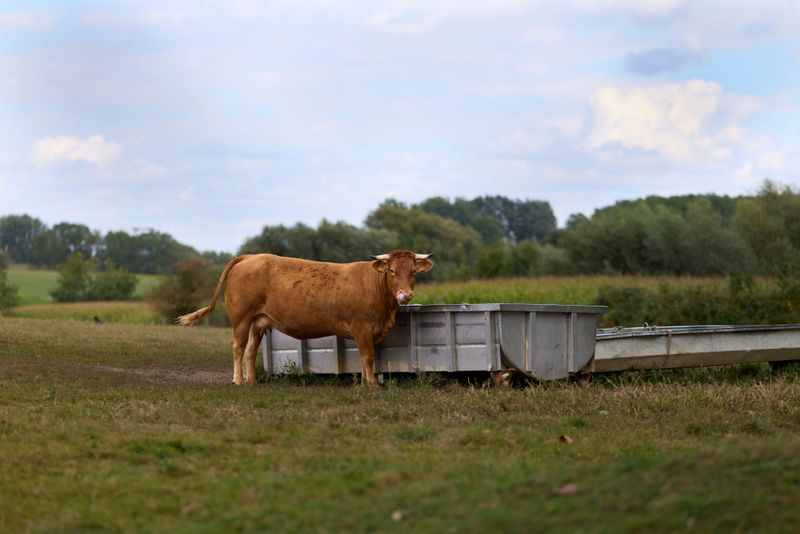
Feed areas attract more than hungry farm animals. A dog nosing around a trough may crowd livestock or swallow unsuitable material.
Teach leaving buckets alone and settling on a mat away from feeding activity.
Bring clean drinking water for your dog rather than sharing livestock troughs. Store feed, supplements, and medications where pets cannot reach them.
If your dog eats something unfamiliar, call your veterinarian promptly with the product label and an estimate of the amount.
12. Watch for Warning Signs From Livestock
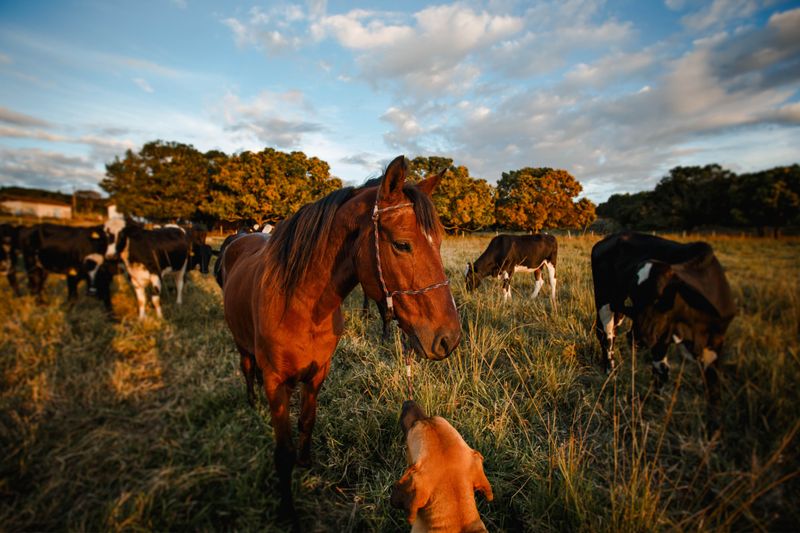
Livestock often ask for space through posture before moving closer. A lowered head, pinned ears, or sudden focused attention deserves caution.
Signals differ by species, so ask an experienced stock owner what to watch.
Teach your dog to leave with you as soon as concern appears. Move away calmly without approaching to test an animal’s mood.
Never stand between livestock and an escape route, and avoid placing yourself between a mother and her young during visits.
13. Understand How Texas Ranch Dogs Can Encounter Snakes
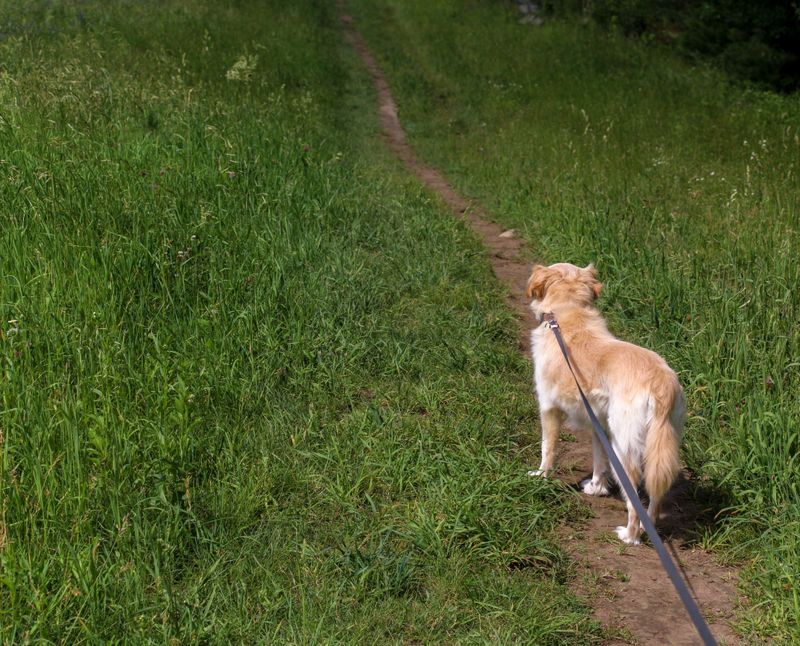
Brush piles and tall grass can hide snakes around ranches. Teach your dog to stay beside you and leave wildlife alone.
Keep walking routes clear, and avoid letting dogs investigate holes or stacked materials.
If you spot a snake, create distance without approaching or handling it. Suspected bites need urgent veterinary guidance, even when swelling seems small.
Keep your dog quiet during transport, and never cut the area, apply ice, or attempt home suction as treatment.
14. Keep Dogs Leashed Around Livestock They Do Not Know
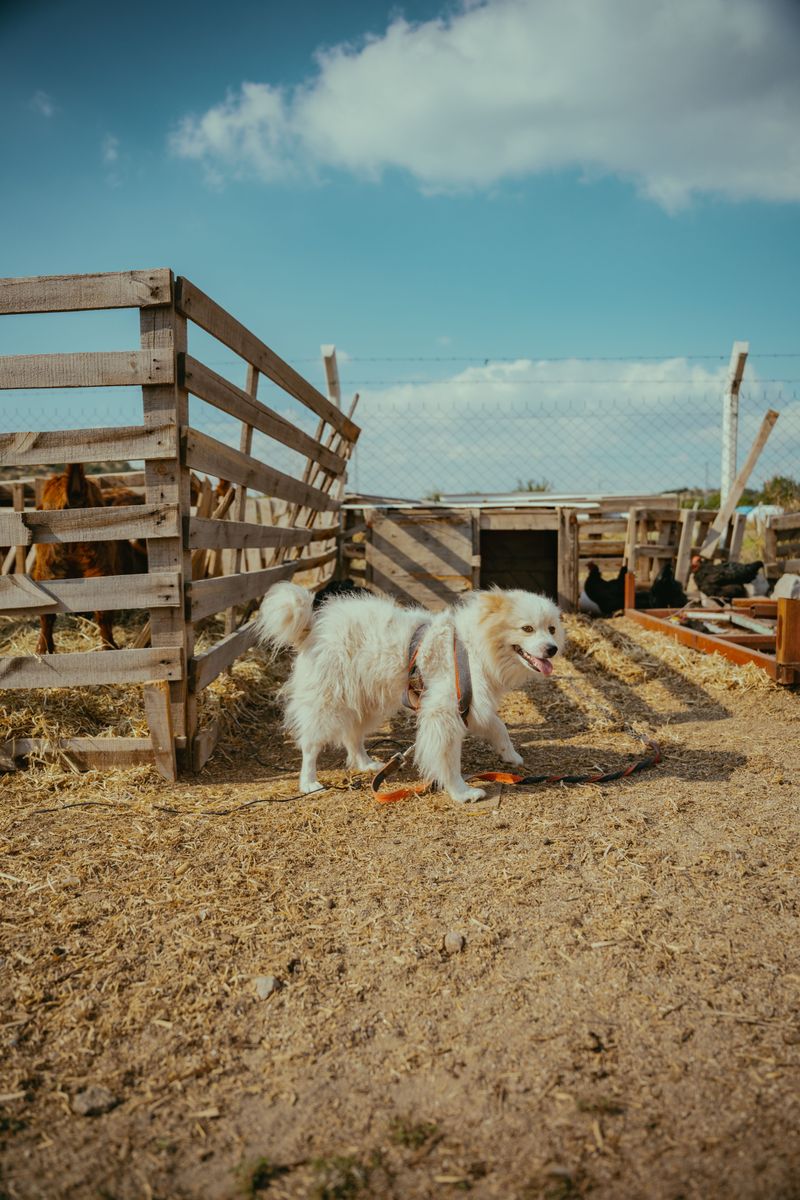
Good manners at home do not transfer automatically to another ranch. New smells, unfamiliar animals, and different fences can change behavior.
Attach a sturdy leash before leaving your vehicle, and ask where dogs may go.
Choose a secure harness or well-fitted collar and avoid retractable leashes near stock. Stay outside enclosures unless the owner provides a safe, controlled plan.
Permission to visit never means permission to release your dog, even when other ranch dogs roam nearby.
15. Teach Children to Follow the Same Livestock Safety Rules
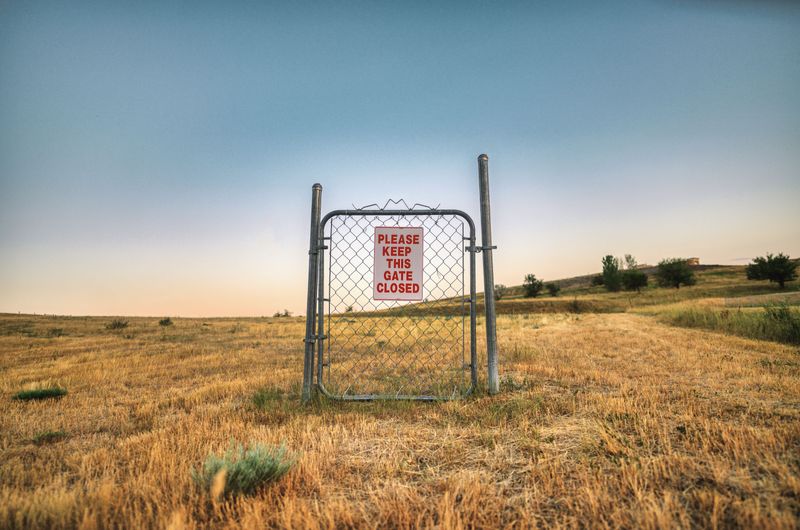
Young helpers learn best when the rules stay simple. Explain that dogs stay outside pens and gates remain closed.
Have children practice calling an adult instead of following a dog toward livestock.
An adult should handle the leash whenever animals are nearby. Children should never enter a pasture to retrieve toys or pets.
Practice the same calm walking and waiting routines together, so safety feels like an ordinary family habit rather than a confusing special occasion.
16. Make Livestock Introductions Gradual and Supervised
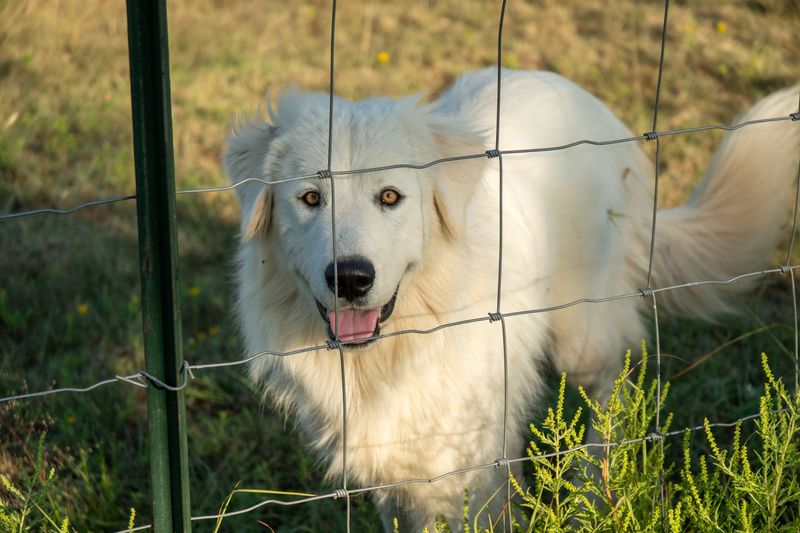
A useful first meeting may last only a few minutes. Begin outside a secure barrier with enough distance for relaxed behavior.
Choose quiet conditions and coordinate with the livestock owner before bringing your dog.
Reward calm watching, then leave while things are still going well. Repeat easy sessions before changing distance or adding movement.
Direct contact is not a required goal, and some dogs should always remain separated from livestock despite patient training and familiar surroundings.
17. Know When Your Dog Needs More Distance
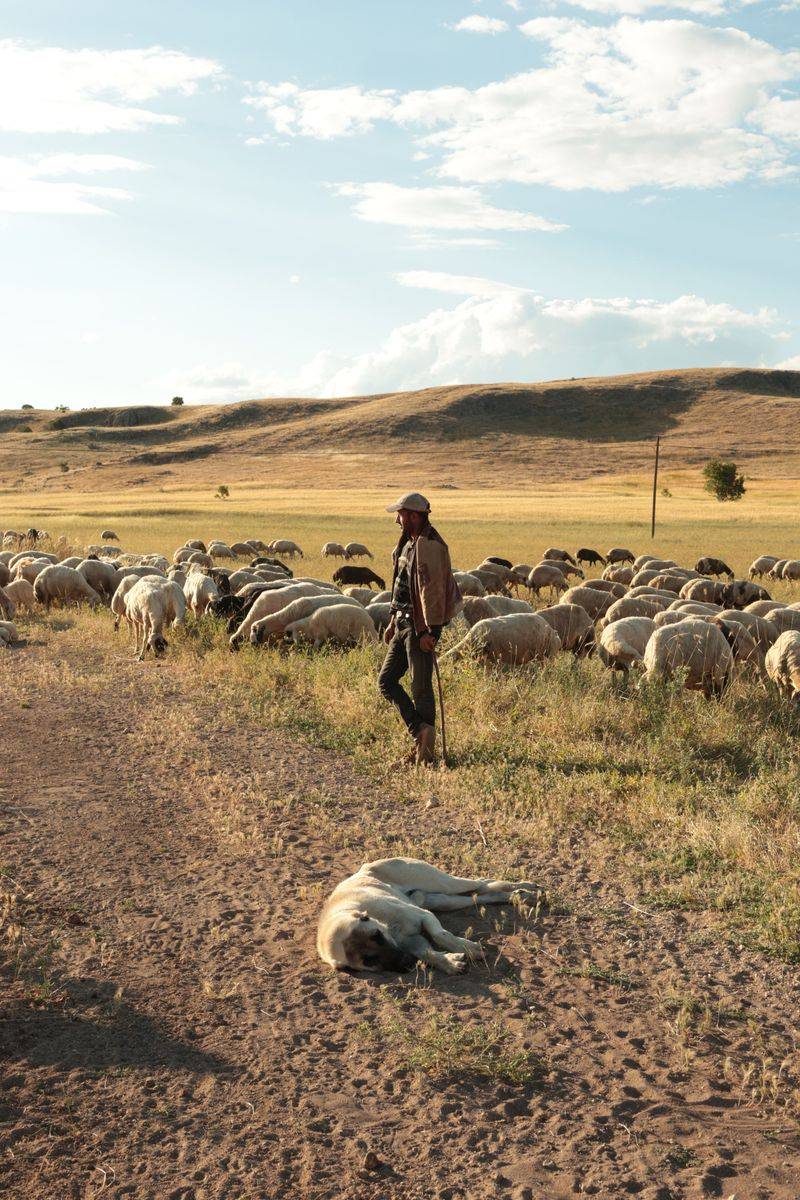
Refusing a favorite treat can mean the setting feels overwhelming. Heavy staring, trembling, frantic sniffing, or repeated pulling also deserve attention.
Look at the whole dog, since heat and fatigue can affect behavior too.
Walk farther away until your dog can respond comfortably again. Offer shade, water, and a break during warm Texas weather.
Measure progress by relaxed choices, not closeness, and ask your veterinarian about sudden behavior changes or continuing difficulty during otherwise manageable outings.
18. Check Fencing and Gates Before Letting Dogs Outside
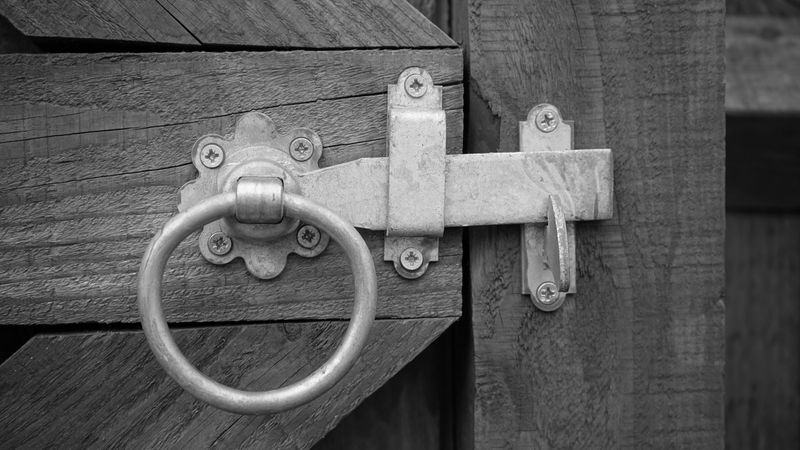
Yesterday’s secure fence may have a new gap today. Walk the boundary regularly, checking loose wire, digging spots, and gate latches.
Inspect again after storms, repairs, or equipment moving through the property.
Teach your dog to wait indoors while you check the yard. Repair weak spots before allowing access, and never treat training as a replacement for sound barriers.
Calm dogs, clear rules, and secure fences make better neighbors of everyone sharing your Texas countryside home.