What to Do If a Coyote Shows Up in Your Arizona Yard (And What You Shouldn’t)
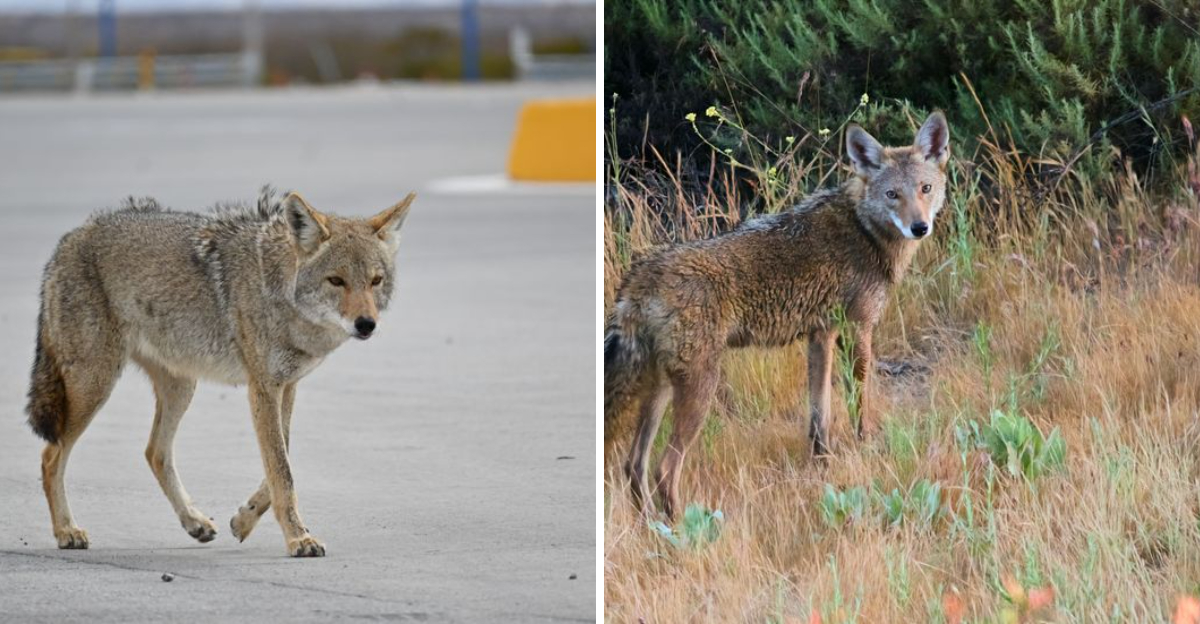
Living in Arizona means sharing your neighborhood with some remarkable wildlife, and coyotes are among the most common visitors to residential yards. If you own a dog, spotting one near your fence line can set your heart racing.
The good news is that most coyotes want nothing to do with people, and knowing how to respond makes all the difference. Here is what every Arizona dog owner should know, straight from practical guidance and local wildlife experts.
Stay Calm When You Spot a Coyote
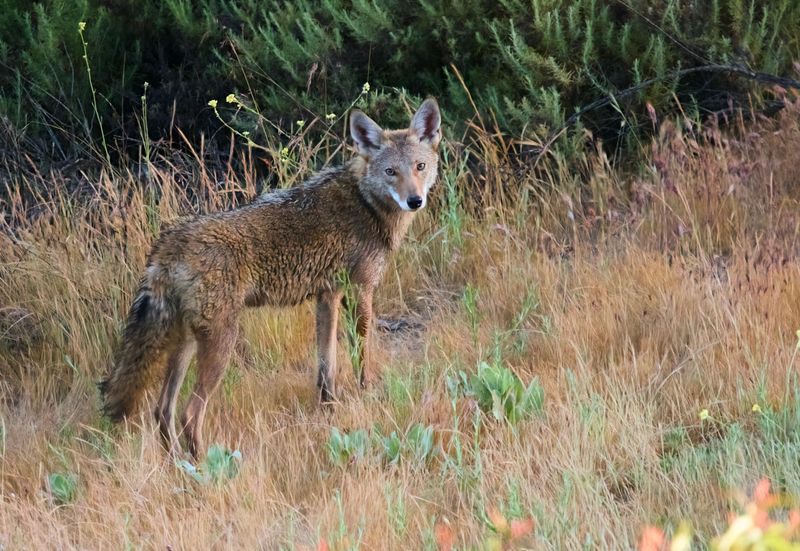
Your first reaction might be alarm, but a slow breath goes a long way here. Most coyotes are naturally wary of humans and will leave on their own if given space.
Panicking or making sudden movements can actually work against you.
Give the animal plenty of room. Watch it quietly and avoid any action that might startle it into an unpredictable response.
Staying composed keeps both you and the coyote safer.
Never Walk Toward the Coyote
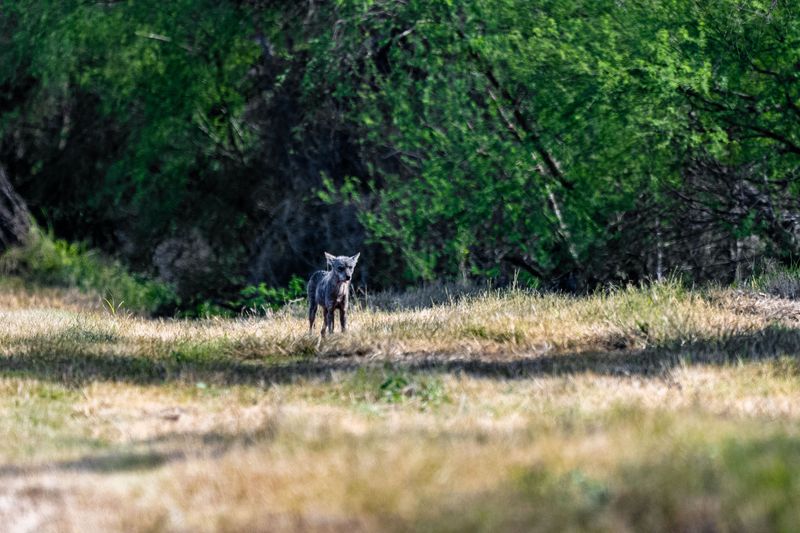
Curiosity is understandable, but moving closer to a coyote is one of the most common mistakes people make. Arizona Game and Fish advises residents never to approach coyotes, for any reason.
Getting closer does not give you more control of the situation. It can make the animal feel cornered or threatened.
Keep your distance, stay still, and let the coyote decide to move on without interference from you.
Keep Your Eyes on It
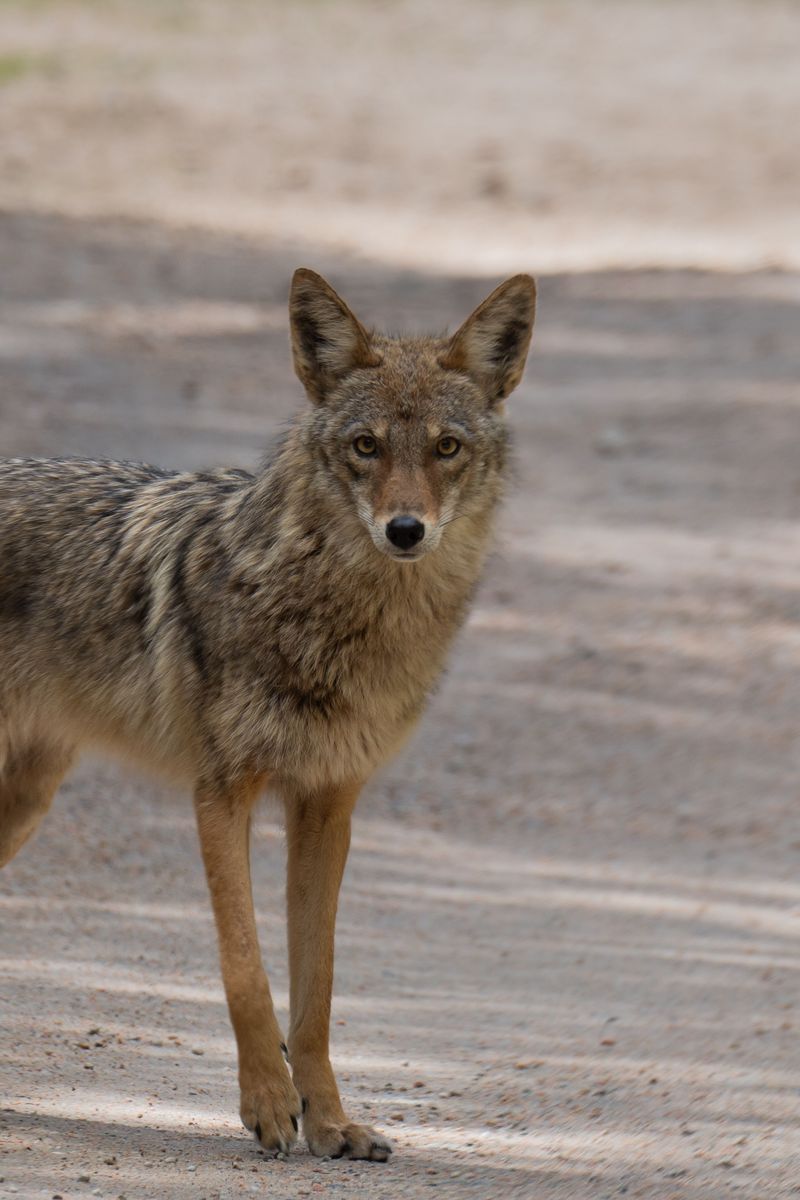
Watching a coyote carefully is one of the most practical things you can do in the moment. Maintaining eye contact signals confidence and helps you stay aware of the animal’s position and behavior.
If the coyote does not move away quickly, knowing exactly where it is helps you make smart decisions. Track its movements without chasing it.
Awareness is your best tool until the animal leaves the area on its own.
Do Not Run Away
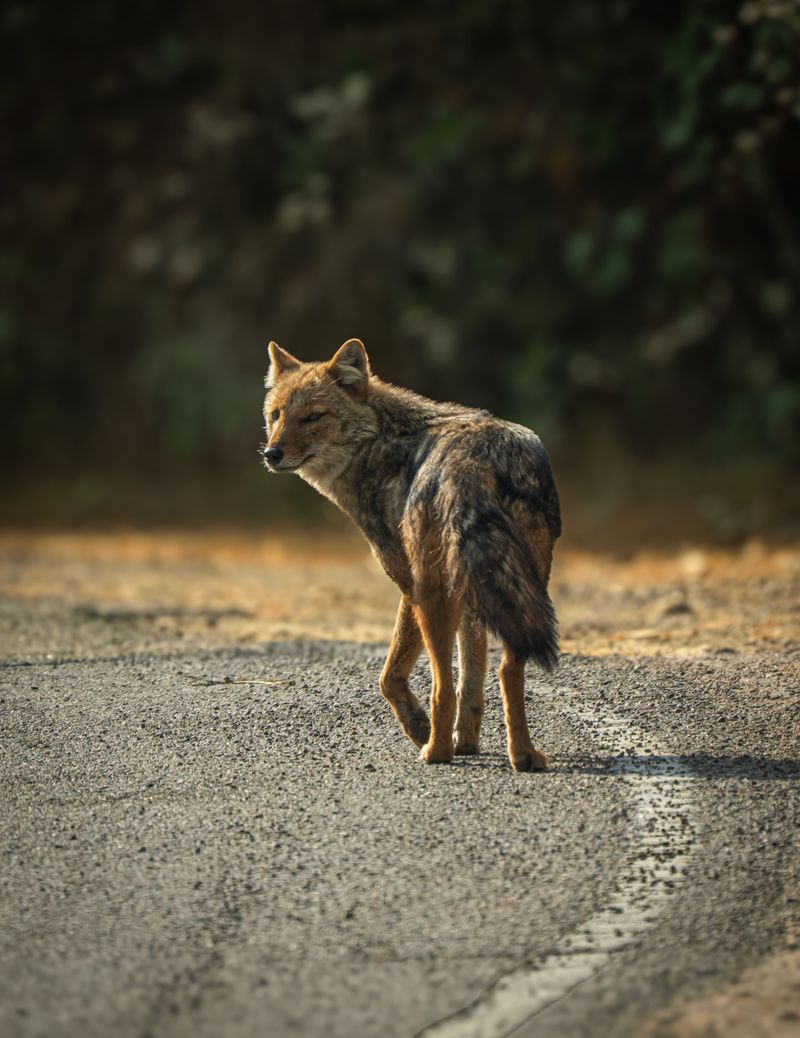
Running from a coyote can trigger its natural chase instinct, and that is the last thing you want. Even if your instinct says flee, standing your ground is the smarter move.
Face the animal directly and back away slowly toward a building, a group of people, or a busy area. Moving with purpose rather than panic keeps you in control of the situation and reduces the chance of the coyote following you.
Make Yourself Loud
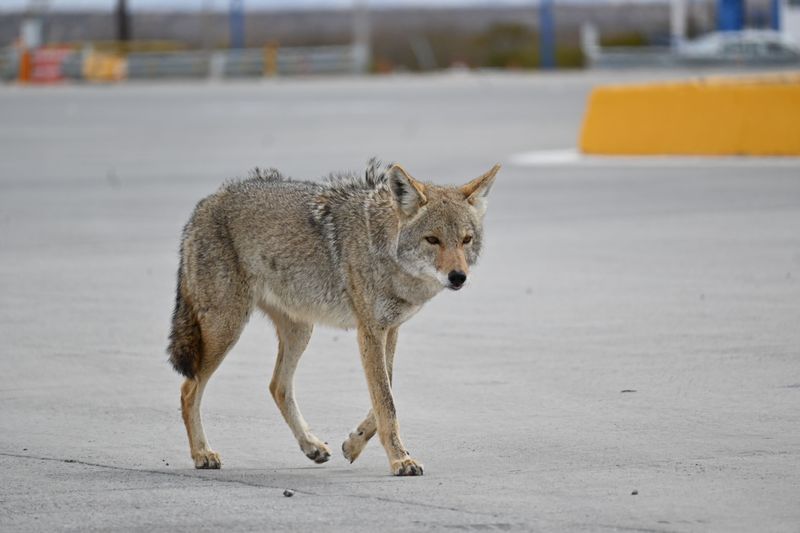
Hazing is the word wildlife experts use for making a coyote feel unwelcome, and noise is one of the best tools for it. Yelling, clapping, banging pots, or blowing a whistle can all send a clear message.
Arizona Game and Fish recommends these methods to discourage coyotes from lingering. The goal is to teach the animal that your yard is not a comfortable place to be.
Consistent hazing over time helps reinforce that lesson.
Use a Garden Hose
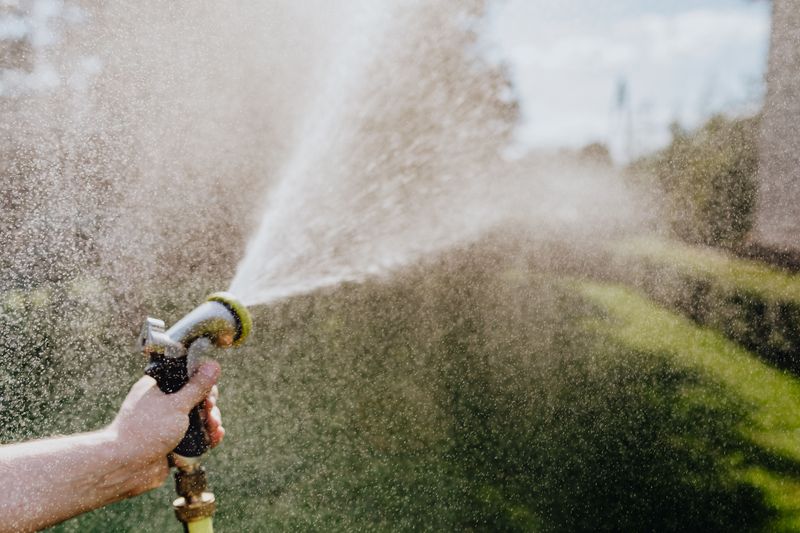
Water is a surprisingly effective deterrent when a coyote refuses to leave your yard. A steady spray from a garden hose is safe, humane, and recommended by Arizona Game and Fish.
Keep a safe distance while you use it. You are not trying to harm the animal, just making the space uncomfortable enough that it chooses to leave.
A hose near the back door is a simple and practical tool to have ready during coyote season.
Bring Small Pets Inside

Small dogs and cats are genuinely vulnerable when coyotes are active nearby. Coyotes are most active around dawn and dusk, so those are the riskiest windows for unsupervised pets.
Bring small animals inside during those hours, or keep them in a covered, secure enclosure. Even a fenced yard is not always enough.
Supervising your pet during outdoor time adds an important layer of protection that a fence alone cannot provide.
Never Leave Pet Food Outside
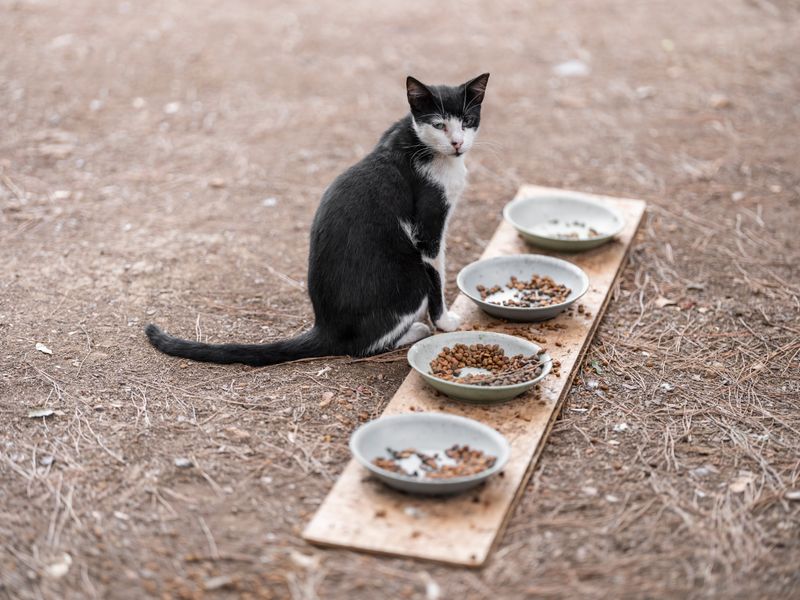
An unattended food bowl sends an open invitation to wildlife. Coyotes are opportunistic eaters, and a reliable food source will keep them coming back to the same spot repeatedly.
Feed your pets indoors whenever possible. If outdoor feeding is necessary, remove the bowl immediately after your pet finishes.
Even small amounts of leftover food can establish a pattern that is hard to break once a coyote has learned to associate your yard with an easy meal.
Secure Your Garbage
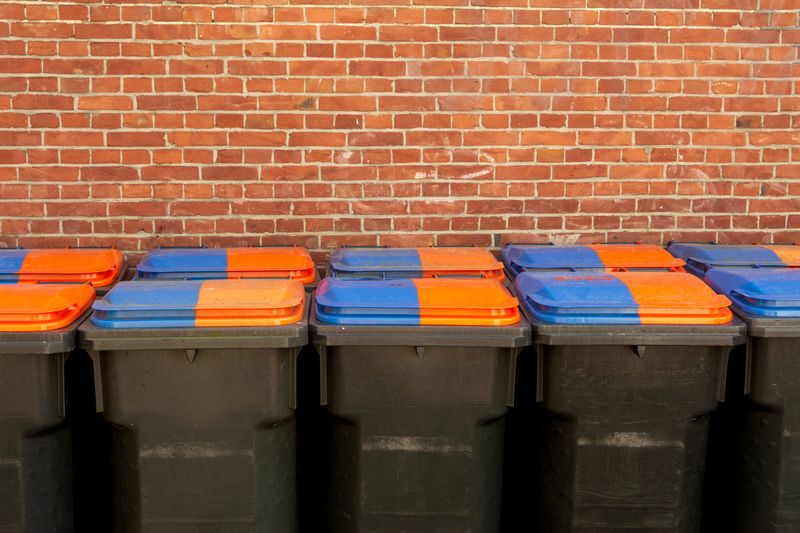
Garbage is one of the top attractants for coyotes in residential neighborhoods. Unsecured trash cans are easy targets for animals that are always searching for their next meal.
Use containers with tight-fitting or locking lids. Put your bins out on collection morning rather than the night before.
That one small change removes several hours of overnight temptation. Securing garbage consistently is one of the most effective long-term steps you can take to reduce coyote visits.
Pick Up Fallen Fruit

Arizona yards often have citrus and other fruit trees, which create a natural food source that many homeowners overlook. Fallen fruit on the ground can attract coyotes just as reliably as an open trash can.
Make a habit of checking under trees regularly, especially during fruit season. Collect what has dropped and dispose of it promptly.
Keeping the ground clear beneath fruit trees is a simple routine that quietly reduces wildlife traffic through your yard over time.
Check for Hidden Water Sources
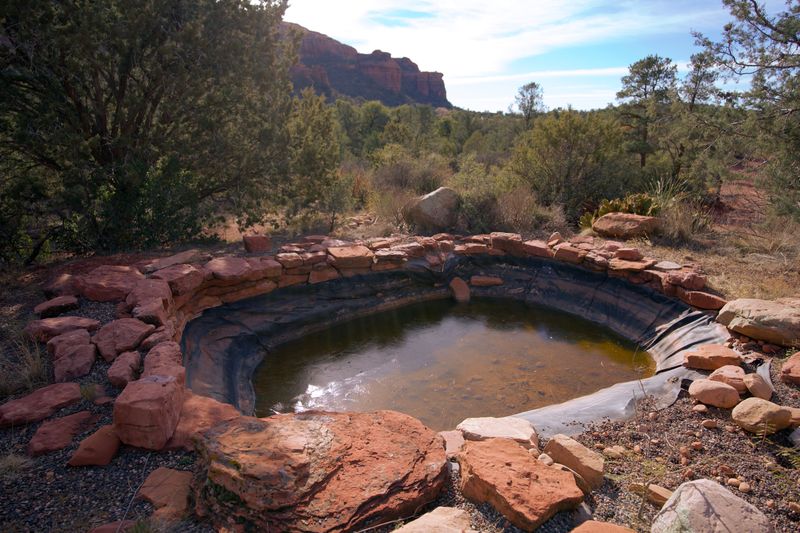
In Arizona’s dry climate, water is a powerful draw for all kinds of wildlife. Coyotes will travel to find it, and your yard may be offering more water than you realize.
Look for dripping hoses, decorative fountains, and pet water bowls left out overnight. Removing or covering unnecessary water sources makes your property less appealing.
During the hottest months especially, even a shallow puddle can be enough to bring a thirsty coyote closer to your home.
Remove Potential Hiding Places
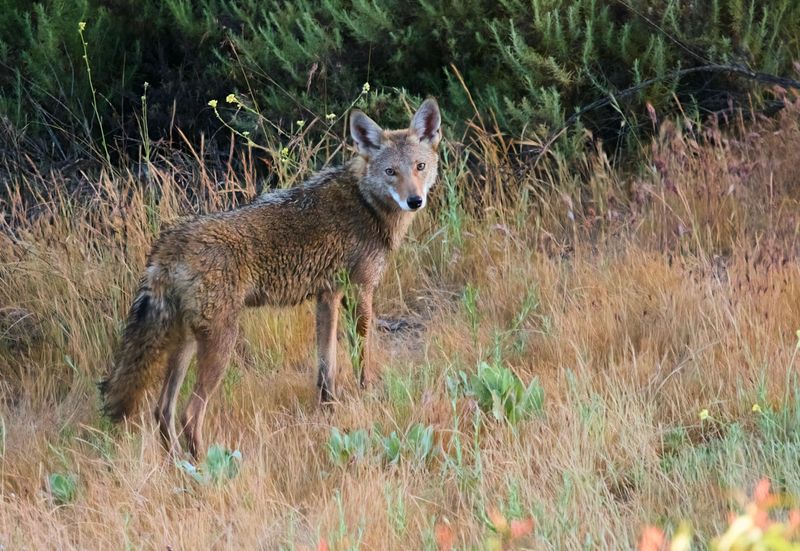
Coyotes look for quiet, sheltered spots to rest during the day. Dense shrubs, woodpiles, low deck spaces, and gaps under structures can all serve as temporary dens.
Trim ground-level vegetation and close off spaces beneath porches or sheds. A yard with fewer hiding spots is simply less inviting to a coyote scouting for a comfortable place to settle.
Regular yard maintenance does double duty: it keeps your space tidy and reduces the chances of a long-term visitor.
Keep Chickens and Other Animals Secure
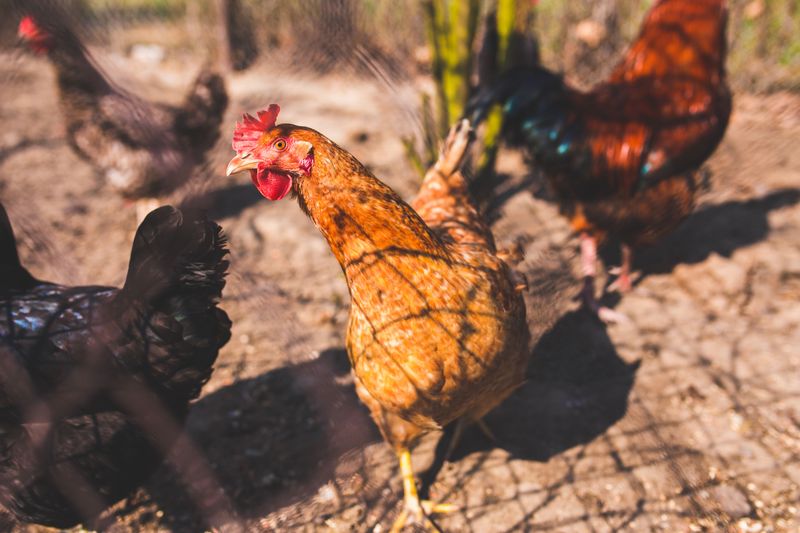
Backyard chickens, rabbits, and small livestock are among the most common reasons coyotes return to the same property. An easy meal is hard for an opportunistic predator to ignore.
Arizona Game and Fish recommends using sturdy enclosures with fully covered roofs and secure latches. Hardware cloth is stronger than standard chicken wire.
Check your enclosures regularly for gaps or weak spots. A well-built coop protects your animals and removes one of the biggest incentives for a coyote to keep returning.
Get Your Neighbors Involved

One well-maintained yard can only do so much if the property next door is full of attractants. Coyotes move through entire neighborhoods, not just single lots.
Arizona Game and Fish recommends working with neighbors to apply consistent preventive measures across the block. Share what you know about securing food, water, and garbage.
A coordinated neighborhood approach is far more effective than individual effort alone. The more homes that remove attractants, the less reason any coyote has to linger in the area.


