What To Know Before Taking Your Dog To New River Gorge In West Virginia
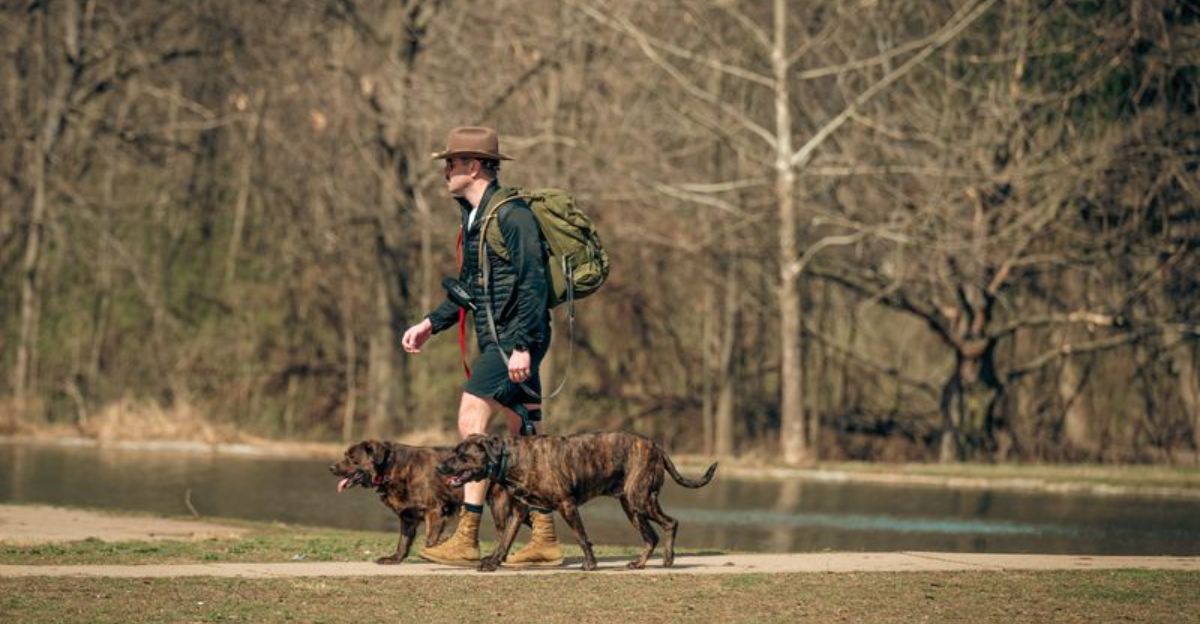
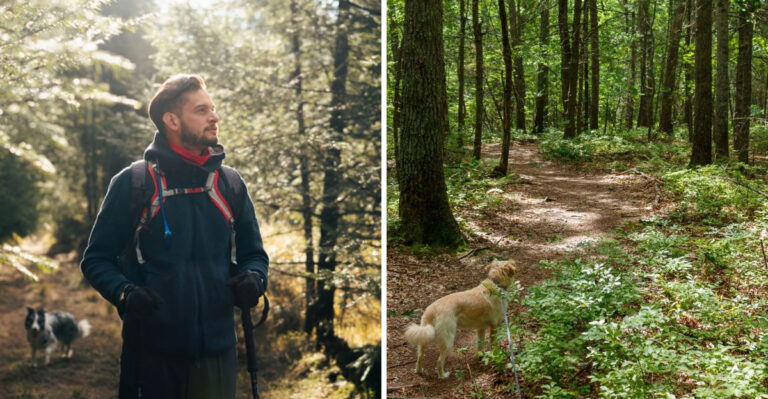
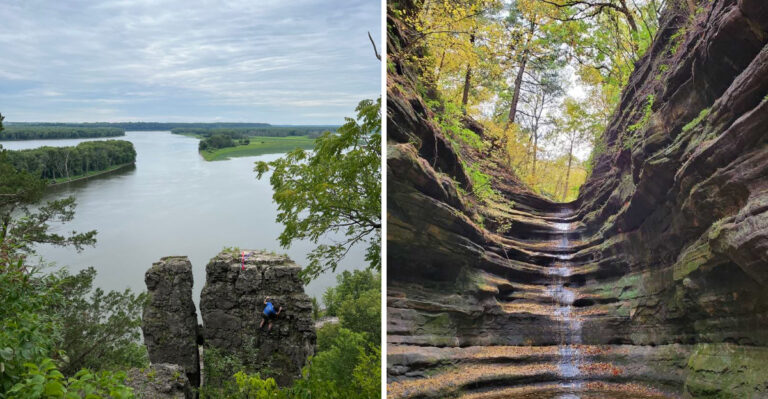
Here is a rare treat for hikers with pups: every single trail at New River Gorge National Park and Preserve welcomes leashed dogs. That kind of open-door policy is unusual among national parks, and it turns 70,000 acres of sandstone cliffs, waterfalls, and old coal-town paths into shared territory.
Still, the gorge plays by its own rules, from rattlesnake season to Bridge Day crowds. Learn the details ahead of time, and your visit gets a whole lot smoother.
1. Every Trail Says Yes to Paws
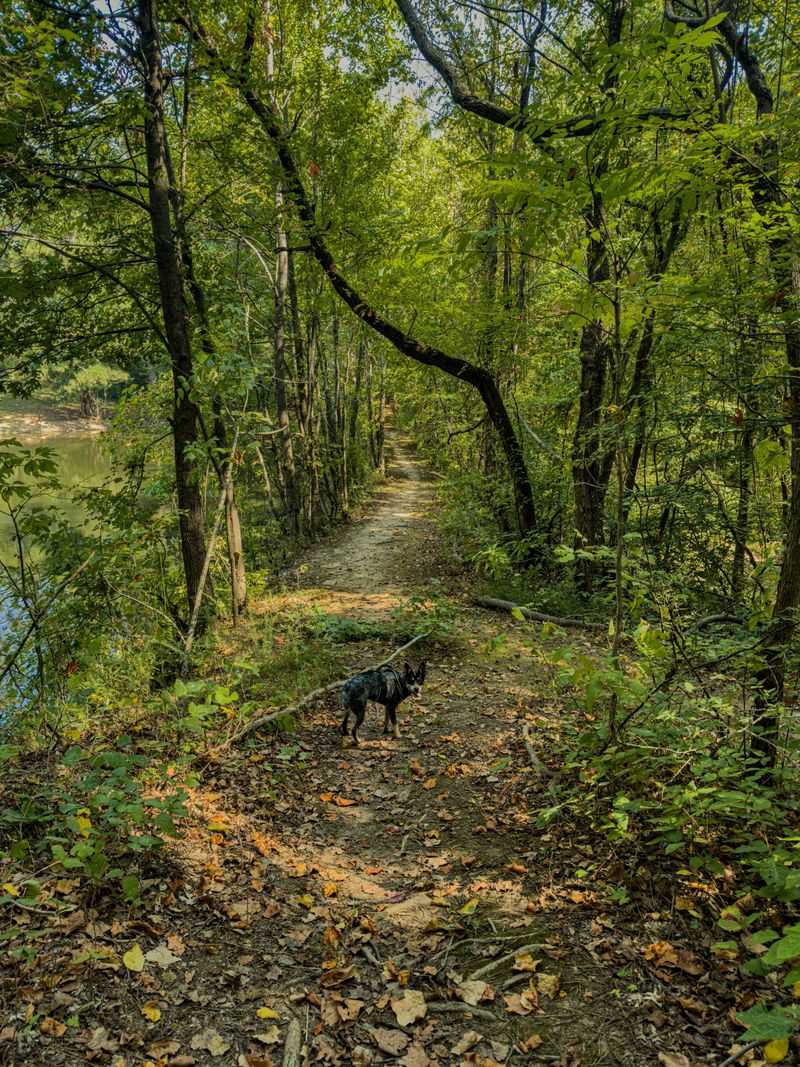
Most national parks limit dogs to parking lots and paved strips. New River Gorge flips that script completely.
Leashed dogs are welcome on all trails here, from the flat Long Point route to the rugged Endless Wall path near Fayetteville.
That means your pup can share the same overlooks, rhododendron tunnels, and old mining grades that draw hikers from around the country. Few parks in the system offer that kind of freedom.
2. Six Feet, No Exceptions
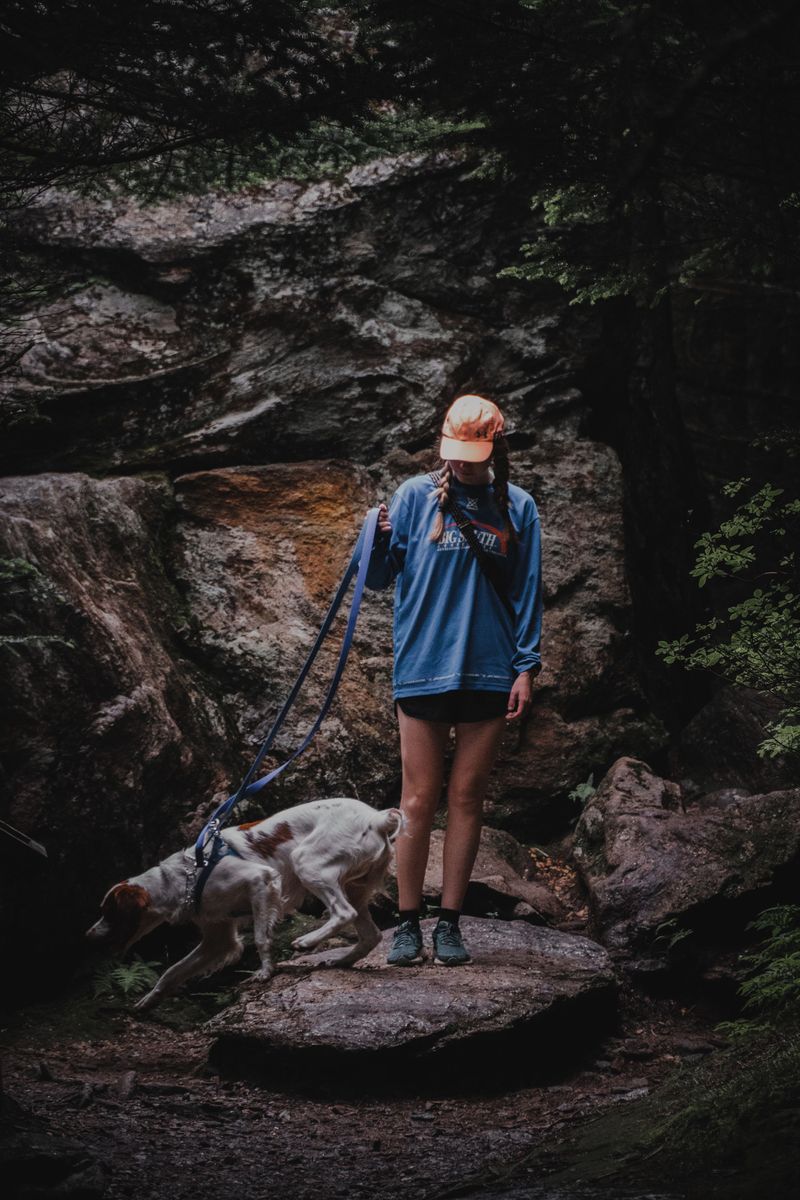
Retractable leashes stretching twenty feet may feel generous, but rangers here want something shorter.
Park rules require a physical leash no longer than six feet, and it applies everywhere, at all times.
Short leads matter more than you might think on narrow cliffside trails where hikers, climbers, and bikers pass within inches. A compact lead keeps your dog beside you instead of tangled around someone’s ankles or wandering toward a ledge.
3. Two Pets Per Person, Tops
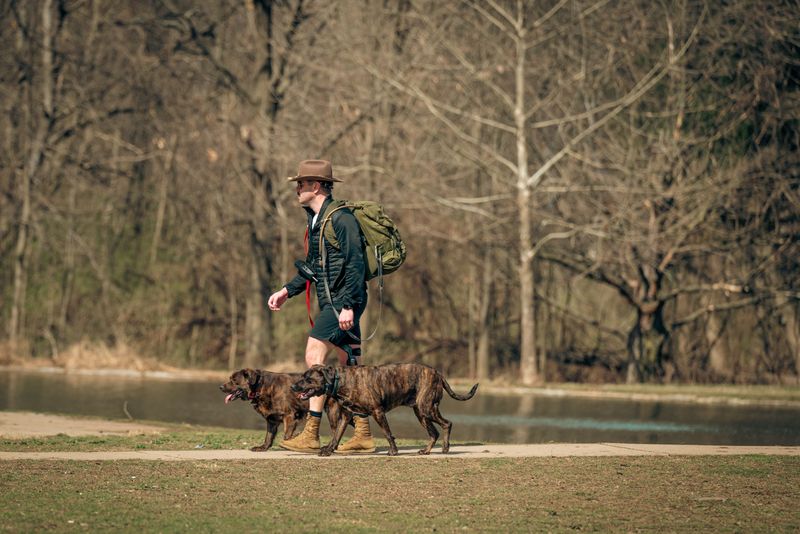
Bringing the whole crew? Do a quick headcount before you leave the car.
One person may walk a maximum of two pets at a time inside the park.
So a family of four could manage a small pack, but a solo hiker with three dogs is out of luck. Honestly, the rule makes sense: juggling multiple leashes on steep, rooty terrain gets messy fast.
Pair up and everybody stays comfortable.
4. Visitor Centers Are a Human-Only Zone
That gorgeous Canyon Rim Visitor Center near Lansing has maps, exhibits, and air conditioning. Your dog cannot come inside.
Federal regulations keep pets out of park buildings and visitor centers, with qualified service animals as the exception.
Plan a tag-team approach: one person browses while another waits outside in the shade with the pup. Never leave a dog in a parked car on a warm West Virginia afternoon.
5. Ranger Programs Skip the Pets
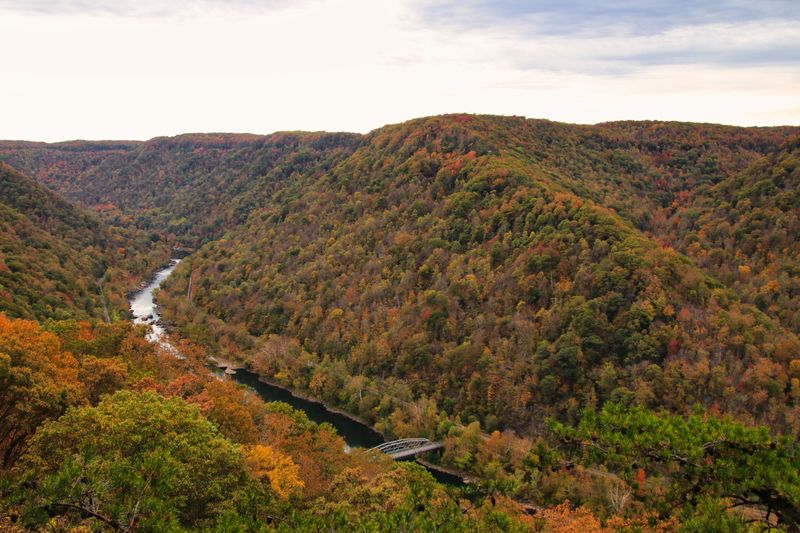
Rangers here lead walks about coal camps, birdlife, and gorge geology. Those talks are worth catching, minus your dog.
Pets are not allowed at ranger-led programs, though qualified service animals may attend.
Barking during a quiet birding stop tends to clear the trees, so the rule protects the experience for everyone. Split your day instead: morning program for you, afternoon trail time for your enthusiastic hiking partner.
6. Camp Brookside Is Off the Itinerary
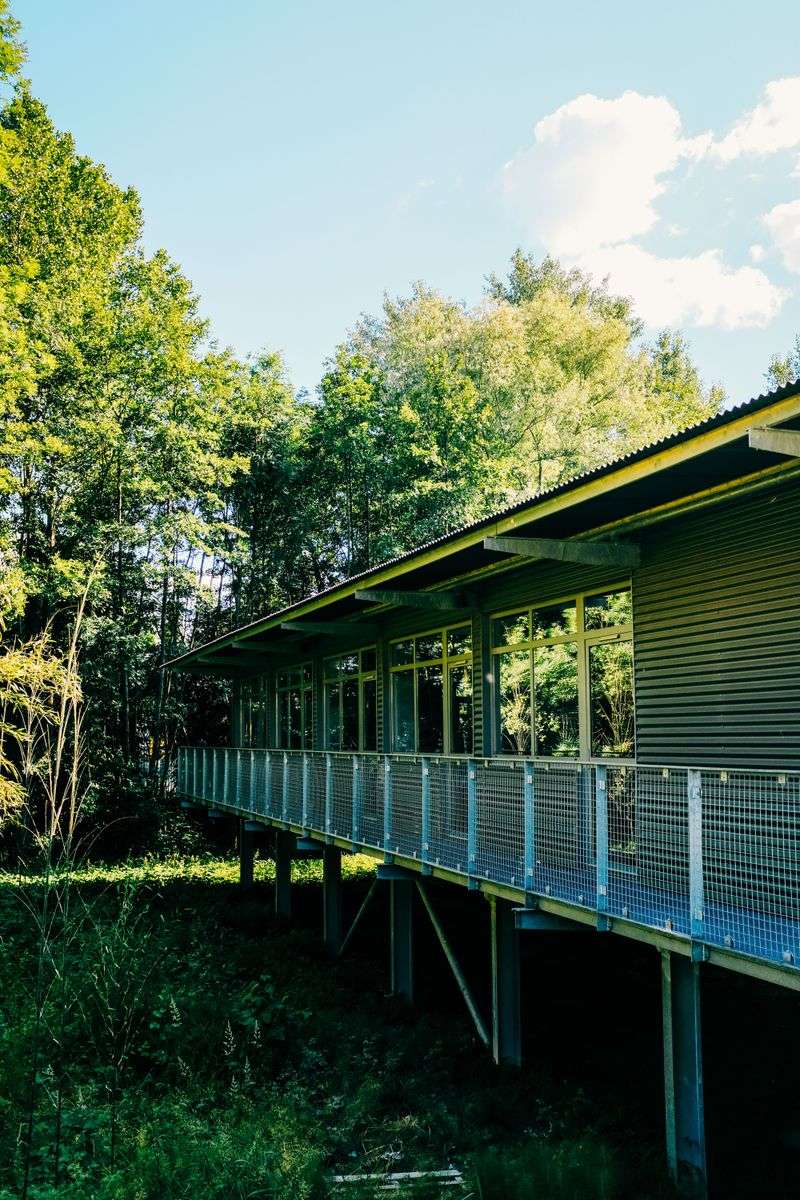
Tucked near Hinton, Camp Brookside serves as an environmental education hub for school groups and workshops.
Pets are not permitted there, aside from qualified service animals.
If your trip includes a stop at this riverside spot, arrange a sitter or pick a different destination for the day. Plenty of dog-friendly trailheads sit within a short drive, so nobody has to miss out on fresh air.
7. Pack It Out, Every Time
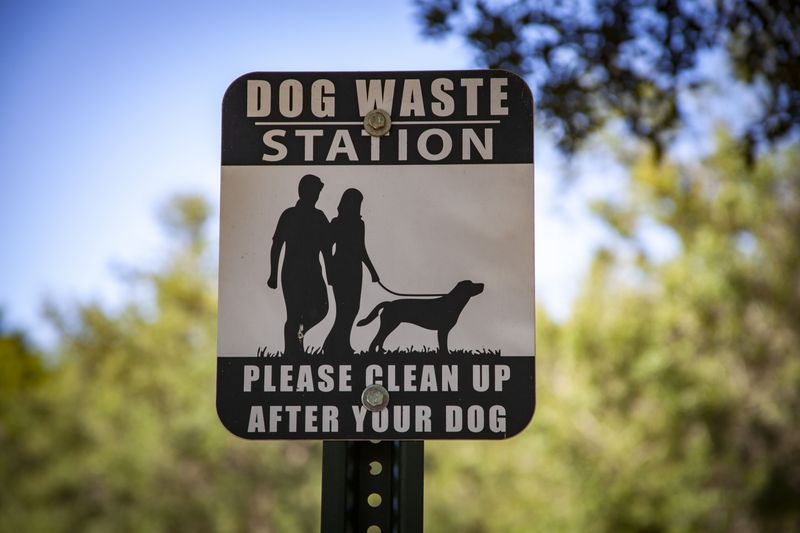
Nobody hikes to a waterfall hoping to sidestep surprises on the path.
Park rules are clear: pick up your dog’s waste and drop it in a trash receptacle.
Tossing a bag into the brush counts as littering, and it lingers far longer than you would guess. Stuff extra bags in every pocket, then carry a small sealable container for the walk back.
Clean trails keep this dog-friendly policy in place.
8. Haul Your Own Water
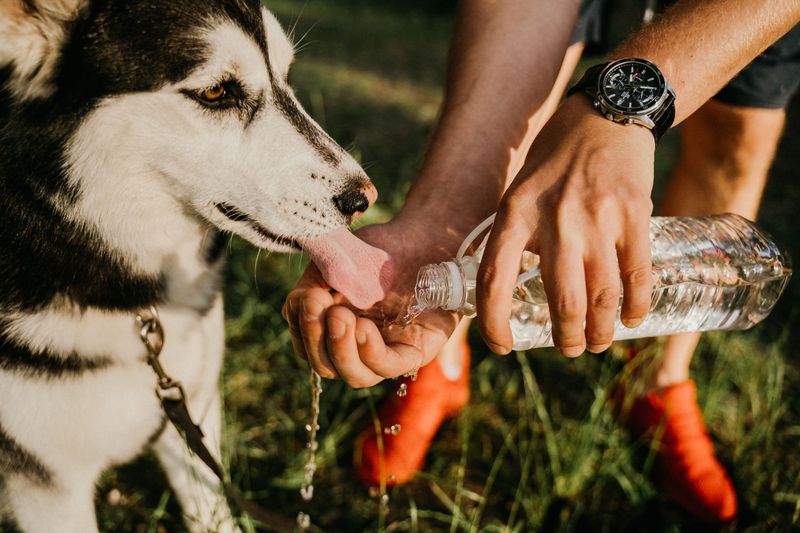
Those clear mountain streams look refreshing. They can also carry harmful bacteria and parasites like Giardia.
Bring drinking water for your dog rather than letting them lap from creeks or puddles.
Water fountains and bottle filling stations exist at visitor centers, but trailheads have none. A collapsible bowl and an extra liter per dog work well on humid summer climbs.
Offer sips often, especially on exposed rim sections.
9. Four Pets Max at Camp
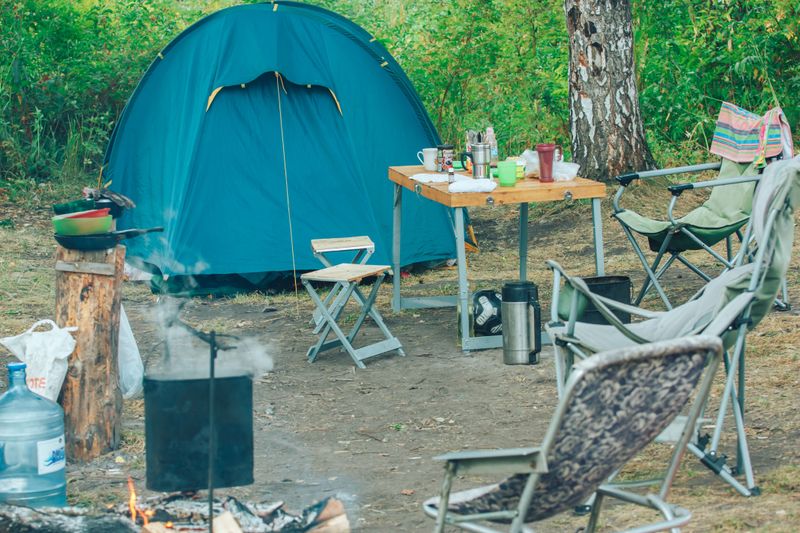
Camping in the gorge with dogs? There is a ceiling on the fur count.
Park campgrounds allow no more than four pets per campsite.
That number covers the whole site, not each tent, so coordinate with friends before you caravan in. Keep leashes attached even around the fire ring, since curious noses drift toward neighboring sites and toward whatever rustles in the dark treeline.
10. Primitive Means Truly Primitive
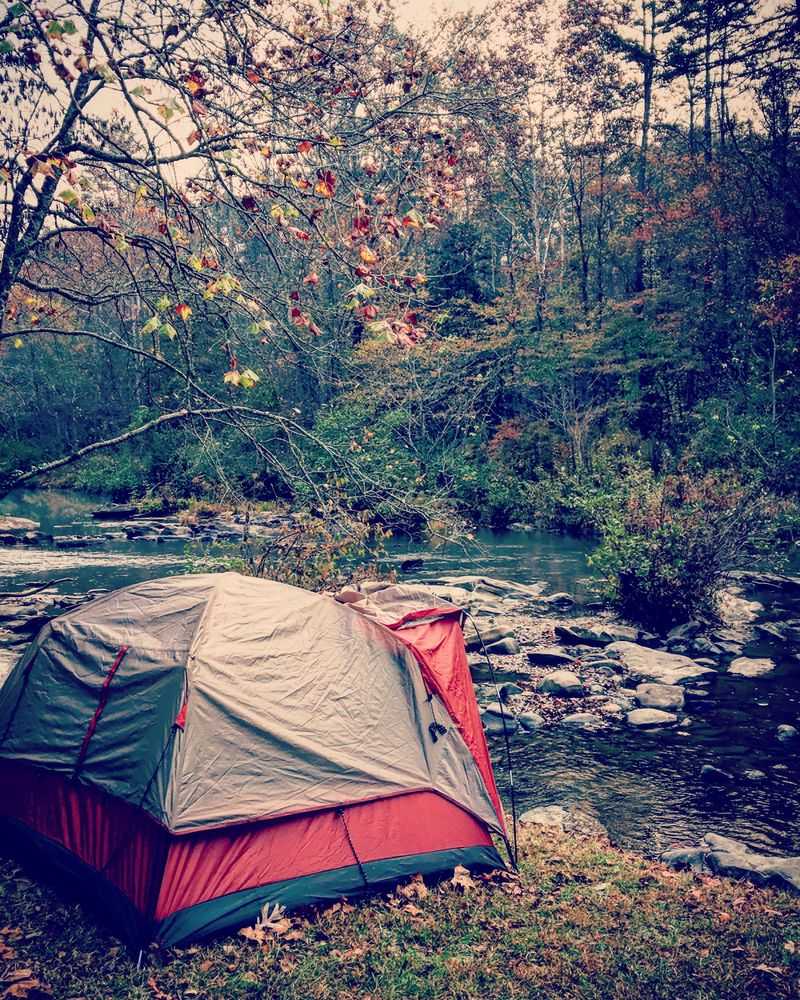
Do not picture shower houses and electric pedestals here. Park campgrounds are genuinely rustic.
There is no drinking water, no hookups, no electricity, and restroom facilities stay minimal.
Load the car with plenty of water, food, bowls, a towel, and any medications your dog needs. A packable bed helps too, since rocky ground gets chilly at night.
Self-sufficiency is the whole game at these riverside sites.
11. The New River Is Not a Swimming Hole

Strong swimmers get humbled by this river. Swimming is strongly discouraged for dogs and people alike.
Powerful currents, whitewater, hidden rocks, and sudden drop-offs make the main channel unpredictable.
Side creeks and shallow tributaries usually offer calmer splashing for a water-loving pup. Scout the spot first, check the depth, and keep the leash handy.
A wading break beats a rescue mission every single time.
12. Overlooks Demand a Tight Grip

Grandview, Diamond Point, Long Point: the views drop away for hundreds of feet.
Hold your dog close and short near cliff edges and overlooks, where sheer drops appear without warning.
Wet sandstone gets slick, and a squirrel sighting can trigger a lunge you never saw coming. Loop the leash around your wrist, stand back from the rim, and take the photo from a comfortable distance.
13. Tick Patrol Comes After the Hike

West Virginia sees high rates of tick-borne illness, and the gorge has plenty of leafy hiding spots.
Run your fingers through your dog’s coat after every hike, focusing on ears, collar line, between toes, and under the tail.
Talk to your veterinarian about current tick prevention before the trip. A fine-tooth comb and a tick remover belong in your daypack.
Five minutes of checking saves weeks of worry.
14. Two Venomous Snakes Call It Home

West Virginia hosts exactly two venomous snake species, and both live in this park.
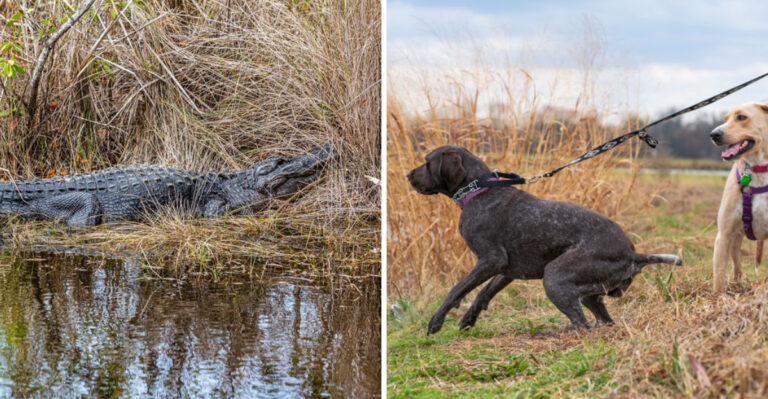
Northern copperheads and timber rattlesnakes blend beautifully into leaf litter and warm rock ledges.
Keep your dog off stone walls, out of woodpiles, and away from thick brush along trail edges. Snakes want nothing to do with you, so give them room and simply walk on.
Leashes prevent nose-first investigations.
15. Rattlesnake Season Runs Spring Through Fall
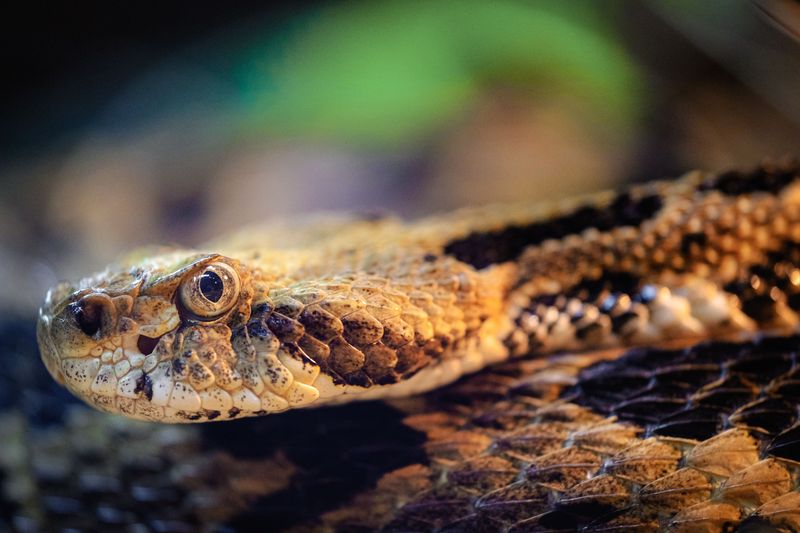
Timing helps you plan. Timber rattlesnakes are generally active from late April through mid-October.
Warm afternoons bring them out to bask on open rock, especially along cliff bases where climbers scramble.
Stick to the middle of the trail during those months and slow down through sunny boulder fields. Cooler shoulder-season hikes mean far fewer reptile encounters, plus better views once the leaves thin out.
16. Poison Ivy Grows Practically Everywhere
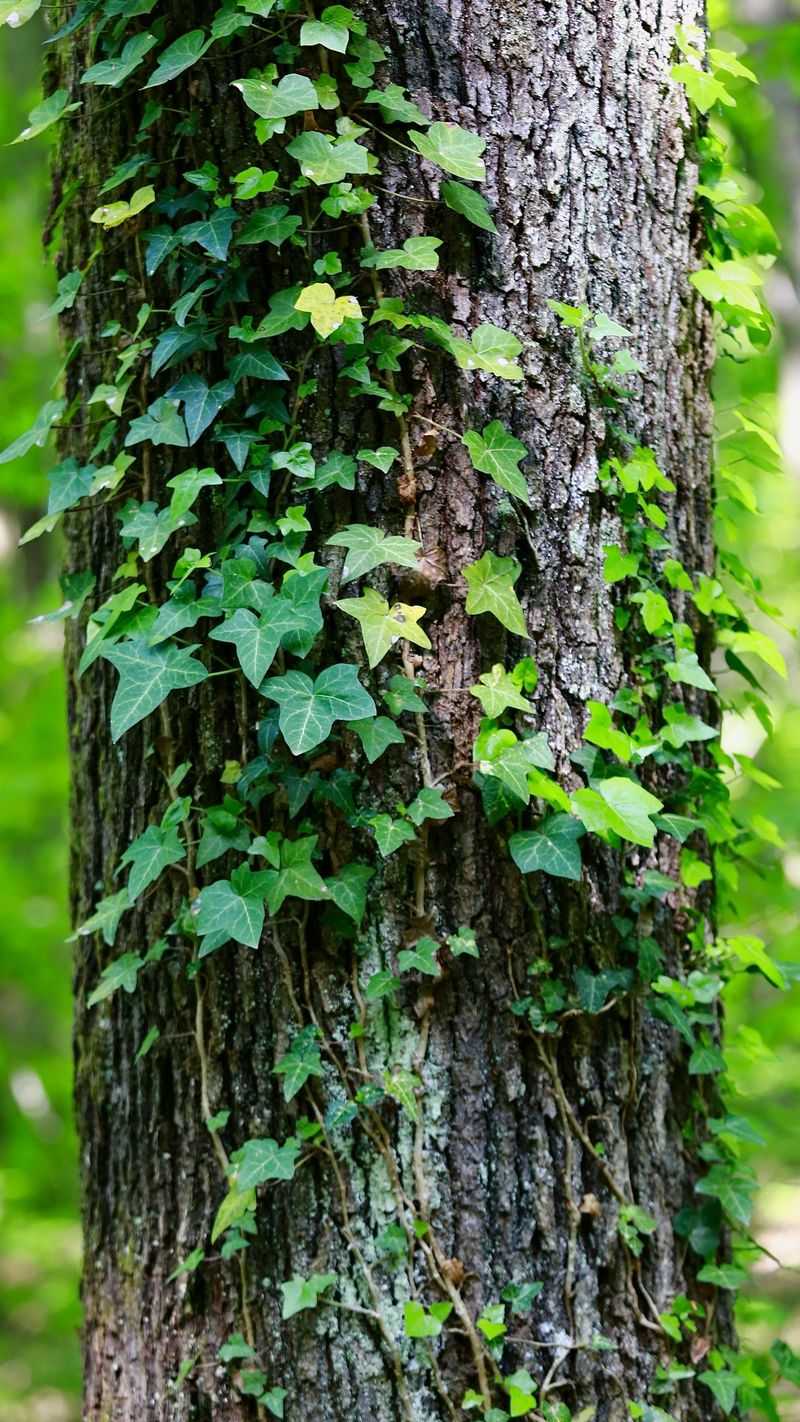
Three shiny leaflets, endless variety. Poison ivy thrives throughout the gorge as groundcover, shrub, and hairy climbing vine.
Dogs rarely react to the oil, but they ferry it home on their fur and onto your couch.
Keep pups on the tread instead of the shoulder, then wipe them down with a damp cloth afterward. Wear gloves while you do it.
Your future itch-free self will be grateful.
17. Give Wildlife a Wide Berth
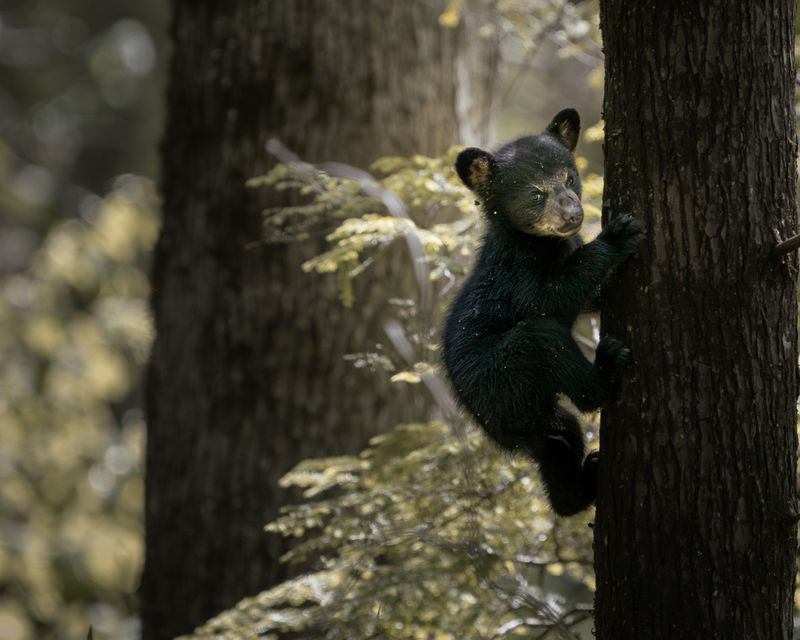
Black bears roam these hollows, along with raccoons, skunks, and plenty of deer.
Keep your dog well away from all of them, no matter how curious the sniffing gets.
Leashes protect pets from risky encounters and stop them from frightening native animals near dens and nests. If you spot a bear, calmly gather the leash and back away along the trail.
Never let barking turn into pursuit.
18. Blaze Orange for Hunting Season
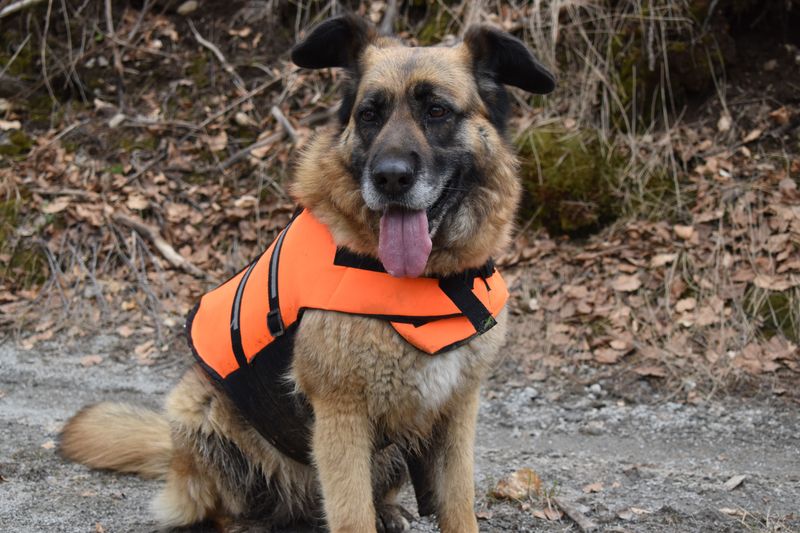
Hunting is permitted in portions of the preserve, which surprises plenty of first-time visitors.
Slipping a blaze-orange vest or bandana on your dog makes them far easier to see among fall leaves.
Add a bright layer for yourself and check season dates before heading out. Sticking to popular trails and midday hours helps too.
Visibility costs almost nothing and buys real peace of mind.
19. Bridge Day Is a Dog-Free Day
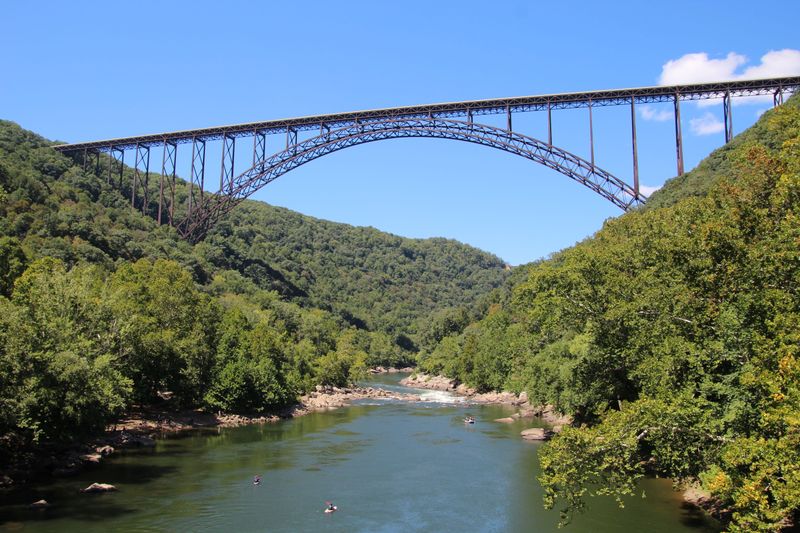
Once each October, the New River Gorge Bridge opens to pedestrians and BASE jumpers. Thousands show up.
Dogs are not permitted on the bridge during Bridge Day.
Between the crowds, the noise, and the grated deck, it would be an overwhelming afternoon anyway. Book a pet-friendly stay in Fayetteville, leave your pup resting, and hit a quiet rim trail the following morning instead.