What To Do If A Rattlesnake Appears On Your Dog’s Trail In Nevada
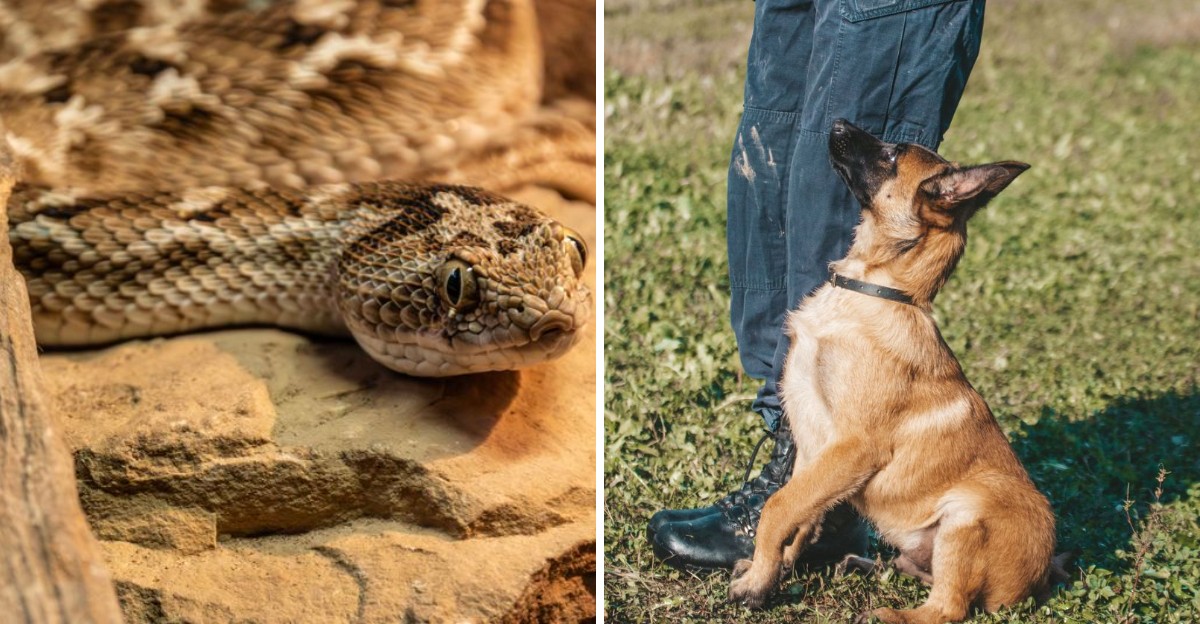
Nevada trails are beautiful, and rattlesnakes are found in many parts of the state, especially during warmer months. If you hike with your dog here, stay alert for snakes and give them plenty of space.
The good news is that most encounters end quietly when the handler stays calm and knows the next step. Here is what local dog owners should keep in mind, from the first moment you spot a snake to the plan you make before you ever leave the trailhead.
Stop and Give the Snake Space
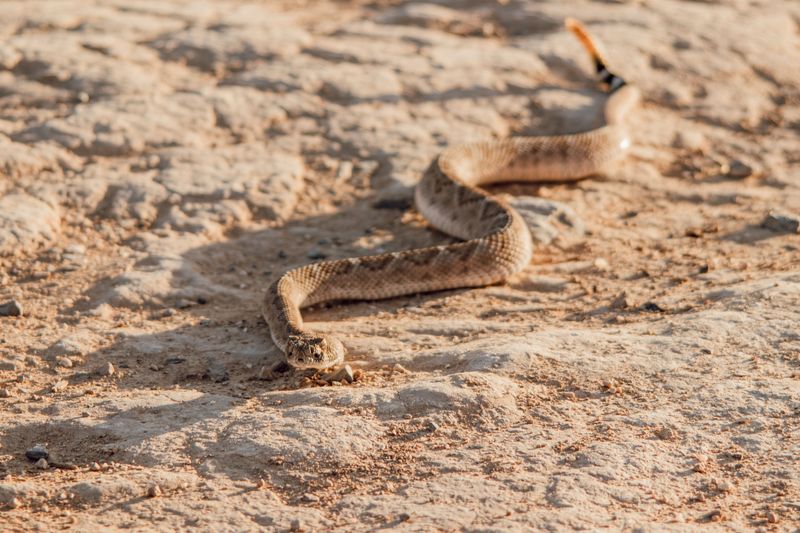
Stopping and creating distance is the safest first move. A rattlesnake beside the path should be left alone rather than approached.
Stop walking, keep your dog close, and take a moment to locate the snake without moving toward it.
Give the snake as much space as practical, then decide whether to turn around or safely move away.
Shorten the Leash Immediately
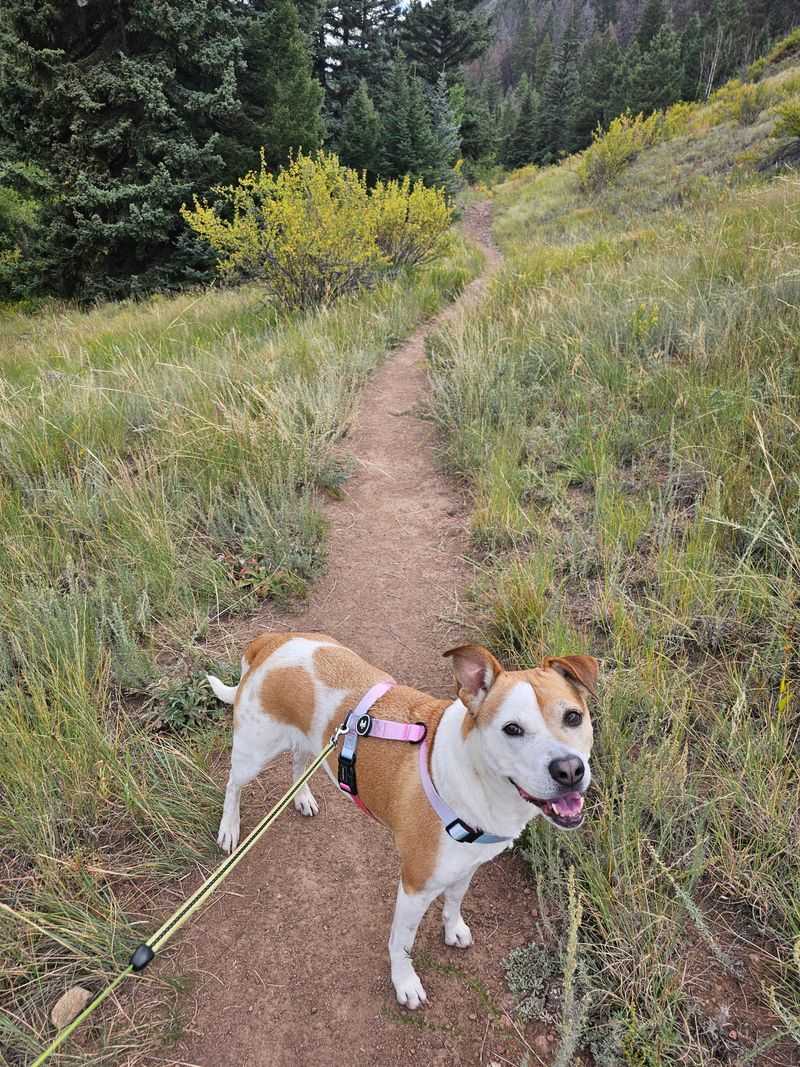
Slack leash means a curious nose can travel four feet before you react. Gather the leash close to your body and keep your dog at your side.
Retractable leashes should be locked short right away, then swapped for a standard leash later.
Nevada’s rocky trails hide snakes well, so control matters more than freedom in that moment. A firm grip buys you the seconds you need.
Move Away Slowly
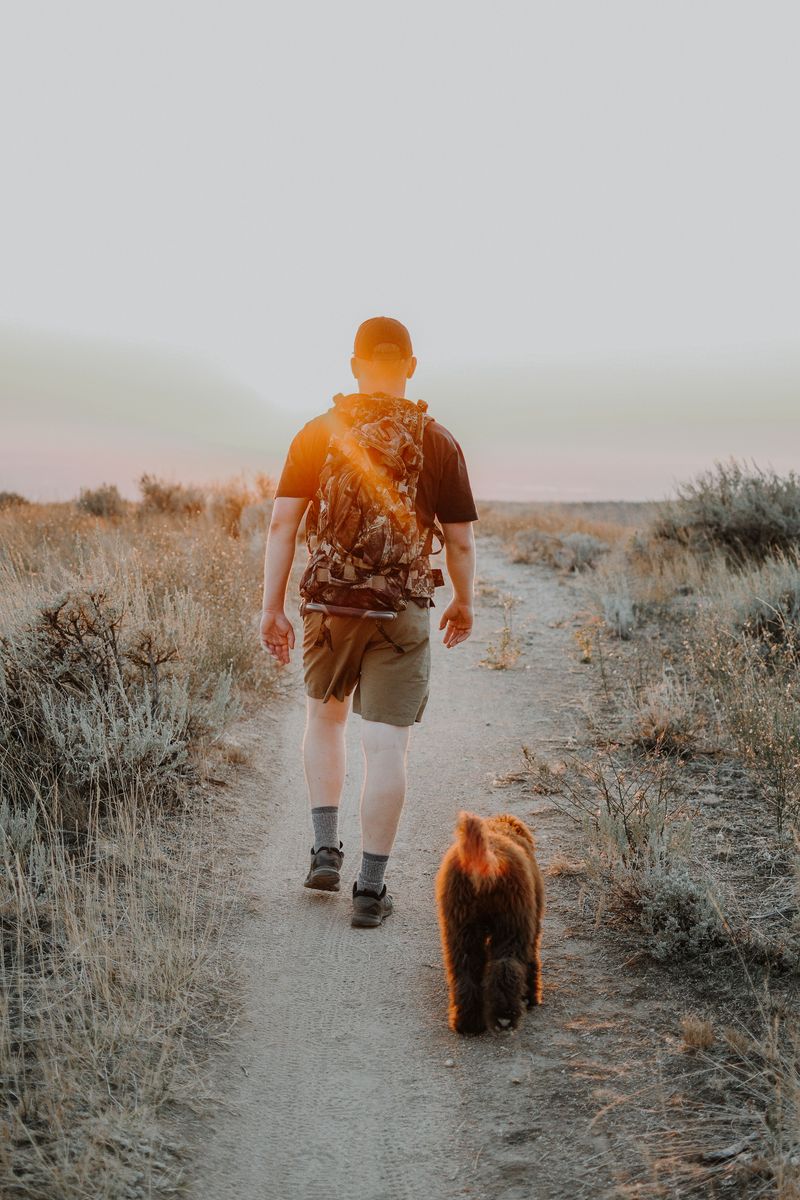
Sudden movement reads as threat to a snake. Back up smoothly instead, keeping your eyes on the snake and your dog beside you.
Back away until you have a comfortable amount of space between you, your dog, and the snake.
Resist the urge to jog or pull hard on the leash. Dogs read our energy fast, and a panicked handler often creates a panicked dog.
Slow and boring is the goal here.
Never Try to Move the Rattlesnake
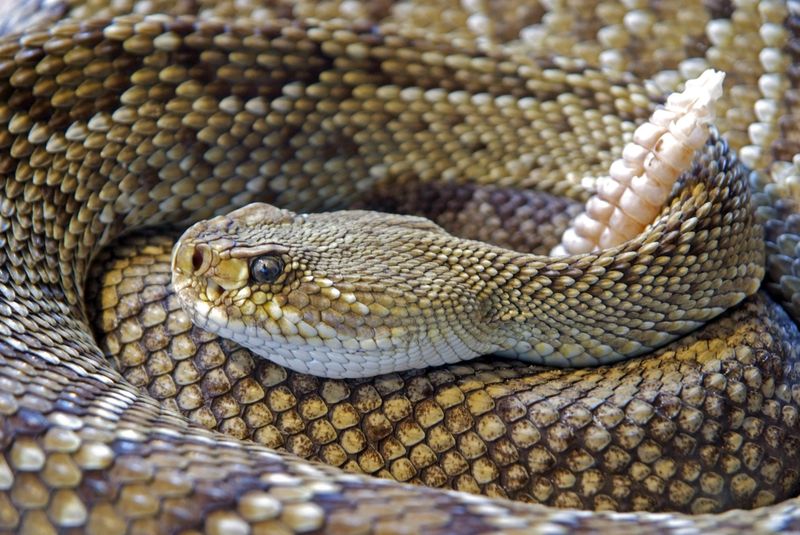
Every year, people get hurt trying to relocate or shoo a snake with a stick. Handling attempts account for a large share of bites, according to snake safety educators.
Leave the animal alone. Rattlesnakes are protected in various ways under Nevada wildlife regulations, and rules differ by county and land manager.
If a snake sits somewhere genuinely unsafe, contact local animal control or the land agency instead.
Look for a Safe Route Around It
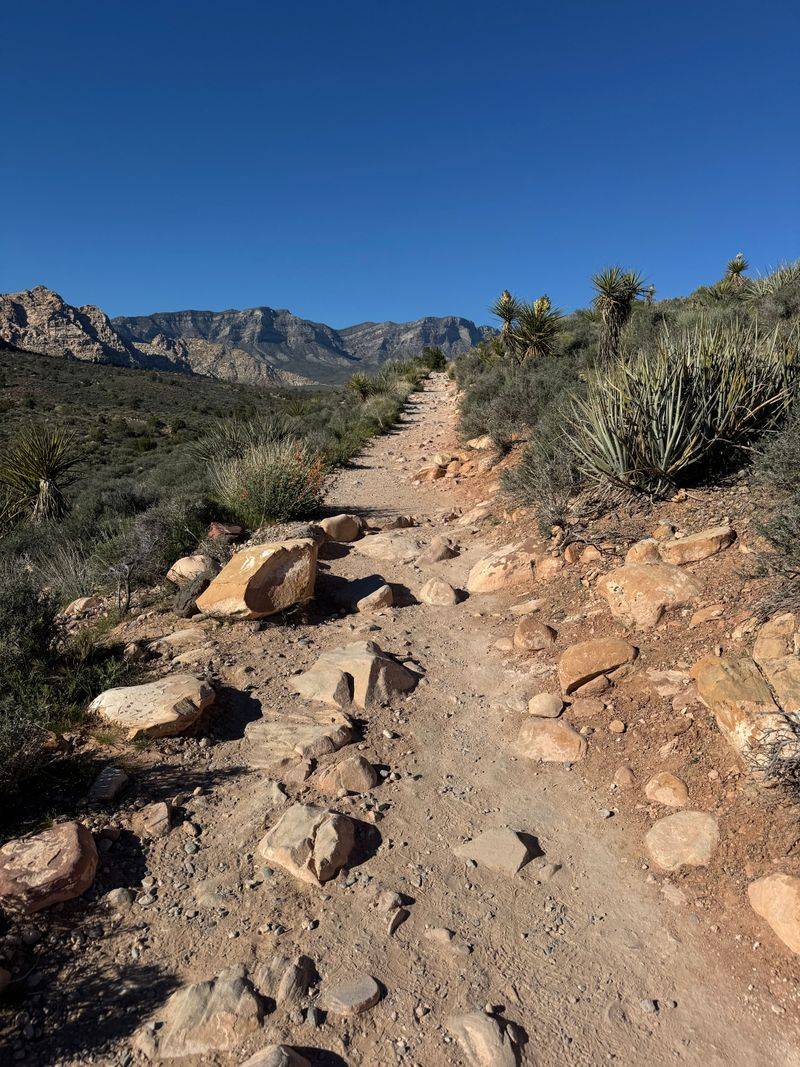
Once you have distance, scan for a wide way around the snake. Give it as much clearance as the terrain allows, and turn around if you cannot pass safely.
Choose open ground over brush, because you can see where you are stepping.
Honestly, turning around is often the smartest choice. A shorter hike beats squeezing past a snake on a narrow ledge.
Your dog will not mind heading back to the car early.
Keep Your Dog From Investigating Brush and Rocks
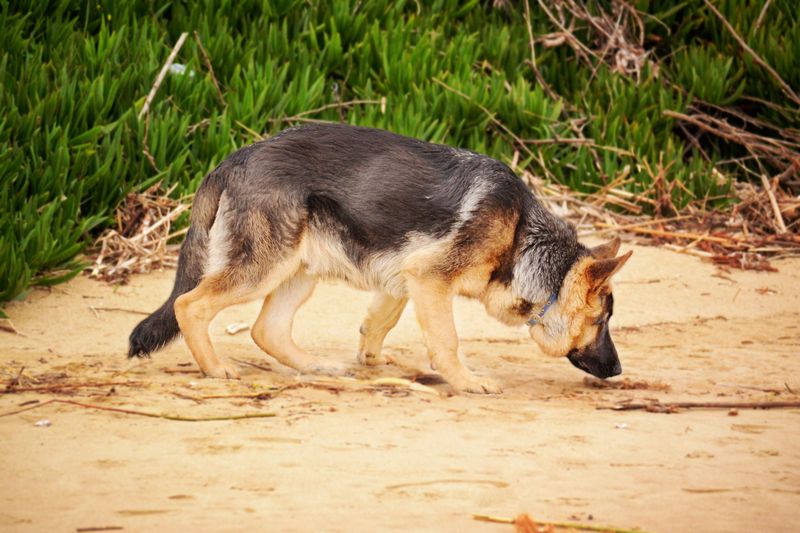
Noses lead dogs straight into trouble. Shady rock piles, woodpiles, and thick sagebrush are exactly where snakes rest during hot Nevada afternoons.
Guide your dog down the center of the trail whenever possible.
Practicing a solid “leave it” and “come” at home pays off out here. Those two cues let you redirect your dog before a nose reaches into a gap you cannot see.
Listen for the Rattle
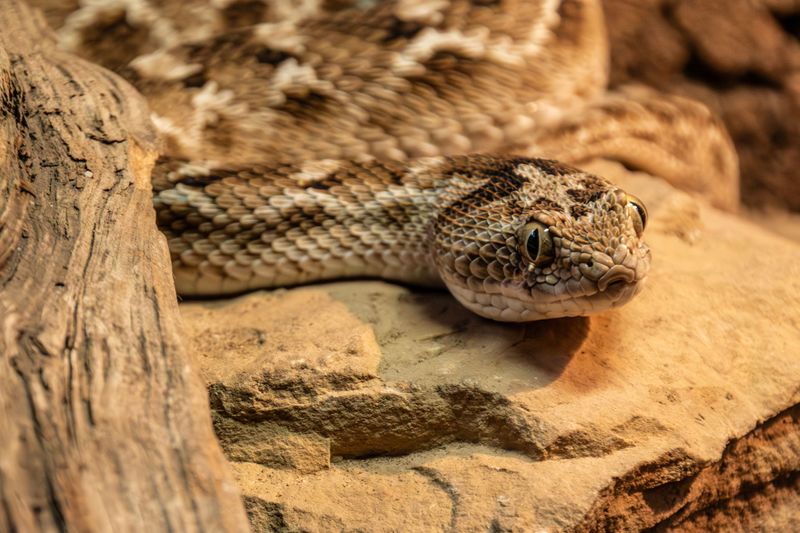
A dry buzzing sound near the trail deserves your full attention. Stop, look around carefully, and find the source before taking another step.
Keep in mind that not every snake rattles first. Some stay silent, and desert wind or a rushing creek can mask the sound entirely.
So treat your eyes as the primary tool and your ears as a helpful backup. Leaving headphones off helps too.
Watch Your Dog After the Encounter
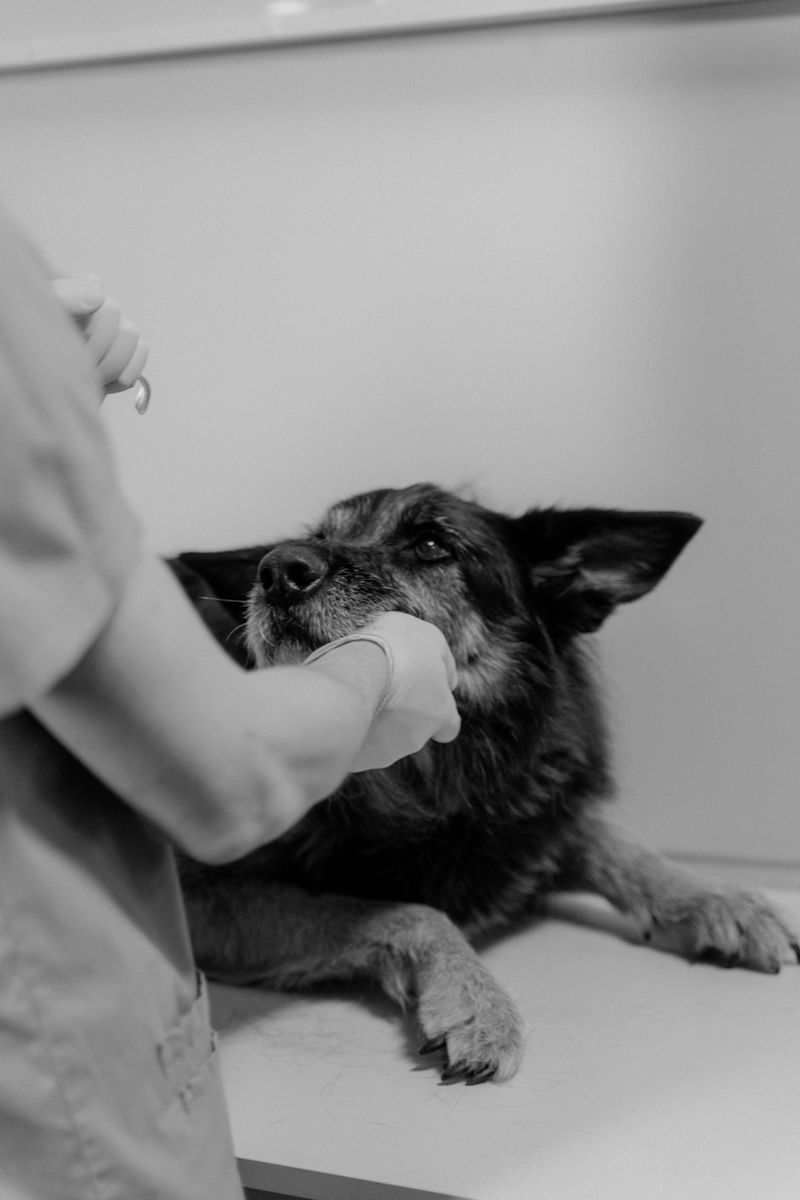
Even if you saw no contact, give your dog a careful once-over. Check the muzzle, face, neck, and legs for swelling, puncture marks, or other unusual changes.
Swelling, puncture marks, drooling, limping, or sudden quietness all matter.
Some dogs act normal for a short while, then change. Keep watching for the rest of the outing and the evening, and call your veterinarian with any concerns.
Treat a Suspected Bite as an Emergency
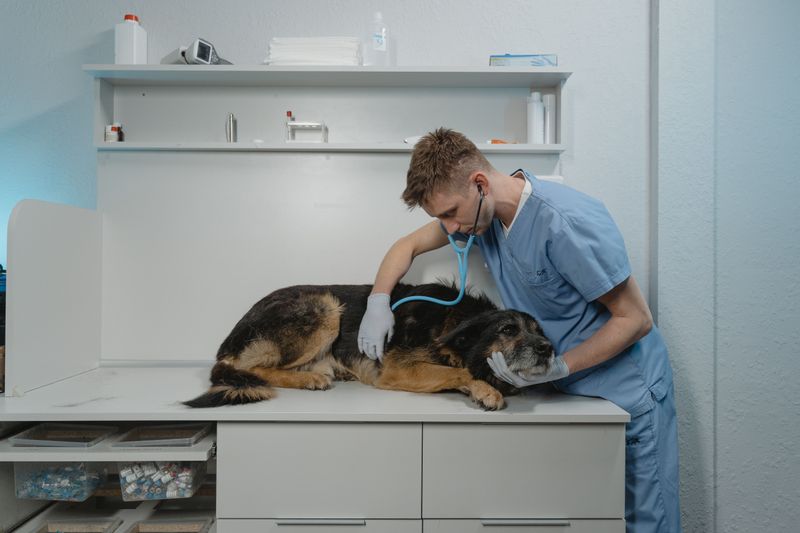
Time is the most valuable thing you have. Any suspected rattlesnake bite means heading to a veterinarian or emergency animal hospital right away.
Veterinary sources consistently describe these bites as urgent, treatable situations when care comes quickly.
Do not wait to confirm the snake species or find the puncture marks. Get moving toward help, and let the clinic team sort out the details when you arrive.
Do Not Wait for Severe Symptoms
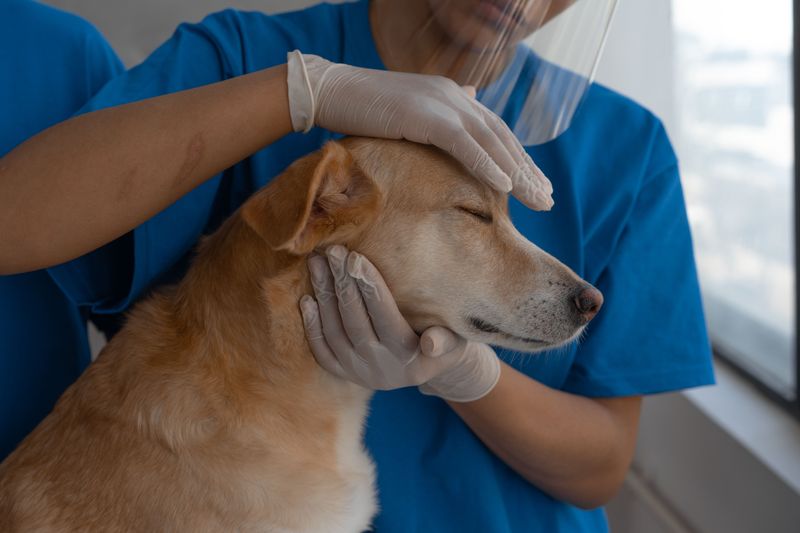
Mild signs early on can shift quickly. Slight facial puffiness, restlessness, or a small amount of drooling is reason enough to seek care.
Waiting to see whether things worsen only shrinks your treatment window.
Veterinarians would much rather examine a dog that turns out fine. Think of it like a smoke alarm: you check the kitchen first and celebrate the false alarm afterward.
Keep Your Dog Calm
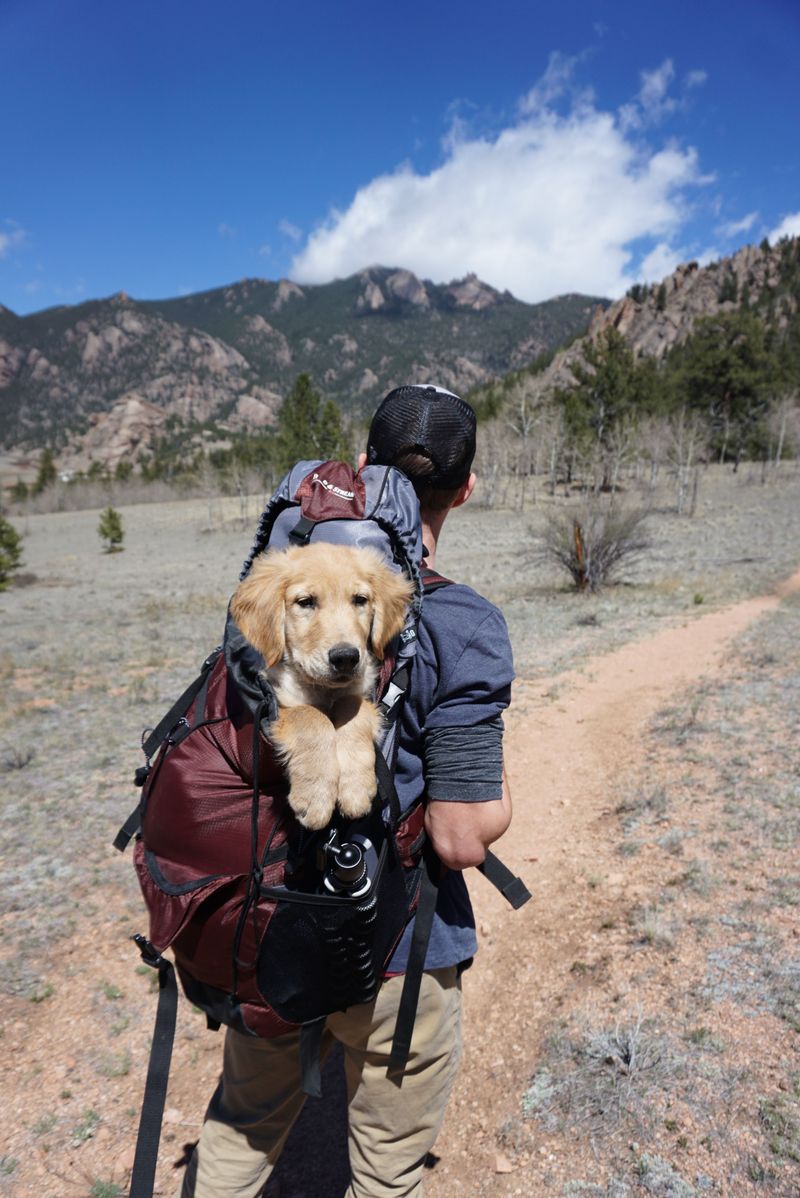
Movement speeds circulation, so quiet is genuinely useful. Ask your dog to walk slowly, or carry a smaller dog if you can do so safely.
Speak in a low, steady voice, because your tone sets the mood.
Avoid unnecessary activity and keep your dog as calm and still as practical while you travel to the veterinarian. Do not delay veterinary care to offer food or treats, and follow the clinic’s instructions about water.
Skip Home Remedies

Old advice about tourniquets, ice packs, cutting, or suction has been set aside by modern veterinary guidance. Those methods can cause added harm and delay real treatment.
Avoid giving human medications, including pain relievers, unless your veterinarian specifically directs you.
Your priorities are keeping your dog as calm and still as practical and getting to professional veterinary care as quickly as possible.
Call the Vet While Leaving the Trail
A quick phone call from the trail can help. The clinic can advise you where to go, prepare for your arrival, and determine whether another veterinary facility is better equipped to handle the case.
Rural Nevada coverage is spotty, so save numbers offline before you leave home.
Have a passenger make the call if you are driving. Share your dog’s weight, the time of the encounter, and the symptoms you are seeing.
Remember Where the Encounter Happened
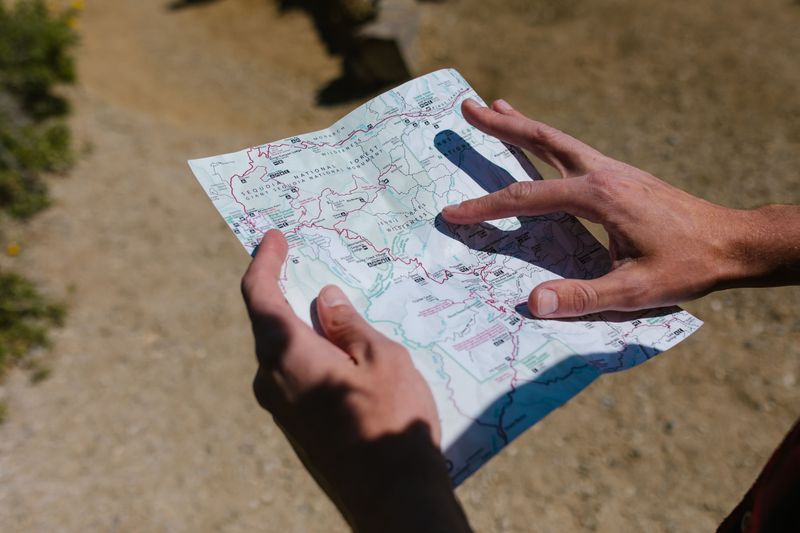
Details help more than you might expect. Drop a pin in your map app, or note the mile marker and nearby landmarks.
Clinic staff appreciate knowing the location and rough description of the snake, without you going back for a photo.
Reporting the spot to the land manager or sharing it in a local hiking group also gives other dog owners a useful heads-up.
Consider Rattlesnake Training for Your Dog
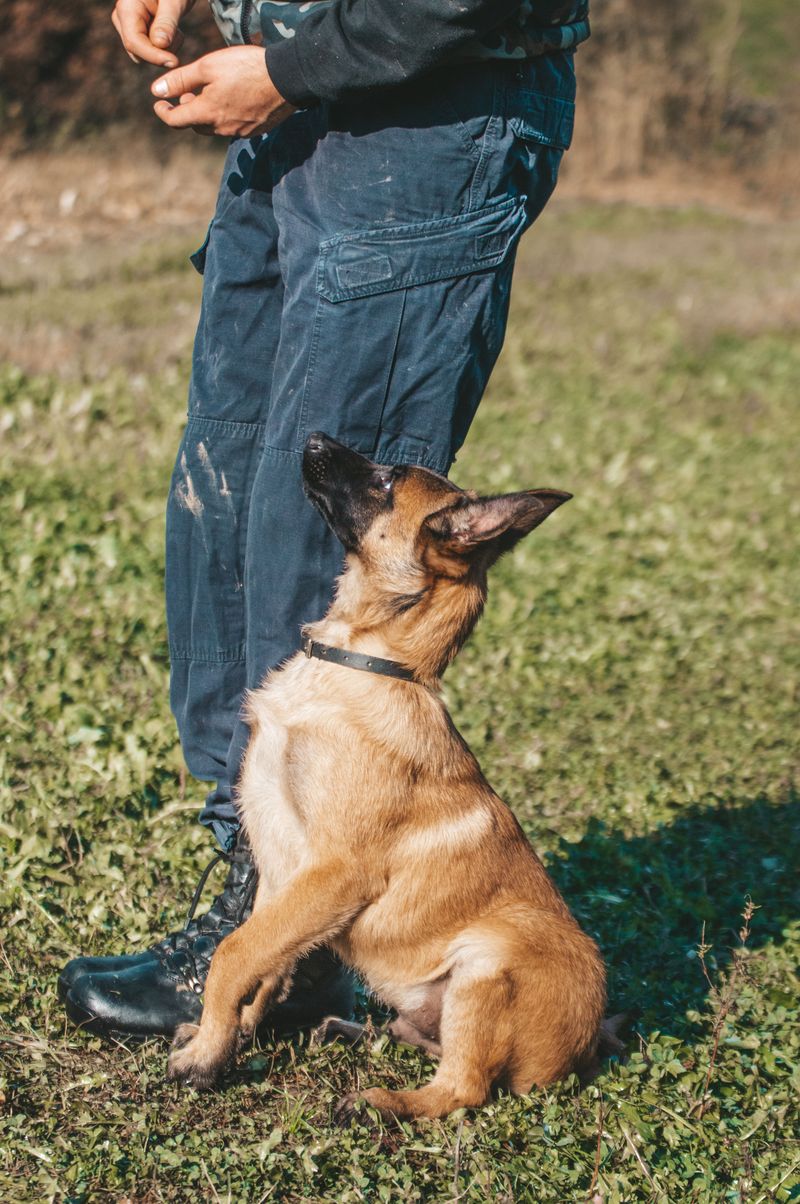
Snake avoidance classes pop up around Las Vegas and Reno each spring. Trainers teach dogs to recognize the smell, sound, and sight of rattlesnakes, then move away.
Methods vary widely, and so do the tools used, so ask detailed questions first.
Look for a trainer who explains the approach clearly and welcomes your questions. Training supports good handling, but it never replaces a short leash.
Choose Safer Trail Times and Routes
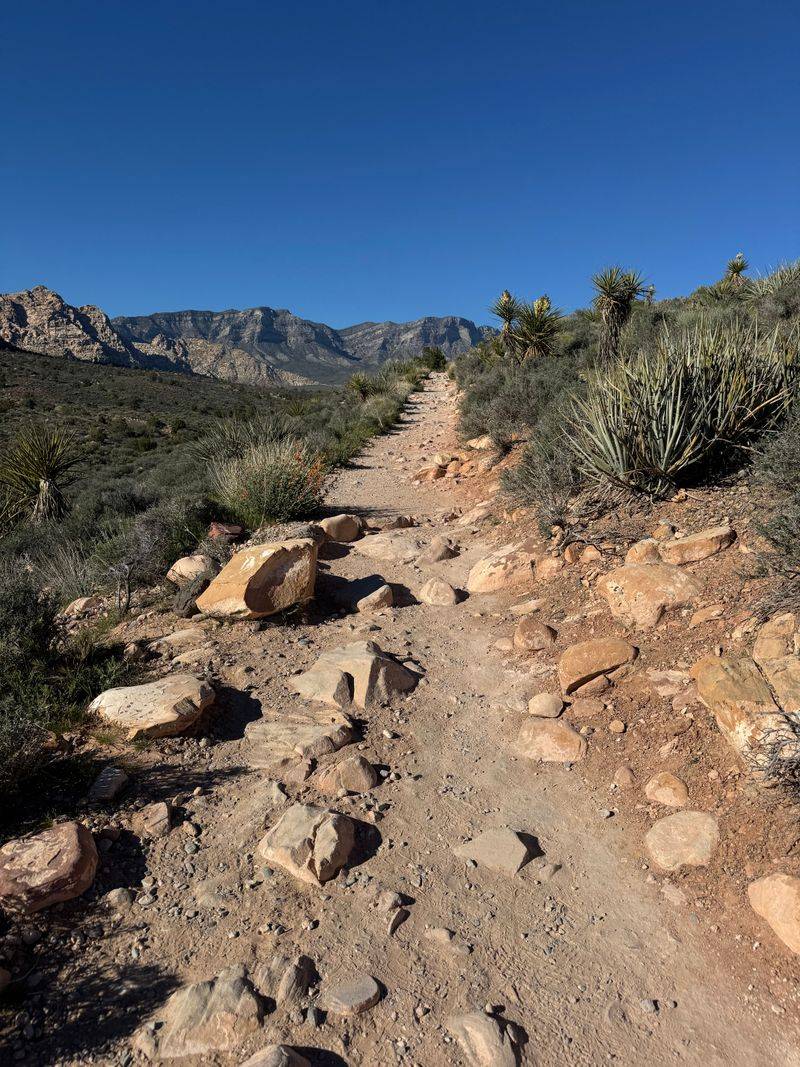
Snake activity varies with temperature, season, species, and location. During hot weather, some rattlesnakes may be more active during cooler periods, while others may remain relatively inactive during the hottest part of the day.
Cooler spring and fall conditions can also bring snakes into the open to warm themselves.
Pick wide, well-used paths over overgrown singletrack. Bring a light for low-visibility hours, and watch where your dog’s feet are landing.
Keep Vaccination Questions With Your Veterinarian
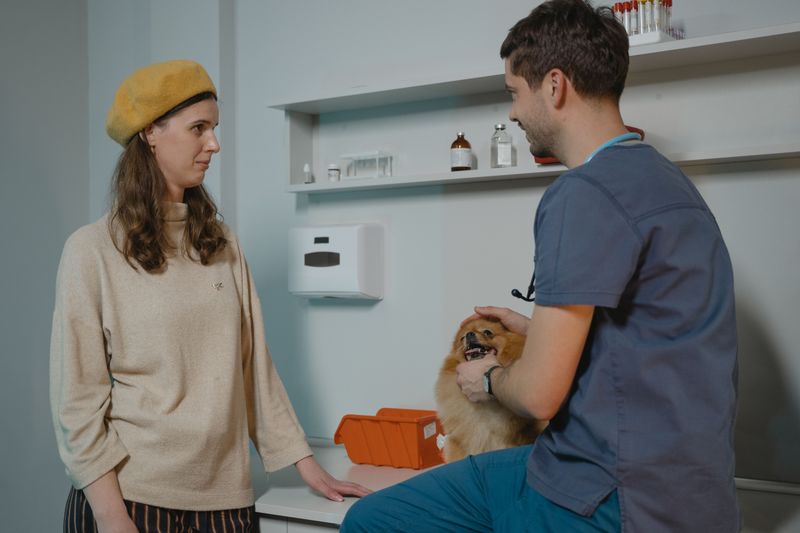
A rattlesnake vaccine exists for dogs, and opinions about it differ across the profession. Evidence for how much it helps remains limited and debated.
No vaccine replaces emergency treatment after a bite.
Bring it up at your next checkup instead of relying on internet advice. Your veterinarian can weigh your dog’s size, health, and how often you hike Nevada backcountry.
Make a Snake Encounter Plan Before Hiking
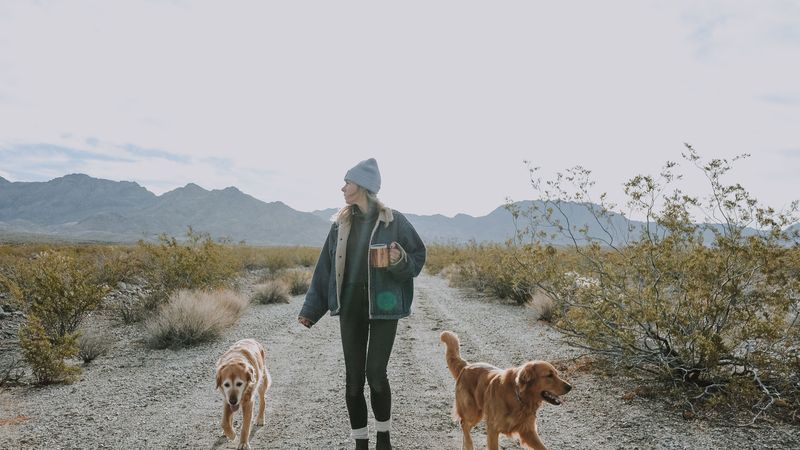
Preparation turns a scary moment into a manageable one. Before heading out, save two clinic numbers, tell someone your route, and pack water plus a spare leash.
Know whether your destination has cell service and where the nearest emergency hospital sits.
Run through the steps once in your head. Stop, shorten, back away, check your dog, call for help.
That short rehearsal is real confidence.