What To Know Before Taking Your Dog On A Maine Island Ferry Trip
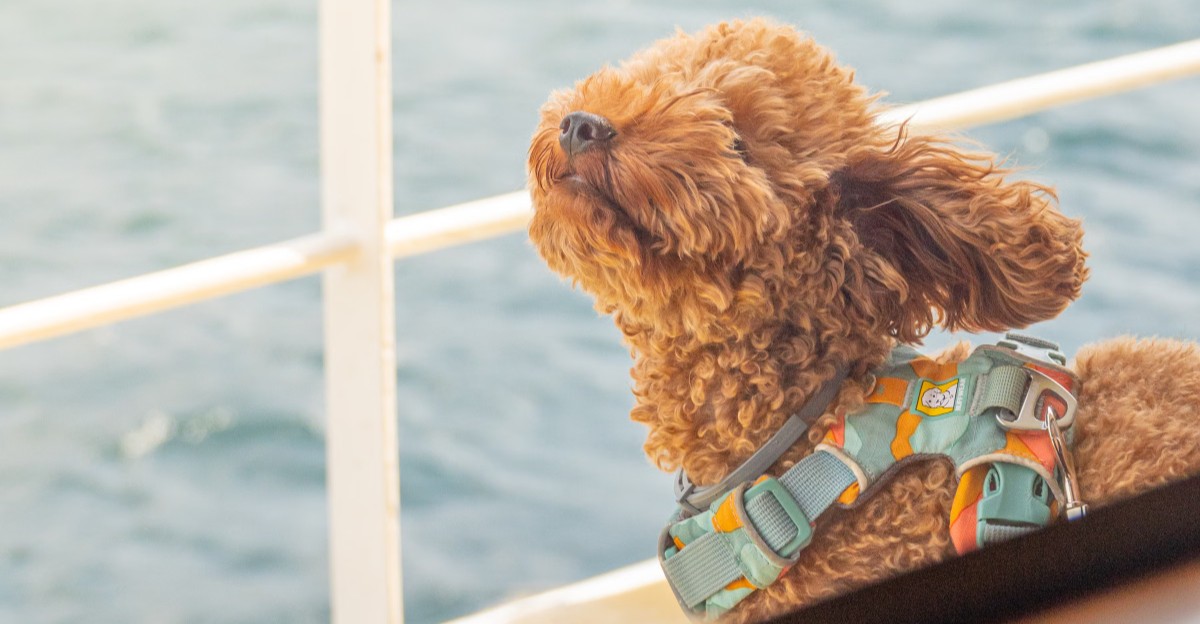
Few things beat watching your dog sniff the salty air as a ferry glides toward a Maine island. A little planning makes that trip calm, safe, and fun for both of you.
Each ferry line and island has its own rules, so knowing them ahead of time saves stress at the dock. Think of this guide as advice from a friend who has made the crossing many times.
1. Make Sure Dogs Are Welcome Aboard
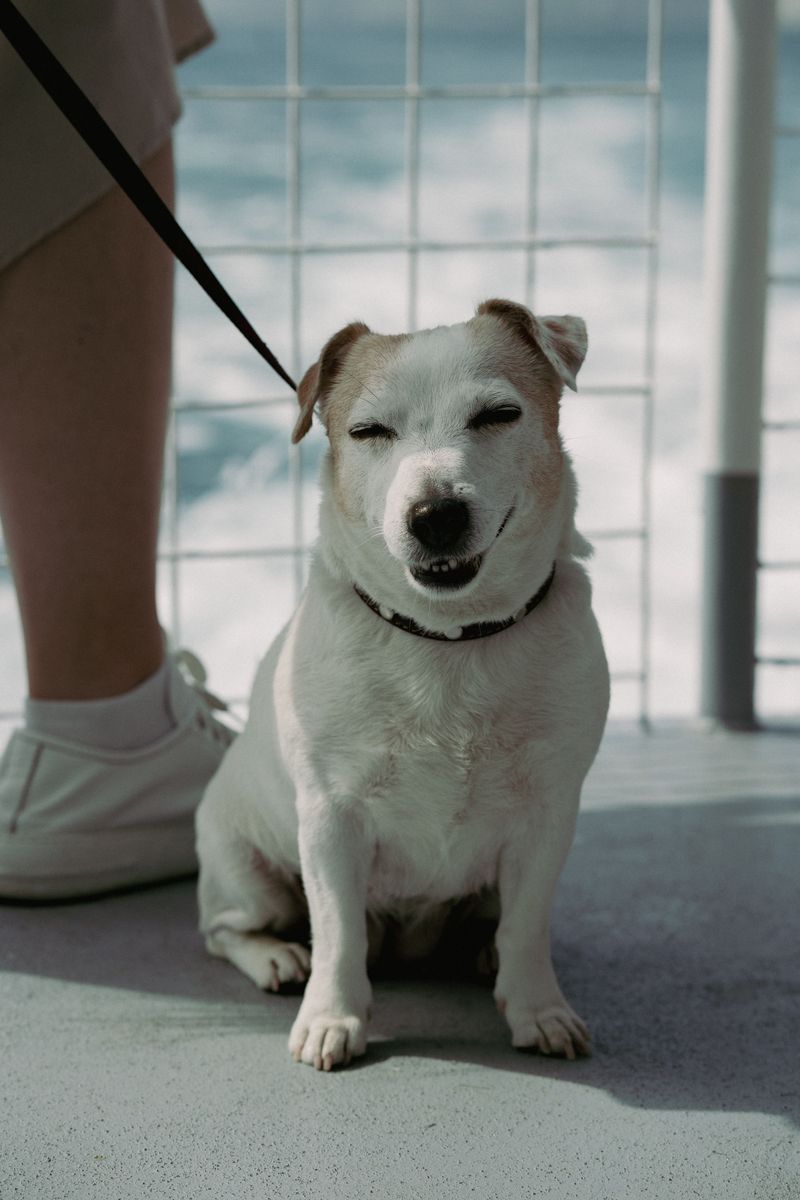
Good news first: most Maine island ferries welcome dogs. Still, every operator writes its own rules, so a quick check matters.
The Maine State Ferry Service, Casco Bay Lines, and Isle au Haut Boat Services all allow pets. Monhegan Boat Line and Hardy Boat Cruises, which both serve Monhegan Island, also accept dogs.
Policies can change from season to season. Visit the official website or call the ticket office before you pack the car.
2. Keep That Leash On From Dock to Dock
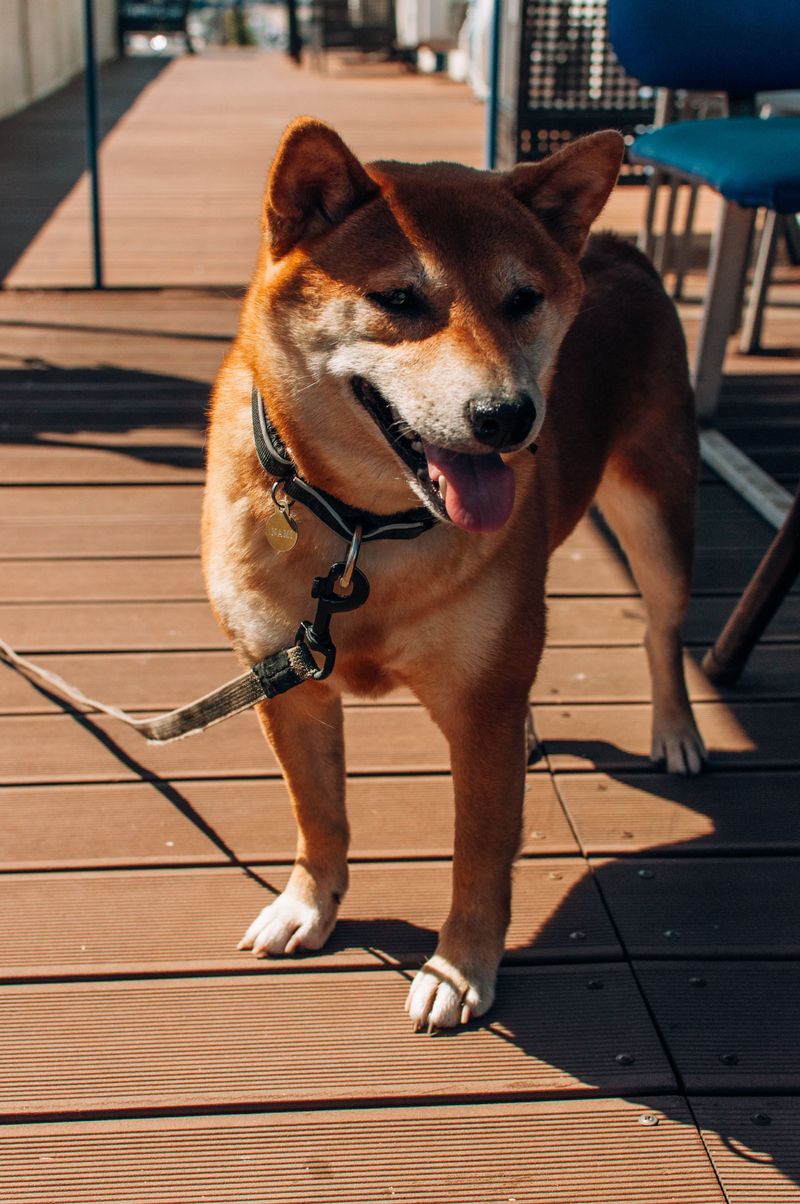
Picture a busy deck with rolling waves and curious kids. A leash keeps everyone relaxed, including your dog.
Every major Maine ferry line requires dogs to be leashed, crated, or otherwise restrained on board. Casco Bay Lines asks that dogs stay under control at all times.
Hardy Boat Cruises also notes that pets must be leashed or kenneled. Use a short, sturdy leash rather than a retractable one for better control.
3. Know Where Pets Can Sit
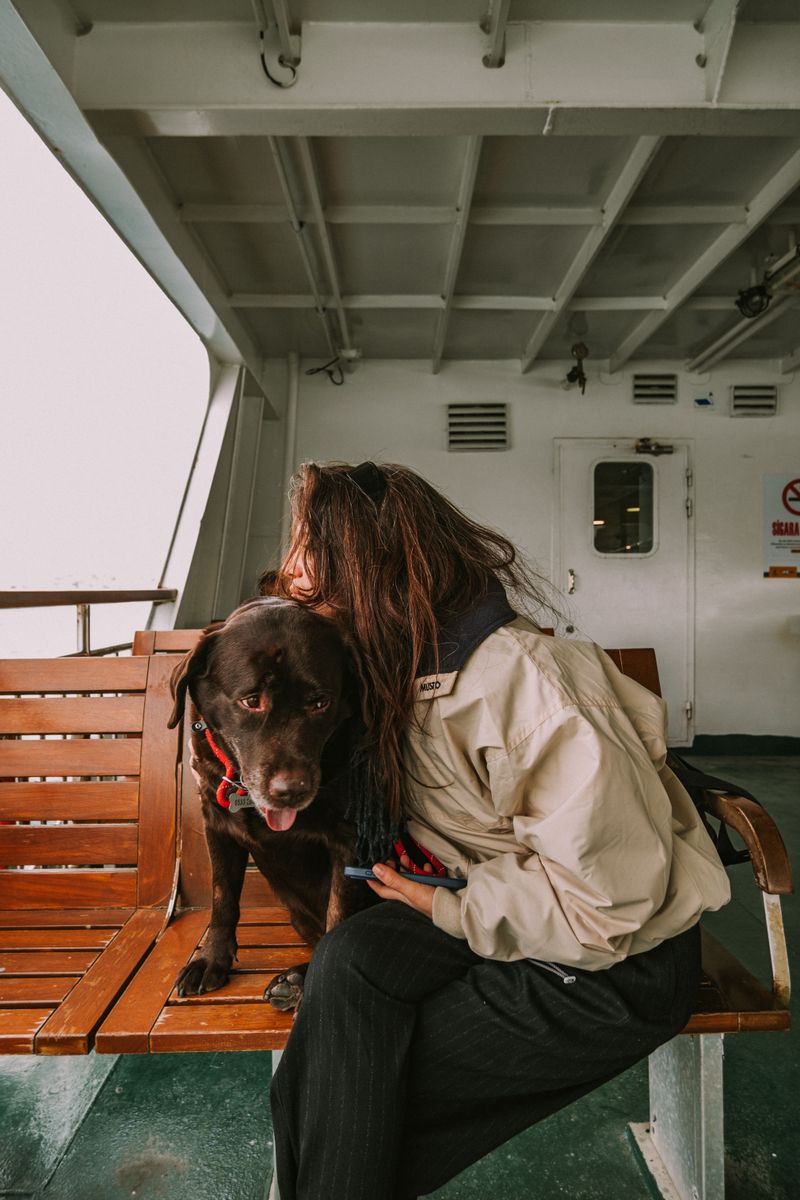
Not every seat on a ferry is open to dogs. Knowing where to go helps you board smoothly.
Maine State Ferry Service vessels usually have a marked pet-friendly cabin. Casco Bay Lines keeps dogs on outside decks or other set areas, not inside enclosed passenger cabins.
Their larger boats offer roomy stern decks. On other lines, ask the crew where pets belong.
They answer this question every day and are happy to help.
4. Find Out If Your Pup Needs a Ticket
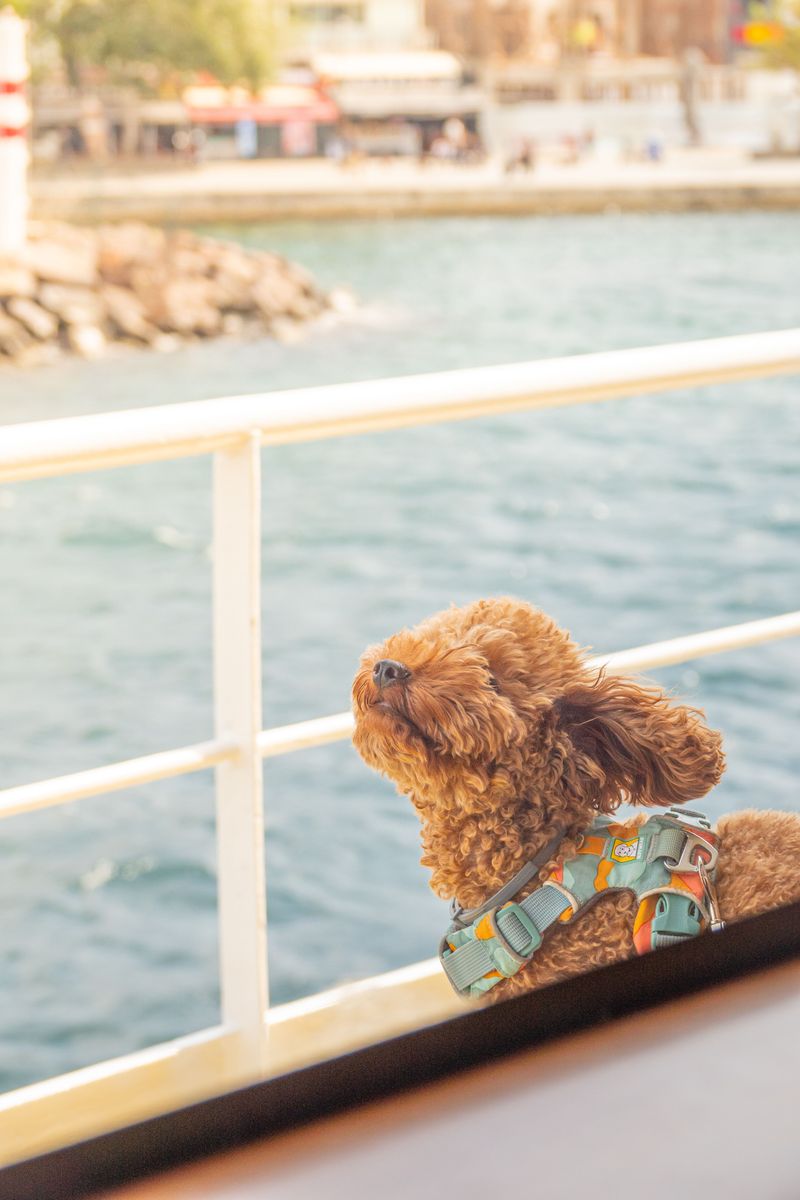
Dog fares differ quite a bit between ferry lines. Some charge nothing, while others ask for a set fee.
Monhegan Boat Line has listed a fee of about $10 per pet. Hardy Boat Cruises has listed a $20 dog fare.
Isle au Haut Boat Services has allowed pets to ride free.
Casco Bay Lines information varies between sources. Prices change often, so confirm the current fare directly with the operator before you travel.
5. Book Early When Reservations Apply
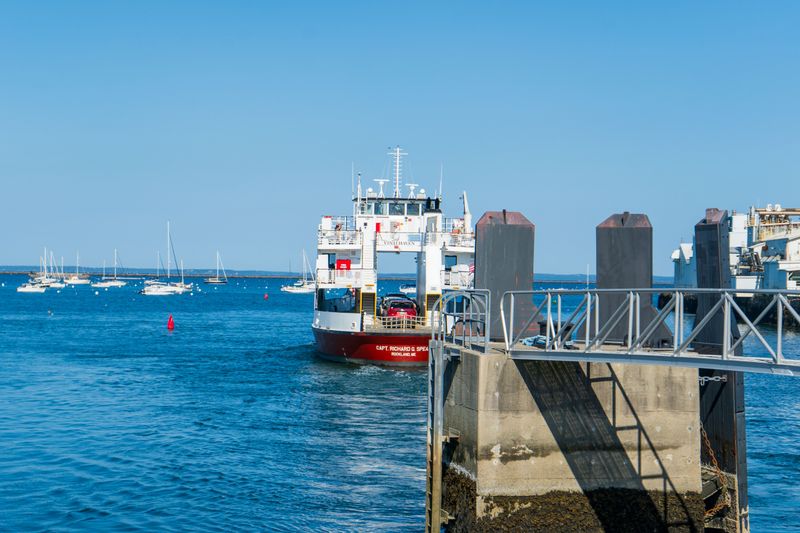
Summer weekends fill up fast on the Maine coast. A reservation can save you a long, disappointing wait.
Hardy Boat Cruises strongly recommends booking ahead, especially in peak season. Monhegan Boat Line advises reservations too.
Casco Bay Lines passenger service is mostly first come, first served, though vehicles need reservations for some islands.
Isle au Haut Boat Services sells scheduled trip tickets in person on the travel day. Rules shift, so check before you go.
6. Give Yourself Extra Time at the Terminal
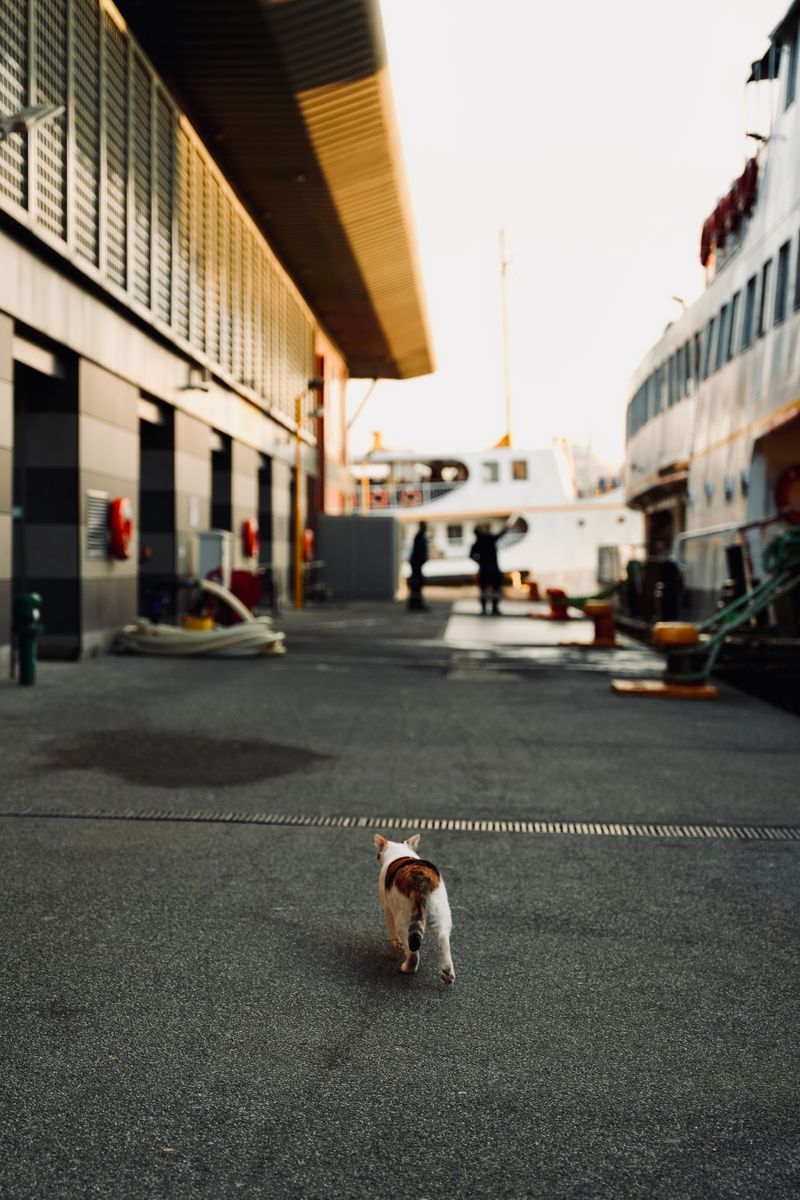
Rushing onto a boat rarely goes well with a dog in tow. Arriving early lets your pup sniff, settle, and take a potty break.
Casco Bay Lines suggests arriving about 30 minutes before departure. Isle au Haut Boat Services asks passengers to check in at least 30 minutes early.
On busy summer and holiday weekends, 45 minutes to an hour is wiser. Early morning trips are often calmer and less crowded, too.
7. Carry Rabies Records and ID Tags
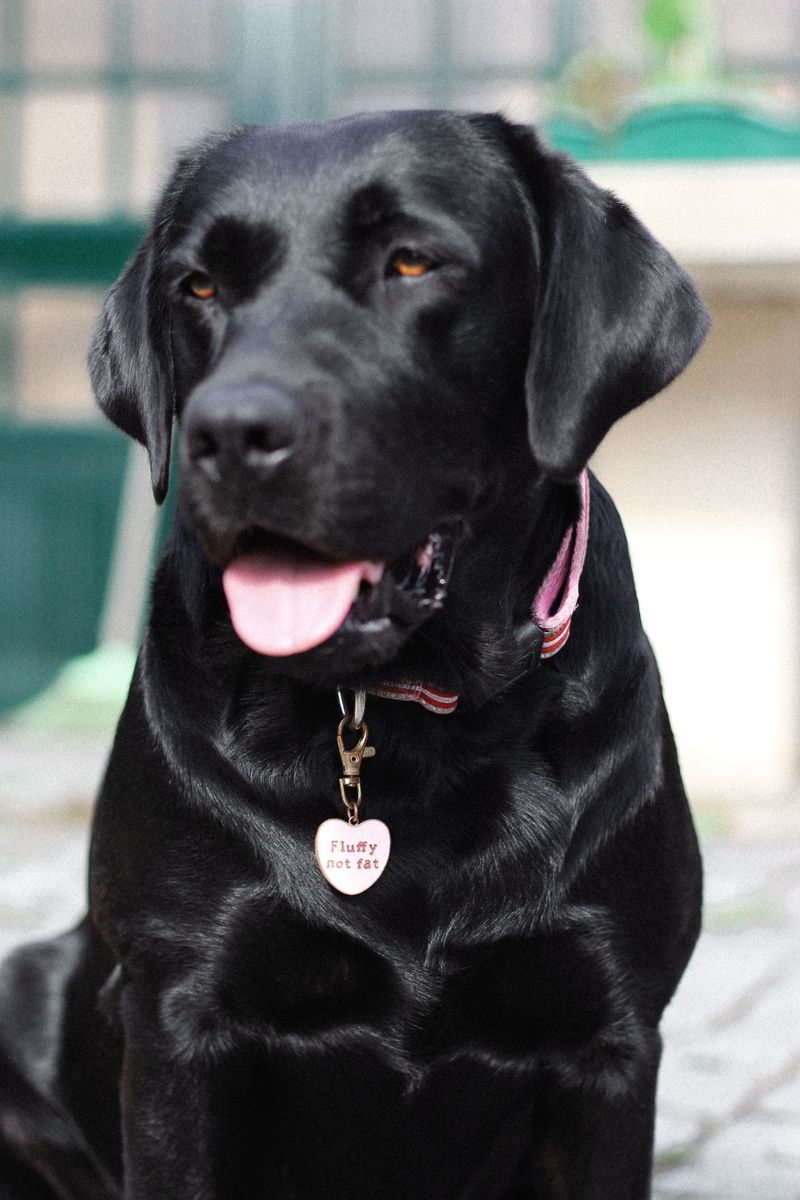
Maine law requires dogs to be vaccinated against rabies. Ferries for local island trips may not ask for proof, but carrying it is smart.
Keep a copy of the certificate on your phone or in your bag. It can help if questions come up on the island.
Make sure your dog wears a tag with your current phone number. A microchip with updated contact details adds another layer of peace of mind.
8. Pack Water and a Foldable Bowl
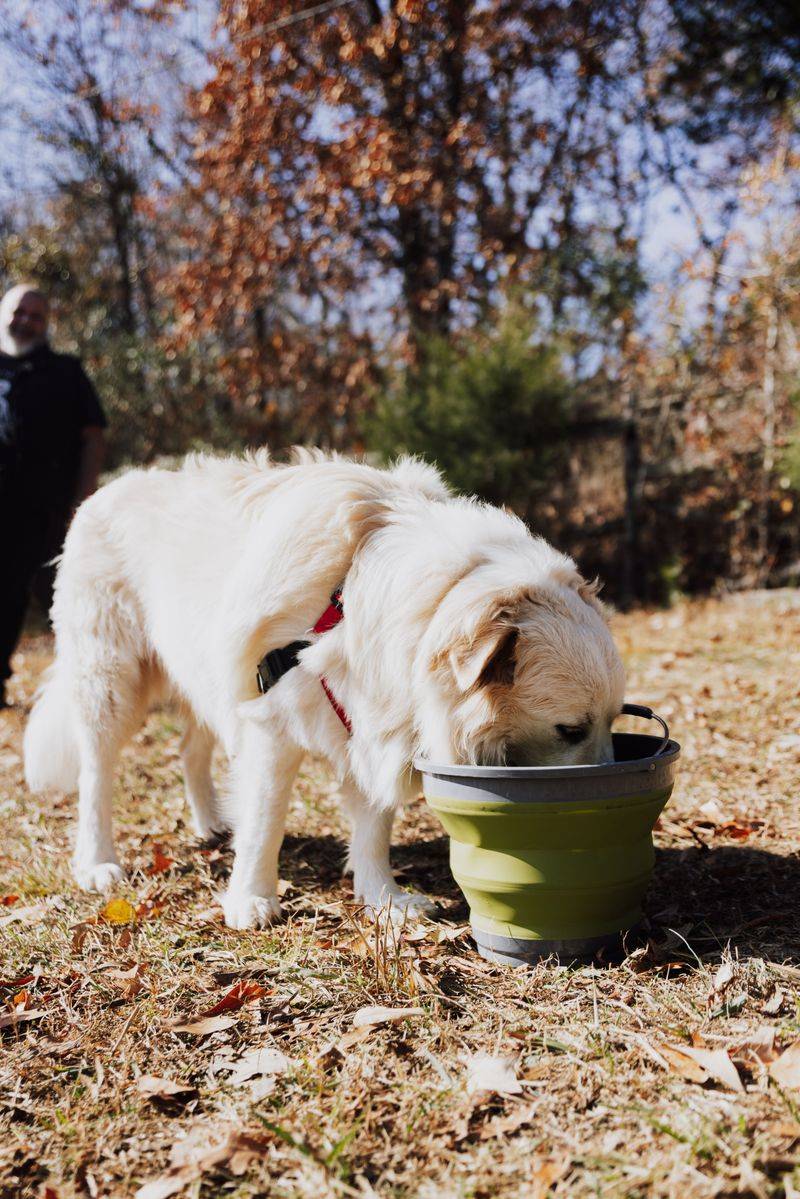
Sea breezes can fool you into thinking your dog is not thirsty. Sun and salty air dry pups out faster than you expect.
Casco Bay Lines recommends bringing water and a portable bowl, especially in warm weather. Places like Isle au Haut are largely undeveloped, so supplies may be scarce.
Pack fresh water, a collapsible bowl, and a few snacks. Offer small sips often rather than one big drink.
9. Stash Plenty of Waste Bags
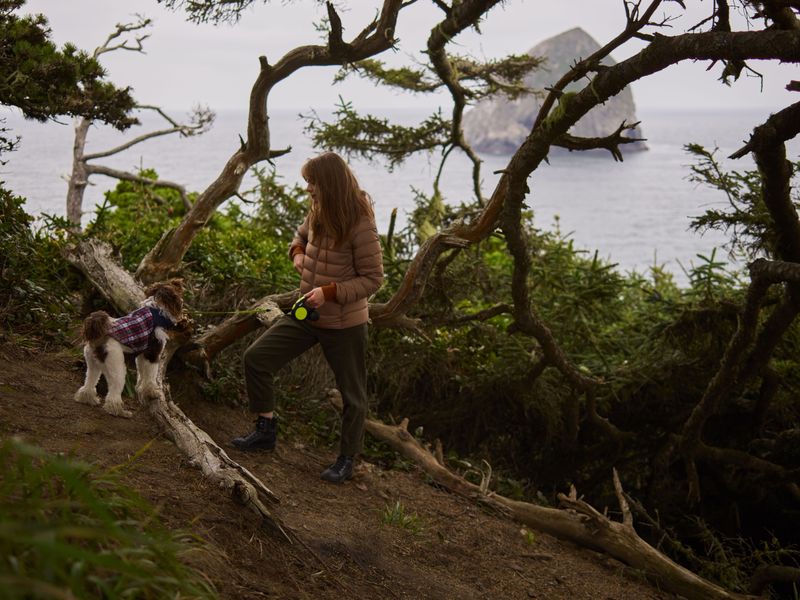
Here is one rule every ferry and island shares: clean up after your dog. No exceptions.
The Maine State Ferry Service and Casco Bay Lines both expect owners to handle pet waste. Monhegan Island follows a pack-in, pack-out approach, so visitors carry trash back to the mainland.
Bring more bags than you think you need. A small sealable pouch keeps used bags tidy until you find a proper bin.
10. Double-Check the Ride Home
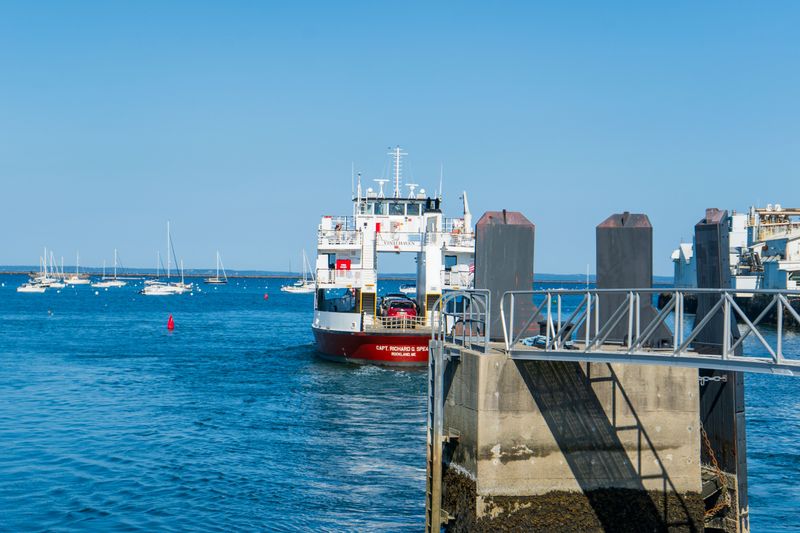
Missing the last boat is a story nobody wants to tell. Island ferry schedules often change with the seasons.
For example, the last ferry from Swan’s Island back to Bass Harbor has been listed at 4:30 p.m. Monhegan visitors usually buy two one-way tickets for a round trip.
Check the current schedule before leaving and again on the island. Set a phone alarm so beach fun does not run too long.
11. Watch the Marine Forecast
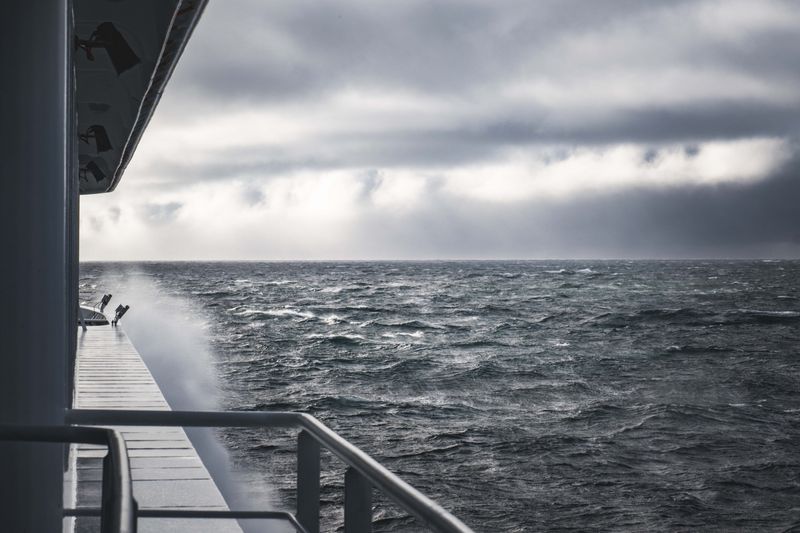
Maine coastal weather has a mind of its own. Fog, wind, and waves can roll in quickly.
Ferries may be delayed or canceled when conditions turn rough. Check the marine forecast the night before and again that morning.
Follow your ferry line’s website or social pages for service alerts. Having a backup plan, like a mainland walk, keeps the day cheerful even if the trip gets postponed.
12. Learn the Island’s Leash Rules
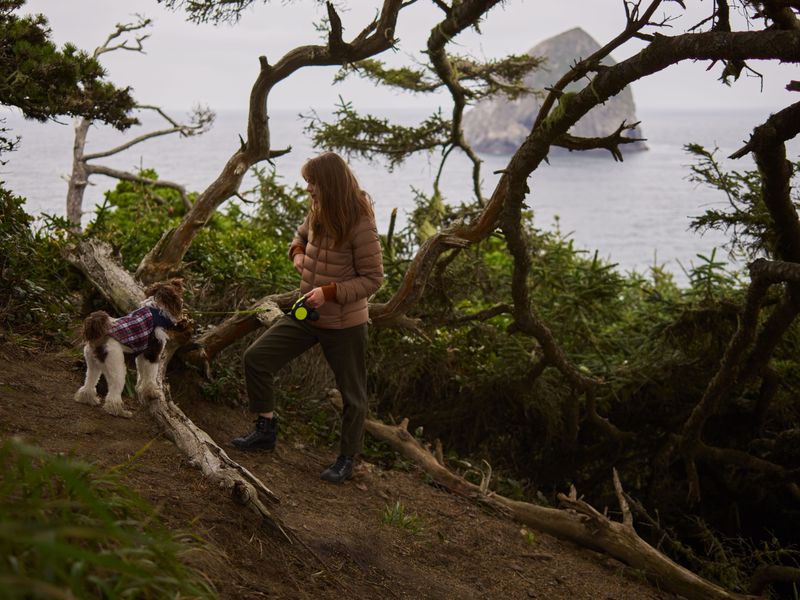
Once you step off the boat, a new set of rules begins. Each island handles dogs a little differently.
Monhegan Island asks that dogs stay leashed at all times. On Swan’s Island, dogs should be leashed on public property.
Isle au Haut requires leashes in its Acadia National Park areas.
Cushing’s Island bans dogs from Big Beach and Little Beach. Read posted signs and check local guidance before exploring.
13. Give Seabirds Their Space
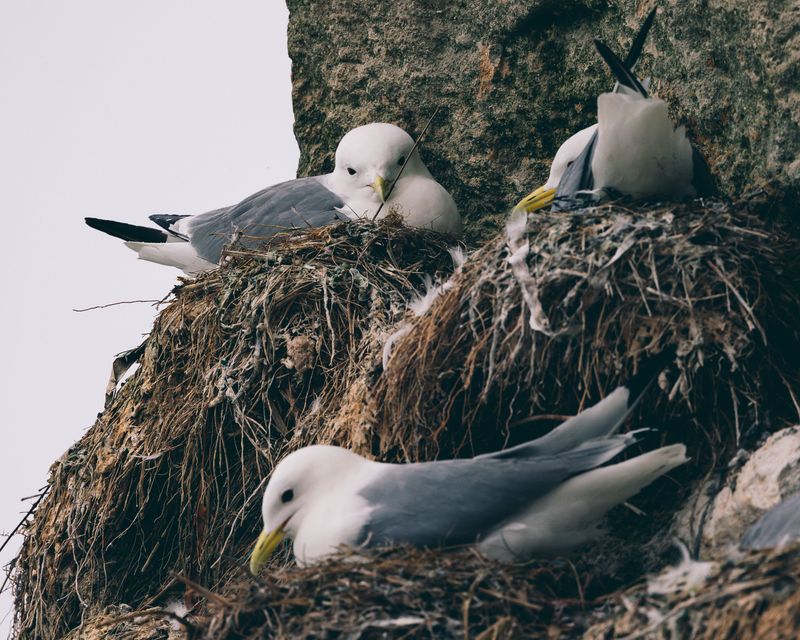
Fun fact: Maine’s islands host puffins, terns, eiders, and many other seabirds. Some nest right on rocky shores.
An excited dog can startle nesting birds, even without meaning harm. Keep your pup leashed and stay on marked trails.
On Isle au Haut, visitors are asked to protect the fragile island ecology. If birds call out or circle overhead, calmly move along.
Quiet passing helps everyone share the coast.
14. Scout Dog-Friendly Trails and Beaches
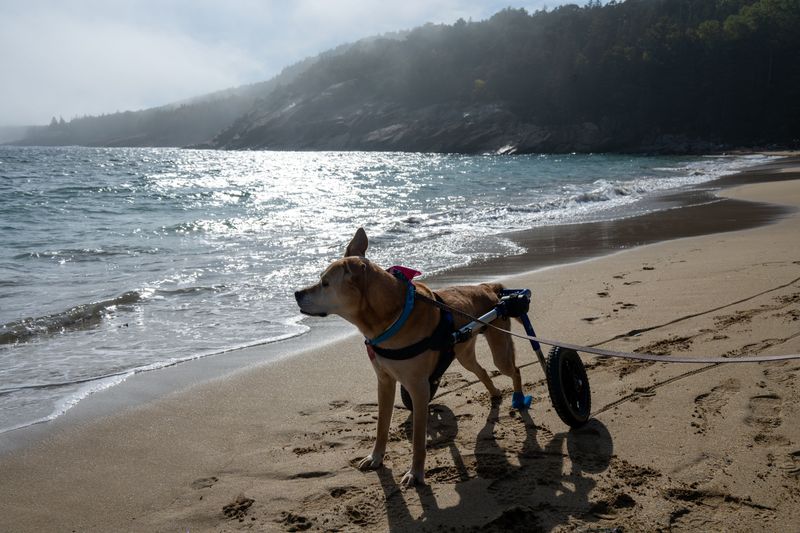
Planning your walk ahead keeps surprises to a minimum. Access depends on the island and even the specific trail.
Leashed dogs have been welcome on Isle au Haut trails such as Western Head and Duck Harbor. Monhegan offers many walking paths on a car-free island.
Some beaches, like those on Cushing’s Island, do not allow dogs. Check park pages, visitor guides, and trailhead signs for current rules.
15. Plan for Few Vet Options
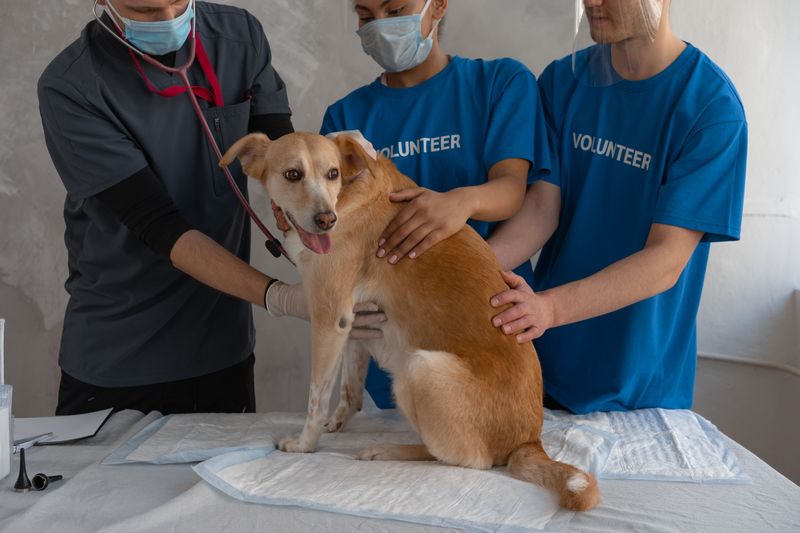
Remote islands are peaceful partly because they lack many services. Veterinary clinics are usually not part of the picture.
Monhegan, for example, has no resident physician, only a seasonal first aid station for people. Mainland vet care may be a boat ride and drive away.
Visit your vet before the trip if your dog has health concerns. Pack any regular medications and a basic pet first aid kit.
16. Prepare for Ticks and Temperature Swings
Tall grass and brushy paths are common on Maine islands. Ticks like those spots too.
Ask your veterinarian about a tick prevention product that suits your dog. Check fur, ears, and paws after every walk.
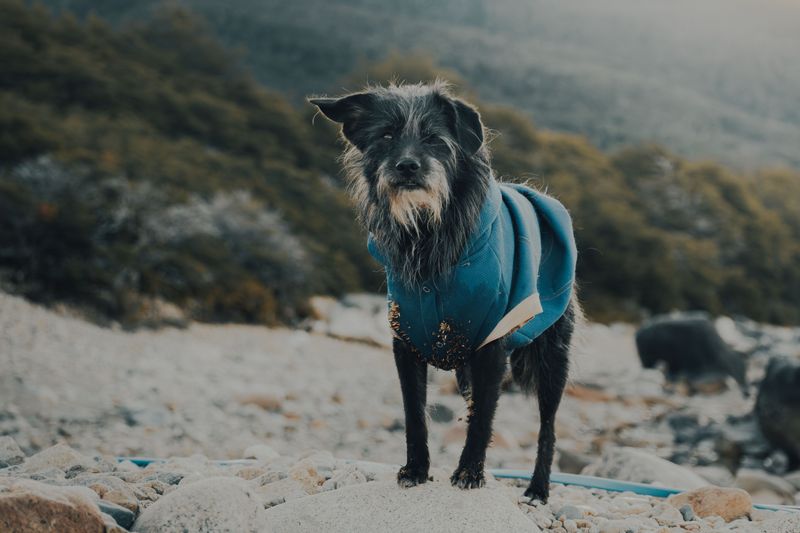
Weather on open water can feel much cooler than on land. A light jacket helps short-coated dogs on breezy decks.
On hot days, find shade and keep water close.