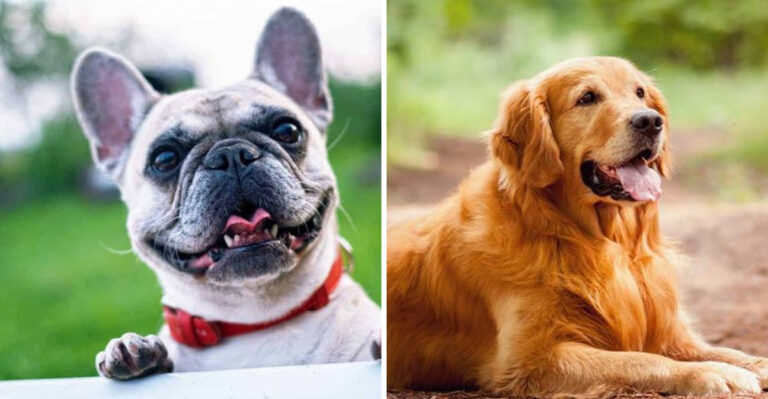
20 Sporting Dog Breeds For Texas Quail Fields And Waterfowl Country
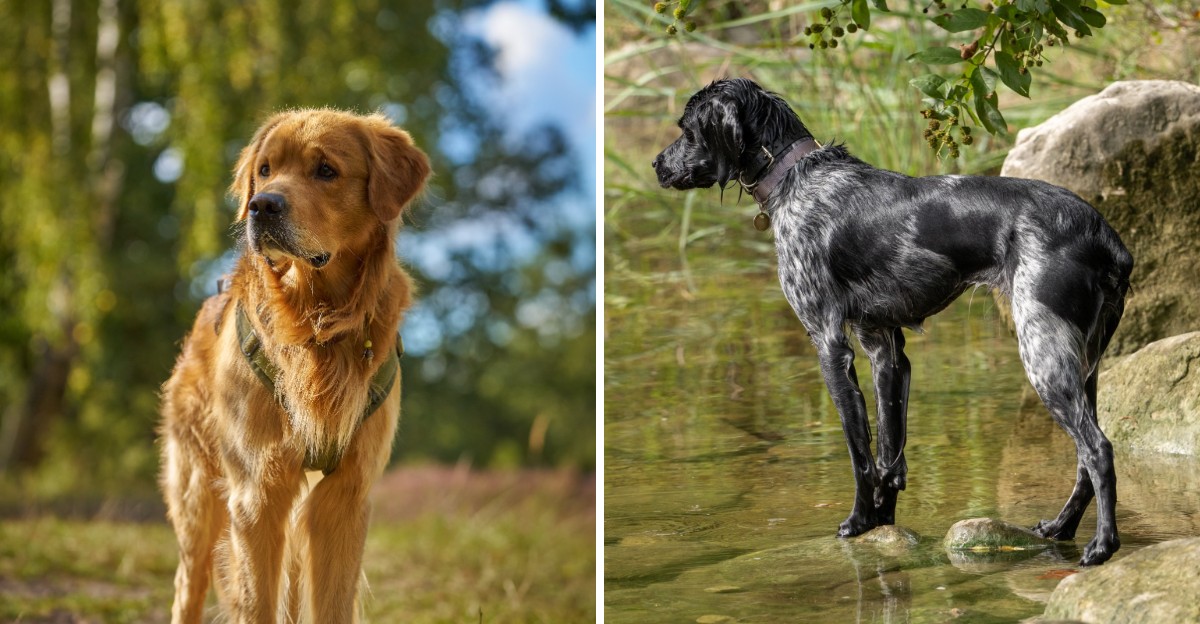
Texas asks a lot from a bird dog. One morning might mean chasing bobwhite through prickly pear near Abilene.
The next could bring a cold retrieve in a Gulf Coast marsh. Some breeds handle the heat like champs, while others shine when the water turns icy.
Picking the right partner can turn a tough season into the best one yet, so here are the breeds worth a closer look.
1. German Shorthaired Pointer
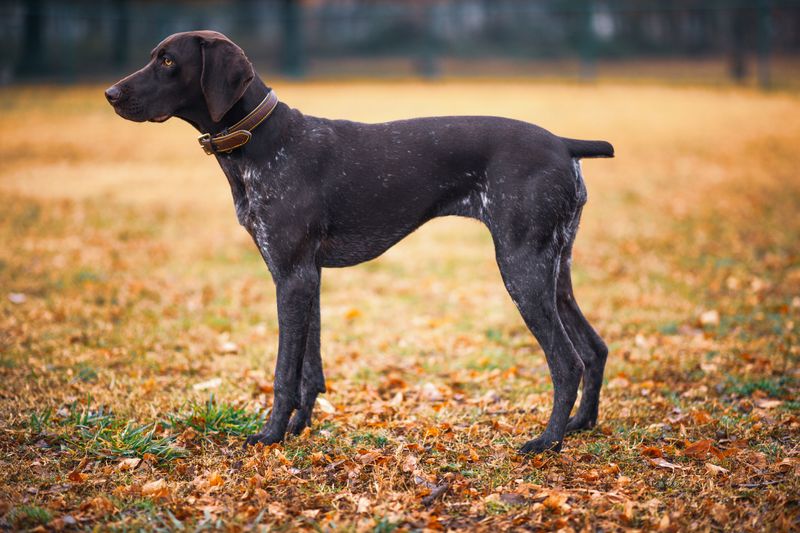
Few dogs switch jobs as smoothly as the German Shorthaired Pointer. One hour it locks on bobwhite, the next it fetches a teal from a stock tank.
Its short coat sheds burrs and handles South Texas heat better than most. Bred in Germany as an all-purpose hunter, it truly earns that title here.
Plan on daily runs, though. A bored shorthair will happily invent its own projects, usually involving your backyard.
2. German Wirehaired Pointer
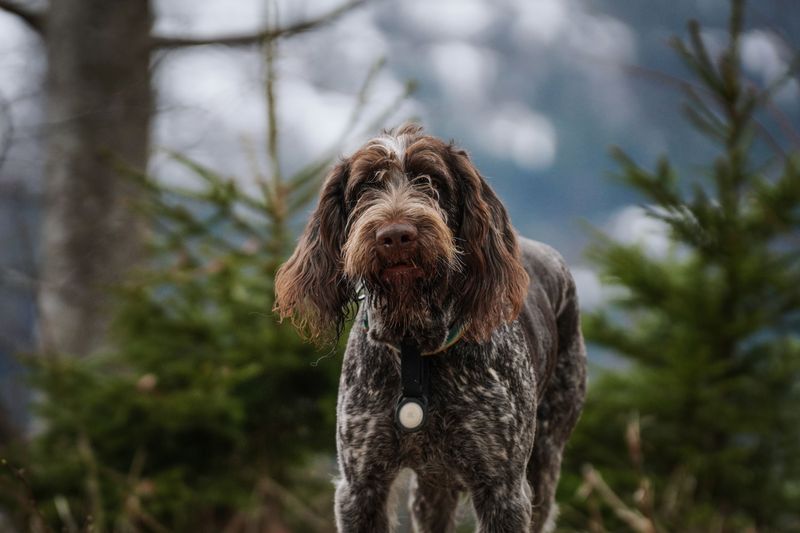
Picture thick brush full of catclaw and cactus. Most dogs hesitate, but the German Wirehaired Pointer pushes right through with a scruffy grin.
That wiry, water-resistant coat works like armor in thorny country. It also keeps the dog comfy during chilly duck hunts on Texas reservoirs.
Wirehairs bond tightly with their family and can be a bit reserved with strangers. Early socializing helps that loyal heart stay friendly and relaxed.
3. English Pointer
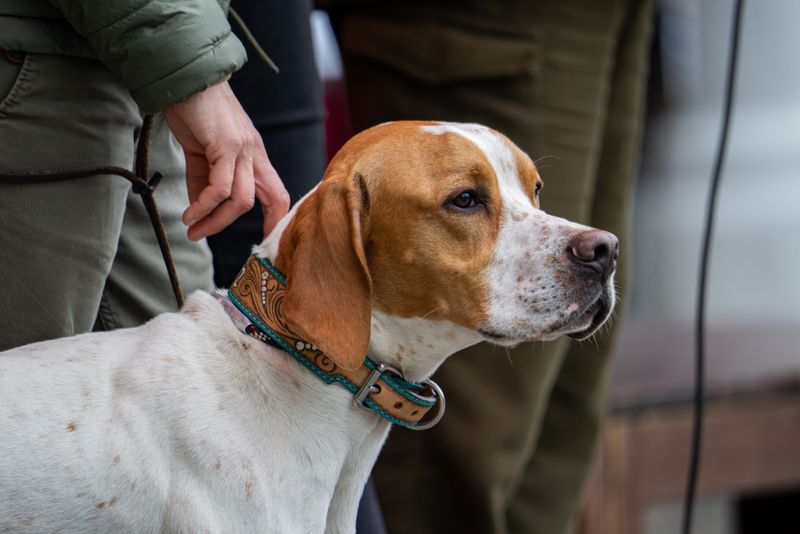
Old-school quail hunters across the Rolling Plains will tell you one thing. Nothing covers big country like an English Pointer.
These lean athletes run wide and fast, then freeze into a statue when they smell birds. Their thin coat and lean build help them stay cool in warm weather.
Bring water and a horse or a fast truck. A pointer on a mission can disappear over a hill quicker than you can blink.
4. English Setter
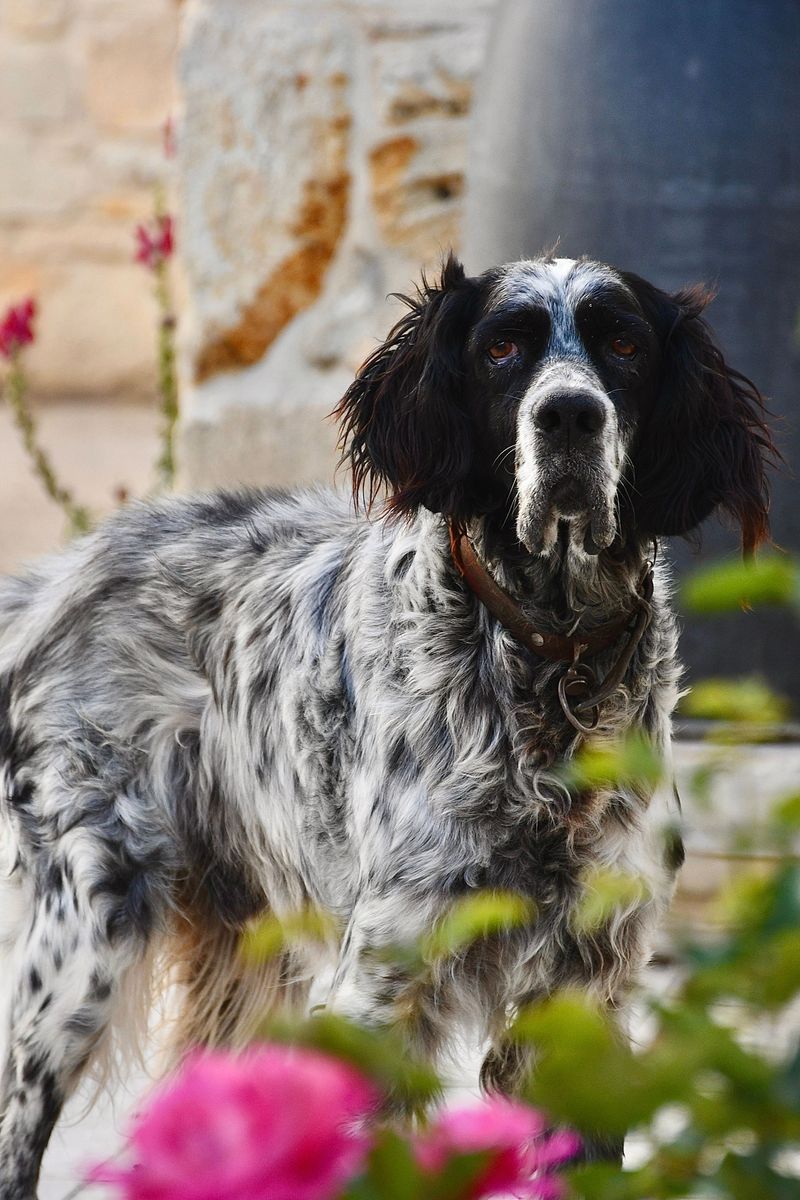
Grace in feathers, that is the English Setter. Its speckled coat, called belton, looks like someone flicked a paintbrush across it.
Setters hunt with a smooth, floating gait and a sweet attitude. They thrive in cooler Panhandle mornings more than steamy afternoons.
Here is a tip: trim the feathering before quail season. Those lovely long hairs collect grass seeds like a magnet, and brushing them out gets old fast.
5. Brittany
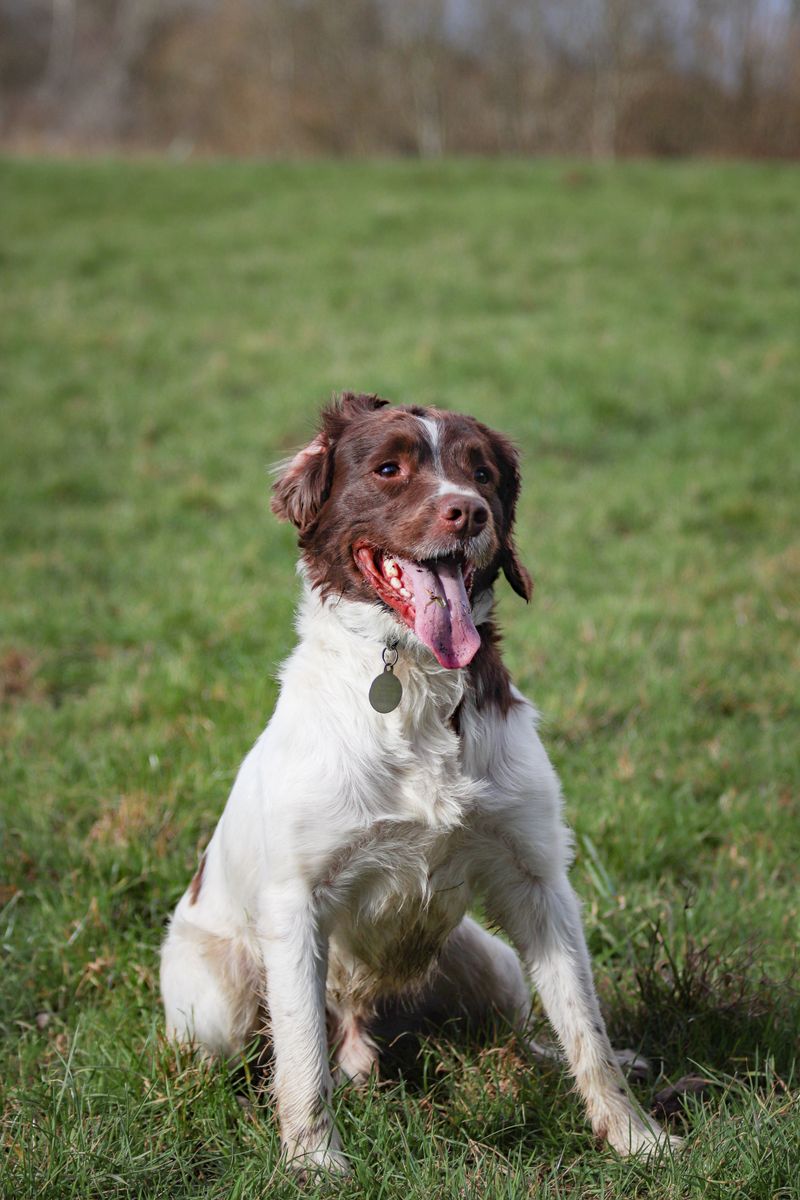
Small package, huge engine. The Brittany weighs around 35 pounds yet hunts with the energy of a dog twice its size.
It points naturally and retrieves willingly, making it a fun pick for weekend quail hunters. Its compact size fits nicely in a truck cab too.
Brittanys are sensitive souls. Praise and patience work wonders, while harsh training backfires.
Treat one kindly and you get a cheerful partner for years of hunting.
6. Labrador Retriever
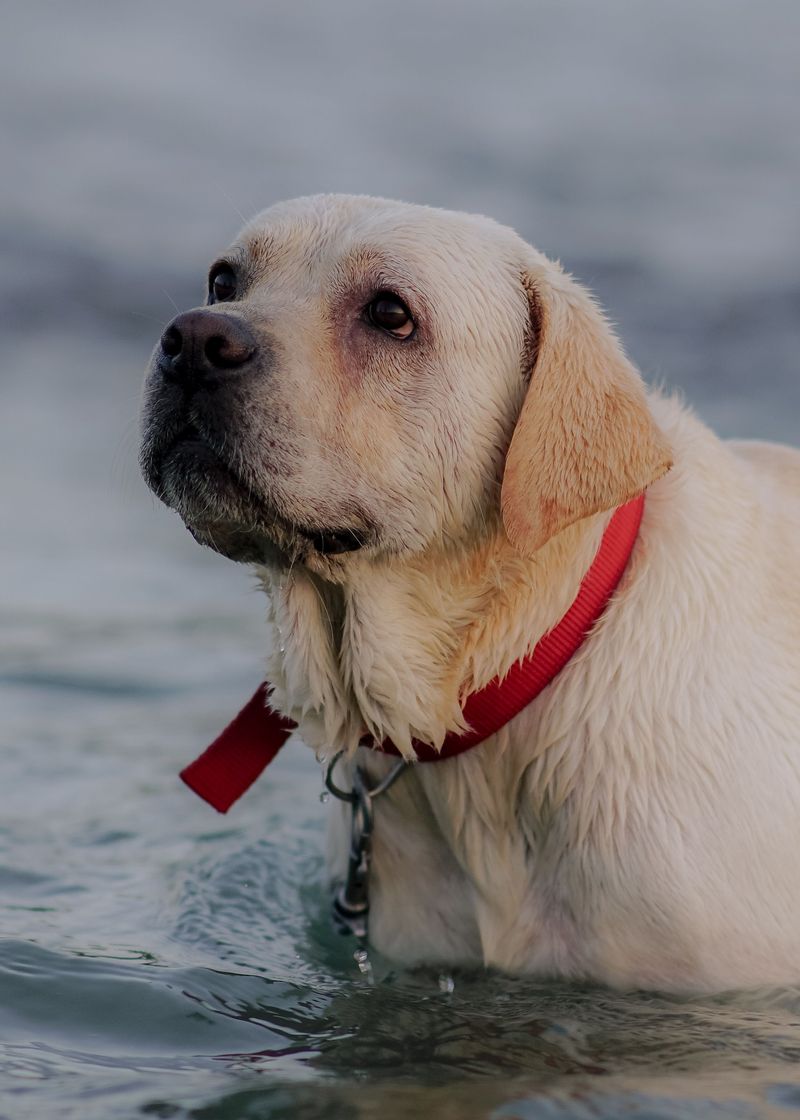
Did you know the Labrador actually traces back to Newfoundland, not Labrador? Texas duck hunters do not mind one bit.
Labs rule coastal marshes from Port Arthur to Rockport. They love water, learn quickly, and mark falling birds with laser focus.
Watch their waistline, though. A Lab will happily eat its weight in snacks.
Keep it trim, and that sturdy retriever will haul ducks well into its golden years.
7. Chesapeake Bay Retriever
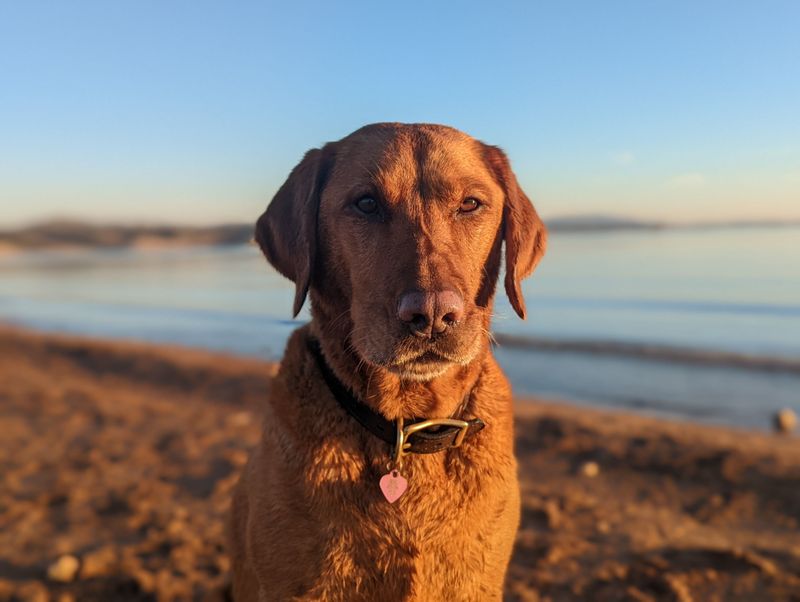
Born to break ice on Maryland’s Chesapeake Bay, this retriever shrugs off rough water like it is a bath.
Its oily, wavy coat sheds water fast. That makes it a champ on windy Texas bays during a blue norther.
Chessies have strong opinions and a protective streak. They suit owners who enjoy steady, consistent training.
Earn their trust, and you will have a tireless worker who treats every retrieve like serious business.
8. Golden Retriever
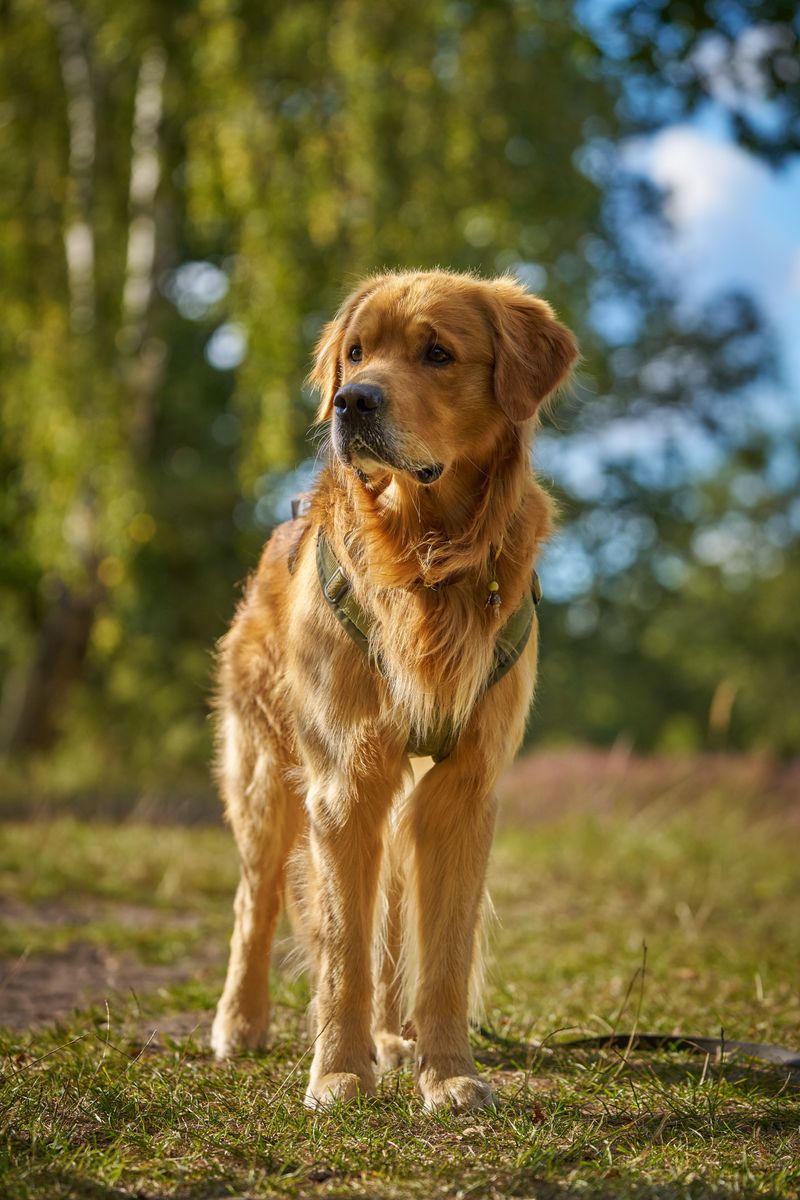
Sure, Goldens win hearts at the park. Yet field-bred lines still retrieve ducks with real gusto.
Developed in Scotland during the 1800s, they combine a soft mouth with a sunny outlook. Rice field hunts near Eagle Lake suit them nicely.
Choose a breeder focused on hunting lines for more drive. Also plan for brushing, because that flowing coat grabs mud, seeds, and plenty of sticky Texas cockleburs.
9. Boykin Spaniel
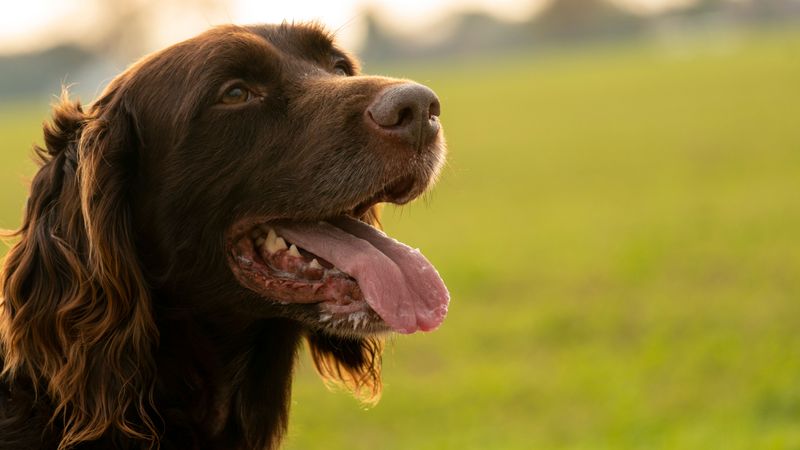
A dog made to fit in a boat? Yes, really.
The Boykin Spaniel was bred in South Carolina for small river skiffs.
That compact size makes it handy in Texas duck blinds and kayaks. It also flushes doves and quail with bouncy enthusiasm.
Boykins handle humidity well, a big plus near the coast. Their chocolate coat and friendly face win over everyone at the boat ramp.
10. English Springer Spaniel
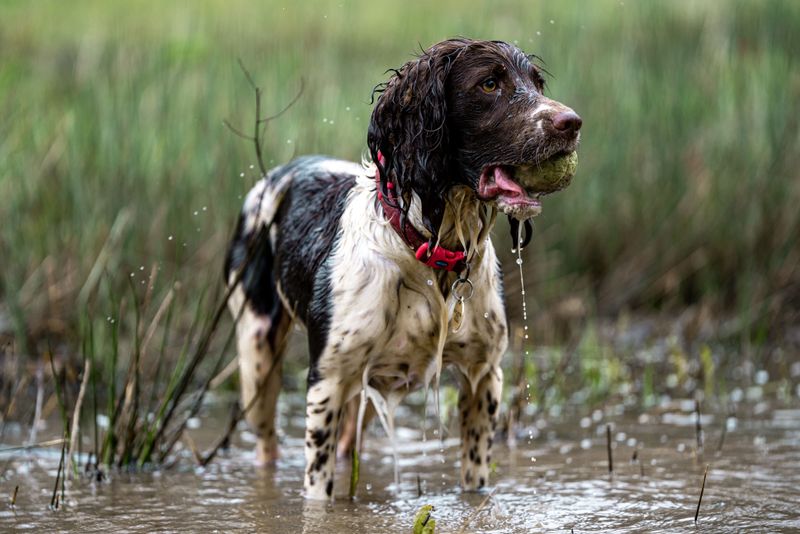
Busy, busy, busy. An English Springer Spaniel hunts with its tail spinning and nose glued to the ground.
Springers stay close, then spring birds into the air, which is how they got their name. They work well for hunters on foot in tighter cover.
Choose field-bred lines for hunting. They tend to be lighter and quicker than show dogs, perfect for chasing birds across creek bottoms.
11. English Cocker Spaniel
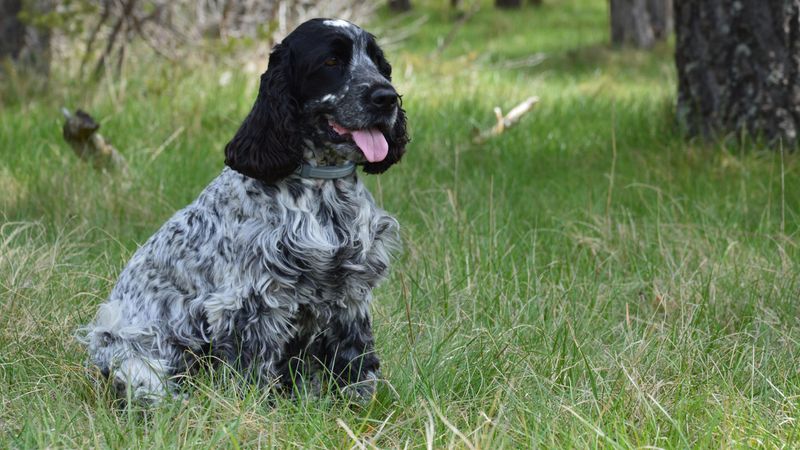
Think of the English Cocker as a pocket rocket. It weighs about 30 pounds and attacks cover with nonstop joy.
Its name came from hunting woodcock in Britain. In Texas, it shines on dove fields and as a small duck retriever.
Because it is so eager, short and fun training sessions work best. Keep the ears clean too, since floppy ears trap moisture after swims.
12. American Water Spaniel
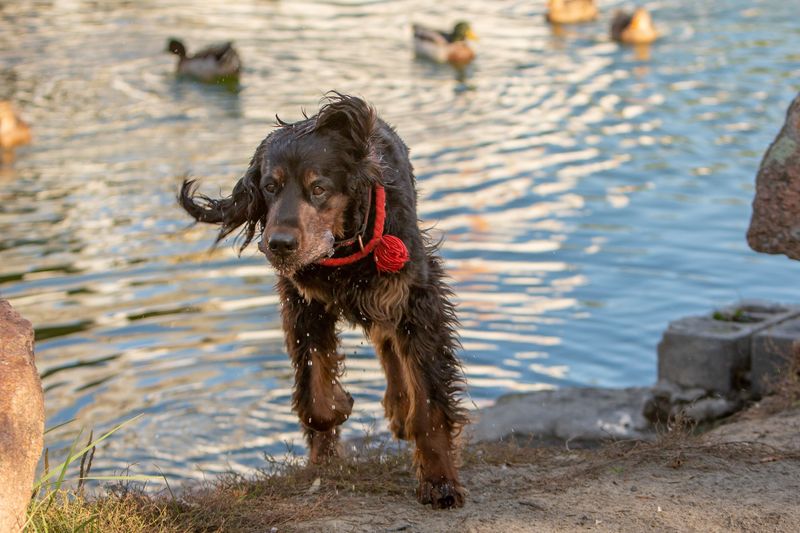
Here is a rare treat. The American Water Spaniel is the state dog of Wisconsin and still fairly uncommon.
Its curly brown coat sheds water and blends into marsh grass. It flushes upland birds and retrieves ducks with equal pleasure.
Medium size makes it easy to lift into a boat. If you want a quirky, conversation-starting hunting buddy, this little curly retriever checks every box.
13. Wirehaired Pointing Griffon
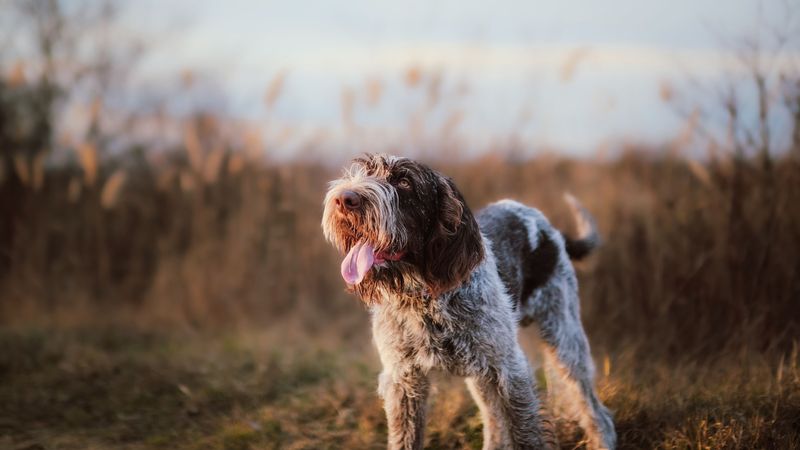
Scruffy eyebrows, mustache, and a big personality. The Wirehaired Pointing Griffon looks like a friendly old professor.
Bred by a Dutch breeder working in France, it hunts at a steady pace close to the gun. That makes it ideal for walking hunters.
The griffon also handles water well. Pair a morning quail hunt with an afternoon duck shoot, and it will cheerfully tackle both without missing a step.
14. Pudelpointer
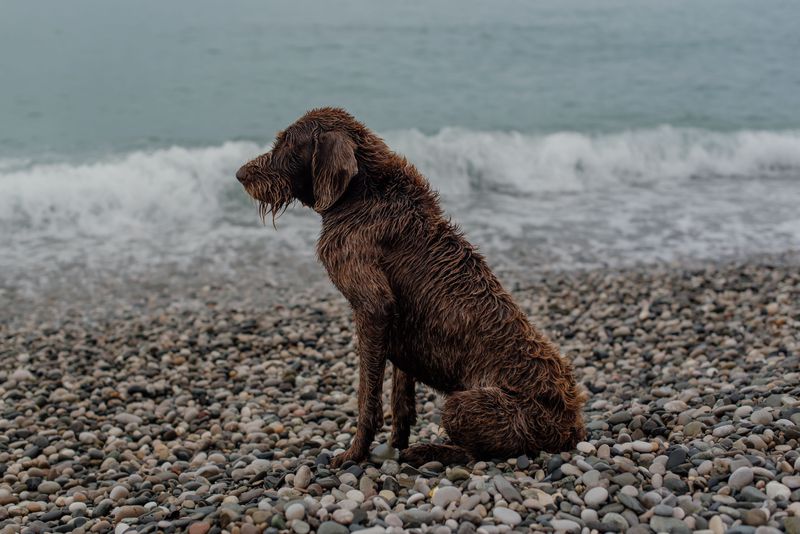
Mix a Poodle with an English Pointer and what do you get? The Pudelpointer, created in Germany in the late 1800s.
The result blends Poodle water skills with pointer nose and speed. It is a true do-everything dog for mixed Texas hunts.
Breeders test these dogs carefully, so waiting lists are common. Start your search early if this smart, easy-to-train versatile hunter catches your eye.
15. Vizsla
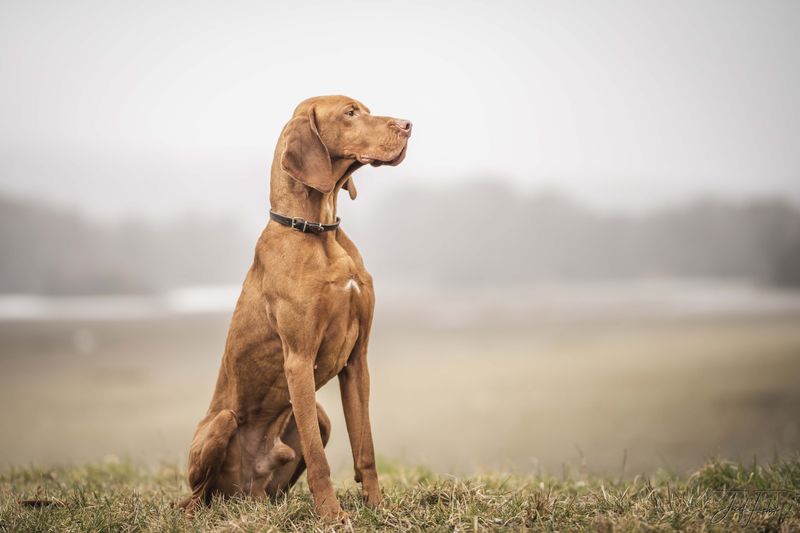
Rust-colored and glowing in the sun, the Vizsla turns heads at every trailhead. Hungarian hunters prized it for centuries.
Vizslas point, retrieve, and stick to you like velcro. Their nickname, the Velcro dog, is well earned.
The short coat helps in warm weather, though it offers little cold protection. Pack a neoprene vest for chilly duck mornings, and keep plenty of water handy on hot days.
16. Weimaraner
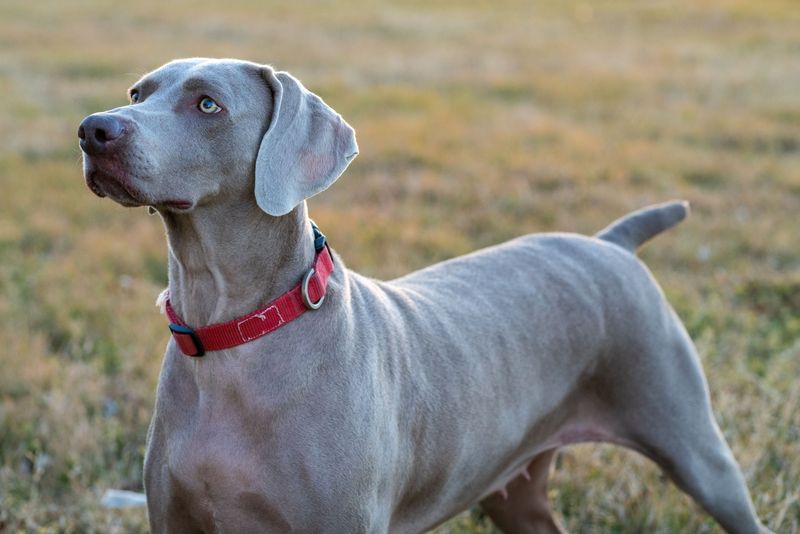
Called the Gray Ghost, the Weimaraner glides across fields with silvery style. German nobles once used it for big game.
Today it points birds and retrieves with athletic flair. Those amber eyes seem to read your thoughts.
Weimaraners need loads of exercise and company. Left alone too long, they get restless.
Give one a job and a long run, and you will see pure happiness.
17. Small Munsterlander
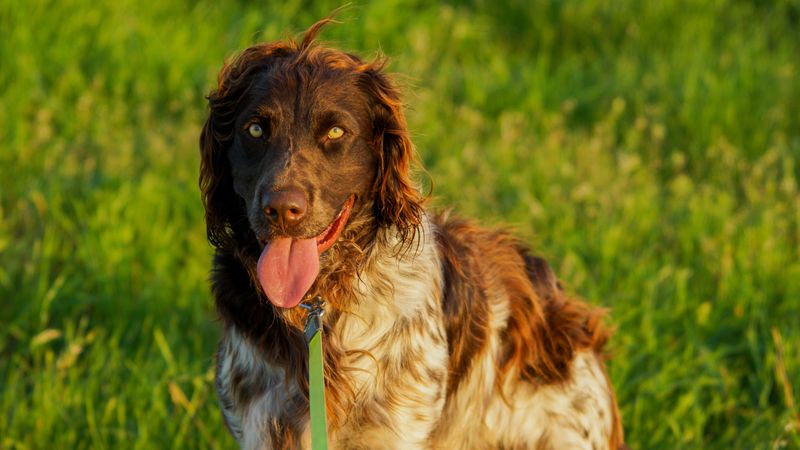
Hunters who meet a Small Munsterlander often fall for it on the spot. Its feathered coat and soft eyes are hard to resist.
This German breed points, tracks, and retrieves on land or water. It hunts at a thoughtful pace, great for walk-up quail.
Its medium coat handles cool mornings better than heat. Hunt early in the day during warm Texas Octobers for the best results.
18. Large Munsterlander
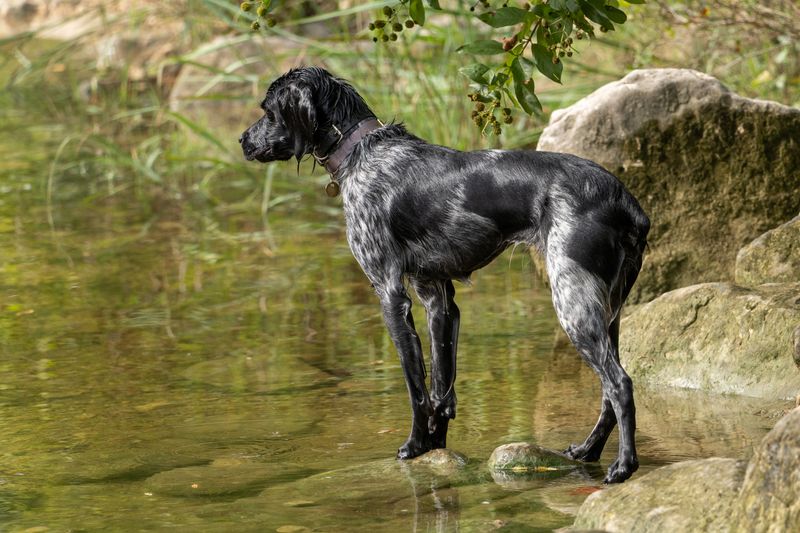
Not simply a bigger version of its cousin, the Large Munsterlander has its own history. It shares roots with German Longhaired Pointers.
The black and white coat looks striking against winter marsh grass. Its calm focus suits duck blinds and goose fields.
Large Munsterlanders mature slowly, so patience pays off. By age three, many become steady, thoughtful partners ready for any Texas hunt you plan.
19. Flat-Coated Retriever
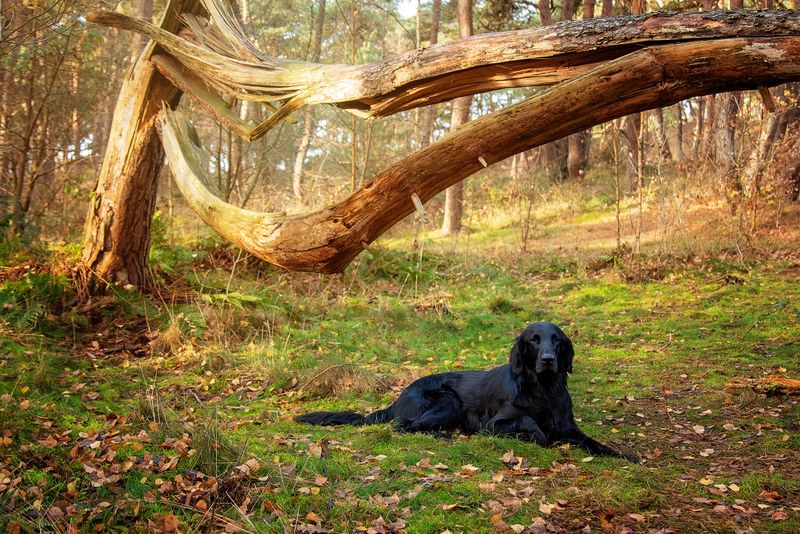
Forever young at heart, the Flat-Coated Retriever is often called the Peter Pan of dogs. That playful spirit lasts for years.
Its glossy black coat shines like polished boots. It retrieves ducks with style and swims with joyful splashes.
Flatcoats crave people time, so they do best as family members, not kennel dogs. Their silly antics will make the long drive home from the marsh fly by.
20. Bracco Italiano
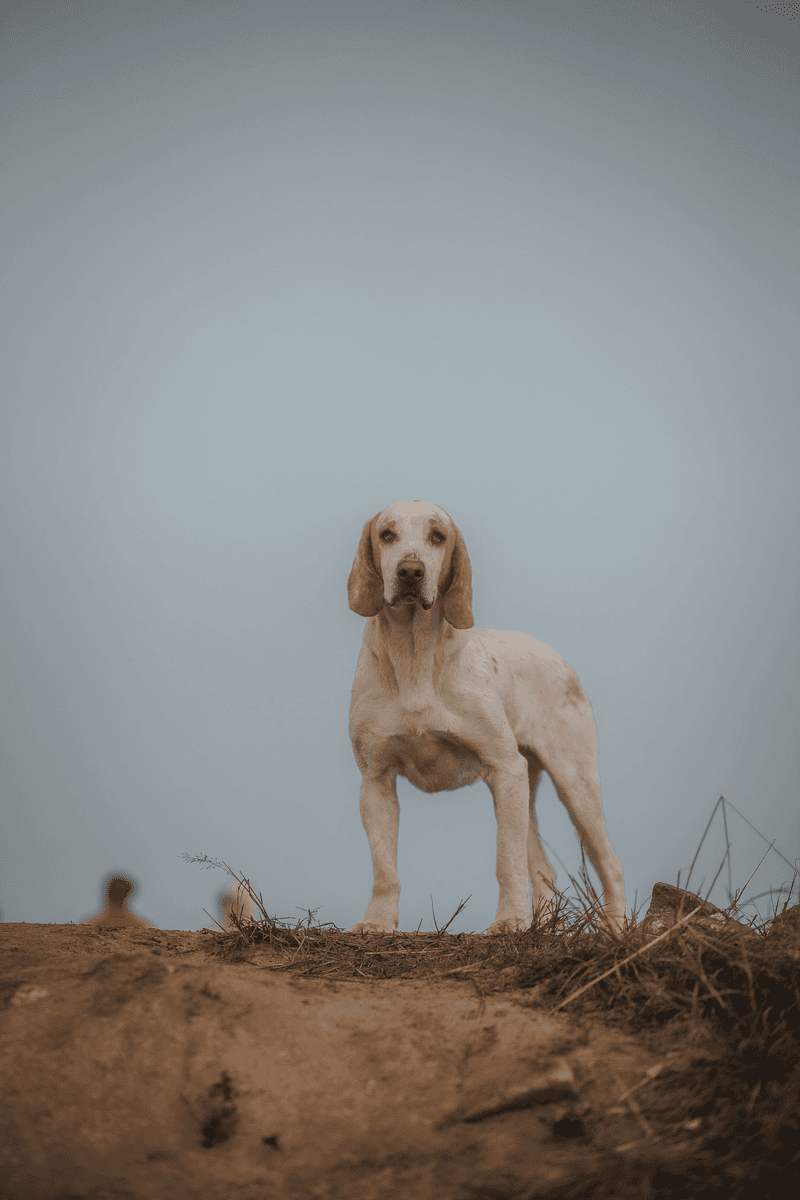
Droopy ears, soulful eyes, and a trotting gait that looks almost like dancing. Meet the Bracco Italiano.
This ancient Italian pointer dates back to Renaissance times. It hunts with a high head, catching scent on the breeze.
The Bracco is calm at home and gentle with families. Expect some drool, though, so keep a towel in the truck.
Its charm more than makes up for it.