What Virginia Dog Owners Should Know Before Taking A Dog On VRE Or Local Transit
Taking your dog on a train or bus can make a trip much easier, but the rules are not the same everywhere. If you ride VRE or another Virginia transit service, a little planning helps you avoid surprises at the stop.
Your dog also needs a safe, comfortable way to travel. Here is what to check before you leave and how to make the ride easier for everyone.
1. Know VRE’s Pet Rule Before You Head Out
A VRE trip starts with one key rule: only small pets may ride, and they must stay in closed containers. A leash alone does not meet that rule for a pet dog.
Check that your dog fits comfortably before planning around the train.
Service animals assisting people with disabilities have different access and do not need a carrier. If your dog cannot travel as a small pet in a closed container, arrange another way to reach your destination.
2. Understand When a Carrier Is Required
A favorite leash may work for walks, but it usually will not replace a carrier on transit. VRE requires closed containers for small pets.
Metro requires a secure container that prevents escape, and Fairfax Connector requires one for small animals.
Keep the carrier closed throughout the ride, including stops and boarding. Rules for trained service animals differ.
If your route uses another provider, ask that agency whether pets may board and what kind of container it accepts.
3. Know the Difference Between Pets and Service Animals
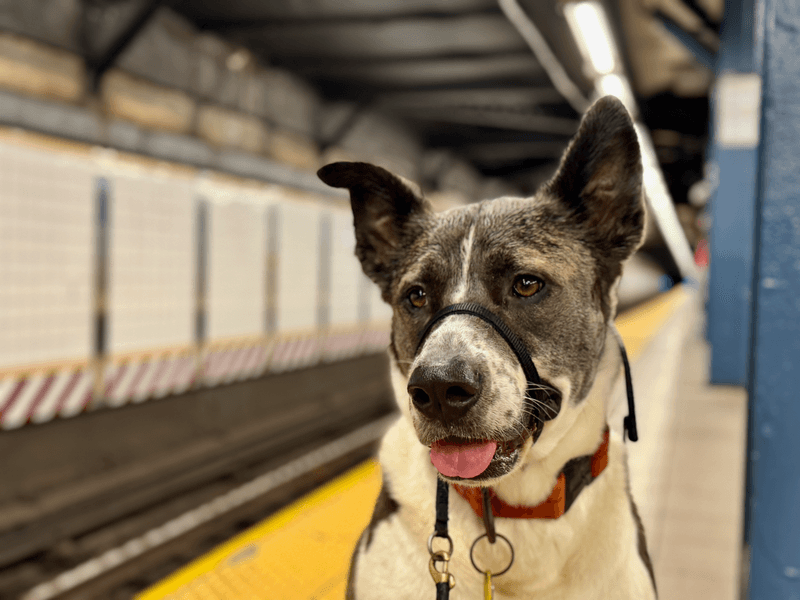
Two dogs at the same station may follow different rules. A service dog is individually trained to perform tasks for a person with a disability.
A pet, including one that offers comfort without trained tasks, does not qualify under that definition.
Service dogs generally travel without carriers but must remain under their handler’s control. Do not label a pet as a service animal to bypass carrier rules.
If access questions arise, consult the transit provider’s current service animal guidance.
4. Check Rules for Each Transit System
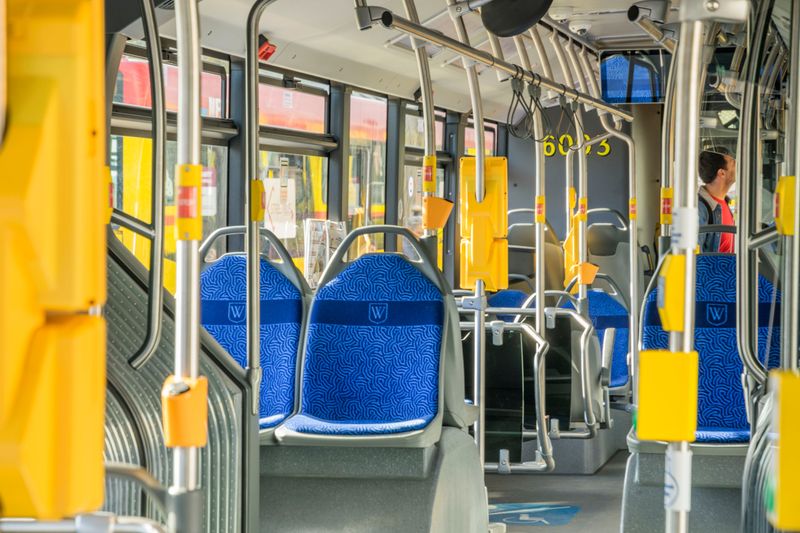
A ticket covering several legs does not mean one pet policy covers them all. VRE, Metro, and Fairfax Connector permit pets under specific carrier rules.
Other Virginia bus systems may allow service animals but not pets.
Look up every operator on your route, not just the first one. Check the agency’s own website or contact customer service.
Policies can also apply differently to buses, trains, and stations, so ask about any part of the journey that seems unclear.
5. Follow Fairfax Connector Pet Requirements
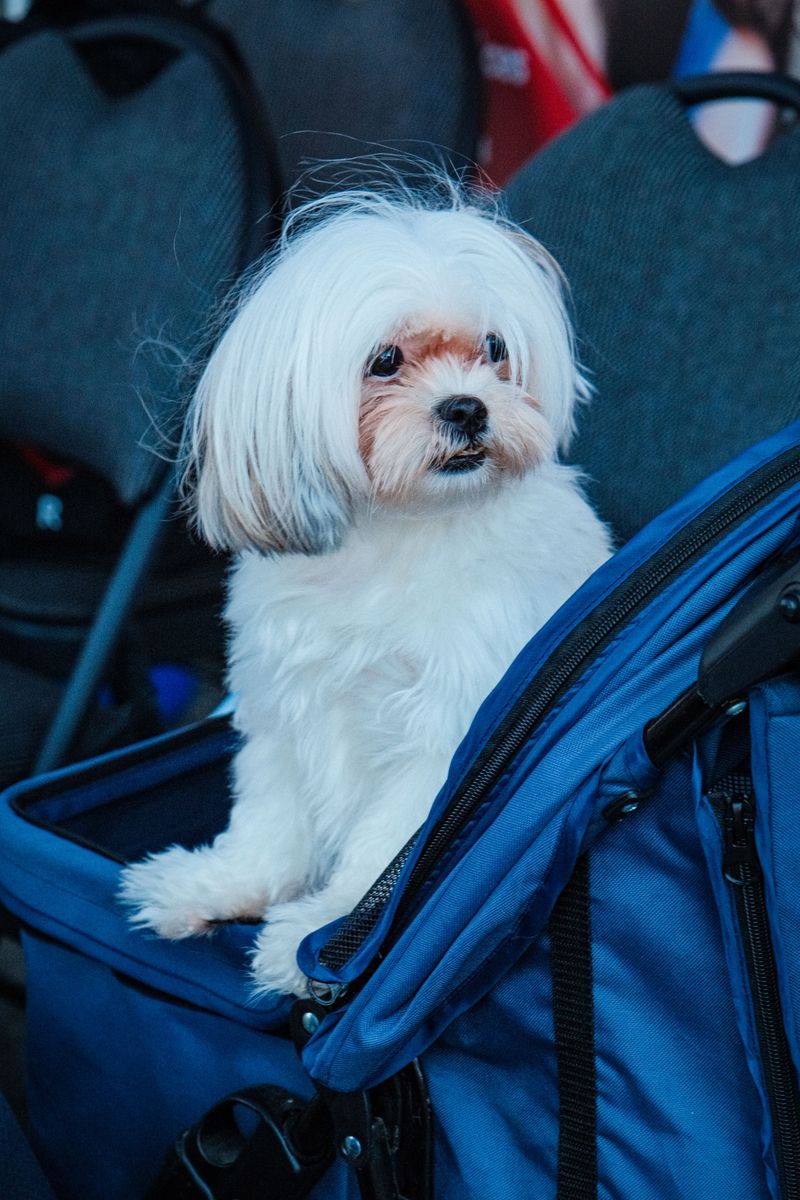
Fairfax Connector can be a useful link between neighborhoods and rail stations. Its buses permit small animals when they travel in secure containers.
Keep your dog inside before the bus arrives, so boarding stays simple.
Service animals may ride without confinement when assisting a person with a disability. For a pet, make sure you can carry the container safely while paying your fare.
If your trip continues on another service, check that service’s rules separately.
6. Check Metro Rules for Pet Travel
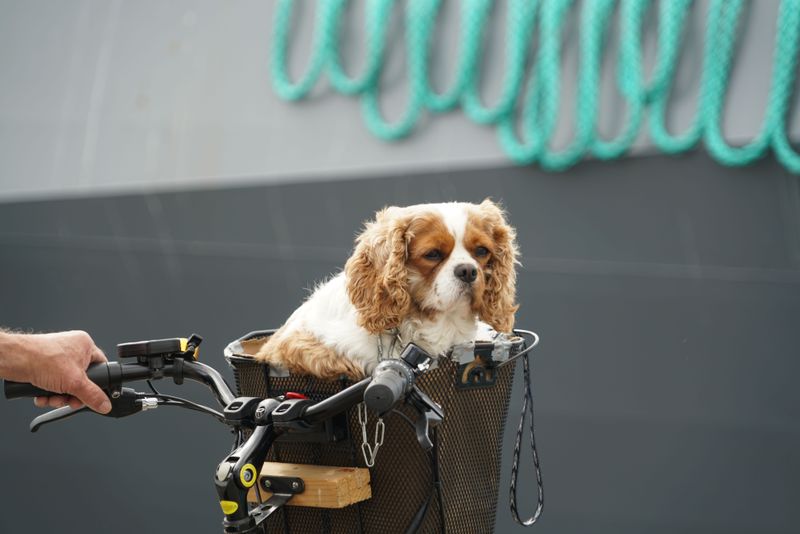
Metro can connect a Virginia outing to many more stops. On Metrorail and Metrobus, a pet must remain in a secure container it cannot escape.
A dog riding loose or simply held in your arms does not meet the pet rule.
Metro allows qualifying service animals to travel without a carrier under its separate requirements. Keep your pet quiet and contained near other riders.
Before leaving, check Metro’s current guidance for any additional instructions affecting your route.
7. Choose a Secure Carrier for Your Dog
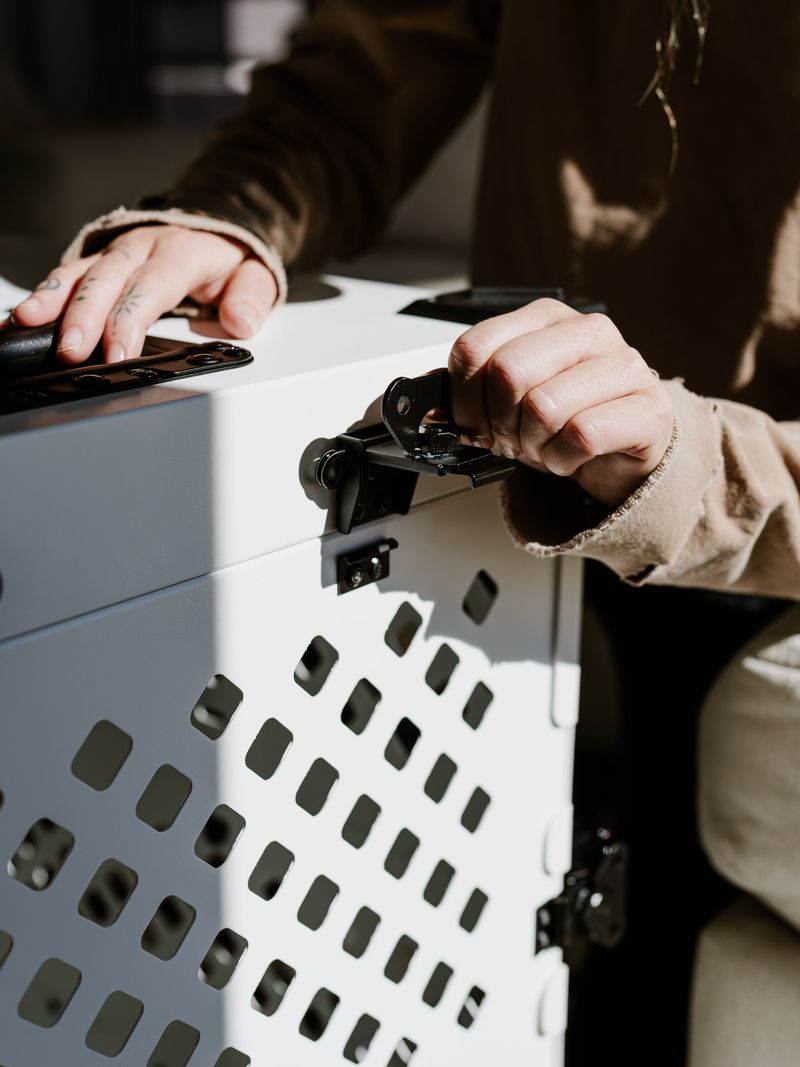
Picture carrying the container through a busy doorway with one hand. Choose a carrier that closes firmly, has good airflow, and lets your dog rest comfortably.
Test its handles and closures at home rather than discovering a problem on the platform.
Pick a size you can manage without blocking people nearby. Check your transit provider for any carrier limits before buying one.
A familiar blanket can add comfort, but it should never cover the carrier’s ventilation openings.
8. Practice With the Carrier Before Traveling
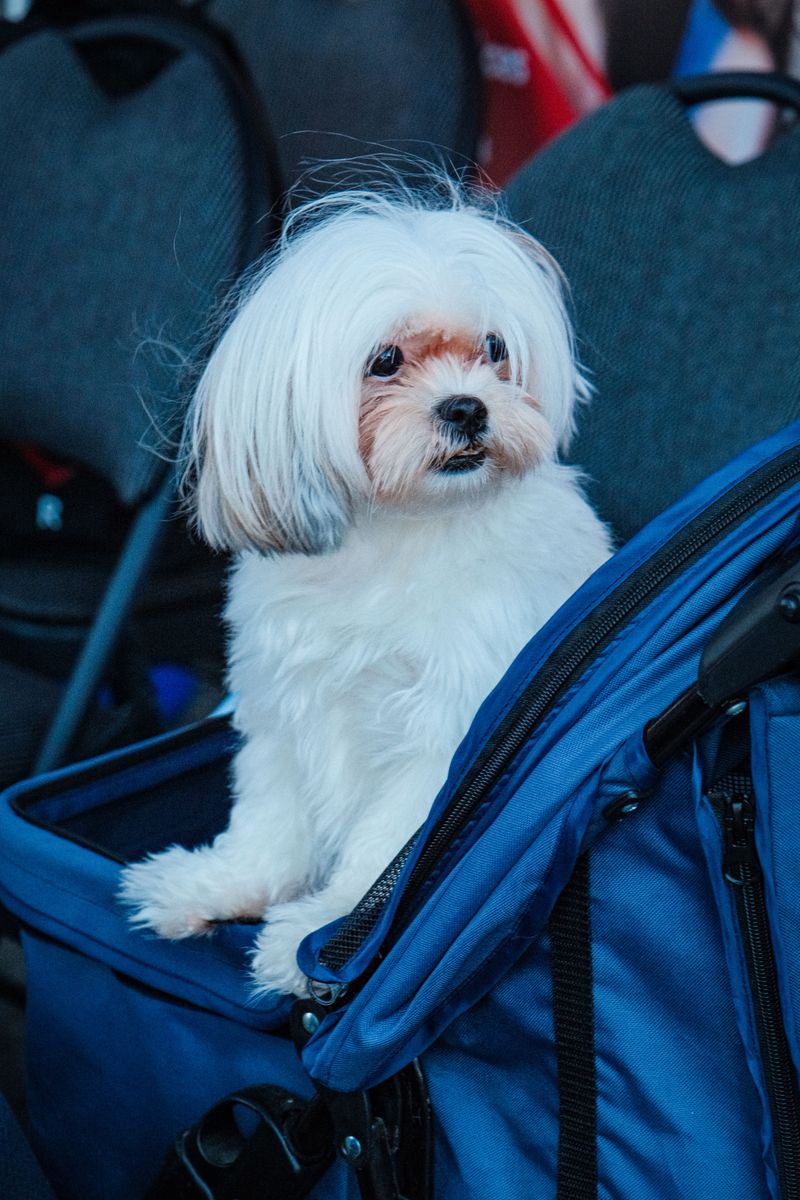
A carrier feels less strange when it has already become part of home life. Leave it open where your dog can explore it without pressure.
Offer praise or a treat when your dog steps inside, then build toward short periods with it closed.
Practice lifting the carrier gently and walking around your home. Watch for signs your dog needs a slower pace.
If your dog remains very uneasy, ask your veterinarian or a qualified trainer for advice.
9. Start With a Short Transit Trip
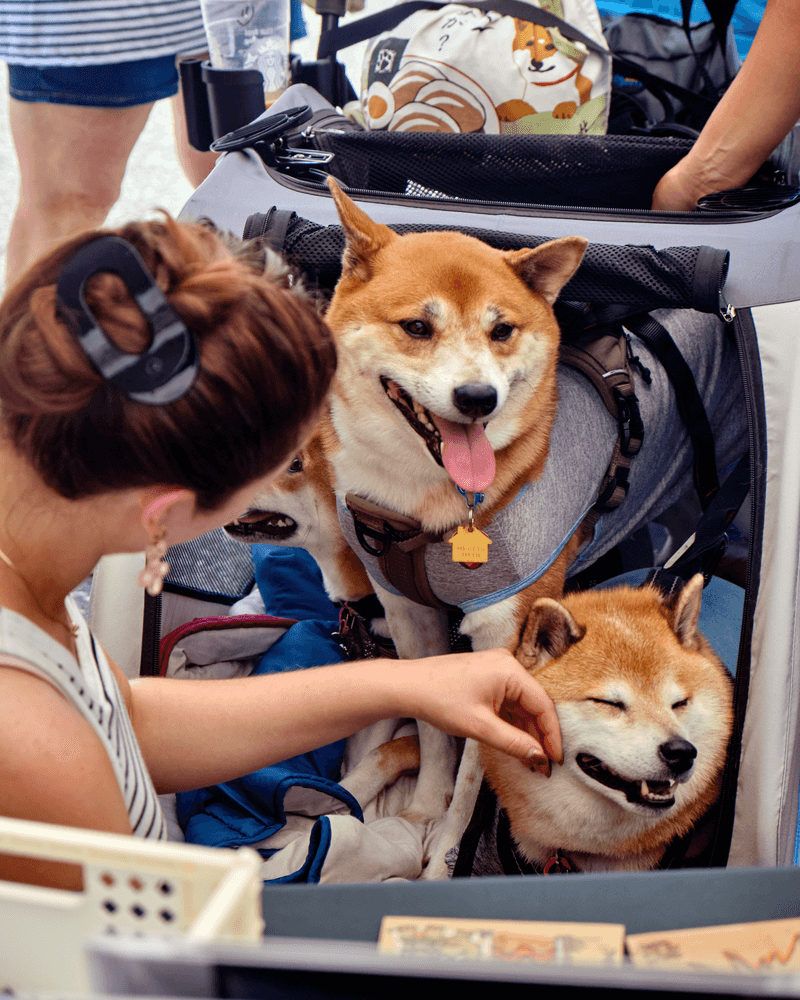
The first ride does not need to be a full day out. Try a brief trip when you have time to turn back easily.
A quiet period may give your dog more room to adjust to movement and unfamiliar sounds.
Keep the carrier closed, and notice how your dog responds during boarding and travel. Once short trips feel manageable, build toward longer routes.
If your dog struggles, pause the practice rather than forcing a longer journey.
10. Give Your Dog a Potty Break Before Boarding
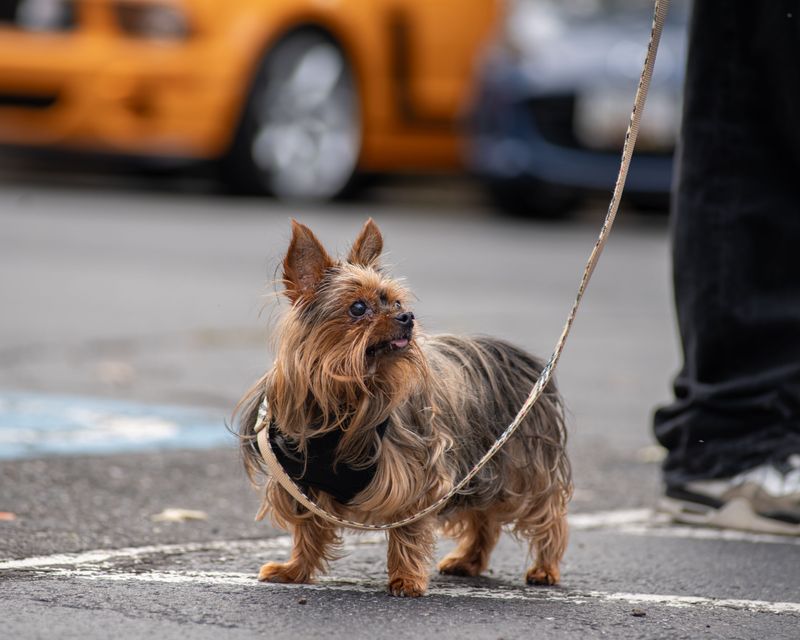
A few extra minutes outside can make the whole ride more comfortable. Offer your dog a potty break before entering the station or joining the bus line.
Choose an appropriate outdoor spot and clean up after your dog.
For a longer journey, find possible breaks along the route before you leave. Never open a pet carrier aboard a train or bus for this purpose.
If a delay changes your plans, use a suitable stop when you can.
11. Prepare for Crowded Stations and Sudden Noise
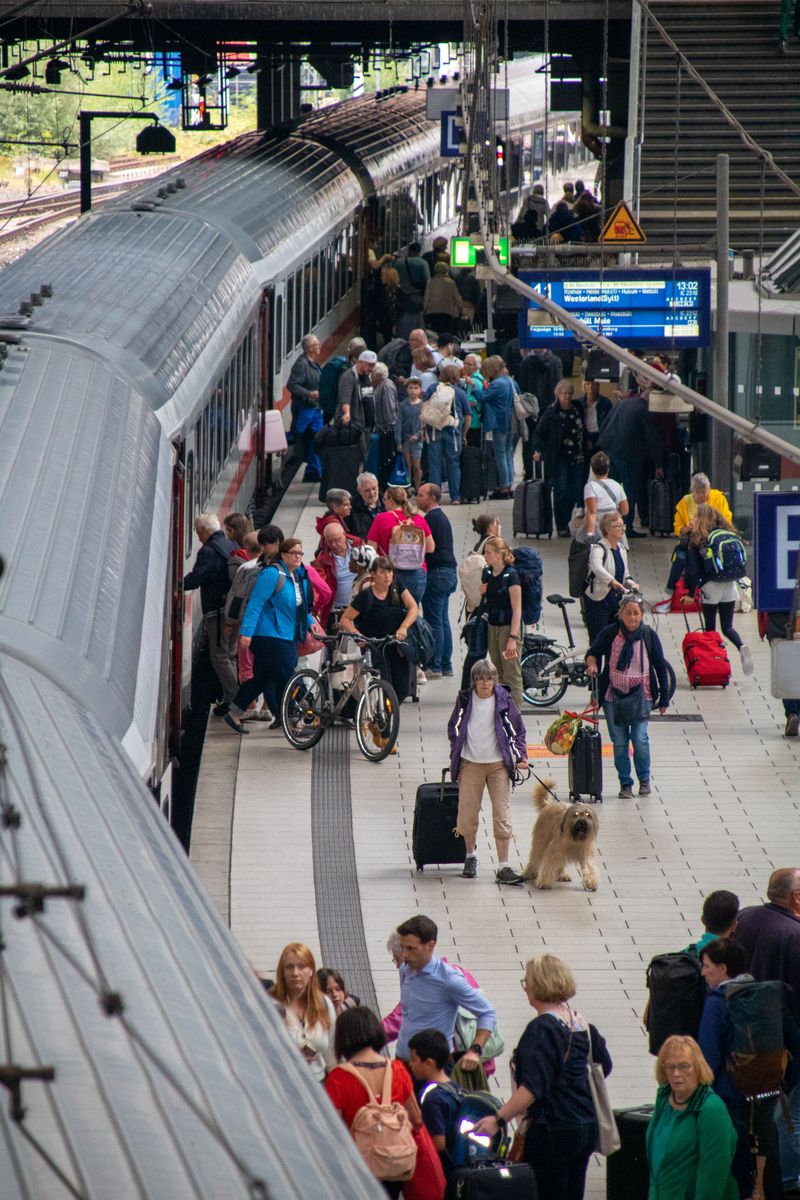
Announcements, brakes, and rushing footsteps can surprise even an easygoing dog. Before travel day, introduce everyday sounds at a level your dog handles comfortably.
At the station, keep the carrier secure and give moving crowds space.
Watch your dog’s behavior instead of assuming silence means comfort. When possible, travel at a less crowded time.
Ask your veterinarian before trying calming products, since the right approach depends on your dog’s health and needs.
12. Keep Your Dog and Carrier Out of the Way
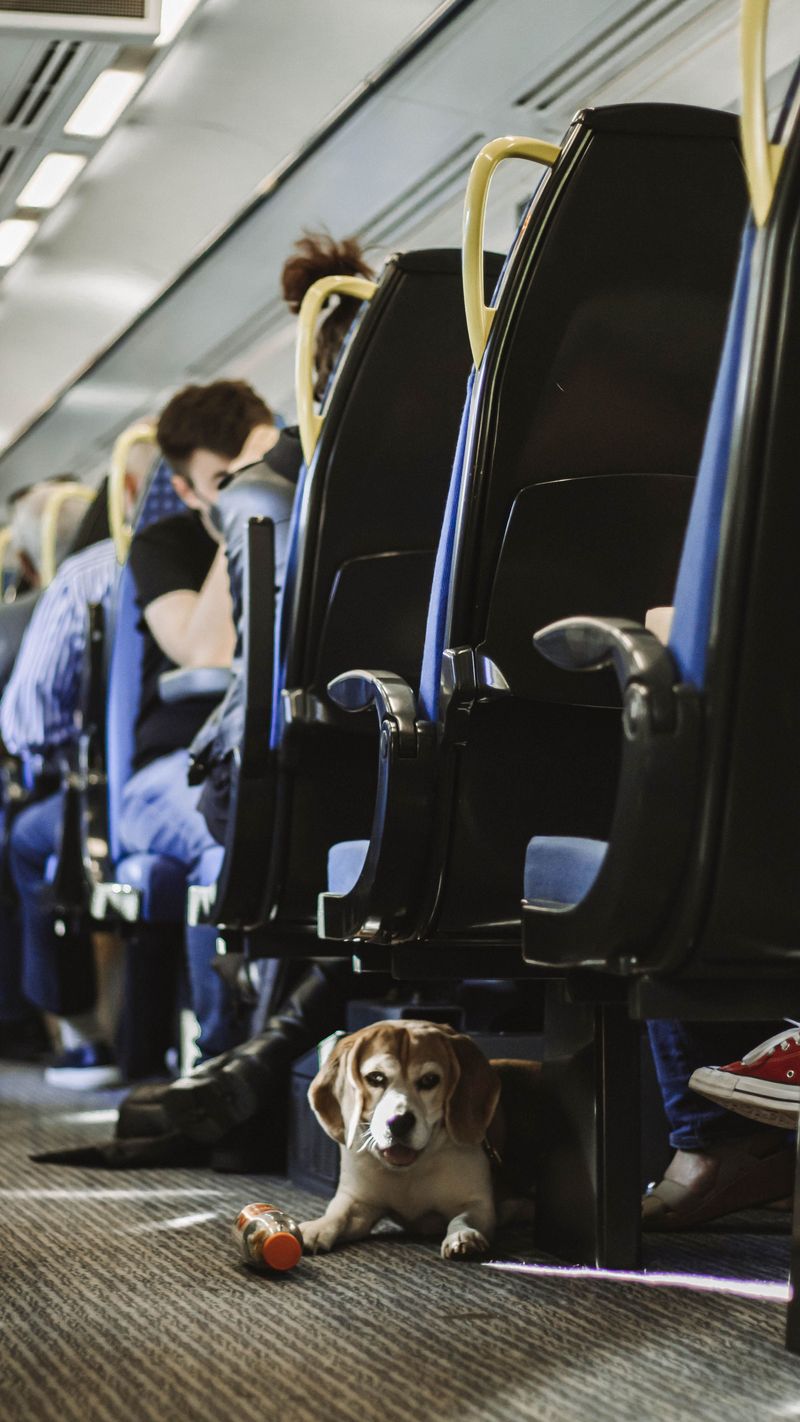
Finding a spot for the carrier is part of boarding politely. Keep it clear of aisles, doors, and places where people need to stand or walk.
Hold it securely so a sudden stop cannot send it sliding.
Do not assume your carrier may take a passenger seat. Follow any placement directions from transit staff, especially on a crowded vehicle.
Keeping the path open helps other riders move safely and gives you fewer things to manage.
13. Make Transfers Easier With Your Dog
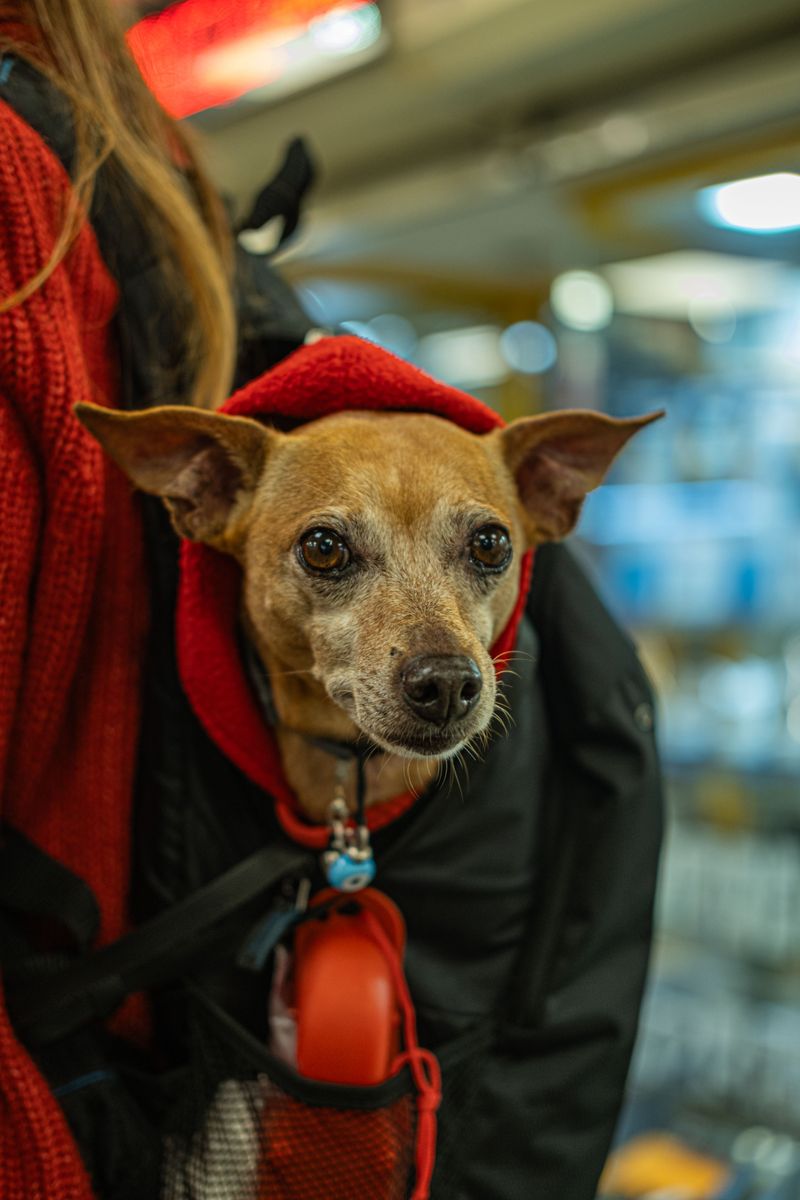
A transfer is easier when you know where to walk next. Look up the connecting stop, expected wait, and any stairs or elevators beforehand.
Leave enough time to carry your dog without rushing through a crowd.
Keep the carrier closed between vehicles unless you reach an appropriate outdoor place to take a break. Check the pet policy for both services.
If a connection looks too tight, choose a later one and give yourself breathing room.
14. Check the Full Route Before Leaving Home

That short train ride may hide a long walk at the other end. Review your entire route, including station entrances, connections, and travel time.
Check schedules in both directions so the return trip works too.
Think about where your dog can take a suitable outdoor break, if needed. Confirm that each transit service accepts pets under the conditions you can meet.
A complete plan saves you from making hurried choices while carrying a dog.
15. Keep Your Dog Calm Around Other Passengers
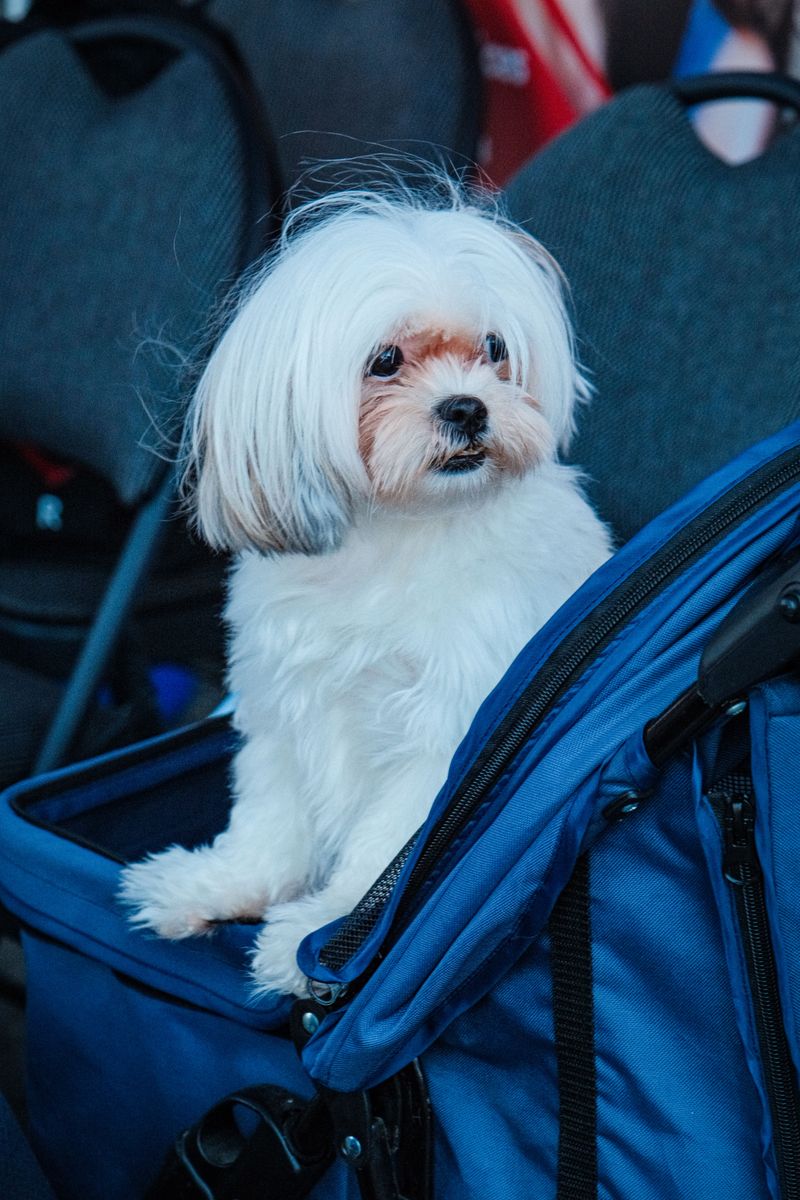
Not every fellow rider wants to meet a dog, and that is okay. Keep your pet contained and give nearby passengers space.
A familiar, safe item in the carrier may help your dog settle during the ride.
Pay attention to repeated barking, restless movement, or other signs of discomfort. If your dog cannot settle, consider ending the outing at a suitable stop.
Calm travel protects your dog’s comfort and makes shared space more pleasant.
16. Bring Basic Supplies for the Trip
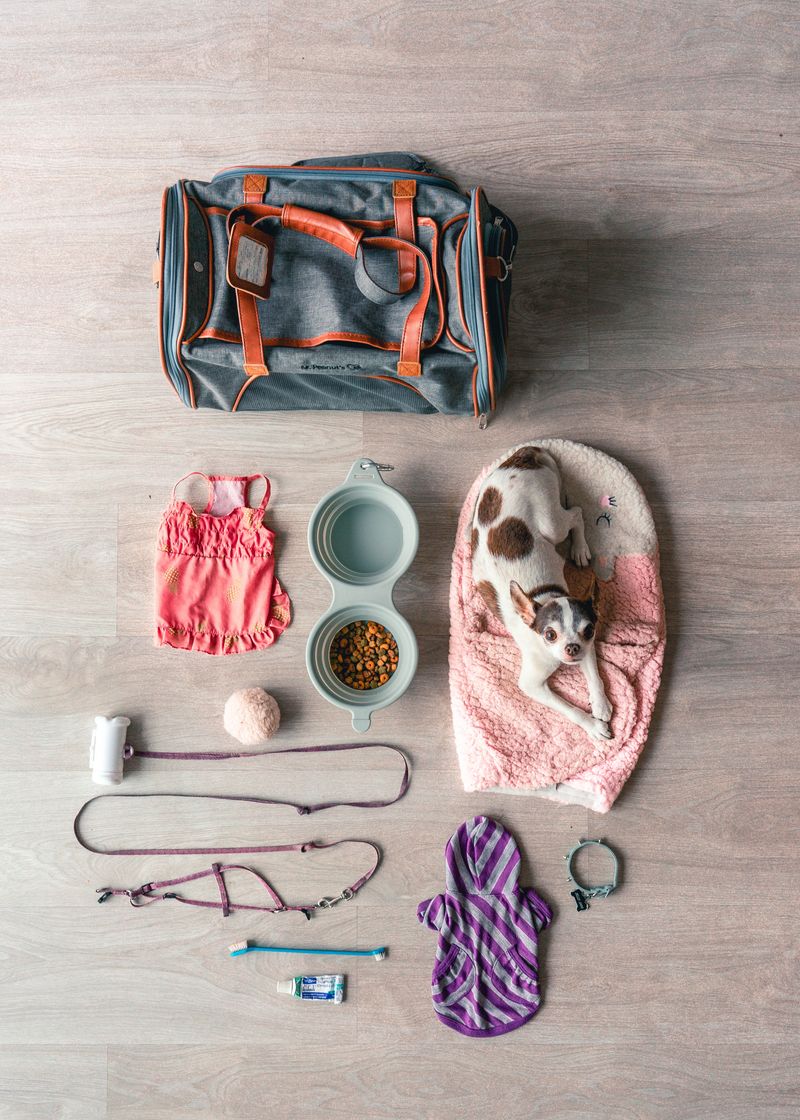
A small supply bag can solve little problems before they grow. Pack water, a portable bowl, waste bags, and a familiar item that fits safely inside the carrier.
Bring anything your dog normally needs for the planned time away.
Keep supplies easy to reach without opening the carrier aboard the vehicle. Check that your bag remains light enough to carry alongside your dog.
For longer outings, plan suitable places and times for water and outdoor breaks.
17. Have a Backup Plan for Unexpected Problems

Even a well-planned trip can meet a delay or a missed connection. Save an alternative route and check whether that service accepts pets before relying on it.
Keep enough time in your schedule to change plans calmly.
If your dog becomes uncomfortable, know where you can safely exit the system. A trusted ride home may be another option if it can accommodate your dog.
Planning an exit makes surprises less stressful for both of you.
18. Check Current Transit Rules Before Each Trip

Yesterday’s advice may not match the rules for today’s ride. Before each trip, check the current pet policy on every transit agency’s official website.
Confirm schedules and service notices while you are there.
If a policy is unclear, contact the provider rather than guessing at the stop. With the right carrier, a checked route, and a little practice, you and your dog can travel feeling prepared.
That simple routine makes each next trip easier.