What Illinois Dog Owners Should Know Before Taking A Dog On Metra Or The CTA
A ride with your dog can make a trip across Chicago or the suburbs feel easier. Before you head for a station, though, check which transit system you will use.
Metra and the CTA have different pet rules, and a little planning helps your dog stay comfortable. Here is what to know about carriers, travel times, busy platforms, and the moments when another ride may be the better choice.
1. Metra And CTA Pet Rules Are Different
A trip with a transfer can involve two sets of rules. The CTA carries small pets in suitable carriers on buses and trains.
Metra also permits small pets in carriers, but limits them on certain weekday trains.
Check every part of your route before leaving, including the return trip. A dog allowed on your CTA train may not be allowed on your planned Metra departure.
Keep the official policy pages handy if your plans change during the day.
2. CTA Requires A Proper Pet Carrier
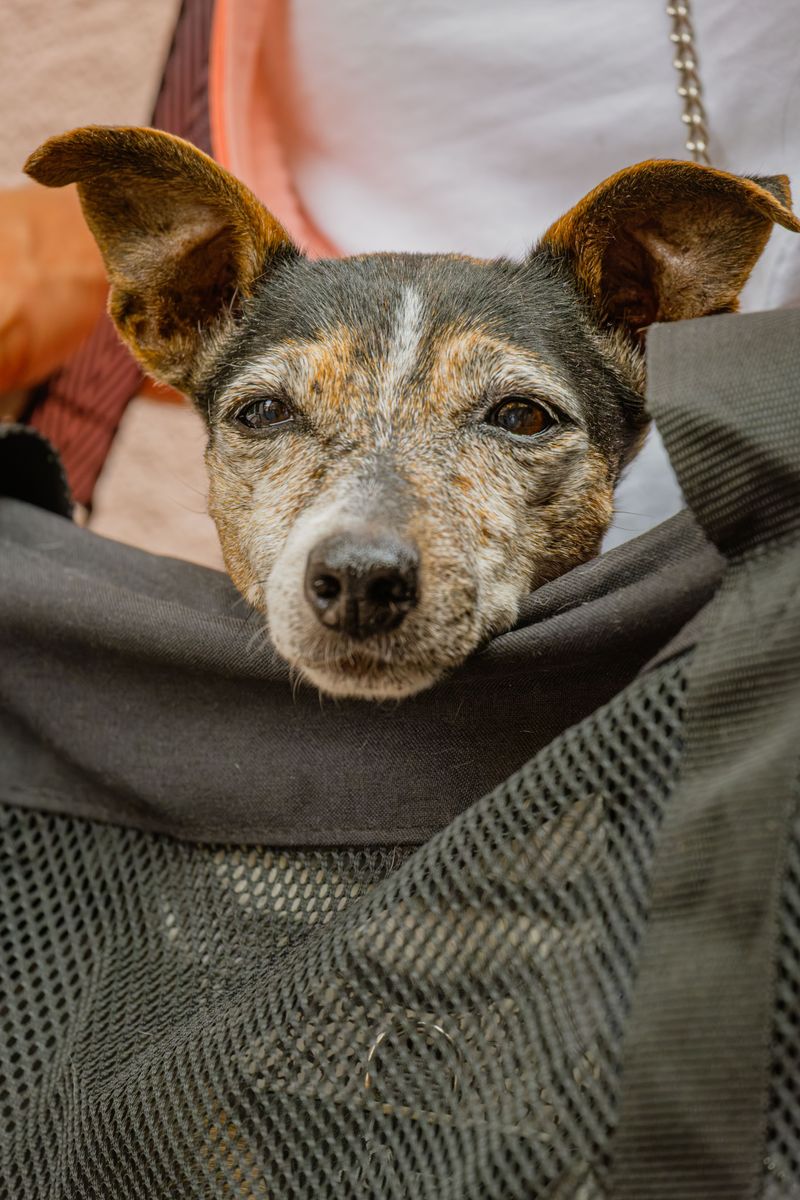
On the CTA, a leash alone is not enough for a pet dog. Your small dog must stay fully inside a closed protective carrier designed for travel.
One person must be able to carry it.
Choose a carrier with secure fasteners and enough ventilation for your dog. It should fit on your lap or under a seat without blocking anyone.
Test the closure at home, especially if your dog has learned to push against zippers or doors.
3. Know Metra’s Enclosed-Carrier Rules
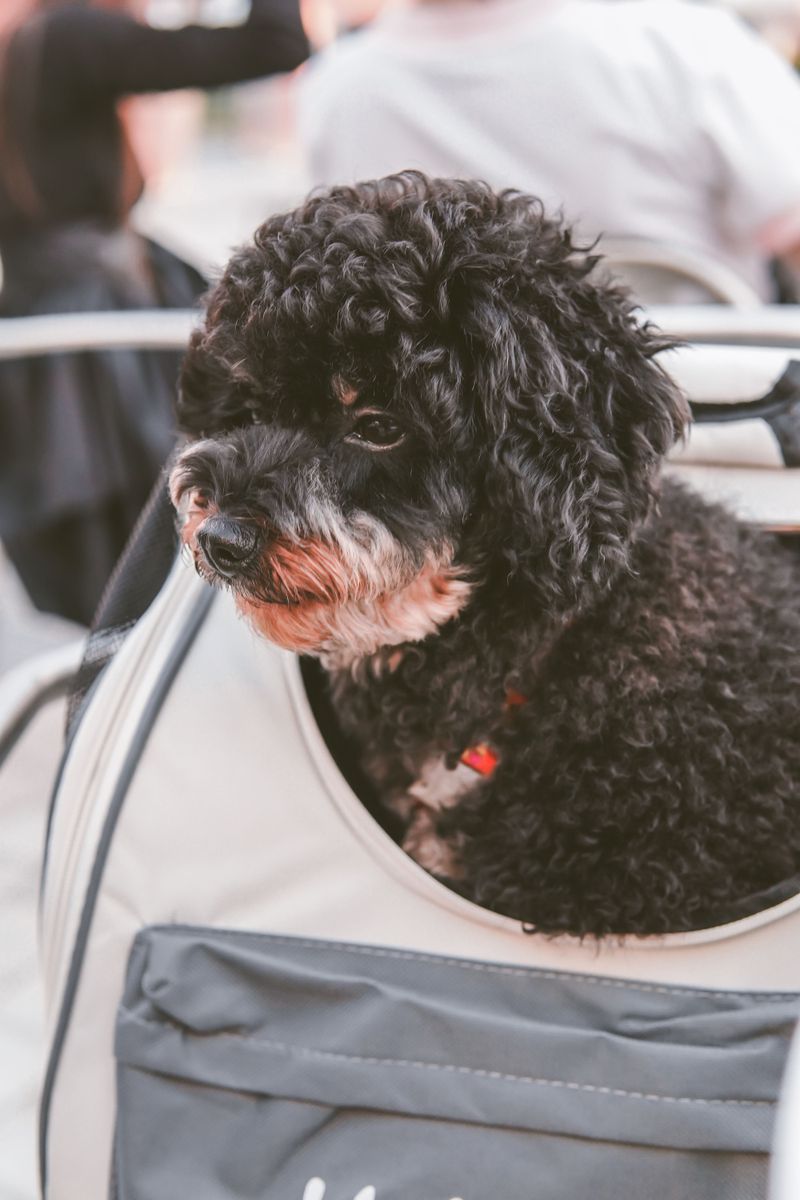
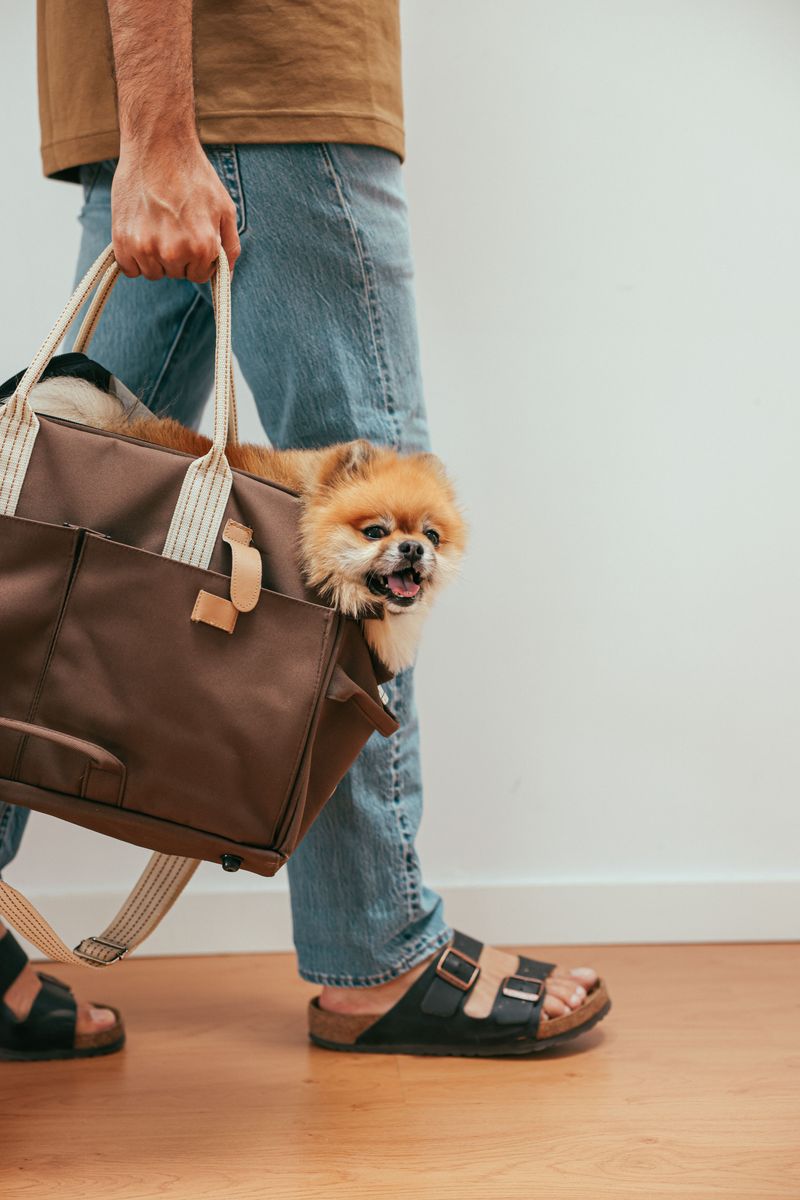
Metra’s pet policy calls for a small dog to travel inside an enclosed protective carrier. The carrier must be manageable for one person and fit on your lap or under the seat.
Metra does not charge an extra pet fare.
Before buying a carrier, picture carrying it through a station and onto a train. A sturdy handle matters when your hands are busy.
Leave the carrier closed throughout the ride, even if your dog wants a better view.
4. Check Metra’s Peak Travel Restrictions
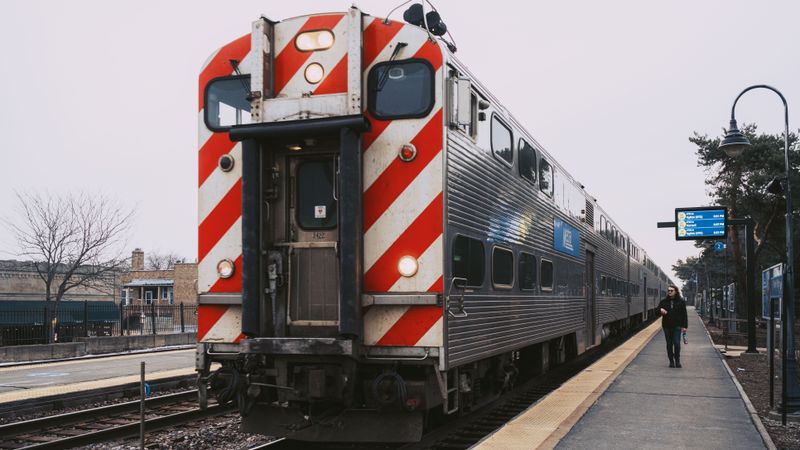
Weekday timing matters on Metra. Its published pet policy allows eligible pets on trains arriving in Chicago before 6:31 a.m. or after 9:30 a.m.
For trains leaving Chicago, it lists departures before 3 p.m. or after 7 p.m.
Check your specific train rather than guessing from your boarding time. A schedule change could affect your plan, and your return train matters too.
Confirm current restrictions with Metra before setting out, especially near the edge of a permitted period.
5. Weekend Metra Trips Have Different Considerations
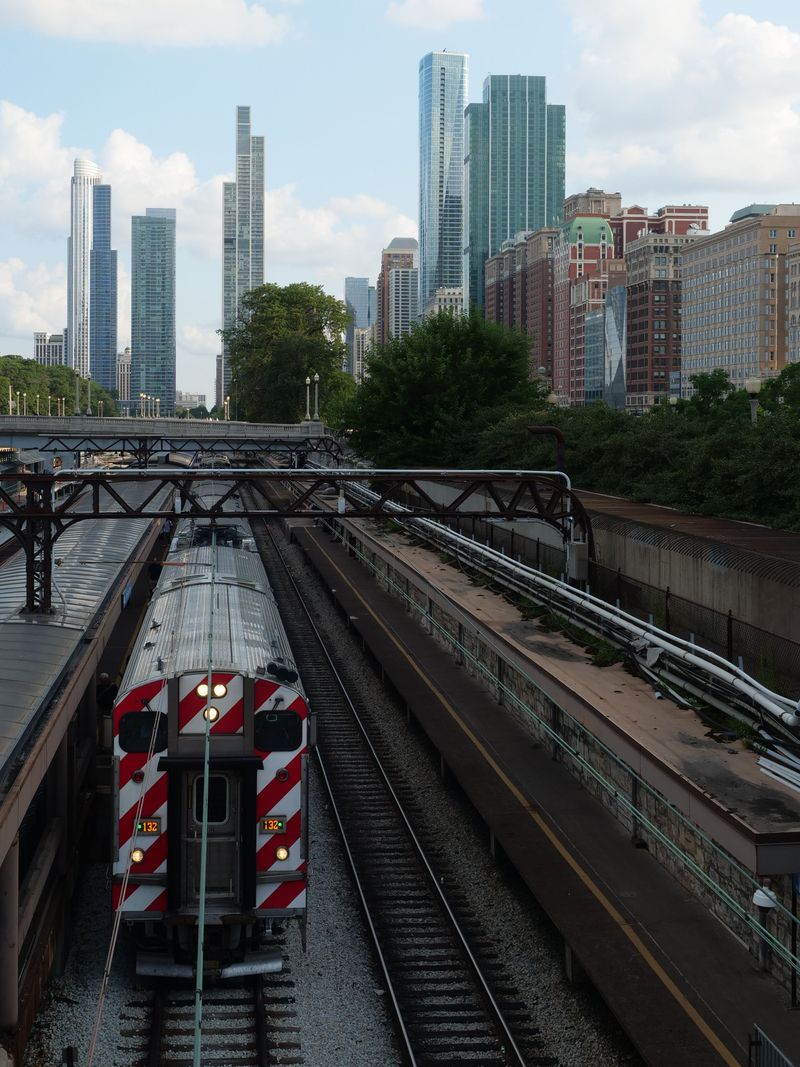
Saturday or Sunday can offer more flexibility for a Metra outing. Metra permits small pets in enclosed carriers on weekend trains, without the weekday peak-time limits.
That makes a relaxed daytime visit easier to plan.
Still, a permitted train is not a guaranteed quiet train. Festivals and other events can fill cars quickly, and crews may refuse pets when trains are overcrowded.
Look at local event calendars and allow time for a later departure if needed.
6. Service Dogs Follow Separate Rules
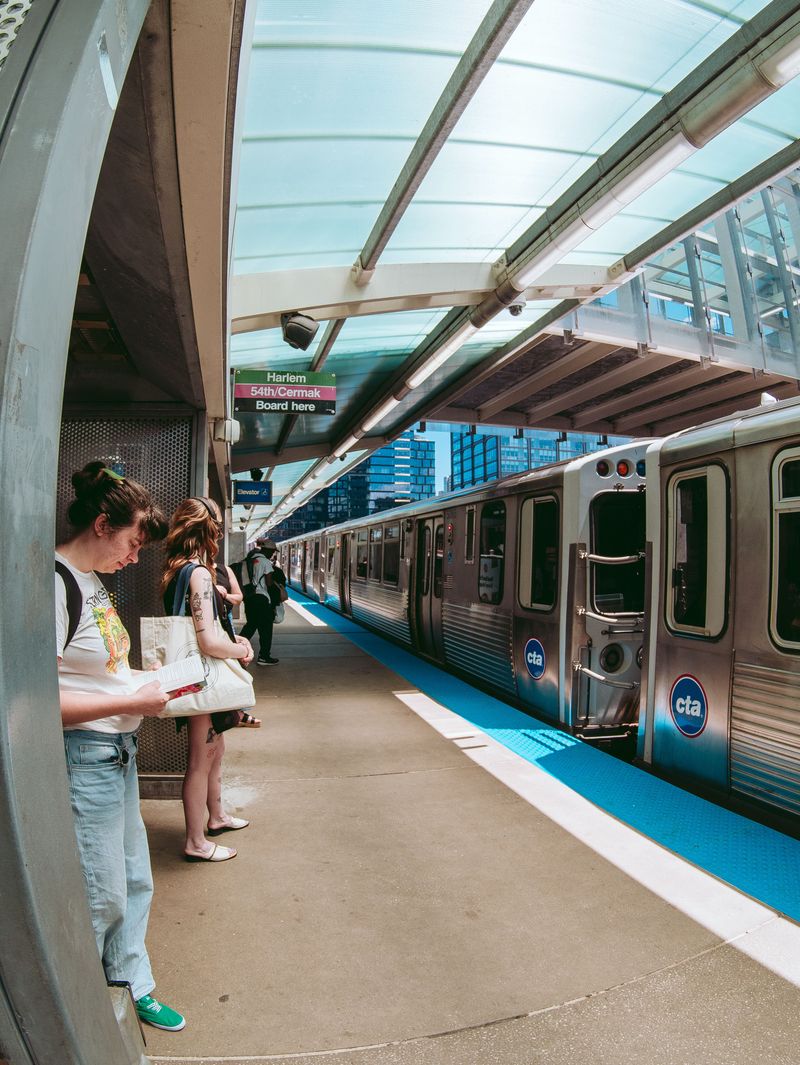
A trained service dog is not treated as a pet under transit rules. Service animals may accompany their handlers on CTA vehicles and property and on Metra trains without pet travel-time limits.
They do not have to ride in carriers.
Handlers must keep service animals under control. Other passengers should give working dogs space and avoid distracting them.
If you travel with a pet, do not assume service-animal access rules apply to your dog, even when your dog behaves beautifully.
7. Keep Your Dog Under Control
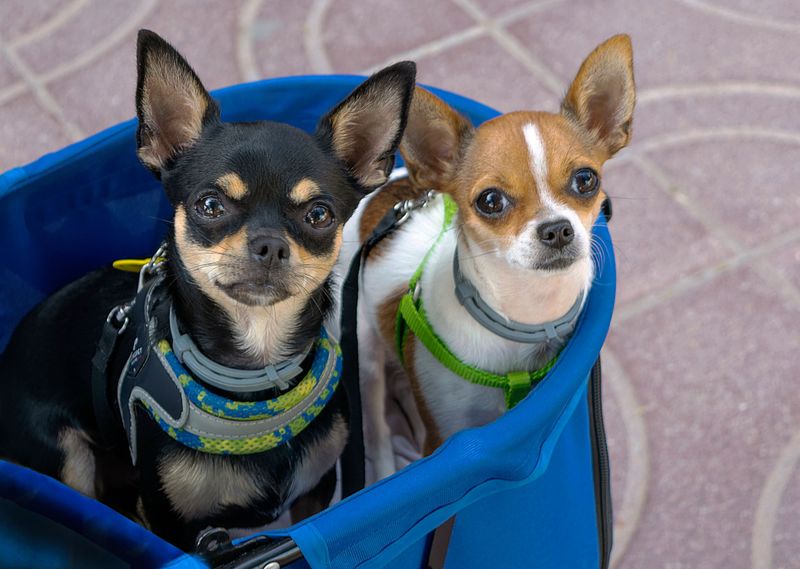
Even inside a carrier, your dog remains your responsibility. A secure door prevents an excited nose or paw from slipping into another rider’s space.
Watch for repeated barking, scratching, or distress before those problems grow.
Speak softly and move to a calmer spot when you can. Metra may remove noisy or disruptive pets, and CTA riders must maintain control of their animals.
If your dog cannot settle, stepping off and trying another time may be kinder for everyone.
8. Keep Carriers Out Of Aisles And Seats
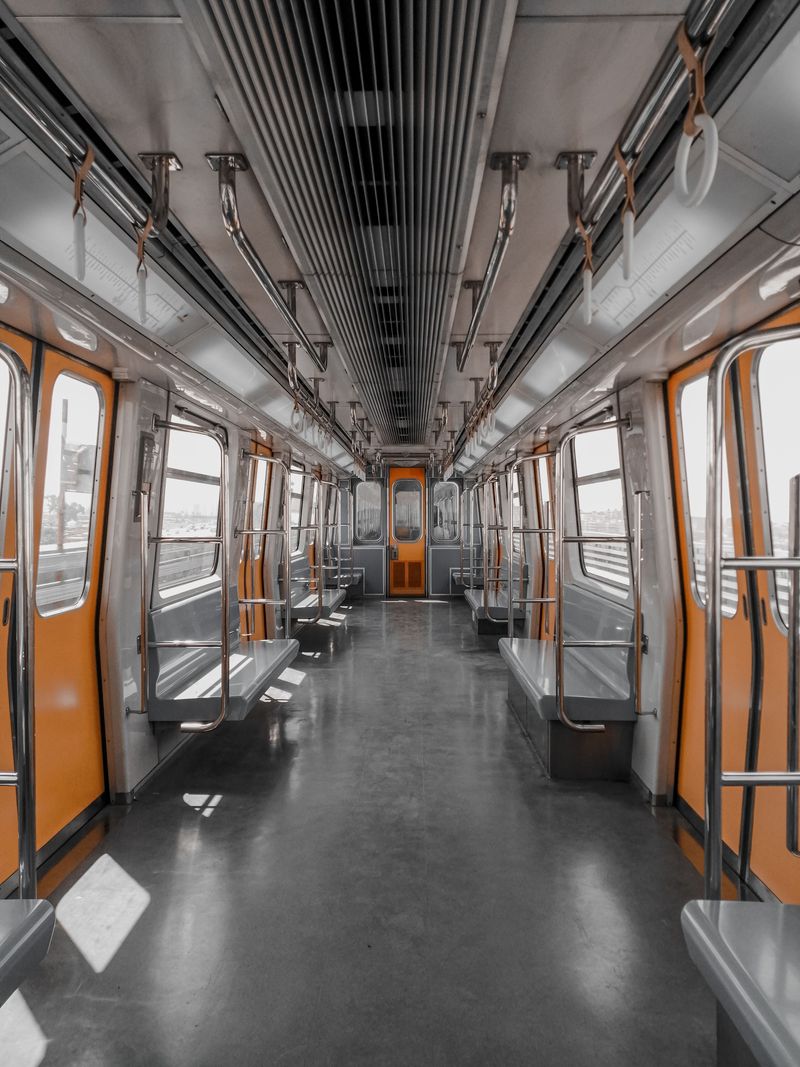
An empty seat can look like a handy place for a carrier. On Metra and CTA, however, pet carriers cannot occupy seats or block seating areas and pathways.
Plan to hold yours on your lap or place it under your seat.
Settle the carrier before other passengers need to pass. Check that straps do not trail across the aisle.
If the available space feels too tight, ask transit staff for guidance rather than squeezing the carrier into a walkway.
9. Practice Before Your Dog’s First Transit Ride
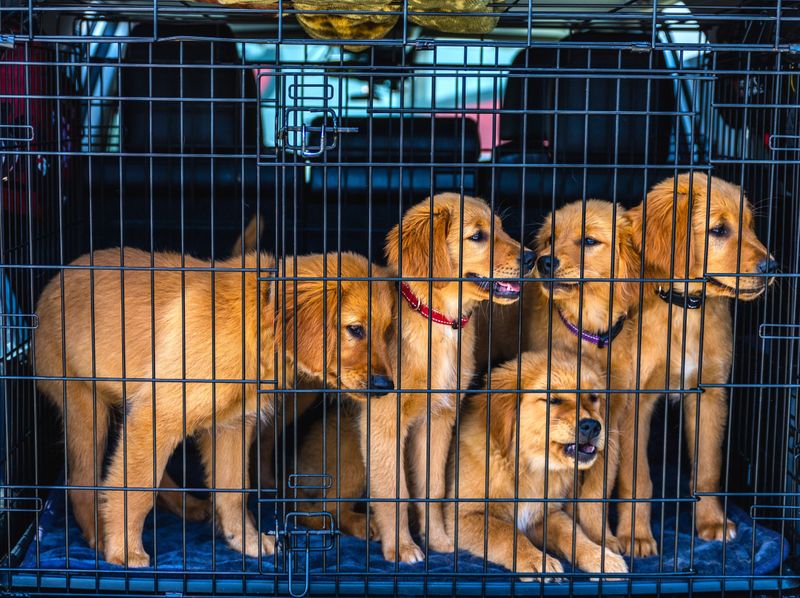
Your dog’s first ride begins long before the train arrives. Leave the carrier open at home and let your dog explore it voluntarily.
Short, calm practice sessions can make closing the door feel familiar.
Once your dog rests comfortably inside, try carrying the carrier around your home and outdoors. Then consider a brief off-peak ride.
Reward calm behavior with praise or a suitable treat. Gradual practice gives you time to notice what helps your dog relax.
10. Give Your Dog A Bathroom Break First
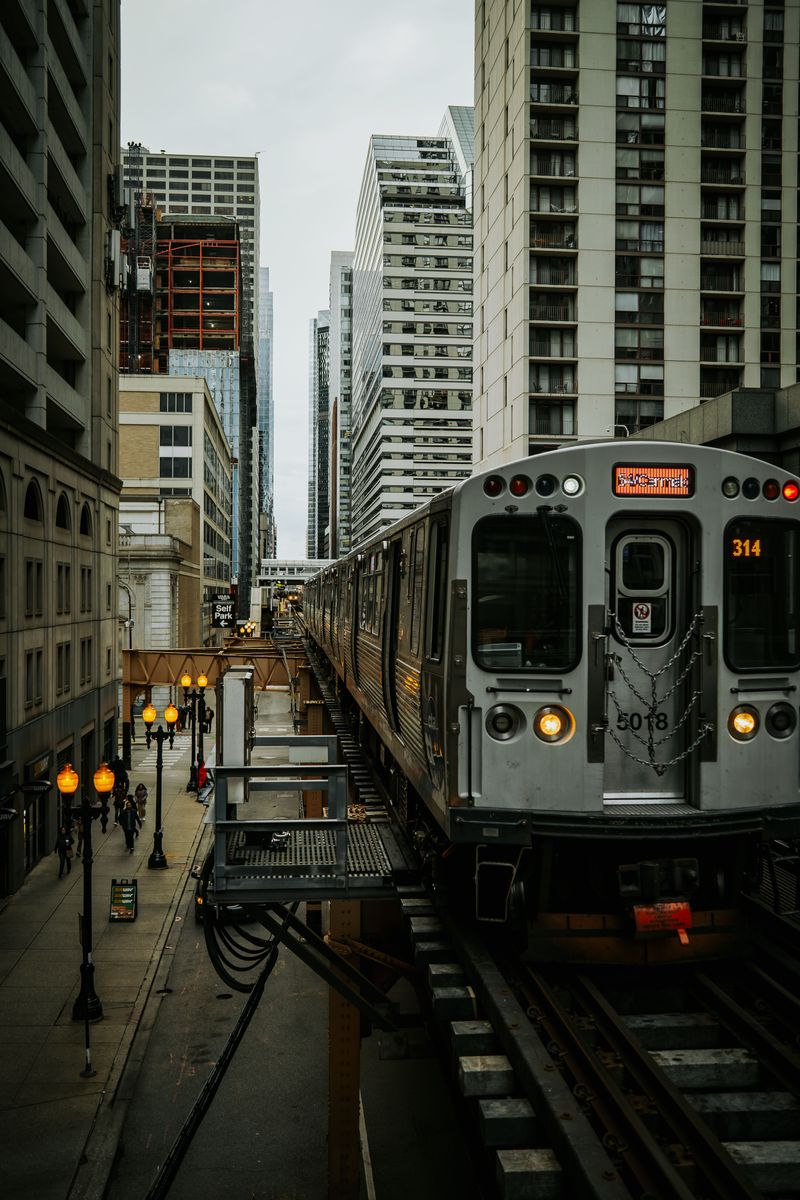
A few extra minutes outside can make the whole journey smoother. Give your dog a chance to relieve themselves before entering a station or boarding a bus.
This matters most when your trip includes a long wait or transfer.
Find an appropriate outdoor spot and clean up afterward. Do not rely on a station platform for a last-minute break.
For longer outings, plan where your dog can take another break after you reach your destination.
11. Bring Cleanup Supplies
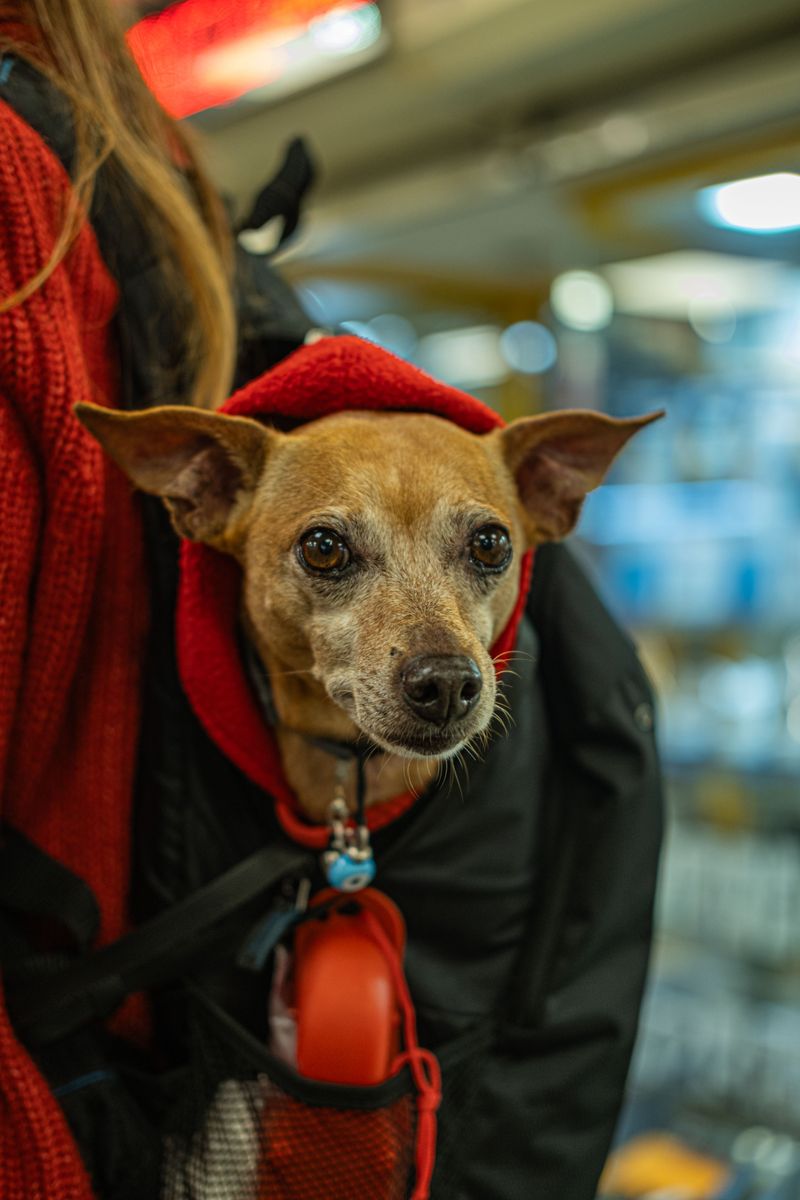
A small cleanup kit earns its place in your bag. Pack waste bags, a few paper towels, and pet-safe wipes where you can reach them quickly.
Even a dog with a steady routine can have an accident.
Metra holds owners responsible for cleaning up after their pets. If something happens, handle it promptly and alert staff when additional help is needed.
Keep used supplies sealed until you find a proper bin. Preparation lets you respond without fuss.
12. Prepare For Busy Stations And Platforms
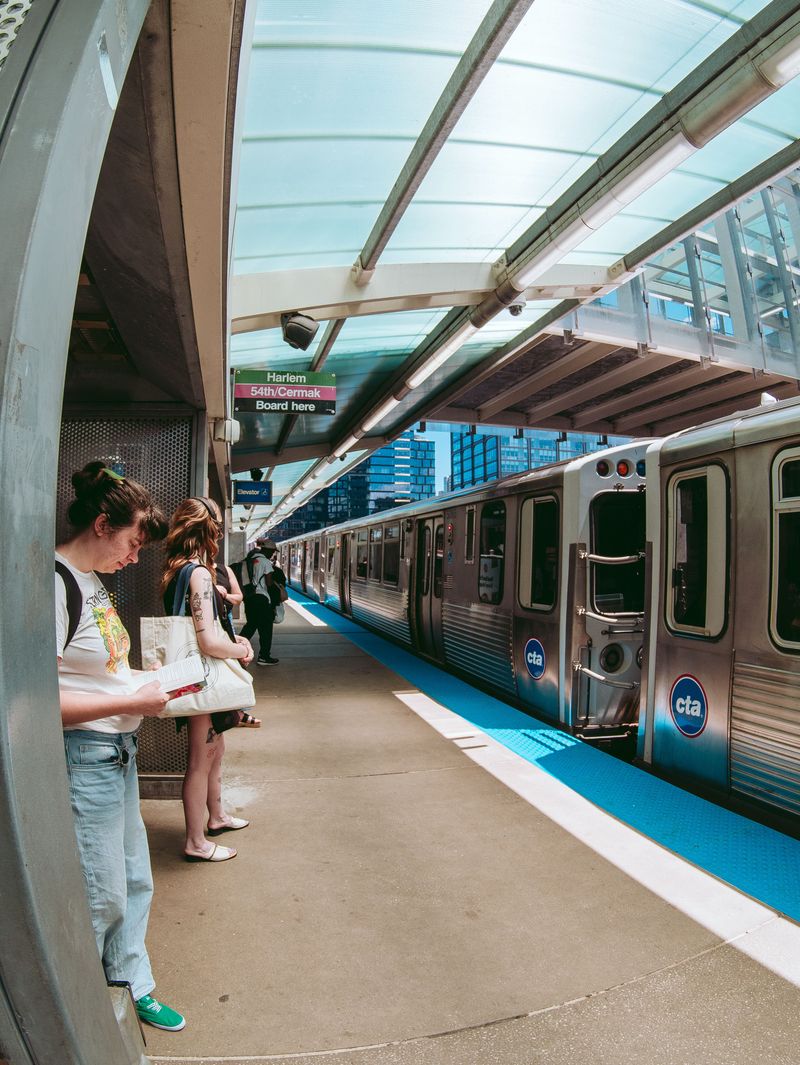
Stations bring footsteps, announcements, doors, and quick changes of direction. Before entering, check that your dog’s carrier is fully closed and its handle feels secure.
Keep it close to your body while walking through crowds.
On a platform, stand back from the edge and leave room for people to pass. Pause somewhere quieter if you need to check a schedule.
Having your fare ready also frees your attention for your dog and your surroundings.
13. Help Your Dog Handle Crowded Rides
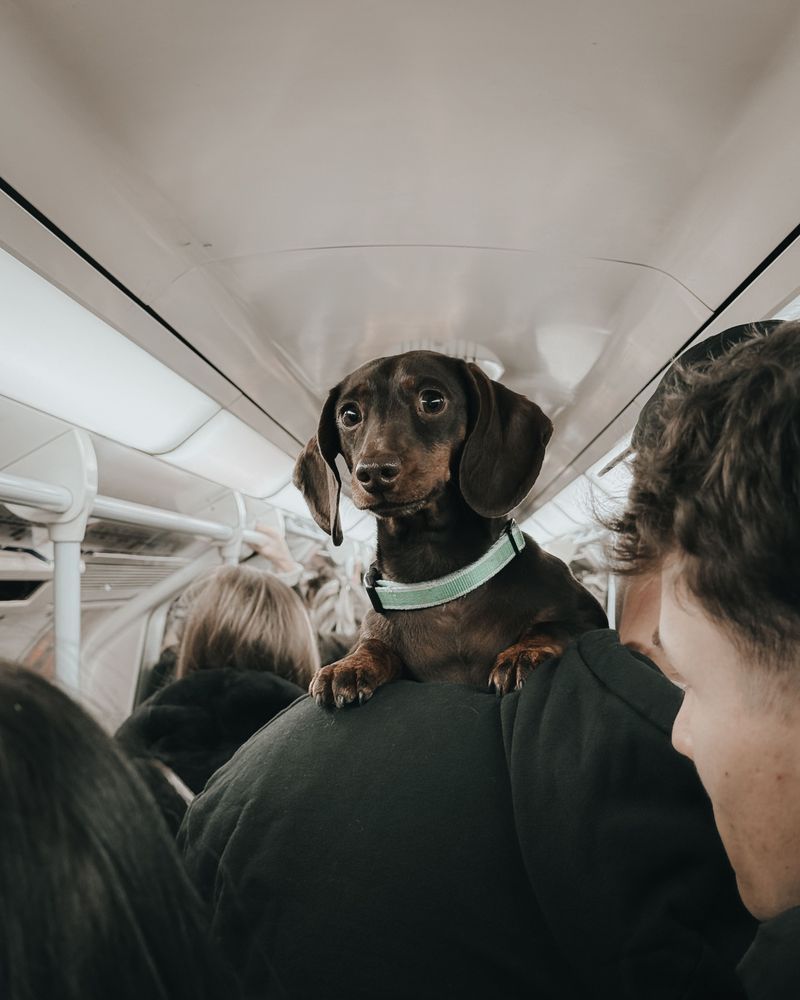
When a car fills up, small changes can help your dog feel settled. Hold the carrier steadily and face its vents toward open air, not against a coat or wall.
A quiet voice may be reassuring.
Choose a less crowded car when boarding conditions allow, without delaying others. If a light cover helps your dog, keep ventilation clear and watch for warmth.
Repeated barking or restless movement may signal that your dog needs a break.
14. Know When A Pet Can Be Refused
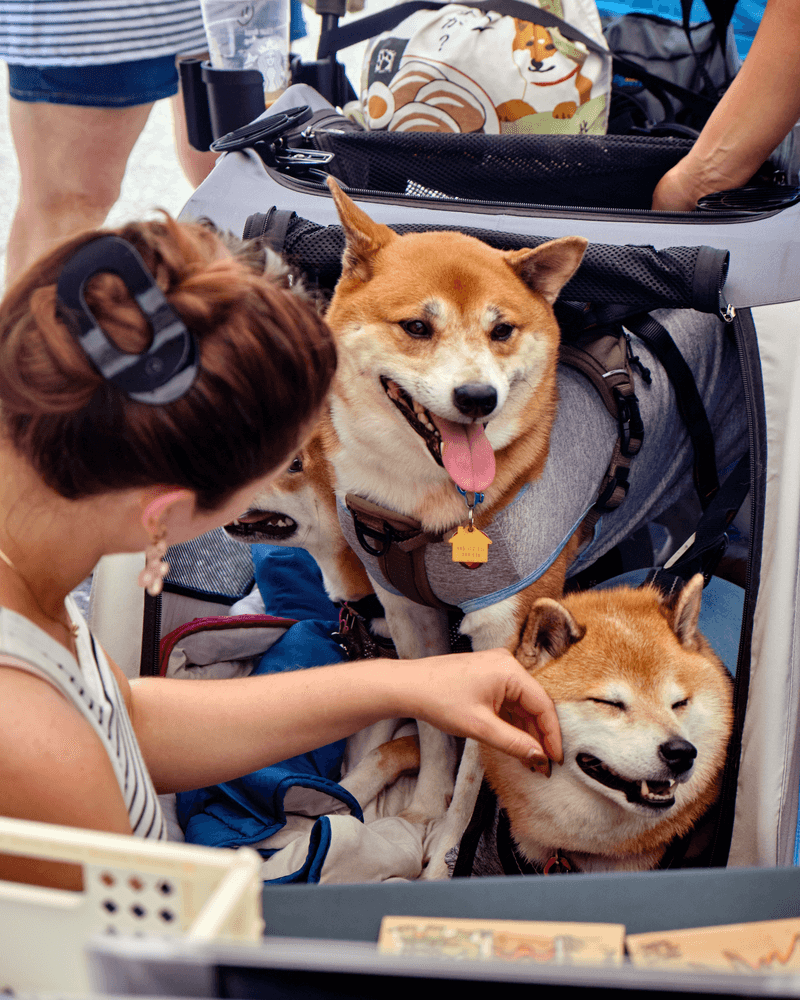
A carrier and a valid ticket do not guarantee every boarding. Metra crews may refuse pets when a train is overcrowded.
Noisy or disruptive pets may also be removed under Metra’s policy.
CTA requires riders to control their animals, and unsafe behavior can interrupt a trip. Follow staff directions calmly if a problem arises.
Build a backup into your schedule, such as a later train or another suitable ride. That small cushion makes changes easier to manage.
15. Plan Around Your Dog’s Comfort

Some dogs enjoy a short outing but struggle with a long journey. Think about your dog’s age, health, carrier tolerance, and usual response to noise.
Choose a direct route when possible.
Weather matters before and after the ride, especially if you must wait outdoors. Give yourself enough time to walk without rushing.
If your dog seems uneasy before you even leave home, changing the plan is reasonable. A comfortable trip is better than a completed itinerary.
16. Pack Water And Basic Supplies
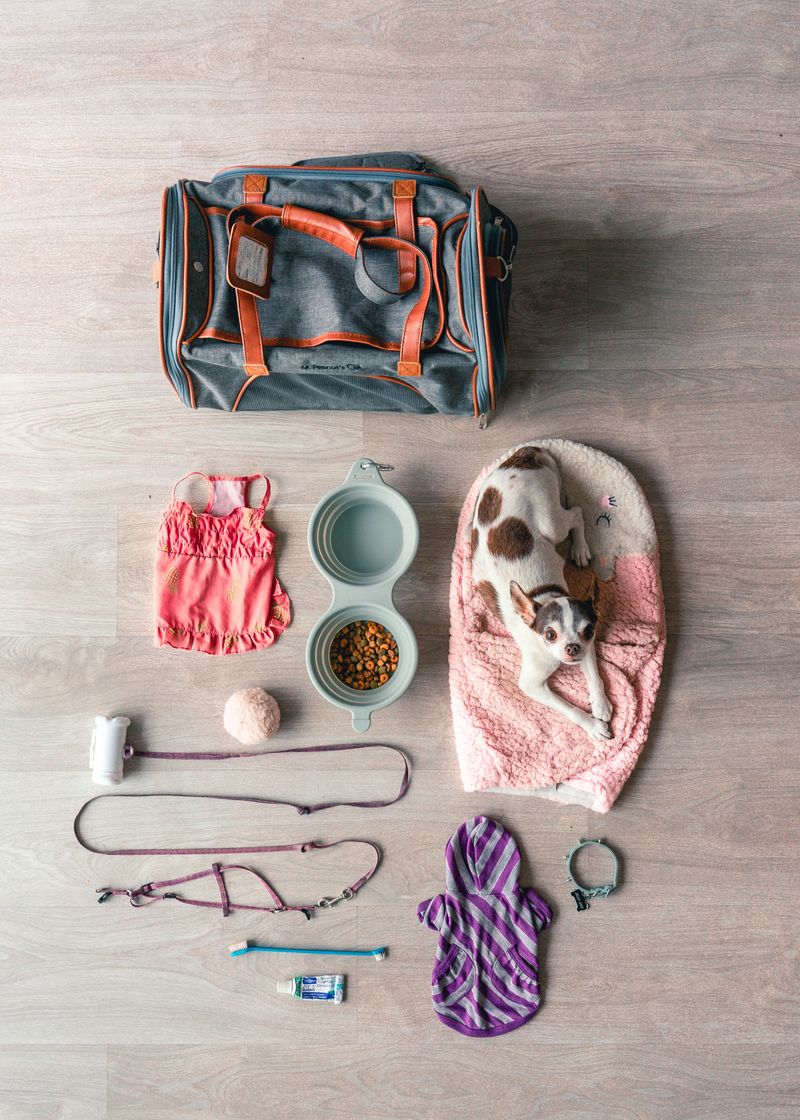
A compact bag can cover the ordinary needs of a day out. Bring water, a portable bowl, waste bags, and any supplies your dog normally requires.
A few familiar treats may help during practice or after the ride.
Offer water during a suitable stop rather than opening the carrier in a crowded vehicle. Keep needed medication with you, following your veterinarian’s instructions.
Pack lightly enough that you can carry both your belongings and your dog securely.
17. Check Transit Rules Before Leaving Home
A saved schedule from last month might miss a useful update. Before leaving, read the pet guidance on the official Metra or CTA website for each system you will use.
Check service alerts and your return departure too.
If a rule is unclear, contact the transit agency directly rather than relying on an old post. Confirming the details takes little time and can spare you an awkward change of plans at the station.
Your dog benefits from that calmer start.
18. Know When Public Transit May Not Suit Your Dog
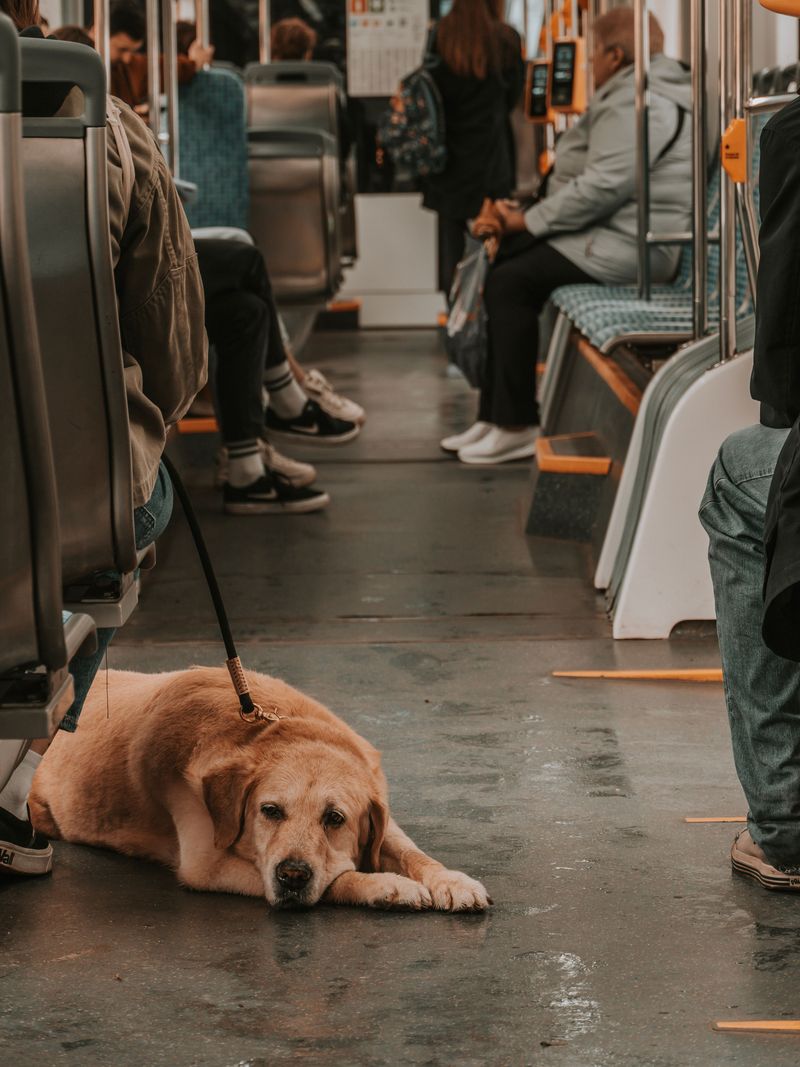
Not every dog finds buses or trains manageable, even with patient practice. Frequent motion sickness, strong fear of noise, or difficulty settling in a carrier may make transit unpleasant.
Notice your dog’s behavior rather than pushing through a stressful ride.
Ask your veterinarian for guidance if travel regularly causes concern. For a necessary trip, consider a suitable alternative that meets your dog’s needs.
Choosing another way to go is good planning, not a failed adventure.