Why A California Move Is A Good Time To Recheck Dog Licensing And Registration Requirements

Moving to California with your dog is exciting, and a little paperwork comes along for the ride. Dog rules here are often set by your new city or county, not just the state.
A quick review now can save you fees, stress, and confusion later. Think of this guide as a friendly checklist from someone who wants you and your pup settled in smoothly.
1. State Rules With a Golden State Twist

Every state handles dogs a bit differently. California law requires dogs to be licensed, but the details are run locally.
What worked back home may not match here. Your old state might have skipped licensing or used different deadlines and paperwork.
Start fresh with an open mind. Treat your move as a clean slate, and look up the current rules before you unpack the last box.
You will feel more confident right away.
2. Your City May Add Its Own Layer
Picture two neighboring towns with two different rulebooks. That happens often in California.
Cities and counties can set their own licensing and registration rules on top of state law. One city may run its own animal services, while the town next door relies on the county.
Find out who handles licensing at your exact address. A quick search for your city name plus animal services usually points you to the right office.
3. Old Tags Rarely Travel Well
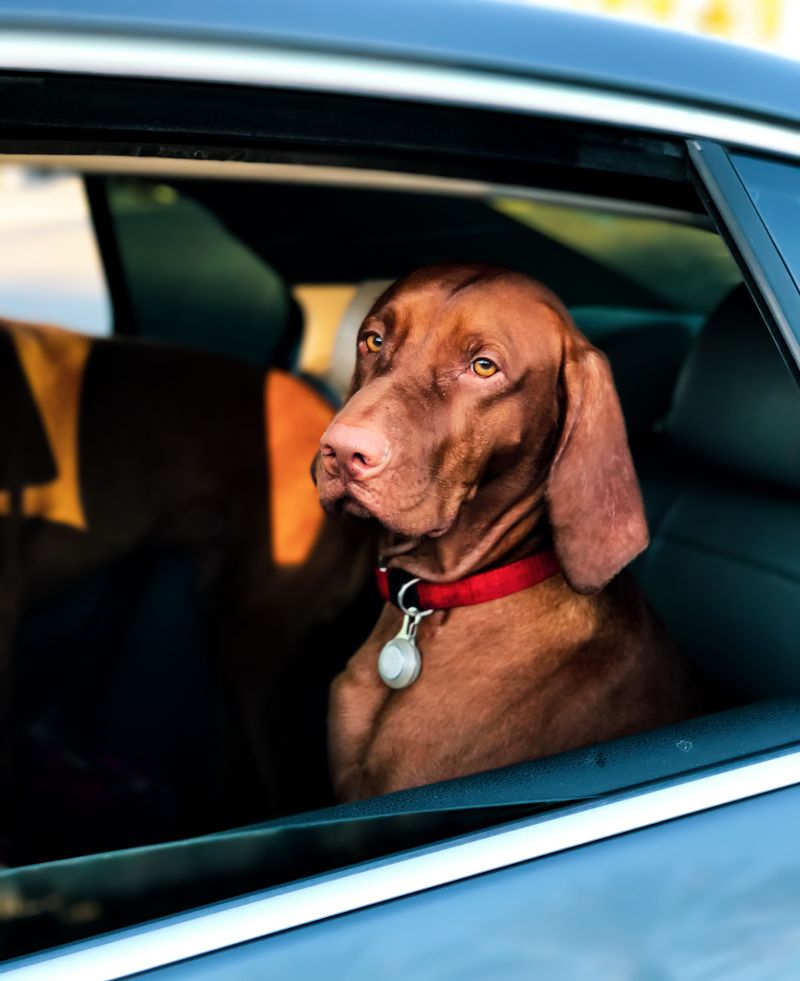
That shiny tag from your previous town has done its job. Unfortunately, it usually does not count in California.
Licenses are tied to the place that issued them. Some counties may offer a simple transfer for a small fee if your dog’s rabies vaccine is valid, but you still register locally.
Keep your old license papers handy anyway. They can help prove your dog’s history when you apply for a new one.
4. Puppies Grow Into Paperwork Fast

Bringing a young pup along? Here is a handy milestone to remember.
Under California law, dogs generally must be licensed once they reach four months of age. Rabies shots usually start around three months, which lines up nicely with that timing.
Some local rules use slightly different wording, so double-check your area. Mark your puppy’s four-month birthday as license day, and you will stay comfortably ahead of schedule.
5. Rabies Protection Comes First
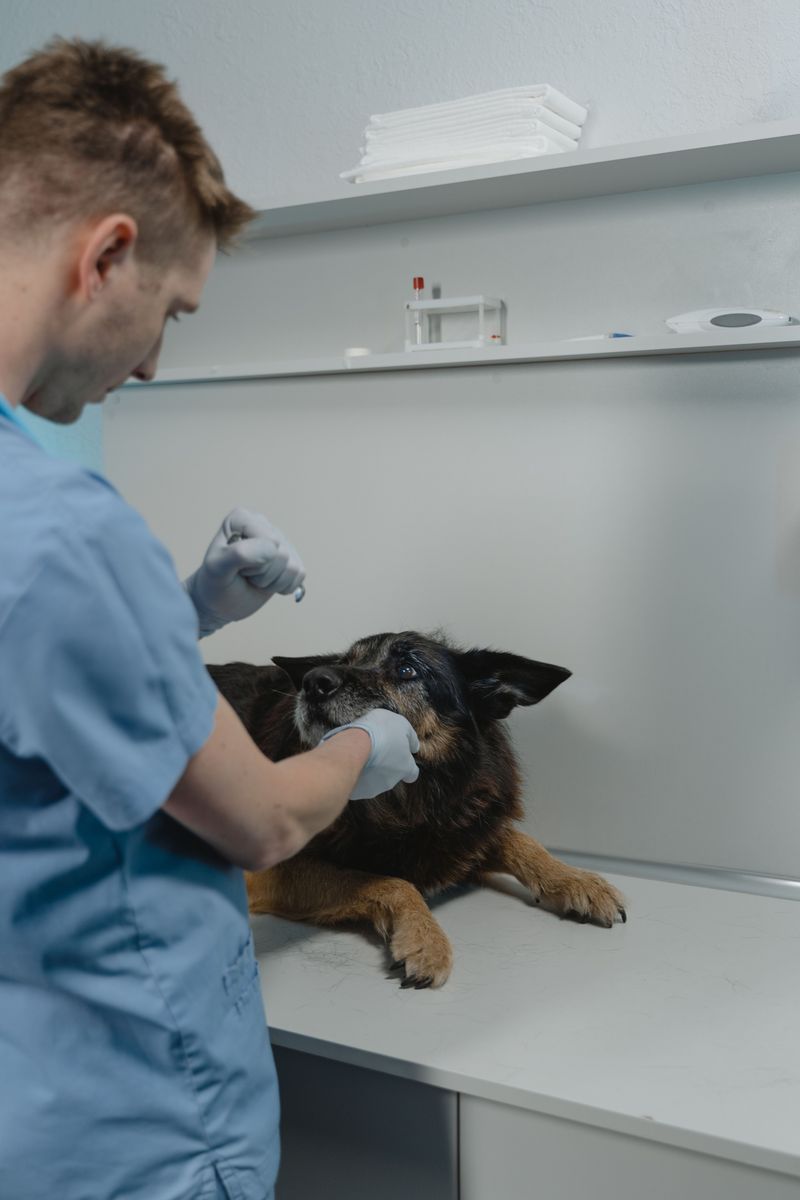
Public health sits at the heart of dog licensing. California requires dogs to have current rabies vaccinations.
Exemptions can exist for dogs with certain medical conditions. These usually need written support from a veterinarian and approval from the local health officer.
If your dog has a health issue, talk with your vet early. Otherwise, confirm the vaccine is current before moving.
A protected dog makes every next step much easier.
6. A Signed Certificate Seals the Deal

Paperwork matters as much as the shot itself. Licensing offices usually ask for a rabies certificate signed by a veterinarian or authorized designee.
A simple receipt or reminder card may not be accepted. The certificate should show the vaccine date and when it expires.
Ask your current vet for a copy before leaving. Save a photo on your phone and keep the paper in a moving folder.
Future you will be grateful.
7. Vaccine Dates Shape Your License
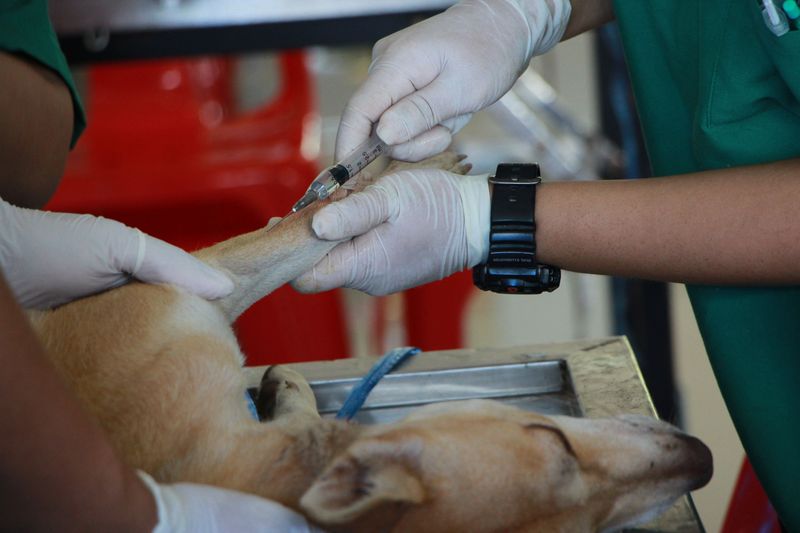
Timing is everything here. A dog license generally cannot stay valid past the expiration date of the rabies vaccine.
So if the shot expires soon, your license term may be short. Some offices will not issue a license until a current vaccine is on file.
Check that expiration date before applying. A booster appointment first can sometimes unlock a longer license and save you a second trip later.
8. Pick a Term That Fits

Options are nice. Many California jurisdictions offer one-year licenses, and some also offer two- or three-year terms.
Longer terms usually depend on your dog’s rabies vaccine covering the full period. A three-year shot often makes a three-year license possible.
Choosing a longer term means fewer renewals to remember. Still, availability varies by city and county, so confirm which choices your new office actually offers.
9. Price Tags Change by Zip Code
Sticker surprise is common for newcomers. California does not set one statewide license fee.
Costs differ between cities, counties, and even unincorporated areas next door. Fees may also depend on your dog’s spay or neuter status and the license length.
Look up the current fee schedule on your local animal services site. Budgeting ahead turns this into a simple line item instead of a moving-week surprise.
10. Fixed Pets Often Pay Less
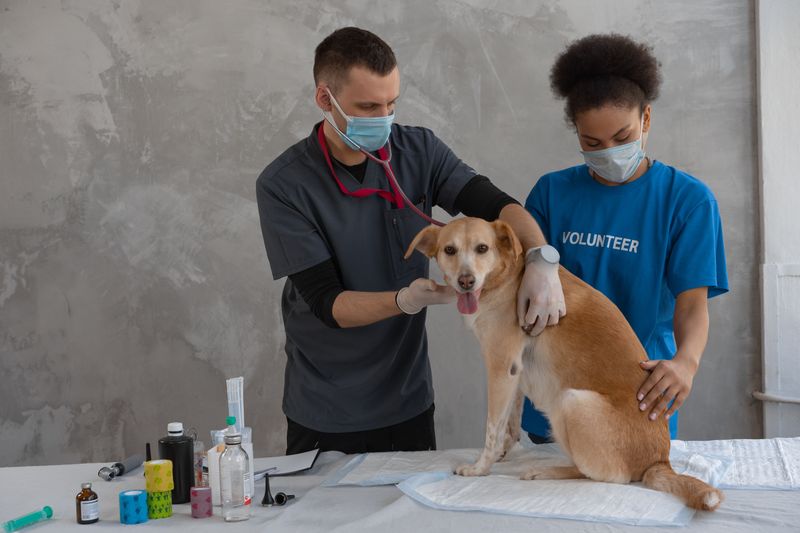
Here is some good news for your wallet. Spayed or neutered dogs often qualify for reduced licensing fees in California.
Communities offer this savings to help manage pet populations. The difference can be meaningful, especially over several years.
You will usually need proof, such as a vet record or surgery certificate. Pack that document with your rabies papers so you can claim the discount without delay.
11. Some Areas Require Spay or Neuter

Certain places go a step further than discounts. Some California jurisdictions require dogs to be spayed or neutered unless an exemption applies.
The City and County of Los Angeles are well-known examples for dogs over four months. Exemptions may cover medical reasons, show dogs, or licensed breeders.
Rules and exemptions vary, so read your local ordinance closely. Ask animal services if you are unsure whether your dog qualifies.
12. A Tiny Chip With a Big Job
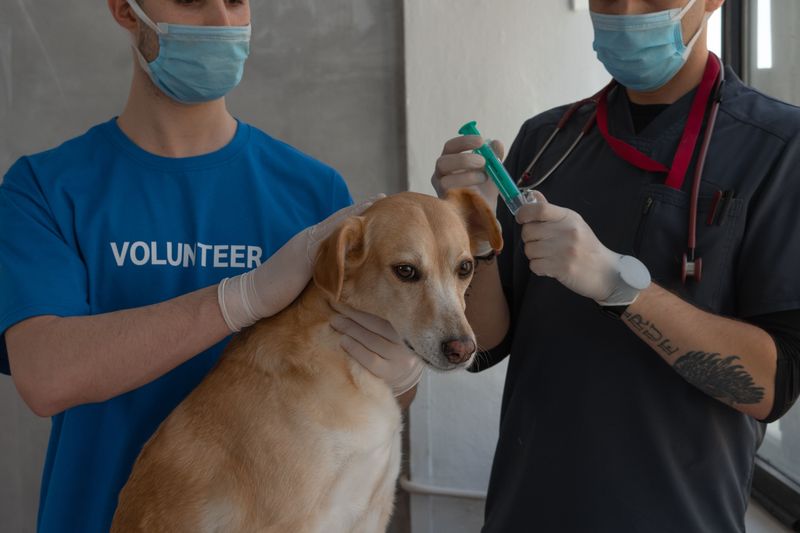
Smaller than a grain of rice, a microchip can carry a lot of weight. Certain California jurisdictions require dogs to be microchipped.
Los Angeles County and Riverside County are examples with local microchip rules. State law also requires microchips for dogs adopted or reclaimed from shelters.
If your dog is not chipped yet, ask your new vet. The procedure is quick, and many shelters offer affordable clinics.
13. Refresh the Chip Registry

A microchip only works if someone can reach you. Old addresses and disconnected phone numbers make it far less useful.
Moving is the perfect moment to log in to your chip registry. Update your new address, current phone number, and an emergency contact.
Not sure which company holds your chip? Your vet or a shelter can scan it and look up the brand.
The whole update often takes minutes.
14. Fresh Details for a Fresh Start

New home, new records. Your local licensing office will want current owner and contact information on file.
Expect to share your name, address, phone number, and details about your dog. Breed, color, age, and spay or neuter status are common questions.
Accurate records help staff contact you quickly if your dog turns up somewhere unexpected. If you move again within California, update the office promptly too.
15. A New Tag Joins the Collar
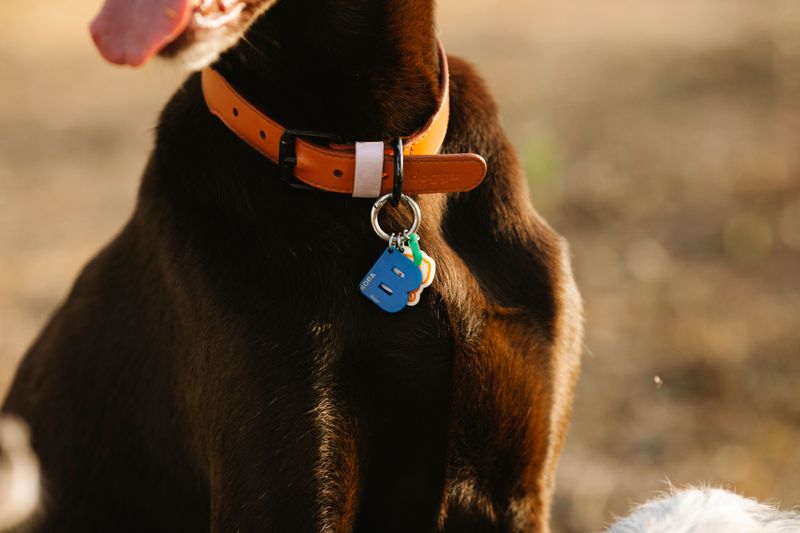
Jingle, jingle. Once licensed, your dog will usually receive a new tag from the local authority.
That tag shows your dog is registered in your new community. Animal control can use its number to look up your contact details fast.
Attach it to the collar right away, alongside a personal ID tag. Some cities even offer decorative tag designs, which can make this small chore a bit fun.
16. Counting Paws at Home

Bringing a whole pack? Pause before assuming they can all move in without questions.
California has no statewide limit on dogs per household, but many cities do. Limits of three or four dogs are common, though numbers vary.
Going above the local cap may require a special permit, sometimes called a multiple animal or kennel permit. Check zoning and permit rules before signing a lease or buying.
17. Savings for Seniors, Veterans, and Helpers
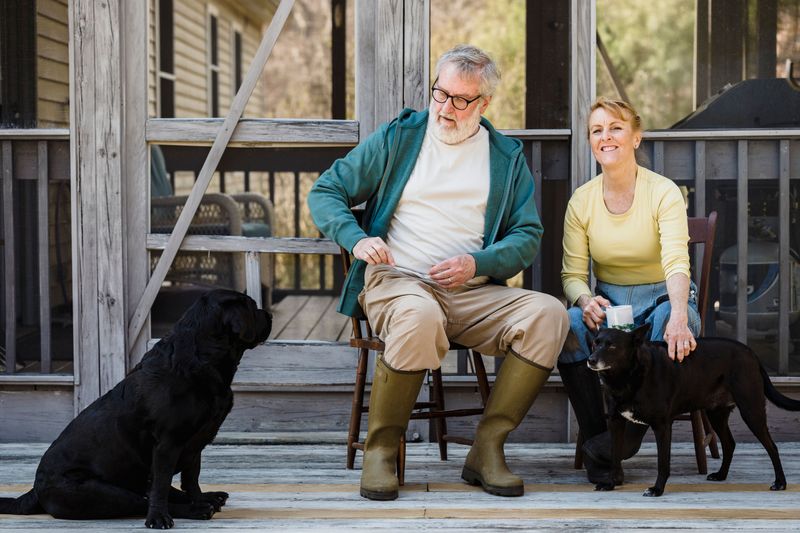
Thoughtful perks exist for many owners. Some jurisdictions offer reduced fees for senior citizens, often starting at age 62 or 65.
Qualifying veterans and military members may receive discounts in certain areas. California law also generally waives license fees for qualifying guide, signal, and service dogs.
Documentation is usually required, and rules differ by location. Ask your local office what applies, since a simple question could lower your cost.
18. Prepared Owners Bring Dogs Home

Here is the heart of it all. Checking rules before moving keeps you compliant and your records accurate.
Current licenses, tags, and microchip details work together like a safety net. If your dog ever wanders off, shelters can find you much faster.
A little planning now brings real peace of mind. Your dog cannot fill out forms, but you can, and that care helps keep your companion safely home.