Why Arizona Dog Ownership Can Get More Expensive During Summer

Summer in Arizona is tough on people, and it can be even harder on dogs. The heat changes how we walk, feed, cool, and care for our pups.
Those changes often show up in the budget, sometimes in surprising ways. Here is a friendly look at the extra costs local owners can expect, plus simple ways to plan ahead and stay calm.
1. Air Conditioning Works Overtime
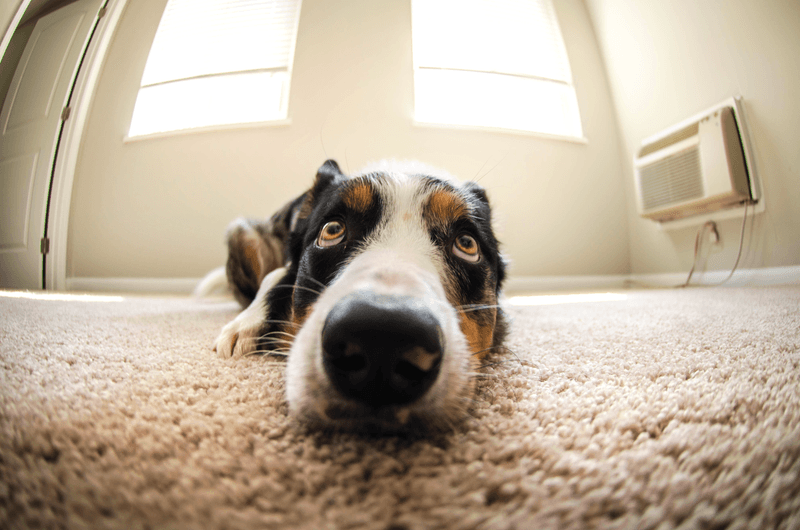
Your thermostat becomes your dog’s best friend from June through September. Many vets suggest keeping indoor spaces around 75 to 78 degrees when pets are home.
Arizona summer electric bills often average around $230 to $265 a month. Cooling can make up half or more of that total.
Raising the setting to 85 while you are away saves money, but it is too warm for most dogs.
Ask your utility about time-of-use plans to trim costs safely.
2. The Water Bill Creeps Up
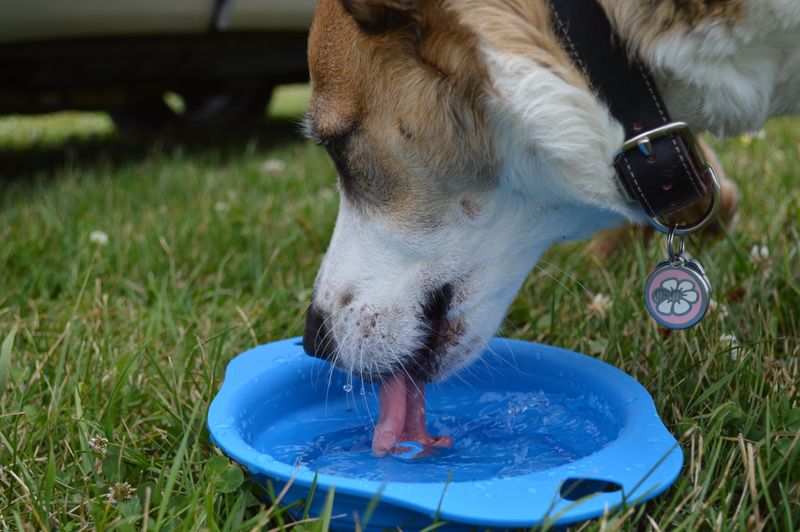
Picture refilling the water bowl three or four times a day. Dry desert air pulls moisture from dogs quickly, so they drink far more in summer.
You may also rinse paws, fill kiddie pools, or run misters on the patio. All of that adds up on your monthly water bill.
A few ice cubes keep bowls cooler for longer. Placing extra bowls in shaded spots means less waste from evaporation, too.
3. Cooling Mats, Vests, and Bandanas

Thick-coated breeds feel the heat first. A husky or golden retriever can struggle even indoors on the hottest afternoons.
Cooling mats offer a chilly spot to stretch out. Cooling vests and bandanas, usually soaked in water, help lower body temperature during short outings.
Prices vary widely by size and brand. Start with one well-reviewed mat, then add a vest if your dog spends time outside.
Always supervise dogs wearing wet gear.
4. Booties for Scorching Pavement
Here is a quick test: press the back of your hand on the pavement for seven seconds. If it hurts you, it will hurt your dog.
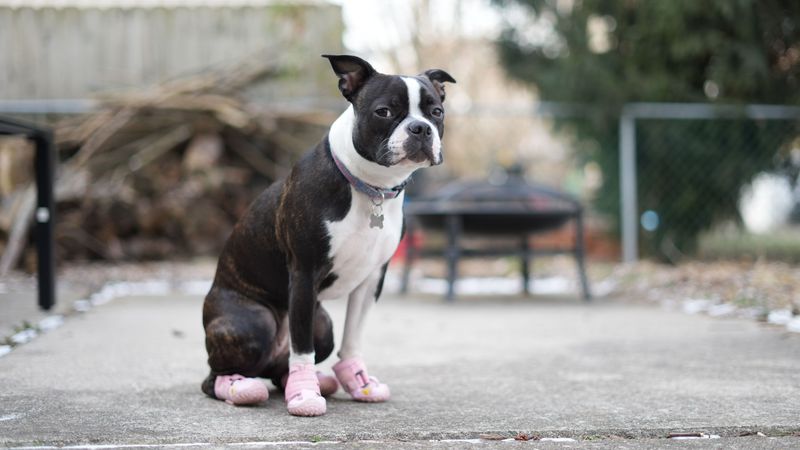
Asphalt in Arizona can climb far above the air temperature, sometimes near 180 degrees. Protective booties give paws a helpful barrier.
Many dogs need a few short practice sessions before they walk comfortably in them. Booties help, but they do not make midday walks safe.
5. Shade Structures for the Backyard
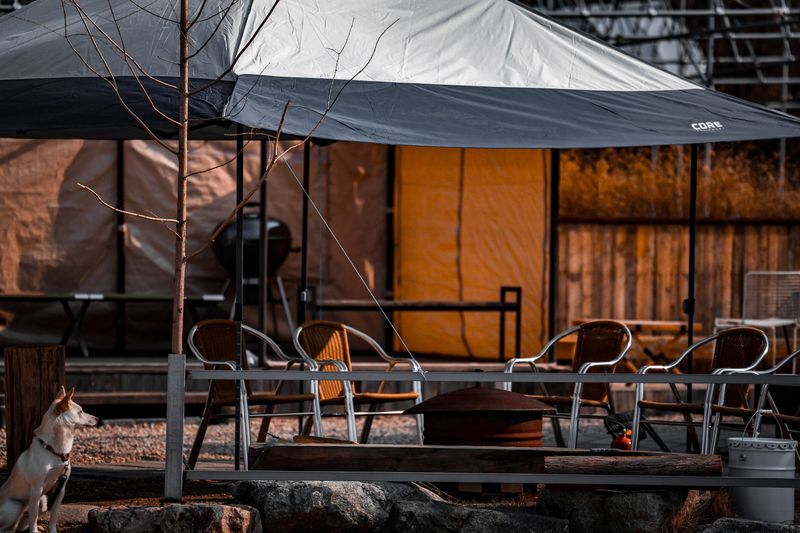
Old-fashioned doghouses can actually trap heat in the desert. Inside, they may feel warmer than the open air.
Covered patios, shade sails, and mature trees work much better. Shade cloth is often a budget-friendly choice, while pergolas cost more.
Even brief outdoor potty trips go smoother with a shaded path. Some cities have rules about outdoor shelter for pets, so check your local animal control guidelines.
6. Brushing Through Shedding Season

Fur tumbleweeds rolling across your floor? Desert dogs often shed heavily in spring and fall as temperatures and daylight shift.
Owners usually end up buying better brushes, undercoat rakes, and gentle shampoos. Groomers may offer de-shedding add-ons, often around $10 to $50 depending on size and coat.
Regular brushing at home keeps coats airy and skin healthy. A caution for owners: shaving double-coated breeds is generally not advised without a groomer’s input.
7. More Trips to the Groomer
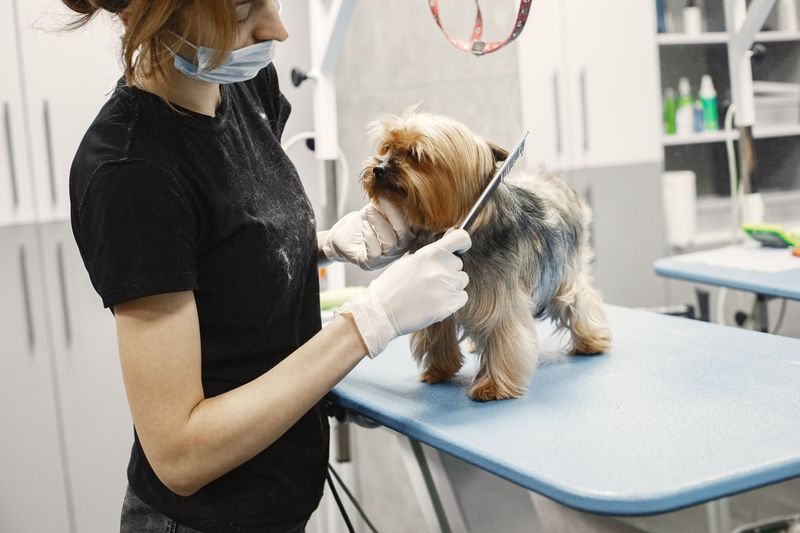
Groomers in Phoenix and Tucson stay busy all summer. For heavy shedders, visits every four to six weeks are often recommended during peak seasons.
Full grooming prices typically range from $50 to $200. Breed, size, coat condition, and temperament all affect the cost.
Matted coats may bring extra fees.
Booking a regular schedule early helps you snag preferred time slots. Some salons offer package pricing for frequent visits, so it is worth asking.
8. Emergency Care for Heat Illness
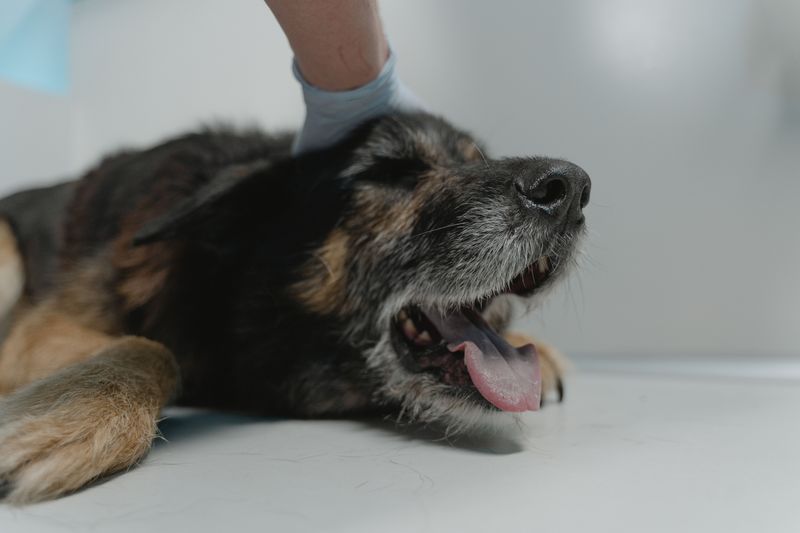
Nobody plans for an emergency vet visit, but heat illness is a real summer concern. Warning signs include heavy panting, drooling, bright red gums, weakness, and vomiting.
Heatstroke needs a vet right away. An emergency exam alone may cost $100 to $350.
Full treatment with fluids, bloodwork, and hospital stays can reach several thousand dollars.
Save your nearest emergency clinic’s number now. Pet insurance or an emergency fund brings real peace of mind.
9. Treating Sore Paw Pads
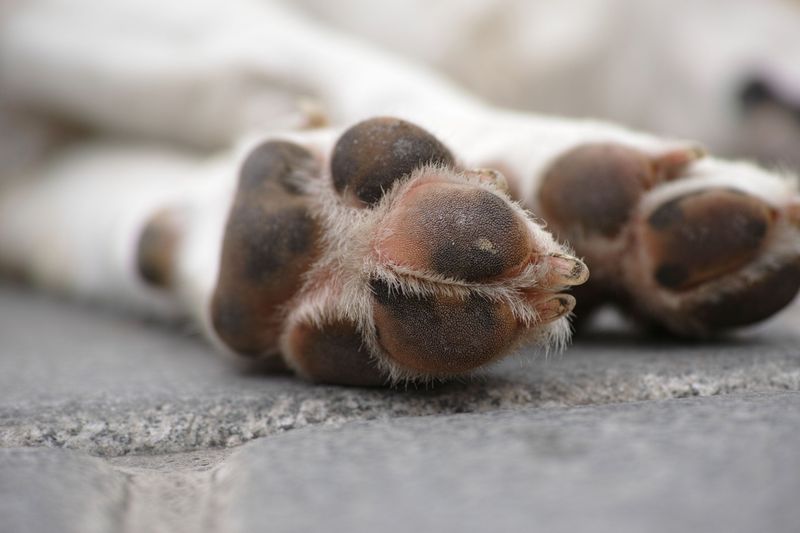
Limping after a walk is often the first clue. Hot pavement, sand, and even artificial turf can blister tender paw pads.
A vet visit may include cleaning, pain relief, bandaging, and sometimes antibiotics. Serious burns can need longer care, so costs vary widely.
Prevention is far cheaper. Walk on grass when possible, stick to cooler hours, and check paws after every outing.
Call your vet if you notice redness or peeling.
10. Dehydration and Related Treatment
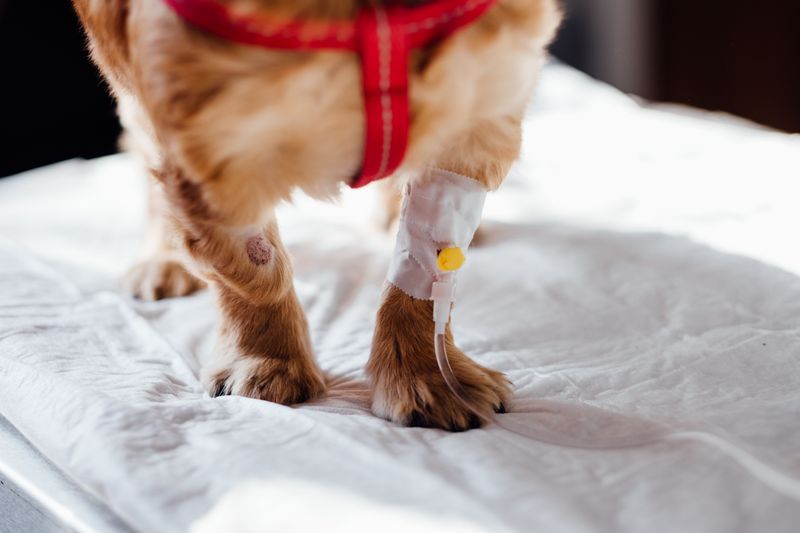
Dry gums, sunken eyes, and thick saliva can point to dehydration. Sluggish behavior is another sign worth noticing.
Vets often treat it with fluid therapy. That can run about $50 to $200 per day in a regular clinic, and more in an emergency setting.
Try the skin test at home. Gently lift the skin between the shoulders.
If it snaps back slowly, offer water and call your vet for guidance.
11. Year-Round Parasite Protection
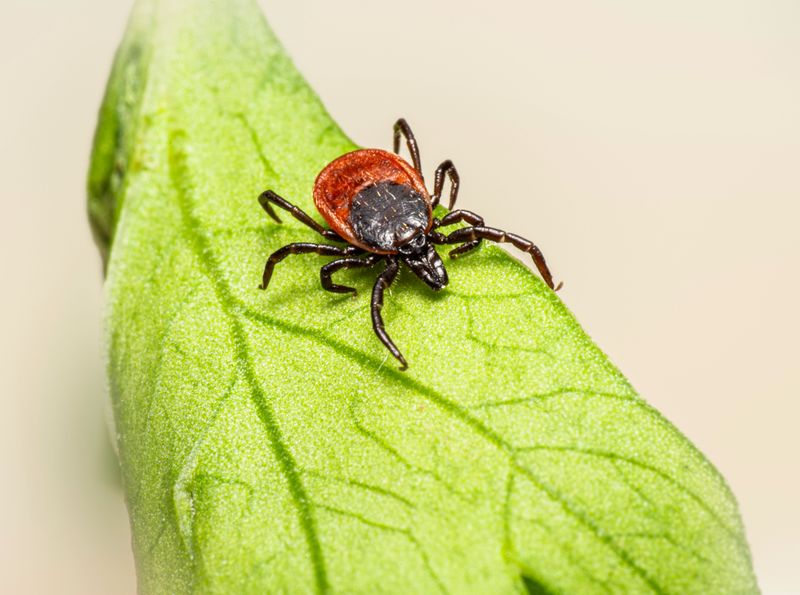
Many people assume desert heat keeps bugs away. In reality, fleas and ticks can stay active in parts of Arizona all year.
Monthly preventives often cost $8 to $30. Some three-month chewables run $60 to $90, and yearly injectable options are also available through vets.
Your vet can recommend the right product for your dog’s size and lifestyle. Skipping doses may lead to bigger bills later, so set a phone reminder.
12. Indoor Daycare on Blazing Days
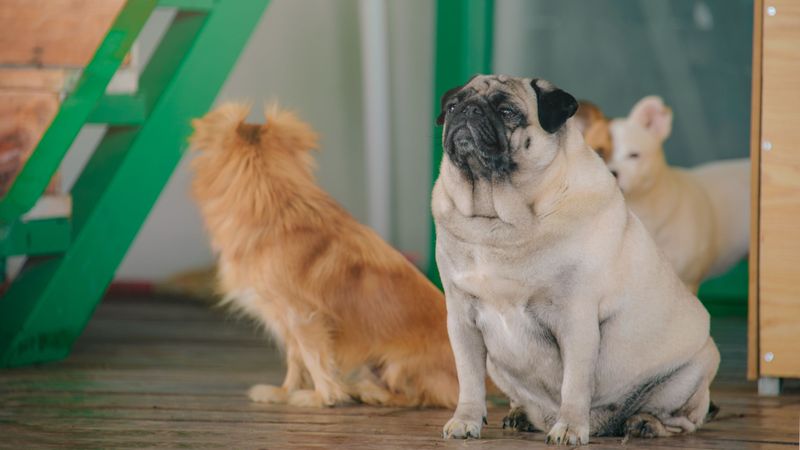
High-energy pups do not stop needing play just because it is 110 outside. Indoor daycare gives them a safe, air-conditioned place to burn energy.
Full days in Arizona often cost $20 to $40, while half days may run $10 to $25. Phoenix averages sit around $35 per day.
Many centers sell discounted multi-day packages. Ask about extra fees for puppies, late pickups, or additional dogs before signing up.
13. Toys and Puzzles for Indoor Fun
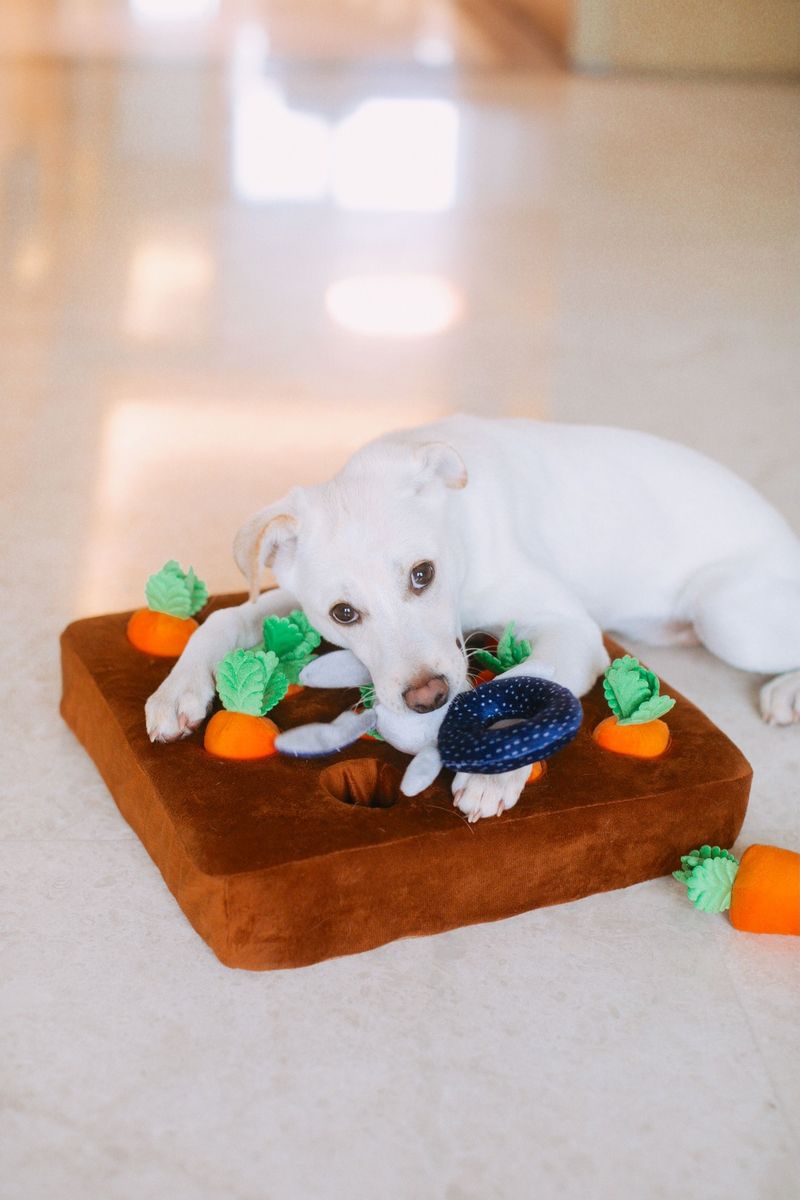
A bored dog can find creative ways to entertain itself, like redecorating your couch cushions. Summer indoor time makes enrichment a must.
Puzzle feeders, snuffle mats, and chew toys keep minds busy. Some owners add treadmills or tug ropes for exercise.
You do not need to buy everything at once. Rotate a few toys weekly so old favorites feel new.
Short training sessions are free and wonderfully tiring.
14. Dawn Walks and Paid Walkers

Sunrise walks become a daily ritual for many desert owners. Late evening strolls work well too, once pavement cools.
When work schedules clash, a dog walker can help. Phoenix walkers often charge $10 to $35 per walk, with 30-minute visits around $20.
Some services switch to indoor potty breaks during extreme heat. Also, several Phoenix trails close to dogs at 100 degrees or higher, so check local rules first.
15. Hydration Gear for Outings
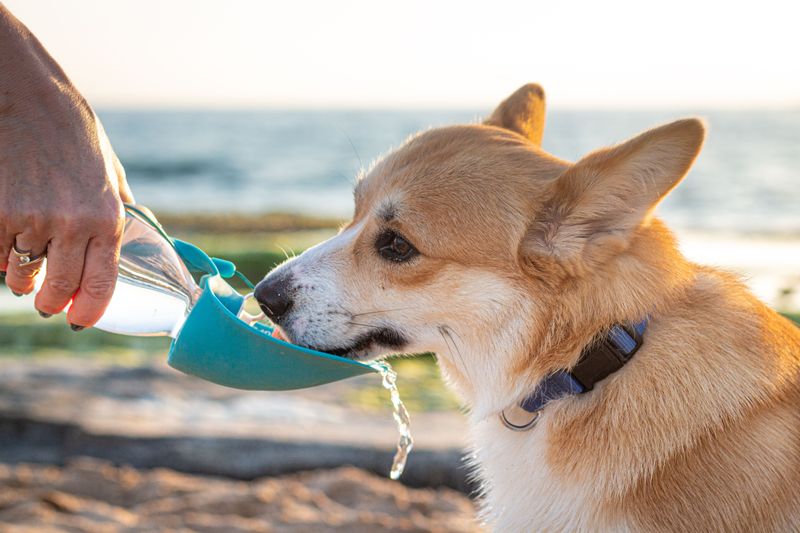
Smart owners never leave home without water for their pup. Even a quick errand can turn thirsty in desert heat.
Portable pet water bottles usually cost $12 to $25. Collapsible bowls often come in multi-packs starting around $12.
Keep one set in the car and another by the leash hook. That way, hydration is always ready.
Offer small sips often rather than one big drink.
16. Sun Protection for Light Coats

Did you know dogs can get sunburned? White, light-colored, and thin-coated dogs are especially at risk, often on noses and bellies.
Pet-safe sunscreens range from about $8 to $29. UPF 50 sun shirts may cost around $39 to $45.
Never use human sunscreen without asking your vet. Some ingredients, like zinc oxide, can be unsafe for dogs if licked.
Your vet can suggest a safe choice.
17. Running the Car AC on Trips

Road trips with a furry copilot mean blasting the air conditioning. Pre-cooling the car before loading your dog uses even more fuel or battery.
That extra energy adds a little to each outing. It is a worthwhile cost for comfort and safety.
One firm rule stays constant: never leave a dog in a parked car, even with windows cracked. Plan stops at pet-friendly spots so your dog stays with you.
18. Keeping the AC System Reliable
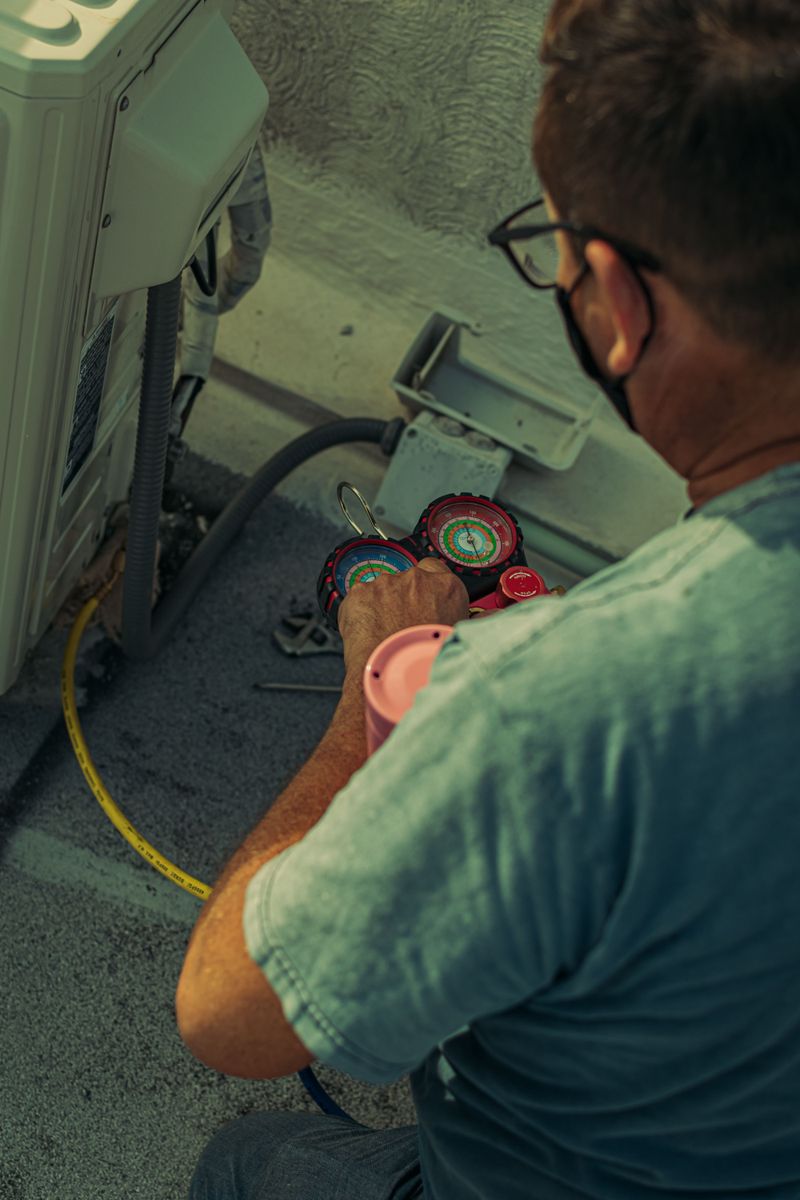
A broken AC in July is stressful for everyone, especially pets. Reliable cooling becomes a safety matter in the desert.
Yearly or twice-yearly tune-ups help prevent breakdowns. Change filters every 30 to 60 days, since pet hair and dust clog them.
Phoenix repairs average around $362, though major parts cost much more.
A portable AC unit or a trusted pet sitter with cooling makes a smart backup plan.