Why Colorado Dog Owners Start Checking The Sky Earlier Than Their Dogs Expect
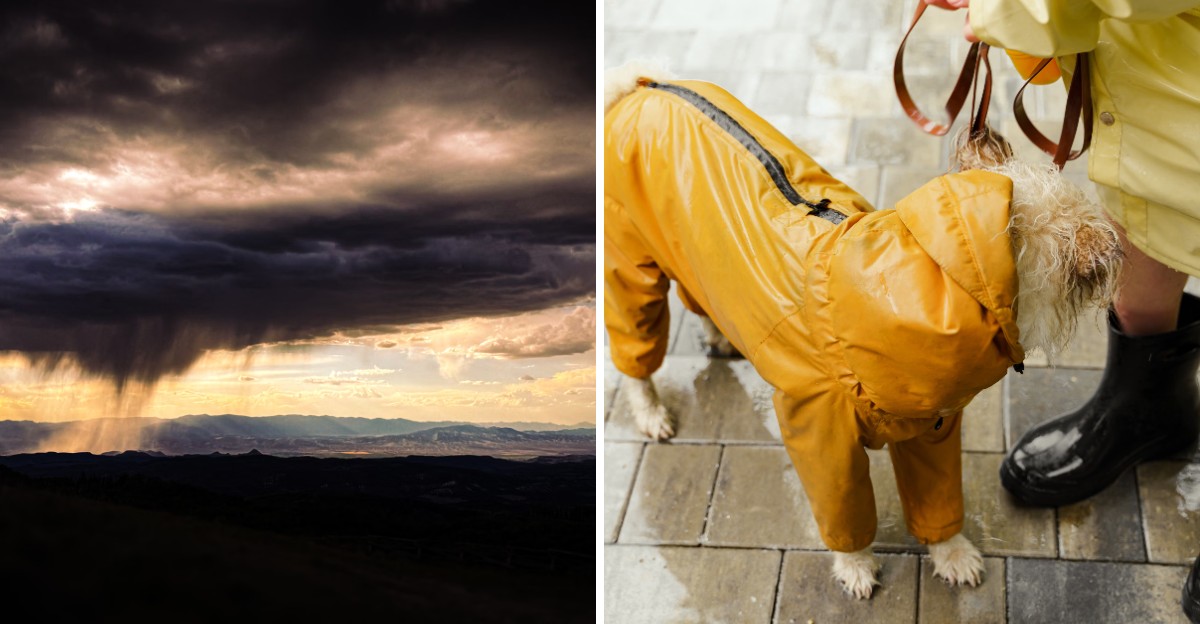
Your dog may be ready for another block, but Colorado skies sometimes suggest a shorter route home. Between mountain storms, strong sunshine, and sudden temperature changes, a little planning helps keep walks comfortable.
You do not need to become a weather expert to make good choices for your dog. Knowing what to watch, what to pack, and when to change plans makes outdoor time easier for both of you.
1. Colorado’s Afternoon Storms Can Arrive Faster Than Expected
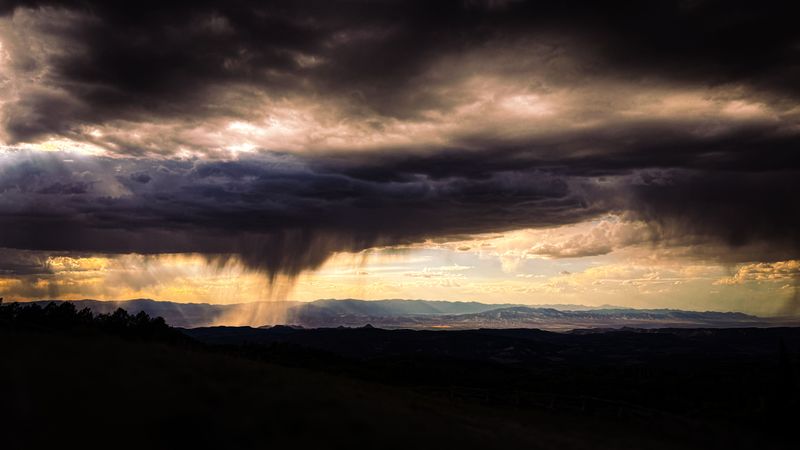
A bright lunch break does not promise a clear afternoon along Colorado’s Front Range. During warmer months, thunderstorms often develop over higher ground before moving toward nearby communities.
Their timing varies, so morning sunshine cannot replace an updated forecast.
Check hourly conditions before leaving, especially when planning a longer outing. Choose a loop with easy exits toward home or your vehicle.
Turning around early keeps the walk pleasant instead of making your return feel rushed.
2. Dark Clouds Over the Mountains Are Worth Watching
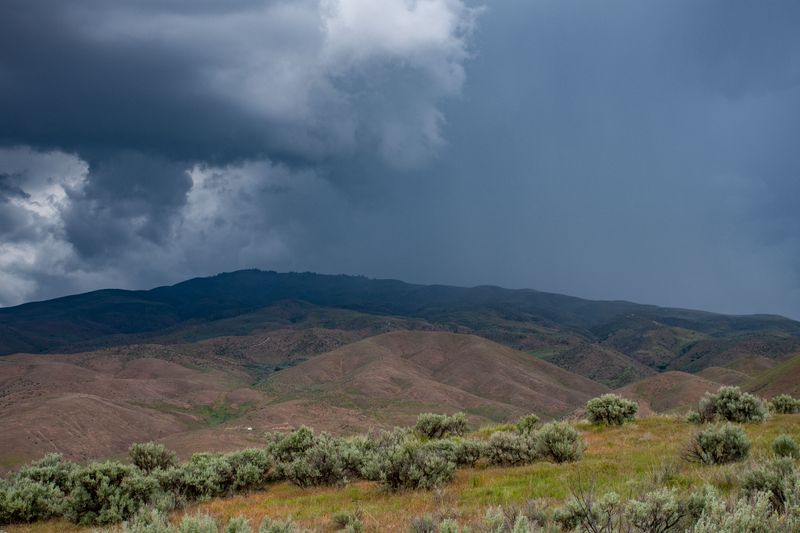
The mountain view can offer useful clues before rain reaches your neighborhood. Growing cloud towers, a darkening horizon, and distant thunder deserve attention during a walk.
Still, cloud color alone cannot tell you whether your route is safe.
Compare what you see with current radar and local forecasts before continuing farther. Leave yourself enough time to reach proper shelter.
A familiar trail can wait when the sky begins changing faster than your walking plans allow.
3. Lightning Can Make an Ordinary Dog Walk Risky
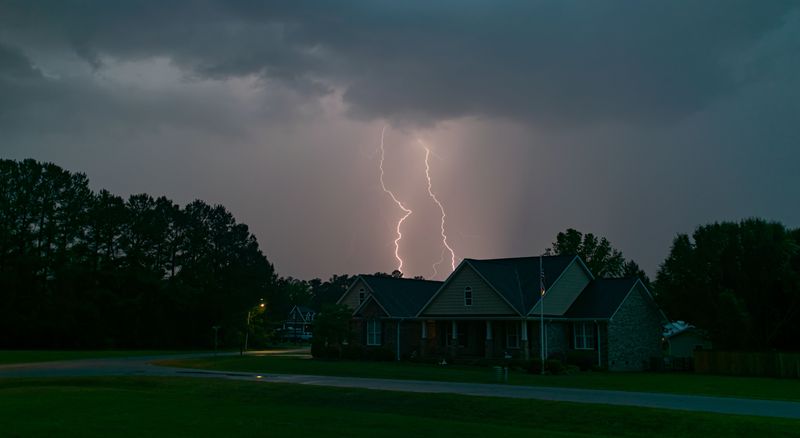
Hearing thunder means lightning may be close enough to pose a risk, even before rain starts. Head into a substantial, fully enclosed building or a hard-topped vehicle with the windows closed.
Picnic shelters, isolated trees, and open porches do not provide reliable protection.
Keep your dog with you and avoid lingering outside to finish the usual loop. National Weather Service guidance recommends waiting thirty minutes after the last thunder before resuming outdoor activities.
That pause also offers time indoors.
4. Hail Can Catch Dogs Off Guard
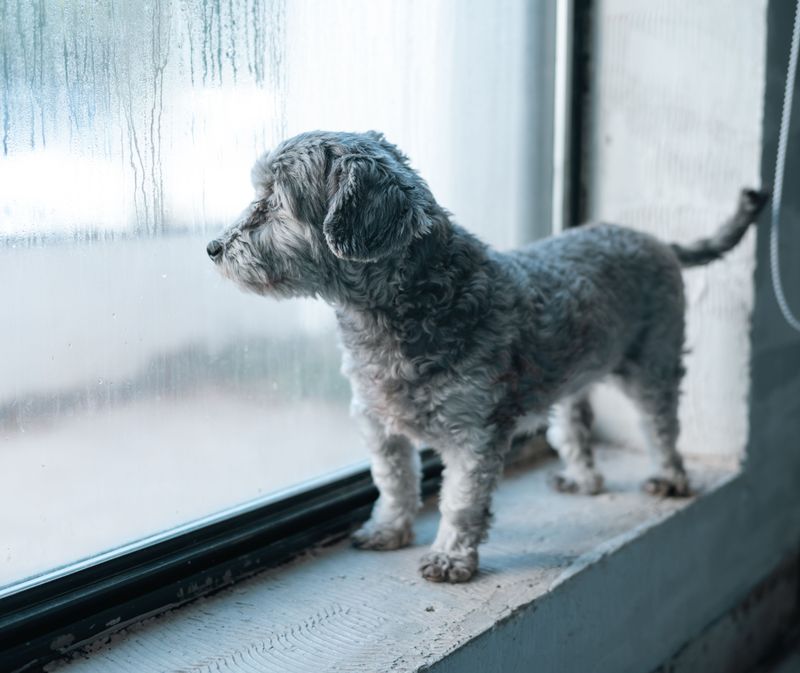
Those first sharp taps can surprise even a confident dog. Colorado thunderstorms sometimes produce hail, making nearby indoor shelter more useful than an umbrella.
Check forecasts for hail potential before heading away from buildings or your car.
If hail begins, move inside without asking your dog to investigate or keep walking. Once conditions improve, check paws and exposed skin for tenderness.
Contact your veterinarian if your dog shows persistent discomfort, unusual behavior, or signs of injury afterward.
5. High Elevation Makes Weather Changes More Noticeable
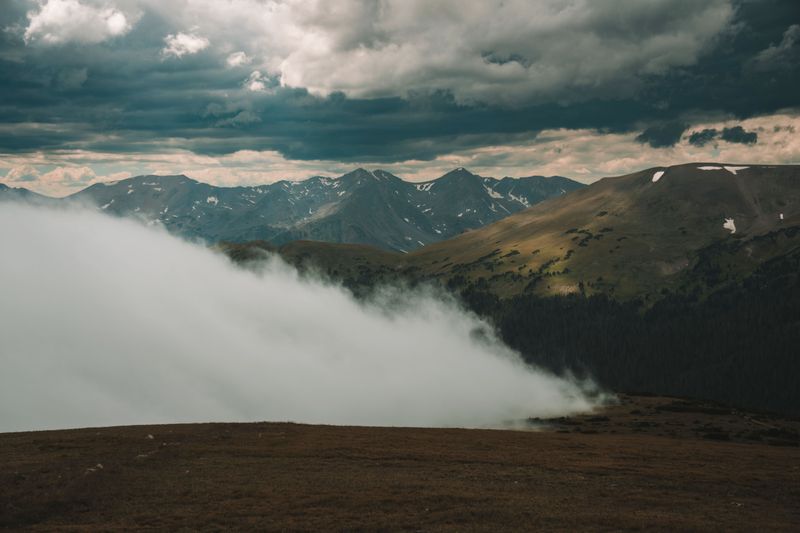
A comfortable trailhead can lead to colder, windier conditions higher up. Elevation, exposure, and changing cloud cover all affect how a hike feels.
Forecasts for nearby towns may not reflect conditions along a high mountain route.
Look for a forecast covering your destination’s elevation before loading the car. Pack layers for yourself and suitable protection for your dog when needed.
Choose shorter outings while learning your dog’s comfort level, fitness, and response to mountain conditions.
6. Sunny Skies Can Hide Dangerous Heat
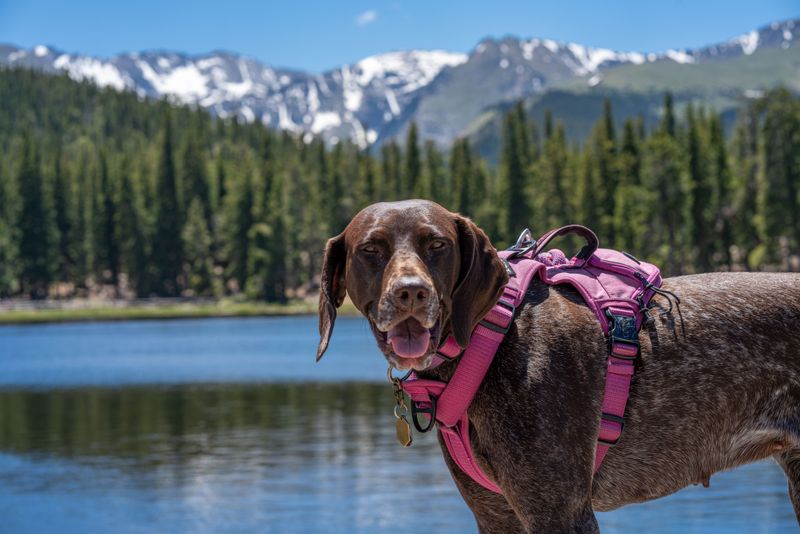
Cloudless weather can look inviting while making exercise uncomfortable for your dog. Dogs rely heavily on panting to regulate their body temperature, and some struggle more than others.
Flat faced breeds, older dogs, and dogs with health conditions need extra care.
Reduce activity during heat and watch for heavy panting, slowing down, or weakness. Move into a cool place if these appear.
Contact a veterinarian promptly for concerning symptoms rather than waiting for your dog to recover without help.
7. Pavement Can Heat Up Before Dogs Are Ready
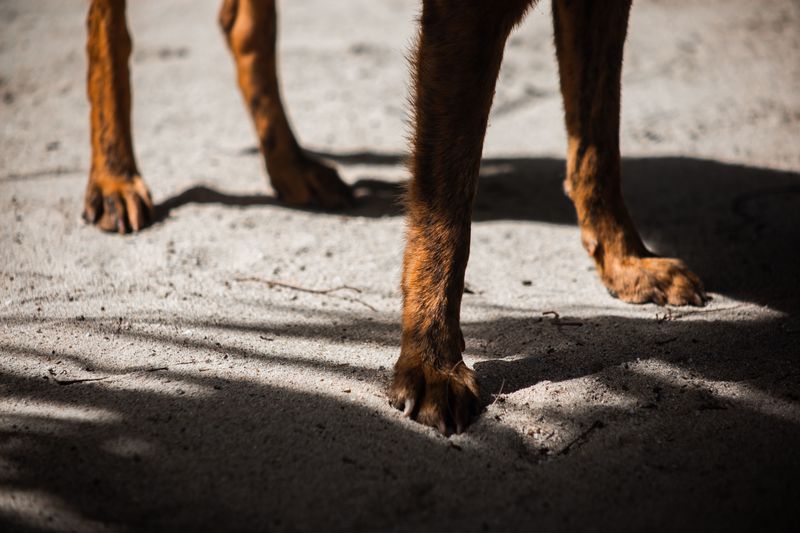
Your shoes hide a detail your dog feels with every step. Asphalt and concrete can become much hotter than the surrounding air.
A pleasant breeze does not guarantee comfortable footing on a sunny sidewalk.
Touch the surface before walking, recognizing that a hand check cannot guarantee safety. Choose cooler paths when pavement feels hot, and inspect paws after outings.
Introduce properly fitted boots gradually if useful. Shorter walks on shaded surfaces often make more sense.
8. Afternoon Wind Can Change a Walk in Minutes
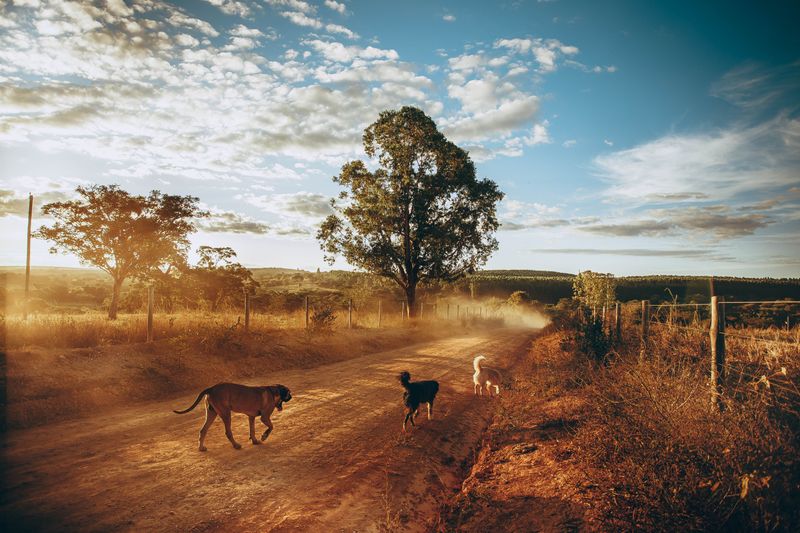
A sudden gust can turn a peaceful outing into a distracting one. Blowing dust may bother eyes, while loose objects and moving branches create obstacles.
Gusty winds can also arrive ahead of nearby thunderstorms.
Shorten your route when conditions become uncomfortable, especially around trees showing damage. Check your leash grip and harness fit before leaving home.
If wind accompanies thunder, seek proper shelter. On dry, windy days, review local fire information before using nearby trails.
9. Dry Weather Does Not Mean Colorado Has No Flood Risk

Rain does not need to fall overhead for water levels to rise nearby. Storms upstream can affect creeks, canyon routes, and low crossings.
Areas affected by wildfire can face greater runoff problems during heavy rain.
Check flood alerts before visiting narrow canyons or trails beside streams. Never enter moving floodwater with your dog, even when a crossing looks familiar.
Respect closures and select another route. Higher ground offers a better destination when water starts rising.
10. Snow Can Return When the Forecast Looks Mild
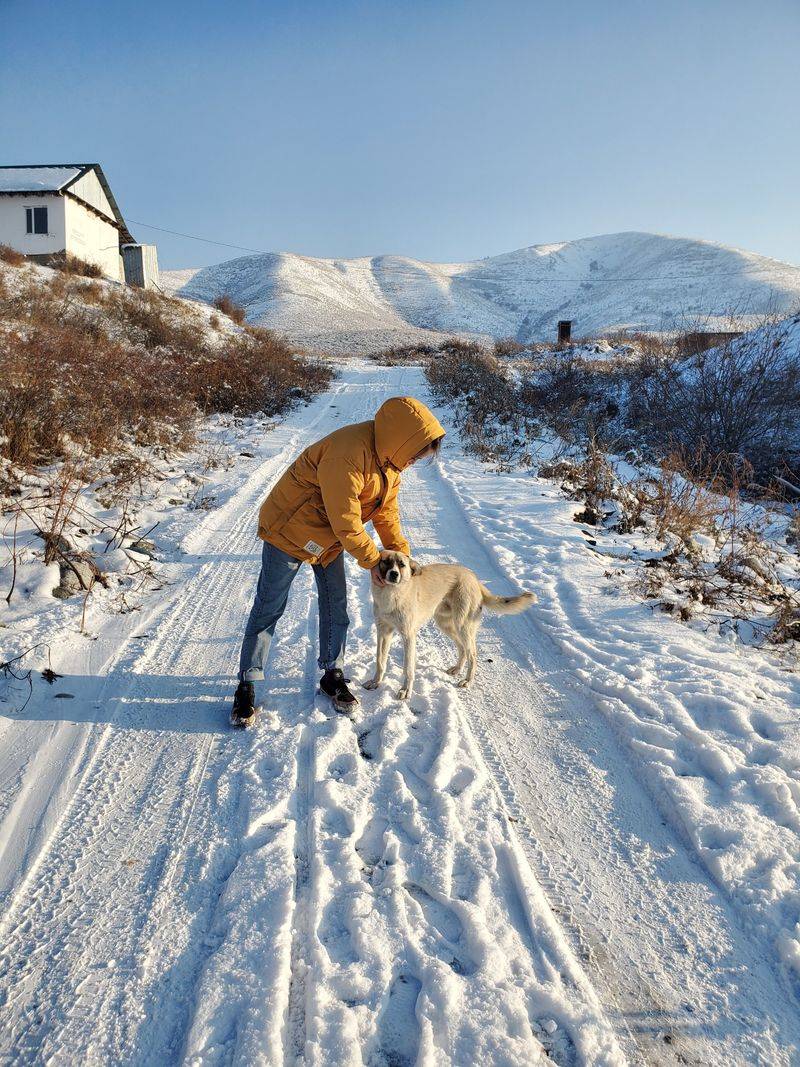
Spring flowers and fresh snow can share the same Colorado week. A mild daytime high may hide a colder morning or changing evening conditions.
Mountain routes can hold snow and ice after neighborhood sidewalks clear.
Read the full forecast, including timing and elevation, before choosing your outing. Bring suitable layers and consider a coat for dogs sensitive to cold.
Afterward, check paws for packed snow or irritation. Adjust your distance when footing becomes less secure.
11. Seasonal Forecasts Help You Pick Better Walking Times
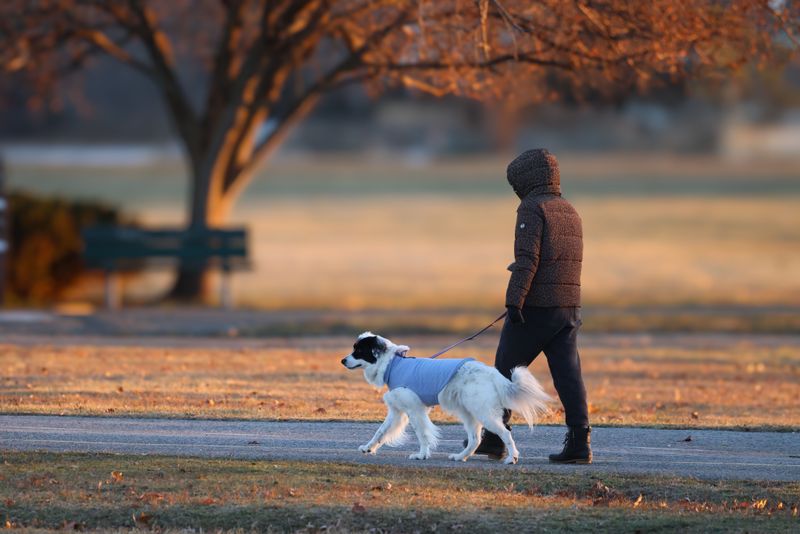
Picking the right hour often matters more than picking the longest route. Summer mornings may offer cooler conditions, while winter afternoons sometimes provide better warmth.
Neither pattern replaces checking the forecast for that particular day.
Use seasonal trends as a starting point, then review hourly temperatures and storm chances. Consider daylight, trail conditions, and your dog’s needs together.
A regular routine helps, but leaving room for changes makes that routine easier to maintain throughout Colorado’s seasons.
12. Colorado Weather Alerts Deserve a Place in Your Routine
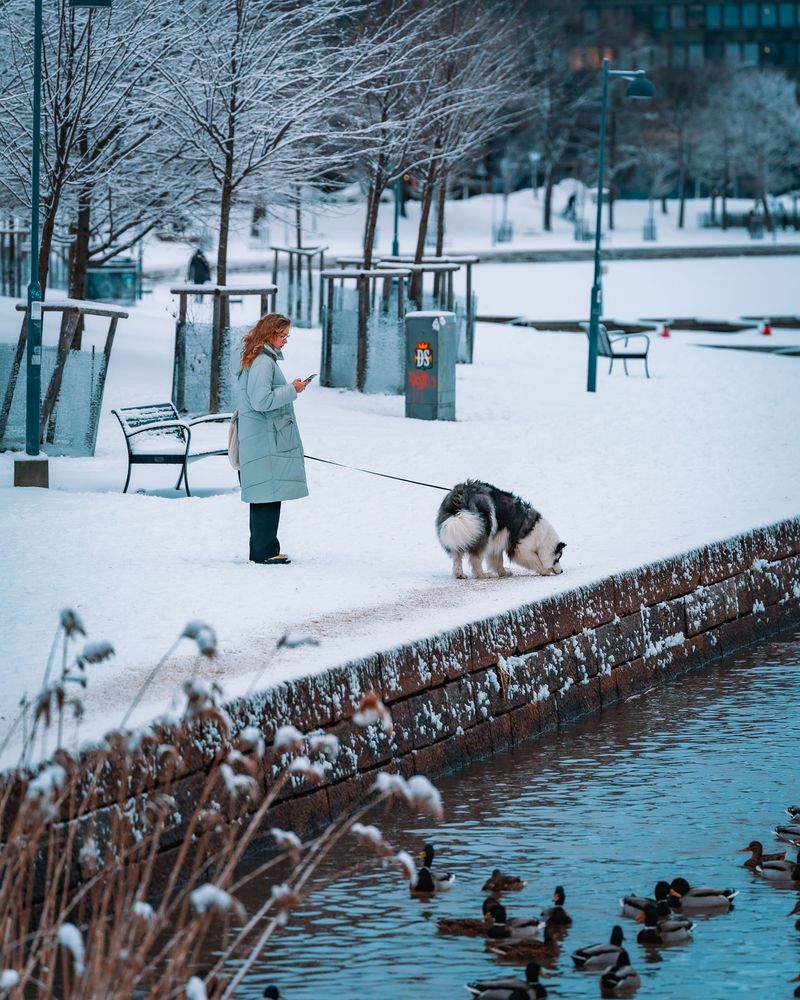
Your phone can provide useful notice before conditions interrupt an ordinary walk. Enable emergency alerts and check National Weather Service forecasts for your location.
Local emergency offices may also offer notifications, though available systems vary by community.
A watch means conditions favor a hazard, while a warning generally calls for prompt protective action. Read each message for specific instructions and affected areas.
Keep location settings current during trips, and remember that mountain cell service may disappear.
13. Your Dog May Notice the Weather Before You Do
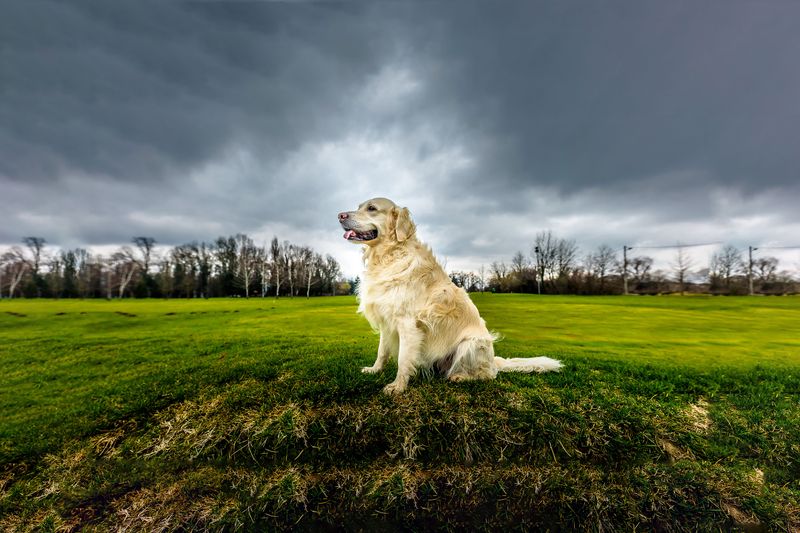
Some dogs grow restless when distant thunder begins, before their owners notice it. Others react to wind, unfamiliar sounds, or changes around the house.
These behaviors offer clues, but they are not reliable weather forecasts.
Pair your observations with actual alerts instead of relying on your dog’s reactions alone. Offer a quiet indoor space during storms, and avoid forcing frightened dogs outside.
Ask your veterinarian about ongoing storm anxiety, especially when it disrupts normal routines.
14. Mountain Hikes Need More Than a Quick Look Outside
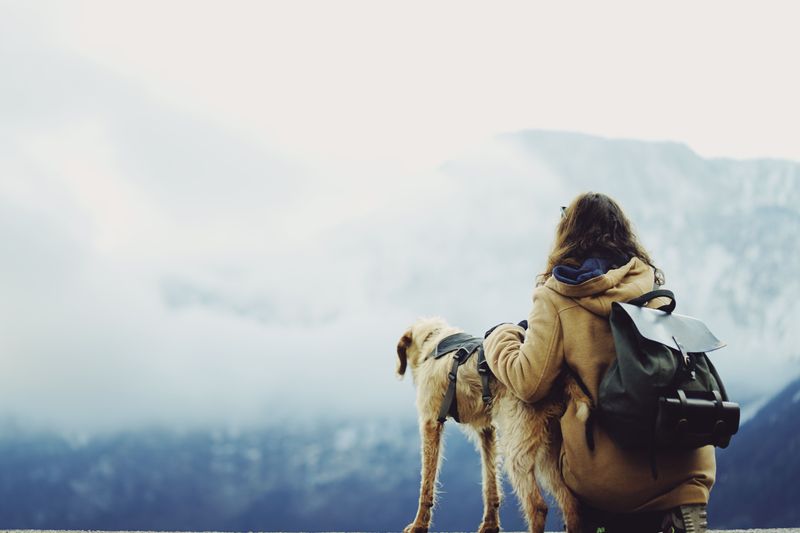
The sky above your driveway cannot describe an entire mountain hike. Conditions may differ across ridges, valleys, and exposed sections of the same trail.
Longer routes also leave fewer options when storms develop.
Review the route forecast, trail reports, and expected travel time before leaving. Plan an early turnaround and identify places where you can safely retreat.
Tell someone your plans. Verify dog access and leash rules with the land manager, since requirements vary locally.
15. Shaded Routes Can Make Warm Days More Manageable
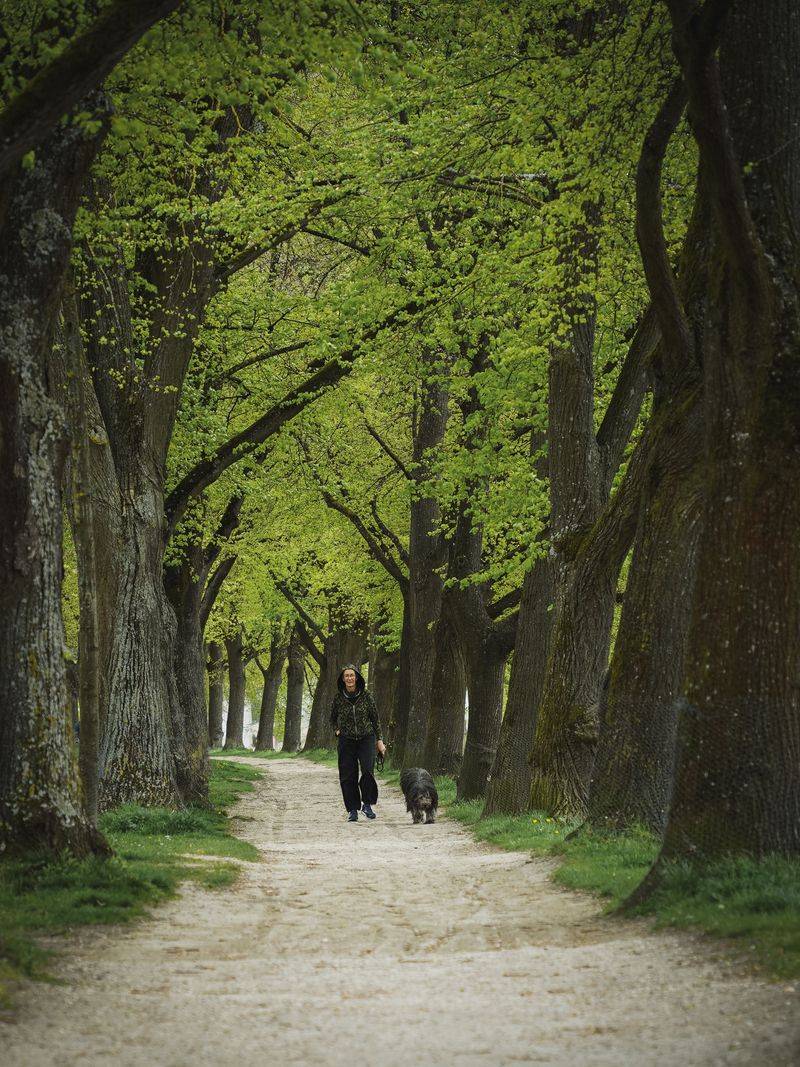
A leafy neighborhood loop may be a better choice than an exposed scenic trail. Shade reduces direct sun exposure and can make resting more comfortable.
However, shaded air can still be too warm for active exercise.
Compare routes before leaving and favor places with reliable shade throughout your planned walk. Carry water even on short outings, and check the ground temperature.
If your dog seems uncomfortable, head indoors rather than expecting trees to solve the problem.
16. Water Breaks Matter Even When the Air Feels Cool
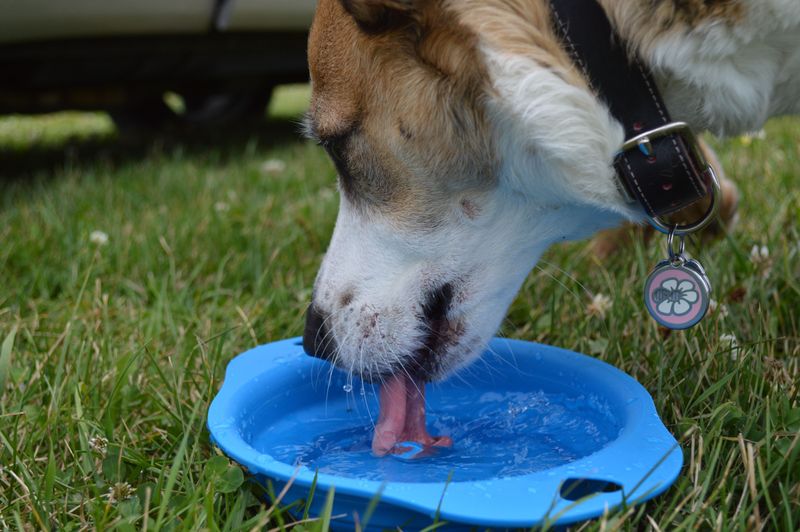
Cool mountain air can make thirst easier for owners to overlook. Dogs still need access to fresh water during exercise, including on cloudy days.
Activity level, body size, health, and temperature all affect their needs.
Bring enough clean water for both of you and offer regular breaks. Avoid relying on streams, puddles, or snow as drinking sources.
Ask your veterinarian about individual concerns. A portable bowl makes stopping simple without expecting your dog to signal thirst.
17. A Weather-Ready Dog Walking Kit Saves Time
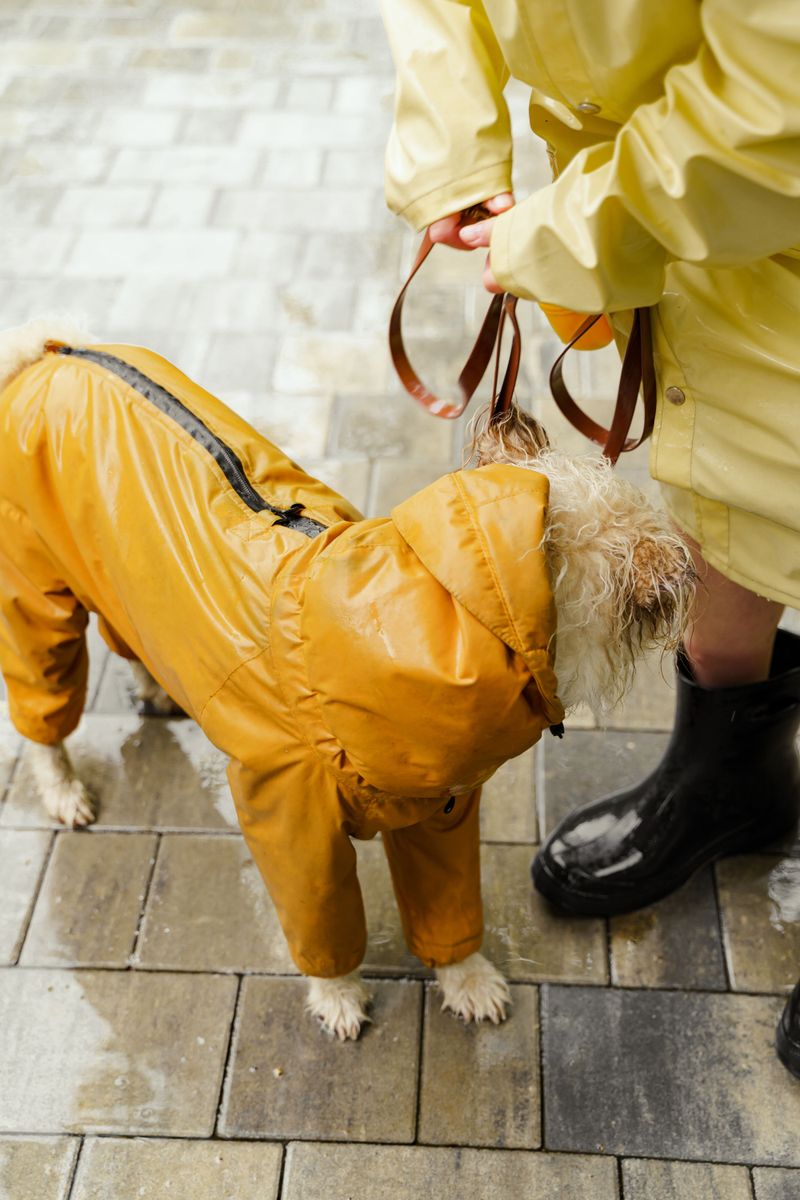
Keeping supplies beside the leash removes one small obstacle to better planning. Water, a bowl, waste bags, identification, and a charged phone cover everyday needs.
A towel and suitable layers can help when conditions change.
Add basic first aid supplies for longer outings, and learn how to use them. Check harness fit and replace damaged gear before leaving.
Your kit supports good decisions, but it cannot make unsafe weather suitable for another walk outside that day.
18. A Flexible Walking Schedule Keeps Dogs Safer

Skipping the long loop does not mean letting your dog down. Short bathroom trips and indoor games can suit days with poor conditions.
Food puzzles, gentle training, and scent games provide activity without unnecessary outdoor exposure.
Match these choices to your dog’s age, health, and comfort level. When conditions improve, return to your usual outings gradually.
Check the sky, trust current guidance, and stay willing to adjust. A flexible plan helps keep adventures comfortable for everyone.