Why Dog Rules Can Change When You Visit Tribal Lands In Arizona
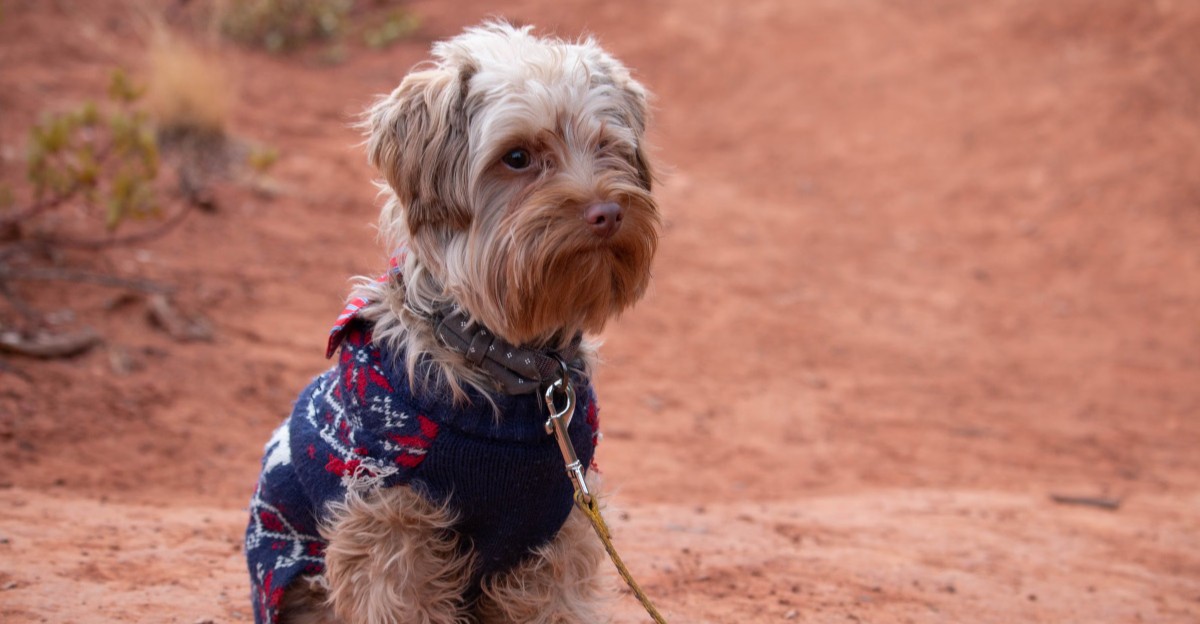
Exploring Arizona with your dog can mean crossing into places with different rules, even during one short drive. Tribal nations govern their own lands, so familiar pet policies may not apply at your next stop.
A little planning helps you respect local communities while keeping your dog comfortable and welcome. Before packing the leash, learn who manages your destination, where dogs can go, and how to prepare a backup plan.
1. Tribal Lands Have Their Own Rules for Dogs
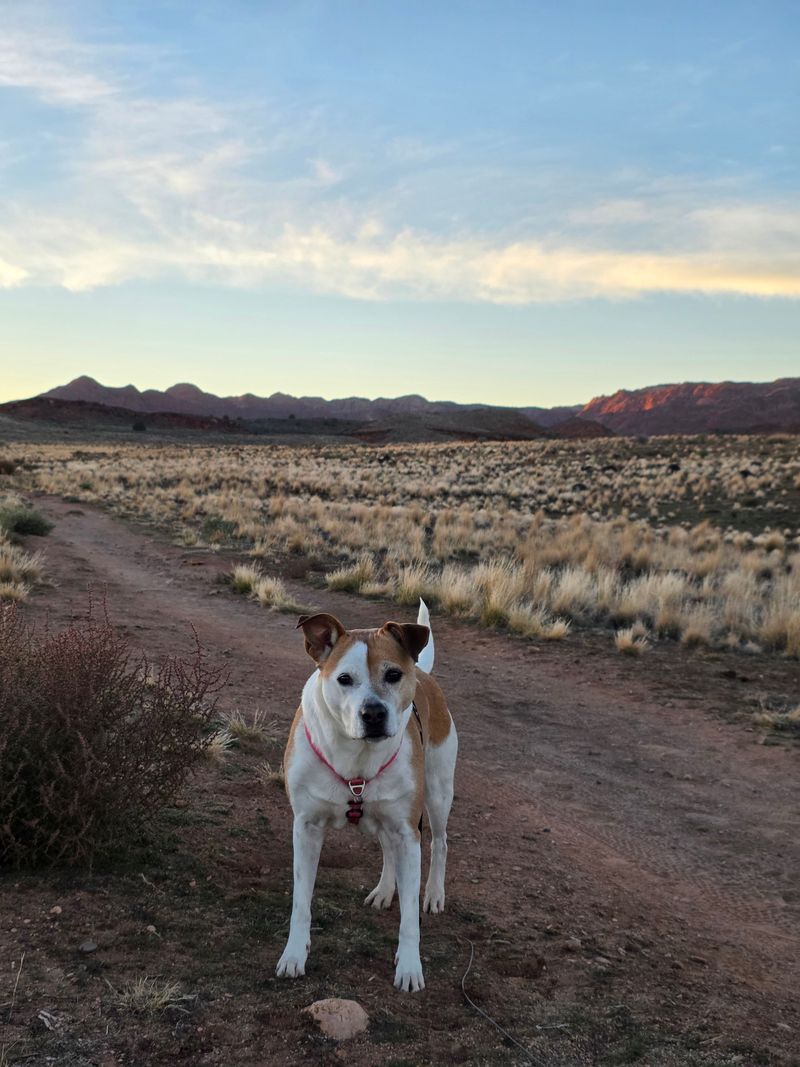
A boundary on the map can bring a different set of expectations for your dog. Tribal nations have authority to make rules on their lands, including rules affecting visiting pets.
Do not assume an Arizona city ordinance or state park policy applies at your destination. Ask the tribal visitor office which requirements cover your planned stop.
Following those directions respects tribal sovereignty and helps you avoid confusion when roads, parks, and communities sit close together geographically.
2. Check Tribal Rules Before Planning Your Visit
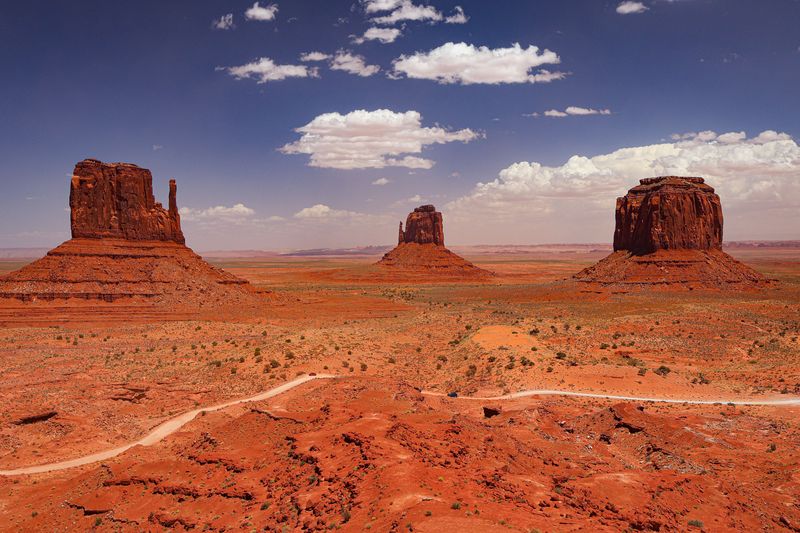
One quick phone call can save you a long drive with nowhere suitable to stop. Start with the tribal government’s website, tourism office, or the attraction’s official booking team.
Explain that you are bringing a dog and name each place you hope to visit. Ask about access, leash rules, documents, and any seasonal limits.
Save the answers offline, along with contact details, because mobile service may be limited once you reach a remote destination in Arizona.
3. Understand That Rules Differ Between Tribal Nations
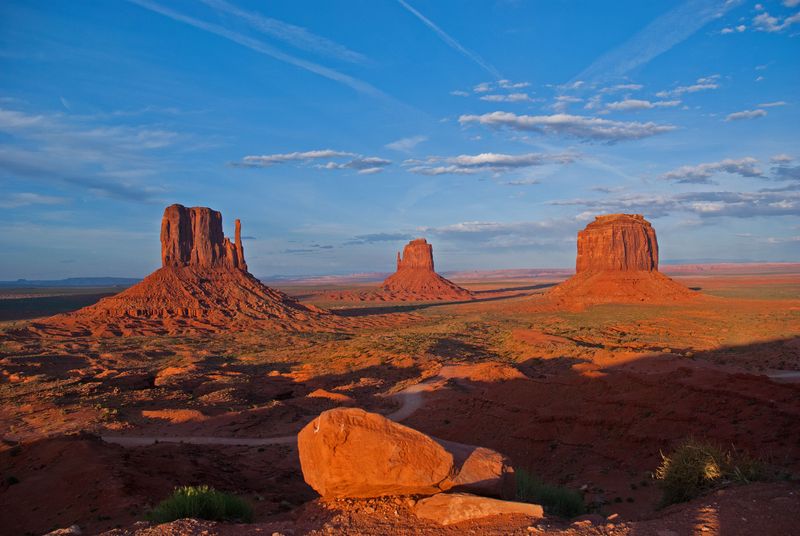
Permission at one destination does not carry over to another tribal nation’s land. Arizona includes many tribal nations, each with its own government, priorities, and visitor policies.
Even sites within the same nation may have different rules because their uses differ. A campground might welcome pets while a cultural attraction does not.
Build your itinerary around confirmed policies for individual stops, rather than treating tribal land as one large recreation area with a shared dog policy.
4. Dogs May Not Be Allowed at Every Tourist Attraction
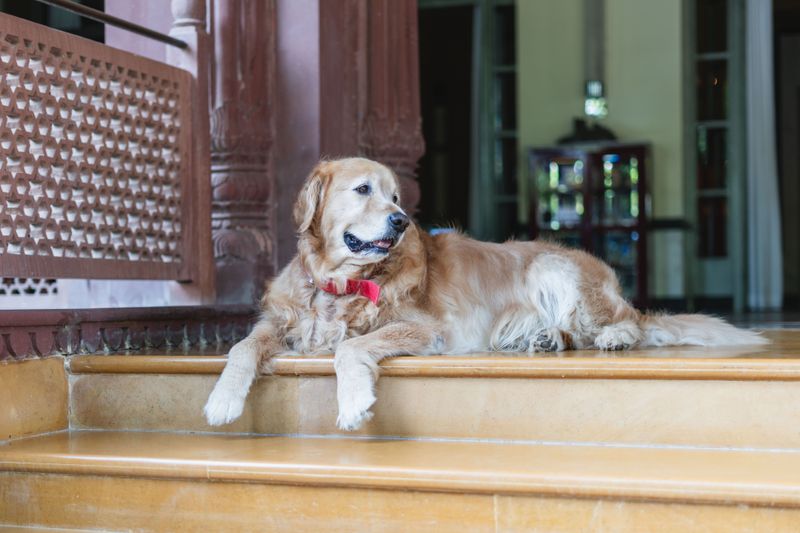
Your dog may enjoy the drive without being allowed through an attraction’s entrance. Museums, visitor buildings, overlooks, and cultural sites can set different limits for pets.
Check whether permission covers the grounds, buildings, shuttle, and walking route separately. A website saying dogs are welcome outdoors does not promise access everywhere.
Plan a suitable alternative before buying tickets. Never rely on leaving your dog in a parked vehicle, especially during Arizona’s warm weather or strong afternoon sunshine.
5. National Monument Rules Do Not Always Cover Nearby Tribal Land
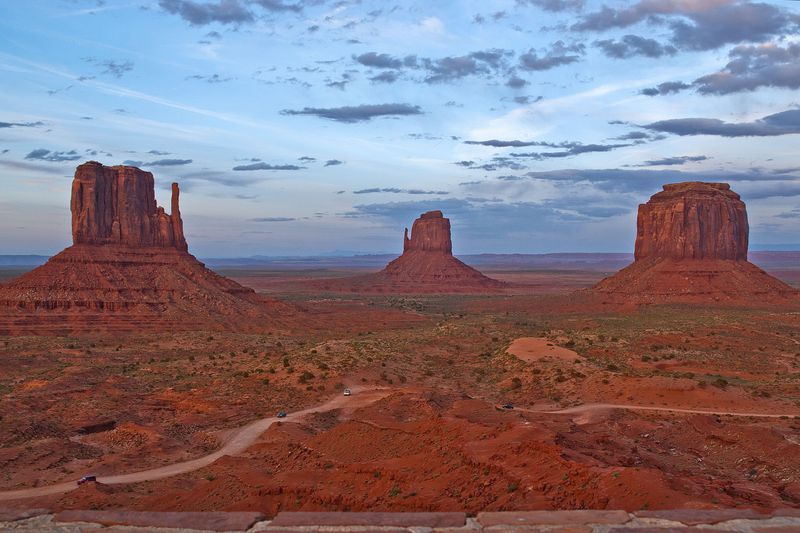
A familiar park sign does not explain every rule beyond the park boundary. National Park Service sites and neighboring tribal lands may have different managers and access requirements.
Some destinations also involve shared arrangements, so the property’s name alone may not settle your question. Identify who manages the exact trail, parking area, or tour you want.
Check that manager’s current pet guidance, and ask whether your route crosses into an area requiring separate permission for visitors.
6. Leash Requirements May Be Different From State Park Rules
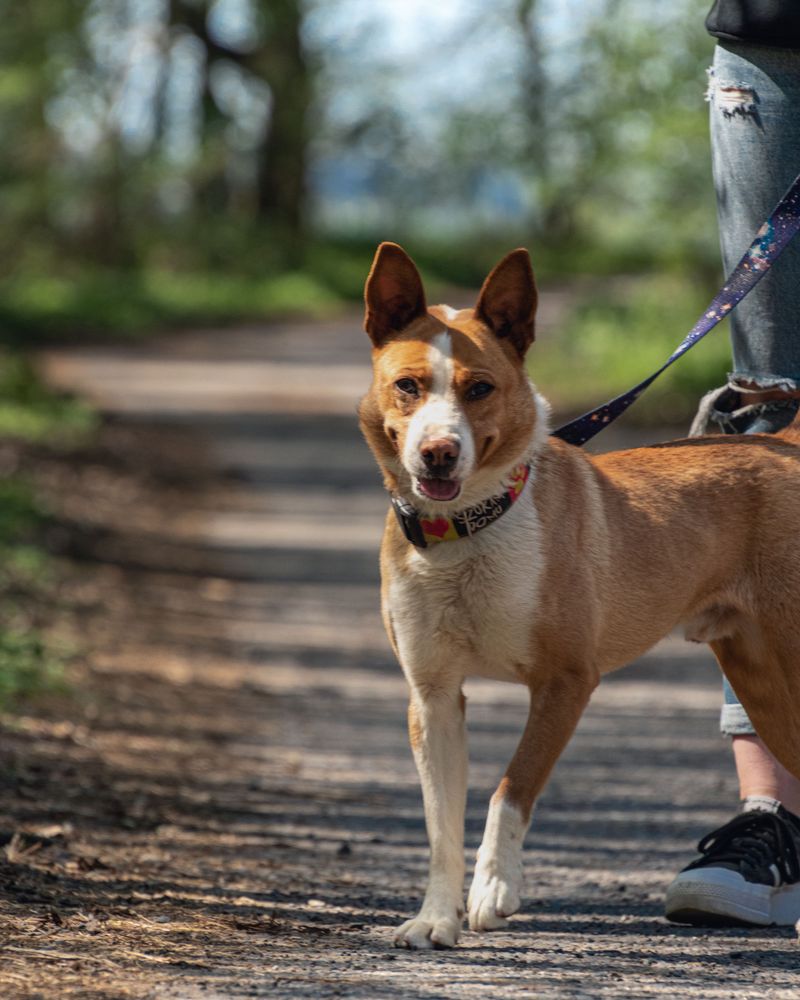
The leash you use at home may not meet a destination’s visitor requirements. Rules can address leash length, physical control, and places where dogs cannot enter.
Bring a sturdy fixed leash and ask about any stated length limit before arriving. Do not assume voice control counts as leashing, even when your dog reliably returns.
Keep your companion close around entrances and narrow paths. If no rule is posted, seek guidance rather than guessing that roaming is acceptable.
7. Respect Sacred and Ceremonial Areas
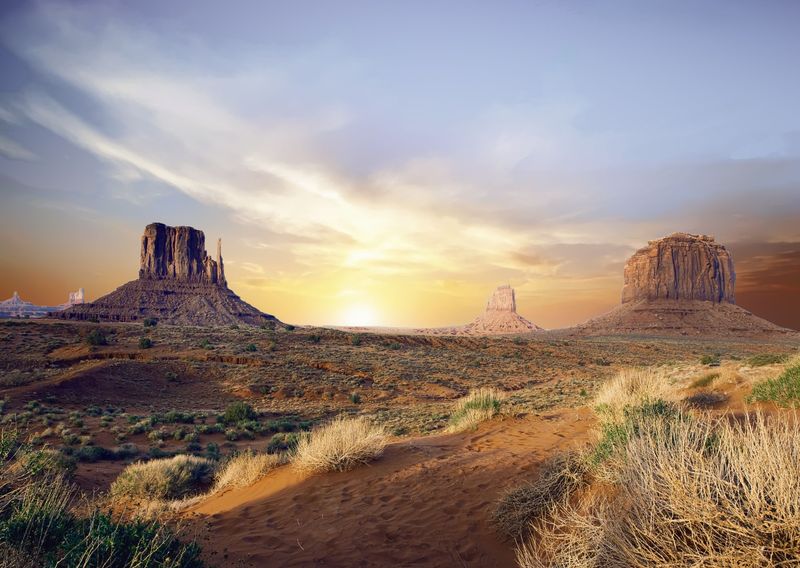
Some places hold meaning that visitors cannot recognize from the scenery alone. Sacred locations and ceremonial areas may be closed to pets, visitors, or both.
Follow posted boundaries and instructions from authorized local staff, even when an area looks empty. You do not need private cultural details to respect a restriction.
Keep your dog away from offerings, structures, and gathering spaces. When access is unclear, stay on an approved route and ask before moving any farther.
8. Ask Before Taking Dogs on Tribal Hiking Trails
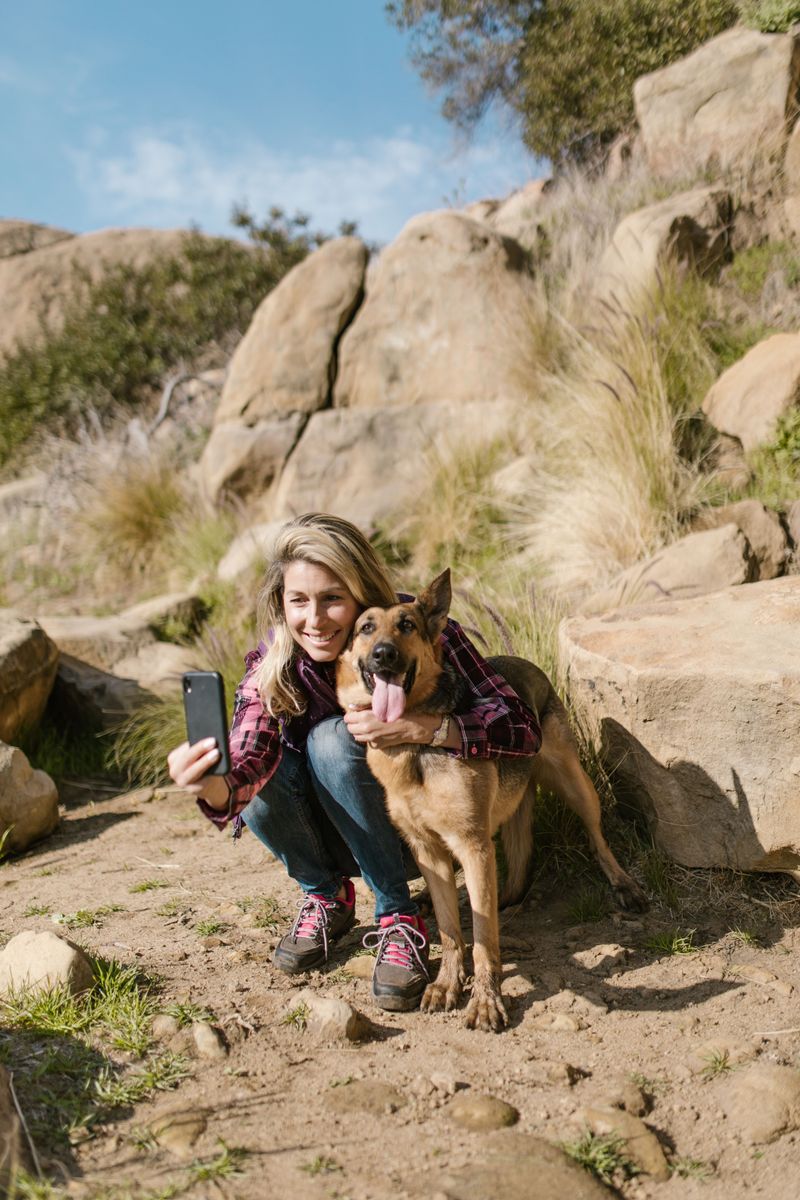
A visible path is not an invitation to explore with your dog. Tribal trails may require permits, authorized guides, or permission that does not include pets.
Confirm the trail’s status with its managing office before setting out. Ask whether dogs are allowed along the entire route, including access roads and return transport.
Then consider your dog’s fitness, paw comfort, and response to heights. Choosing an approved, suitable walk is better than discovering restrictions halfway through your outing.
9. Photography and Visitor Access Rules May Affect Dog Walks
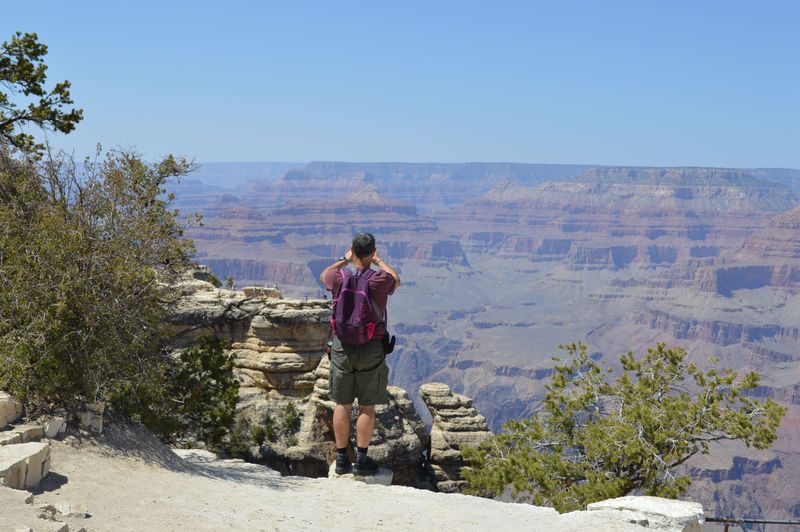
That scenic photo stop may come with limits beyond keeping your dog leashed. Some tribal destinations restrict photography, recording, or visitor movement in certain areas.
Those boundaries can shape where you walk, pause, or take pictures with your pet. Ask before photographing residents, homes, ceremonies, or cultural features.
A camera permit does not automatically grant permission to enter restricted spaces. Keep your dog on the approved route while you enjoy views that are open to visitors there.
10. Reservations and Guided Tours May Have Pet Restrictions
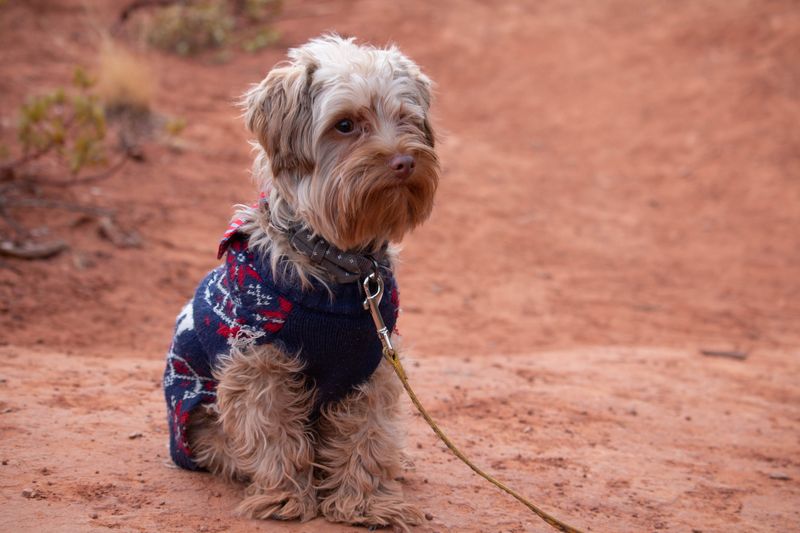
Booking a seat does not necessarily reserve a place for your dog. Guided trips may exclude pets from vehicles, boats, buildings, or the route itself.
Contact the operator before paying and describe your needs clearly. Ask whether any pet policy differs from the surrounding land’s general rules.
Confirm cancellation terms if your plans depend on bringing your companion. For overnight stays, check lodging policies separately, including permitted rooms, supervision requirements, and any limits on leaving dogs unattended.
11. Service Dogs May Be Treated Differently From Pets
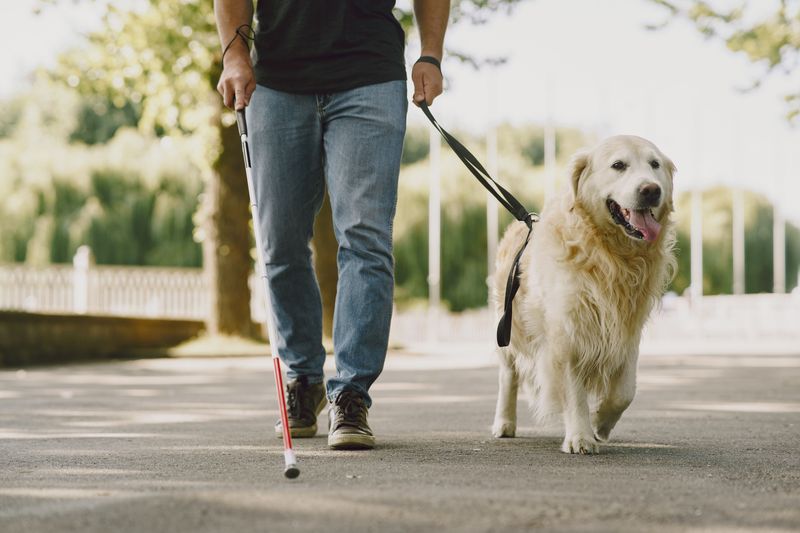
Working service dogs raise different access questions than pets or emotional support animals. However, federal disability law does not apply identically to every tribal government or business.
Contact the destination about its applicable service animal policy and accommodation process before traveling. Describe relevant access needs without sharing unnecessary medical details.
Do not assume online registration creates access rights. If guidance seems unclear, seek help from a qualified disability rights resource familiar with tribal jurisdiction and your destination.
12. Keep Vaccination and Identification Records Available
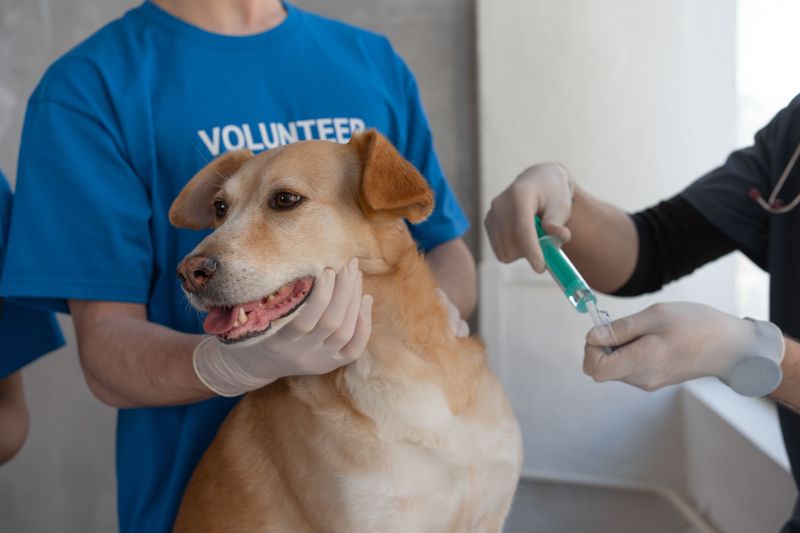
A small document folder can make travel questions much easier to handle. Carry current rabies vaccination proof, your veterinarian’s contact information, and a recent photograph of your dog.
Ask whether your destination requires additional health records, permits, or identification. Requirements can vary, so avoid assuming one document satisfies every location.
Keep readable copies on your phone and offline. Check your dog’s tag and microchip contact details before leaving, giving anyone who finds your companion reliable ways to reach you.
13. Be Careful Around Free-Roaming Livestock and Wildlife
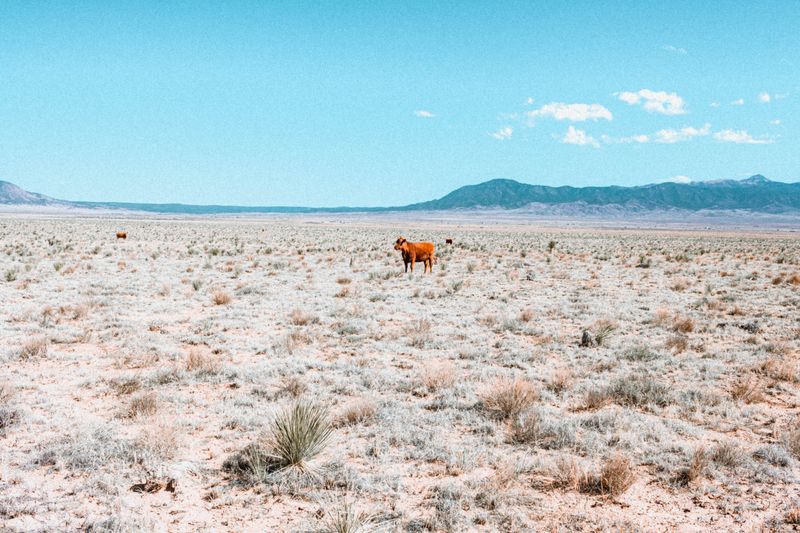
Open country may include cattle, horses, community dogs, and wildlife near your route. Their presence does not mean your dog can safely approach or join them.
Keep your companion close and allow animals plenty of space. Never encourage chasing, feeding, or nose-to-nose greetings with unfamiliar animals.
If an animal approaches, calmly increase distance when possible and avoid sudden movements. Ask local staff about current concerns, and keep food secured so your stop does not attract unwanted attention.
14. Pack Water for Remote Tribal Destinations
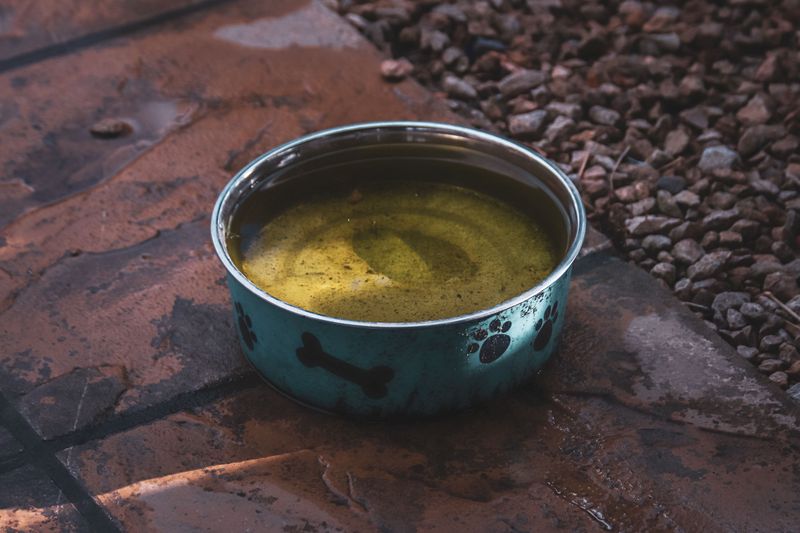
A beautiful desert stop may have no drinking tap or nearby supply shop. Carry enough water for everyone, including your dog, with extra for delays.
Offer regular drinks and choose cooler hours for any permitted outdoor activity. Check surfaces before walking because sunlit pavement and sand can become uncomfortable for paws.
Shade is helpful, but it does not make every temperature suitable. If your dog seems unwell, stop activity and contact a veterinarian for advice without delay.
15. Respect Tribal Communities and Private Property
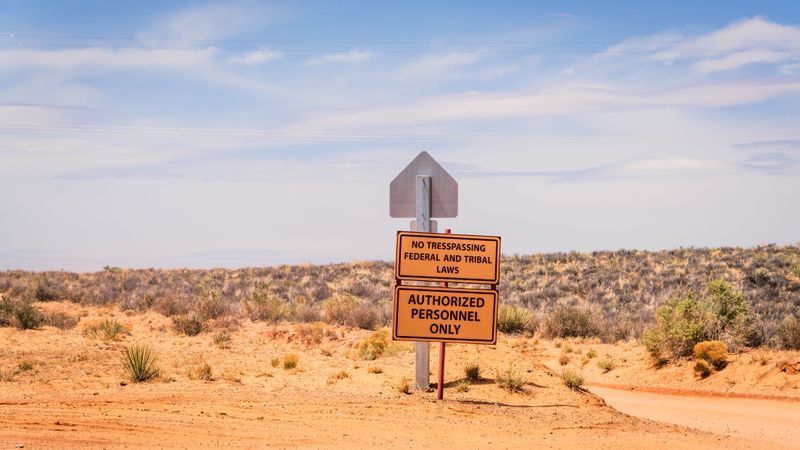
People’s daily lives continue around the places travelers come to see. Homes, yards, grazing areas, and community spaces are not automatically open for dog walks.
Stay within designated visitor areas and keep entrances clear. Pick up waste, carry it until proper disposal is available, and prevent digging or repeated barking.
Never use someone’s outdoor tap without permission. Courteous habits matter most when facilities are limited, helping visitors share public spaces without adding work for the surrounding community.
16. Check for Temporary Closures and Rule Changes
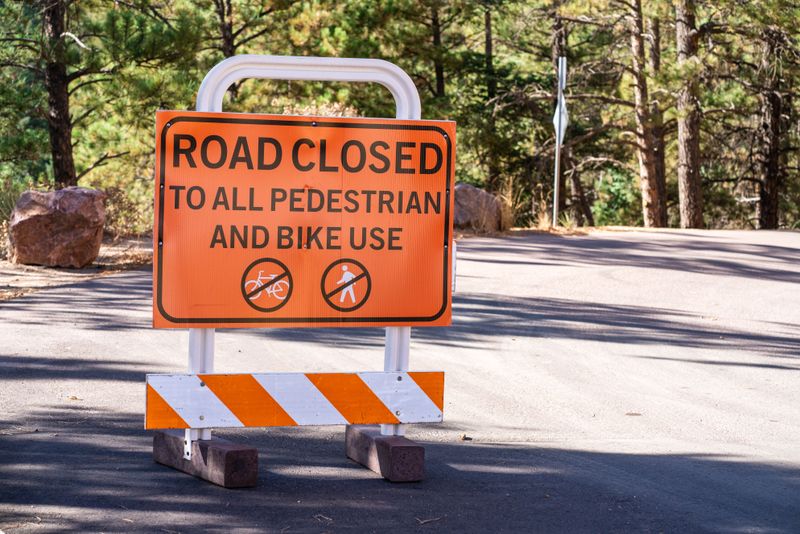
Yesterday’s travel advice may not describe what is open when you arrive. Weather, road conditions, community events, and resource protection can bring temporary changes.
Review official notices shortly before departure and check again at the visitor office. Download updates when you have service, but remember saved information can become outdated.
Follow closures even if an older map shows access. Keep a flexible route with another confirmed dog-friendly stop, making changes easier when local needs affect your plans.
17. Know What to Do If Your Dog Is Not Allowed
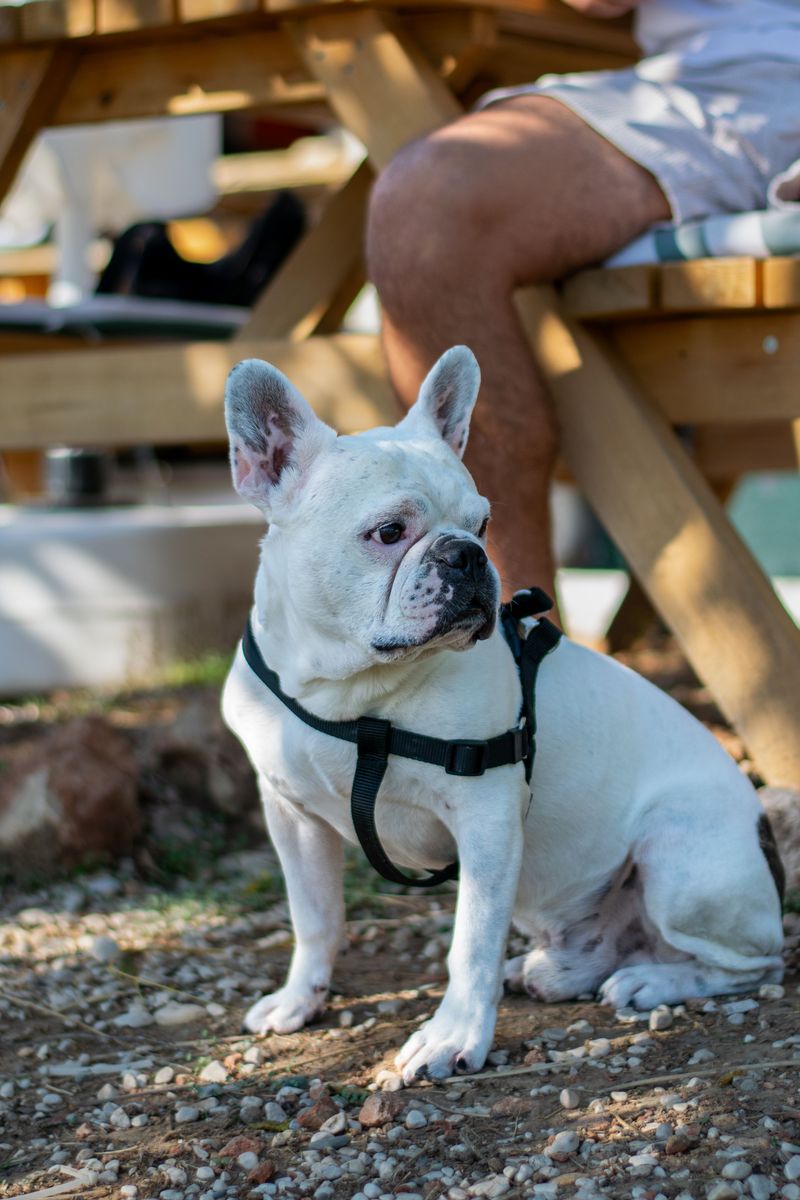
A closed door for pets does not have to spoil your whole day. Thank staff for clarifying the rule and choose an option that keeps your dog comfortable.
Consider verified boarding, a permitted outing elsewhere, or adults taking turns when practical and allowed. Never leave your companion tied outside unattended or waiting in a hot vehicle.
Confirm alternatives before relying on them. Check first, respect boundaries, and stay flexible: those habits make Arizona adventures better for everyone.