Why Floodwater And Standing Water Require Extra Caution For Mississippi Dogs
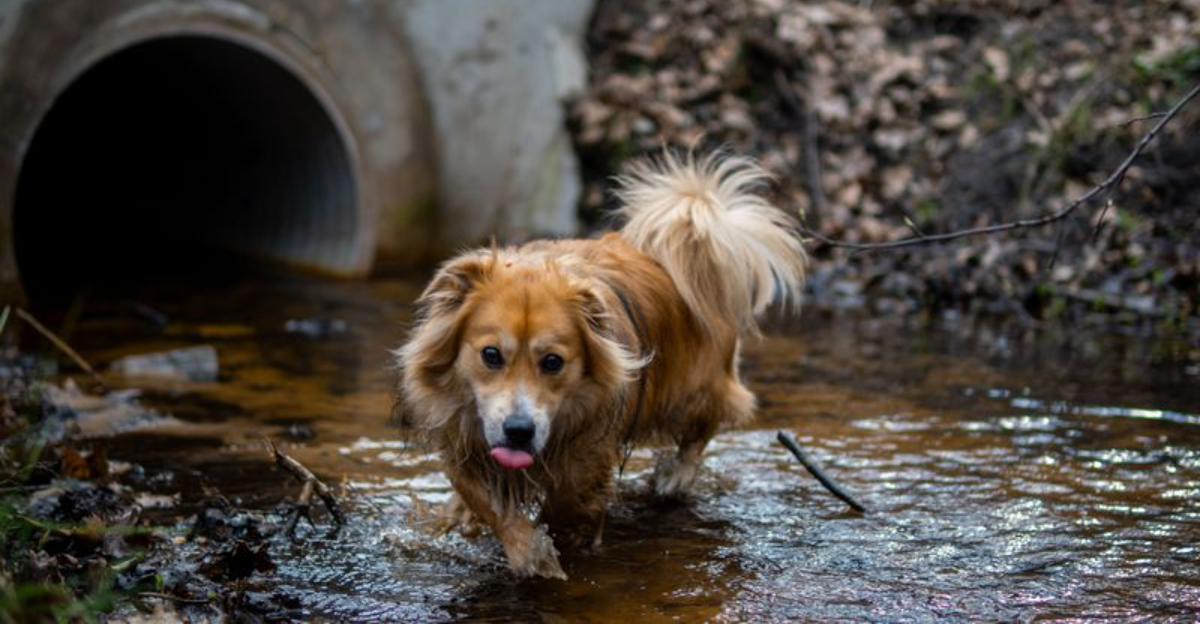
If you live anywhere in Mississippi, you know how quickly a heavy rain can turn a yard into a shallow pond. Your dog sees a fun new puddle.
You, on the other hand, get to be the one who knows better. Floodwater and leftover standing water can carry things you cannot see, plus a few surprises hiding under the surface.
Here is what local dog owners should keep in mind, explained calmly and simply, so you can walk, play, and clean up with confidence.
Why Floodwater Is Riskier Than It Looks
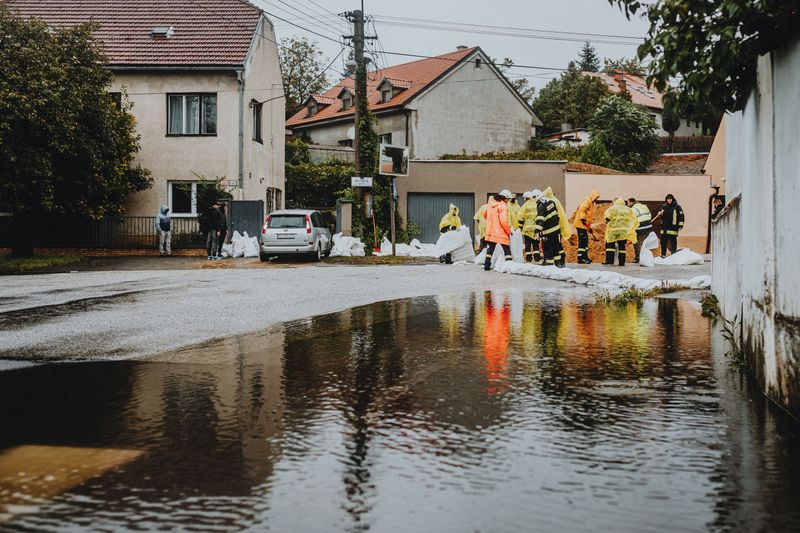
A flooded yard can look like nothing more than a big brown puddle. Underneath, though, floodwater often mixes rain runoff with soil, yard chemicals, road grime, and whatever washed downhill.
Depth is also tricky. Water that looks ankle deep may drop off sharply near a ditch or culvert.
Treat any unfamiliar water as unknown territory. Leash your dog, choose higher ground, and save the splashing for a clean bath or kiddie pool.
Standing Water Can Harbor Harmful Bacteria
Puddles that sit for days become tiny, still ecosystems. Warm, motionless water lets bacteria and other germs multiply, especially when leaves, mud, and animal waste wash in.
Dogs pick these up easily. A quick drink, a muddy paw licked clean, or a roll in the wet grass can be enough.
Dumping out buckets, planters, and old kiddie pools weekly helps a lot. Fresh water at home makes puddles far less tempting.
Leptospirosis Is a Serious Concern
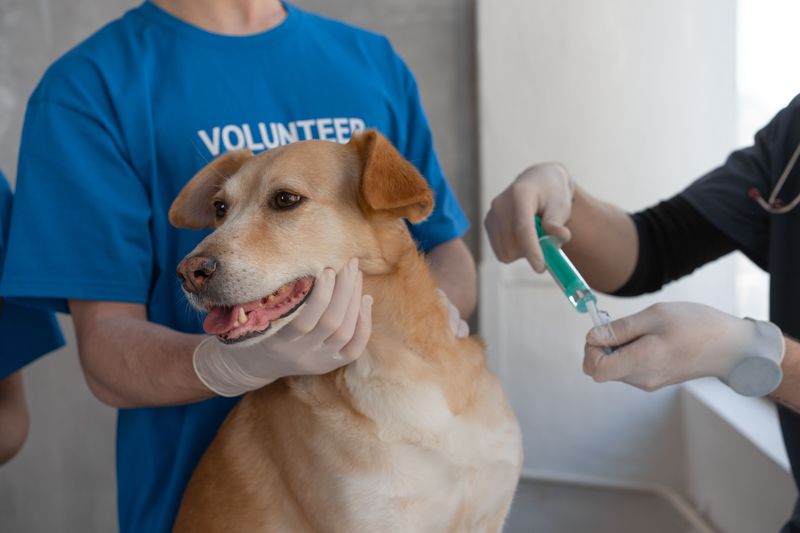
Veterinarians across the Gulf South talk about leptospirosis often, and for good reason. The bacteria spread through urine from wildlife and rodents, then survive in warm, wet soil and water.
Dogs can be exposed by drinking or wading. Signs may include tiredness, poor appetite, vomiting, or drinking more than usual.
Good news: a vaccine exists. Ask your vet whether it fits your dog’s lifestyle and your area’s risk level.
Mississippi’s Warm Weather Can Speed Bacterial Growth
Heat and humidity are part of life here, and germs happen to like both. Warm standing water grows bacteria and algae much faster than cold water does.
That means a puddle sitting in July sun may be less clean than the same puddle in January.
During muggy stretches, walk earlier, stick to dry paths, and rinse your dog after outdoor time. Small habits carry you through the long, sticky season.
Hidden Debris Can Cause Injuries
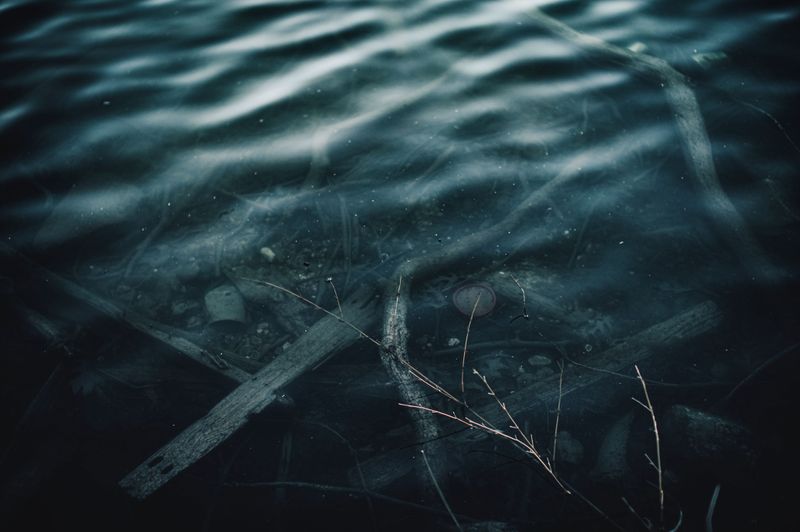
Storms rearrange the neighborhood. Branches, nails, broken glass, fence wire, and bits of metal end up in low spots where water collects.
Since the water is cloudy, your dog cannot see any of it. Paw pads are soft and cut easily, and a small nick can get dirty fast.
Walk the yard yourself first, boots on, and clear what you find. Booties help on unavoidable routes near cleanup zones.
Fast Water Can Sweep Dogs Away
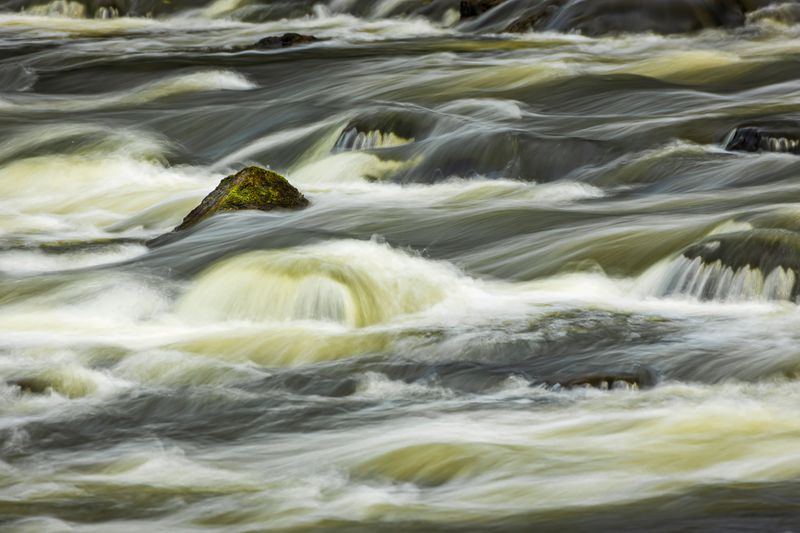
Moving water is deceptively strong. A creek or bayou that your dog wades in during dry weeks can turn into a pushy current after rain.
Even confident swimmers struggle when water pulls sideways or drops into a culvert.
Keep a leash on near any rising water, and skip retrieving games along swollen banks. If a ball goes in, let it go.
Toys are replaceable, and your dog is not.
Flooded Roads Are Off-Limits
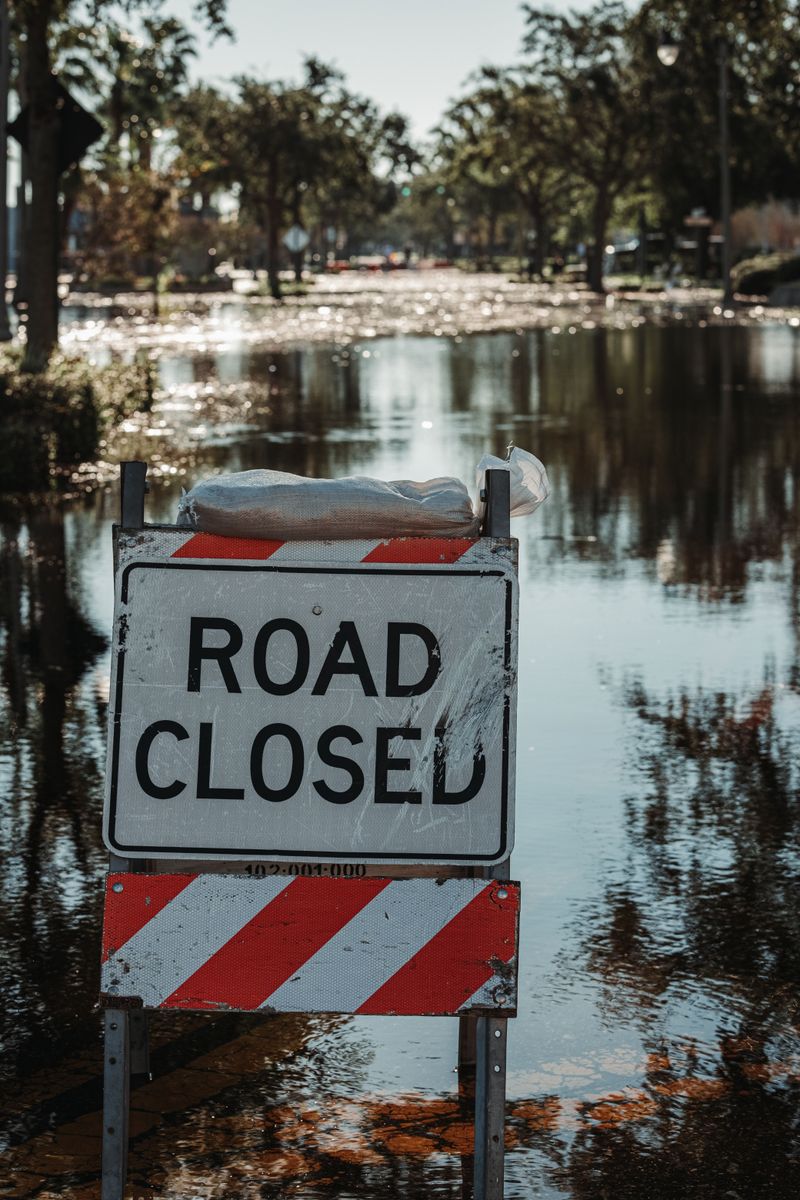
Emergency officials repeat the same advice every storm season: turn around, do not drive through covered roads. The guidance applies on foot too.
Flooded pavement hides washed-out edges, open drains, and fast water crossing the surface. Traffic in those areas is also unpredictable.
If a barricade is up, respect it and reroute your walk. Local road closures change quickly, so check county or city updates before heading out.
Drainage Ditches Can Be Especially Dangerous
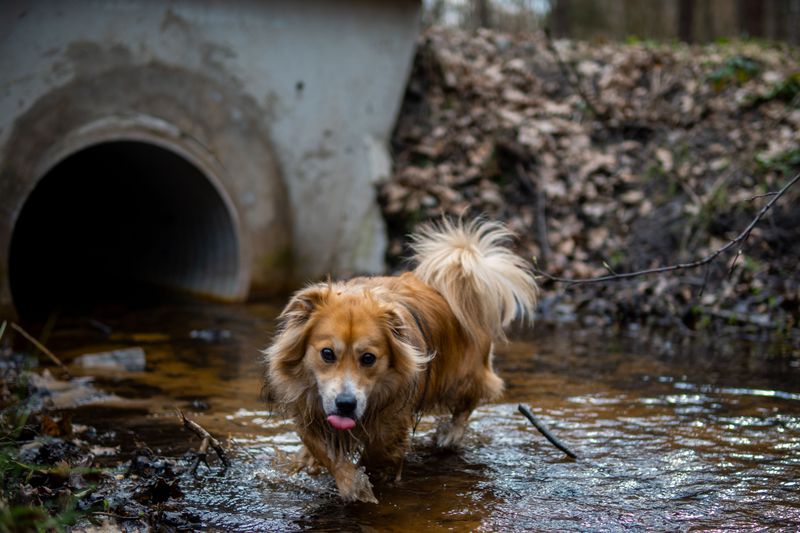
Roadside ditches drain whole neighborhoods, which means everything on the streets ends up in them. Motor oil, fertilizer, and pet waste all get carried along.
The shape adds risk. Steep, slick sides make it hard for a dog to climb out once in.
Shorten the leash when you pass one, and never let a dog explore a culvert opening. A boring walk past the ditch is exactly the goal.
Wildlife May Move Into Unexpected Areas
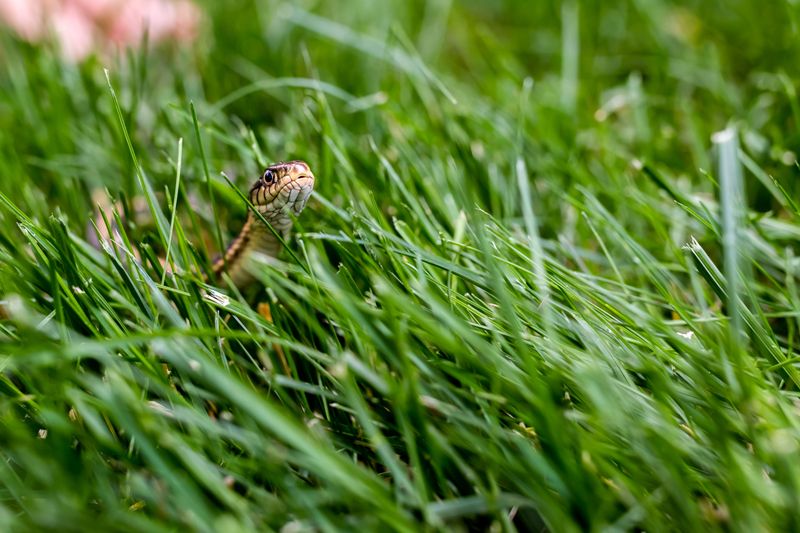
When low ground floods, animals relocate to whatever stays dry. Snakes, turtles, armadillos, and fire ant rafts can show up in yards and along sidewalks.
Most want nothing to do with your dog, but a curious nose changes that quickly.
Keep walks leashed for a few days after high water, check flower beds and woodpiles, and call animal control or wildlife officials if something settles in and stays.
Rodents Can Increase Contamination Risks
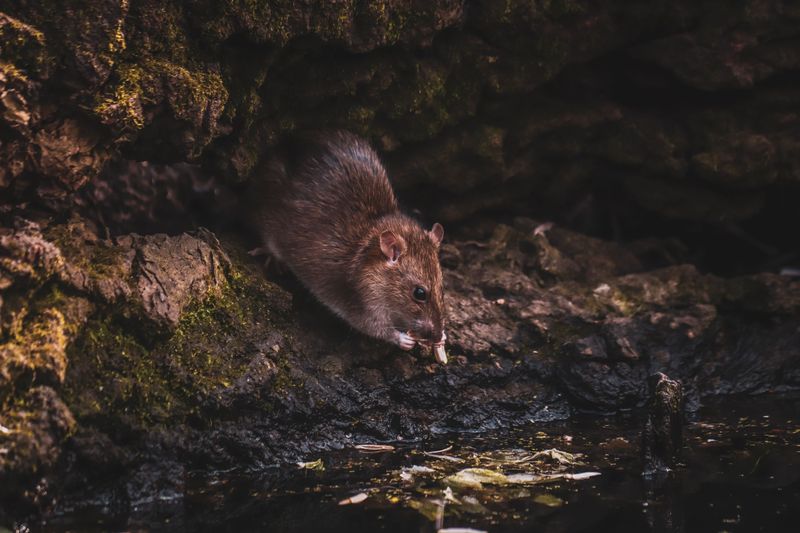
Flooding pushes rats and mice out of burrows and toward sheds, garages, and carports. Their urine is a main way leptospirosis bacteria reach soil and puddles.
Dogs that dig, sniff, or chase in those spots face more exposure.
Store feed in sealed containers, clear brush piles, and keep trash lids latched. If rodent activity spikes, a professional can help, and discourage rodent hunting entirely.
Mud Can Hide More Than You Think
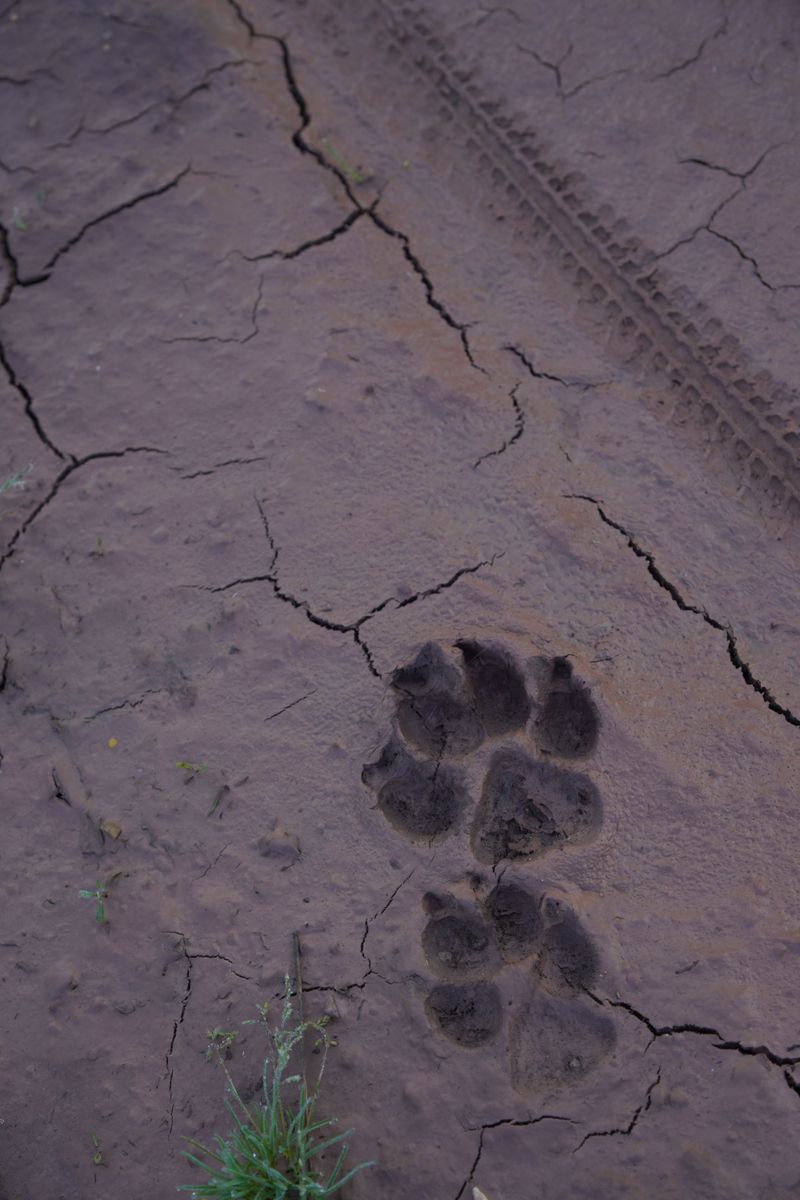
Once water drains away, the mud left behind still holds whatever was floating in it. Bacteria, chemicals, and sharp bits stay in that soft layer for days.
Mud also sticks to fur, then travels indoors on paws and bellies.
Rope off the sloppiest sections until they dry and firm up. A gravel or mulch path gives your dog a clean route to the yard.
Wet Paws Need a Quick Check
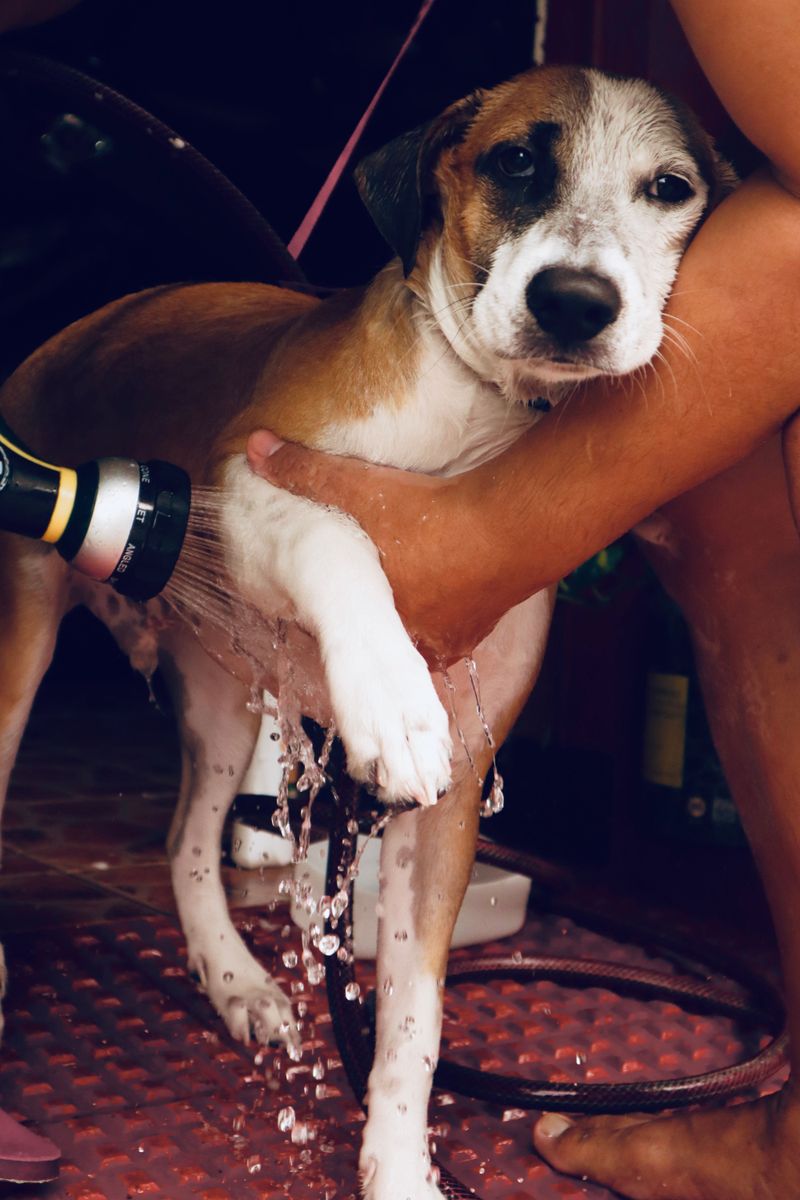
Paw checks take under a minute and catch small problems early. Spread the toes, look between pads, and feel for grit, cuts, or stuck debris.
Rinse with clean water, then dry thoroughly, since damp fur between toes invites irritation and yeast.
Keep a towel and a jug of water by the door during wet weeks. My own routine lives in a bucket on the porch.
Do Not Let Dogs Drink From Flooded Areas
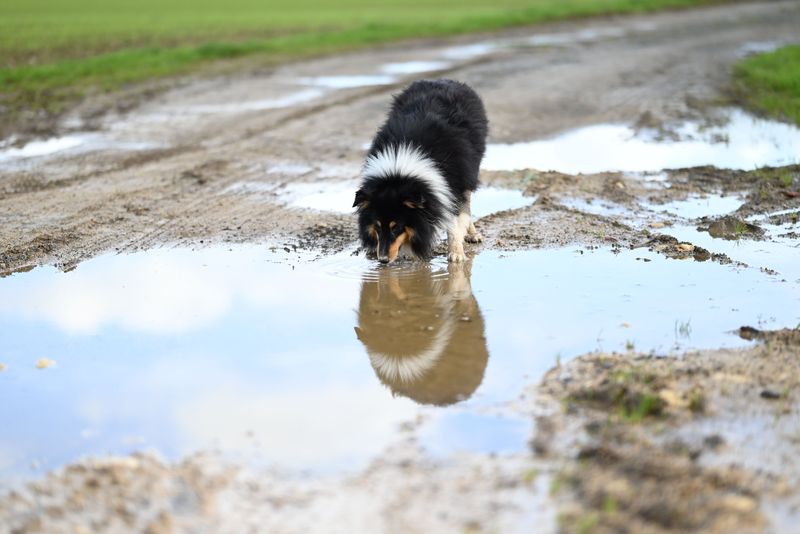
Thirsty dogs are opportunists. Given the chance, they will choose the closest water, even if it looks like chocolate milk.
Swallowing floodwater is one of the easiest ways germs get inside. Lawn treatments and runoff chemicals add to the concern.
Carry a collapsible bowl or squeeze bottle on every walk, and offer water before heading out. A dog who starts out satisfied is a dog less interested in puddles.
Watch for Problems After Exposure
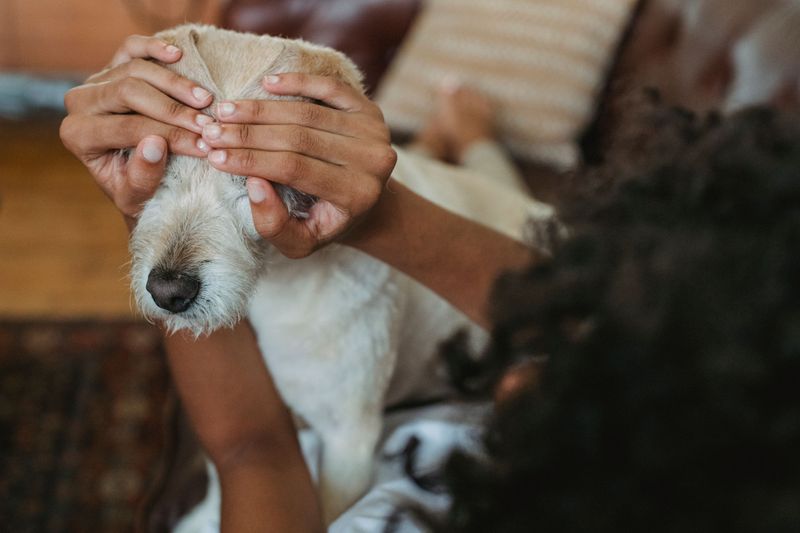
Most soggy adventures end with nothing but a bath. Still, keep an eye out for a week or two afterward.
Things worth a call to your veterinarian include vomiting, loose stool, low energy, limping, appetite loss, unusual thirst, or a paw your dog keeps licking.
Mention the water exposure when you call. That detail helps your vet narrow things down and act quickly and confidently.
Keep Dogs Away During Cleanup and Reset Your Routes
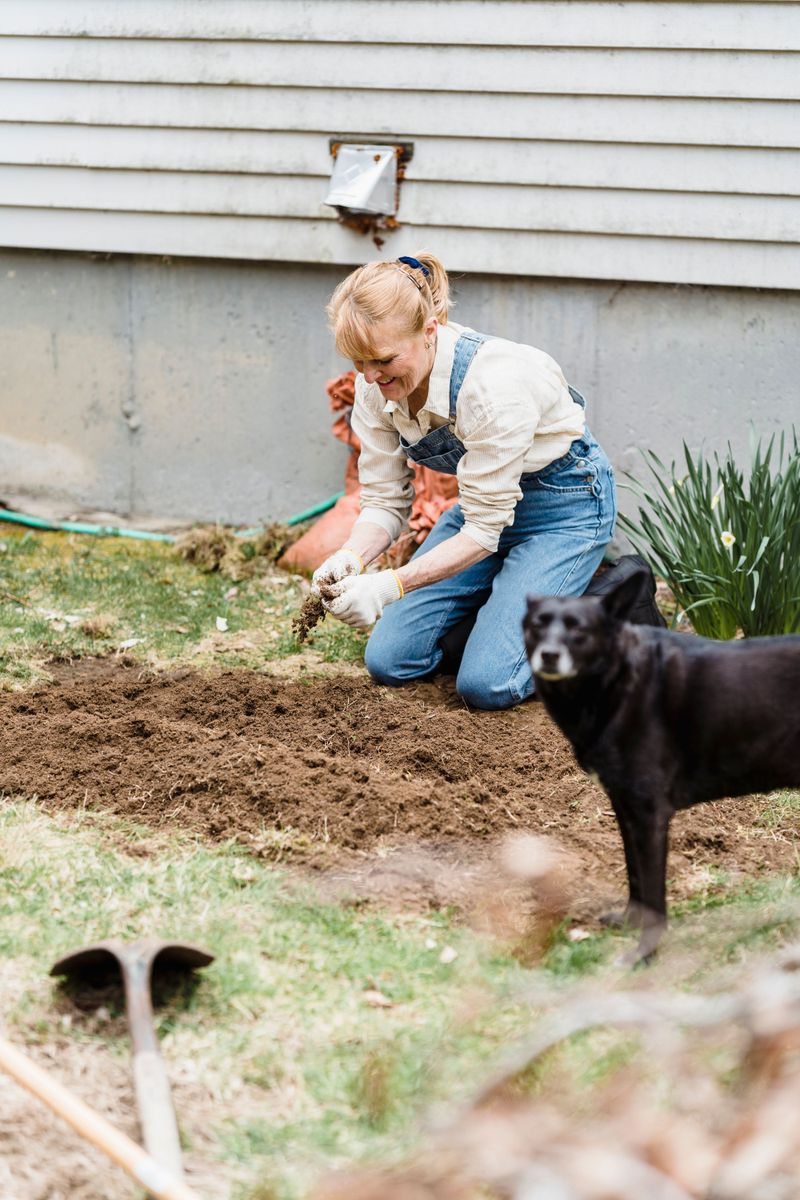
Cleanup days involve tools, generators, chemicals, and hauling. All of that is a poor mix with a helpful dog underfoot.
Settle your pup indoors or in a crate until the yard is cleared, rinsed, and dry. Store cleaning products high and sealed.
Afterward, rethink familiar walking routes. If a trail stays soggy or a ditch bank crumbled, pick pavement instead.
Steady habits keep your dog safe all season.