Why South Carolina Dog Owners Need To Check Local Tethering And Outdoor-Shelter Rules
If your dog spends time outside in South Carolina, the rules where you live matter more than you might think. State law sets basic care standards, but many cities and counties add their own tethering and shelter rules.
Those local details can differ a lot from one town to the next. Here is a friendly guide to what you should check, so you and your pup can stay comfortable and on the right side of the law.
1. Your Address Shapes the Rules

Moving across a county line can change what you are allowed to do with your dog. South Carolina has statewide cruelty laws, but tethering details often come from local ordinances.
Richland County, Greenville, Horry County, Florence County, and York County all have their own versions. Each one sets slightly different limits.
A quick call to your local animal control office clears up confusion. You can also check your county or city website for the current ordinance.
2. Chains Are Not Always Allowed
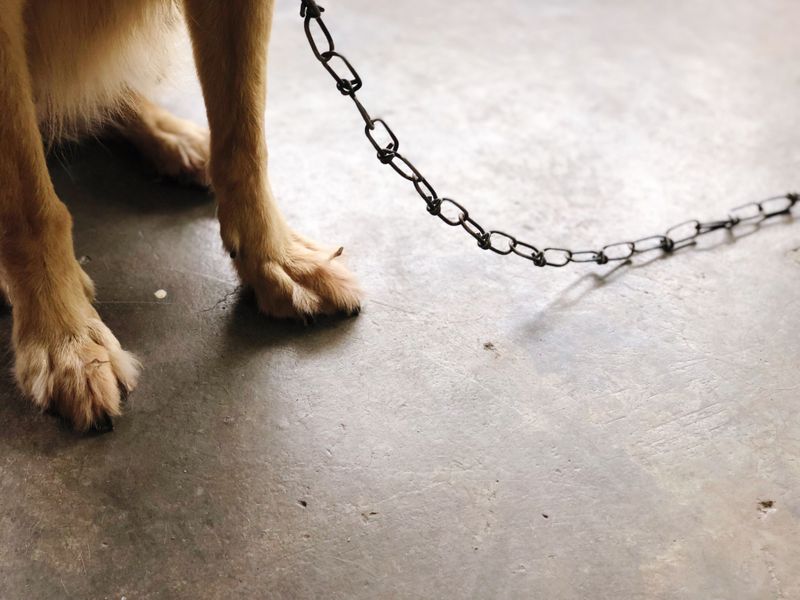
Picture a heavy metal chain clipped to a backyard post. In some parts of South Carolina, that setup is no longer permitted.
Greenville’s ordinance states that a tether must not be made of chain. Aiken County makes it unlawful to continuously tether a dog to a stationary object with a chain, except for brief temporary tasks.
Lighter cable or coated lines are often the safer choice. Confirm what materials your area accepts before buying gear.
3. Length Requirements Give Dogs Room
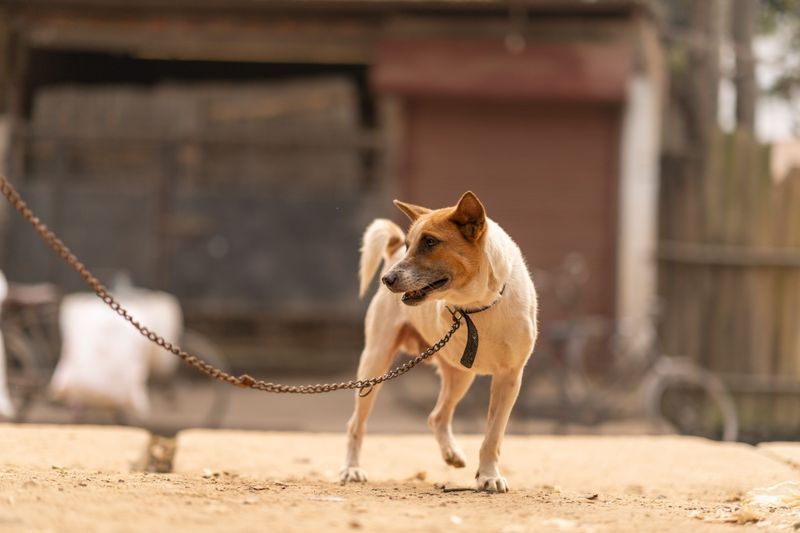
A short line can leave a dog stuck in one small spot. That is why many local rules set a minimum length.
Richland County and Greenville require at least 12 feet. Florence County asks for 15 feet, York County 10 feet, and Horry County 8 feet.
State law also addresses usable space for dogs tethered unattended over 60 minutes. Generally, that means at least 50 square feet, or one square foot per pound, whichever is greater.
4. Watch the Weight of the Line
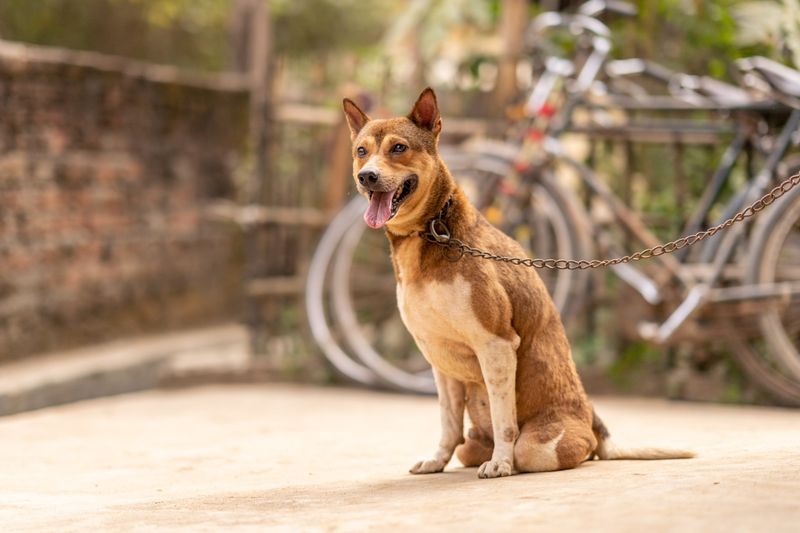
Here is a handy number to remember: ten percent. Richland, Florence, Horry, York, and Greenville all limit tether weight to about one-tenth of the dog’s body weight.
State law treats a tether heavier than one-eighth of the dog’s weight as cruel tethering. Local limits are usually stricter.
For a 30-pound dog, that means the line should stay around three pounds or less. A kitchen scale makes checking easy and quick.
5. Pick the Right Collar or Harness
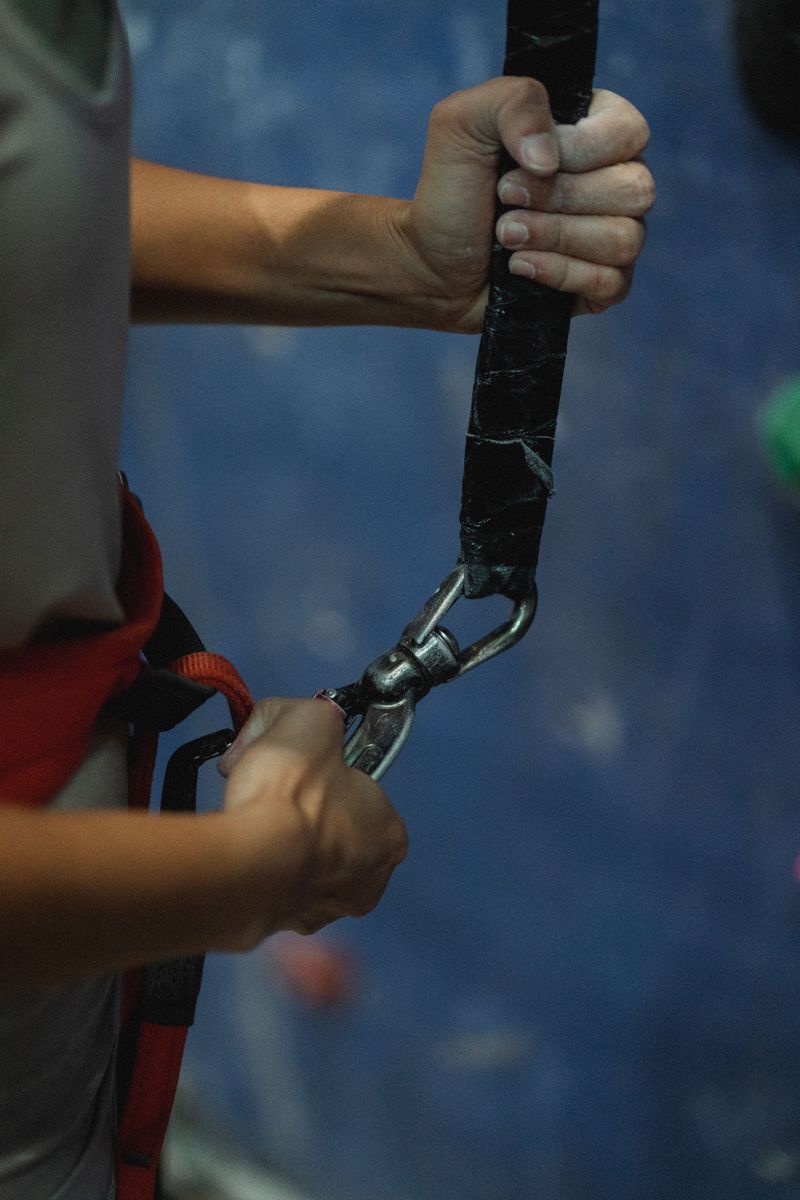
Not every collar belongs on a tethered dog. South Carolina law makes it unlawful to tether a dog using a choke collar or prong collar.
Many counties go further. Richland and Greenville call for a buckle-style collar or body harness.
Horry County asks for nylon or leather, at least one inch wide.
York County wants durable, non-metallic material. A well-fitted padded harness is a comfortable choice that usually meets these standards.
6. Puppies Get Extra Protection
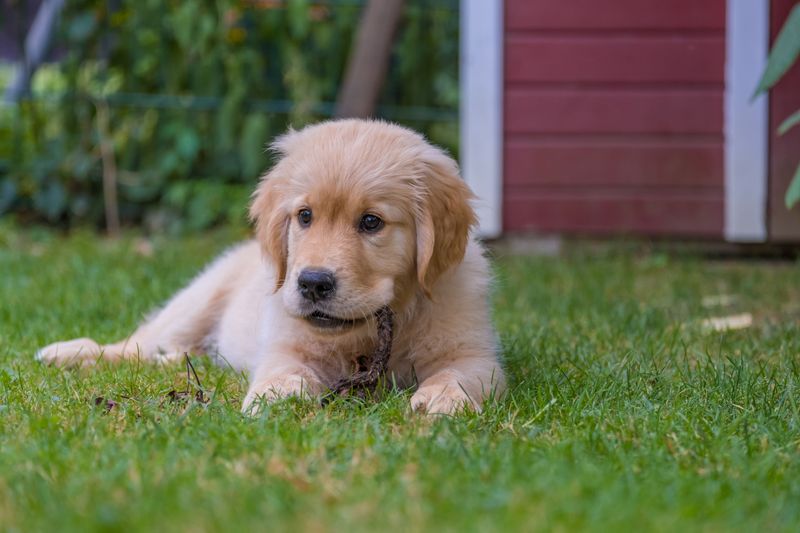
Young pups are curious, wiggly, and still learning. State law generally prohibits tethering a dog younger than six months old.
Richland County, Florence County, Horry County, and Greenville also require the animal to be over six months. Greenville County bans tethering puppies under three months.
Instead of a line, try a puppy pen or supervised yard time. These options keep little ones safe while they build good habits and confidence.
7. Stepping Away Can Change Everything
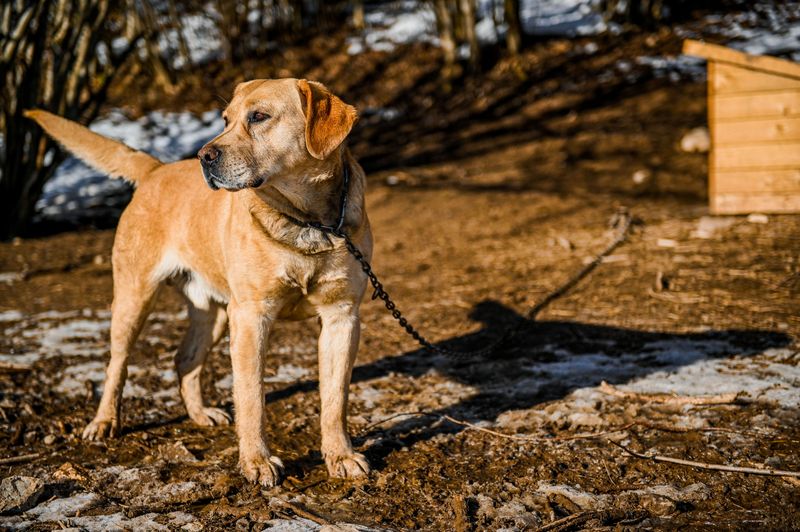
Running inside for a quick call feels harmless. Yet some ordinances focus closely on whether someone stays with the dog.
York County prohibits passive tethering when the owner is not present. Greenville limits tethering to two hours in any 12-hour period and requires the owner outdoors and within visual range.
Florence County caps tethering at eight hours in 24 hours. State law adds shelter, water, and space rules after 60 unattended minutes.
8. The Clock Matters Too
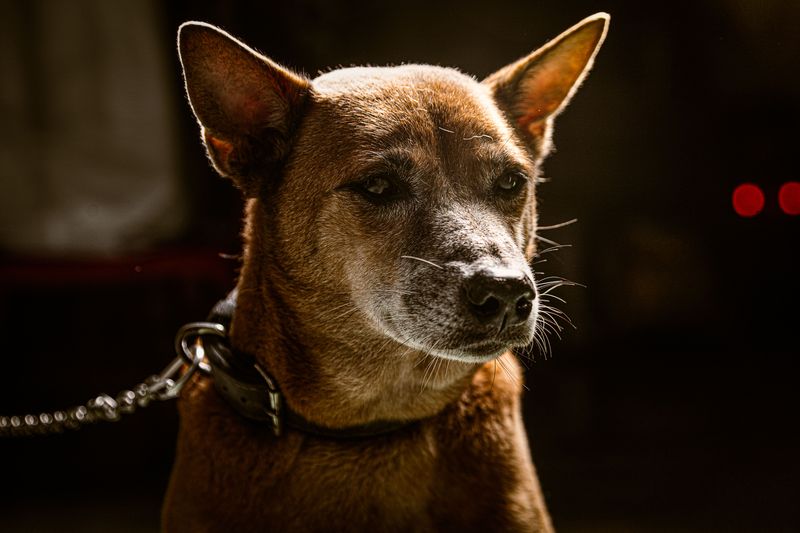
Nighttime brings its own set of rules in certain places. Greenville County prohibits tethering dogs outdoors between 10 p.m. and 6 a.m.
Florence County uses a daily cap instead, allowing no more than eight hours of tethering in a 24-hour period.
Bringing your dog inside overnight is a simple habit that keeps you covered. Many owners find their pups sleep better and bark less once evenings are spent indoors.
9. Summer Heat Brings Tighter Limits
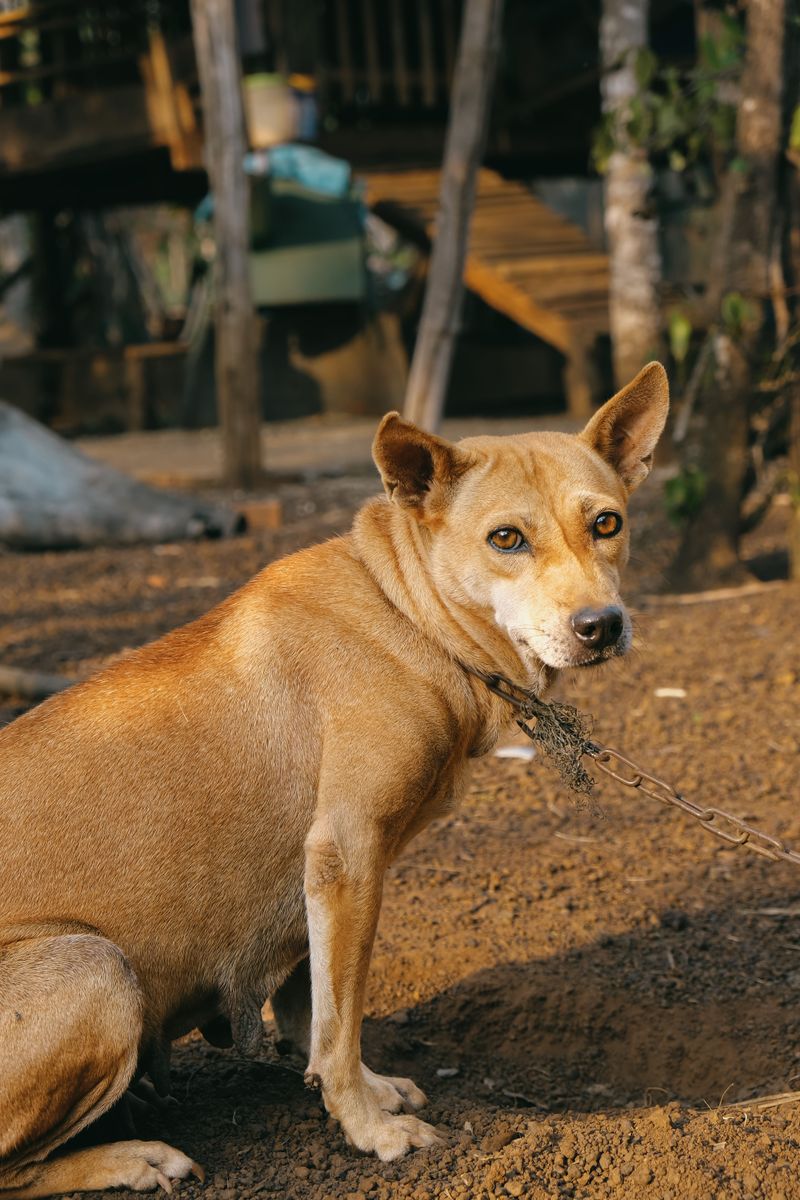
Anyone who has lived through a Carolina July knows how fast the heat builds. Local rules often respond to that.
Richland County allows only 30 minutes of tethering with shade when temperatures top 90 degrees for four or more hours. Florence County, Horry County, and Greenville prohibit tethering during extreme heat.
On scorching afternoons, bring your dog indoors. Short, supervised breaks outside are a calm and sensible approach.
10. Chilly Snaps Count as Well
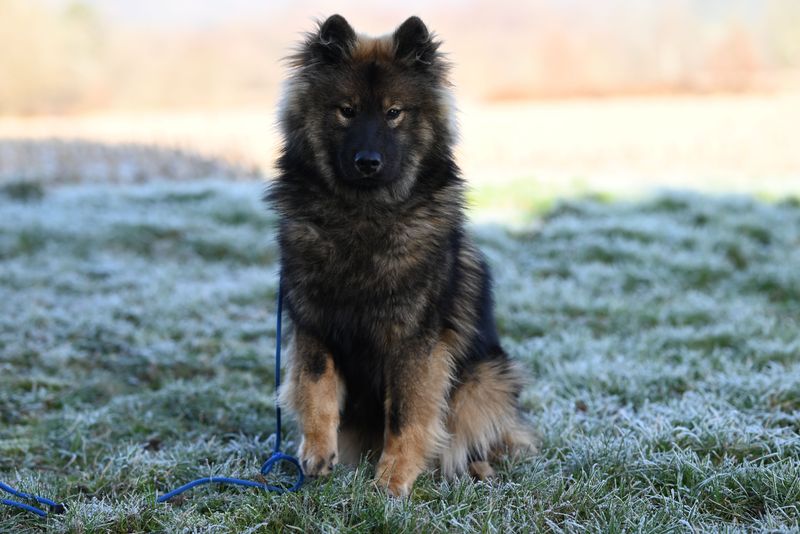
Winter here can surprise people. Cold mornings sometimes dip low enough to trigger local limits.
Richland County allows only 30 minutes of tethering, with proper shelter and bedding, when temperatures stay below 40 degrees for four or more hours. Horry County restricts tethering below 45 degrees, and Greenville below 36 degrees.
Florence County restricts it during near-freezing weather. Check the forecast and plan indoor time on cold days.
11. Fresh Water Should Never Run Out
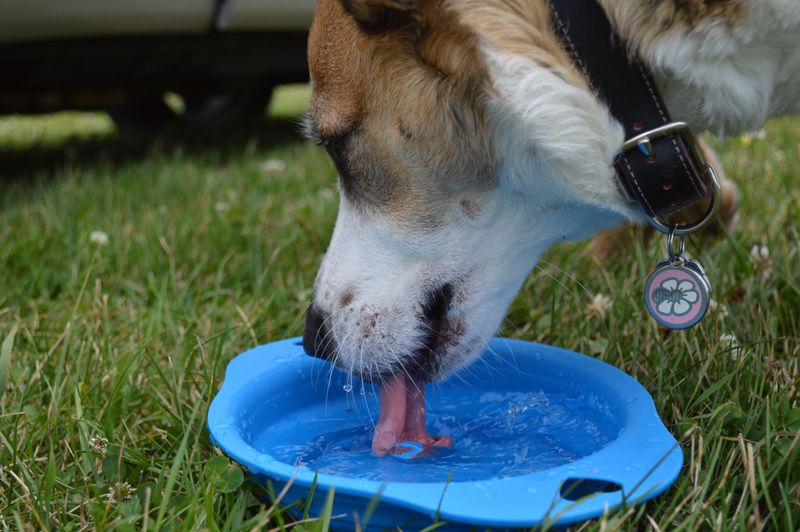
Water is the simplest need, yet bowls get tipped all the time. South Carolina law defines sustenance to include constant access to clean, fresh, drinkable water.
Richland, Florence, Horry, York, and Greenville all require water for tethered dogs.
A tip-proof bowl or a stake-down bucket helps a lot. Place it within reach of the tether, refresh it often, and keep it out of direct sun.
12. Shade Is a Basic Comfort
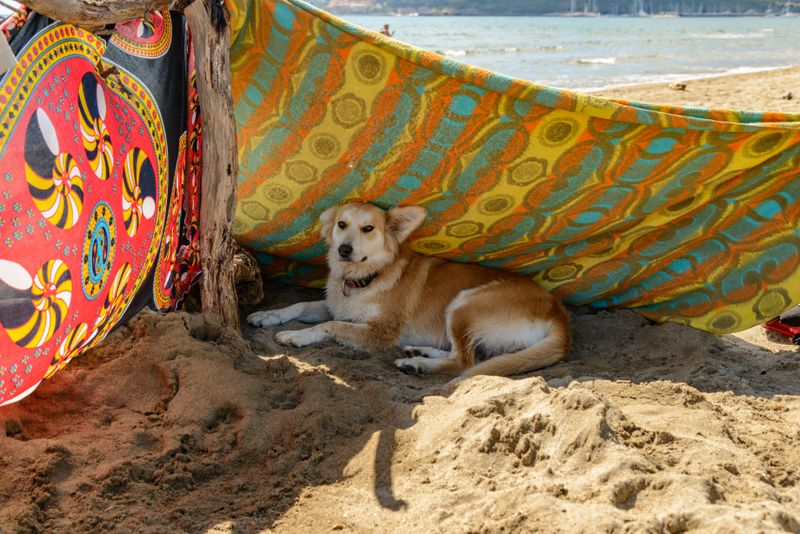
Shade moves as the sun travels across the sky. A spot that is cool at breakfast may bake by lunch.
State law lists not allowing shade access as cruel tethering. Florence County requires adequate shade, and Richland requires it above 90 degrees.
Horry County and Greenville require shelter access.
Check your yard at several times of day. A canopy or shade sail can fill gaps that trees miss.
13. Not Every Doghouse Qualifies
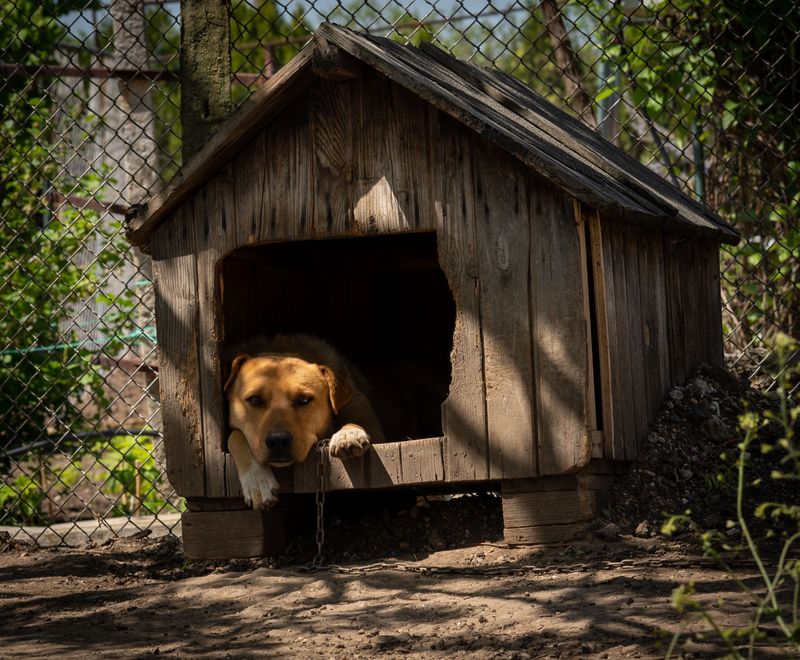
Did you know a plastic travel crate may not count as a shelter? York County says barrels, makeshift wood boxes, metal cages, and plastic transport kennels are not proper shelters.
State law broadly requires shelter that reasonably protects a dog from the weather. Local rules often add more detail.
Richland County also has its own outdoor shelter standards. Reading your local version before building or buying saves time and money.
14. Build for Rain and Fresh Air
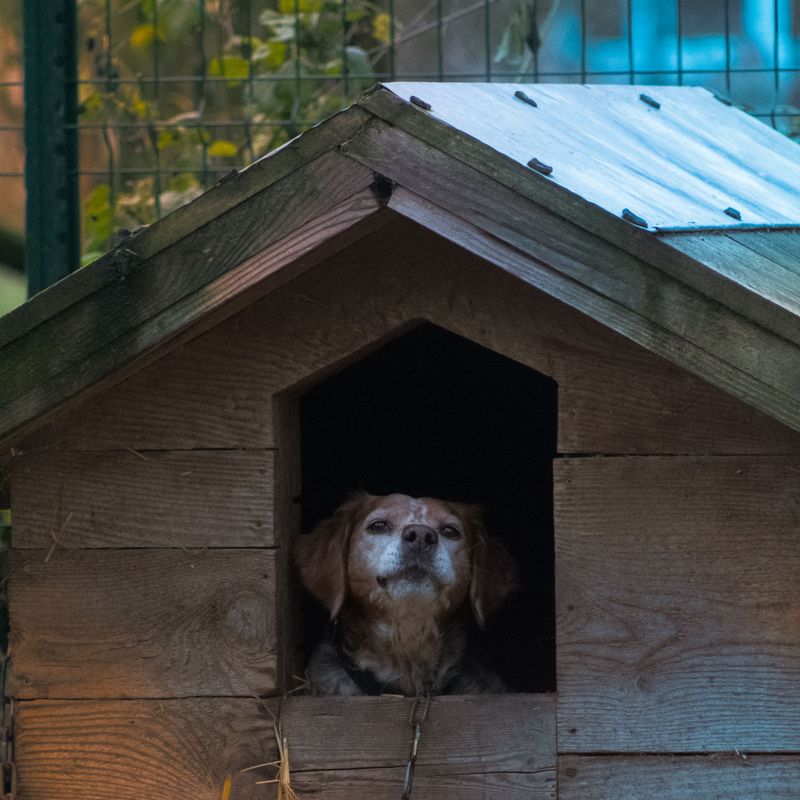
A good shelter keeps rain out while letting air move. Richland County spells this out clearly.
Its standards call for a roof, enclosed sides, a doorway, and a solid, level floor raised at least two inches. Rainproof ventilation openings are also expected.
York County requires a weatherproof structure without holes or leaks, elevated off the ground. After a storm, peek inside to make sure everything stayed dry.
15. Dry Bedding for Cold Nights
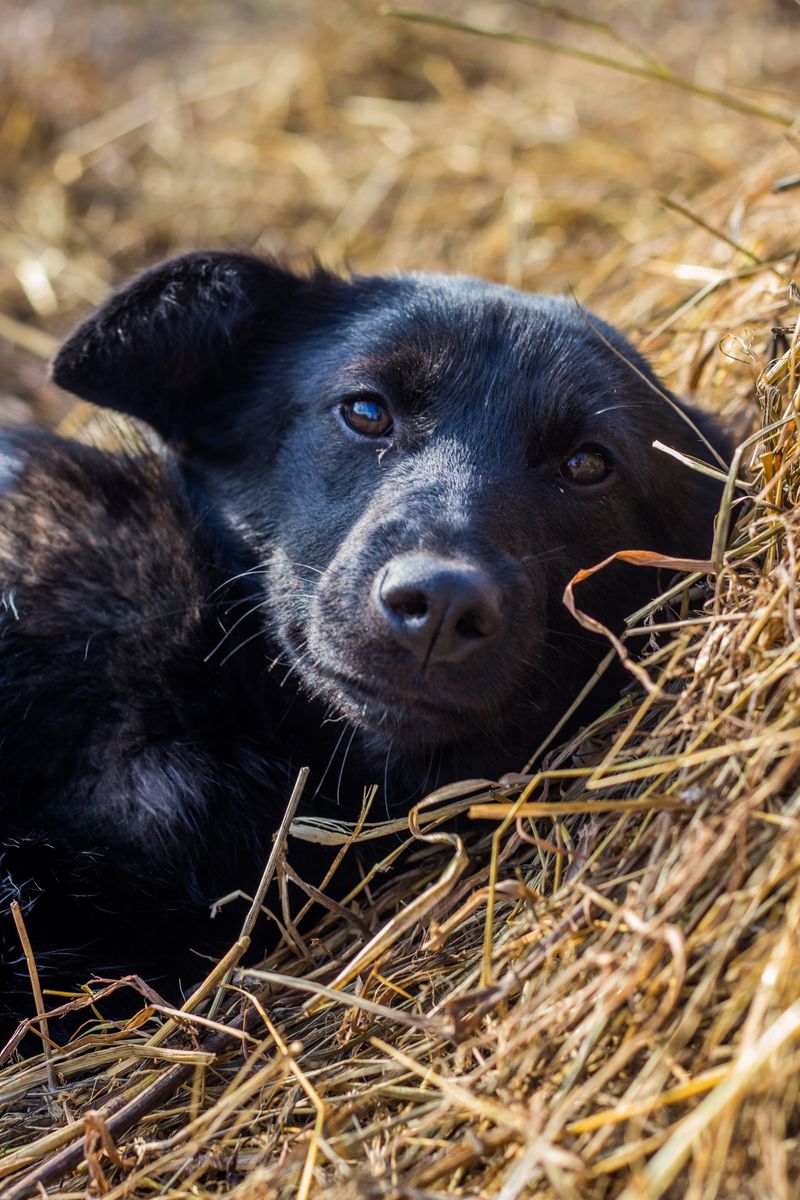
Straw is an old farm favorite for good reason. It stays drier than blankets, which can soak up moisture.
Richland County requires dry bedding, such as cedar shavings or straw, when temperature or wind chill reaches 40 degrees or below.
Swap out damp bedding quickly, since wet material loses its warmth. Your county may have different rules, so confirm locally and keep a spare bag handy in winter.
16. Recovering Dogs Need Gentle Care
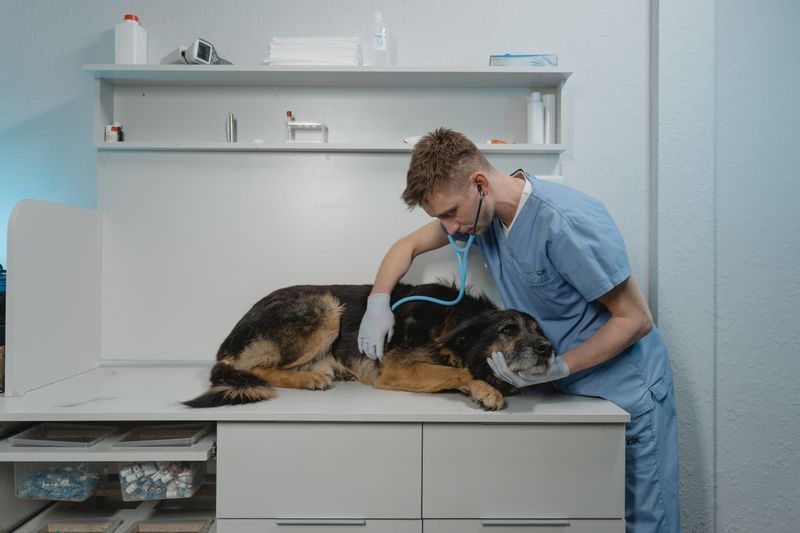
After a vet visit or surgery, your dog needs rest more than yard time. Several local ordinances recognize this.
Richland County, Florence County, Horry County, and Greenville state that sick or injured animals should not be tethered.
State anti-cruelty law also prohibits causing unnecessary pain or suffering. Keep a recovering pup indoors and quiet.
Ask your veterinarian when normal outdoor routines can safely return.
17. Females in Season Need Extra Thought
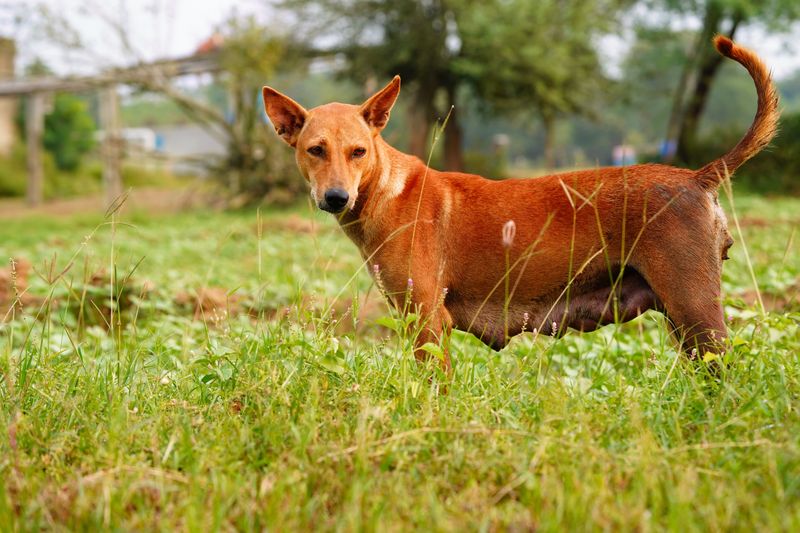
An unspayed female in heat can attract every roaming dog nearby. Some ordinances take that into account.
Richland County’s ordinance states that a female pet left unattended must be spayed. That points to limits for unspayed females, including those in season, without supervision.
Rules vary, so check with animal control. Keeping her indoors or closely supervised during heat cycles is a smart habit anywhere.
18. State Law Is Always the Baseline
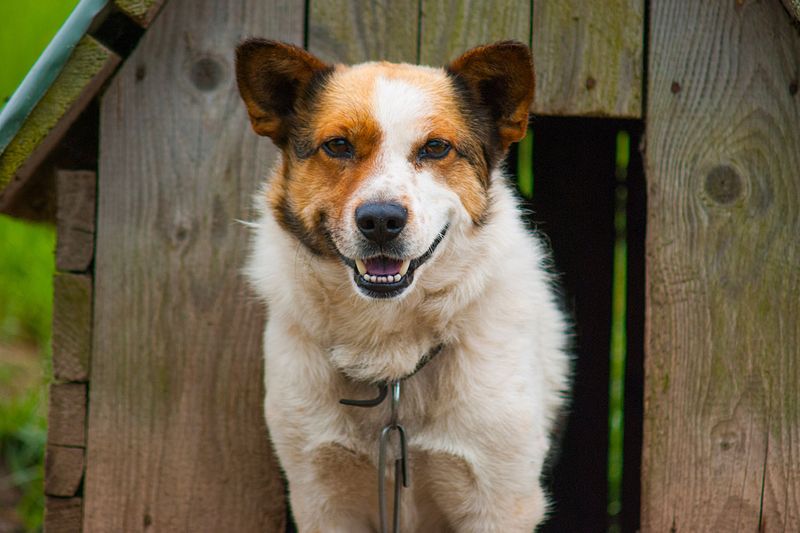
Even in a town with few local rules, state protections still apply. South Carolina law prohibits knowingly ill-treating an animal.
It also bans depriving a dog of necessary sustenance or shelter, or causing unnecessary pain. Local ordinances add to this, never replace it.
Think of state law as the floor and local rules as extra layers. Knowing both helps you care for your dog with calm confidence.