Why Maine’s Rocky Coast And Fast-Moving Tides Change Dog Beach Safety
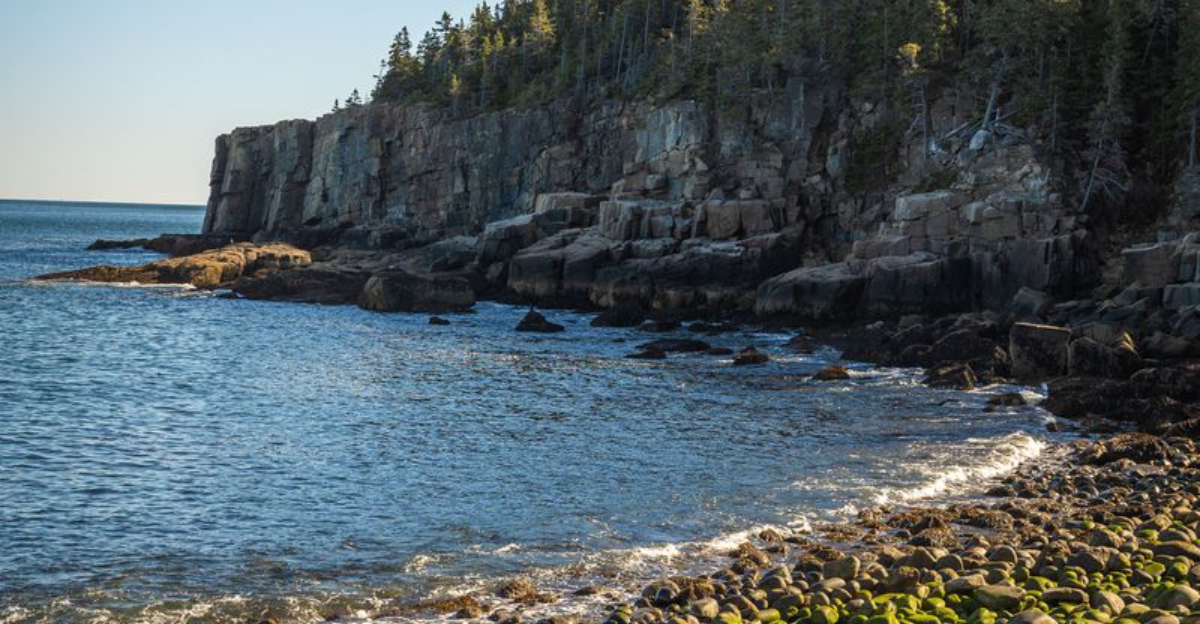
If you walk your dog along Maine’s shoreline, you already know it looks nothing like a wide sandy beach down south. Granite ledges, slick seaweed, cold water, and tides that shift fast all change how you plan a simple outing.
None of that means you should stay home. It just means a little preparation goes a long way.
Here is what local dog owners learn over time, gathered in one place so your next coastal walk feels easy and calm.
Maine’s Rocky Shoreline Creates More Trip Hazards
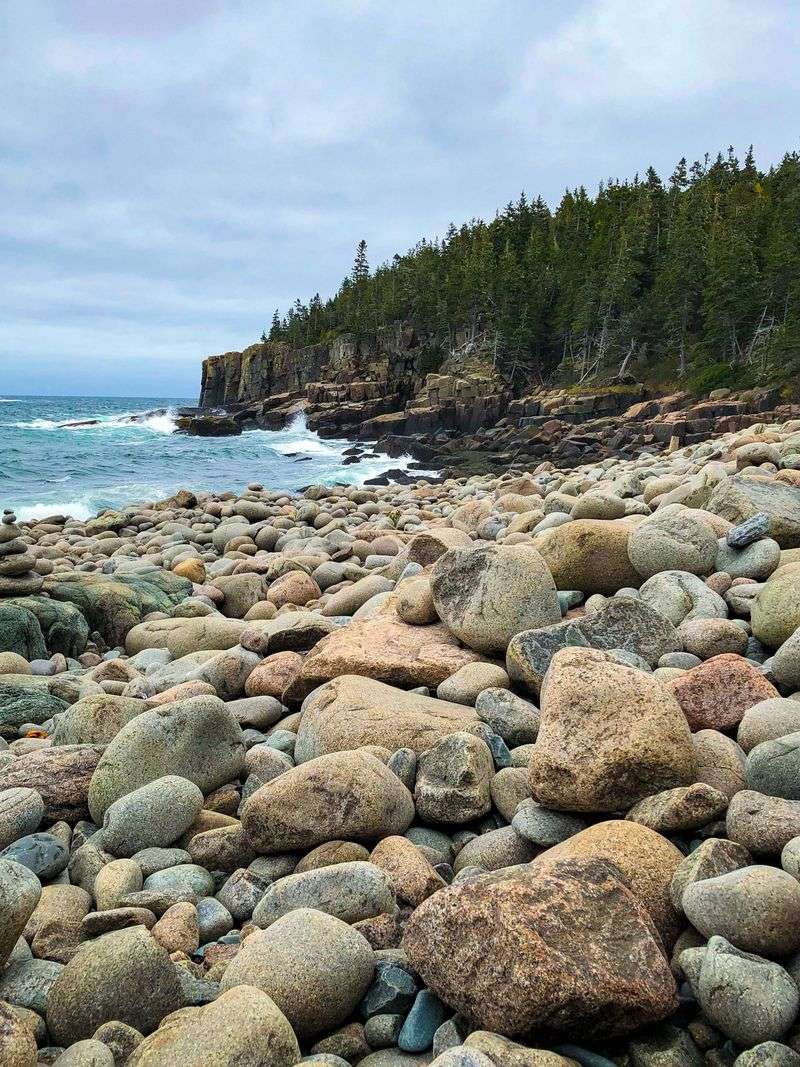
Granite makes Maine beautiful, and it also makes footing tricky. Instead of flat sand, you get rounded cobbles, wedged boulders, and gaps that shift under weight.
Dogs move fast and rarely look down. A paw can slip into a crevice between stones during an excited sprint.
Walk the easier sections first and let your dog set a slower pace. Older dogs and short-legged breeds especially appreciate a smoother route along the upper beach.
Fast Tides Can Change the Beach Quickly
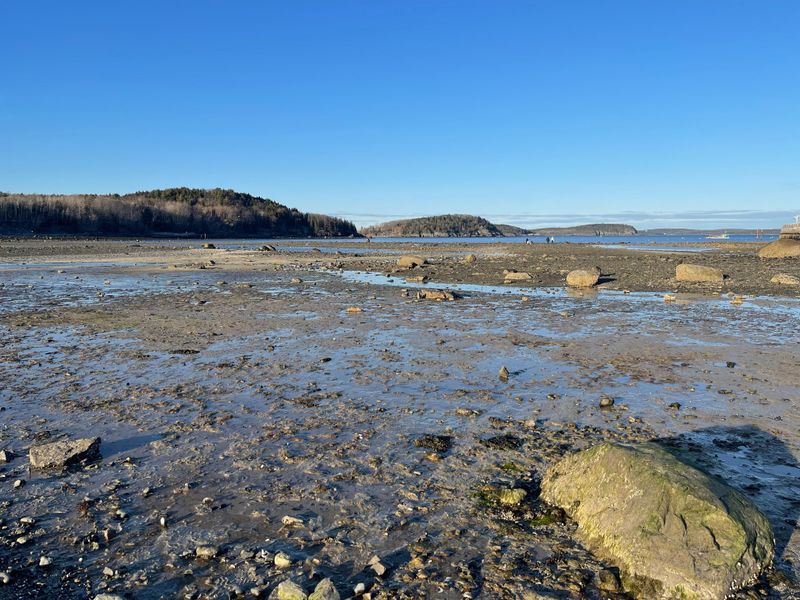
Along parts of the Maine coast, tidal range runs several feet, and in the far east it climbs much higher. Water moves in steadily, not gently.
A broad stretch of sand you crossed easily can shrink within an hour.
Because of that, treat every low-tide beach as temporary. Note where the wet line sits when you arrive, then glance back often.
Turning around early always beats hurrying later.
Check Tide Times Before You Leave

Two minutes with a tide chart saves a lot of guesswork. Free apps and NOAA tide predictions list high and low times for nearby stations.
Aim to arrive as the tide is falling, giving you a widening beach instead of a shrinking one.
Keep in mind that times vary from town to town. Choose the station closest to your beach, and remember predictions can shift with wind and storms.
Watch for Narrowing Paths Along the Shore
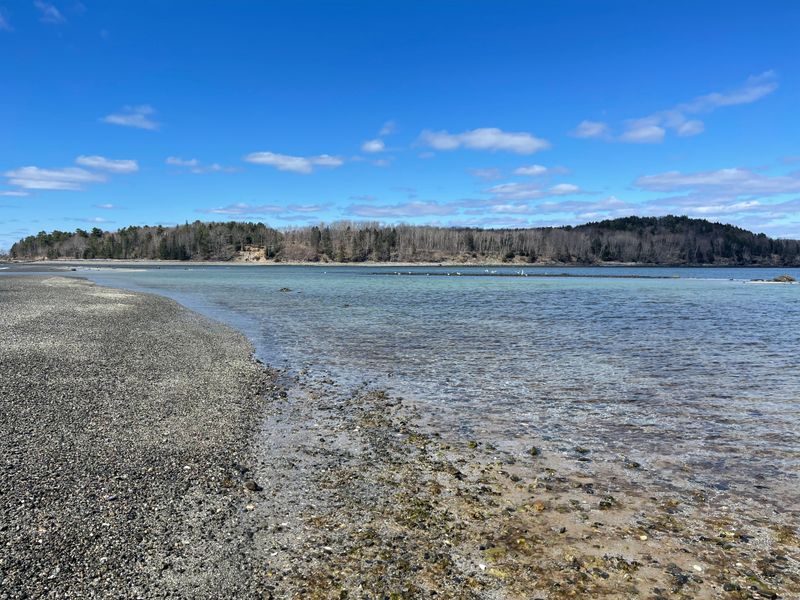
Many Maine coves connect only at low water. That charming passage around a headland may vanish as the tide fills.
Getting cut off is one of the most common coastal mishaps, and it happens to careful people too.
My rule is simple: never pass a pinch point unless I am willing to wait hours on the far side. Look for a clear escape route uphill before you commit to walking through.
Slippery Rocks Need Extra Caution
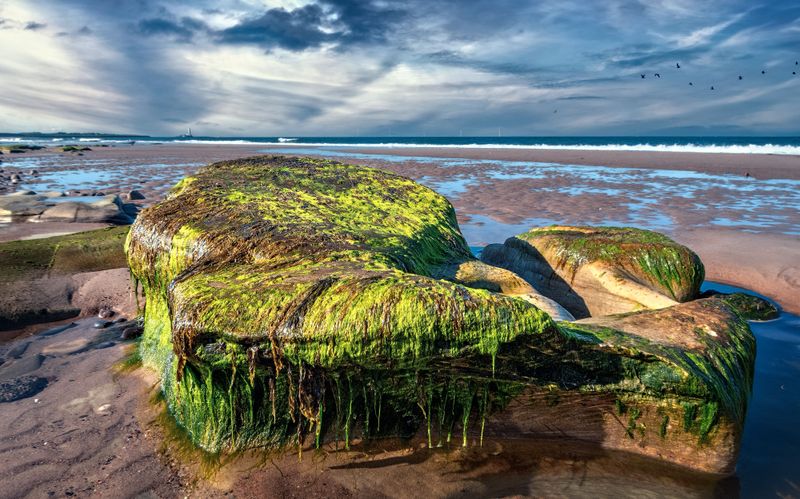
Wet rock coated with algae can be as slick as an icy sidewalk. The greenish film near the tide line is the worst offender.
Dogs have decent traction, but they cannot brace themselves the way we do on uneven stone.
Steer toward dry, dull-colored rock above the high-water mark. If your dog loves scrambling, keep the leash short there and guide each step rather than letting momentum decide.
Strong Currents Can Be Hard on Dogs

Tidal water squeezing between ledges or through a channel picks up real speed. Even confident swimmers get pushed sideways in it.
Rivers meeting the sea add another layer, since outflow strengthens on a falling tide.
Keep fetch games in sheltered, shallow water where you can see the bottom. Skip throwing toys near inlets or narrow gaps.
A well-fitted canine life vest is worth having for boat days and open water.
Cold Ocean Water Raises the Risk
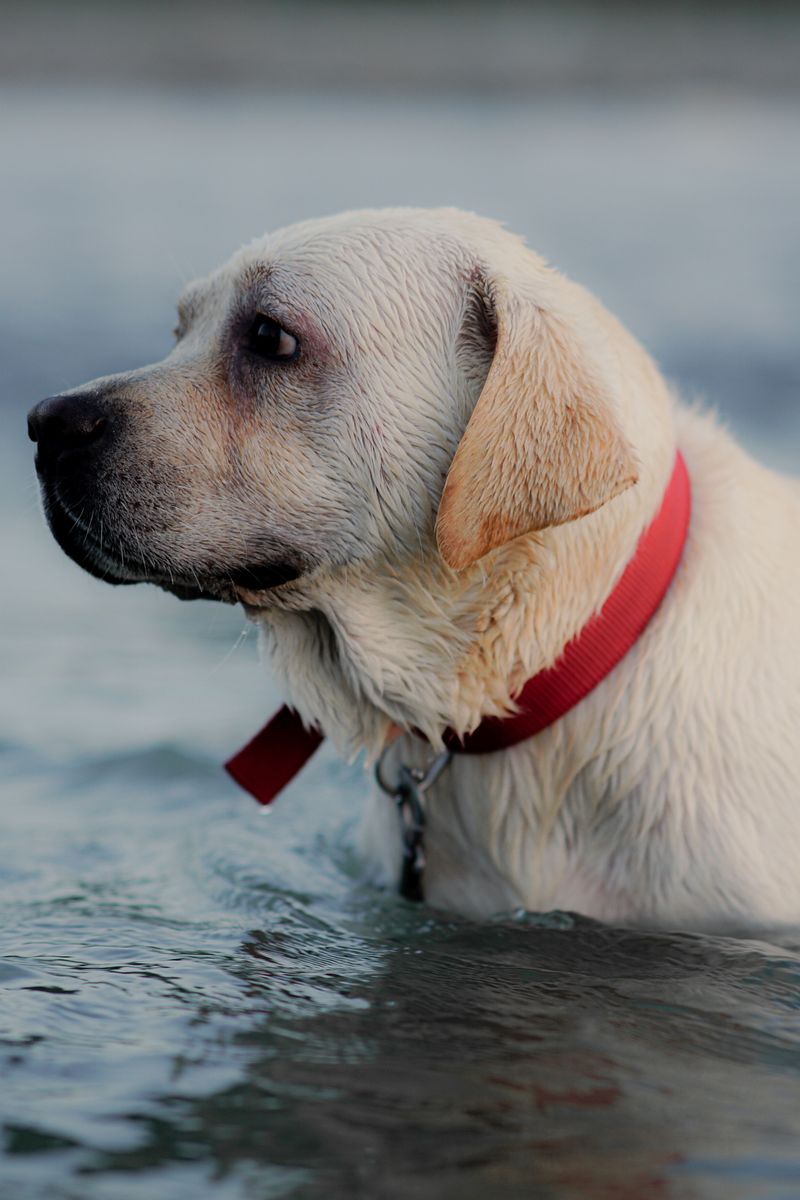
Gulf of Maine water stays chilly year-round, often in the fifties even at summer’s peak. Air temperature fools people constantly.
Small dogs, thin-coated breeds, puppies, and seniors lose body heat faster than sturdy northern breeds.
Limit swim sessions to short bursts, then encourage movement on shore to warm up. Shivering, stiffness, or sudden sluggishness means the session is over.
Bring a towel and dry coat for the ride home.
Waves Can Hit Harder Around Rocky Points
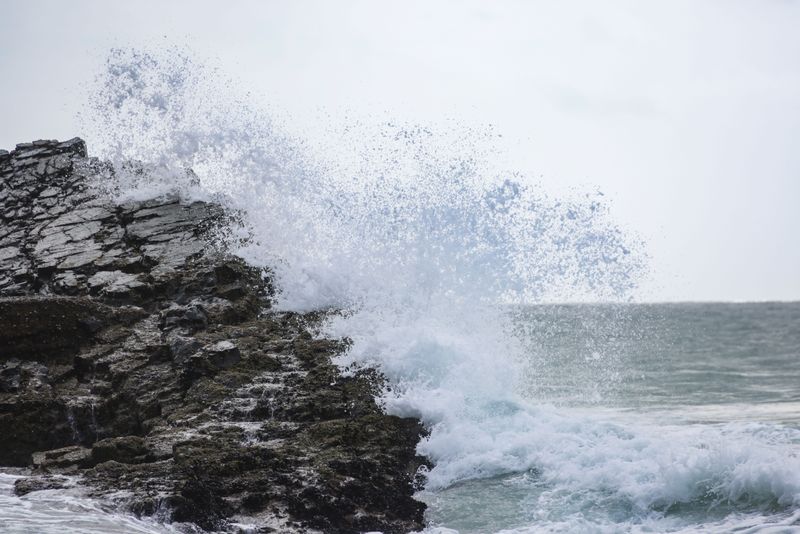
Headlands take the brunt of incoming swell. Water wraps around them and rebounds off vertical rock, creating choppy, unpredictable surges.
Wave sets are uneven too, so a calm minute can be followed by a much larger push.
Give exposed points a wide berth, especially after offshore storms. Stand well back from the splash zone and keep your dog uphill of you, where a surprise surge cannot reach.
Keep Dogs Away From Unstable Ledges
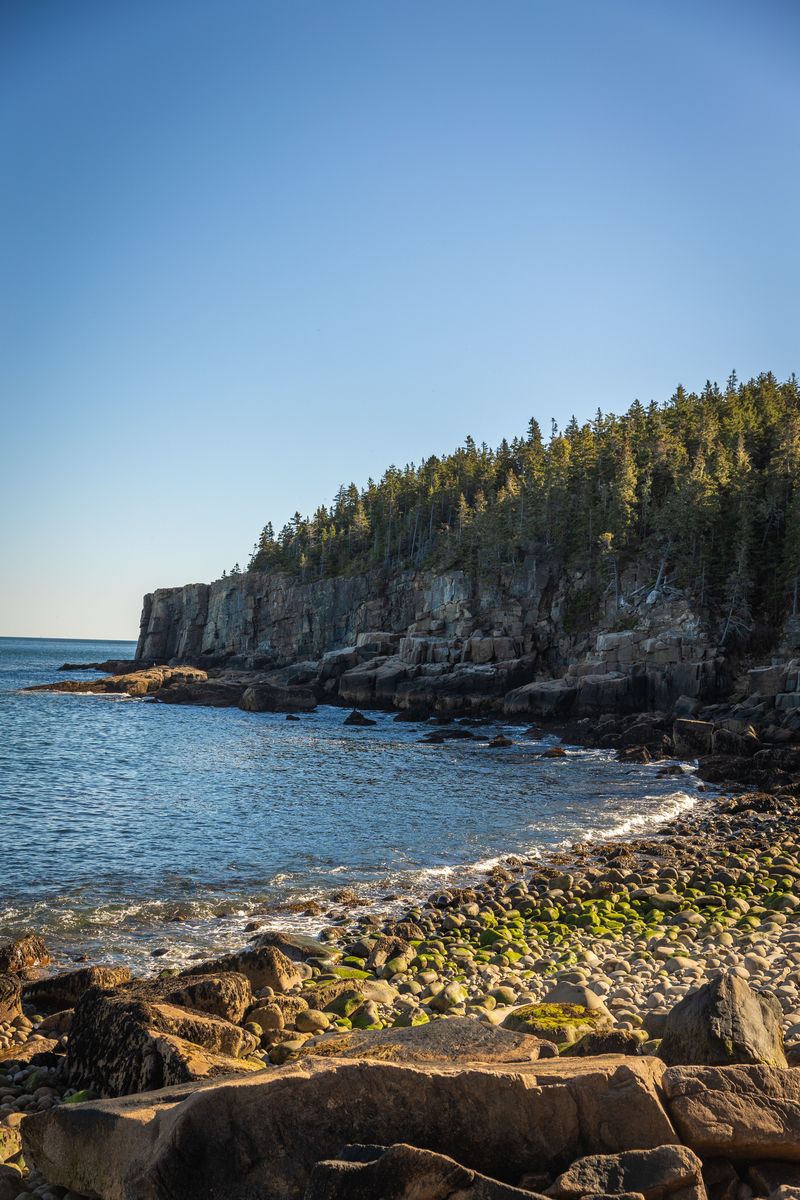
Coastal ledges look solid, but edges crumble and loose stone shifts without warning. Grass along a rim can hide a sudden drop.
A dog chasing a gull is not thinking about footing.
Leash up anywhere the ground falls away, and stay several body lengths back from any rim. Trail signs at parks like Acadia mark hazardous areas for good reason.
Following them keeps the day pleasant for everyone.
Seaweed Can Hide What Is Underfoot
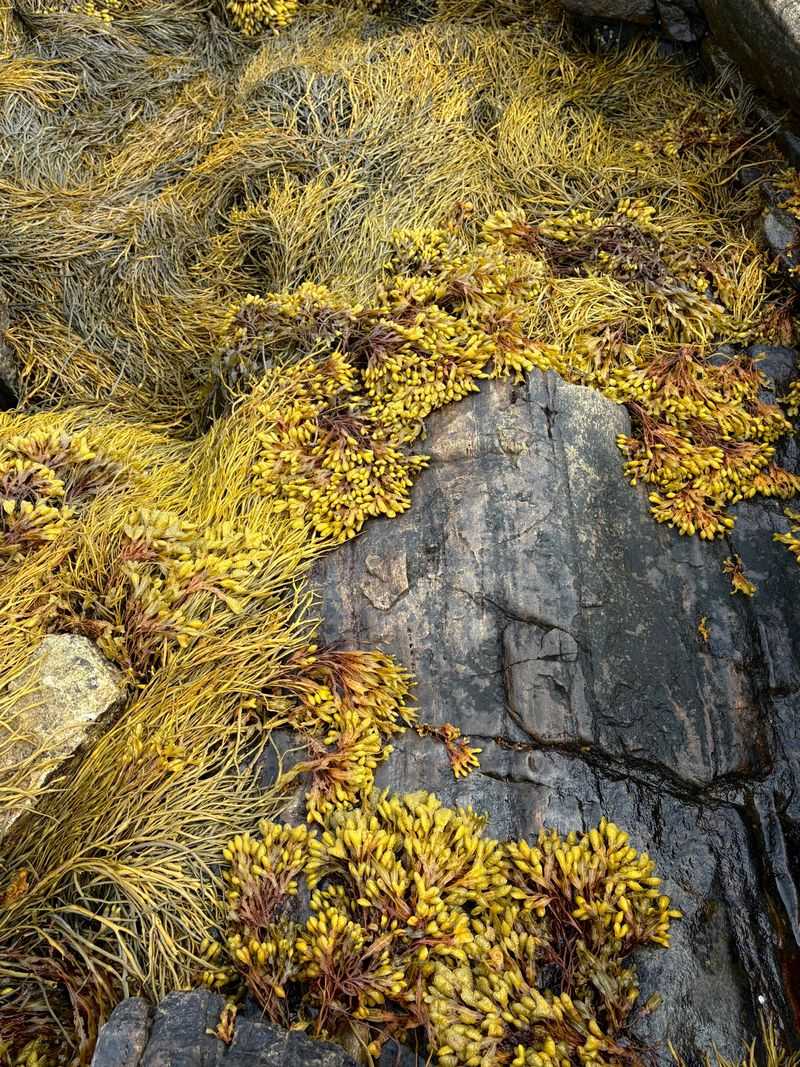
Rockweed piles up in thick mats that look like solid ground. Underneath sit sharp barnacles, broken shells, and deep gaps.
Dogs also love to snack on stranded seaweed, which can upset a stomach or carry hidden debris.
Route around the weed line rather than through it. Discourage scavenging with a reliable leave-it cue.
Barnacle scrapes are minor but sting, so a quick paw check afterward is smart.
Incoming Tide Means It Is Time to Turn Back
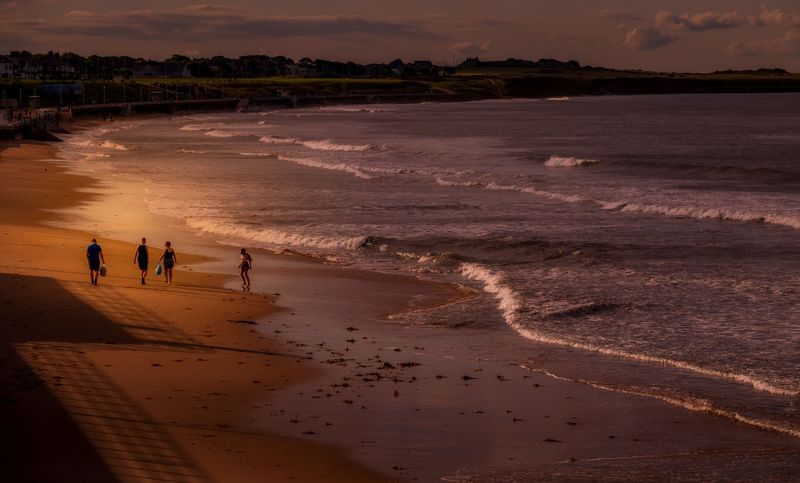
Rising water is your signal, not a suggestion. Watch for the wet line creeping upward and driftwood starting to float.
Once you notice those cues, head toward your exit rather than pushing for one more cove.
A handy habit: set a phone alarm for one hour before high tide. When it chimes, you walk back.
Simple systems work better than judgment calls made when everyone is tired.
Leashes Give You More Control
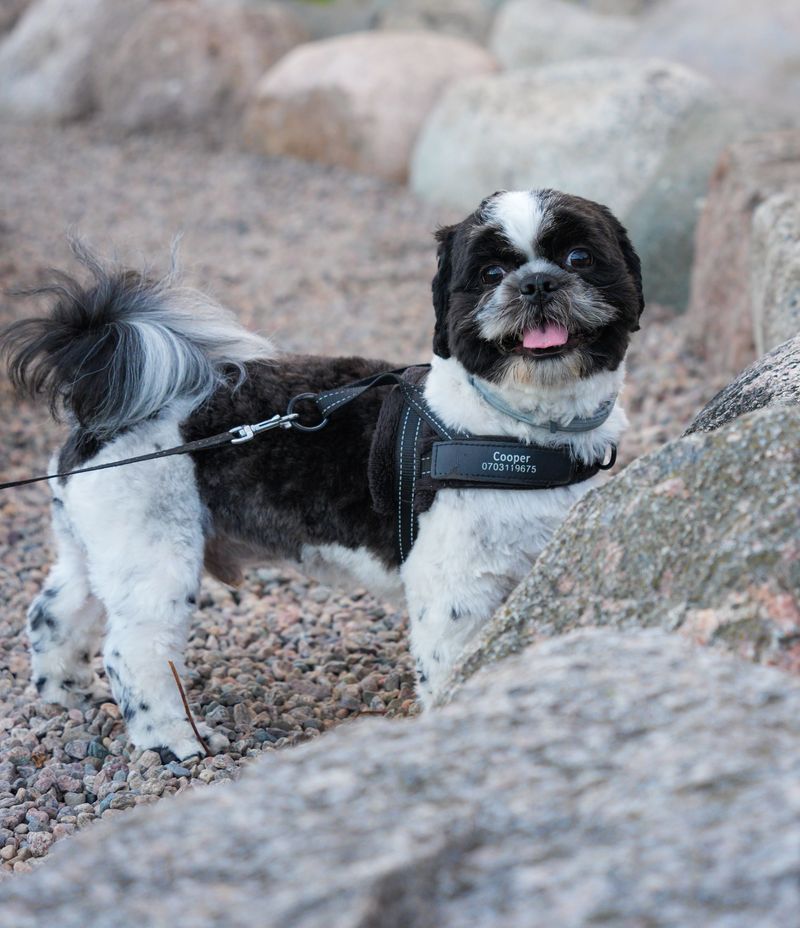
Rules differ by town, and many Maine beaches allow off-leash hours only in the off-season. Some allow none at all.
Beyond the law, a leash simply helps on uneven ground. It stops a dash toward surf or a slick ledge.
A six-foot leash with a well-fitted harness beats a retractable line on rock. Check the local ordinance or posted signs before you go, since regulations change seasonally.
Choose Beaches With Safer Access Points
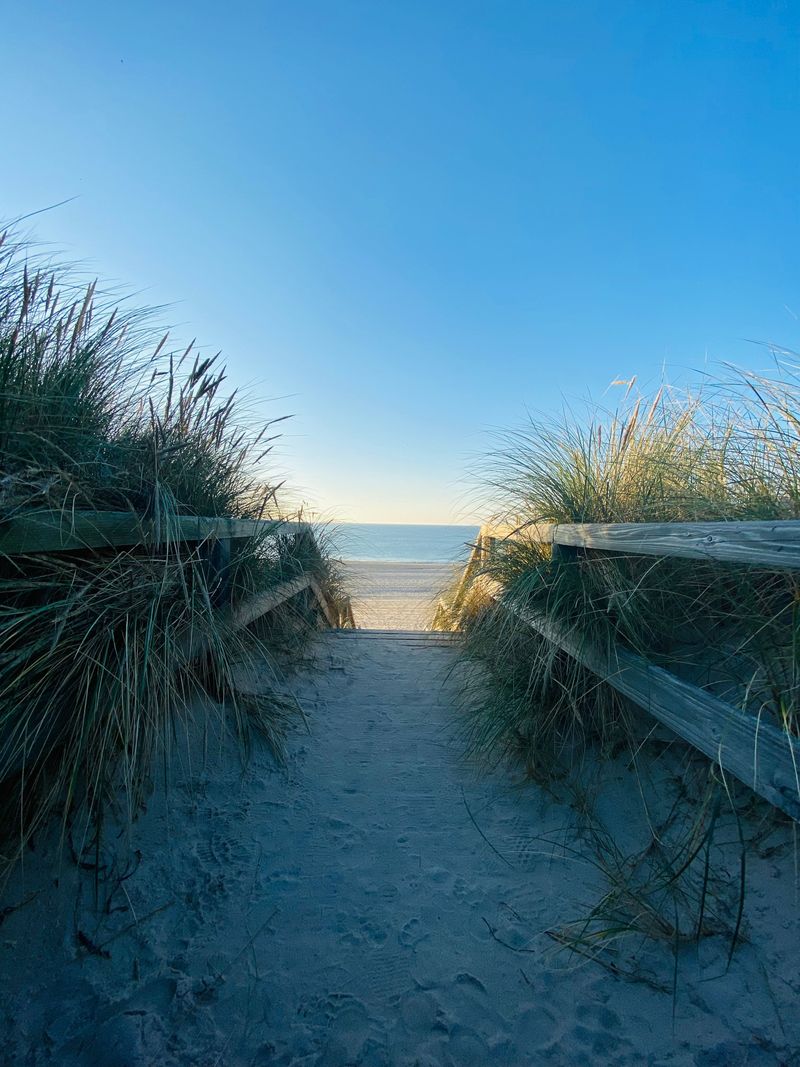
Access matters as much as the beach itself. Stairs with railings, graded paths, and gentle sand entries make life easier than a boulder scramble.
Places like Pine Point, Popham, and Ogunquit offer flatter walking, while cove beaches often demand rock hopping.
Scout a new spot without your dog if you can. Knowing where the exit sits, and how long it takes to reach, changes how relaxed the whole outing feels.
Freshwater Rinse Helps After Saltwater Play
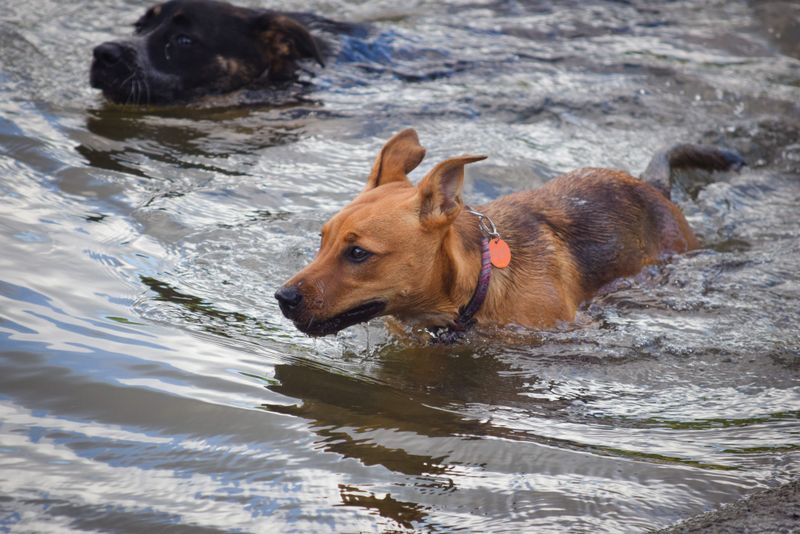
Dried salt leaves a coat crunchy and skin itchy. Sand trapped near the belly and armpits rubs into hot spots over a few days.
A rinse right after the walk solves most of it.
Fill a jug or use a portable sprayer at the car, focusing on the underside, tail base, and between toes. Towel dry well.
Dogs who lick salty fur may also get a mild stomach upset.
Watch Paws After Rocky Beach Walks
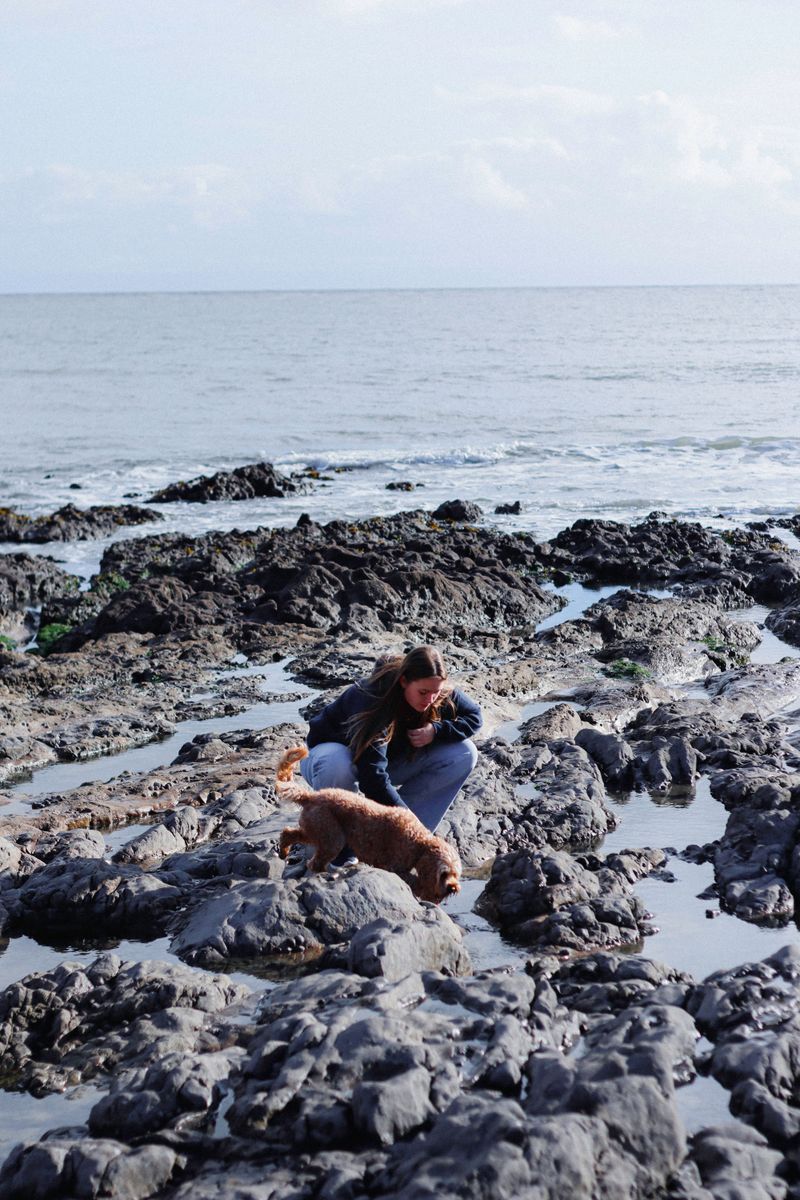
Barnacles, mussel shells, and rough granite are hard on pads. Cuts often go unnoticed until you spot pink smudges on the floor at home.
Salt water can also mask soreness while you are still out there.
Spread the toes and look between them once you finish. Rinse small scrapes, then keep them clean and dry.
Anything deep, limping, or still tender the next day deserves a vet visit.
Keep an Eye on the Weather
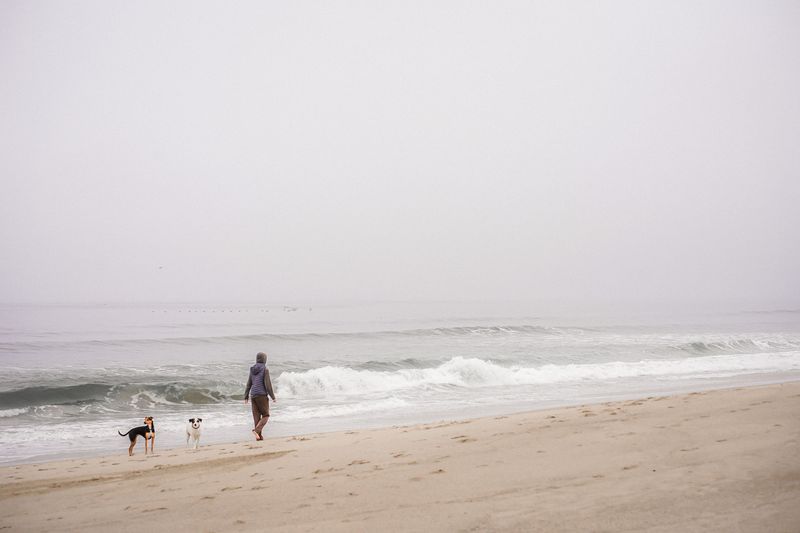
Fog arrives on the Maine coast with almost no warning. Visibility drops, landmarks disappear, and a familiar beach suddenly feels unfamiliar.
Wind matters too, since onshore breezes build waves and push water higher than predicted.
Glance at the marine forecast alongside the tide chart. Bring a bright collar or light for foggy days.
Thunder in the distance is a clear cue to head for the parking lot.
Give Wildlife Plenty of Space
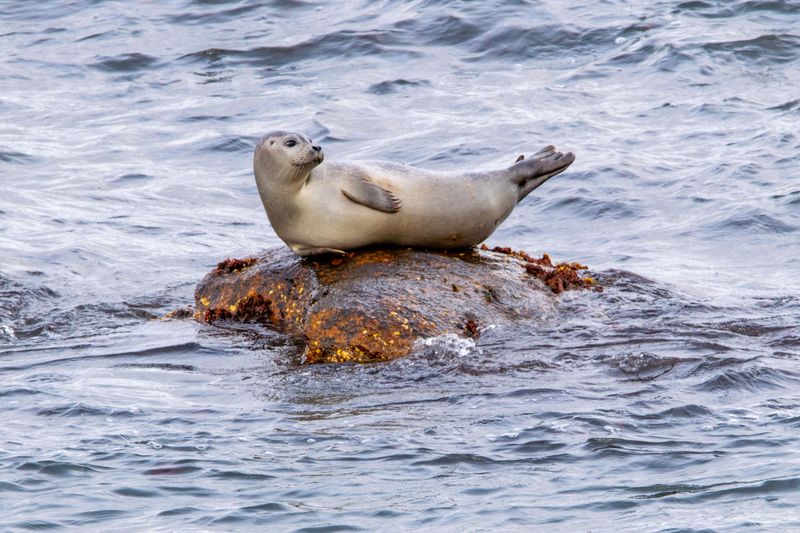
Harbor seals haul out on Maine rocks to rest, and pups are sometimes left alone while a parent feeds. Federal law protects them, so keep well clear and leash up.
Piping plovers and least terns nest on sandy beaches, and fenced areas may restrict dogs entirely in summer.
Report a seal that seems in trouble to Maine Marine Patrol or a licensed responder. Never let your dog approach.
Pack water and a way to dry off for every trip.