What Virginia Dog Owners Should Know About Local Leash Laws
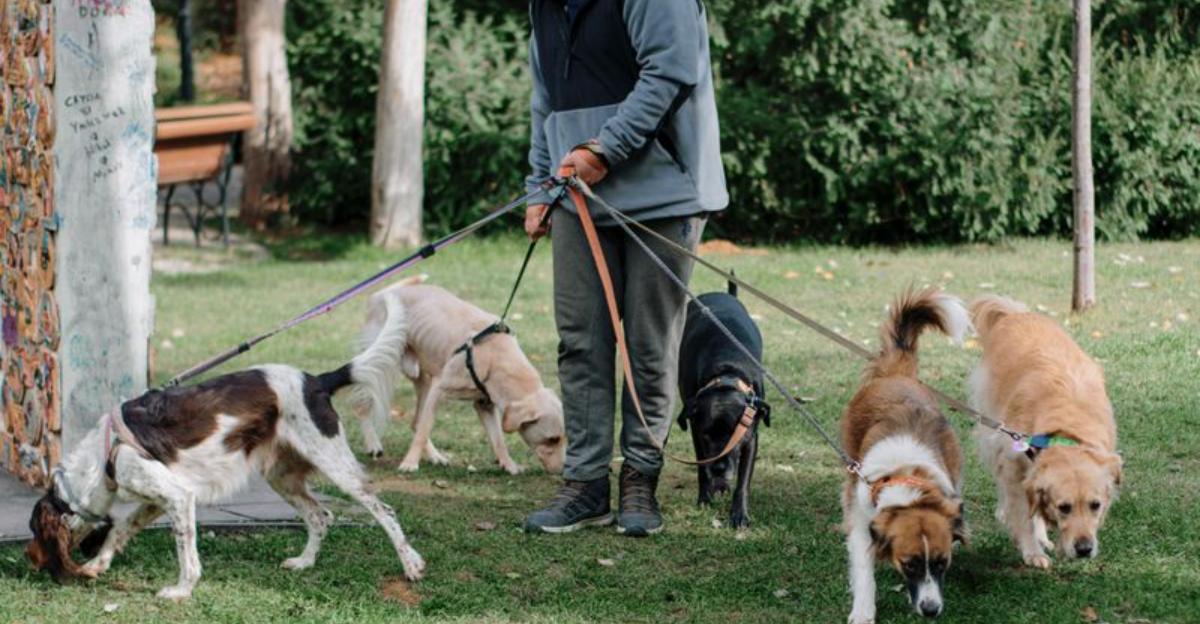
Walking your dog in Virginia comes with a few rules worth knowing, and most of them are set close to home. There is no single statewide leash law here.
Instead, cities, counties, and towns write their own, which is why a rule in Arlington may look different from one in Virginia Beach. Here is a friendly walkthrough of what matters most, so you can head out with your dog feeling confident and prepared.
1. Immediate Control Is the Legal Standard
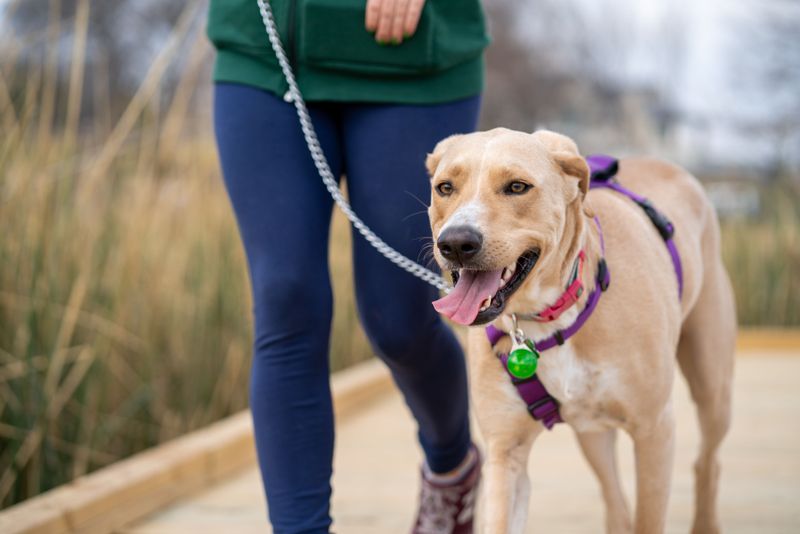
Virginia’s running-at-large law focuses on one phrase: immediate control. A dog off its owner’s property and not under immediate control may be considered running at large.
Voice command sometimes counts, but it is a gray area that depends on the situation and the officer.
A leash removes the guesswork completely. When you are off your own property, clipping the leash on is the simplest way to stay clearly within the rules.
2. Rules Can Change by Season or Zone
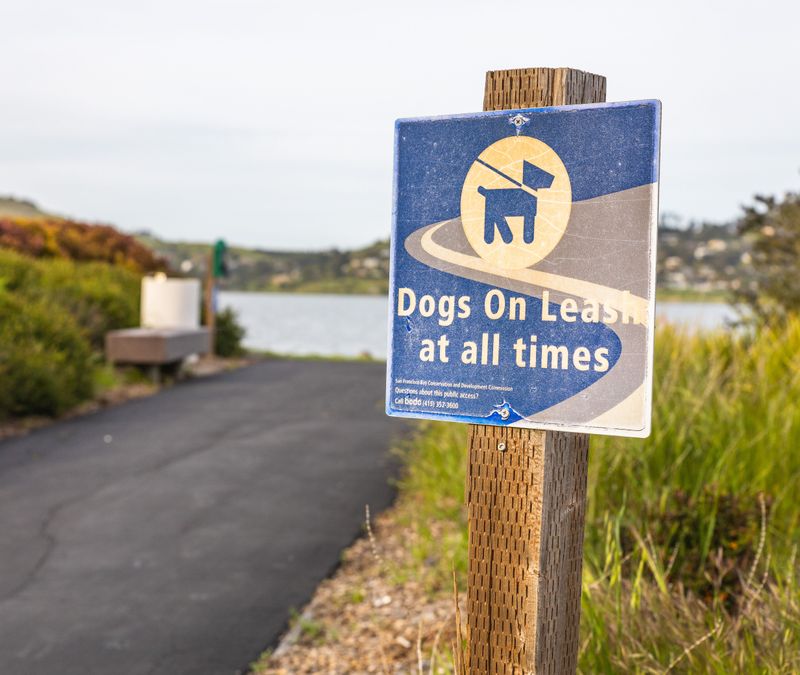
Here is something many owners miss. Code section 3.2-6538 lets a locality ban dogs from running at large in all or any designated portion of the area, during whatever months it chooses.
So a field that allows off-leash play in winter might require leashes in spring.
Signs usually explain it, but signs fade or go missing. Confirming the current rule before nesting season or hunting season is a smart habit.
3. Start With Your Own City or County Code
Virginia leaves leash rules to local governments. State law, specifically Code section 3.2-6539, lets cities, counties, and towns adopt their own leash ordinances.
That means your neighbor two counties over may follow different rules entirely. Search your locality’s animal control page or call the county office directly.
Ten minutes of reading now saves confusion later. Print or bookmark the ordinance, especially if you travel around the state with your dog.
4. Confinement Rules Also Exist
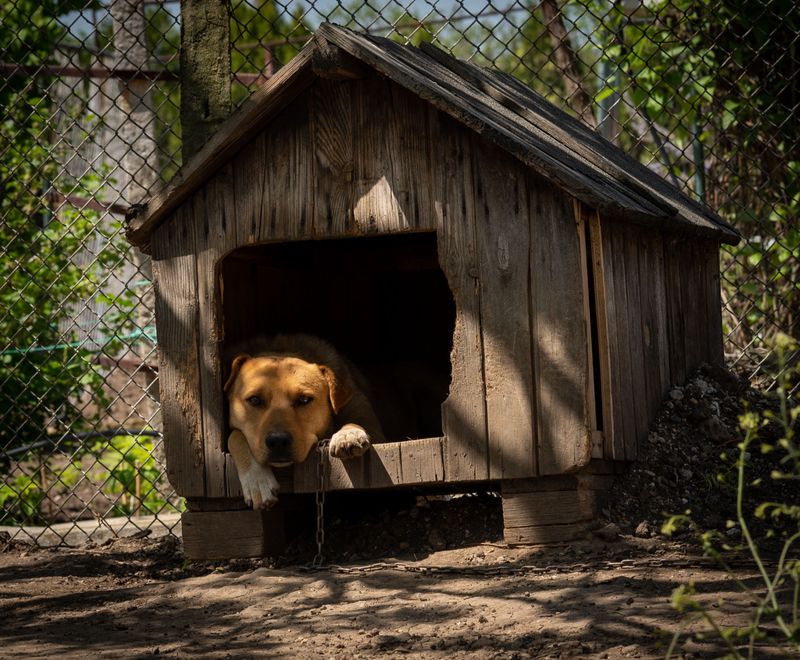
Leashing is not the only tool localities have. That same state code lets them require dogs to be confined, restricted, or penned up during designated periods.
Reasons vary: wildlife protection, public safety events, or seasonal concerns in rural areas.
If your locality announces such a period, a secure yard, kennel, or indoor space keeps you compliant. Check notices from animal control, since these rules are often temporary and easy to overlook.
5. Loose Dogs in Groups Bring a Civil Penalty

Dogs traveling in groups worry lawmakers more than a single wanderer. When a dog runs loose with one or more other loose dogs, local ordinances may treat it as running at large in a pack.
Under Code section 3.2-6538, that can carry a civil penalty of up to one hundred dollars per dog.
Two dogs, two penalties. Keeping multiple dogs leashed or fenced protects your wallet and your peace of mind.
6. Hunting Dogs Sit in a Different Category
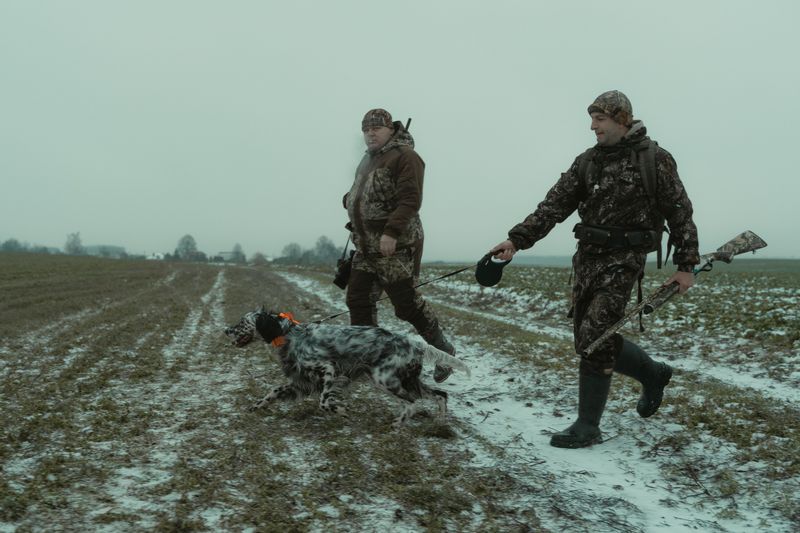
Hunting dogs receive special treatment under Virginia law. Code section 3.2-6538 exempts dogs used for hunting from local running-at-large ordinances.
A dog engaged in lawful hunting or training is not automatically considered at large if it ranges ahead.
The exemption is narrow, though. Wildlife management area rules, season dates, licensing, and trespass laws still apply fully.
Hunters should confirm requirements with the Department of Wildlife Resources before heading afield each year.
7. A Leash Violation Can Be a Class 4 Misdemeanor
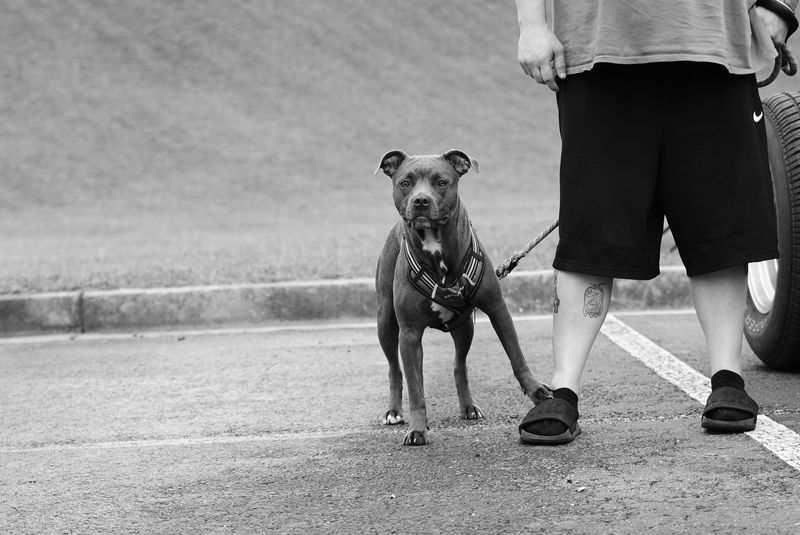
Most owners assume a loose dog means a warning. Often it does, but Virginia law allows more.
Failure to leash a dog in violation of Code section 3.2-6539 is classified as a Class 4 misdemeanor, which carries a maximum fine of two hundred fifty dollars.
Some localities, including Louisa County, spell this out for a first offense. Penalties differ locally, so confirm the specific ordinance where you live or visit.
8. Impoundment Is a Real Possibility
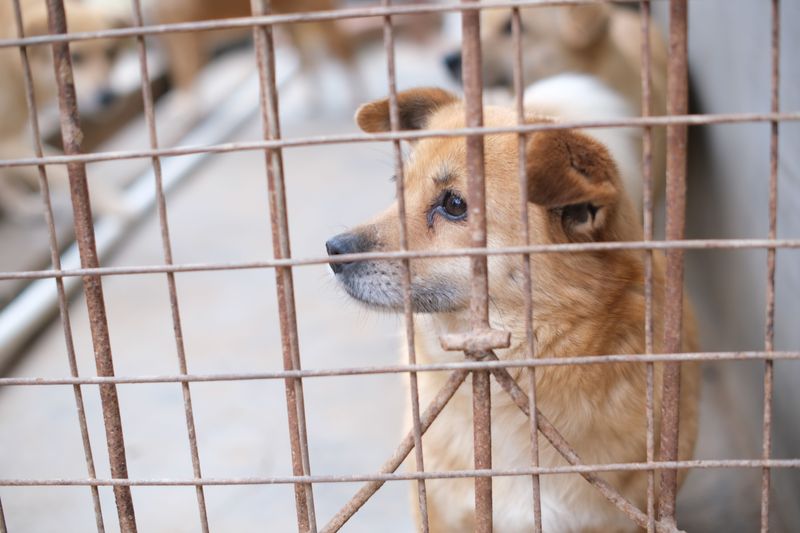
When a dog is picked up at large, animal control may impound it under local rules. Officers try to identify and contact the owner right away.
Getting your dog back usually means paying impoundment fees and showing current license and rabies vaccination records.
Keeping copies of those documents on your phone speeds everything up. A collar with clear ID tags often prevents the trip to the shelter entirely.
9. Licensing Kicks In at Four Months

Virginia requires dogs four months and older to be licensed in the city or county where they live, with limited exceptions.
Proof of current rabies vaccination is generally required first. Licensing helps track vaccinations and reunites lost pets with families much faster.
Fees are modest and often handled through the treasurer’s office or animal control. Set a phone reminder for renewal so a lapsed license never catches you off guard.
10. Tags Belong on the Collar When Off Property
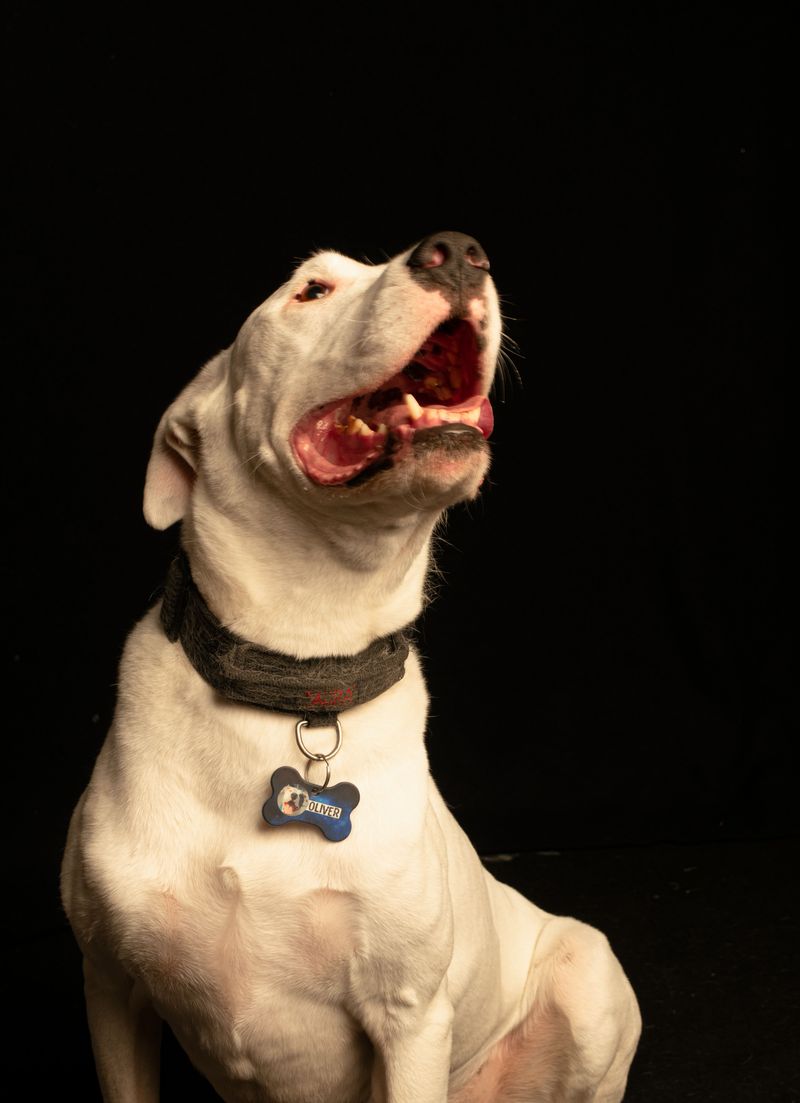
A license only helps if the tag is where officers can see it. Virginia generally expects a licensed dog roaming at large to be wearing its tag.
The law lists narrow exceptions, including lawful hunting and dogs under the owner’s immediate control.
Loudoun County, for example, requires the tag on a collar whenever a dog is off the owner’s property. Check the ring monthly, since tags loosen over time.
11. Rabies Rules Can Add Restrictions
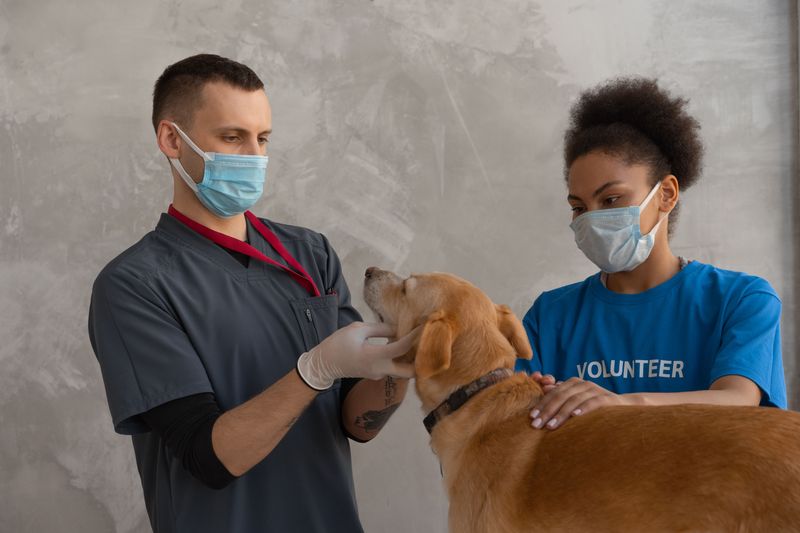
Public health concerns can tighten the rules temporarily. Localities may adopt rabies-control measures, which sometimes include added restraint or vaccination requirements.
Virginia State Parks recommend carrying proof of current vaccination when a rabies alert is active in the area.
Dogs involved in bite incidents must be quarantined as a standard control measure. Staying current on vaccination is simple protection for your dog, your family, and your neighbors.
12. Six Feet Is the State Park Standard
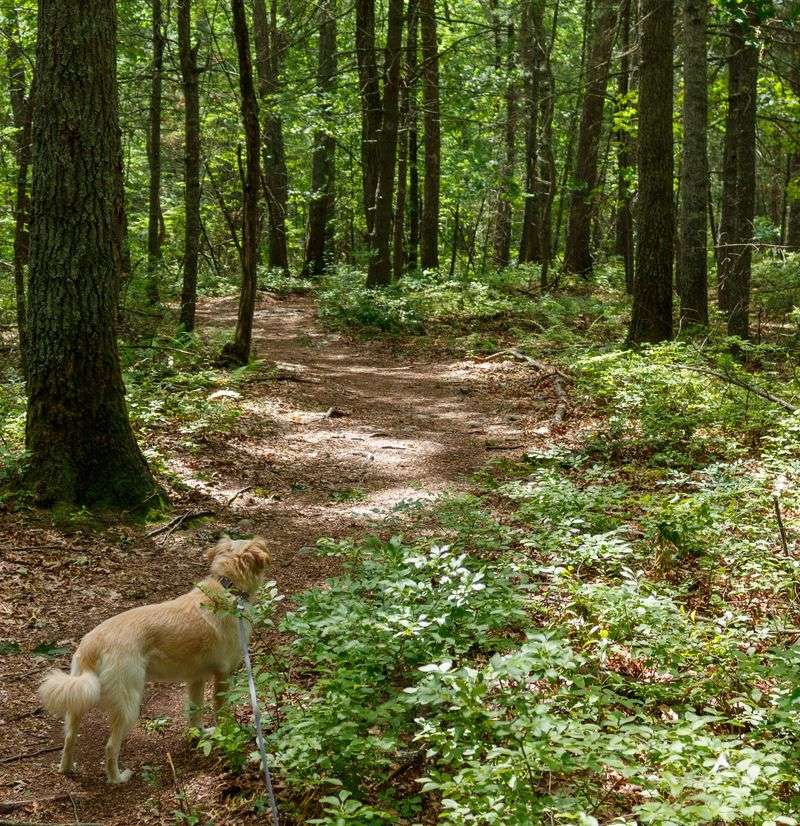
Planning a state park visit? Pets are welcome in all Virginia State Parks, but they must be supervised and kept on a leash no longer than six feet.
Retractable leashes extended beyond that length do not meet the standard.
Designated swimming areas, visitor centers, and park offices are generally off limits to pets. Individual parks may add trail or beach restrictions, so review that park’s page before you drive out.
13. People-Friendly Does Not Mean Dog-Friendly
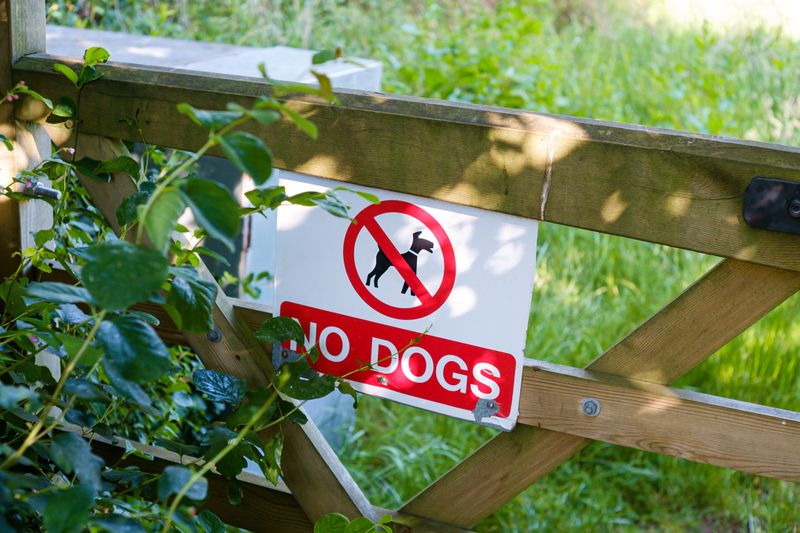
Plenty of beautiful public spaces quietly exclude dogs. Boardwalks, playgrounds, athletic fields, swim areas, and certain nature trails often prohibit them or require strict leashing.
Alexandria bars dogs from public playgrounds and school property even on leash. Arlington County keeps pets off designated athletic fields.
Charlottesville requires leashes in most city parks and on its Greenway Trail System. Reading posted signs at the entrance takes seconds and prevents an awkward turnaround.
14. Arlington County Keeps It Simple
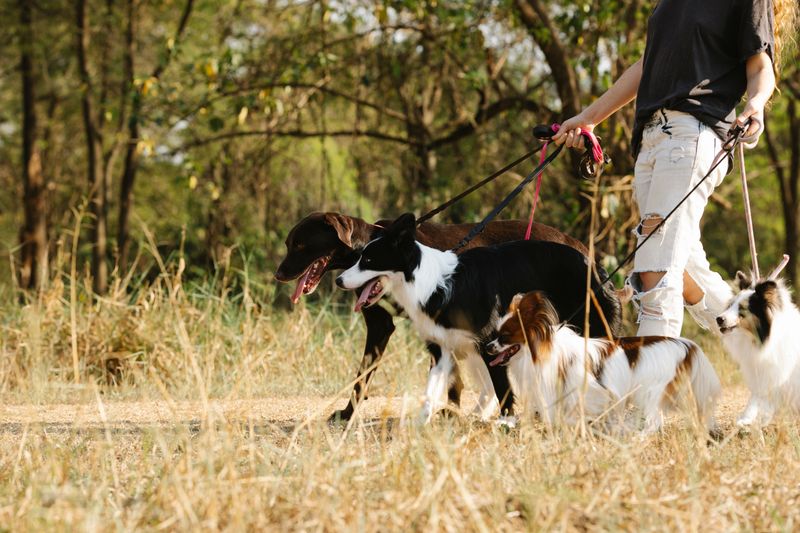
Arlington County draws a clean line. Outside county-sanctioned off-leash dog exercise areas, dogs must be secured by a leash or lead and under a responsible person’s control.
Electronic training collars do not count as restraint there.
The county maintains several fenced off-leash spots, which are the proper place for free running. Anywhere else in public, including sidewalks and trails, the leash stays clipped on and in your hand.
15. Alexandria Requires Physical Restraint
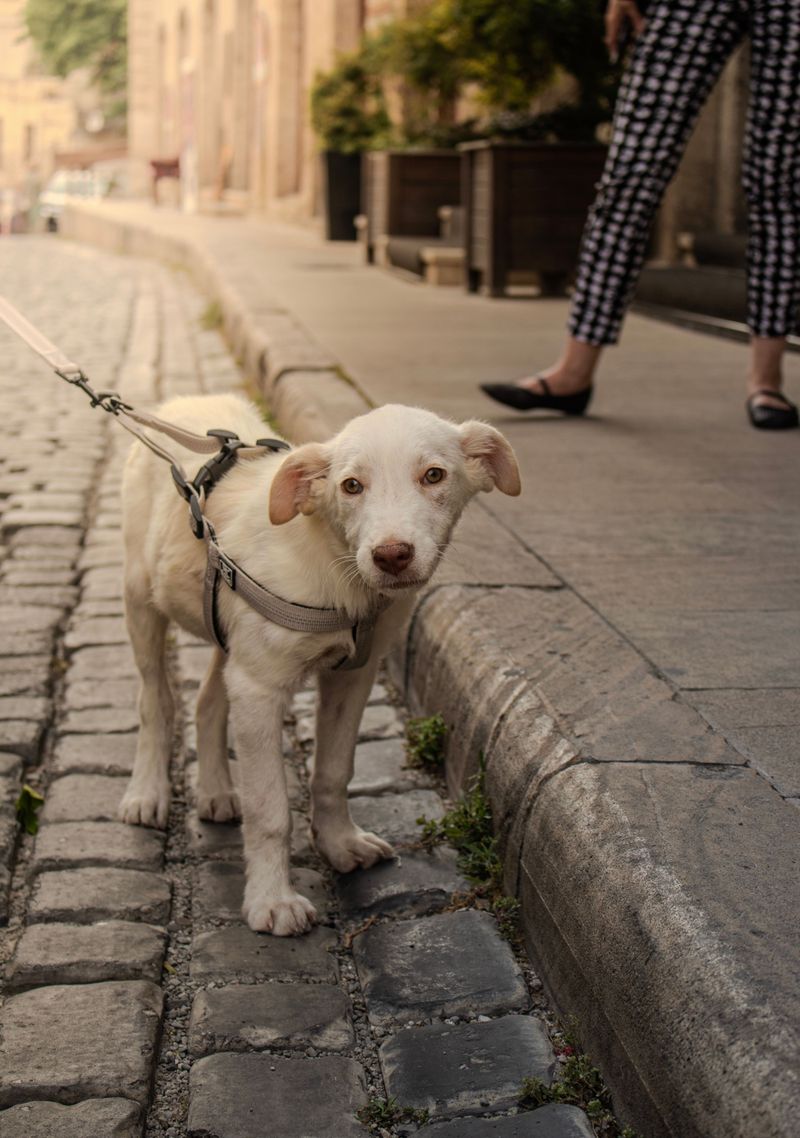
Old Town’s brick sidewalks come with clear expectations. In Alexandria, a dog outside its owner’s premises must be under physical restraint, meaning a leash or similar physical control.
An electronic collar alone does not satisfy the requirement.
The city also keeps dogs off public playgrounds and school property, leashed or not. Visitors strolling the waterfront should plan routes accordingly, since restricted spots sit close to popular walking areas.
16. Off-Leash Areas Come With Their Own Etiquette
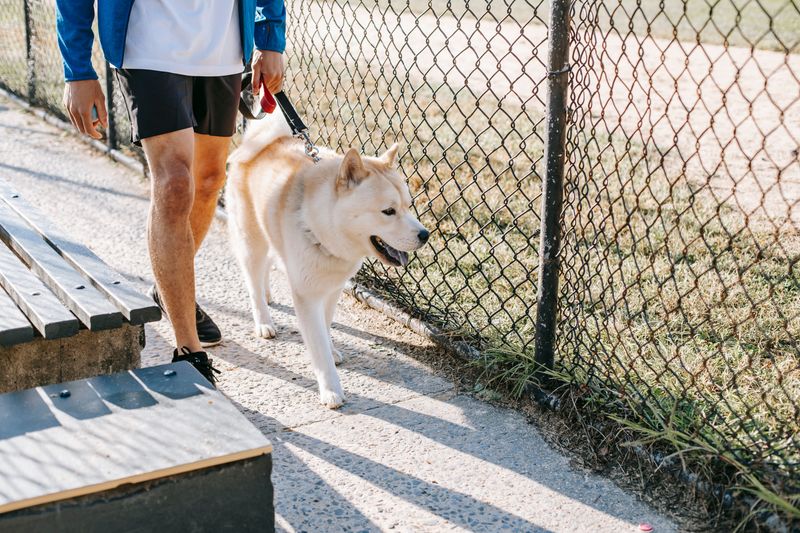
Alexandria’s designated off-leash areas are exceptions, not blanket permission for a dog to roam the city.
Dogs must be leashed while entering and leaving, and handlers are expected to keep a leash in hand the whole time.
Practically speaking, that leash lets you step in quickly if play gets too rowdy. Watching your dog rather than your phone is the unwritten rule every regular at these parks appreciates.
17. Virginia Beach Changes With the Calendar
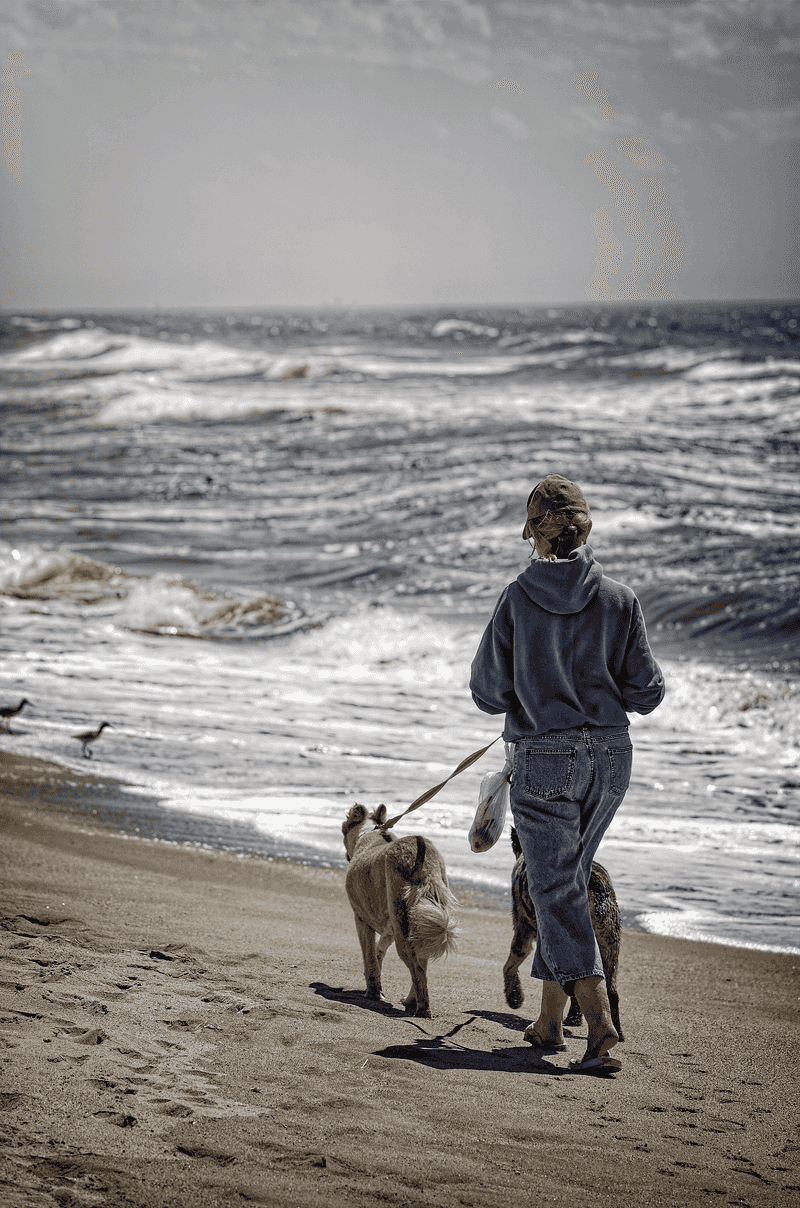
Coastal visits need a little planning. Virginia Beach requires a leash or lead in city parks and on sidewalks, streets, and public rights-of-way.
Beach access shifts by location and season. During the busy stretch from Memorial Day to Labor Day, dogs may be limited to certain beach sections during early morning and evening hours.
Off-season access is generally broader for leashed dogs. Check the current city rules before you pack the car.
18. Rural Land and Livestock Deserve Extra Caution
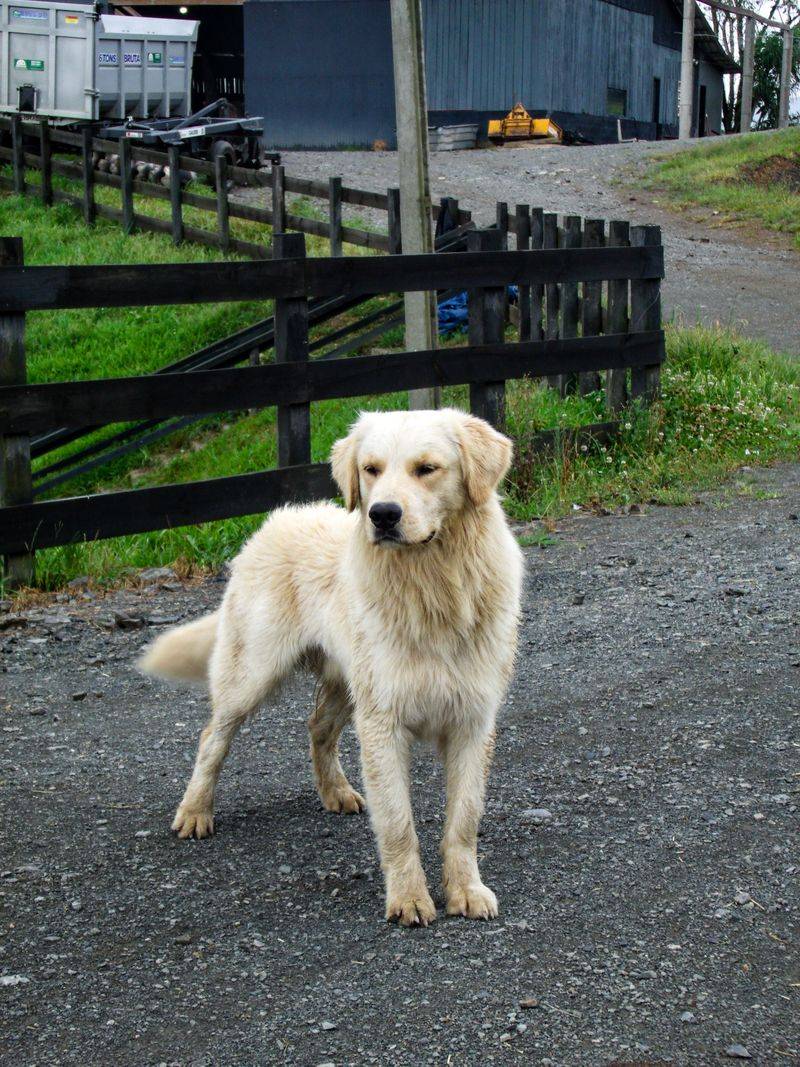
Country walks feel wide open, and that is exactly where care matters most. Virginia law, under Code section 3.2-6552, treats dogs chasing or harming livestock and poultry very seriously.
Consequences reach far beyond a routine leash citation, and courts have broad authority in these cases.
Near pastures, chicken houses, or open farmland, keep the leash short and the dog close. Respecting a farmer’s fence line protects animals and your companion alike.