12 Paperwork Checks Georgia Dog Owners Should Make After Crossing County Lines
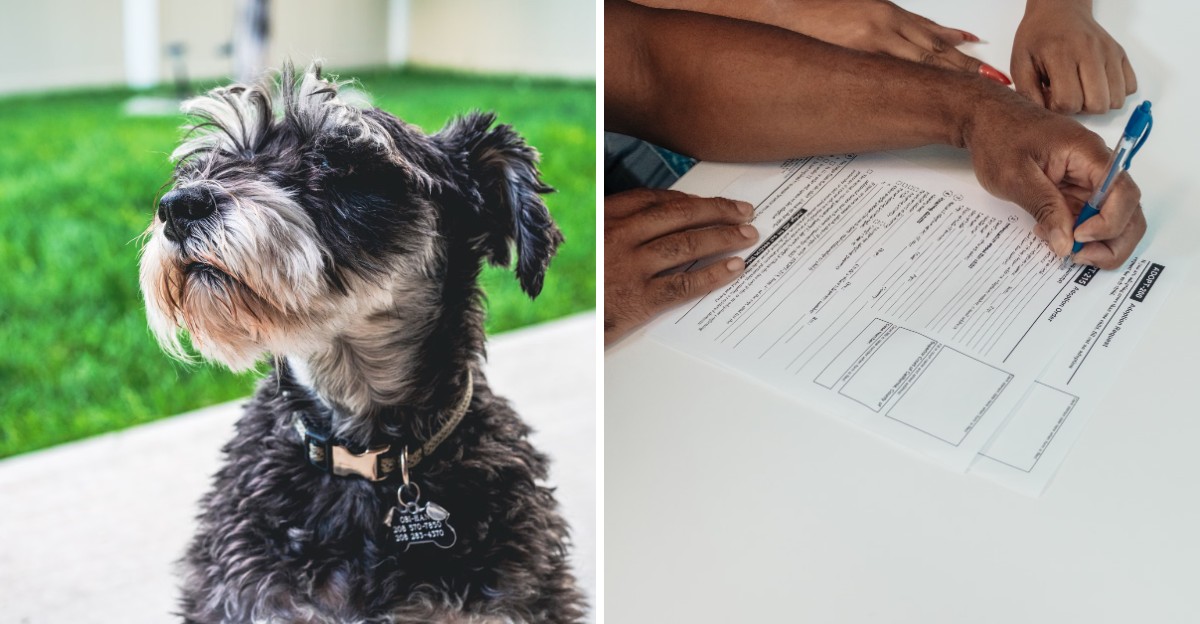
Moving across a county line in Georgia can quietly change the rules your dog lives under. Licensing, rabies enforcement, and animal control ordinances are set locally, so what applied in your old neighborhood may not apply in the new one.
The good news is that catching up takes an afternoon, not a headache. Here are twelve simple paperwork checks that keep your records tidy, your dog protected, and your new county satisfied.
1. Check Your New County’s Dog Licensing Rules
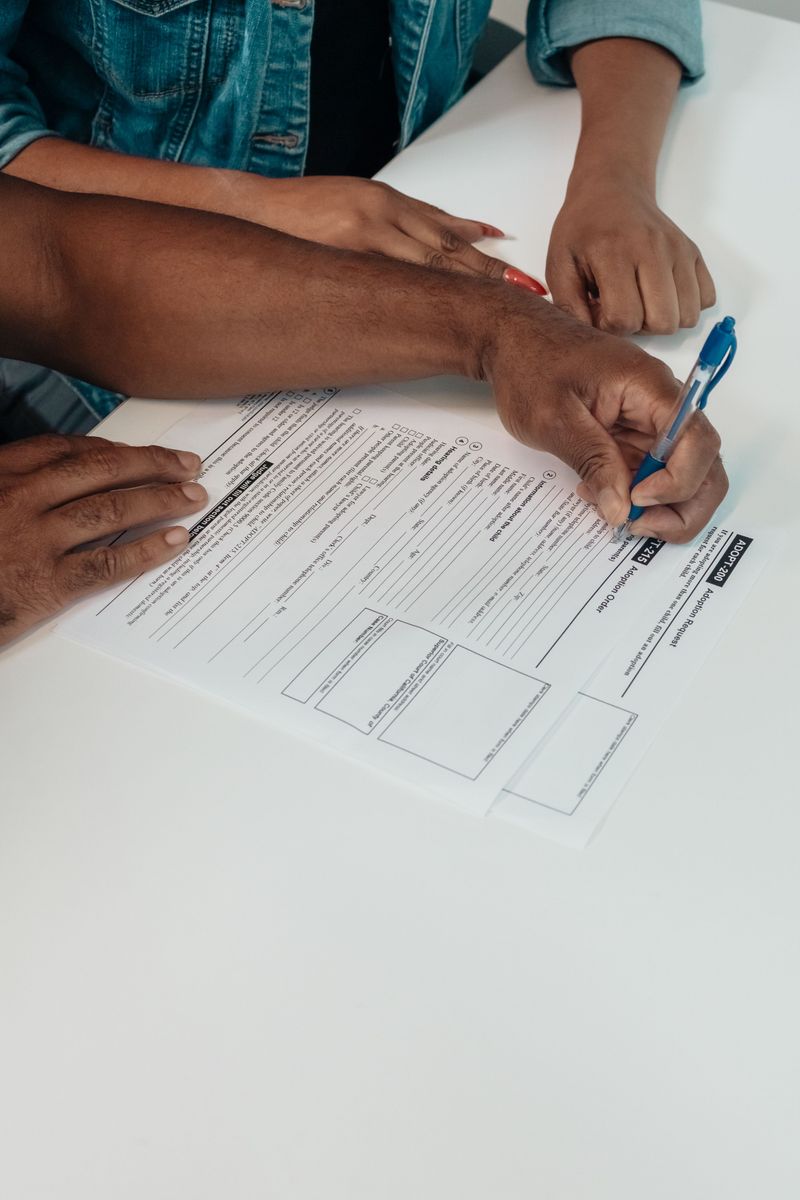
Georgia leaves general pet licensing up to local governments, so the rules can change when you cross county or city lines. Fulton and DeKalb require pet licensing or registration, while Bartow County requires current rabies tags and has separate registration requirements for classified dogs.
Bartow instead expects every animal to wear a current rabies tag. Fees and renewal terms are set locally too.
Call your new county’s animal services office early. Many require registration within a set number of days after you become a resident.
2. Make Sure the Rabies Certificate Is Current
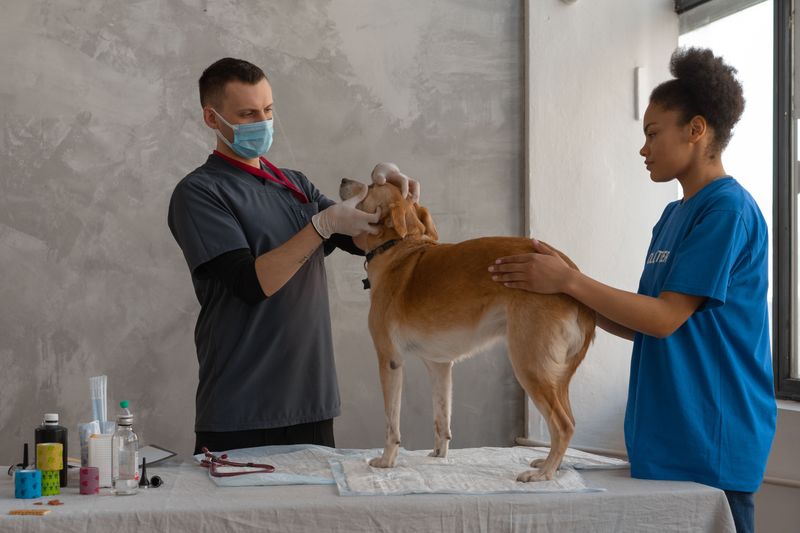
Start with the one document that matters everywhere. Georgia law requires owned dogs and cats to be vaccinated against rabies by a licensed veterinarian.
Animals twelve weeks or older entering the state need proof of a current, approved vaccination. That vaccination must follow the national Compendium of Animal Rabies Prevention and Control.
Check the expiration date on the certificate, not just the tag. An expired date complicates licensing, boarding, and travel.
3. Update the Address on Your Dog’s Records
New mailbox, new paperwork. Every record tied to your dog should reflect your current address, starting with your veterinarian and your microchip registry.
Owners of dogs classified as dangerous or vicious face a firmer rule. State law directs them to notify the dog control officer in the former jurisdiction and register in the new one within ten days of becoming a resident.
Write the changes down as you complete them.
4. Confirm Whether Your County Requires a Dog License
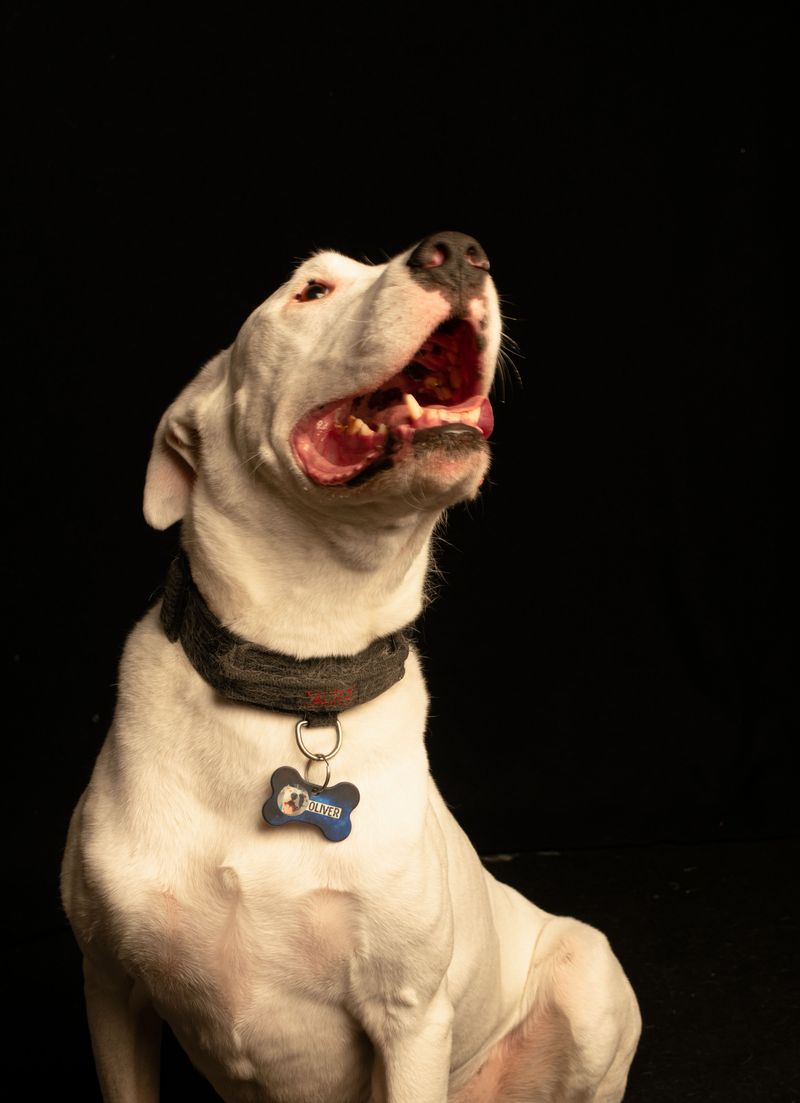
Guessing rarely works here, because licensing is decided at the county and city level.
Contact the animal control or animal services department that covers your new address. Ask plainly whether a license is required, what it costs, and how long it lasts.
Also confirm whether city limits change the answer. Some residents fall under both a city ordinance and a county one, with slightly different paperwork for each.
5. Keep the Rabies Tag Information With the Certificate
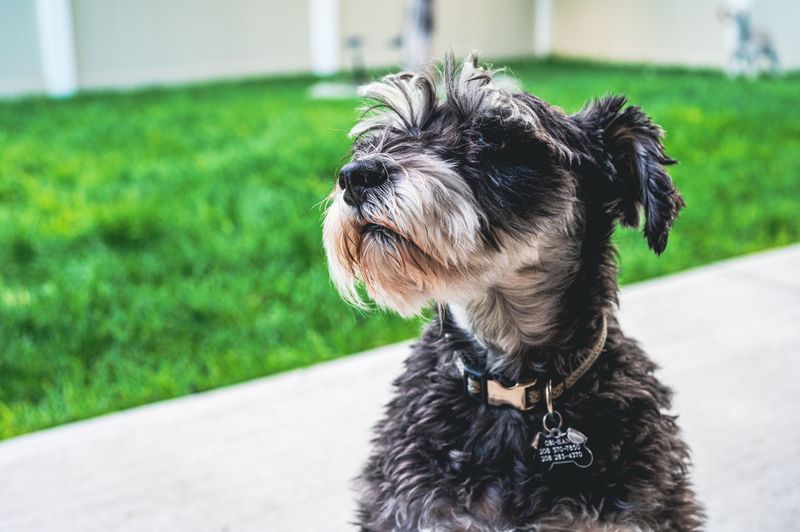
The tag on your dog’s collar and the certificate in your file belong together.
Your certificate provides the documented record of your dog’s rabies vaccination. Keep the certificate and rabies tag together, because local animal-control rules may require a current tag on the dog’s collar and may also require vaccination records when handling licensing or other animal-control matters.
Jot the tag number on your copy of the certificate. If the tag goes missing on a walk, that note saves you a phone call.
6. Check Your New County’s Rabies Rules
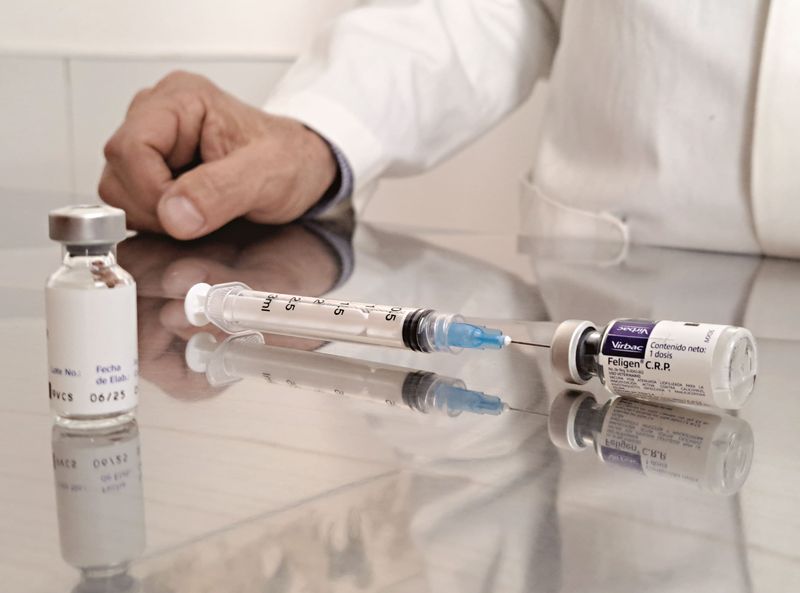
Statewide law sets the baseline, but local boards of health carry out rabies control day to day.
That means county-level guidance can differ on booster timing, whether annual or every three years, and on how proof is submitted.
A quick call to the local rabies authority or health department clears up any confusion. Ask which vaccine interval they recognize, then schedule the next booster before it slips your mind.
7. Update Your Veterinarian’s Contact Information
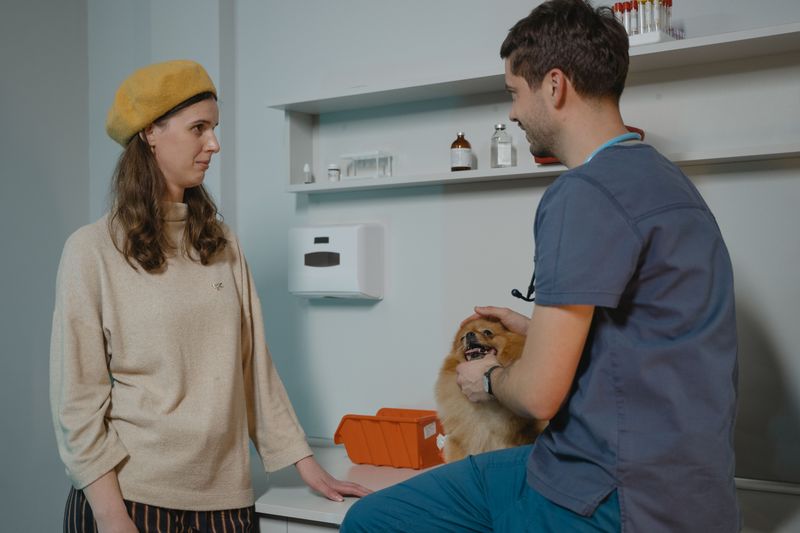
Picture your vet trying to reach you about lab results and hitting an old phone number.
When you settle in, give your new clinic your current mobile number, email, and address. Confirm the spelling and read it back.
Continuity matters most during urgent visits, when staff need to reach you quickly. Updated details also help your old clinic forward records without delays or returned mail.
8. Save a Copy of Your Dog’s Medical Records

Ask your previous veterinarian for a complete copy of your dog’s history before the move settles.
Include vaccine dates, prescriptions, surgical notes, and recent test or imaging results.
Handing that packet to your new clinic gives them real context instead of guesswork. It helps them understand ongoing conditions and avoid repeating tests.
Store one paper copy in a labeled folder and one scanned copy in cloud storage on your phone.
9. Check Microchip Registration Details
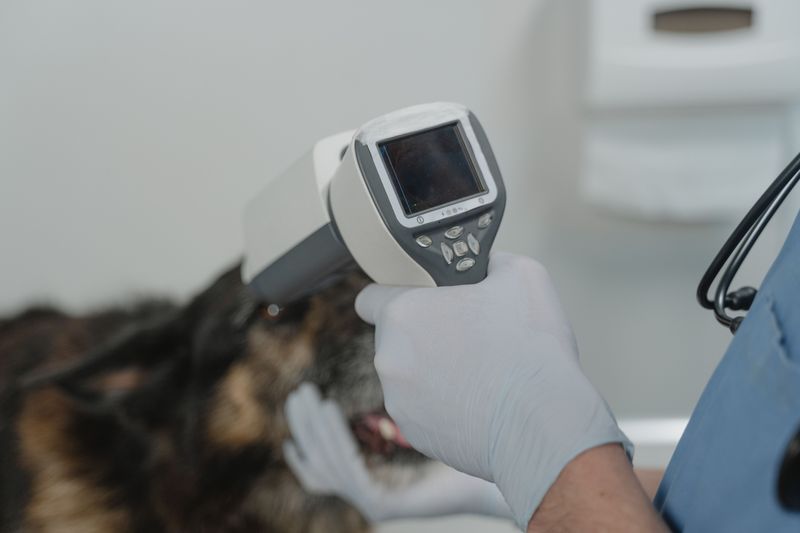
A microchip only works if the registry has your current phone number.
Log in to the microchip company’s site and update your address, mobile number, and email yourself. Clinics implant chips, but they usually do not maintain the registration for you.
Lost the original paperwork? A veterinarian can scan your dog, read the chip number, and help identify which registry holds the record.
10. Update Your Emergency Contact Information
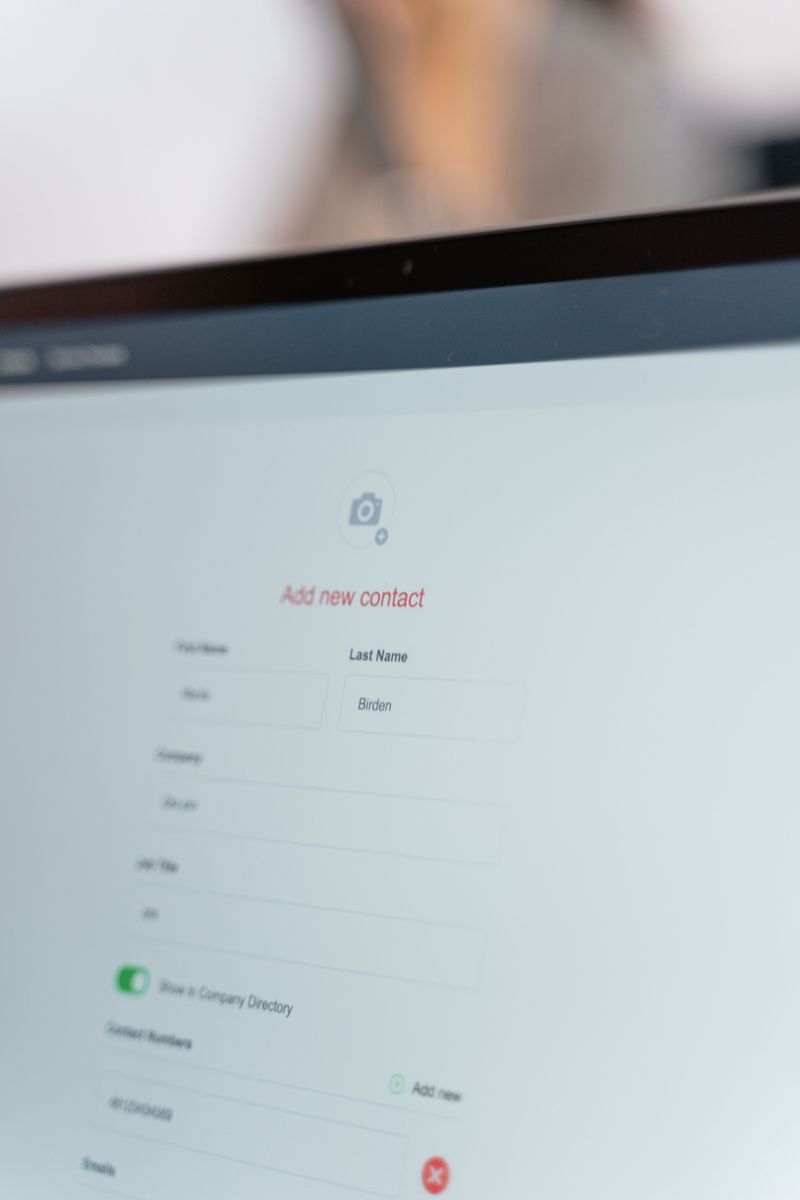
One overlooked line on a form can slow everything down when timing matters.
List a reliable local contact who can step in if you are unreachable, plus your current veterinarian’s name and number.
Many kennel and clinic intake sheets include a space for exactly that. Fill it in rather than leaving it blank.
Tell your chosen contact ahead of time, and share where your dog’s records live.
11. Review Local Animal Control Requirements
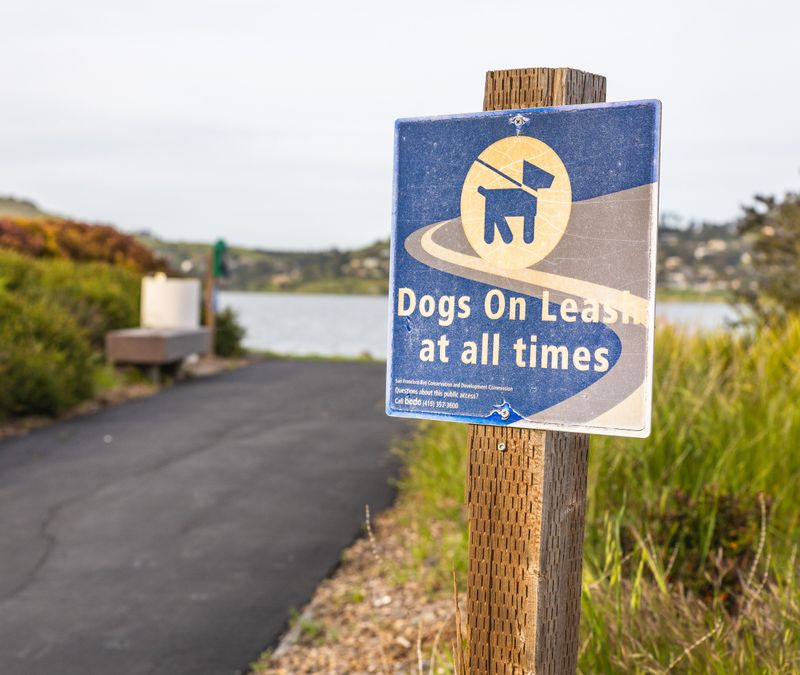
Local governments in Georgia designate dog control officers and enforce their own ordinances.
Those rules commonly cover leash requirements, nuisance complaints, and handling of dogs deemed dangerous or potentially dangerous.
The areas covered by local animal-control rules and enforcement can vary by county, city, and the animal-control arrangements in place. Read the ordinance that applies to your specific address, including any applicable city rules, and note anything new to you.
Neighbors often know the practical details, but the written ordinance is the source that counts.
12. Check Rules If Your Dog Is a Restricted Breed
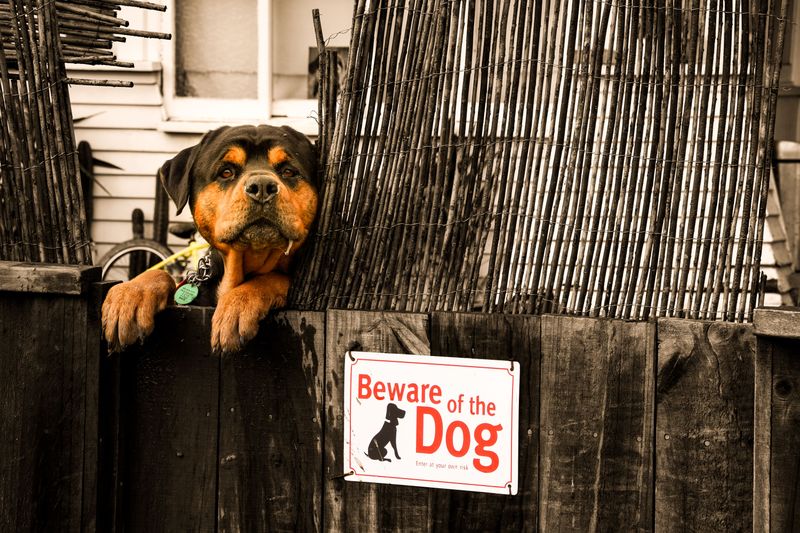
Georgia has no statewide breed ban, yet many counties and cities have adopted their own restrictions.
Local ordinances may classify certain dogs as dangerous or vicious, then require registration, liability insurance, secure enclosures, warning signs, or exclusion from dog parks.
Owners of classified dogs who move within Georgia must register in the new jurisdiction within ten days and notify the previous dog control officer. Renewals are typically annual, so calendar that date.