15 Small Dog Breeds Suited To Pennsylvania Rowhouses And Compact City Lots
Shared walls, steep stairs, and a backyard smaller than the kitchen make choosing a city dog surprisingly personal. In Pennsylvania rowhouses, a good match depends on barking, exercise, grooming, and comfort through sticky summers and snowy winters.
Small size helps, but daily habits matter much more than fitting neatly beside the sofa. Meet the breeds that can enjoy close quarters, along with the practical details that help neighbors stay friendly.
1. Cavalier King Charles Spaniel: A Cozy Couch Neighbor
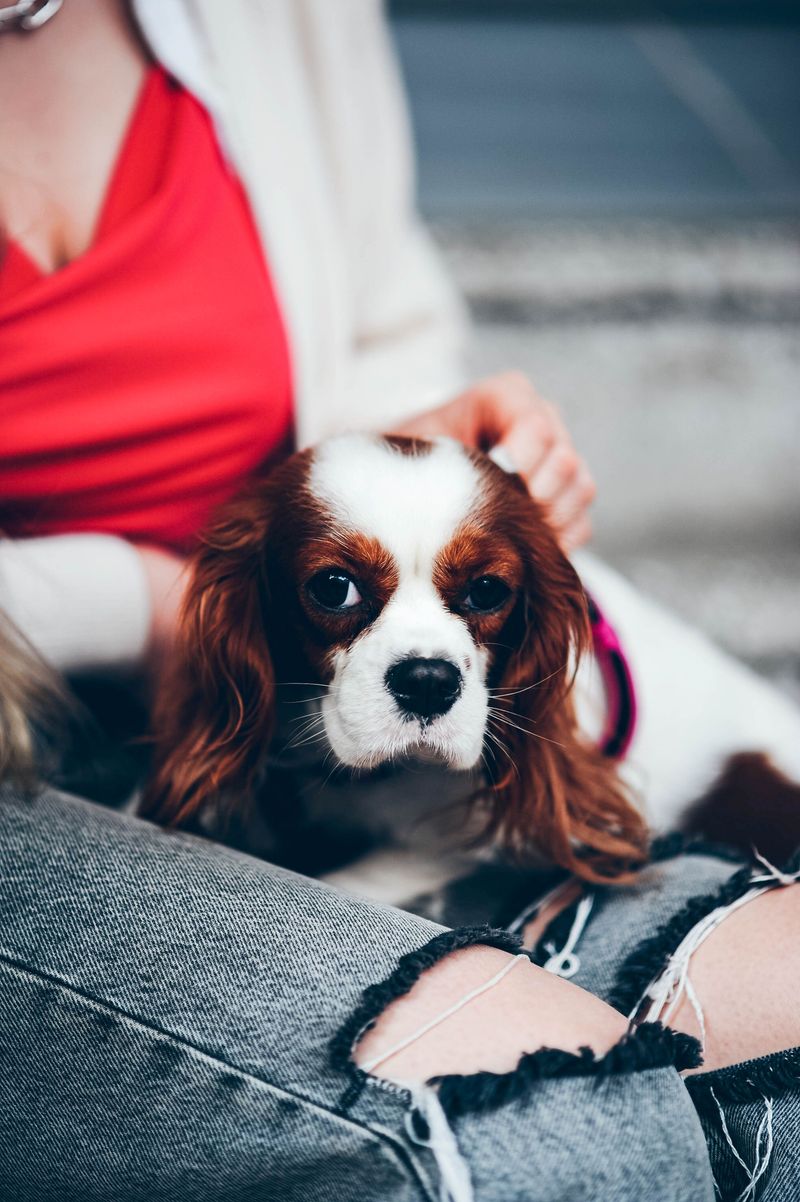
A warm lap usually wins over a sprawling backyard for these affectionate little spaniels. Most weigh between 13 and 18 pounds, making shared spaces manageable.
Plan daily walks and sniffing breaks, rather than relying on a tiny patio for exercise. Brush their silky coats regularly, especially behind those feathered ears.
Ask breeders about documented heart screening, since inherited heart disease affects the breed. Gentle companionship suits them, but practice comfortable alone time before long workdays begin.
2. French Bulldog: Big Personality, Small Footprint
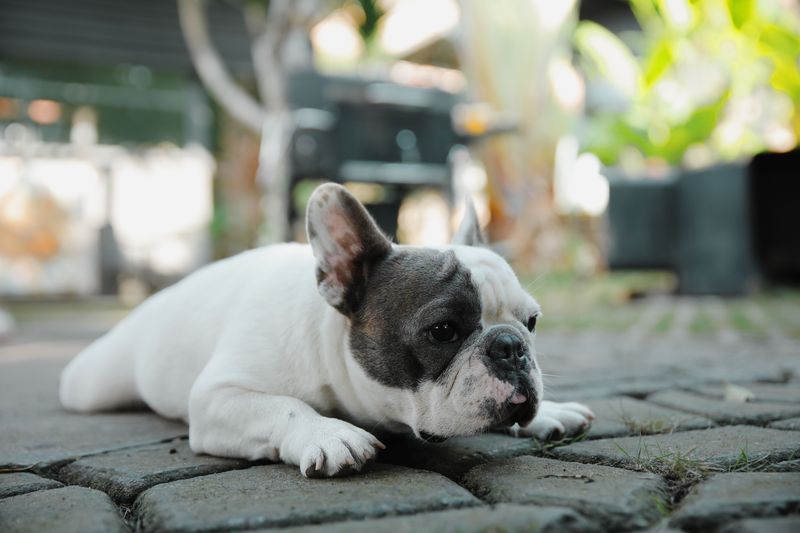
Bat ears and a comic expression can brighten even the narrowest hallway. Frenchies often enjoy indoor downtime, although they still need gentle exercise and enrichment.
Pennsylvania summer humidity deserves special attention because their short faces can make breathing and cooling difficult. Choose cool morning outings and keep indoor temperatures comfortable.
Discuss breathing, spine, and skin health with your veterinarian before committing. Avoid strenuous outings, use a harness, and never mistake noisy breathing for harmless background music.
3. Boston Terrier: The Neighborhood Comedian
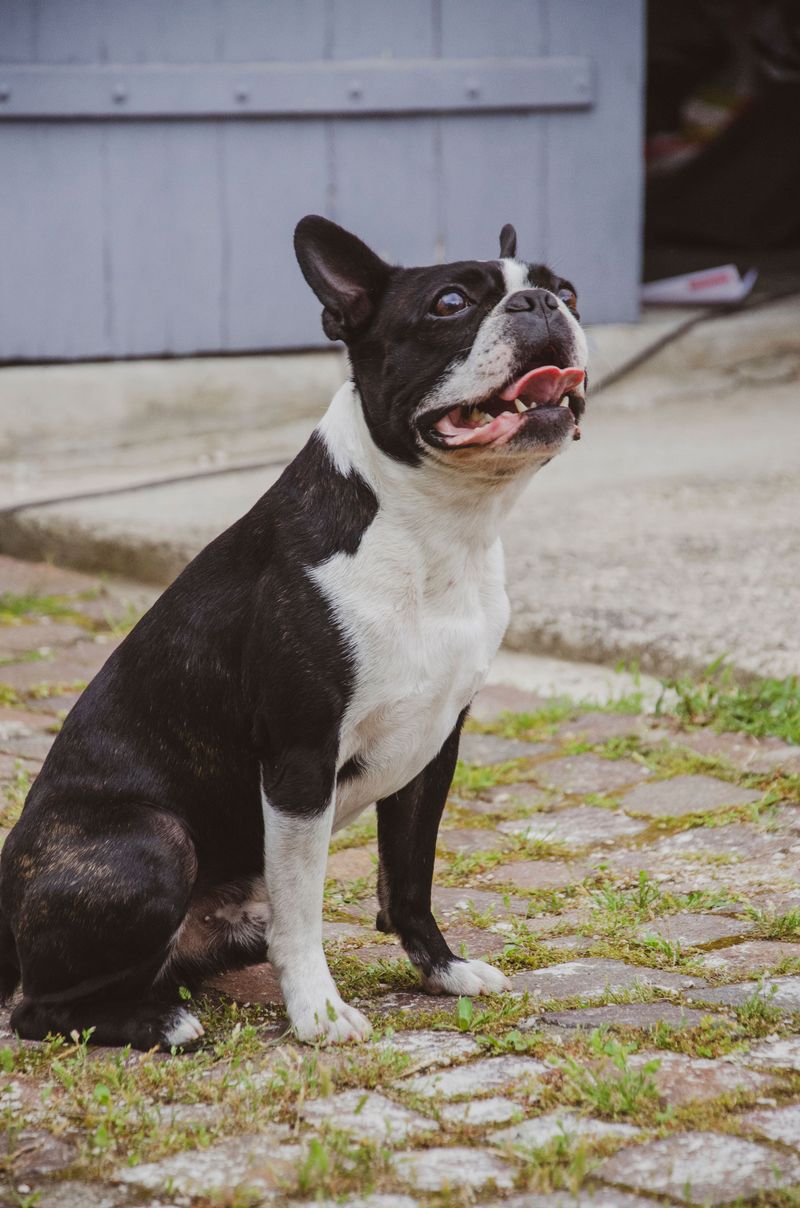
Expect a little comedy with your morning coffee when a Boston joins the household. Their lively playfulness can fit compact homes with thoughtful daily routines.
Mix neighborhood walks with short indoor games, then offer a quiet spot away from street noise. Reward calm behavior when neighbors pass the front window.
Short muzzles mean heat and strenuous exercise need caution, especially during humid afternoons. Protect their prominent eyes, and ask your veterinarian about breathing and eye health.
4. Shih Tzu: Royal Roots, Everyday Ease

Palace ancestry does not stop this cheerful companion from enjoying a modest living room. A Shih Tzu generally needs companionship more than a large lawn.
Keep walks comfortable and add gentle games indoors when sidewalks feel hot or icy. Their short faces call for extra care during Pennsylvania summer weather.
A shorter pet trim can simplify grooming, but regular brushing still matters. Clean facial hair carefully, arrange dental care, and teach patient handling from the beginning.
5. Havanese: A Sociable Little Shadow
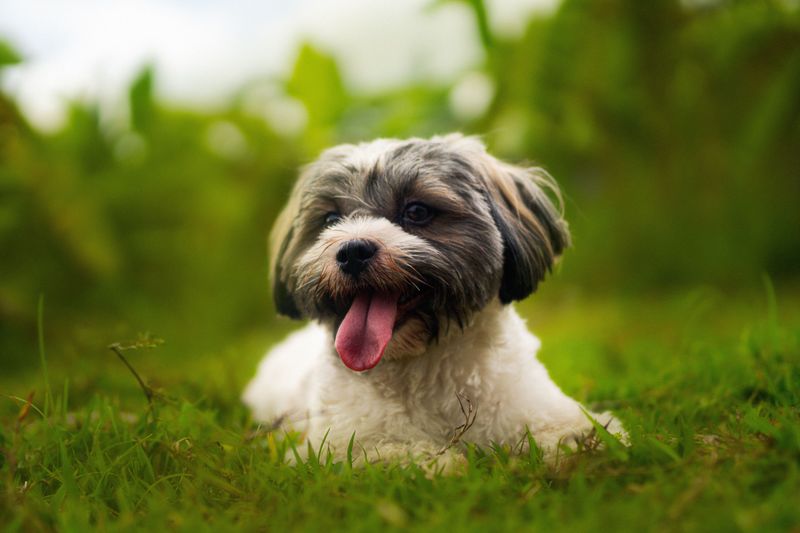
Footsteps behind you might become the sweetest sound in your narrow kitchen. Havanese often enjoy staying close, making them appealing companions for people home frequently.
Build independence with brief departures and rewarding activities before expecting peaceful hours alone. Shared walls make early practice especially useful if your dog protests separation.
Their coats need frequent brushing and regular grooming, even with a practical trim. Add cheerful training games and daily walks to keep that bright mind occupied.
6. Maltese: Tiny Steps, Thoughtful Care
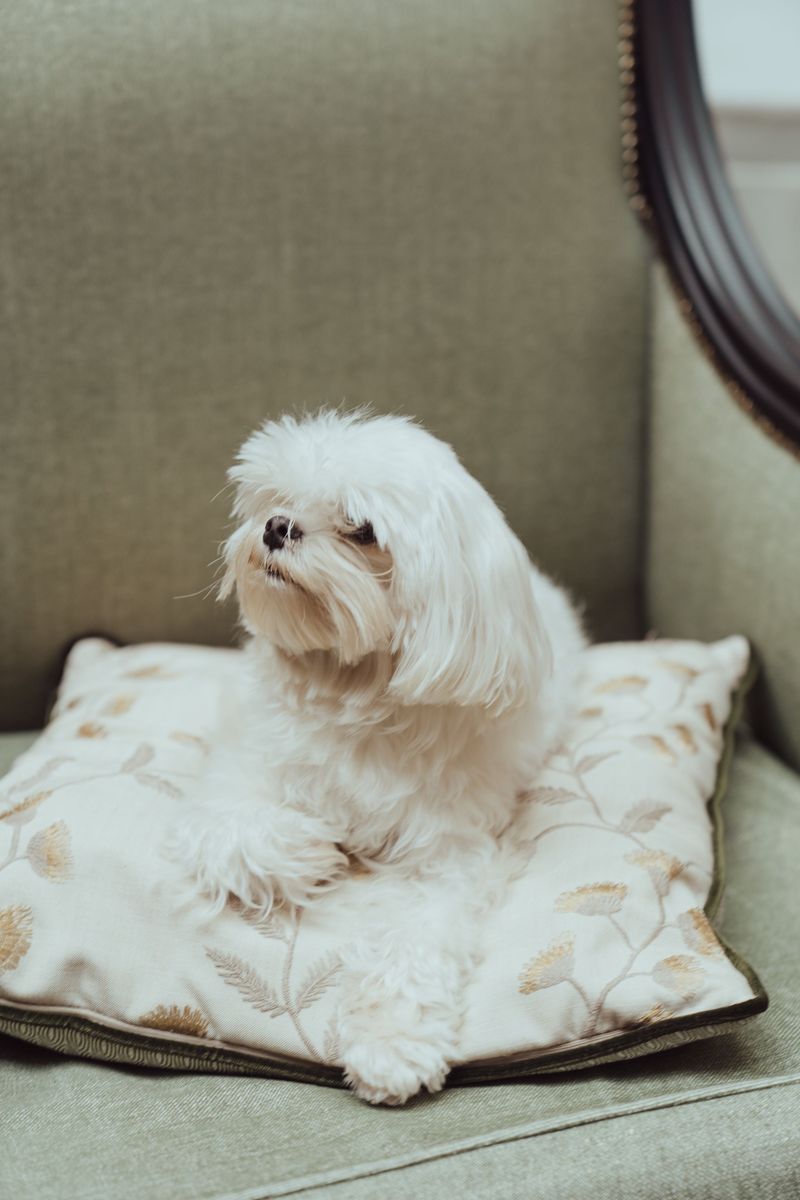
A small cushion can feel like an entire kingdom to this dainty companion. Weighing under seven pounds by breed standard, Maltese need careful handling indoors.
Secure stair openings and discourage leaps from high furniture, especially in homes with steep steps. Supervise interactions with children and larger dogs to prevent accidents.
Daily brushing or a manageable trim helps keep their white coats comfortable. Remember dental care, short walks, and winter layers when chilly Pennsylvania mornings arrive again.
7. Bichon Frise: A Cheerful Cloud With Homework
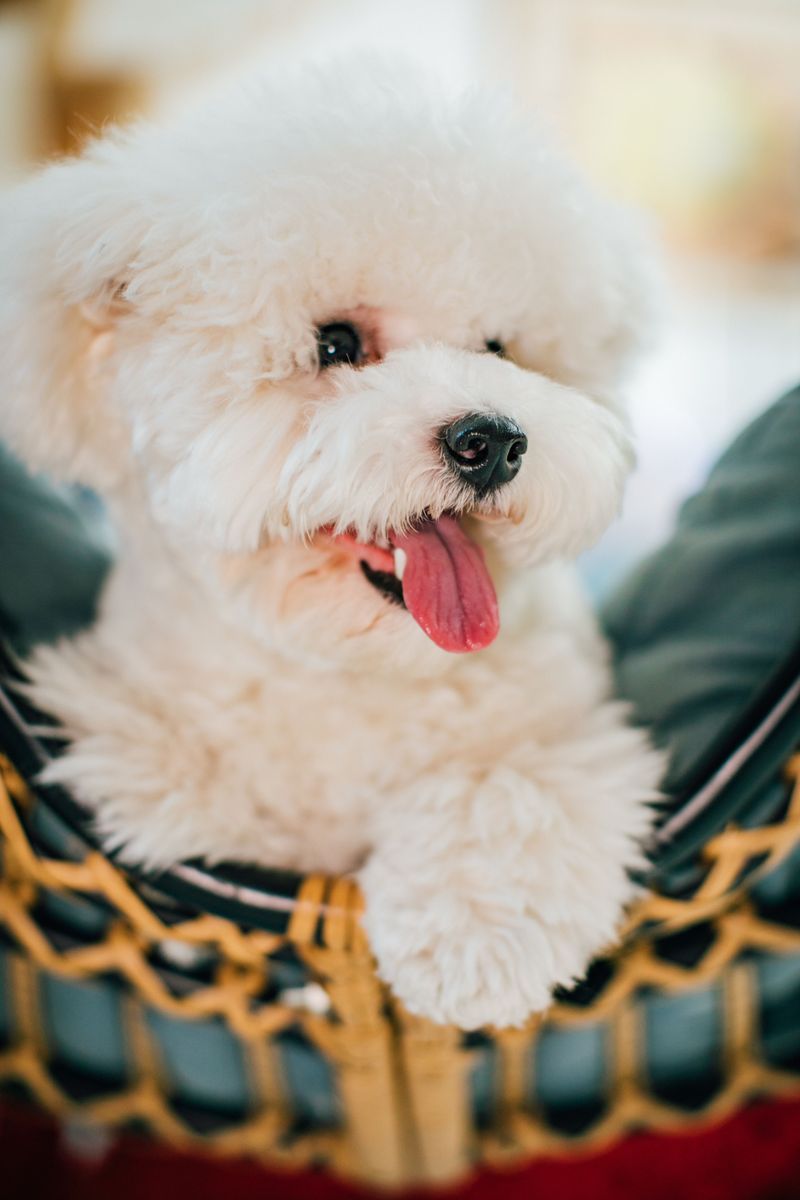
That powder puff coat comes with a surprisingly busy social calendar. Bichons often enjoy visitors, playful training, and being part of ordinary household routines daily.
A compact yard works best as a bonus, not their whole exercise plan. Schedule walks and food puzzles, and reward quiet greetings near shared entrances.
Regular professional grooming and brushing are essential because loose hair can tangle within the coat. No breed is truly hypoallergenic, so spend time together before adoption.
8. Toy Poodle: Pocket-Sized Problem Solver
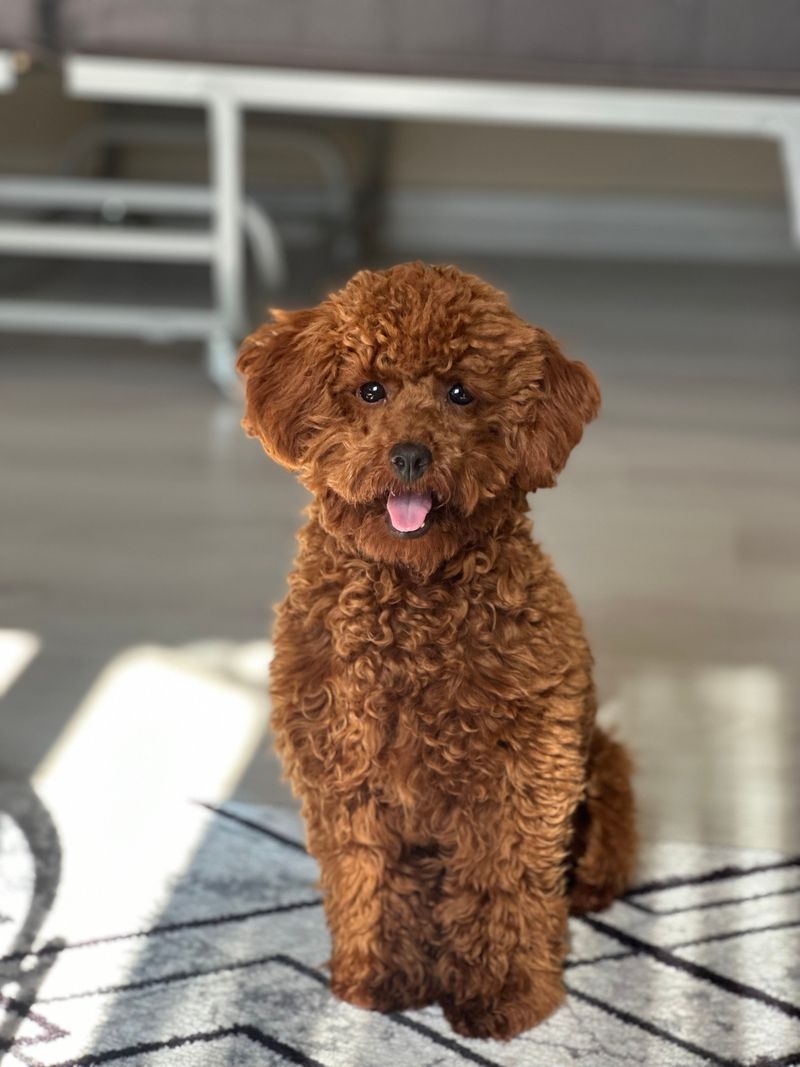
Brains take up very little floor space, as this clever breed proves. Toy Poodles stand no more than ten inches tall under American breed standards.
Teach simple tricks, rotate puzzle toys, and include sniffing on daily walks. Without useful activities, an alert little dog may invent noisy entertainment near windows.
Budget for regular grooming and brush between appointments to prevent mats. Handle their small bodies gently, and choose secure harnesses for busy sidewalks and neighborhood crossings.
9. Miniature Poodle: The Small-Home Athlete
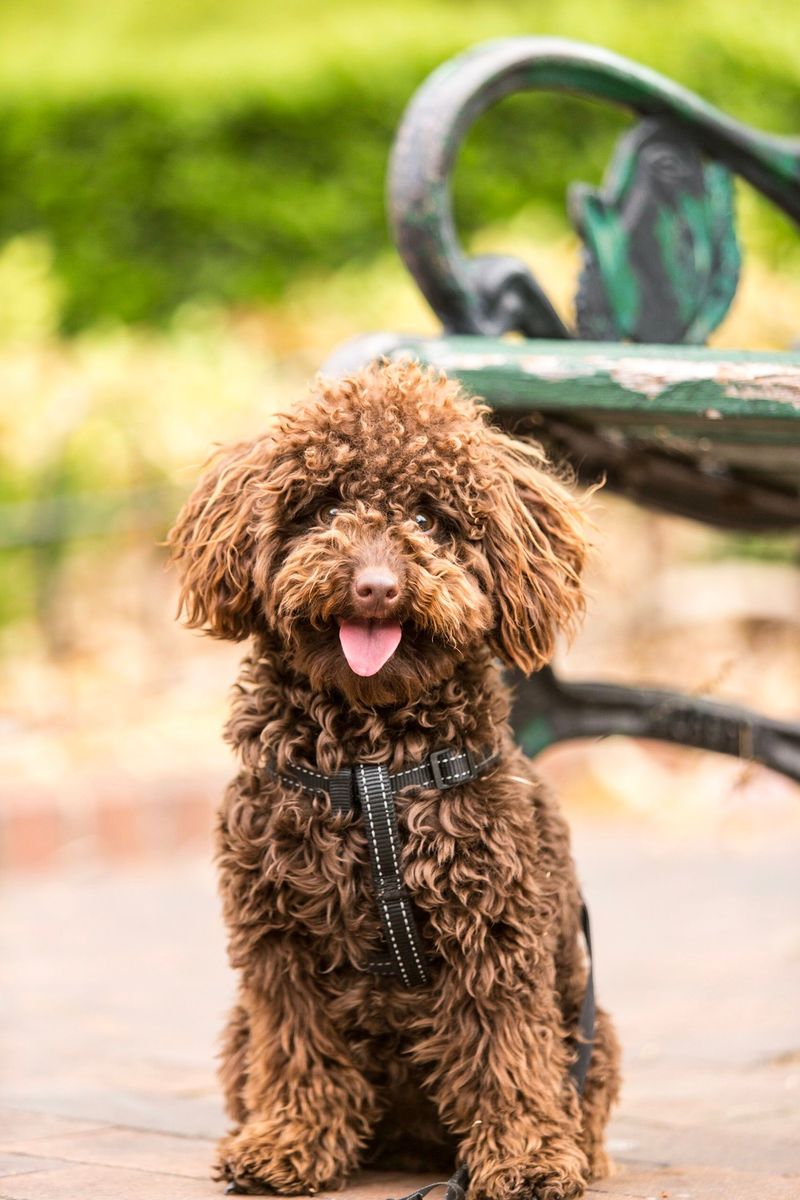
A narrow address does not rule out an energetic walking partner. Miniature Poodles bring athletic ability and quick learning without needing a sprawling home base.
They stand over ten and up to fifteen inches tall under American breed standards. Expect meaningful daily exercise, training sessions, and chances to explore safely.
A small fenced lot supports games, but neighborhood walks provide richer experiences. Keep grooming appointments consistent, and practice settling indoors after activity instead of constant entertainment.
10. Chihuahua: A Little Local With Opinions
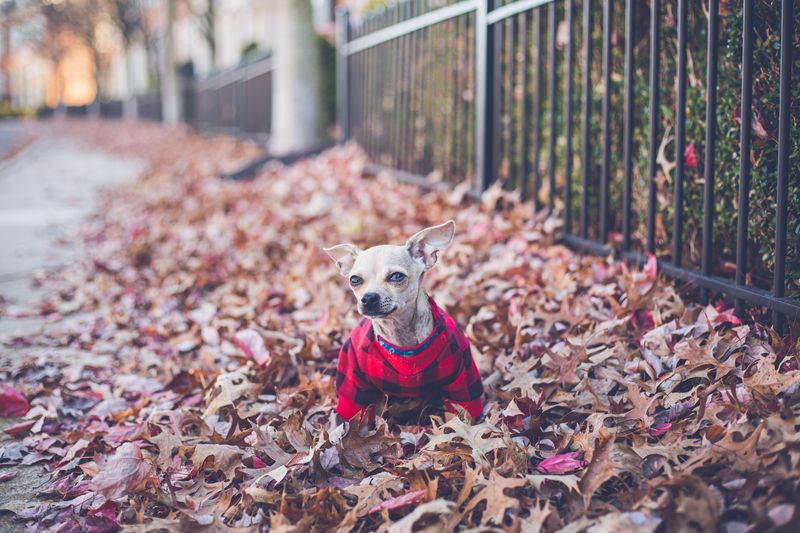
Small enough for a tiny entryway, yet never short on opinions, Chihuahuas deserve thoughtful training. Their size does not replace exercise, manners, or social experiences.
Reward calm responses to hallway sounds before barking becomes the daily neighborhood announcement. Introduce unfamiliar people gently, allowing space rather than forcing greetings or handling.
A fitted sweater helps many shortcoated individuals during cold Pennsylvania walks. Watch gaps beneath fences, protect delicate legs, and keep outdoor time supervised even in courtyards.
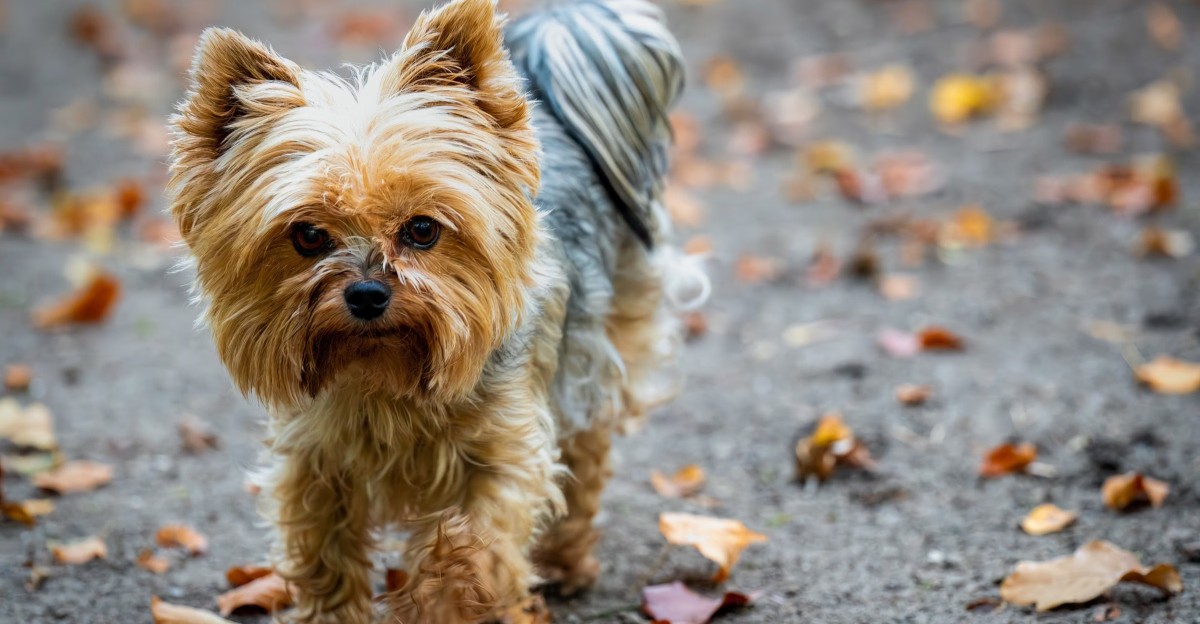
11. Yorkshire Terrier: Small Stature, Terrier Spirit
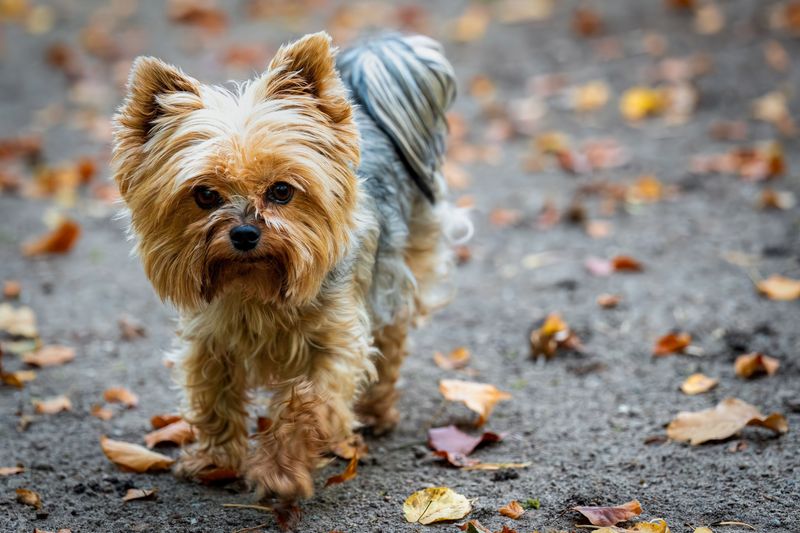
Do not let the silky outfit fool you: there is a busy terrier underneath. Yorkies often enjoy exploring sidewalks and investigating every interesting courtyard corner.
Teach a quiet cue and block window views if passing traffic sparks frequent announcements. Sniffing games can channel curiosity without adding noise through shared walls.
Their fine coats require regular care, while shorter trims simplify muddy weather cleanup. Prioritize dental brushing, secure fencing, and gentle handling around steep stairs at home.
12. Pomeranian: Fluffy Front-Window Supervisor
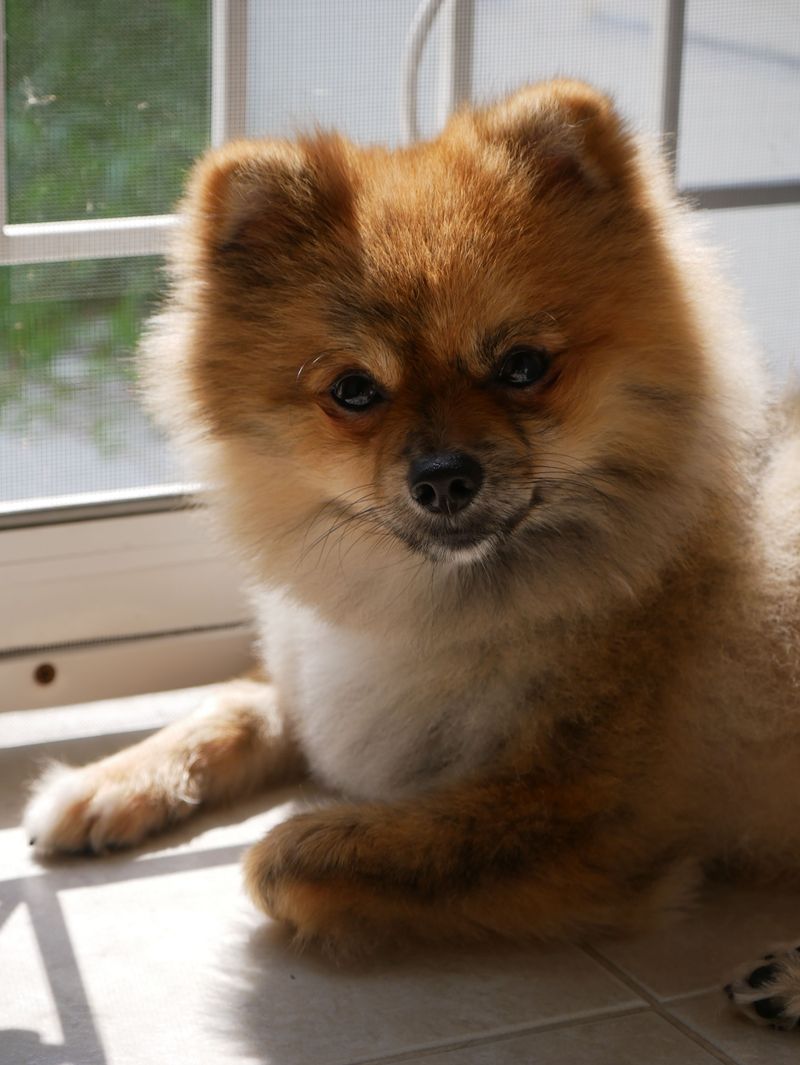
Every passing delivery can seem worthy of an announcement to this fluffy lookout. Pomeranians fit small rooms easily, but their alert voices need considerate management.
Place resting spots away from busy windows and reward noticing sounds without barking. Short training sessions and neighborhood strolls help satisfy their lively, curious minds.
Brush the dense double coat regularly, and avoid shaving it for summer comfort. Provide shade, water, and cool indoor breaks during sticky Pennsylvania afternoons and evenings.
13. Dachshund: A Low-Riding Sniff Specialist
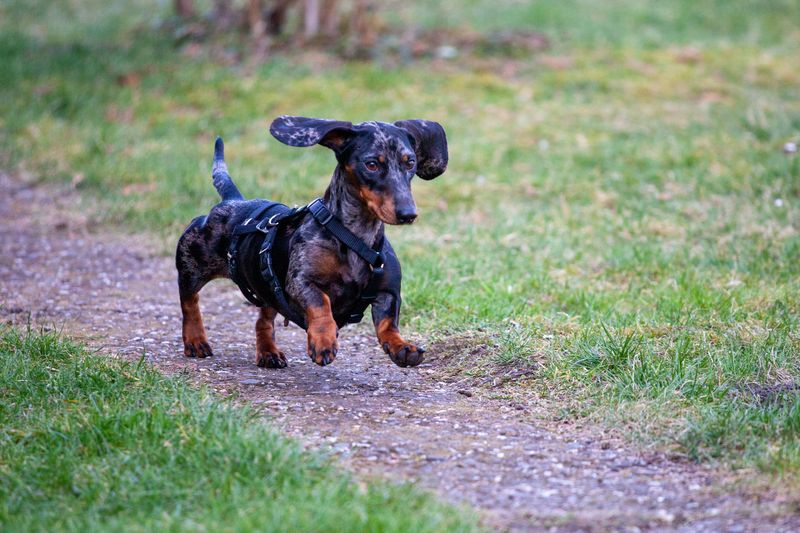
At nose level, a little garden becomes a fascinating map of scents. Dachshunds enjoy exploring, although miniature varieties generally suit tight spaces better than standards.
Their long backs deserve careful planning in rowhouses with steep staircases. Discuss stair use with your veterinarian, provide ramps, and discourage jumping from high furniture.
Maintain a healthy weight and offer regular controlled walks for fitness and enrichment. Secure fences matter because digging comes naturally, and practice quiet responses to neighborhood sounds.
14. Papillon: Butterfly Ears, Busy Brain
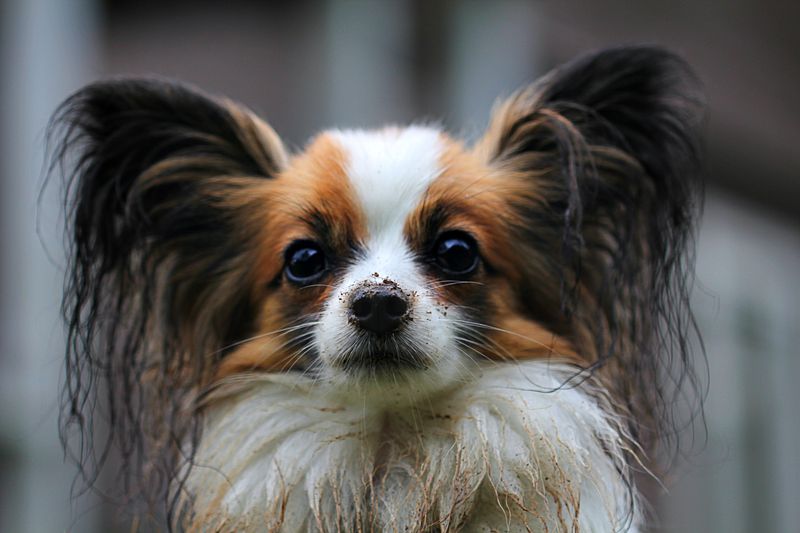
Those butterfly ears belong to an eager student, not merely a pretty face. Papillons often love learning tricks and can be surprisingly athletic little companions.
Use floor space creatively with gentle training games and safe indoor obstacles. Daily walks remain essential, even when your compact lot offers room for play.
Brush their fine coats regularly and check the fringes behind their ears. Because they are delicate, supervise rough play and teach children calm, respectful handling early.
15. Miniature Schnauzer: A Bearded Block Buddy
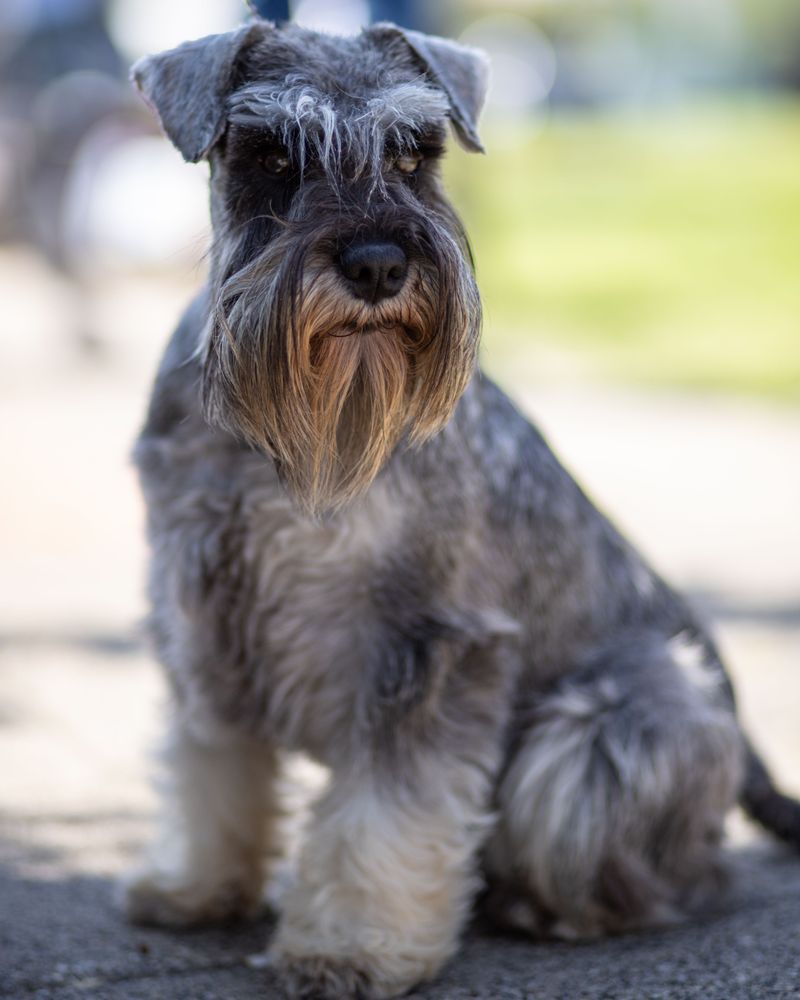
A distinguished beard gives this sturdy little neighbor plenty of sidewalk charm. Miniature Schnauzers enjoy involvement, from morning walks to learning useful household manners together.
Their alert nature can produce barking, so reward calm reactions to doorbells early. Offer daily exercise and scent games instead of expecting backyard time alone.
Schedule regular coat care and wipe the beard after messy meals or walks. Match your routine to the dog, then grab that leash and enjoy Pennsylvania.