17 Virginia Mushroom Hazards Dog Owners Should Learn After Humid Weather
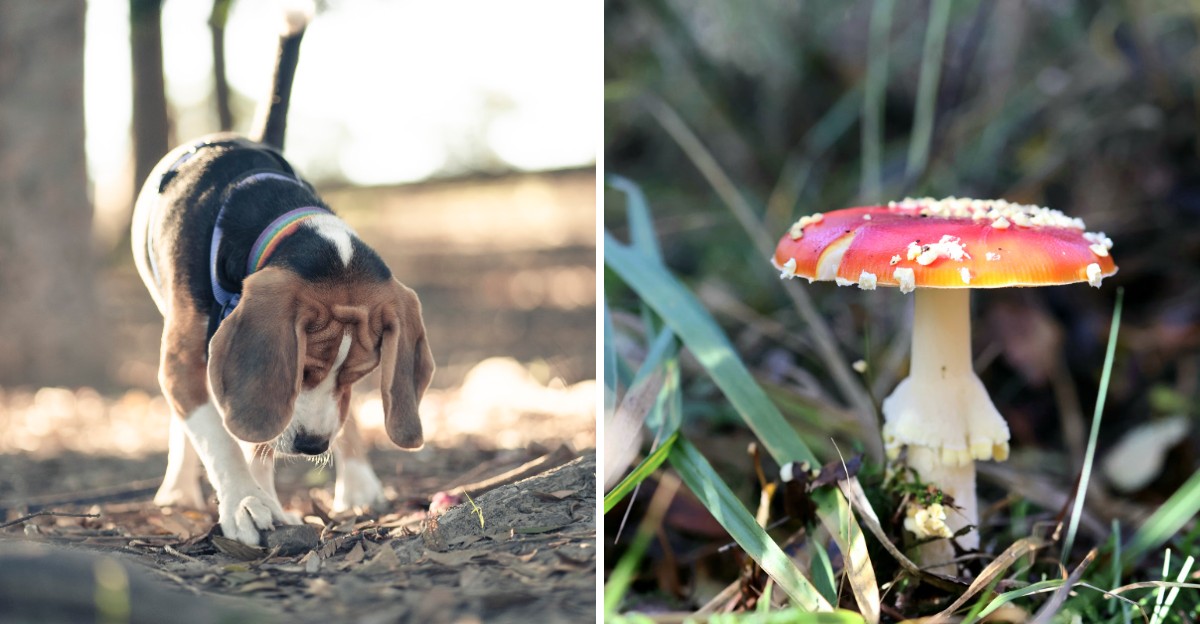
A damp Virginia morning can turn an ordinary dog walk into a mushroom hunt, whether you planned one or not. New growth may appear beside a sidewalk, under leaves, or in your own yard.
Wild mushrooms can be difficult to identify by sight, and dogs may sniff or taste unfamiliar objects before an owner can intervene. A few simple habits can help you spot potential hazards early and know when to call your veterinarian.
1. Humid Weather Can Bring More Mushrooms
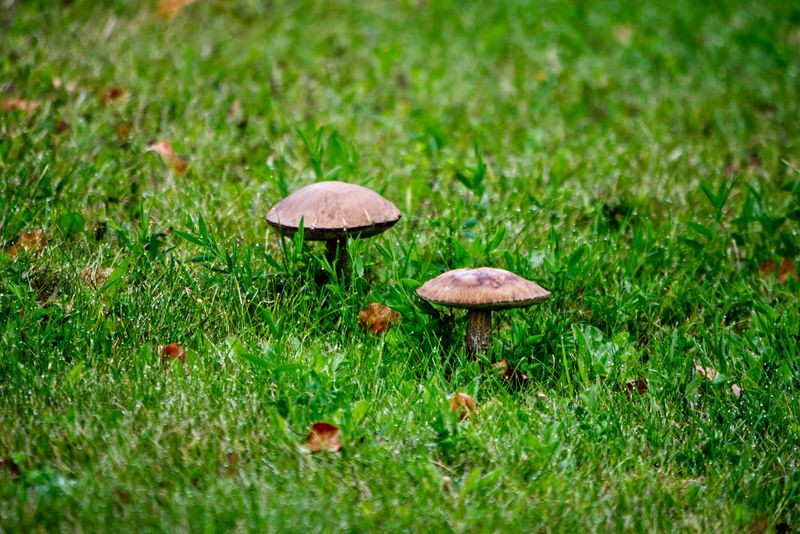
That patch of grass may look different after a warm, damp night. Fungi can produce visible mushrooms quickly when moisture and temperature suit them.
Check shaded corners, garden edges, and spots beneath trees before letting your dog roam.
Check the yard again after rain, even if you cleared mushrooms yesterday. New growth can appear in the same place.
Pick up unfamiliar mushrooms before playtime, keeping your dog away while you work. Wash your hands afterward.
2. Why Dogs May Find Mushrooms Hard to Resist
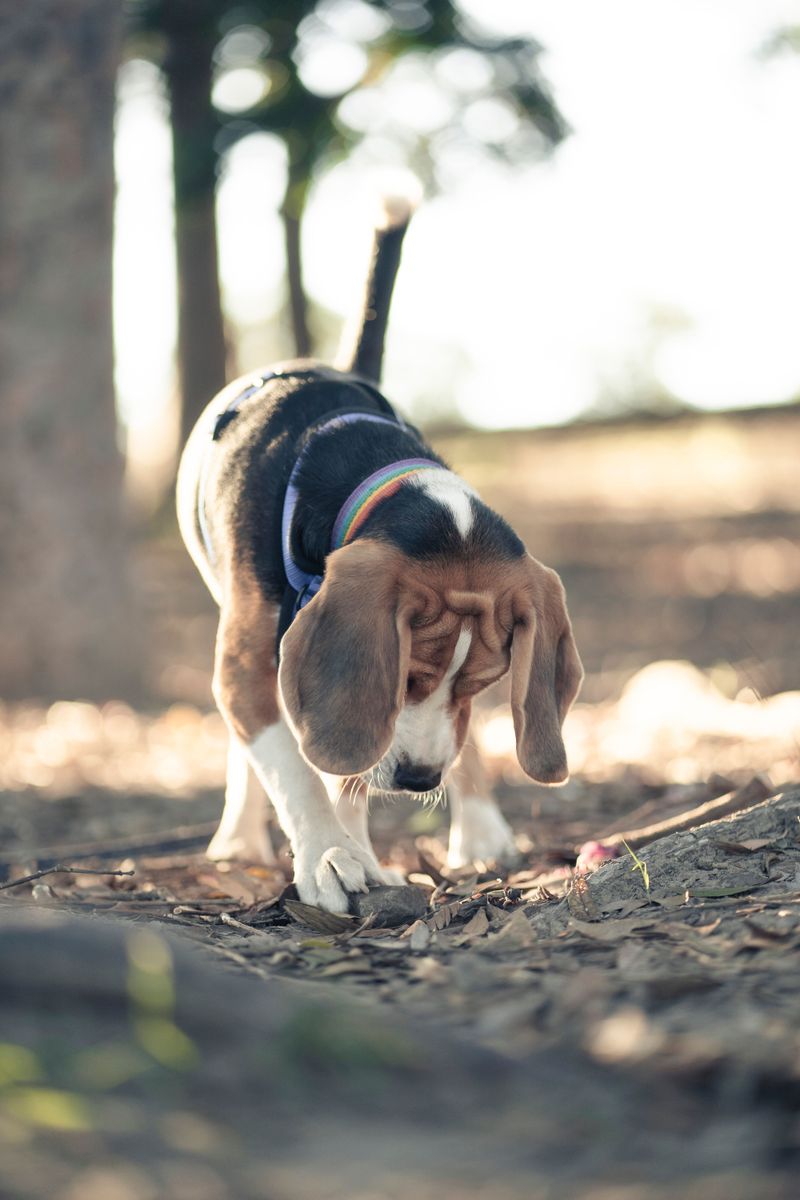
To a curious dog, a mushroom is another new smell in the grass. Some dogs sniff, paw, or taste unfamiliar objects during a walk.
Puppies and dogs that grab dropped food may be especially quick.
Watch your dog’s nose around damp soil and slow down near clusters of fungi. A short leash gives you time to redirect before a bite.
Reward your dog for turning toward you instead of investigating the mushroom further.
3. Not Every Wild Mushroom Is Easy to Identify
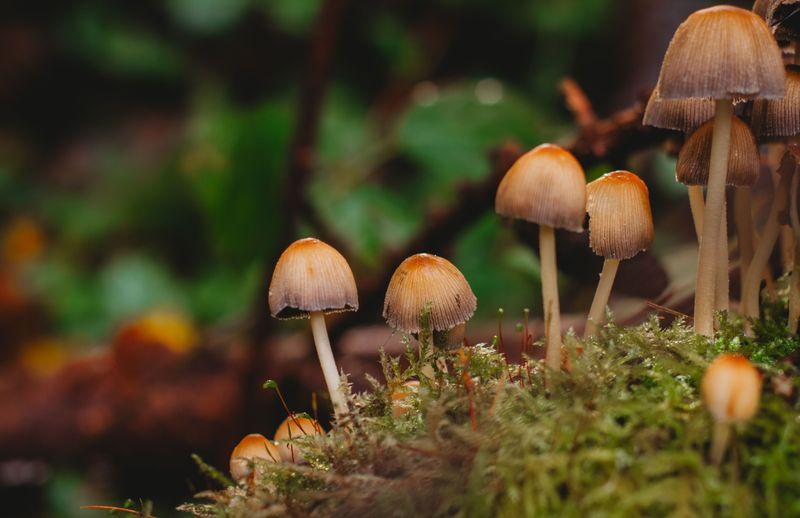
A small brown cap can resemble many different mushrooms. Color, size, and shape may change as a mushroom grows or gets wet.
Photos alone may not show the features an expert needs for identification.
Skip guesses based on an app, a neighbor’s advice, or whether insects have touched it. Treat any unknown wild mushroom as something your dog should avoid.
If your dog eats one, contact a veterinarian rather than waiting for a name.
4. Amanita Mushrooms Deserve Extra Caution
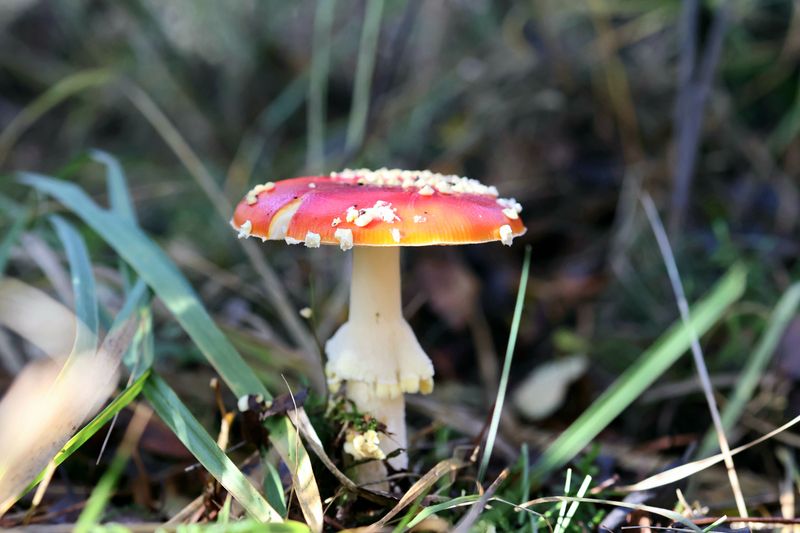
Among wild mushrooms, some Amanita species contain toxins that can cause serious illness in dogs. Their appearance varies, so a simple color rule will not keep your pet safe.
Several other mushroom groups also pose risks.
Do not handle an uncertain mushroom as though its name is confirmed. Keep your dog back and photograph the whole mushroom if you can do so safely.
If your dog swallowed any part, call a veterinarian promptly for guidance.
5. False Morels Can Look Deceptive
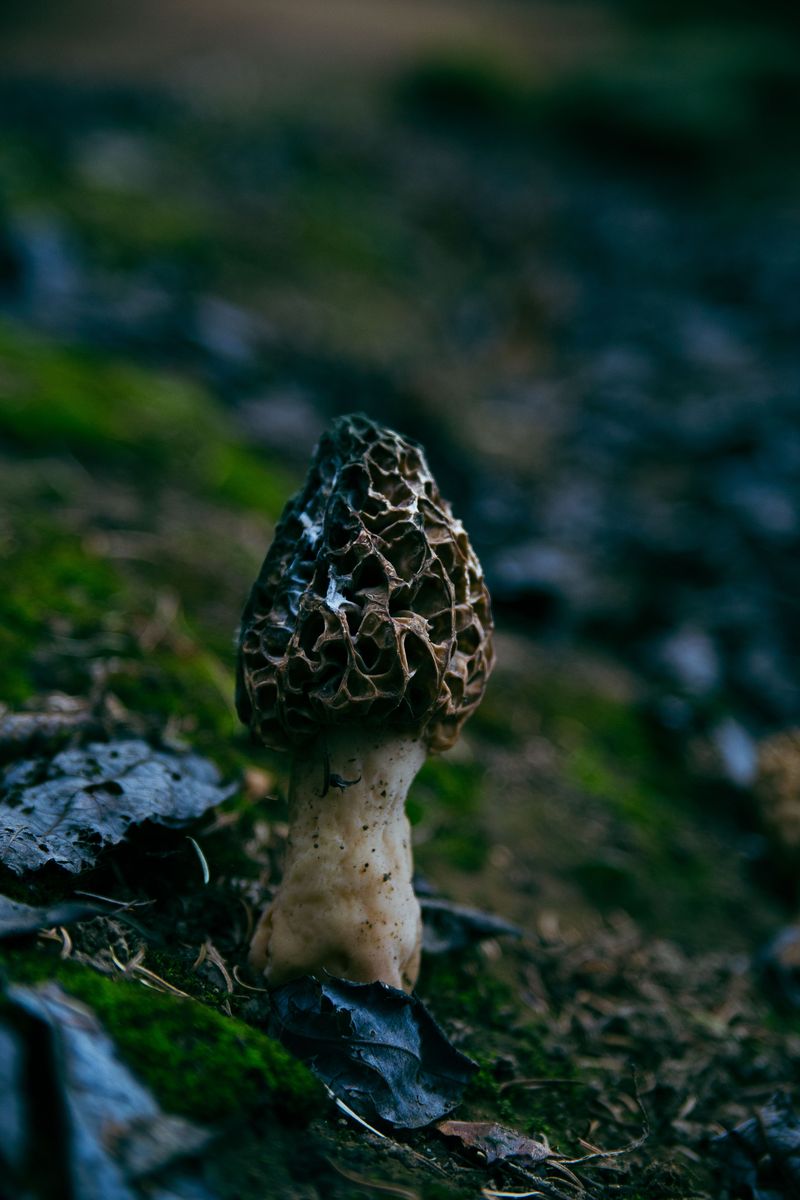
Spring walks can reveal wrinkled mushrooms that resemble morels. Some mushrooms commonly called false morels contain toxins that can cause illness if eaten.
Even experienced foragers examine several features before making an identification.
Your dog needs a simpler rule: leave every wild mushroom alone. Do not offer a found mushroom because someone thinks it is edible.
Keep dogs out of foraging baskets, too. If one disappears from the ground or basket, tell your veterinarian what you noticed.
6. Mushrooms Growing in Lawns Need Attention
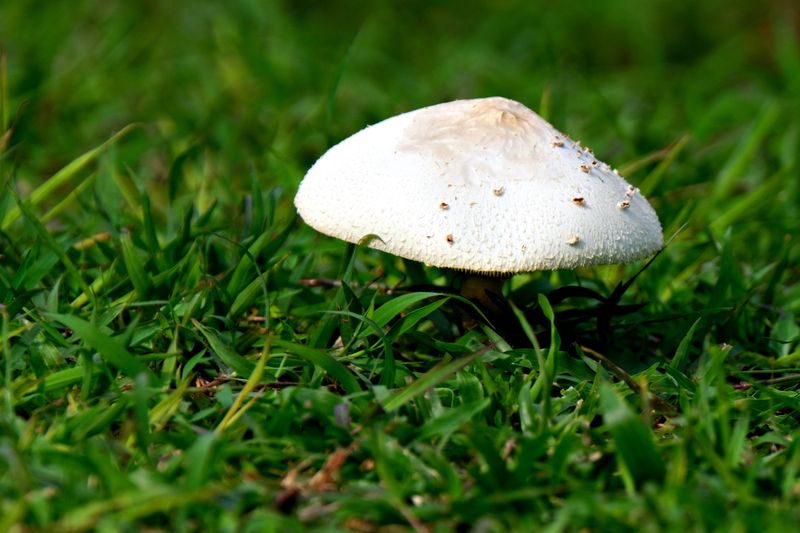
A familiar lawn is not automatically a mushroom-free space. Fungi may grow where buried roots or damp soil provide food.
Sprinklers and shaded grass can also support repeated growth.
Walk the lawn before your dog goes outside, especially after wet weather. Remove visible mushrooms and any loose pieces without letting your pet investigate.
Put them where your dog cannot reach them. If growth keeps returning, repeat checks rather than assuming one cleanup solved it.
7. Mulch Can Hide Unexpected Mushroom Growth
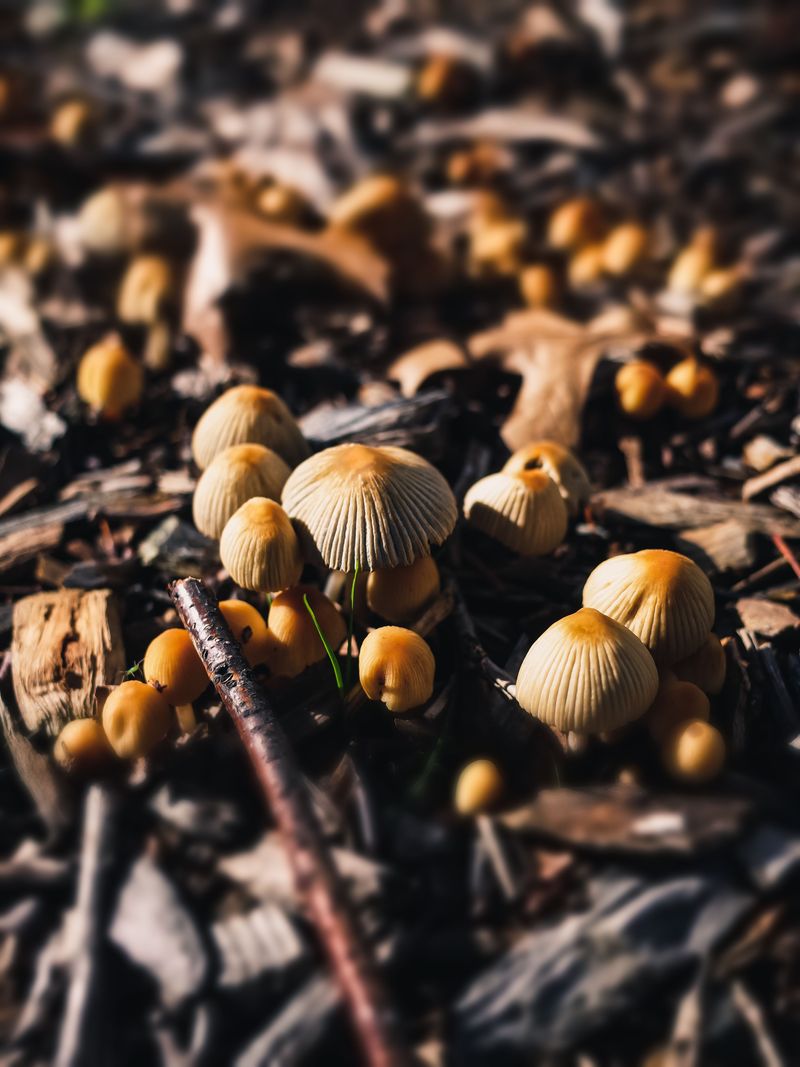
Fresh-looking mulch can hide small mushrooms between wood chips. Garden beds also hold moisture, giving fungi another place to appear.
Dogs may nose through mulch while following interesting scents.
Look closely along paths, under shrubs, and beside porches before outdoor play. Keep your dog out of beds with visible growth.
Clear mushrooms and loose fragments, then check the area again later. Mulch itself can present other chewing hazards, so discourage snacking there altogether.
8. Woodland Walks Can Increase Exposure
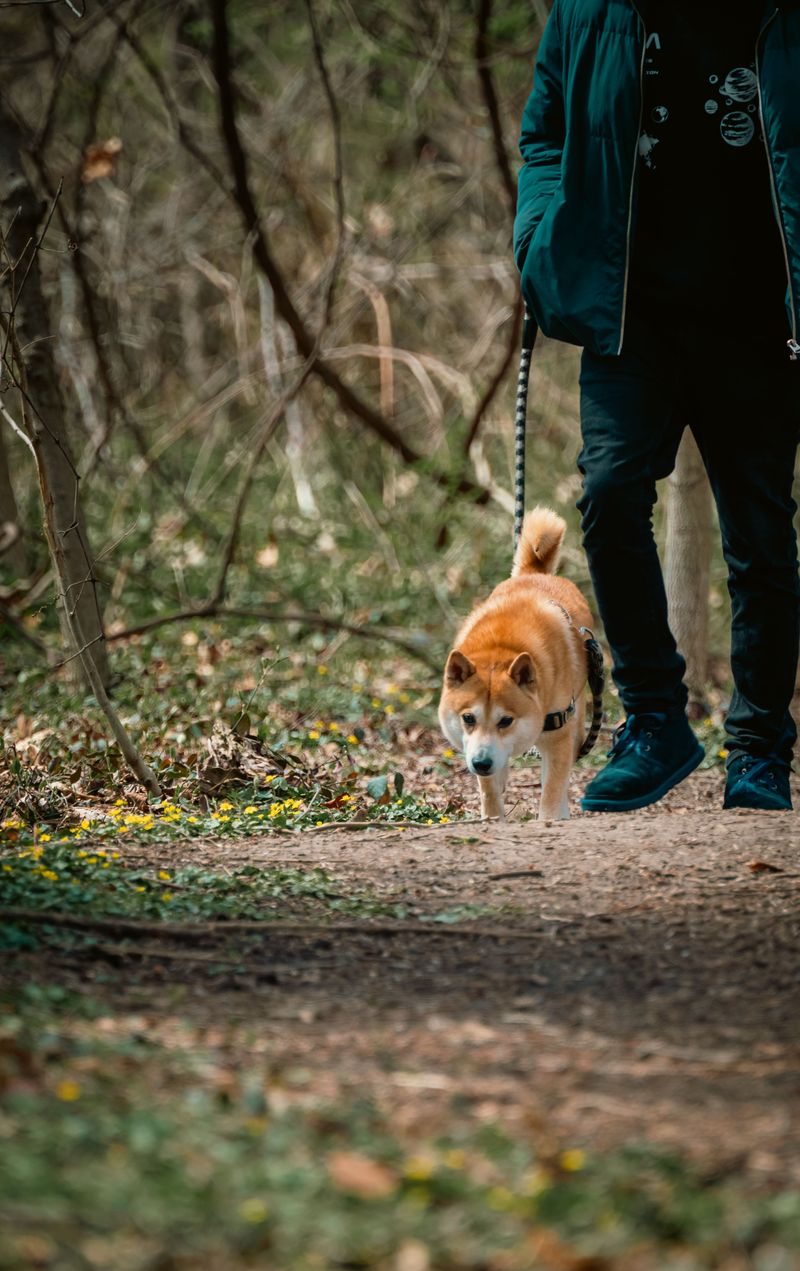
A wooded trail offers plenty for a dog’s nose to explore. Moist soil, rotting logs, and shaded paths can support many kinds of mushrooms.
Growth may sit just beyond the trail’s clear center.
Keep your dog close enough to guide away from fungi without pulling suddenly. Pause if the trail edge is crowded with mushrooms.
Choose another route when needed. A calm walk with room to see the ground is easier to manage.
9. Fallen Leaves Can Conceal Mushrooms
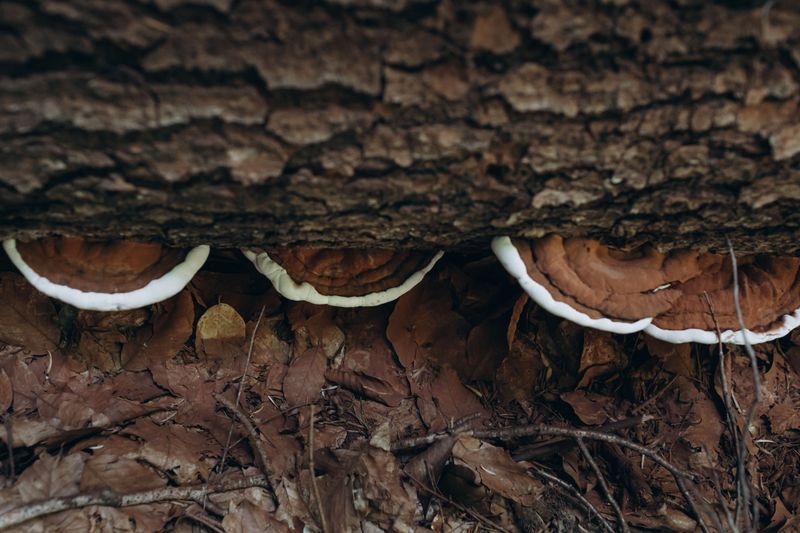
Autumn leaves make a wonderful crunch, but they can cover mushrooms underneath. A dog rooting through a leaf pile may find something you cannot see.
Wet leaves also make small mushrooms harder to spot.
Guide your dog past deep piles, especially near trees and rotting wood. Check familiar play areas before tossing a toy into leaves.
If your dog comes up chewing, ask for a drop and look at the ground before continuing.
10. Keep Dogs Away From Unknown Mushrooms
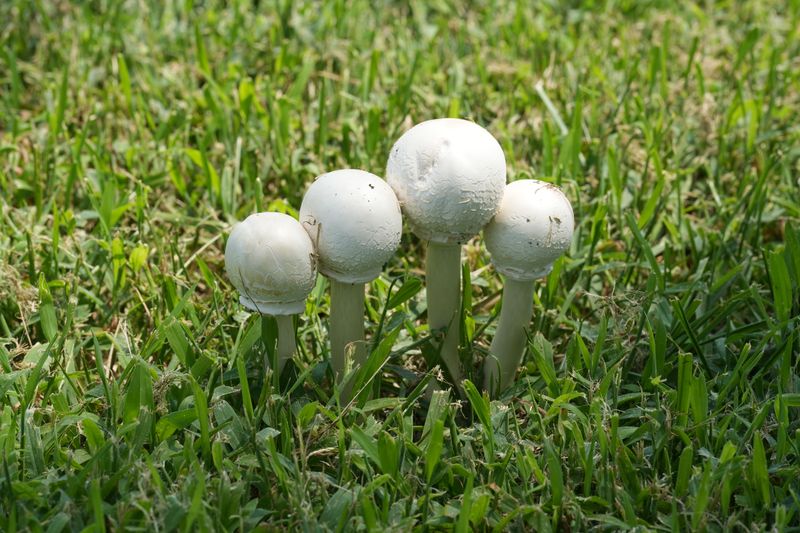
Spotting a mushroom before your dog does is a small win. Give unknown fungi plenty of room, including broken pieces scattered nearby.
Moving your dog away matters more than deciding whether the mushroom looks dangerous.
On walks, use a short, comfortable leash near visible growth. At home, block access until you can clear the area.
Avoid testing a mushroom by touch or smell. Neither tells you whether eating it would be safe for your dog.
11. Watch for Vomiting After Mushroom Exposure
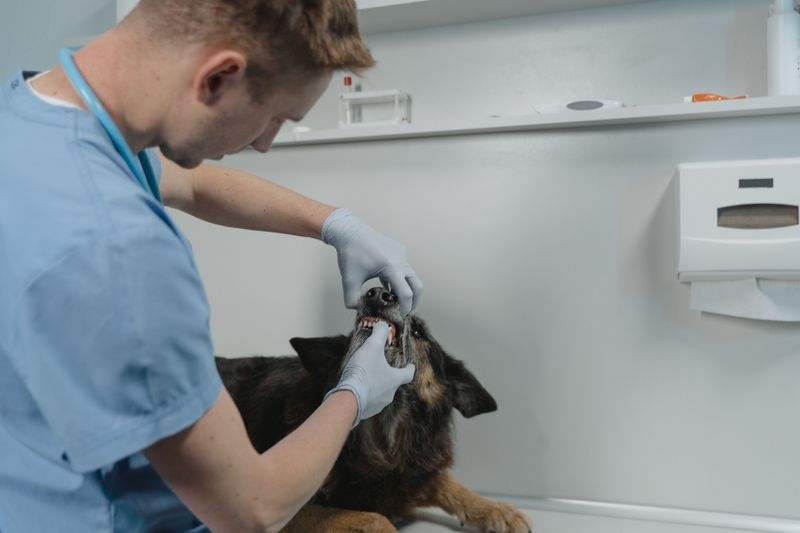
Suppose your dog grabbed a mushroom before you could react. Vomiting can be one sign of exposure, but it does not identify the mushroom or predict the outcome.
Other causes are possible, too.
Call a veterinarian if you suspect your dog ate a wild mushroom, even if vomiting has not started. Note when the bite happened and what you saw.
Do not make your dog vomit unless a veterinary professional specifically instructs you to.
12. Diarrhea and Drooling Can Also Be Warning Signs
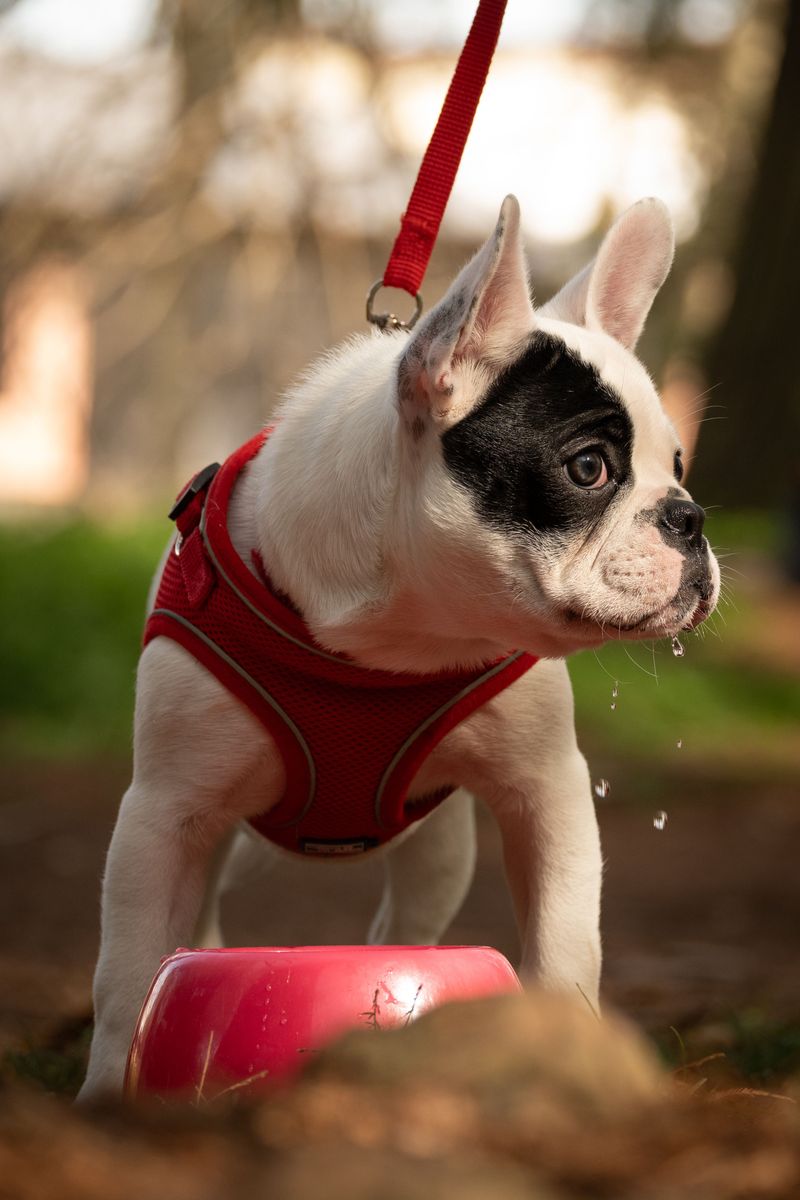
Sometimes the first clue is a change in your dog’s usual behavior. Drooling or diarrhea after a possible mushroom snack deserves a veterinary call.
These signs can have many causes, but timing helps your veterinarian assess the situation.
Tell the clinic about any mushrooms nearby, even if you did not witness a bite. Share when symptoms began and whether your dog has vomited.
Offer water only as your veterinarian advises, and avoid home remedies.
13. Neurological Signs Require Immediate Attention
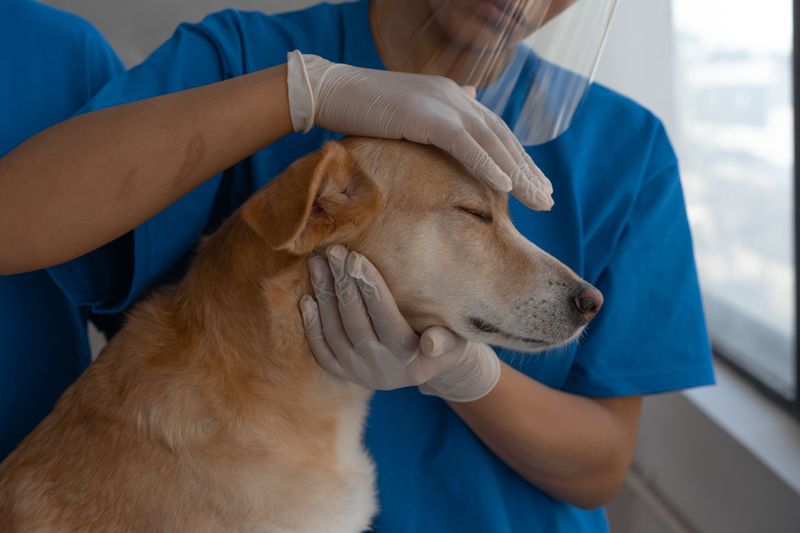
Unsteady steps, unusual trembling, confusion, or a seizure call for immediate veterinary attention. Tell the clinic about possible mushroom exposure while arranging care.
They can explain where to go and how to transport your dog safely.
Keep your pet away from stairs and other hazards while you prepare to leave. Do not wait to see whether the signs pass.
Bring any safe photos or samples you have, but never delay care to collect them.
14. Delayed Symptoms Should Not Be Ignored
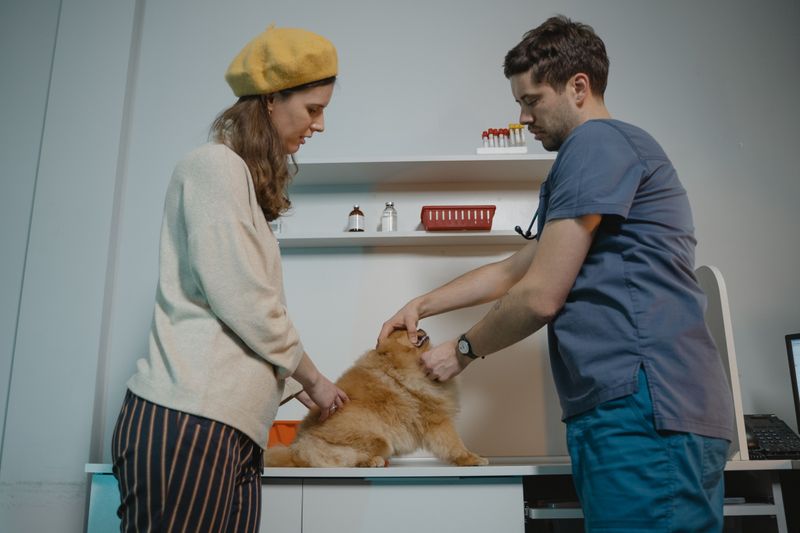
A dog can seem normal soon after eating a mushroom. With some harmful species, concerning signs may take hours to appear.
An early symptom-free stretch is not proof that everything is fine.
Contact a veterinarian promptly whenever a wild mushroom may have been swallowed. Record the possible exposure time and follow the advice you receive.
If symptoms develop later, call back or seek urgent care. Keep your dog close enough to monitor until a professional advises otherwise.
15. Save a Mushroom Sample If It Is Safe
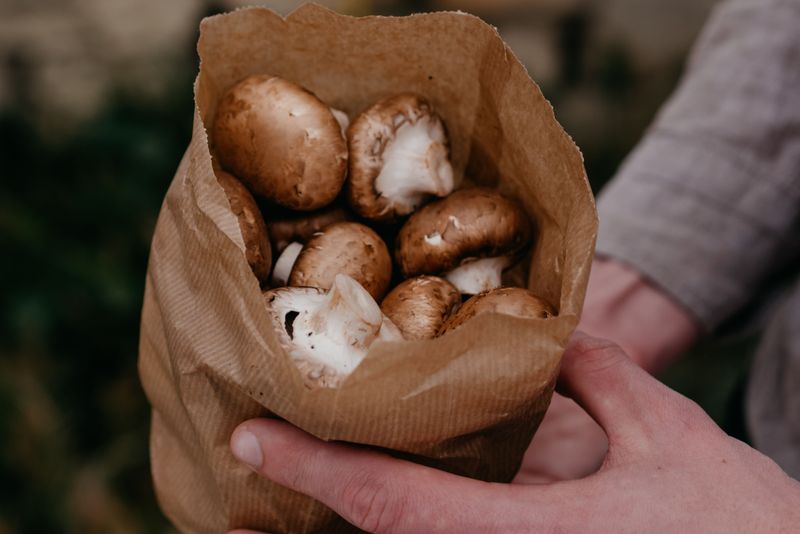
A clear photo or sample may help professionals investigate what your dog found. Photograph the mushroom where it grew, including nearby specimens and the surrounding ground.
If safe, collect a whole specimen with gloves.
Place the sample in a paper bag or other container your dog cannot open. Wash your hands afterward.
Never postpone a veterinary call to search for more mushrooms. Tell the clinic what you collected and follow its instructions for bringing it in.
16. Know When to Contact a Veterinarian
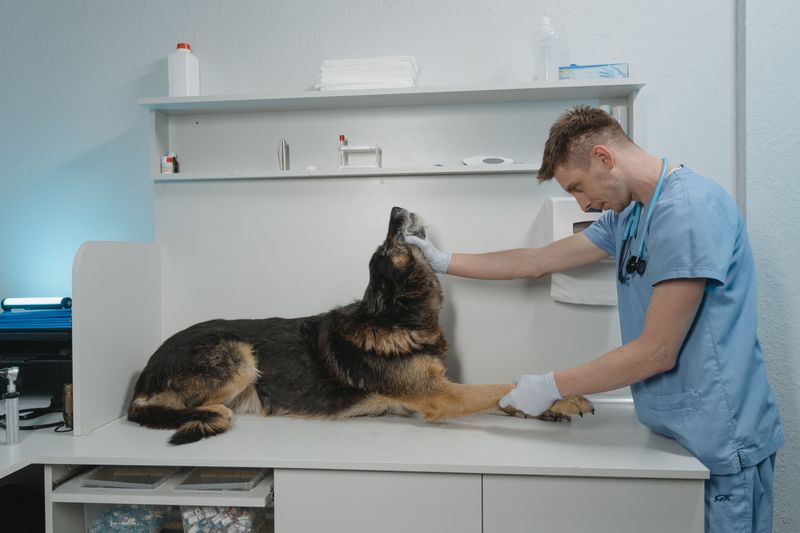
If you saw your dog eat a wild mushroom, call a veterinarian right away. Call when you strongly suspect a bite, too.
Do not wait for symptoms or rely on an online picture to decide.
Your regular clinic can direct you to emergency care when needed. Have your dog’s size, exposure time, symptoms, and any photos ready.
For an animal poison consultation, ask your veterinarian which service to use. Their advice should guide your next steps.
17. Teach Dogs to Leave Mushrooms Alone
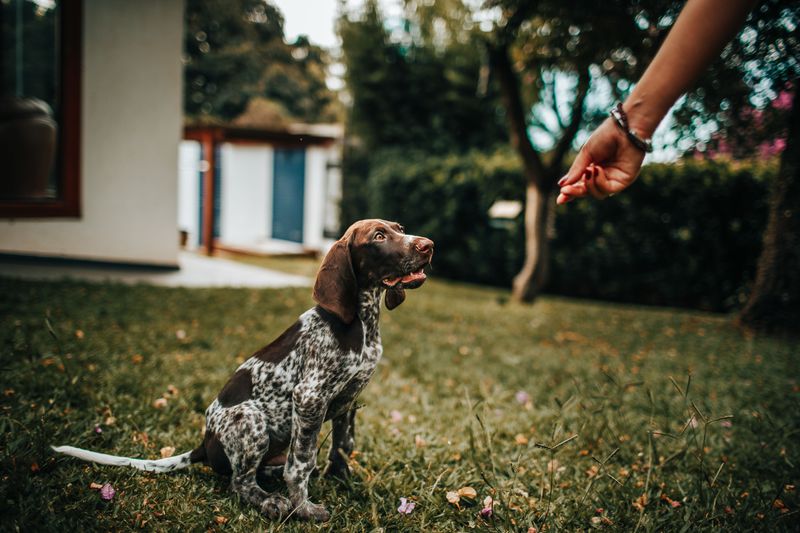
Good training adds a useful pause between curiosity and a bite. Practice a leave-it cue indoors with safe objects first.
Reward your dog for looking away and returning to you.
Later, practice outdoors without using real mushrooms as training props. Keep your dog leashed where fungi grow, even with a strong cue.
Training supports supervision rather than replacing it. After humid weather, check the ground, guide your dog calmly, and enjoy the walk together.