14 California Paw-Care Habits For Dogs That Split Time Between Pavement, Sand, And Dry Ground
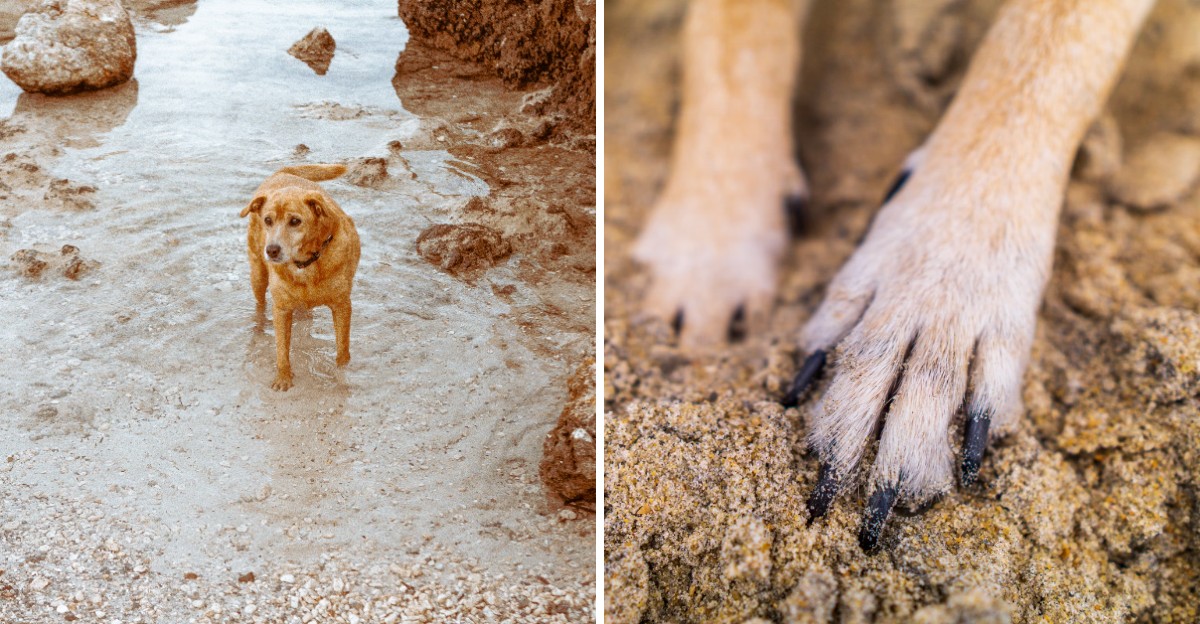
A California dog’s day might include a neighborhood sidewalk, a sandy beach, and a dusty trail. Each surface leaves something different on those busy paws, from trapped grit to sticky grass seeds.
You can keep outings comfortable with a few simple checks before leaving and after coming home. Think of paw care as a small daily routine that helps you notice changes early and choose adventures that suit your dog.
1. Check Paw Pads After Every Type of Walk
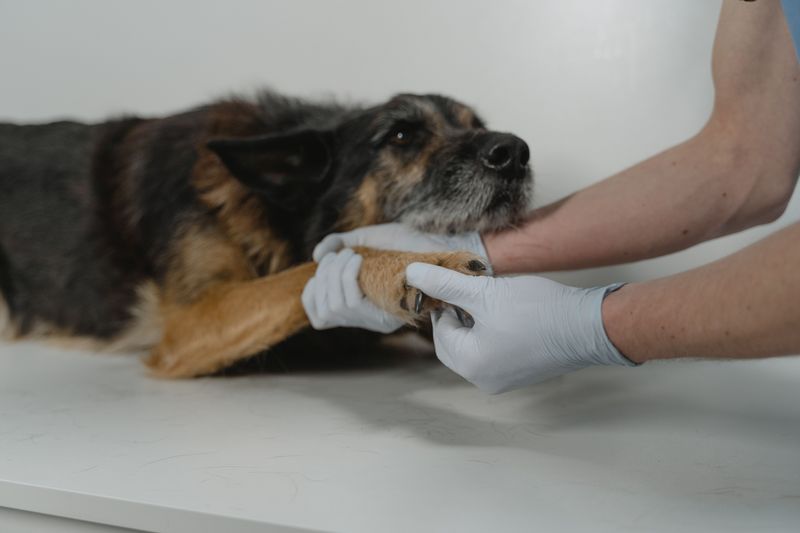
Your dog’s feet tell the story of every outing, even when the walk seemed easy. Lift each paw gently and check the pads, nails, and spaces between toes.
Compare both sides for swelling or redness.
Look for small stones, sticky bits, or tender spots before your dog settles down. Keep checks brief and reward calm handling.
If touching one area causes discomfort, stop and call your veterinarian for advice rather than pressing harder or digging.
2. Test Pavement Temperature Before Heading Out
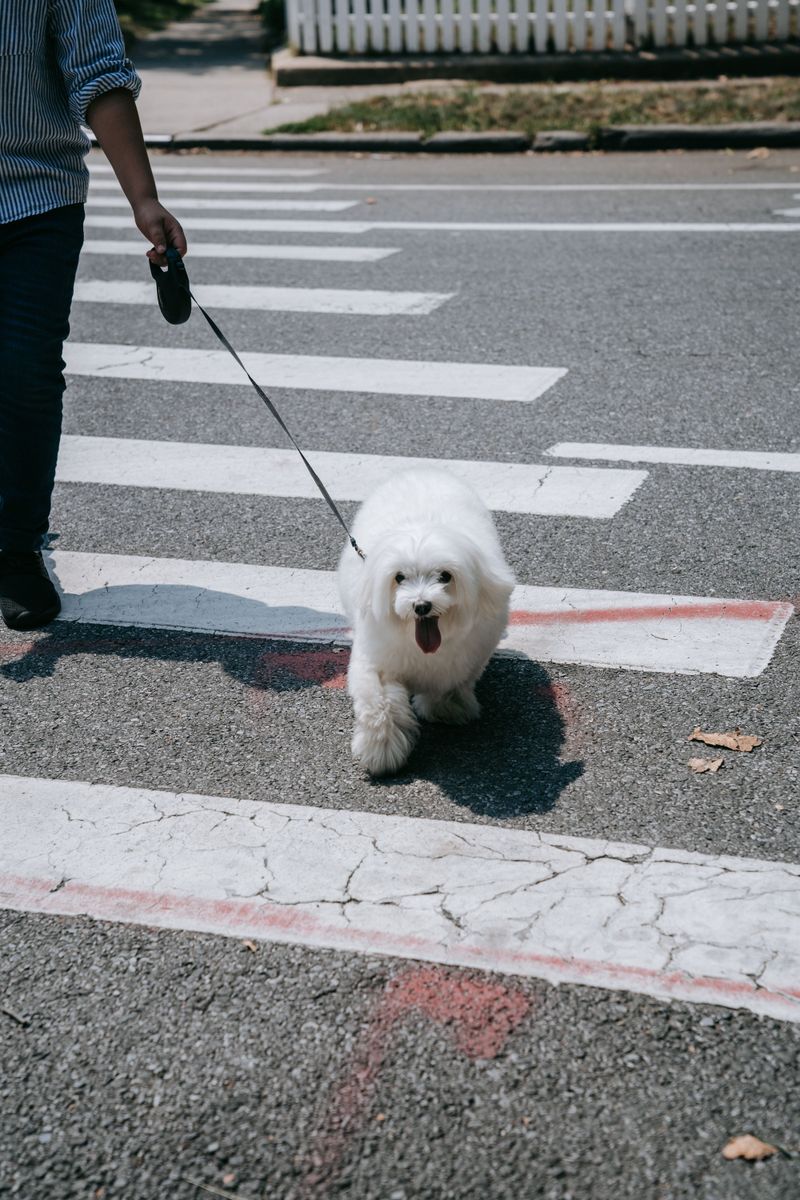
Sunshine can heat a sidewalk long before the air feels especially warm. Briefly touch the pavement with the back of your hand as a preliminary check, but do not rely on this test alone to determine whether it is safe for your dog.
If it feels uncomfortable, choose another route.
A hand test cannot guarantee safety for every dog or surface. Watch for shortened steps, paw lifting, or reluctance to continue.
Move onto cooler ground immediately if needed. Never ask your dog to push through discomfort to finish a planned neighborhood loop.
3. Rinse Sand From Between the Toes
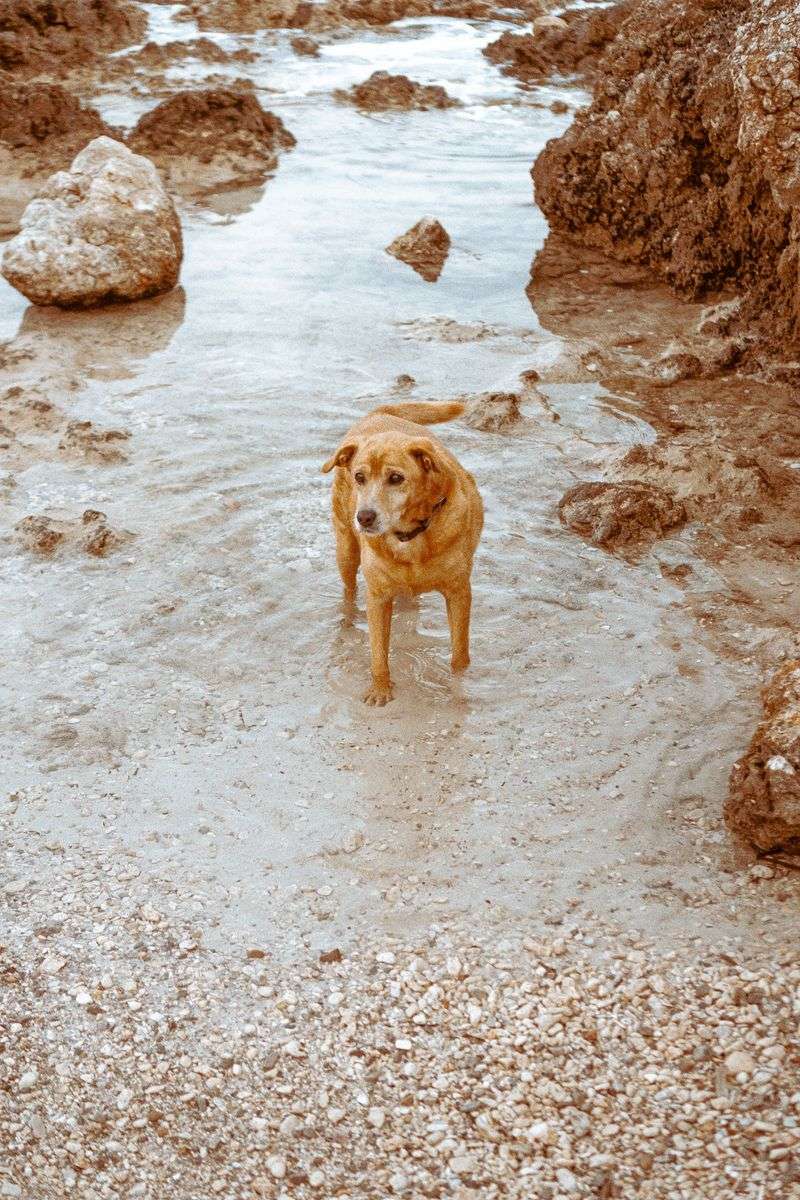
Beach sand has a talent for hiding where you cannot see it. After your outing, rinse each foot with fresh water while gently spreading the toes.
Let the water carry loose grains away.
Avoid scrubbing grit against the skin, especially when paws already look pink. Pat everything dry, including the spaces between toes.
Pack a water bottle and towel for beaches without rinse stations. Persistent licking afterward deserves another careful look and veterinary advice if needed.
4. Wipe Away Dust From Dry Trails
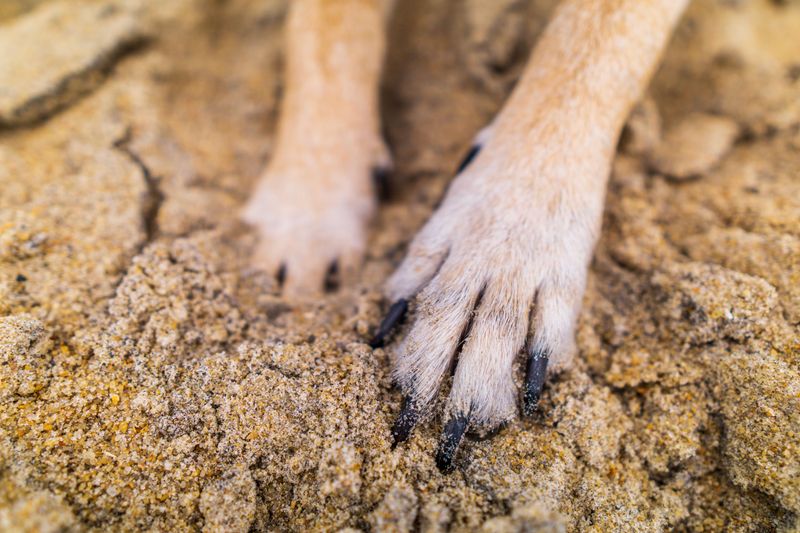
A dusty trail can leave fine dirt tucked around nails and paw folds. Use a soft cloth dampened with water to wipe each foot after hiking.
Work gently rather than rubbing repeatedly over one spot.
If dirt remains between the toes, a light rinse works better than extra pressure. Dry the paws before heading indoors or into the car.
Avoid household cleaning wipes, which may contain ingredients unsuitable for skin contact or licking by your dog.
5. Trim Fur That Traps Sand and Debris
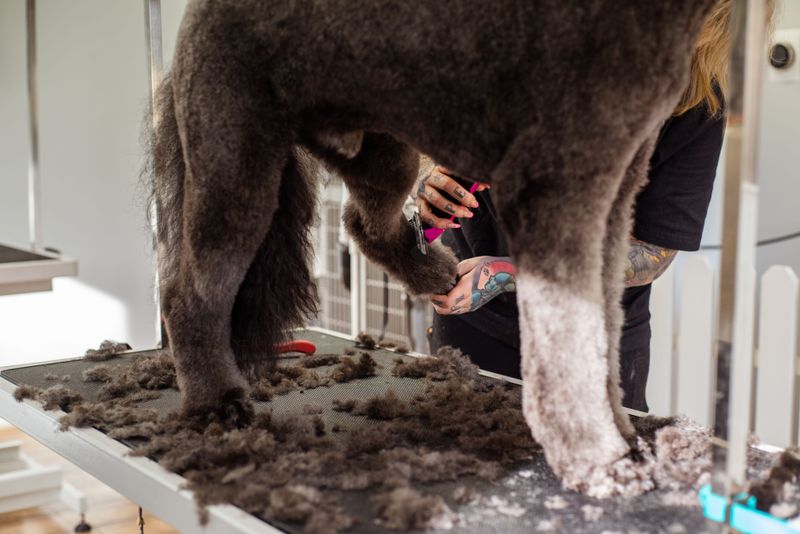
Fluffy feet collect more than compliments during a sandy or dusty outing. Long hair around the pads can hold grit and make quick checks harder.
Ask a groomer about keeping excess fur neatly trimmed.
Never pull on mats or slide scissors between moving toes. Skin hides easily beneath tangled hair, making home trimming tricky.
Keep fur tidy without shaving irritated areas yourself. If your dog resists handling, arrange professional help instead of turning grooming into a struggle.
6. Look for Cracks and Rough Paw Pads
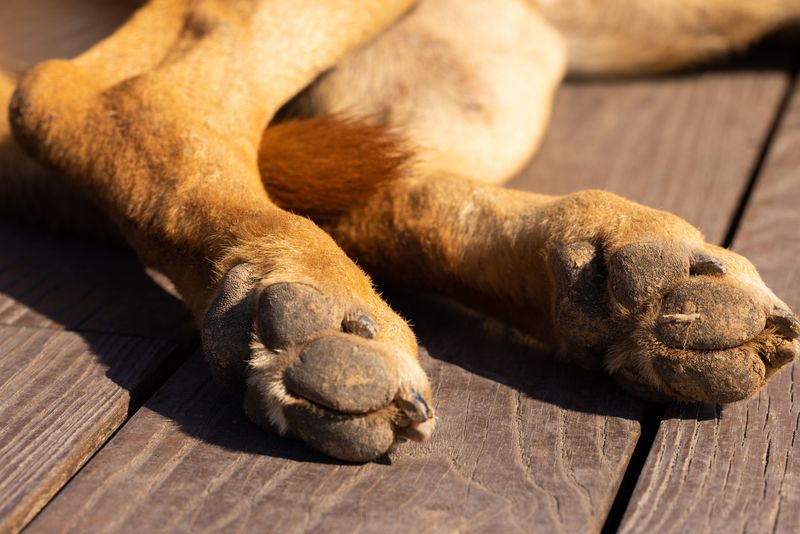
Not every rough pad needs treatment, since healthy pads naturally have some texture. What matters most is a change from your dog’s usual condition.
Notice new cracks, peeling edges, or sensitivity during regular checks.
Dry conditions and repeated friction may contribute to paw-pad irritation or worsen existing problems, but the cause of any persistent changes should be assessed by a veterinarian. Skip picking loose skin or filing pads at home.
Ask your veterinarian about persistent changes, especially when licking or limping appears. Comfortable movement matters more than making pads feel perfectly smooth.
7. Introduce Paw Balm Before Long Walks
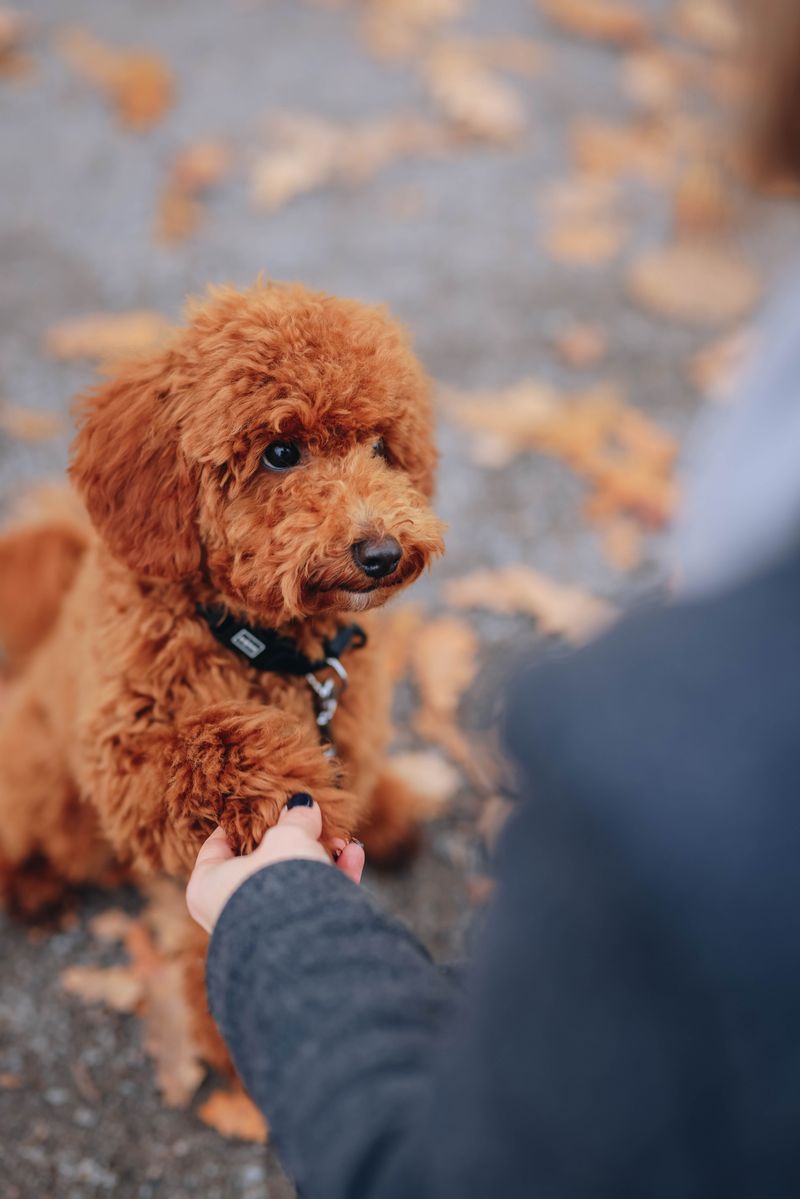
A new paw product belongs in a quiet home trial, not its first big hike. Choose a balm labeled for dogs, and follow its directions.
Your veterinarian can help select one for sensitive skin.
Start with a small amount and watch for redness, extra licking, or slippery footing. Balm may support dry pads, but it cannot make hot pavement safe.
Avoid human creams unless your veterinarian approves them. Let comfort, rather than product promises, guide your plans.
8. Build Up Time on Rough Ground Gradually
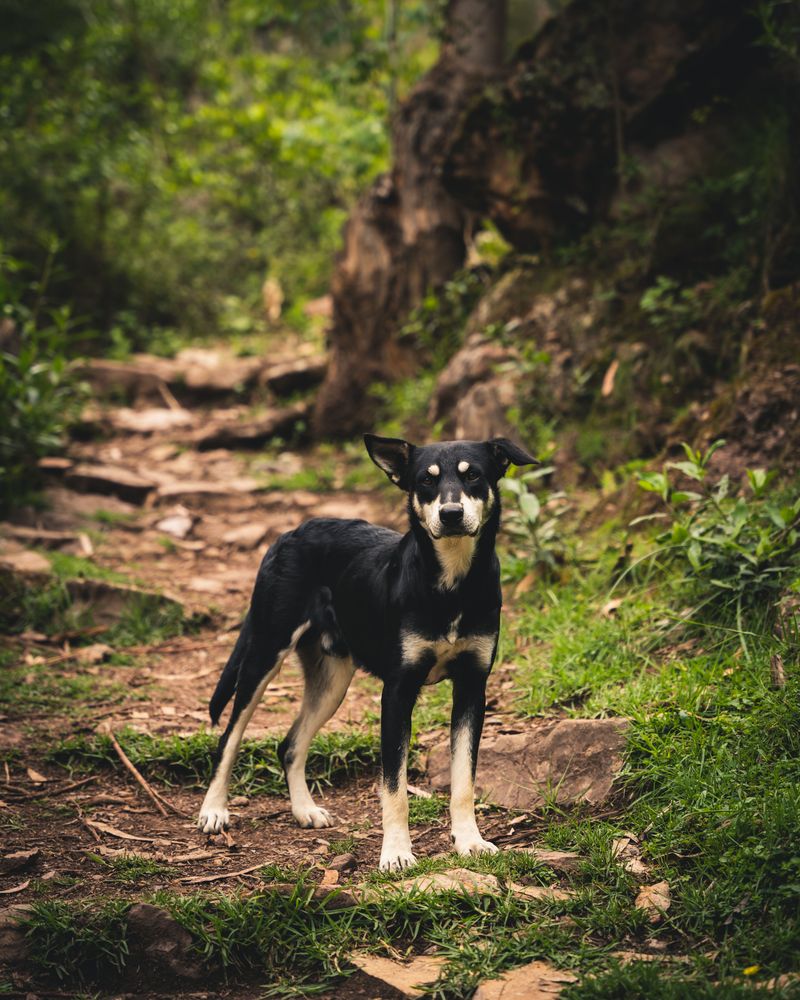
Weekend adventures feel better when your dog’s feet have had time to adjust. Begin with short stretches on rough paths, mixed with easier ground.
Increase distance slowly only when paws stay comfortable afterward.
There is no single schedule that suits every age, breed, or health condition. Check the feet during breaks and again at home.
Shorten the next outing if tenderness appears. Conditioning should never mean deliberately scraping pads or walking through soreness to toughen them up.
9. Keep Dog Boots Ready for Extreme Surfaces
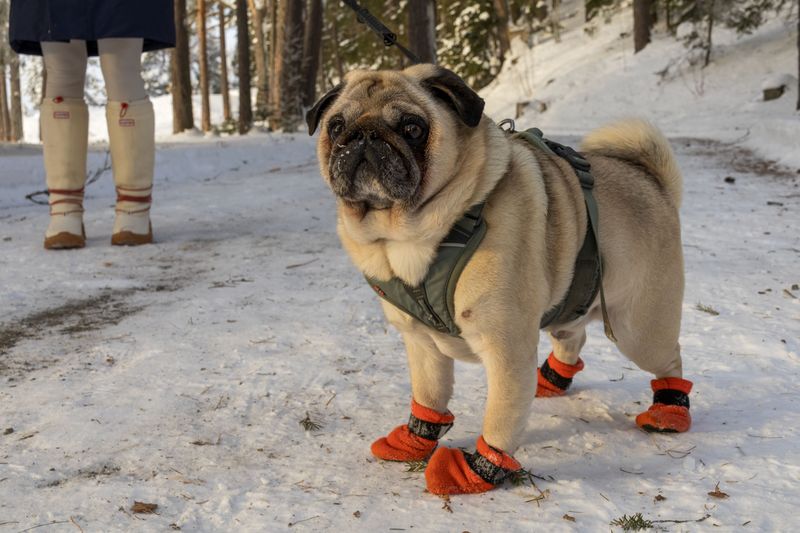
Boots are useful backup gear, but fit and practice matter more than appearance. Measure each paw according to the maker’s instructions, since sizes vary.
Introduce boots indoors with short sessions and small rewards.
Check for twisting, rubbing, or trapped debris during outings. Remove them afterward and inspect the skin beneath.
Footwear does not make every surface suitable, especially during hot weather. Choose cooler routes whenever possible, and remember that boots do not prevent your dog from overheating.
10. Check for Foxtails and Dry Grass Seeds

Golden grass deserves a closer look during California’s dry months. Foxtails and other sharp grass seeds can lodge between toes and work into skin.
Stay on clear paths and inspect paws after grassy outings.
Brush away loose seeds resting on fur before they become tangled. Do not dig for anything embedded or pull at a painful swelling.
Sudden licking, limping, or a small draining spot warrants prompt veterinary attention. Early checks help you catch changes sooner.
11. Choose Cooler Hours for Pavement Walks
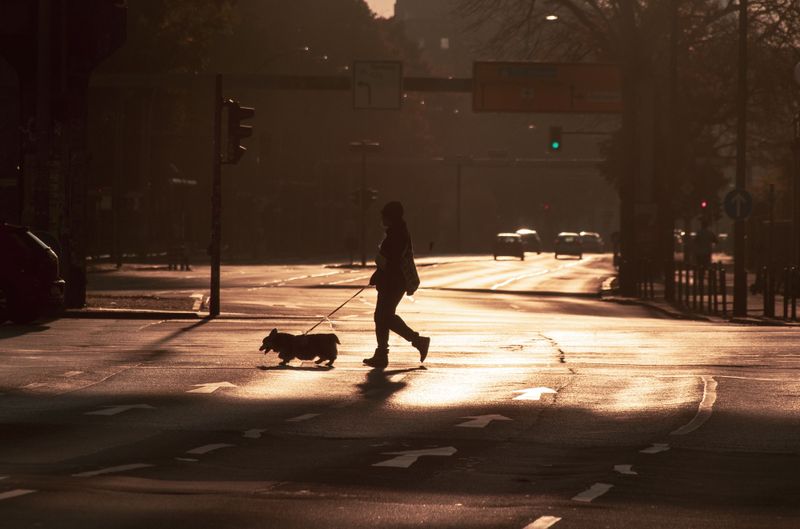
An earlier alarm can buy your dog a much more comfortable sidewalk walk. Morning routes often avoid heat stored in pavement later in the day.
Evening surfaces may remain warm after sunshine fades.
Check conditions rather than relying only on the clock or weather forecast. Inland neighborhoods can feel very different from nearby coastal areas.
Bring water, favor shade, and shorten outings during heat. For midday bathroom breaks, choose a nearby cooler surface and return home promptly.
12. Wash Away Salt and Coastal Residue
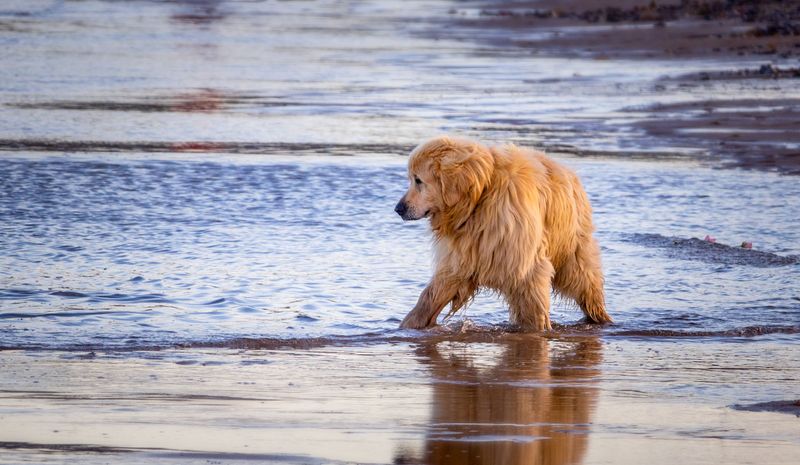
Ocean outings leave more behind than visible sand on your dog’s feet. Saltwater residue may irritate sensitive skin, especially when licking keeps the area damp.
Rinse paws with fresh water after coastal walks.
Pay attention around nail edges and between toes, then dry those hidden spaces carefully. Plain water usually handles routine cleanup without a special wash.
Avoid beaches with posted contamination warnings or visible oily residue. Follow local advisories, since coastal conditions can change between visits.
13. Keep Nails Short Enough for Comfortable Walking
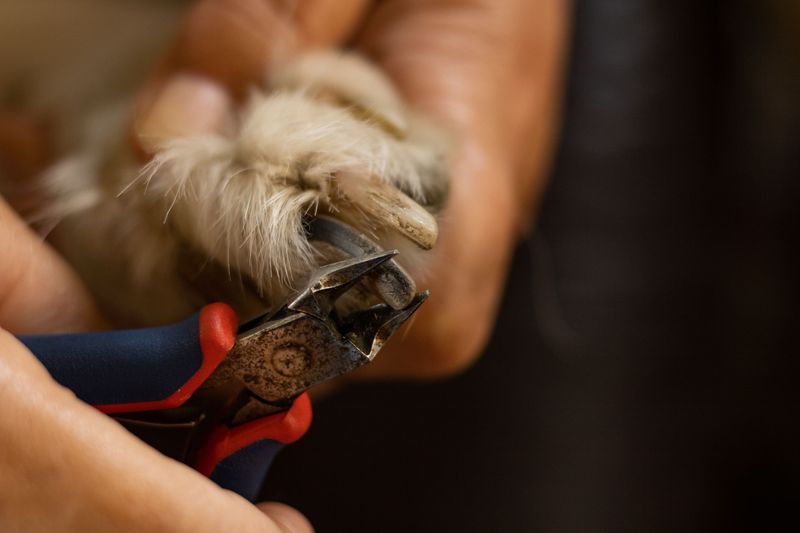
Long nails can change how a foot meets pavement and uneven ground. Check their length regularly, including dewclaws that may not touch the sidewalk.
Walking outside does not reliably keep every nail short.
Ask your veterinary team to demonstrate safe trimming and explain where to stop. Take tiny amounts rather than making one large cut.
Dogs with dark nails or handling worries may need professional help. A steady routine supports comfortable steps across all your usual routes.
14. Give Sore Paws Time to Recover
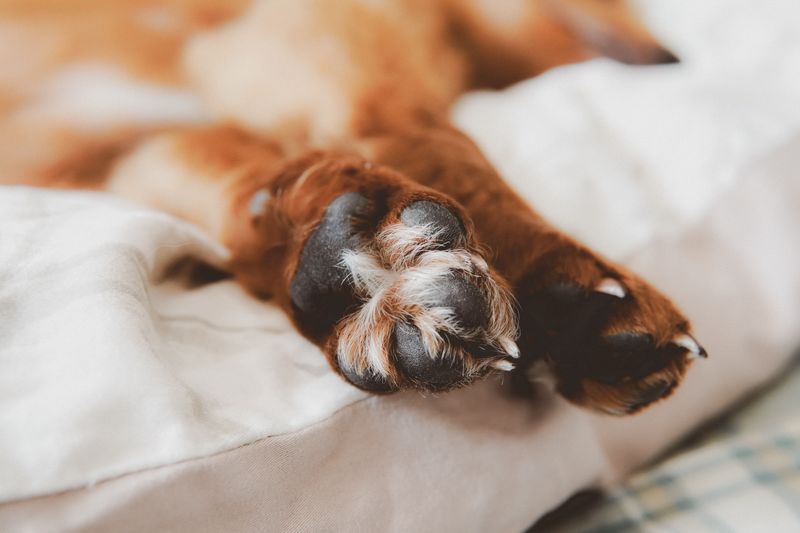
Skipping a planned hike can be the kindest choice for tender feet. Keep bathroom trips short and choose clean, comfortable ground while seeking veterinary guidance.
Do not cover soreness with extra balm and continue.
Contact your veterinarian for limping, swelling, broken skin, or repeated licking. Avoid human pain medicines and tight homemade wraps unless specifically directed.
Return to longer walks gradually once your dog is comfortable. Check, clean, protect, and rest: small habits keep adventures enjoyable together.