14 Texas Yard Pests Beyond Snakes That Can Harm Curious Dogs
If you share a Texas backyard with a nose-first dog, you already know snakes get all the attention. Plenty of smaller yard residents deserve a spot on your radar too, and most of them are easy to manage once you know where they hide.
Think of this as a friendly walk around the fence line with a neighbor who has learned a few things. Here are 14 common pests, what they do, and simple steps that keep your dog comfortable and safe.
1. Fire Ants Can Turn a Curious Sniff Into a Painful Encounter
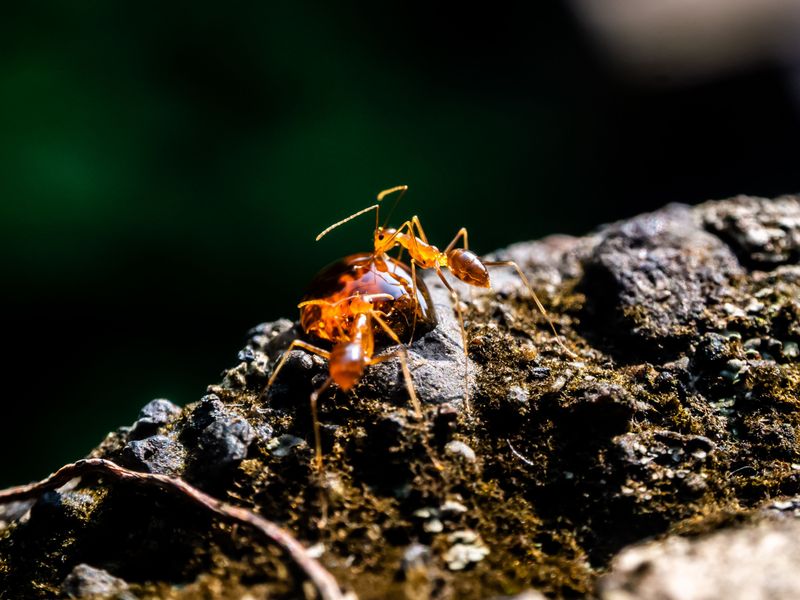
Those loose dirt mounds scattered across Texas lawns rarely look threatening. Step on one, though, and hundreds of red imported fire ants swarm up fast.
Dogs often get stung on paws, noses, and bellies while investigating. Expect small raised welts that itch for a day or two.
Rinse the area, watch for swelling or hives, and call your vet if your dog seems unwell. Treat mounds with pet-safe products and keep dogs away until dry.
2. Black Widows Hide in Quiet Yard Corners
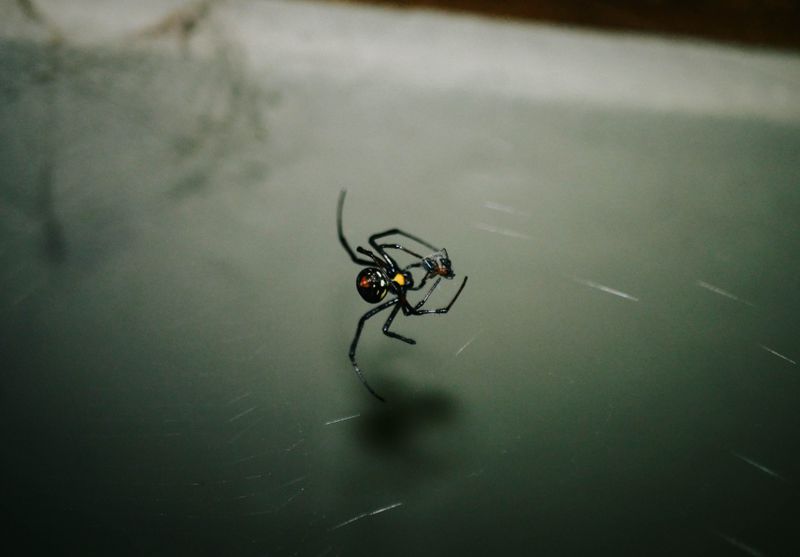
Shiny, black, and shaped like a marble with legs, the black widow prefers stillness. Look under porch steps, inside flower pots, and along stacked lumber.
Bites on dogs are uncommon because widows avoid contact. When they happen, signs may include pain, trembling, or muscle stiffness.
Veterinary care matters here, so call promptly rather than waiting things out.
Wearing gloves, clear clutter regularly and knock down webs. Fewer hiding spots means fewer surprises for everyone.
3. Brown Recluse Spiders Prefer Dark, Undisturbed Spaces
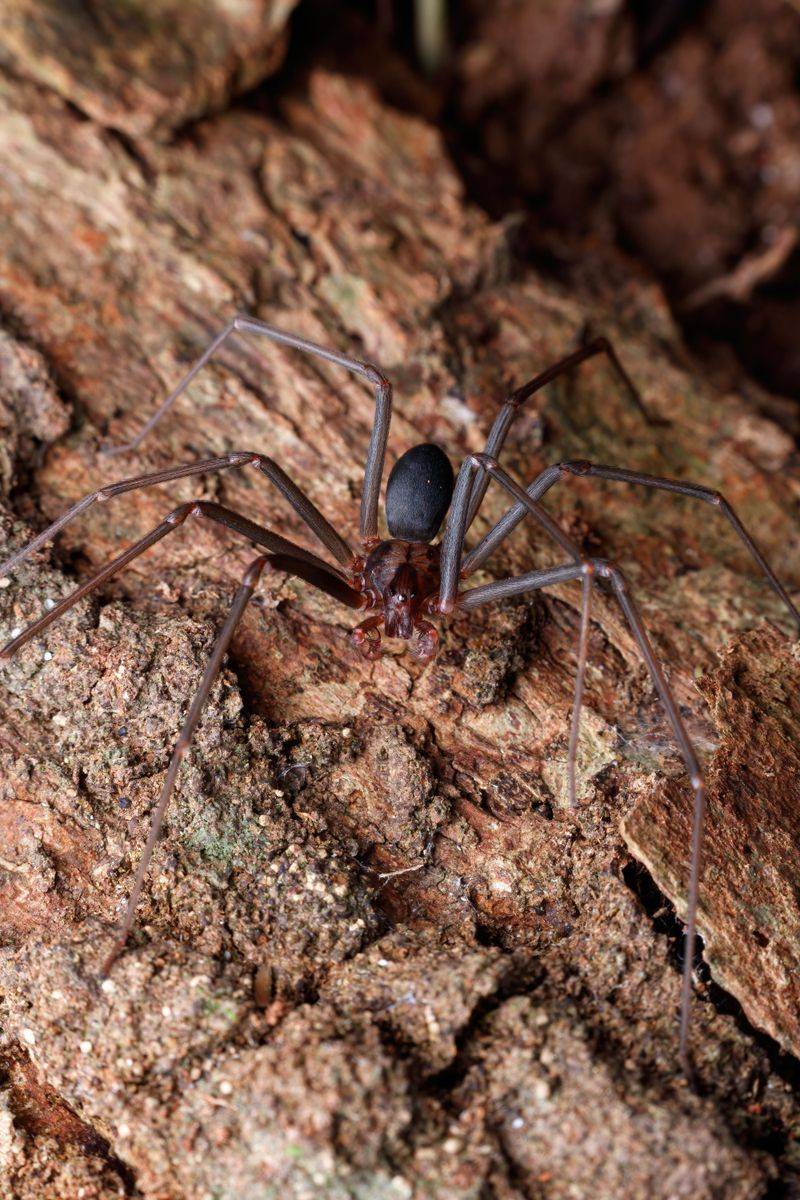
Tan, quiet, and shy, the brown recluse likes sheds, garages, and boxes nobody opens. Texas homes provide plenty of that kind of real estate.
A recluse spider bite can initially cause only a small area of redness or itching, then develop into a blister or slow-healing lesion. In dogs, severe signs can take several days to appear, so a worsening unexplained wound warrants veterinary attention.
Should you spot an odd wound that worsens, schedule a vet visit.
Store items in sealed plastic bins, sweep corners, and shake out blankets stored outdoors before your dog naps on them.
4. Scorpions Can Hide Under Outdoor Items
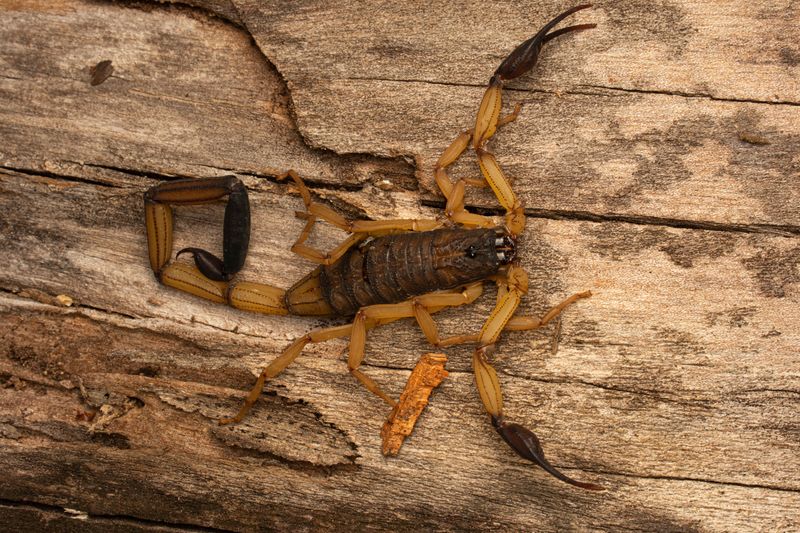
Central Texas hosts the striped bark scorpion, a small tan climber that tucks under pots, stones, and firewood.
Curious paws and noses sometimes find them first. Most stings cause temporary pain, drooling, or pawing at the face.
Keep your dog calm, apply a cool compress, and contact your vet if symptoms linger.
Shake out shoes, lift objects with a rake, and move woodpiles away from the house. Seal gaps around doors too.
5. Bees Become a Bigger Concern When Dogs Chase Them
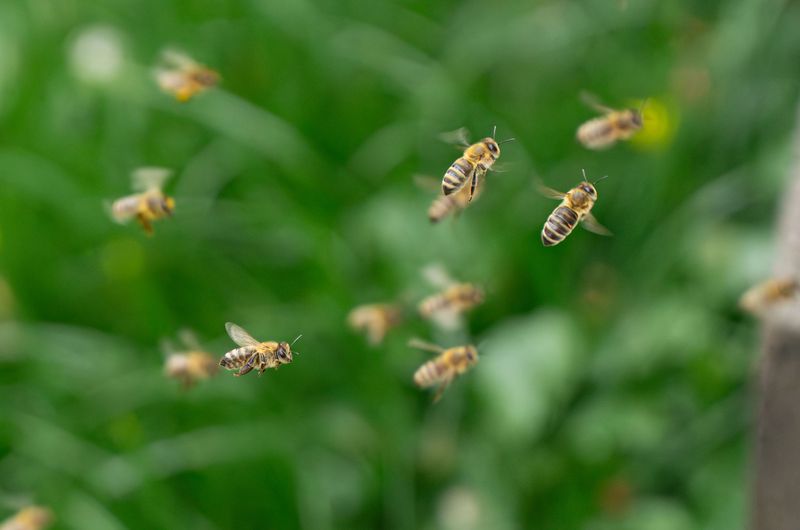
Some dogs snap at anything that buzzes, which is fun until a bee objects. Face and mouth stings are the usual result.
Watch for swelling around the muzzle, hives, or sudden restlessness. Multiple stings deserve a same-day vet call.
Texas yards with flowering shrubs naturally attract pollinators, and that is a good thing.
Redirect chasers with a toy, plant bee-friendly blooms away from play zones, and never disturb a swarm yourself.
6. Wasps Can Build Nests Around Homes
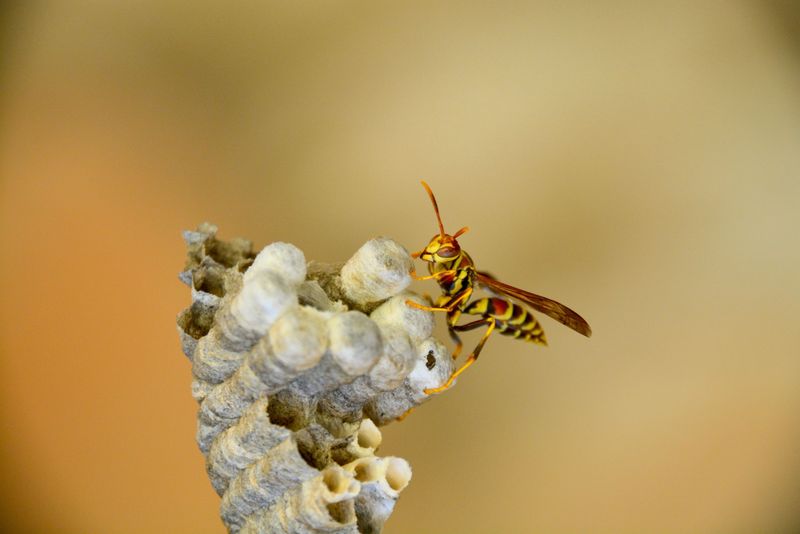
Paper wasps love eaves, grill covers, mailboxes, and the underside of patio furniture. Their umbrella-shaped nests appear quickly in warm months.
Unlike bees, wasps can sting more than once, so a startled dog may take several hits.
Check common spots weekly during spring and summer.
Handle removal at night or hire a professional, and keep your dog indoors afterward. Rinse the area before letting anyone back outside.
7. Yellowjackets May Defend Hidden Nests
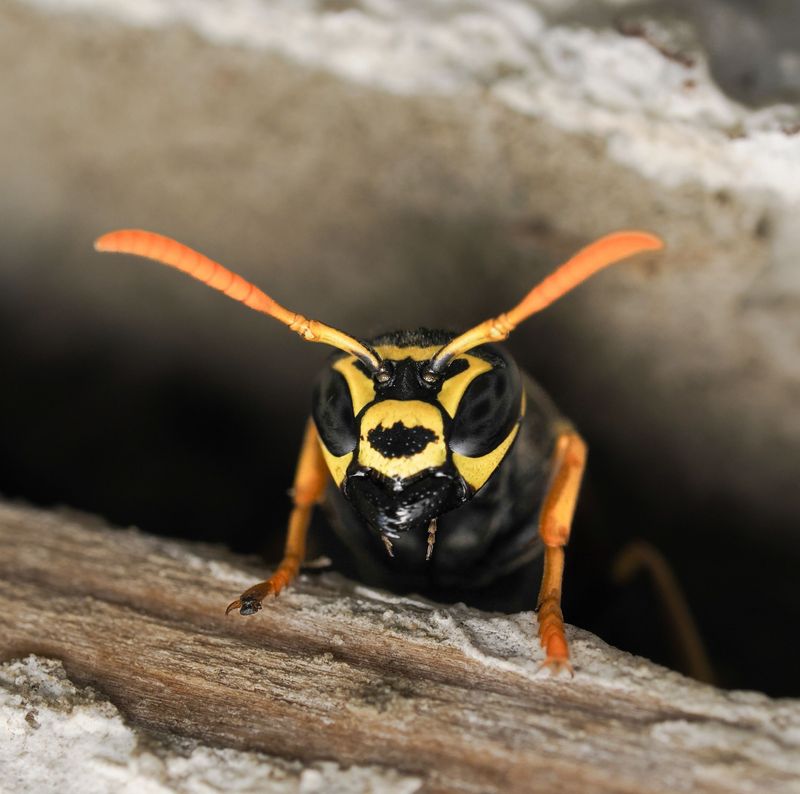
Ground nests make yellowjackets tricky. A dog digging near an old rodent burrow can stir up a defensive group in seconds.
Late summer tends to be their busiest stretch across much of Texas.
Mark any hole with steady insect traffic and keep pets clear of it.
Professional removal is worth the cost for underground nests. If your dog gets stung repeatedly, head to the vet without delay.
8. Ticks Can Lurk in Tall Grass
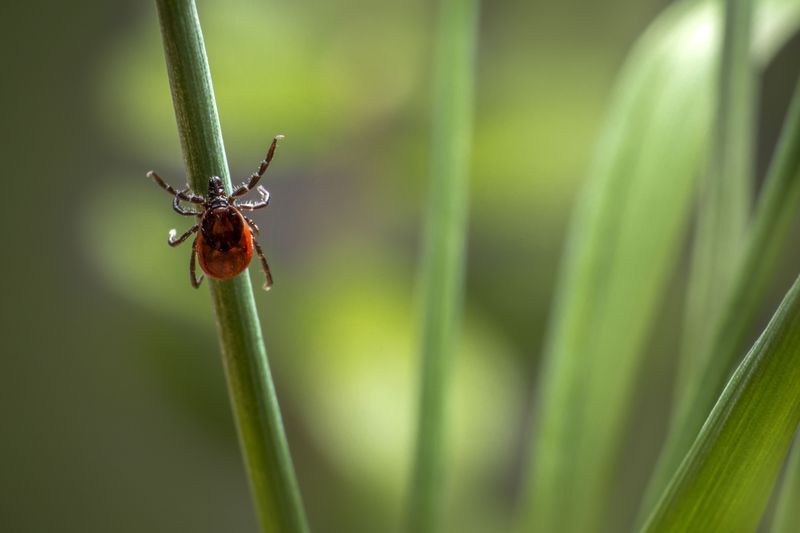
Texas has several tick species, and they wait on grass blades for a warm body to pass.
Beyond the ick factor, ticks can carry illnesses that affect dogs, so prompt removal matters.
Run your hands over ears, armpits, and between toes after outdoor time.
Use fine-tipped tweezers, pull straight out, and clean the spot. Ask your vet which year-round preventive suits your region and your dog’s routine.
9. Fleas Can Build Up Where Pets Spend Time
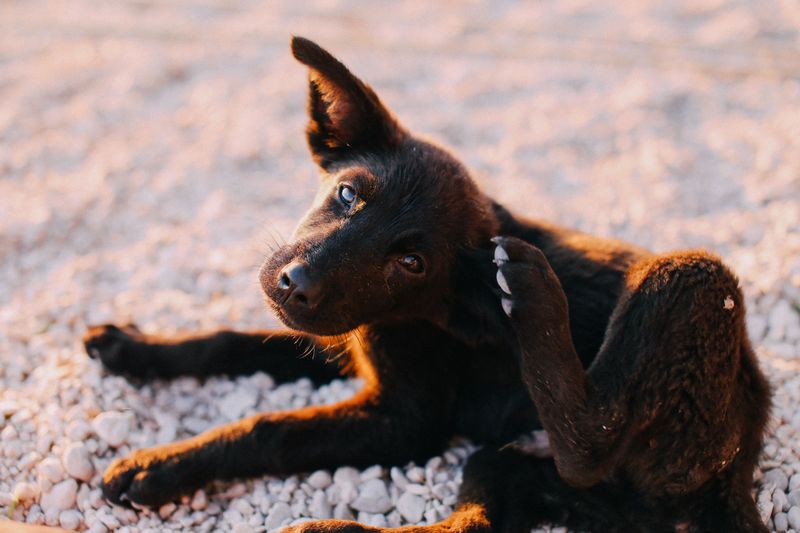
Moist, shaded spots near places where pets rest can support flea development, including areas under decks and porches. Fleas do not thrive well in hot, sunny lawns, so conditions vary considerably across Texas.
Constant scratching, tiny black specks in fur, and hair loss near the tail are telltale clues.
Treating only the dog rarely works, since eggs settle into bedding and soil.
Wash bedding weekly in hot water, vacuum often, and stay consistent with a vet-recommended preventive. Consistency beats catching up later.
10. Mosquitoes Can Affect Dogs Too
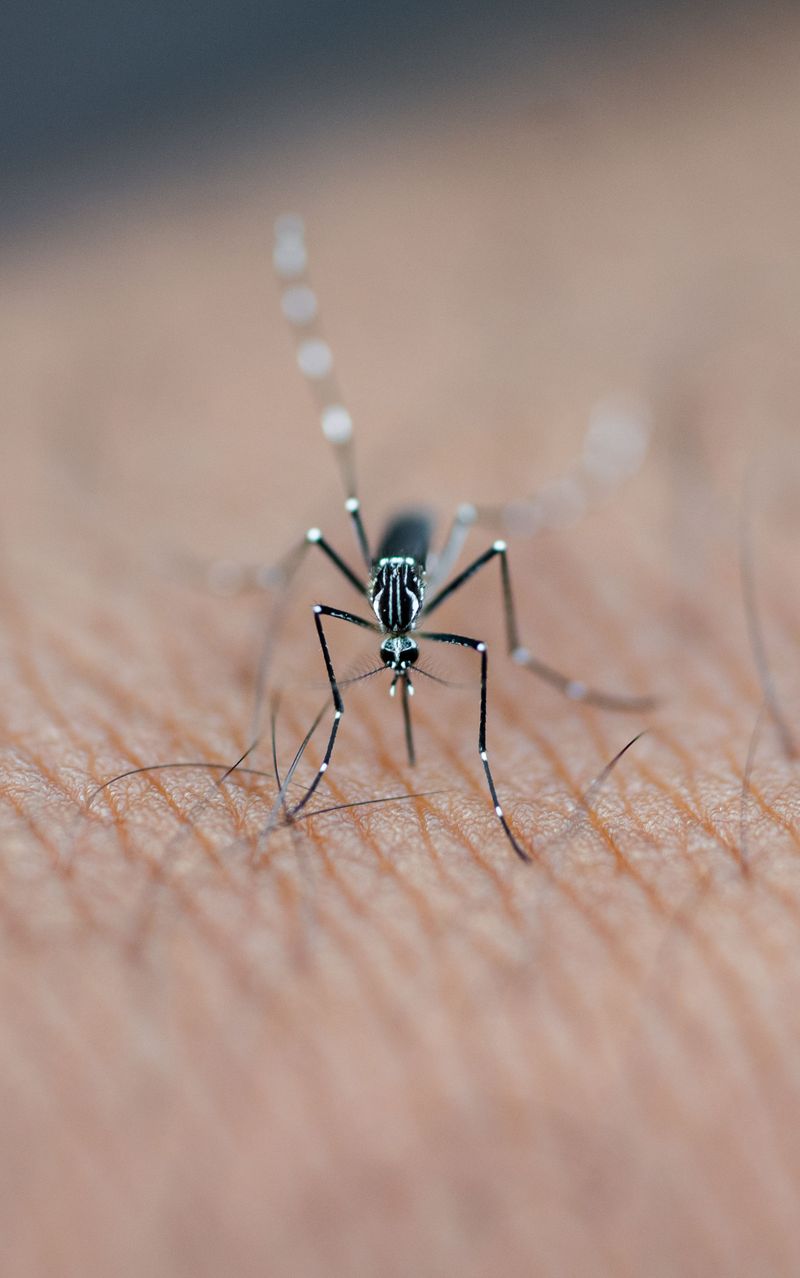
Bug spray season in Texas feels endless, and dogs share the nuisance. Mosquito bites cause itching, but the bigger concern is heartworm.
Heartworm prevention should be given consistently according to your veterinarian’s recommendation. The American Heartworm Society recommends year-round prevention for dogs because mosquitoes can transmit heartworms and transmission risk does not reliably disappear during cooler months.
Dump standing water from saucers, buckets, tarps, and birdbaths at least weekly.
Repair torn screens and keep gutters draining. Ask your vet before using any repellent on your dog directly.
11. Chiggers Can Cause Intense Itching
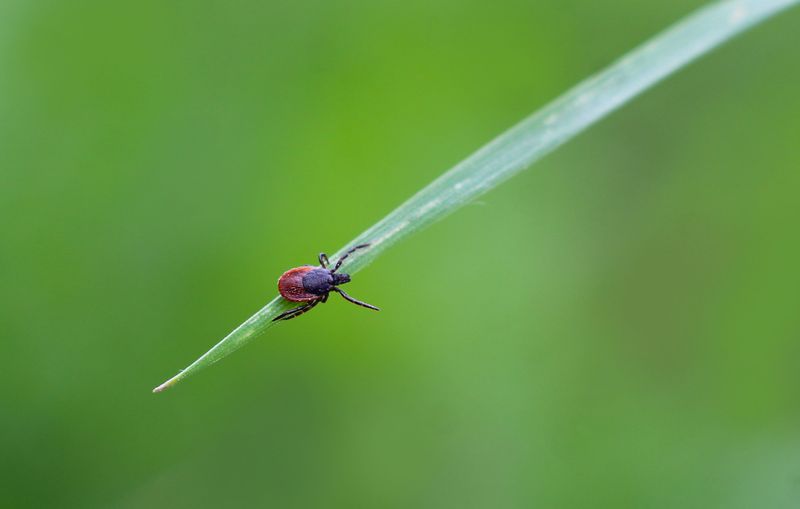
Nearly invisible, chigger larvae cling to weedy edges and brushy fence lines through the warm months.
Dogs usually pick them up on thin-skinned areas like the belly, groin, and ear edges.
Red bumps and frantic scratching often show up hours after a walk.
Bathing soon after outings helps remove them. Mow regularly, trim brush, and ask your vet about soothing options if the itching drags on.
12. Ticks and Tall Vegetation Often Go Together
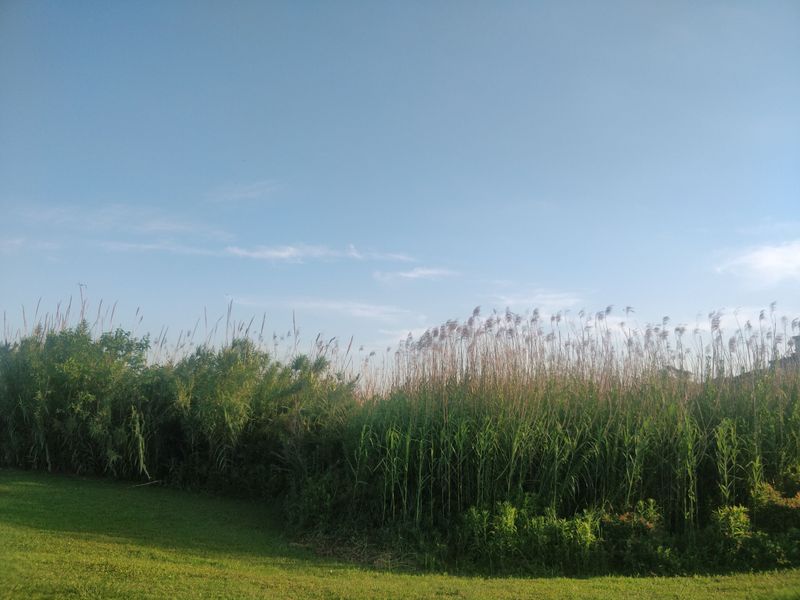
Yard layout does more work than most people expect. Ticks gather where lawn meets brush, leaf piles, and unmowed fence lines.
Creating a tidy buffer of mowed grass or gravel reduces how often they reach your dog.
Rake leaves, trim low branches, and keep play areas sunny and open.
Texas county extension offices offer local advice on timing and products. A quick call can save you plenty of guesswork.
13. Centipedes Can Be Found Under Yard Debris
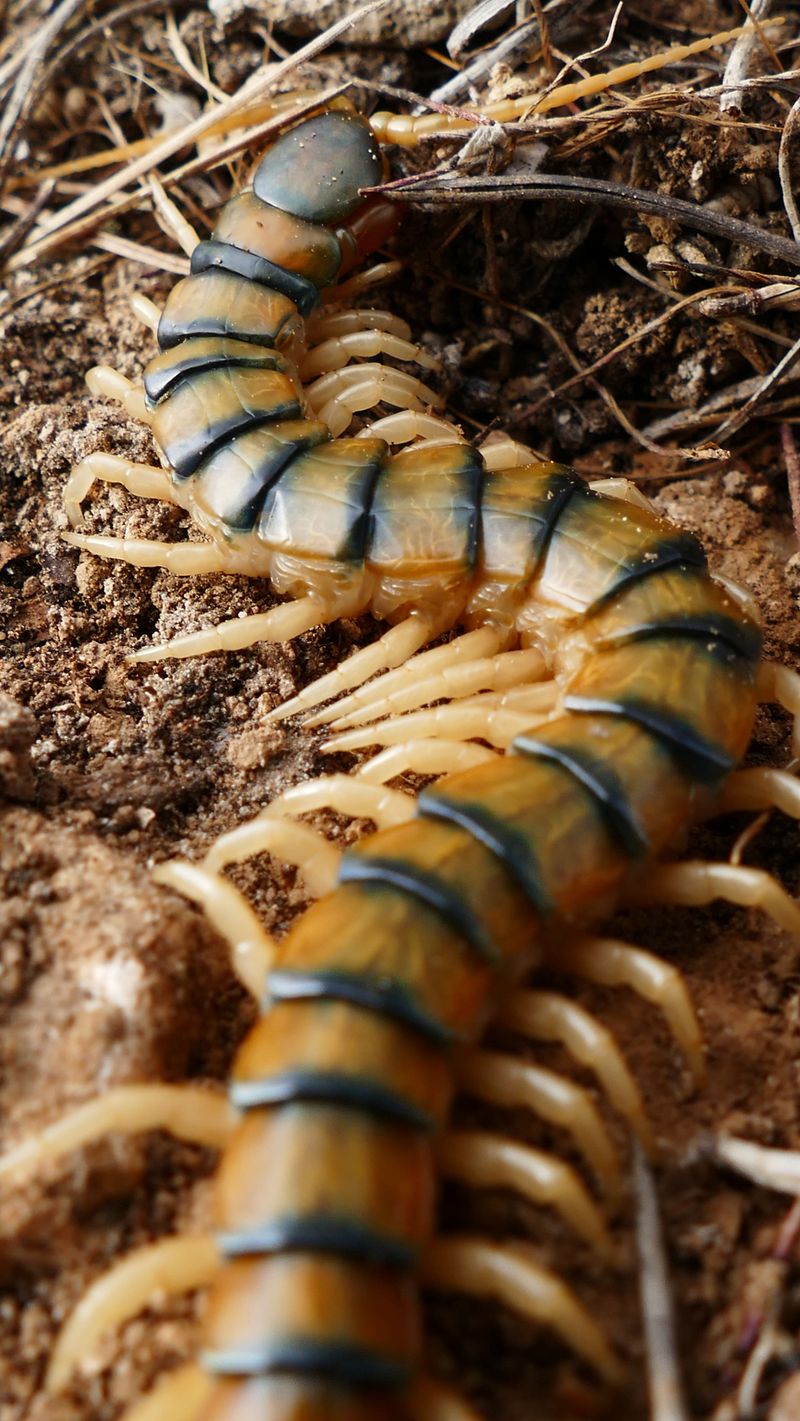
Flip a damp board or old mulch pile and you may meet a centipede moving fast.
Texas hosts several kinds, including large ones capable of a painful pinch when handled or mouthed.
Dogs that paw at them may yelp, drool, or favor one foot briefly.
Clear debris, store wood off the ground, and fix leaky spigots that keep soil soggy. Dry yards hold far less appeal.
14. Caterpillars Deserve More Attention Than They Get
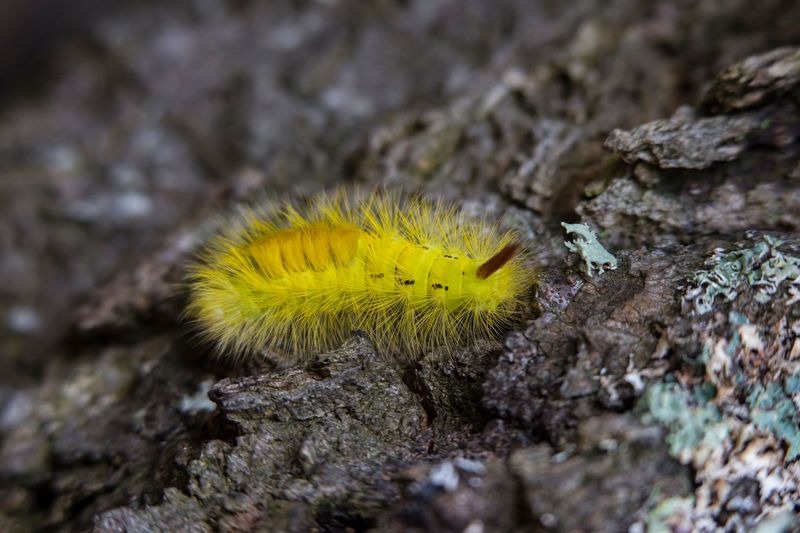
Fuzzy does not mean friendly. The puss caterpillar, common on Texas oaks and elms, carries hidden stinging hairs under that soft coat.
Dogs that mouth one may drool heavily, paw at their face, or refuse food.
Rinse the mouth gently with water and contact your veterinarian for guidance.
During spring and fall, scan patio furniture and low branches. Sweep fallen caterpillars away before letting your dog outside.