15 Assateague Precautions For Maryland Dogs Around Wild Horses And Coastal Campsites
A beach trip with your dog can be a wonderful way to enjoy Maryland’s coast. At Assateague, wild horses, changing weather, and different park rules call for a little extra planning.
Before packing the leash and camping gear, learn where dogs belong and how to give wildlife plenty of room. A few thoughtful habits can help you enjoy the island while keeping your dog comfortable and your campsite welcoming.
1. Check Island Dog Rules and Current Park Alerts
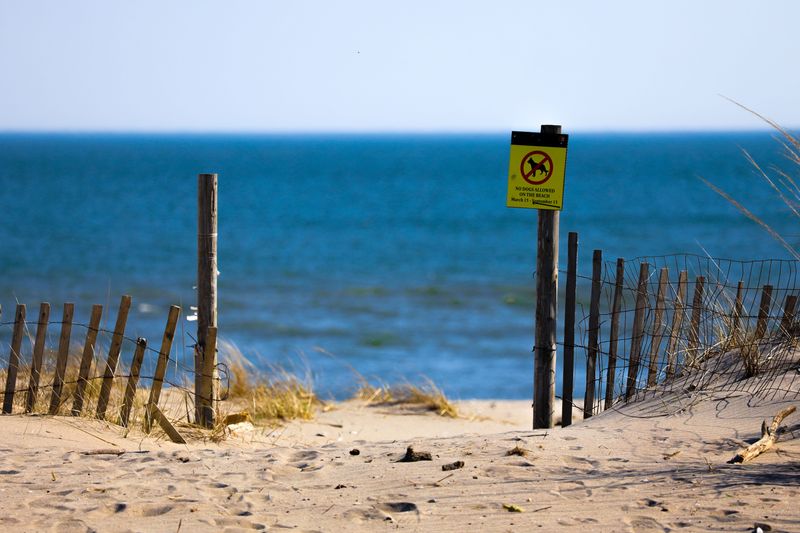
One island can have several sets of rules, depending on who manages the land. Assateague State Park and Assateague Island National Seashore have different pet policies.
Check their official websites before choosing your entrance, beach, or campsite.
Review current alerts for closures, flooding, weather concerns, and temporary wildlife protections. Save useful information before leaving home because phone service can vary.
When a rule seems unclear, call the appropriate park office rather than guessing at the gate.
2. Give Wild Horses at Least 40 Feet
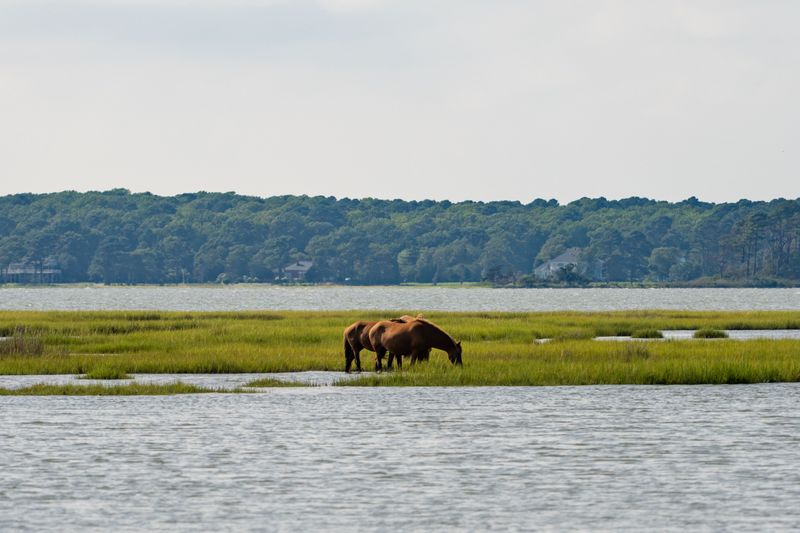
A horse grazing quietly still needs plenty of space from you and your dog. Check current National Park Service guidance for the required distance from wild horses, and maintain ample space at all times.
Treat that distance as a minimum, not a target for closer pictures.
Give extra room when horses move toward your path or your dog becomes excited. Turn around or wait somewhere clear instead of squeezing past.
Never position your dog beside a horse for a photograph, even briefly.
3. Keep the Leash Attached Throughout Your Visit
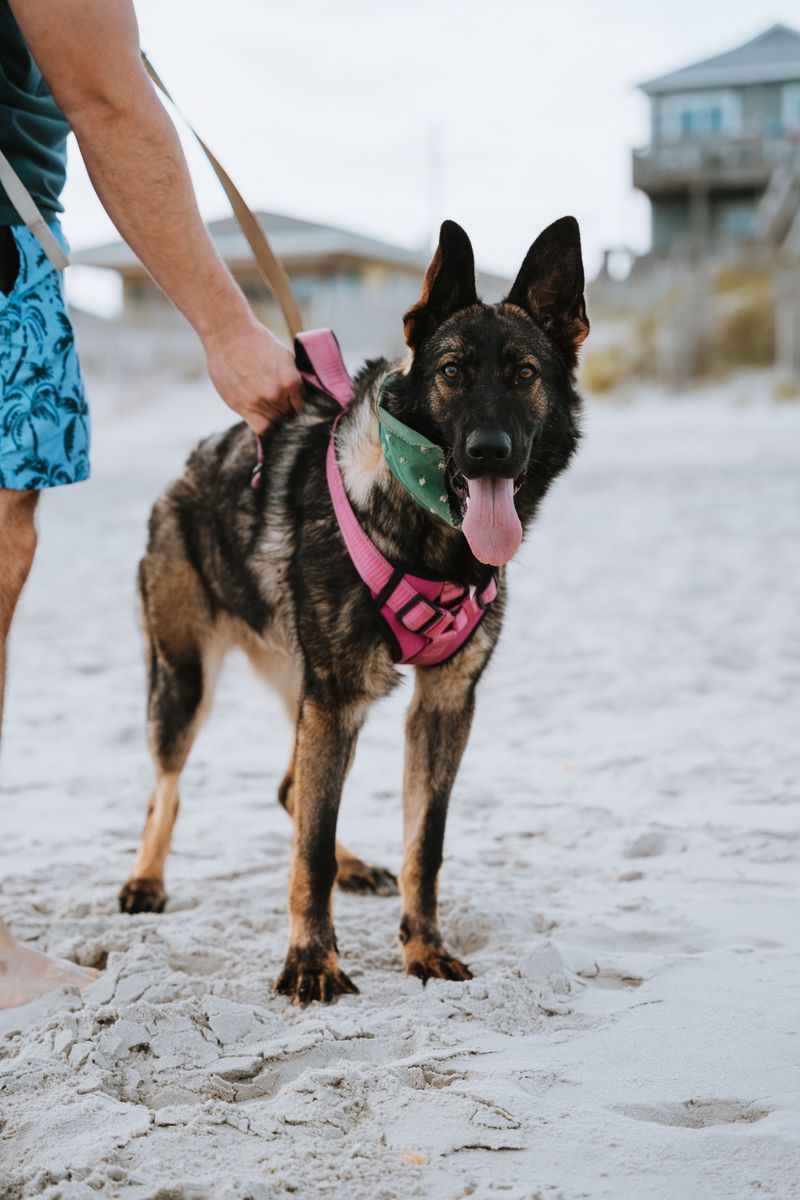
Even a reliable recall cannot replace a leash around unfamiliar wildlife and busy campsites. Where dogs are permitted, park rules generally require a leash no longer than six feet.
Confirm the current requirement for your specific destination.
Choose a sturdy leash and properly fitted collar or harness. Avoid allowing a retractable leash to extend beyond the limit.
Keep the handle in your hand during walks, and shorten your grip when passing people, horses, or campsite equipment.
4. Pick a Maryland Beach That Allows Dogs
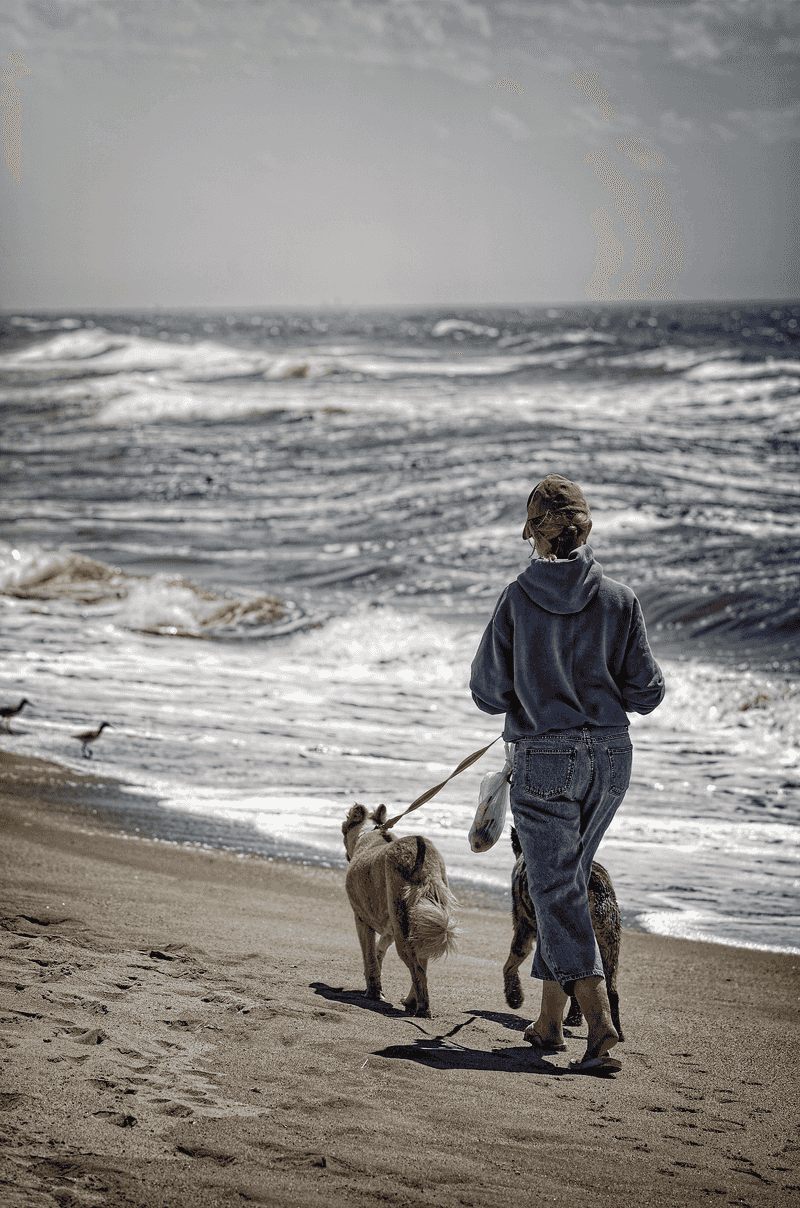
Your beach choice matters more than your dog’s love of the ocean. Pets are allowed in certain areas of the Maryland portion of Assateague Island National Seashore, but they are prohibited on lifeguarded beaches during the designated seasonal restriction period.
The Virginia portion does not allow pets, even inside vehicles.
State park access follows separate location and seasonal rules. Check the official map before unloading your dog.
Follow posted boundaries, and avoid crossing restricted sand to reach another area. Have an alternative destination ready if your planned beach is unavailable.
5. Reserve a Pet-Friendly State Park Campsite
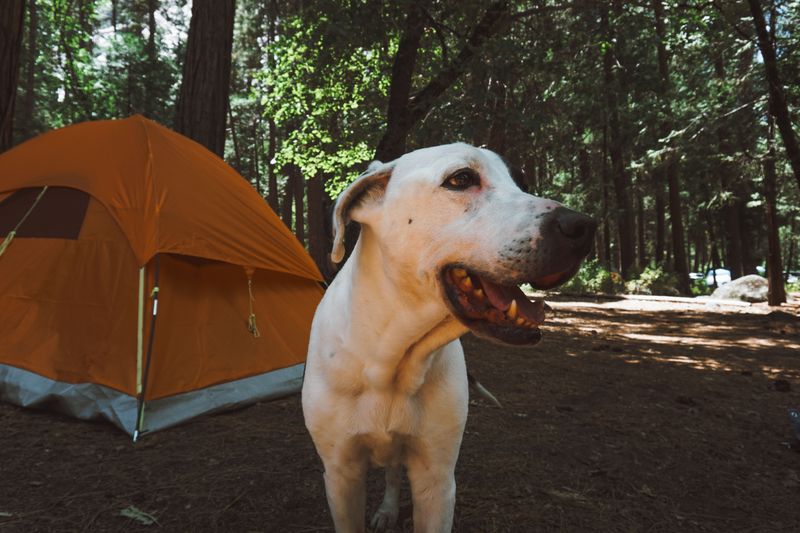
A campsite reservation does not automatically mean your dog can stay there. Assateague State Park limits pets to designated camping areas, with availability depending on current policies.
Read the pet information before booking, not after arriving.
Confirm that your exact loop and site accept dogs during your travel dates. National seashore campgrounds operate under separate rules, so avoid mixing their policies together.
Keep your reservation details handy, and ask park staff about permitted walking routes nearby.
6. Prevent Chasing and Keep Camp Greetings Calm
A moving horse can catch even a usually relaxed dog’s attention. Practice a turnaway cue before traveling, and reward your dog for following you calmly.
Never allow chasing, barking at horses, or pulling toward their legs.
Step away early when your dog stiffens, stares, or becomes noisy. Around other campers, keep greetings brief and ask before approaching people or pets.
Choose quieter walking times if busy paths overwhelm your dog, and offer breaks at your campsite.
7. Secure Dog Food Before Horses Find It
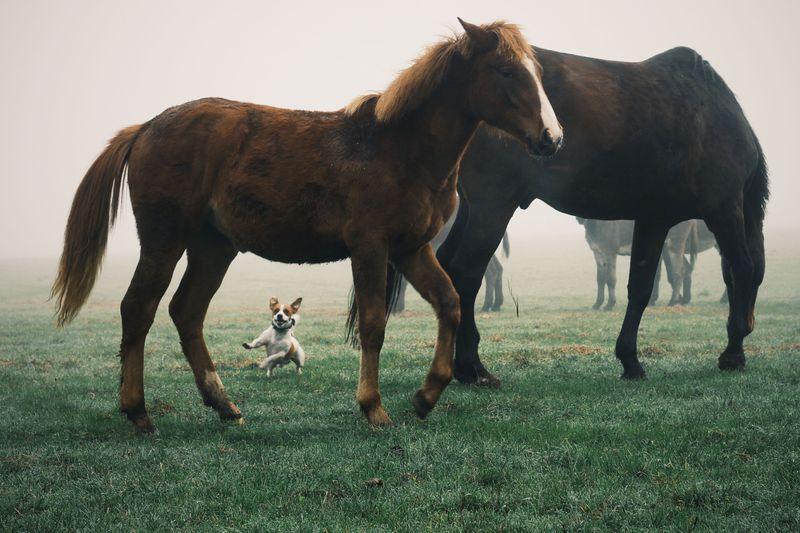
The smell of dinner can draw unwanted visitors to an otherwise tidy campsite. Store kibble, treats, and food scraps securely, following the campground’s current food storage instructions.
A closed tent is not reliable protection from curious horses.
Use approved storage or a securely closed vehicle when park guidance permits it. Feed your dog under supervision, then remove leftovers and wash the bowl.
Keep coolers closed and inaccessible, and never leave food bags beneath your picnic table.
8. Keep Every Dog Treat Away From Horses
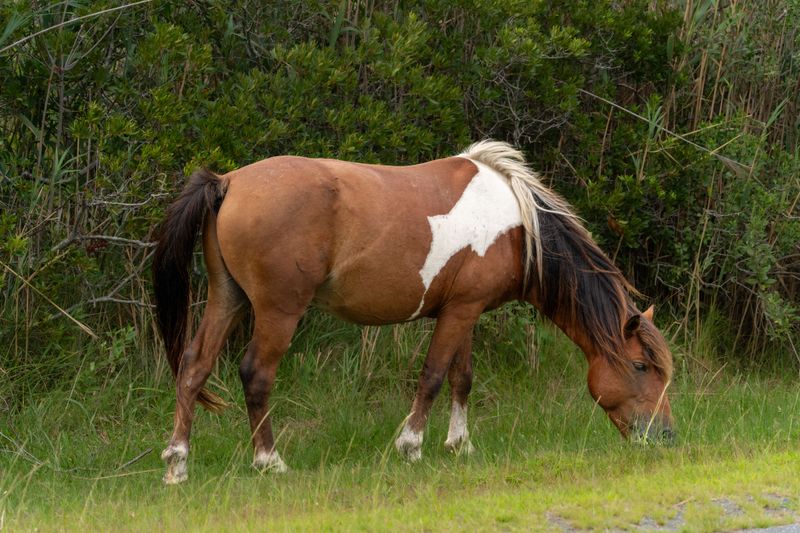
Sharing a biscuit may seem friendly, but feeding Assateague’s horses is prohibited. Dog treats are not appropriate horse food, and feeding encourages animals to approach people.
Keep every snack reserved for your dog and securely packed.
If a horse approaches during training, stop dispensing treats and calmly create more distance. Do not offer food to lure horses away from your campsite.
Ask a ranger for help when horses linger nearby, rather than trying to manage them.
9. Carry Fresh Water for Every Coastal Walk
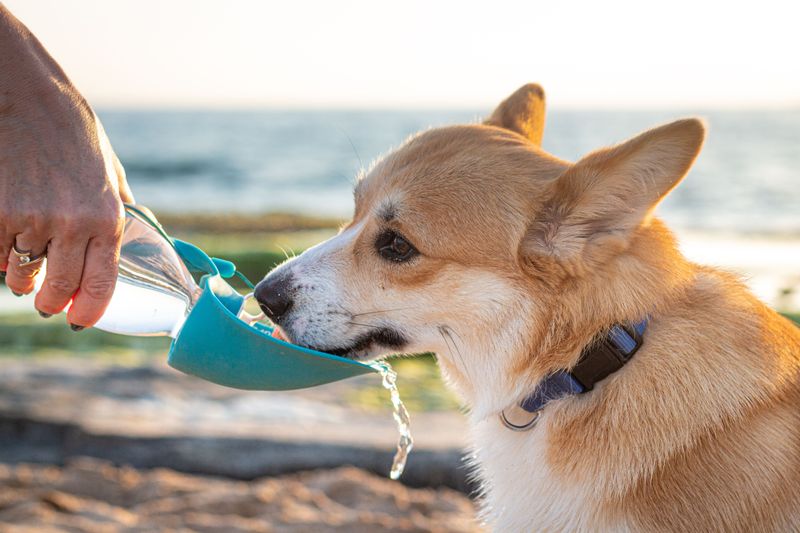
Ocean views do not provide drinking water for your thirsty walking partner. Pack fresh water and a portable bowl for every outing, including short beach visits.
Offer frequent breaks instead of waiting until your dog seems uncomfortable.
Discourage drinking seawater or water from standing pools. Heat, activity, and your dog’s health can change water needs, so ask your veterinarian about planning.
Carry extra supplies for delays, and refill only from sources identified as safe drinking water.
10. Check Sand Heat Before Paws Touch Down
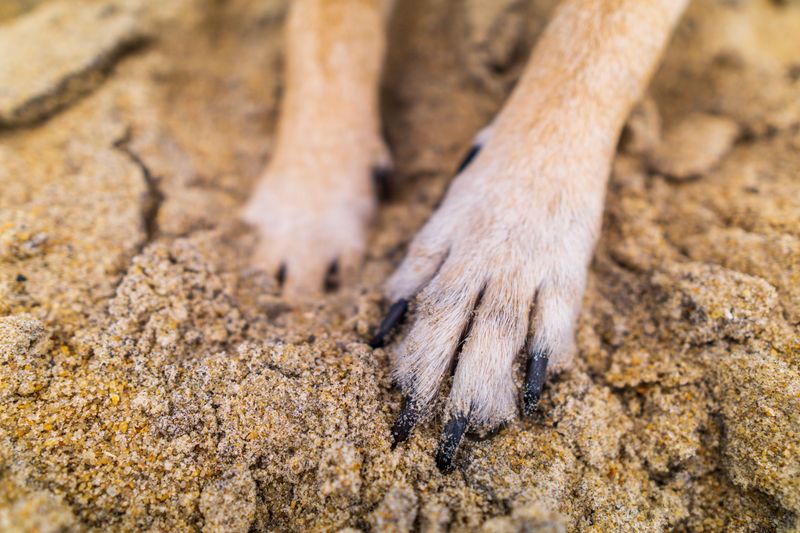
Sunny sand can feel much hotter than the ocean breeze suggests. Test walking surfaces with your hand, and skip areas that feel uncomfortably hot.
Choose cooler morning or evening outings when conditions allow.
Watch for limping, repeated paw lifting, or reluctance to move. Return to a cooler surface and examine paws for irritation or trapped debris.
Properly fitted dog boots may help some dogs, but introduce them beforehand. Contact your veterinarian if soreness continues after resting.
11. Leave Restricted Nature Trails to Wildlife
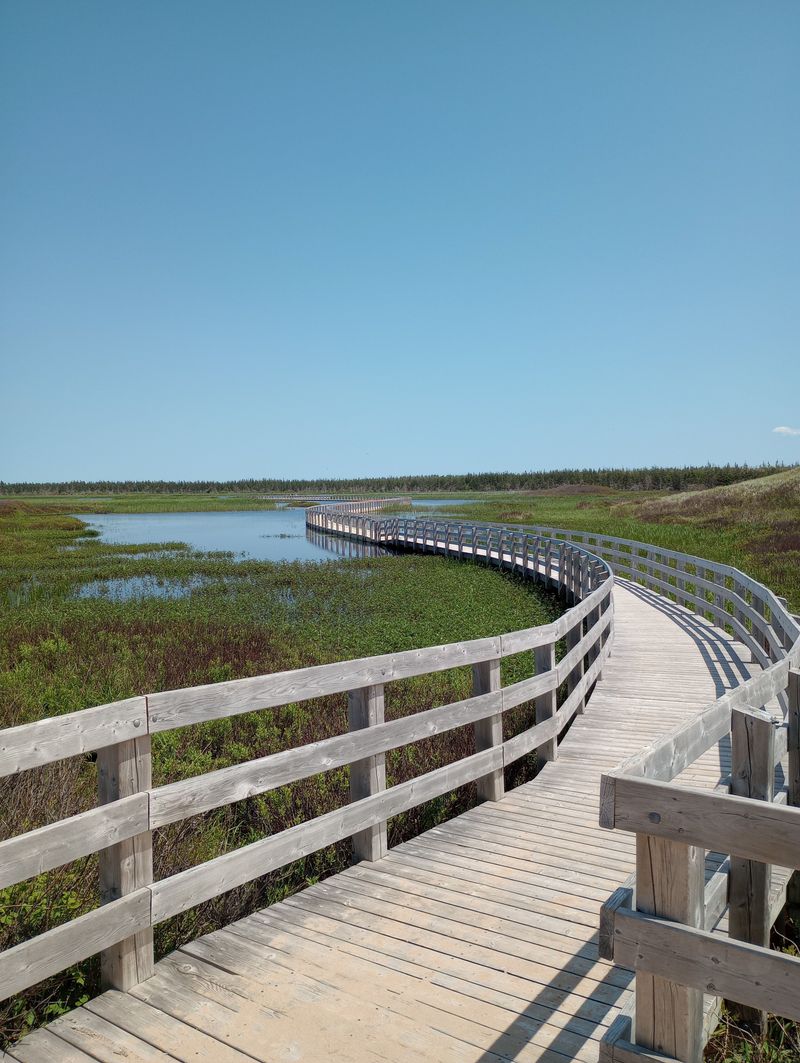
A boardwalk entrance can look inviting without being open to pets. National seashore nature trails are among the areas where dogs are prohibited.
Read signs before entering, and consult the current pet access map.
Do not assume carrying your dog makes a restricted route acceptable. Stay on authorized paths rather than cutting through dunes or marsh edges.
Ask staff to suggest a permitted alternative when needed. Respecting these boundaries protects fragile habitat and keeps your visit straightforward.
12. Give Shorebirds and Coastal Animals Room
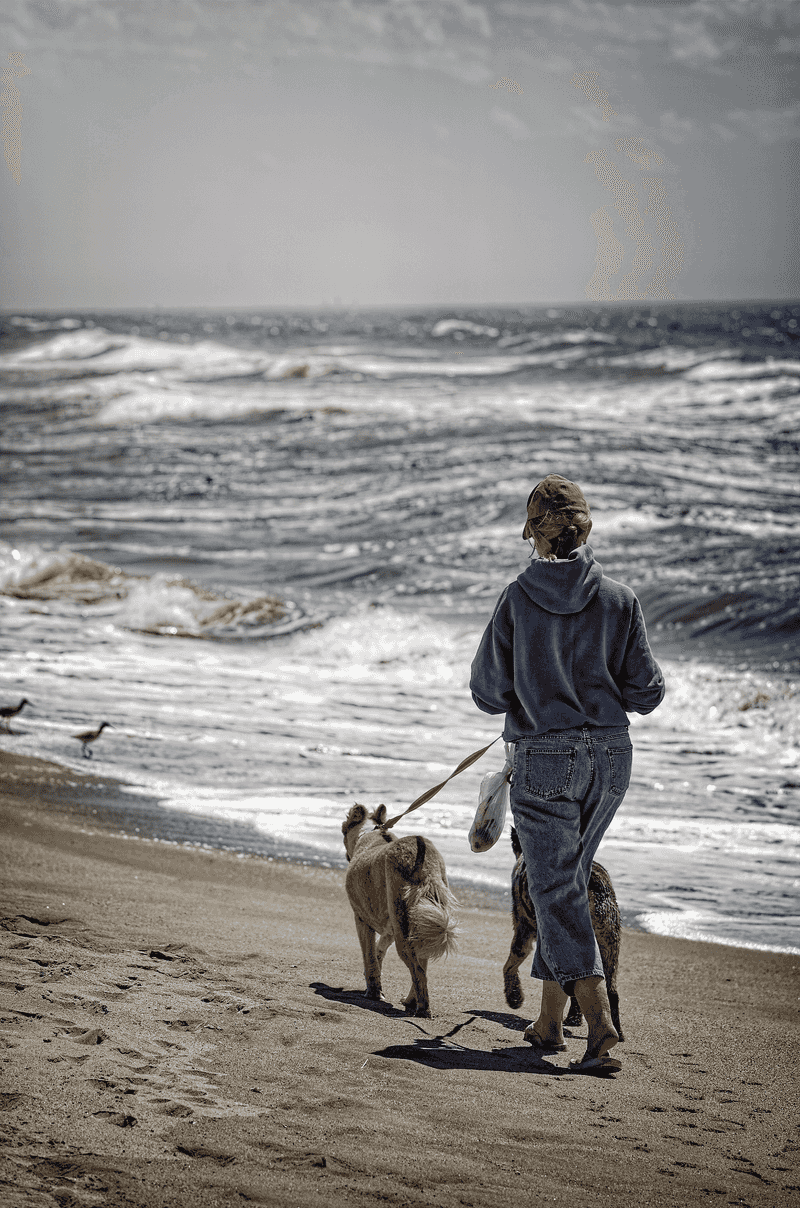
Small birds deserve the same thoughtful distance you give larger animals. Keep your dog from chasing shorebirds, investigating nests, or entering marked protection areas.
Seasonal closures may protect wildlife that is difficult to spot.
Watch ahead for feeding birds, turtles, and other coastal animals. Change direction before your dog reaches them, and avoid letting the leash cross barriers.
Binoculars offer a better look without crowding wildlife. Leave shells containing living animals where you found them, too.
13. Keep Your Dog With a Responsible Adult
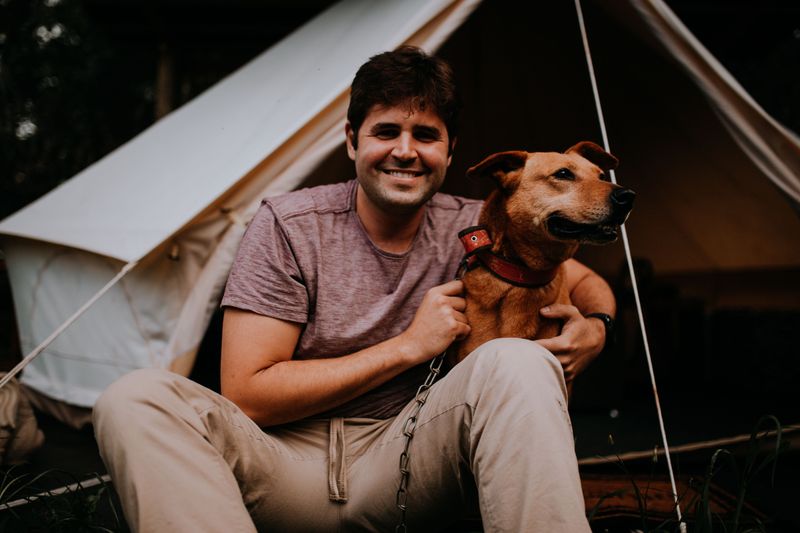
A quick shower or beach errand still needs a dog supervision plan. Never leave your dog unattended at camp, tied outside, or alone in a vehicle.
Sun, changing weather, and approaching horses can create problems quickly.
Arrange for a responsible adult to remain with your dog during campground tasks. Provide shade, water, and a comfortable resting spot while you stay nearby.
If an activity excludes pets, take turns or choose something everyone can safely enjoy together instead.
14. Pick Up Waste Before Moving On
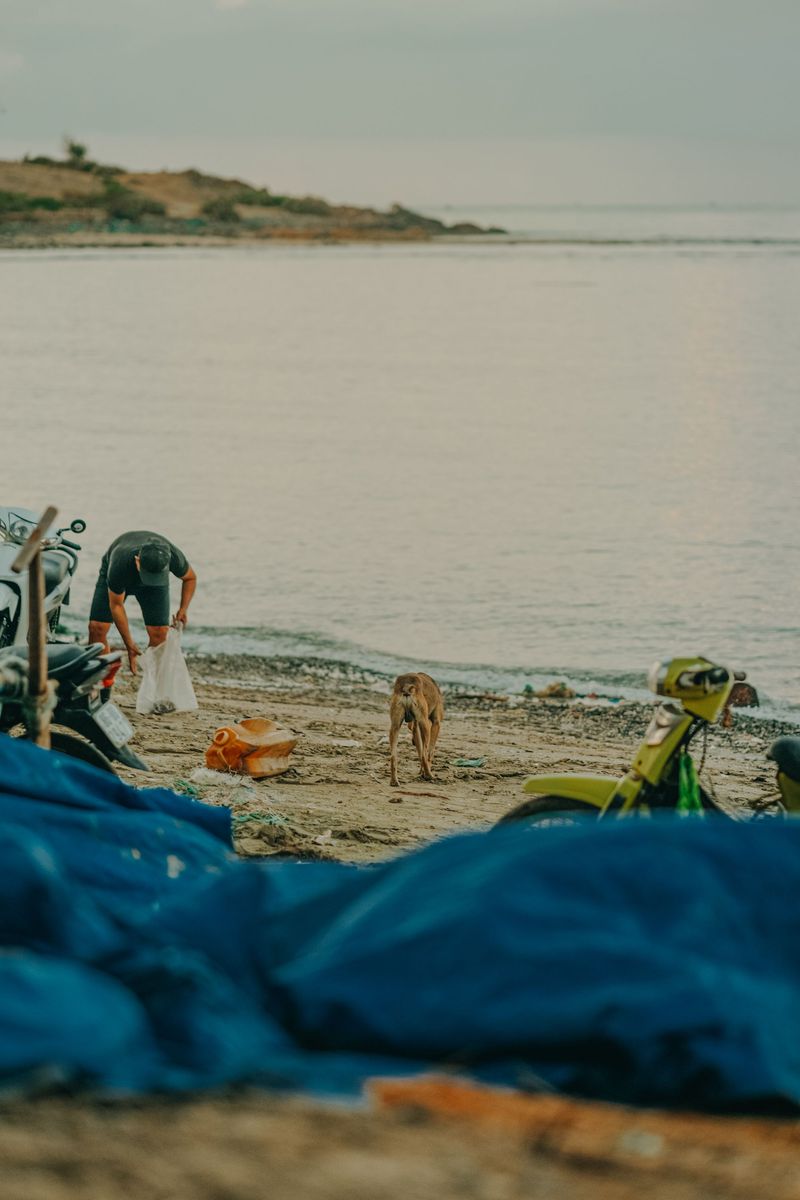
Clean sand and shared paths depend on owners handling waste promptly. Carry more bags than you expect to need, and pick up after every outing.
Dispose of sealed bags in appropriate trash containers.
Never bury dog waste in beach sand or leave filled bags beside trails. Keep spare bags attached to your leash so they are always available.
Follow posted disposal instructions at your campground. Before departure, check your site for overlooked waste, food scraps, and litter.
15. Plan for Coastal Weather and a Comfortable Exit
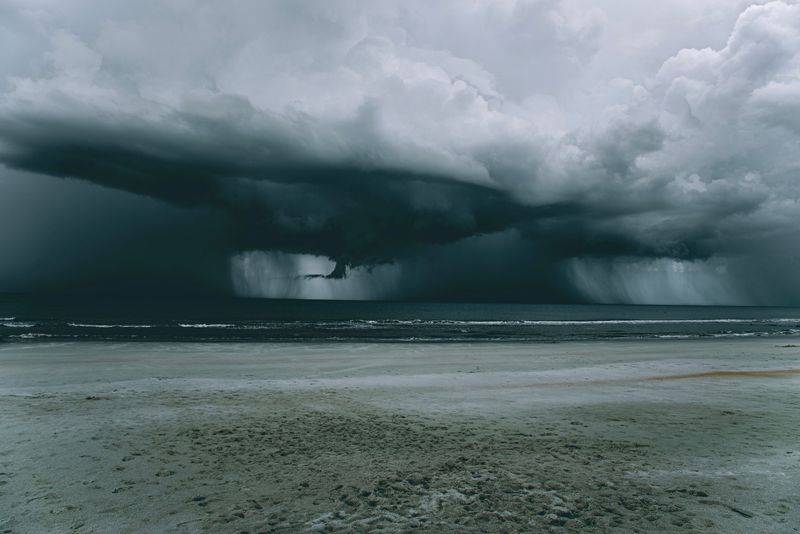
Coastal weather can shift while your campsite still looks peaceful. Check the forecast, secure loose gear, and pack towels plus suitable rain protection.
Identify a safe shelter and departure route before conditions change.
During thunderstorms, seek a substantial building or enclosed vehicle, keeping your dog supervised. Pause outings when wind, heat, or rain makes your dog uncomfortable.
Flexible plans are part of good camping. Give horses space, follow park rules, and let your dog set the pace.