15 Illinois High-Rise Realities To Think Through Before Adopting A Large Dog In Chicago
Sharing a Chicago high-rise with a large dog can be a happy fit when your daily routine supports it. Before adopting, look beyond your apartment and picture elevator rides, sidewalk breaks, winter walks, and busy workdays.
A little planning helps you choose a dog whose needs match your home. Think of these checks as a friendly guide to building a comfortable life together.
1. Check Your Building’s Large-Dog Policy

A welcoming lobby does not always mean a welcoming pet policy. Ask management for written rules before meeting adoptable dogs.
Check weight limits, breed restrictions, pet fees, and limits on the number of animals.
Review your lease or condominium documents, not just a listing. Ask whether visiting dogs face separate rules.
Assistance animals may qualify for reasonable housing accommodations under federal and Illinois law, even when ordinary pet restrictions apply. If you need an assistance animal, review the applicable rules and request an accommodation from your housing provider.
2. Measure the Elevator Before Choosing a Breed

An elevator ride should leave room for paws, people, and a comfortable turn. Measure the doorway and cabin with management’s permission.
Picture your dog sharing that space with groceries, mobility devices, or another resident.
Consider adult size, not puppy size, when choosing a dog. Ask the shelter how the dog handles enclosed spaces.
Keep the leash clear of closing doors. Never allow the dog and handler to become separated by elevator doors during everyday trips.
3. Plan for Long Elevator Waits During Potty Breaks
Morning elevator traffic can turn a quick outing into a longer trip. Time your route from apartment door to outdoor space.
Include waits, lobby crossings, and the walk to an approved relief spot.
Puppies, older dogs, and dogs with medical needs may require more frequent outings. Build extra time into your schedule instead of expecting longer holding periods.
Ask your veterinarian about sudden bathroom changes. Reward outdoor success, and handle indoor accidents calmly without punishment.
4. Find the Nearest Suitable Outdoor Relief Area
The nearest patch of grass may belong to someone else. Walk your block before adopting and identify places where dogs are permitted.
Check building rules, posted signs, lighting, and sidewalk access.
Choose a backup location for construction days or crowded entrances. Carry waste bags every time and dispose of them properly.
Avoid planted beds and doorways. Chicago requires owners to remove their dogs’ waste.
A predictable route makes daily breaks easier for both of you.
5. Explore Chicago’s Dog-Friendly Parks
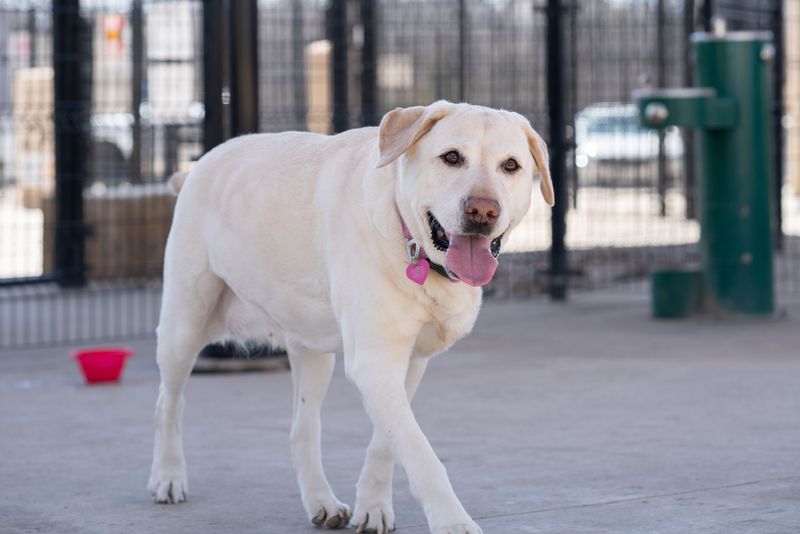
Open park space is not automatically an off-leash area. Chicago Park District Dog Friendly Areas are designated off-leash spaces, and each dog must have the required permit and tag.
Dogs must remain leashed in other park areas where pets are allowed, and some park areas prohibit pets entirely. Confirm current health requirements and access rules through official park information.
Keep your dog leashed outside designated areas, following posted rules. Visit during quieter hours before deciding whether group play suits your dog.
Some dogs prefer walking with their person. Leave if play becomes uncomfortable, and never treat park visits as required socialization.
6. Consider Chicago’s Winter Walking Conditions
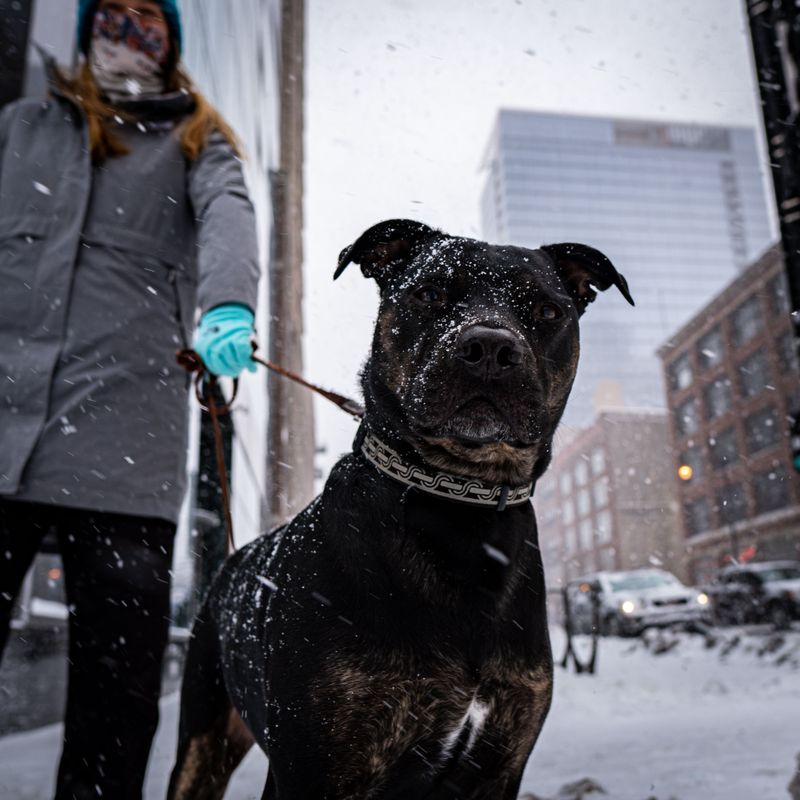
Lakefront wind can make a short winter walk feel much colder. Your dog’s coat, age, health, and comfort should guide outing length.
Ask your veterinarian whether extra protection would help.
Introduce boots gradually indoors before trying snowy sidewalks. Wipe paws after walks to remove salt and grit.
Watch for shivering, paw lifting, or reluctance to continue. Choose cleared routes, avoid frozen water, and replace long outings with indoor games when conditions make walking less comfortable.
7. Prepare for Hot Summer Days
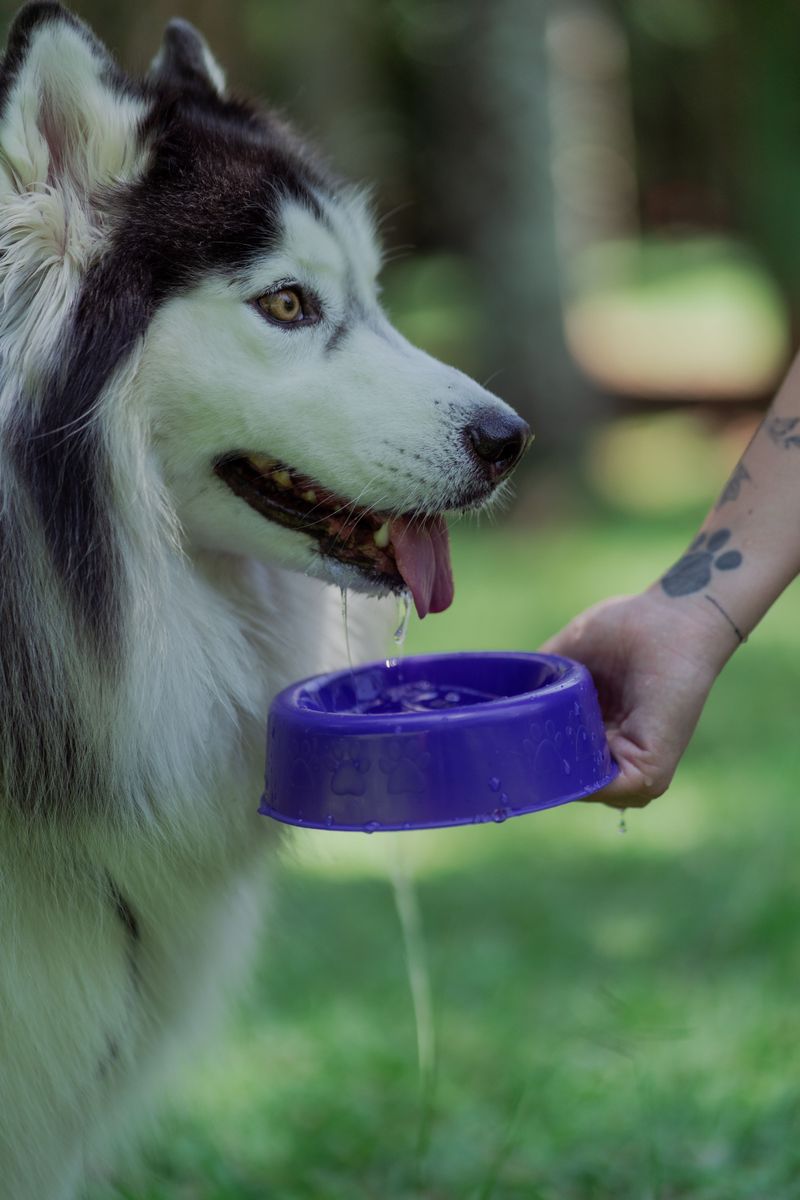
Sunny sidewalks can hold heat even when the air feels manageable. Plan longer walks for cooler hours and seek shaded routes.
Bring water, offer breaks, and avoid forcing exercise.
Check pavement before walking, but do not treat a hand test as a safety guarantee. Watch for unusual heavy panting, weakness, or confusion.
Move indoors and contact a veterinarian promptly if concerned. Confirm your apartment stays comfortably cool, especially near windows receiving strong afternoon summer sunlight.
8. Make Sure Your Dog Can Handle City Noise

Sirens, trains, and delivery carts create a soundtrack unfamiliar to many dogs. Ask shelter staff about the dog’s reactions to noise.
Arrange several meetings when possible, including a quiet outdoor walk.
Introduce city sounds gradually from a comfortable distance. Pair calm moments with rewards, and allow retreat when your dog seems worried.
Avoid forcing exposure near busy tracks or loud intersections. A qualified reward-based trainer can help you build confidence without overwhelming your new companion.
9. Choose a Breed With Your Actual Living Space in Mind
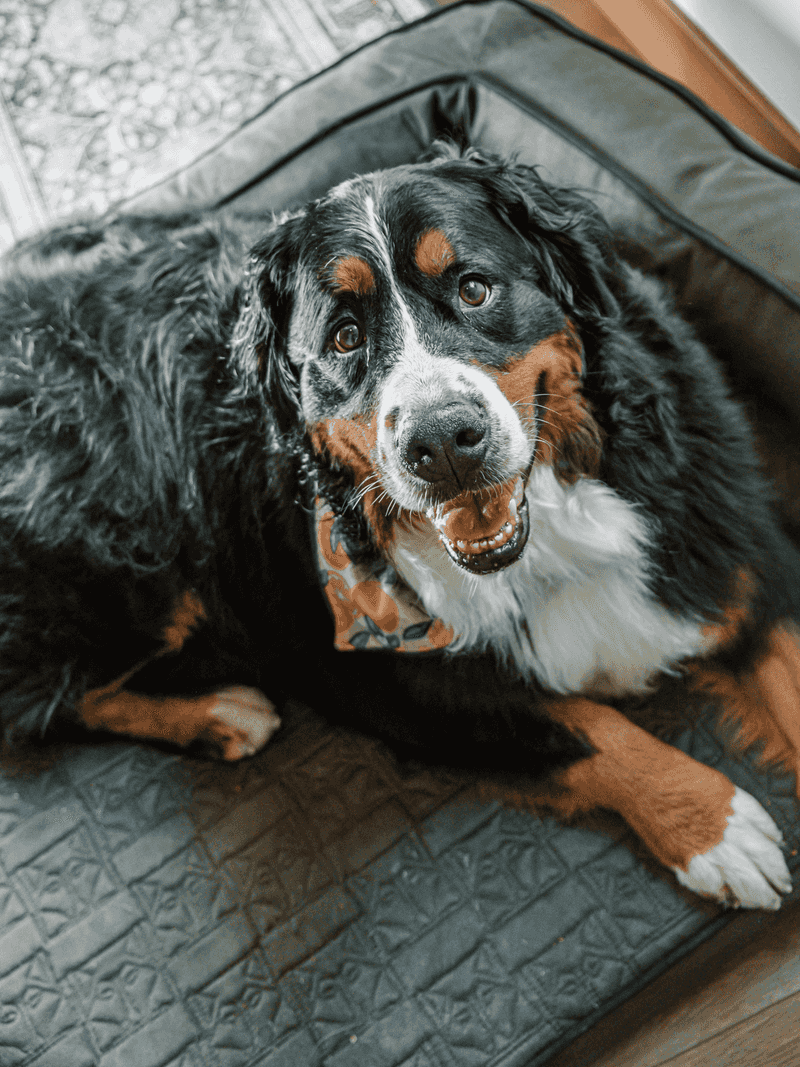
Square footage tells only part of your dog’s housing story. Energy level, age, health, and daily exercise needs matter too.
Breed traits offer clues, but individual behavior deserves equal attention.
Discuss your routine honestly with the adoption team. An adult dog’s known habits may help you judge compatibility.
Map room for resting, eating, and moving without squeezing past furniture. Choose a dog whose needs you can meet consistently, rather than relying on appearance or size.
10. Create a Comfortable Resting Spot Away From Windows
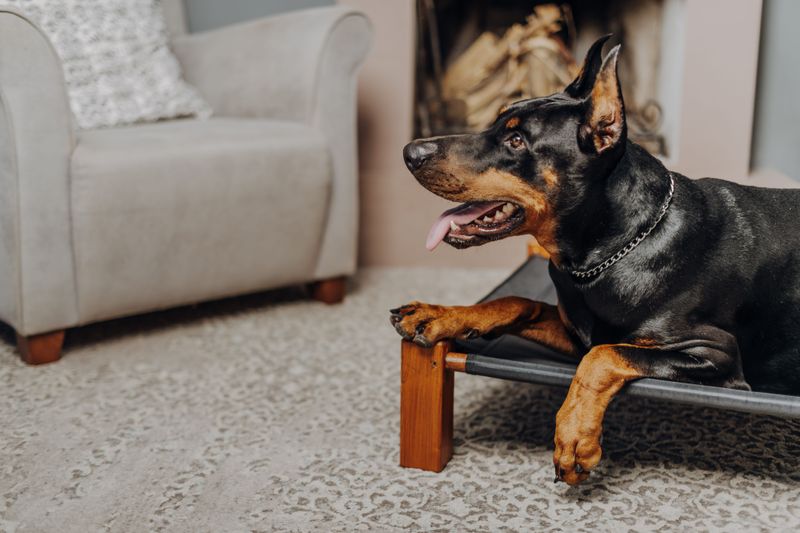
A quiet corner can become your dog’s favorite place to recharge. Set up a supportive bed away from direct sun, drafts, and hallway noise.
Leave enough space for stretching and changing position.
Window views excite some dogs and unsettle others. Use curtains or move the bed if passing activity triggers barking.
Secure balcony access and keep furniture from encouraging climbing near openings. Give your dog peaceful rest, and ask visitors to respect that personal space.
11. Check Whether Your Building Has a Reliable Backup Plan

Elevator outages change the day quickly when you live upstairs. Ask management about outage procedures, emergency communication, and stair access.
Do not assume backup power keeps every elevator operating.
Consider whether your dog can manage stairs without pain or exhaustion. Discuss mobility concerns with your veterinarian before adoption.
Keep identification current and emergency supplies accessible. Follow building and fire department instructions during emergencies.
Arrange help beforehand if safely moving your dog would require another person.
12. Practice Leash Manners in Narrow Hallways
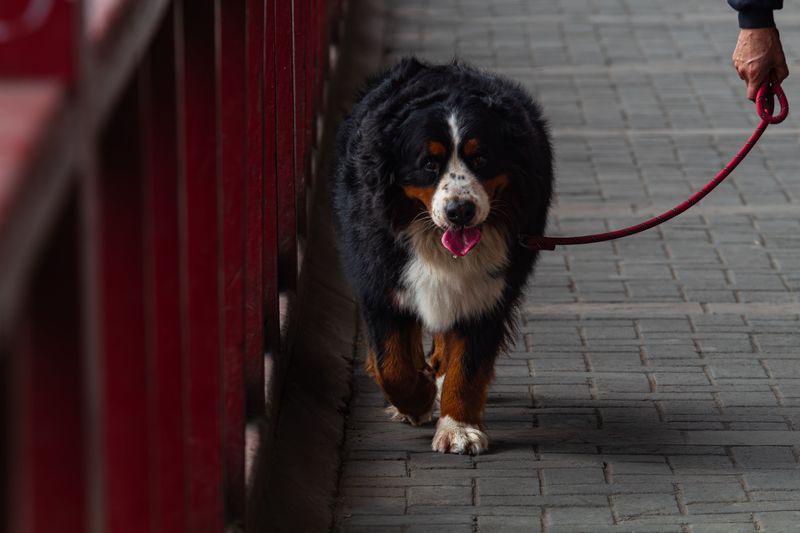
A narrow hallway leaves little room for surprise greetings. Teach your dog to pause at doors and walk beside you.
Practice first during quiet periods, using small rewards for relaxed behavior.
Use a sturdy leash that gives you control without constant tension. Avoid retractable leashes in shared indoor spaces.
Ask before allowing greetings, and give neighbors room to pass. If another dog appears, create distance when possible rather than expecting both animals to interact politely.
13. Budget for Large-Dog Care in the City
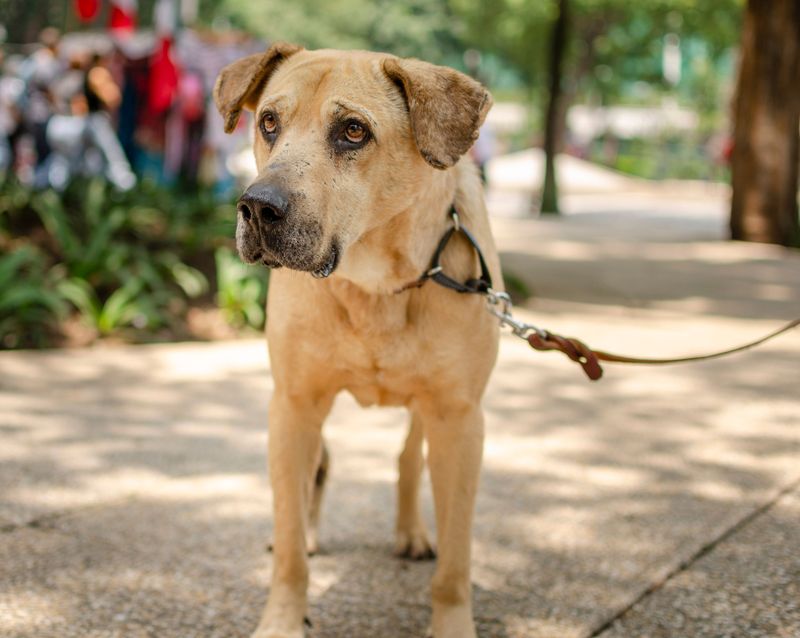
Bigger bowls are only one part of a larger care budget. Estimate food, veterinary visits, preventive care, grooming, training, and durable equipment.
Add building fees, walking services, and emergency savings.
Request local quotes instead of relying on national averages. Some services cost more for larger dogs.
Review insurance exclusions, waiting periods, and reimbursement rules before buying coverage. Confirm current Chicago licensing and Illinois rabies requirements with official sources.
A realistic budget keeps routine care more manageable.
14. Find a Veterinarian You Can Reach Easily
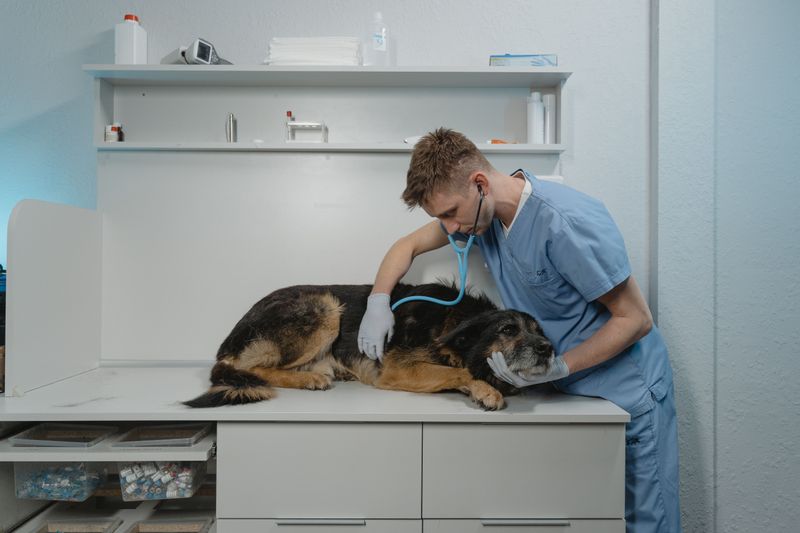
A nearby clinic helps only if you can reach it reliably. Check appointment availability, opening hours, entrance access, and transportation options.
Ask whether the clinic comfortably handles dogs of your prospective companion’s size.
Identify an emergency veterinary hospital separately, since routine clinics may close overnight. Confirm pet rules before depending on public transit or rides.
Large dogs may need private transportation. Schedule an initial examination after adoption and bring available vaccination records and medical information.
15. Arrange Care for Long Workdays and Emergencies

Your calendar matters as much as your apartment layout. Arrange dependable midday help when work keeps you away too long.
Choose caregivers comfortable handling large dogs and following your training plan.
Share feeding instructions, veterinary contacts, building access details, and emergency permissions. Introduce helpers before you need them urgently.
Keep a backup caregiver available, and check boarding requirements ahead. With thoughtful planning, high-rise life can offer your large dog a secure home and steady companionship.