15 Common Mistakes New Dog Owners Make in Virginia
Getting a dog in Virginia feels exciting right away, then the small details start piling up fast. One missed rule, one hot-car errand, or one loose-gate moment can turn a fun week into a headache.
The good news is that most beginner mistakes are easy to avoid once you know where trouble hides. A little planning now can make life smoother for you, your dog, and your neighbors.
1. Missing Rabies Deadlines
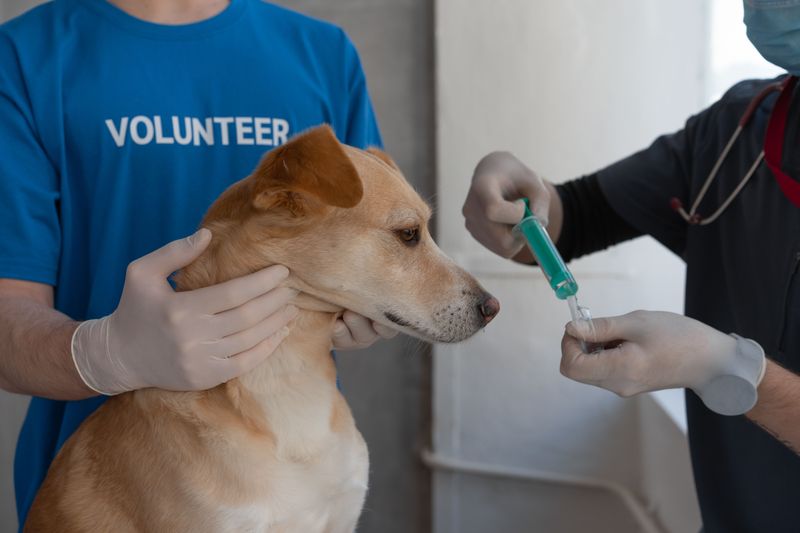
Many first-time owners assume vaccinations can wait, but Virginia law has specific rabies vaccination requirements. Dogs four months and older must be vaccinated against rabies.
Proof matters during boarding, travel, and animal control questions.
Counties may also require a local license after vaccination. Mark the renewal date early.
Keeping records in your phone saves stress when life gets busy. Some clinics send reminders.
The final responsibility still lands on you every year. A missed visit becomes a costly mess fast.
2. Forgetting the County License
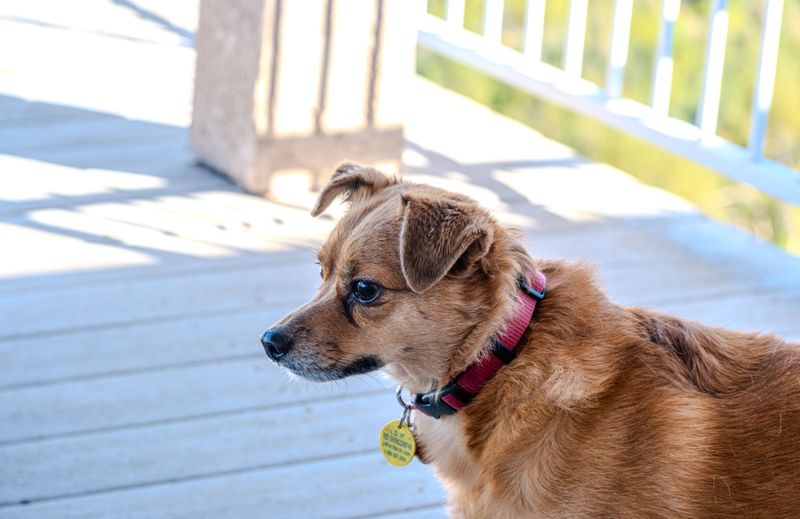
A shiny new collar feels official, but it is not the same as licensing. In Virginia, many localities require a dog license, often after rabies vaccination.
New owners miss the deadline because rules differ by county.
Check your city or county website right away. Fees are usually small, while penalties are annoying.
That little tag helps prove ownership if your dog slips away. It also makes shelter reunions much faster and less confusing for everyone.
3. Assuming Leash Rules Are Identical
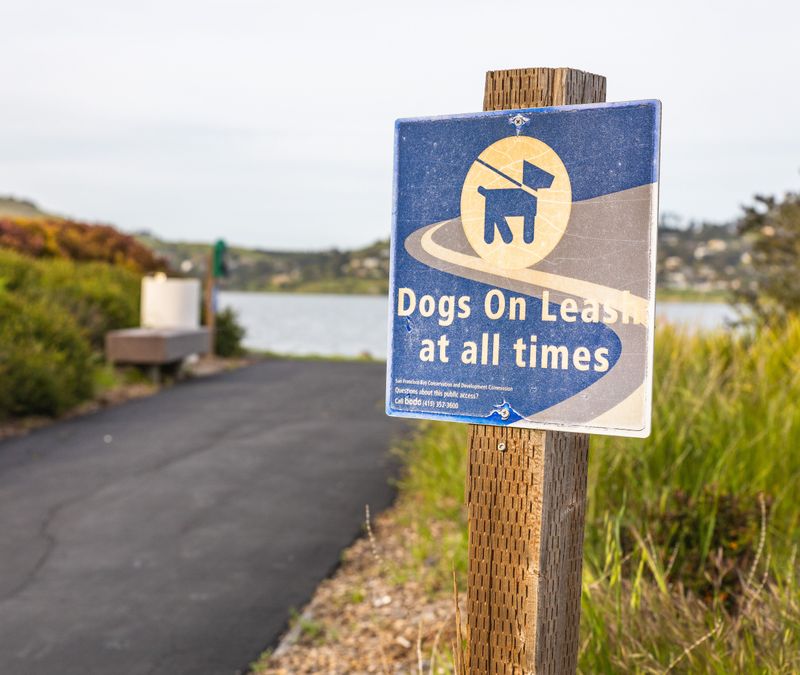
One park may welcome a six-foot leash, while another posts stricter rules. Virginia does not use one statewide standard for every sidewalk and trail.
Local governments and park systems set many public-control rules.
That means Arlington, Virginia Beach, and Shenandoah stops may differ. Read signs before stepping out.
A quick check prevents tickets, tense moments, and a very embarrassing squirrel chase. It also keeps reactive dogs calmer when crowded paths suddenly get busy at noon.
4. Letting Dogs Roam the Neighborhood
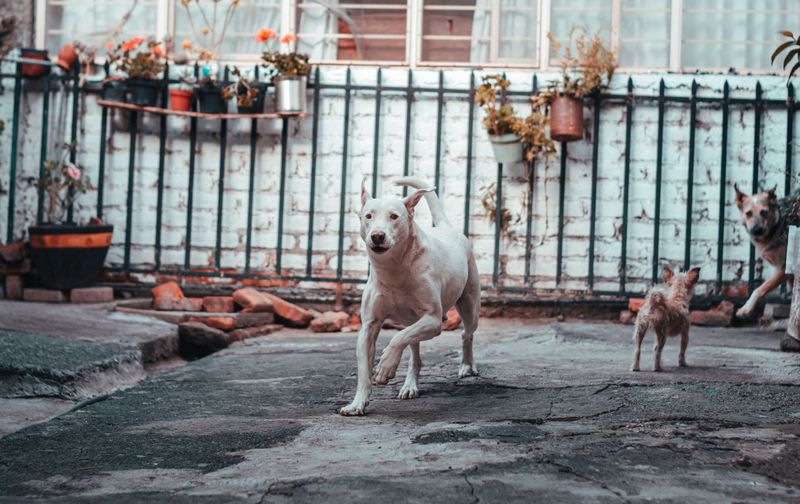
A friendly dog can still create a neighborhood headache in minutes. Virginia cities and counties commonly have rules addressing dogs running at large.
New owners sometimes trust a yard, an open garage, or good manners too much.
Secure fencing matters, especially near roads, deer, and busy walkers. Microchips help, too, but they are backup.
Preventing escapes is safer than hoping animal control never notices. One surprise dash after a rabbit can turn an easy evening upside down fast today.
5. Skipping Early Training and Social Time
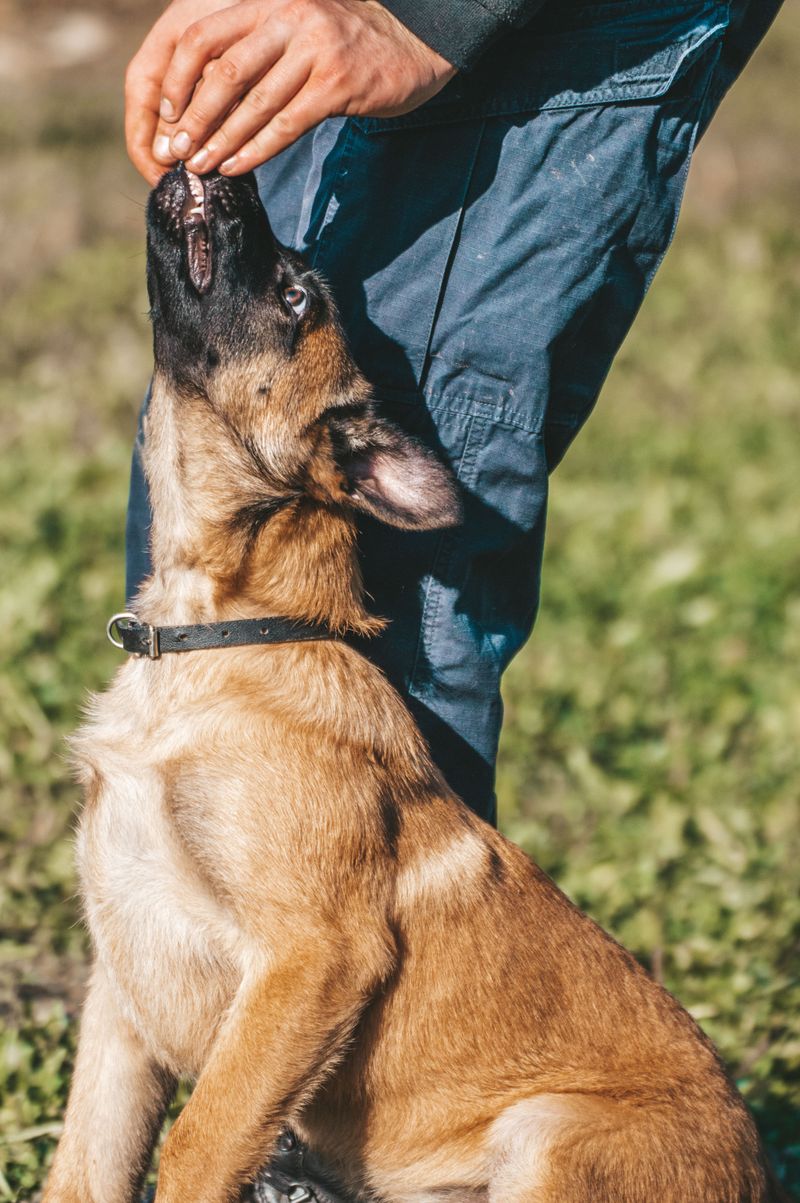
The first weeks shape habits faster than many people expect. Without gentle training and social time, small quirks can grow loud.
Pulling, jumping, and panicking around strangers become harder to fix later.
Enroll in a positive class, invite calm visitors, and reward good choices. Virginia has plenty of dog-friendly spaces for practice.
Short sessions beat weekend marathons every single time. Your future self will cheer when greetings stay polite instead of pogo-stick wild at home.
6. Choosing Breed Over Lifestyle
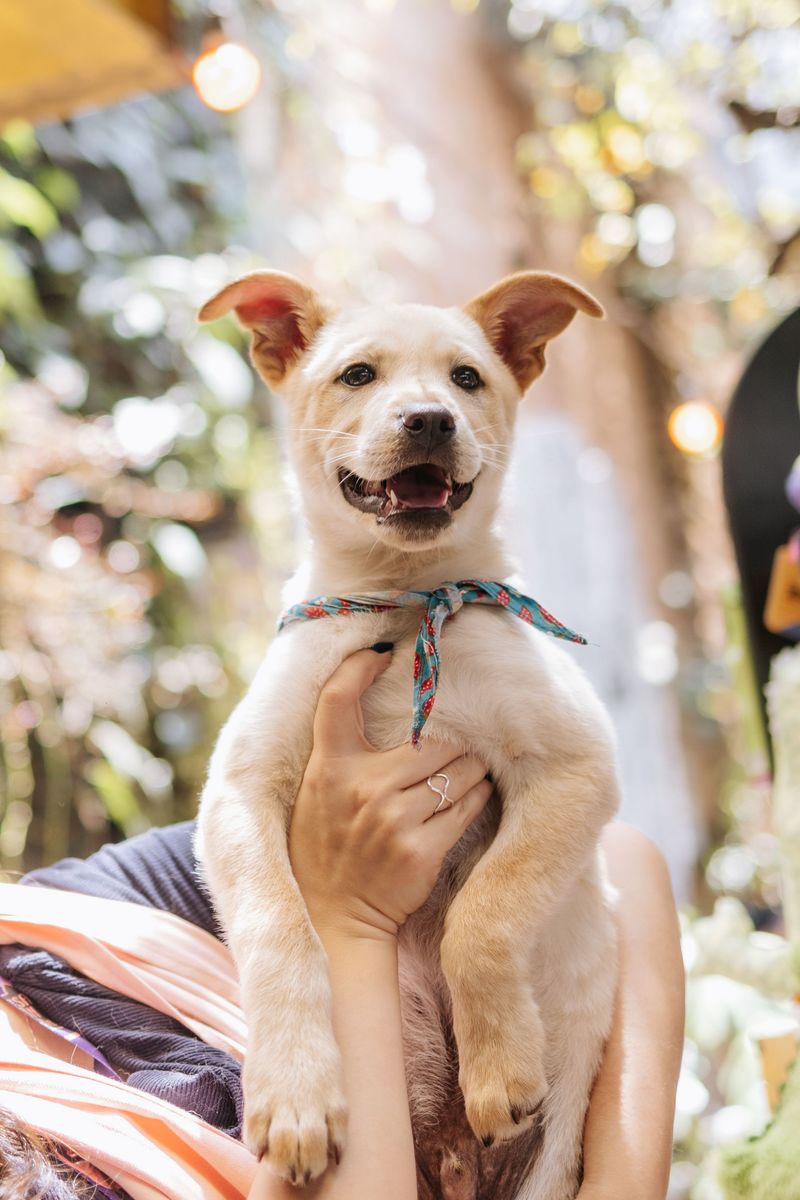
That adorable face on your phone may not fit your real day. New owners sometimes pick a breed for looks, not energy, grooming, or noise.
In Virginia apartments or rural homes, those needs matter a lot.
Be honest about yard space, weather, travel, and exercise time. A smart match feels easier from the start.
Good choices reduce frustration for both human and hound. Rescues and shelters can help you compare temperaments before commitment becomes overwhelming.
7. Ignoring Virginia Heat and Humidity
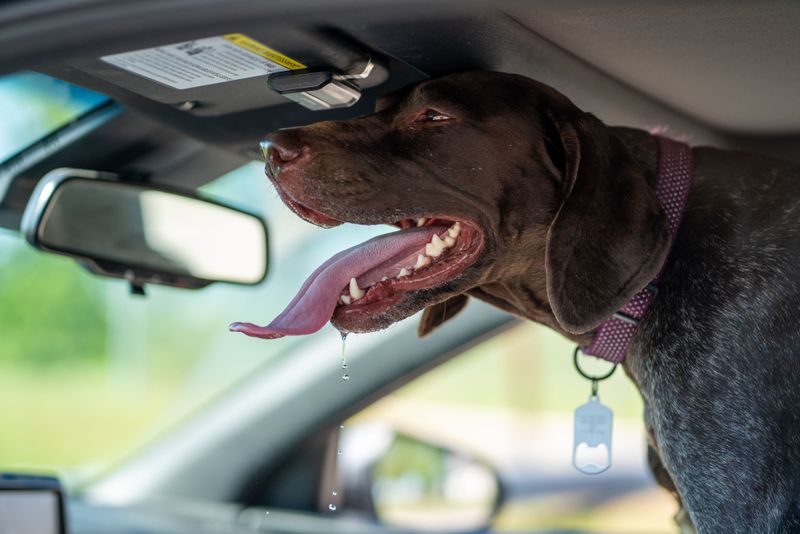
Summer in Virginia can sneak up on dogs, especially thick-coated ones. New owners often walk at midday, touch no pavement, and bring little water.
Hot sidewalks and sticky air drain dogs quickly.
Choose early mornings, shaded routes, and slow play breaks. Watch for heavy panting and lagging behind.
If the car is off, your dog should be too. Even a quick errand can become serious when sunshine turns a parked vehicle into an oven within minutes.
8. Leaving Outdoor Dogs With Poor Shelter
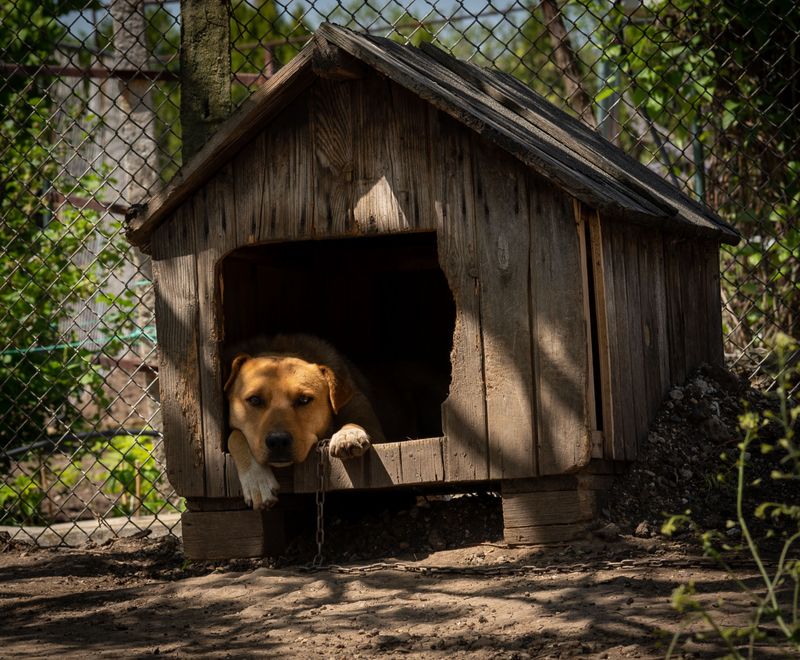
A fenced yard is not a complete care plan, even in mild weather. Dogs outside need clean water, shade, shelter, and daily attention.
Virginia cruelty rules can apply at home, not only in public.
Rain, wind, and temperature swings hit harder than many beginners realize. Check bowls often and inspect shelters after storms.
Comfortable dogs stay healthier, calmer, and less likely to develop bad habits. Lonely setups can spark barking, pacing, and fence digging fast.
9. Using Unsafe Tethers
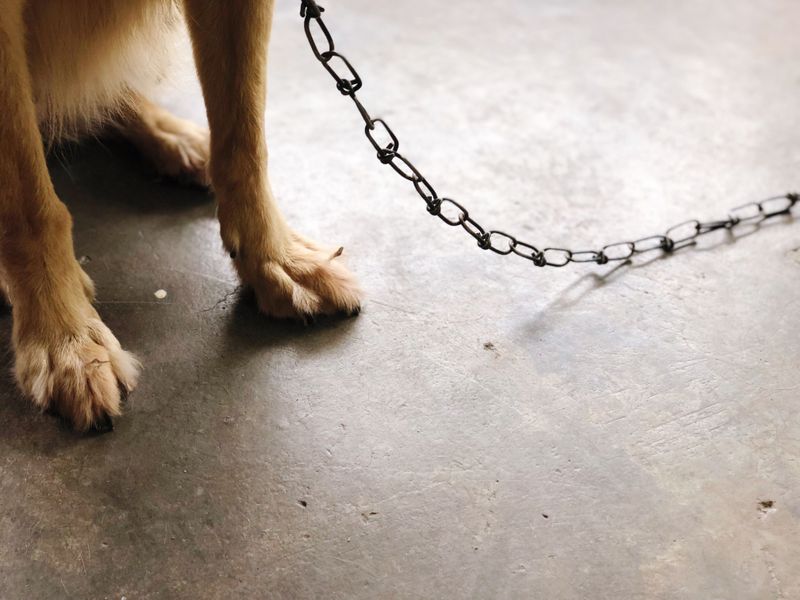
Chains look simple, but tethering rules can get complicated fast. Some Virginia localities restrict how dogs are tied, especially during rough weather.
Bad setups can tangle legs, block water, or leave dogs exposed.
Use a secure fence or supervised leash time whenever possible. If you must tether, check local rules first.
Safe restraint should protect your dog, never trap it. Comfort matters too, because constant strain can injure necks and trigger frantic spinning over time.
10. Misunderstanding Bite Reports and Quarantine
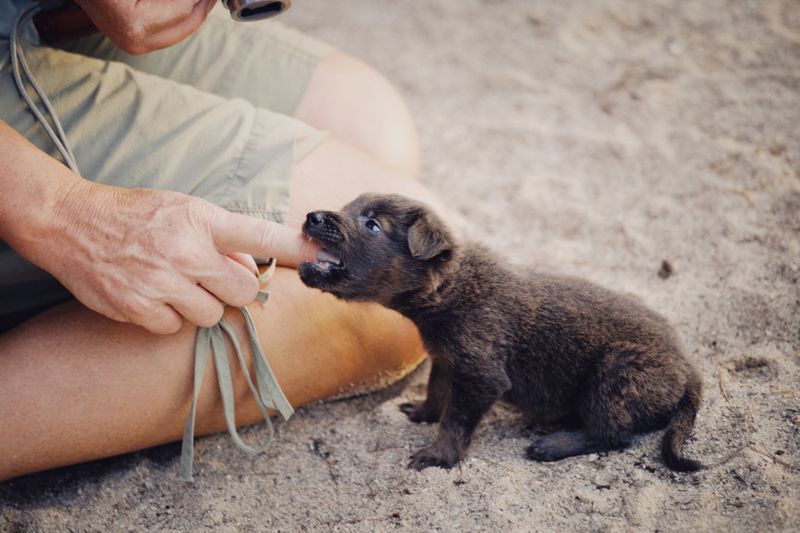
Even sweet dogs can nip when scared, hurt, or cornered. In Virginia, a bite may trigger reporting and a rabies observation process.
New owners often panic, argue, or hide the incident, which worsens everything.
Call your veterinarian and local animal control for guidance. Follow instructions calmly and keep records ready.
Quick honesty protects public health and usually makes a stressful situation shorter. You cannot fix a bite problem with silence, crossed fingers, or hopeful guessing.
11. Not Knowing Dangerous Dog Rules
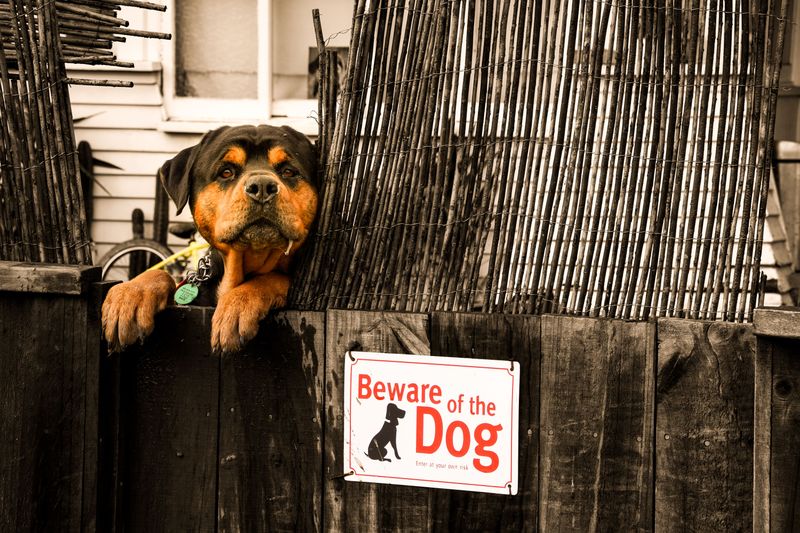
Labels matter more than many first-time owners realize. Virginia has a legal process for classifying certain dogs as dangerous after documented behavior.
Once that happens, owners can face strict duties for control, registration, and handling.
Ignoring warnings after a serious incident is a costly mistake. Learn your responsibilities early.
Prevention, training, and careful management are much easier than legal trouble later. Some cases also require confinement steps that ordinary pet owners never expect at first.
12. Confusing Service Dogs and Emotional Support Animals
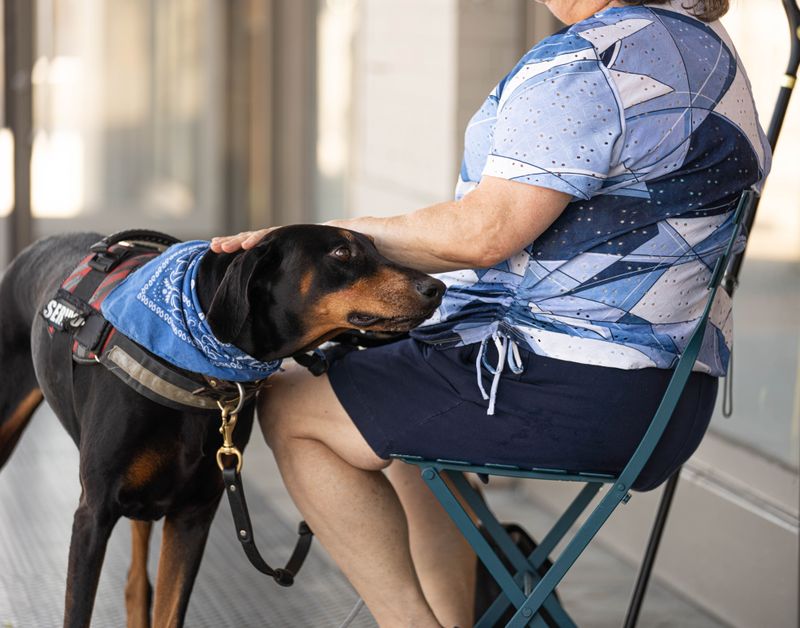
Plenty of people mix these terms, and businesses notice quickly. A trained service dog has public-access protections under disability law.
An emotional support animal follows different rules, especially in stores, parks, and restaurants.
New owners create conflict when they assume every pet can go anywhere. Learn the difference before outings.
Clear expectations spare you awkward conversations at doors and patios. That knowledge also shows respect for handlers who truly depend on working dogs each day.
13. Assuming Every Restaurant Patio Welcomes Dogs
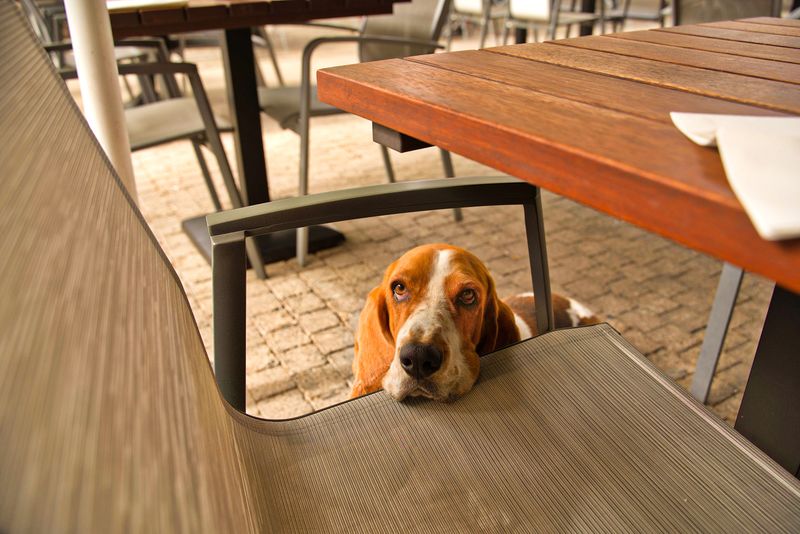
A wagging guest is not automatically allowed beside every lunch table. In Virginia, pet access depends on local rules and each business policy.
Outdoor seating may allow dogs, while indoor dining and food-prep spaces usually do not.
Call ahead, then arrive with a leash and calm manners. Staff will appreciate the effort.
A polite visit keeps dog-friendly patios open for everyone else too. Bring water, avoid begging, and skip crowded mealtimes during early training sessions.
14. Forgetting Fleas, Ticks, and Mosquitoes
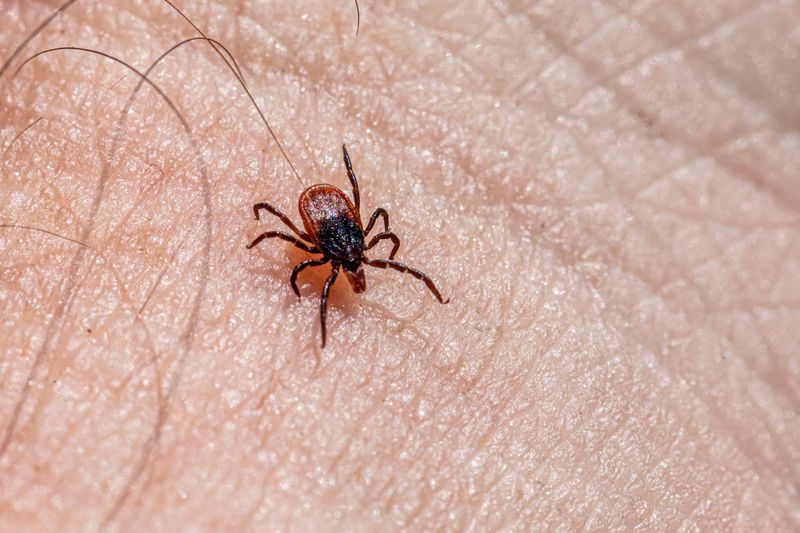
Virginia woods, yards, and wetlands are lovely, but bugs are busy there. New owners sometimes delay preventives until they spot scratching.
Ticks, fleas, and mosquitoes can bring problems that are much harder to solve later.
Ask your veterinarian about year-round protection that fits your dog. Check ears, paws, and coats after adventures.
A quick once-over beats finding trouble days after a hike. Lyme disease and heartworm are rotten souvenirs nobody wants to bring home ever.
15. Skipping an Emergency Plan
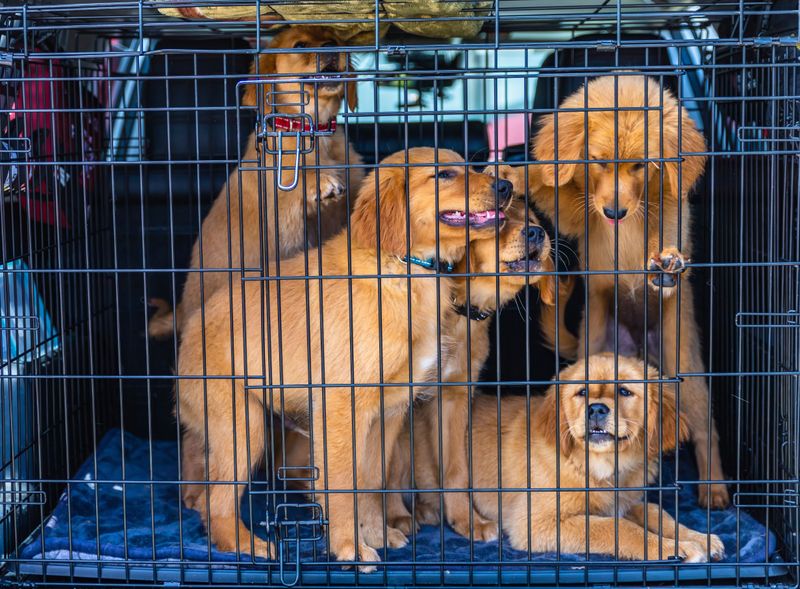
Storms, power outages, and sudden evacuations do not wait for perfect timing. New Virginia owners often forget food backups, medication lists, and crate practice.
When a stressful day arrives, an unprepared dog can unravel quickly.
Pack copies of vaccine records, contact numbers, water, and a spare leash. Practice calm car rides too.
A simple plan turns chaos into something you can handle. Your leash hand stays steadier when the next surprise stops feeling enormous suddenly.