15 Dog Breeds Suited To South Dakota’s Cold And Open Spaces
Mornings in South Dakota sometimes start below zero, with wind sweeping across the plains like it owns the place. Some dogs shiver at the thought.
Others practically grin, roll in the drifts, and beg for another mile.
With over 1,500 miles of snowy trails and endless prairie between the eastern flatlands and the Black Hills, this state rewards a certain kind of coat and a certain kind of drive.
Here are the breeds built for exactly that.
1. Siberian Husky
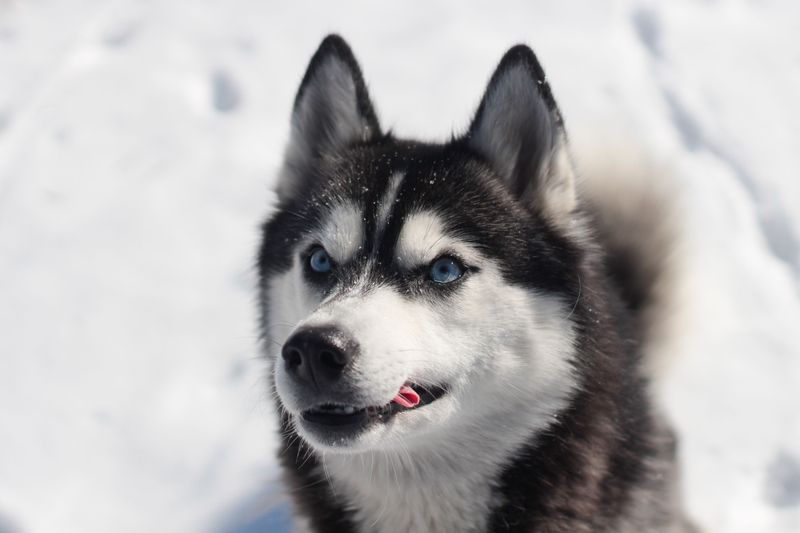
Blue eyes, frosted whiskers, zero complaints about the wind chill. Huskies came from Siberia with a double coat that includes a cashmere-soft undercoat and a coarse outer layer built to shrug off snow.
Even the hair inside their ears works like tiny earmuffs. Bred to pull sleds for miles, they need serious daily activity or they invent their own fun.
Fence your yard well. A bored Husky is a very creative escape artist.
2. Alaskan Malamute
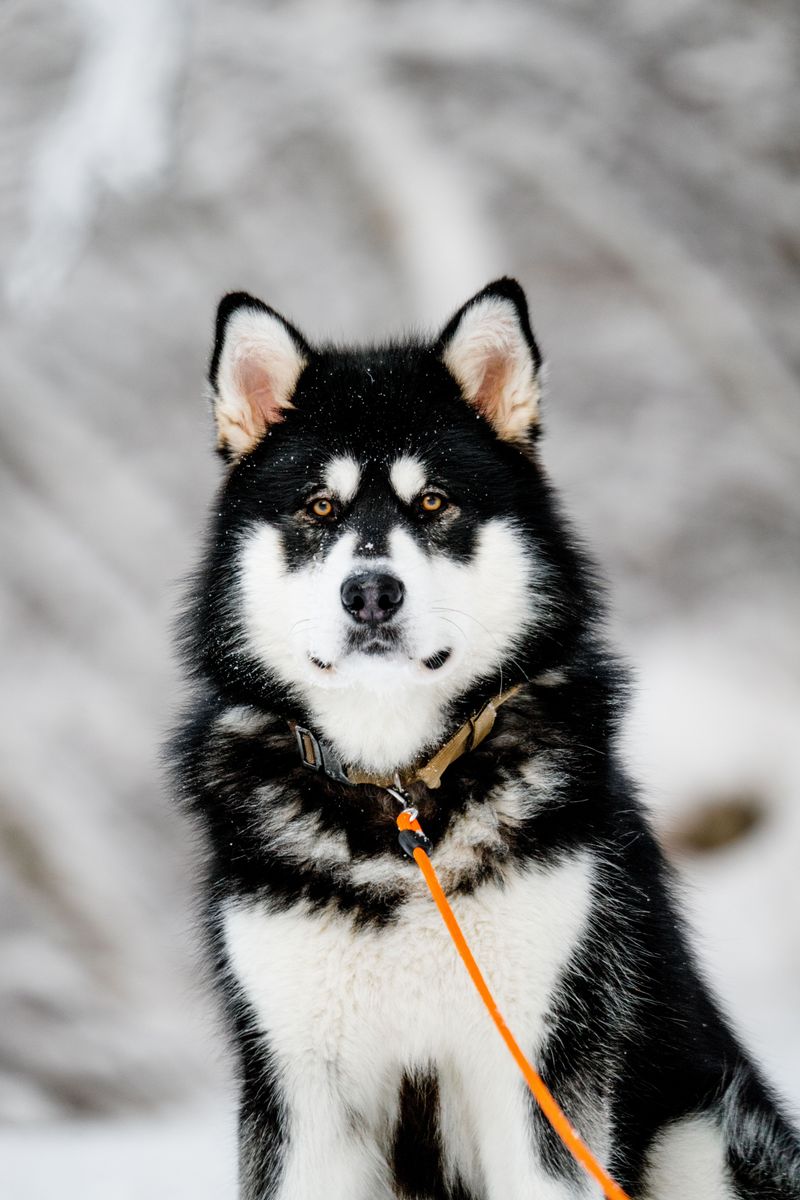
Picture a freight train with fur. Malamutes hauled heavy loads across Alaska, and they stay comfortable around minus twenty degrees when given shelter and time to acclimate.
Coarse, water-resistant guard hairs sit over a woolly undercoat that traps body heat beautifully. Small furry ears limit heat loss, and thick padded feet carry extra fat to guard against frostbite.
Give this powerhouse long winter hikes or sled work. Stamina like that deserves a real job.
3. Samoyed
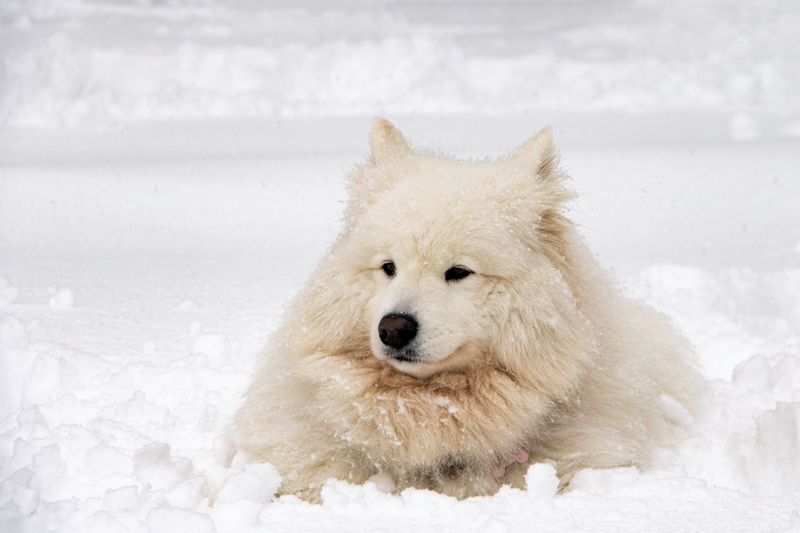
That famous upturned mouth looks like a permanent smile, and snow only makes it wider. The Samoyed carries a profuse white double coat, with a weather-resistant undercoat beneath a tough outer coat that stands away from the body.
Cold barely registers. Warmth, however, does, so summer plans need shade and early walks.
Plan on 60 to 90 minutes of exercise daily, plus puzzles or training games. Outdoor chores in cool air suit them best.
4. Bernese Mountain Dog
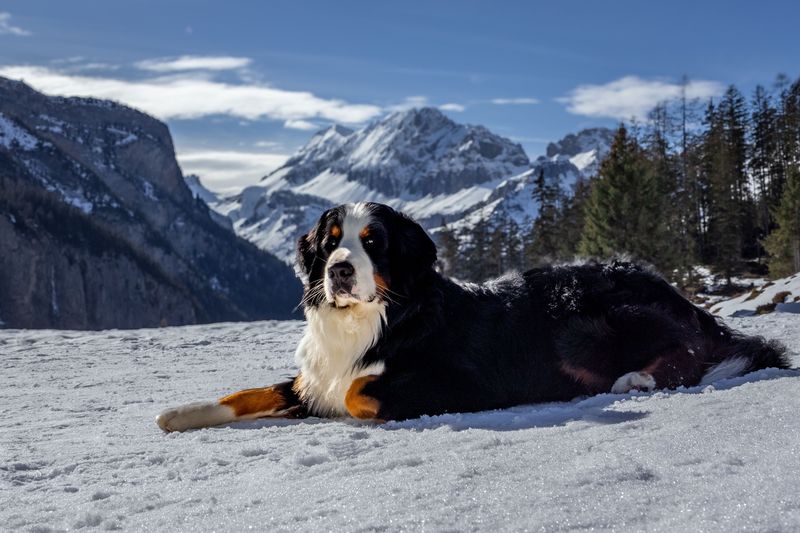
Swiss farm roots show up the moment snow starts falling. Berners wade in happily, protected by a dense, water-resistant tricolored coat that repels moisture and dirt with ease.
They enjoy movement without demanding marathon miles. Thirty minutes to an hour of walking, cart pulling, or trail time keeps them content.
Heat is the real challenge for that heavy coat, so save big outings for cooler days. Winter is absolutely their season.
5. Newfoundland
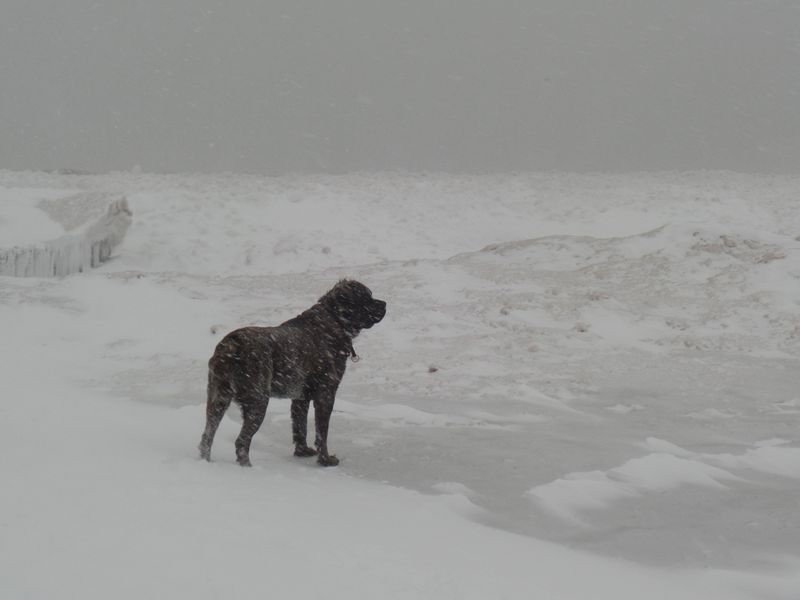
With a heart as wide as its paws, the Newfie treats cold water like a warm bath. A heavy, water-resistant double coat once shielded these dogs while they worked icy Atlantic waters beside fishing crews.
Moderate exercise suits them: 30 to 60 minutes daily, ideally split into two easy sessions.
Swimming, strolls, and gentle hikes protect those big joints, especially during puppyhood. Skip the high-impact stuff and let them lumber along contentedly.
6. Great Pyrenees
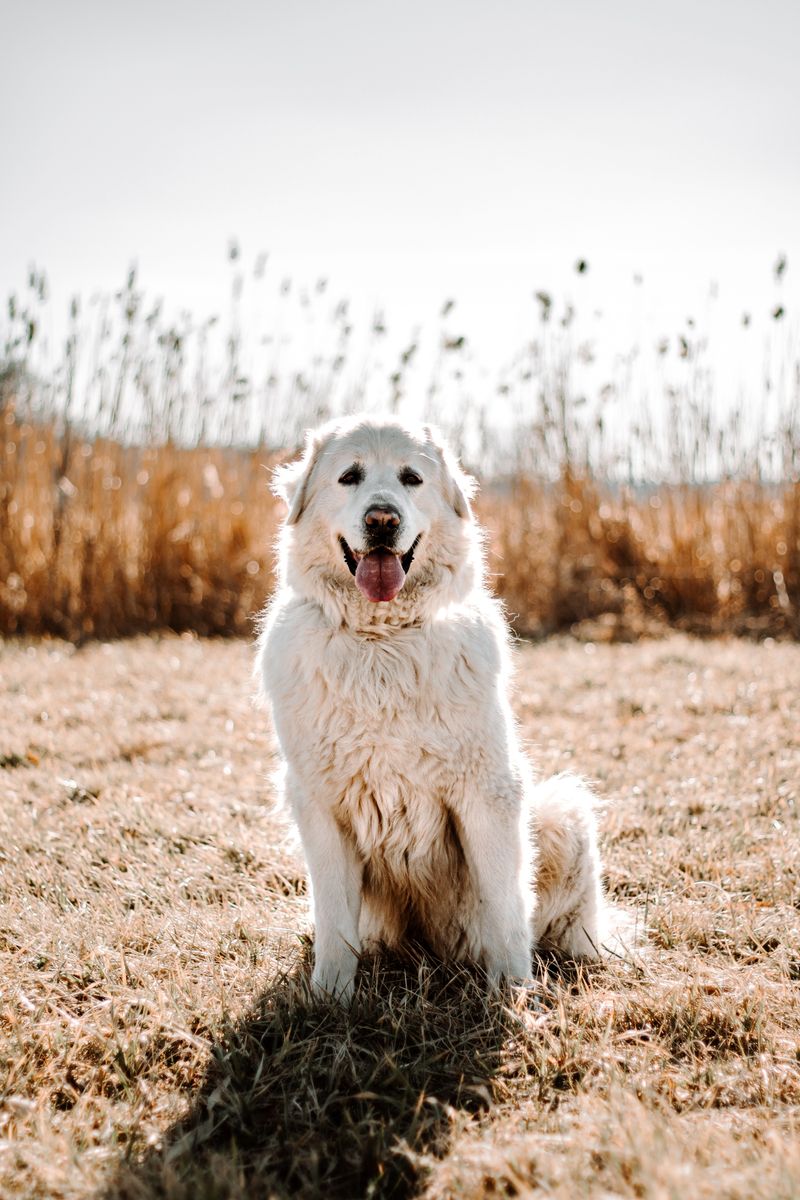
Mountain shepherds in France trusted these white guardians for centuries, and Arctic-level chill still does not faze them.
A coarse outer coat sits over a wooly undercoat that sheds dirt and pushes moisture away from the skin. Snowbanks become favorite napping spots.
Surprisingly, exercise needs stay modest. Twenty to thirty minutes daily often satisfies them, plus cool-weather hikes.
Farm and acreage families in South Dakota especially appreciate their watchful, unhurried presence.
7. Norwegian Elkhound
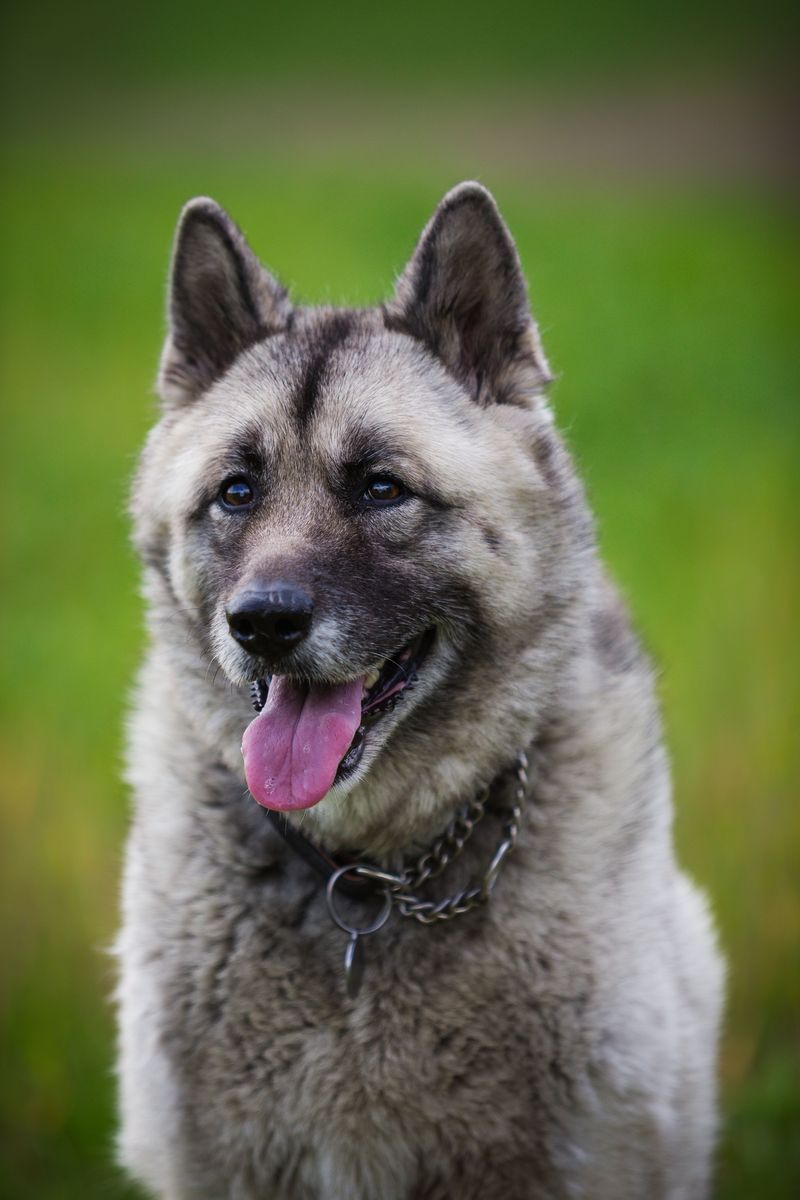
Vikings had a favorite trail buddy, and this was it. Elkhounds tracked big game across Nordic forests, and cold weather remains their happy place.
Their weather-resistant double coat pairs a dense wooly undercoat with a straight overcoat, while thick footpads handle frozen ground.
Expect a vocal, curious partner who needs at least an hour of activity daily. Long walks, jogs, hikes, and swims all fit.
Mental work matters just as much.
8. Finnish Lapphund
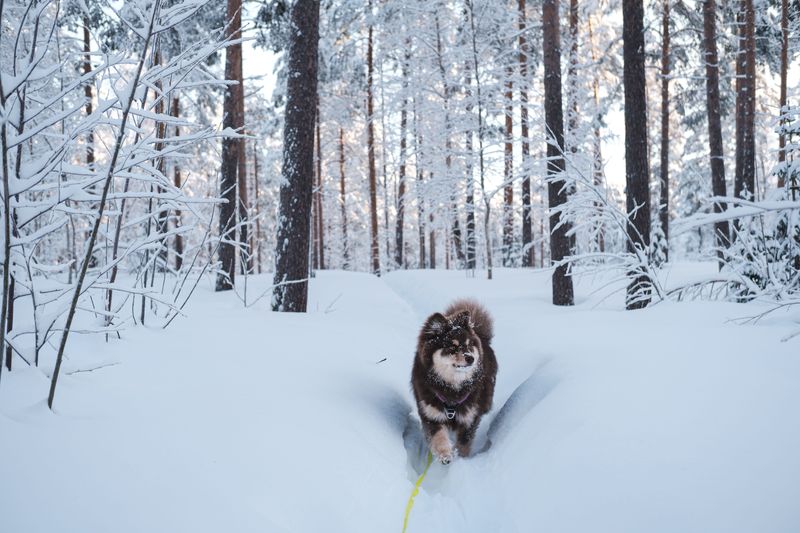
Reindeer herding in Lapland shaped this cheerful, easygoing herder, so a South Dakota cold snap feels almost mild.
A smooth, water-resistant outer coat covers a soft, dense undercoat that insulates against both heat and hard freezes.
Exercise needs stay reasonable. A brisk 45-minute walk usually does the trick, boosted by off-leash park time, swimming, or scent games.
Friendly, chatty, and quick to learn, Lappies fit families who want winter fun without nonstop mileage.
9. Akita
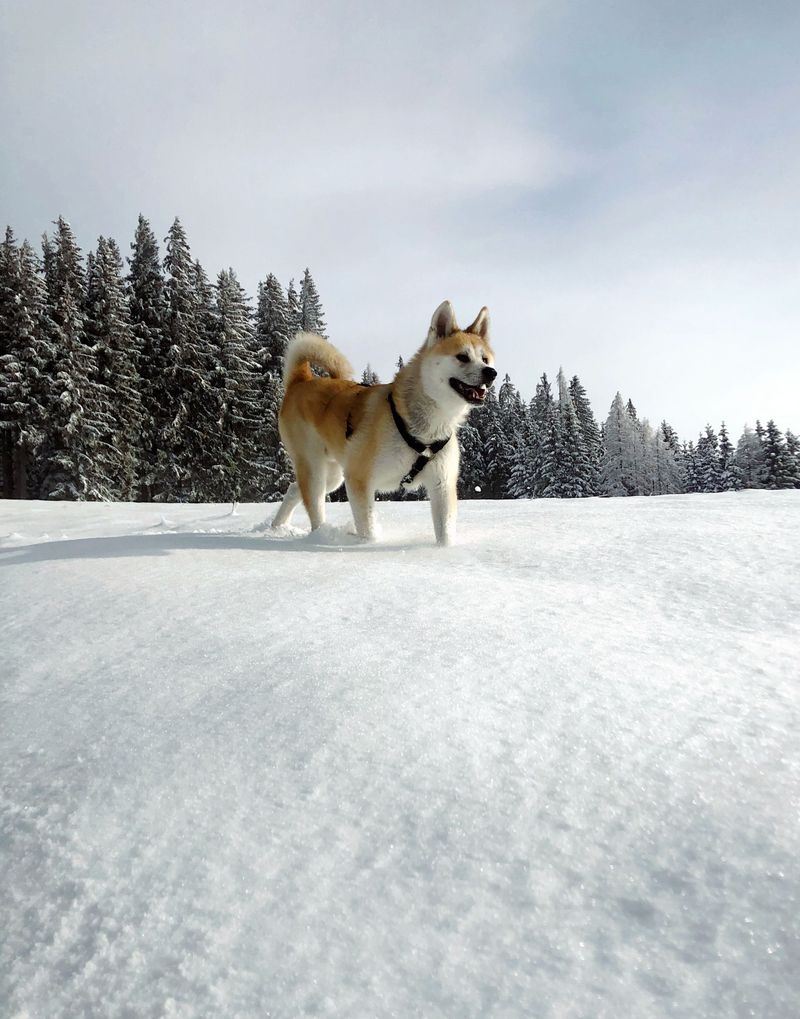
Dignity in a fur coat: the Akita comes from ancient Japanese lines bred for cold-weather hunting in mountain country.
A dense undercoat under a harsh outer coat means frosty mornings barely earn a shrug. Heat, on the other hand, wears them down fast.
Structured activity of 30 minutes to an hour daily keeps them balanced, whether walking, jogging, or hiking.
Add training puzzles, since a thinking Akita is a settled Akita.
10. German Shepherd
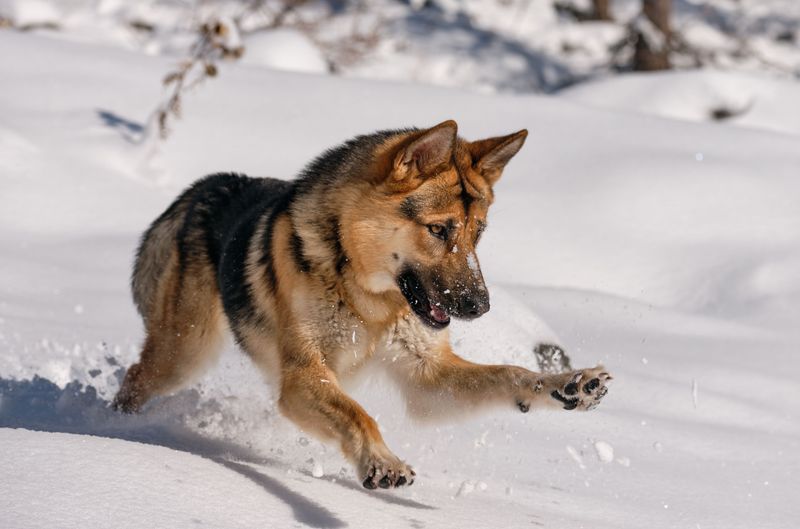
Few breeds cover open ground with such purpose. Shepherds pair a dense insulating undercoat with a coarser outer layer that repels water and blocks wind.
Tolerant, yes, but not invincible. Below-freezing days call for care, and shorter, more frequent walks beat one long, chilly slog.
Their brains need work as much as their legs. Obedience drills, tracking games, and fetch across a snowy field burn energy fast and build a rock-solid bond.
11. Australian Shepherd
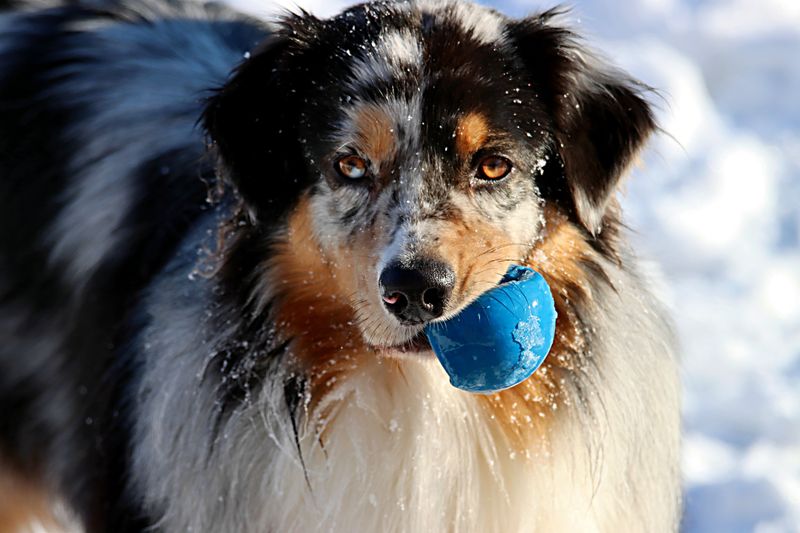
Snowballs, frisbees, tennis balls: an Aussie will chase all three, then ask what is next.
Their double coat repels moisture and blocks wind up top while trapping heat underneath, so snow days become playgrounds.
Energy runs high. Two brisk 45-minute walks daily, plus real playtime, is the baseline.
Agility courses, fetch marathons, herding chores, and trail runs all suit them. Skip the exercise and they will herd your kids instead.
12. Border Collie
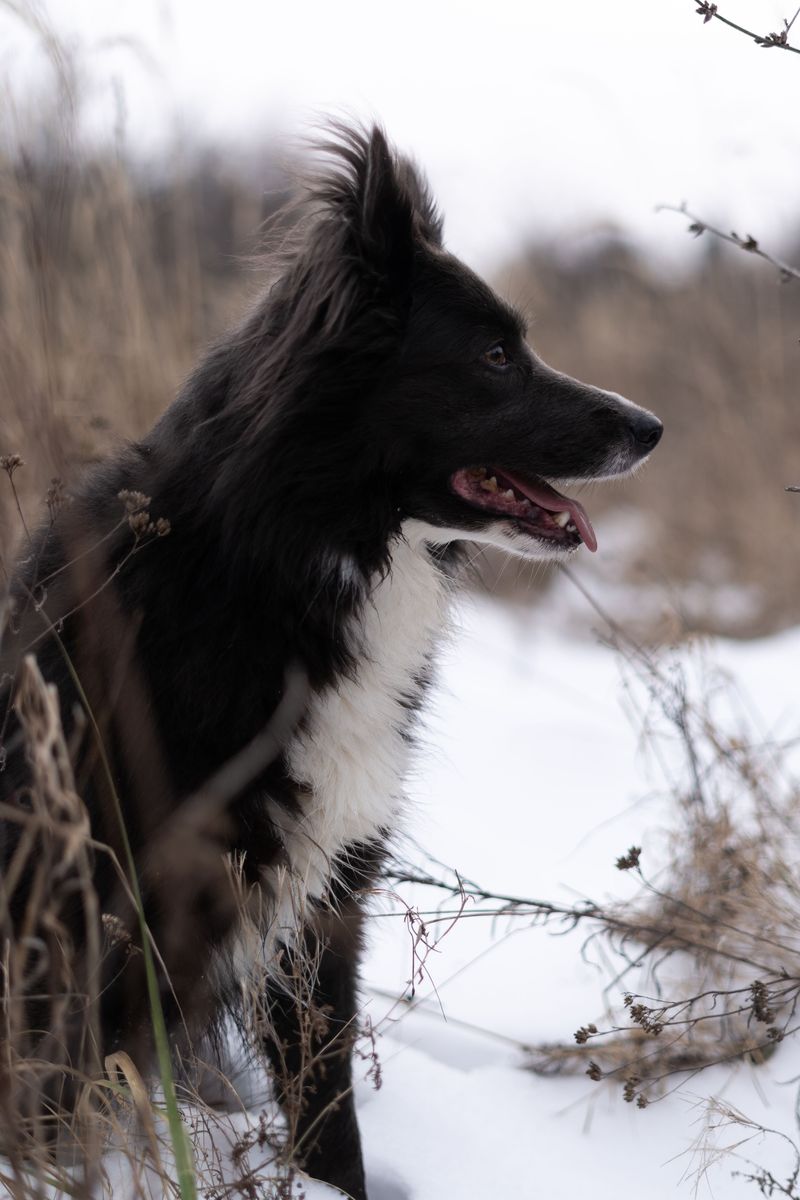
That famous stare works just as well over snow as over grass. Border Collies developed in the chilly, damp British Isles, so resilience comes standard.
A longer, coarser overcoat repels water and wind while the dense undercoat holds warmth close.
Built for endurance, they rarely stand still, which helps them stay toasty.
Daily physical and mental exercise is non-negotiable. Teach tricks, hide toys, or run trails.
A busy collie is a joyful collie.
13. Labrador Retriever
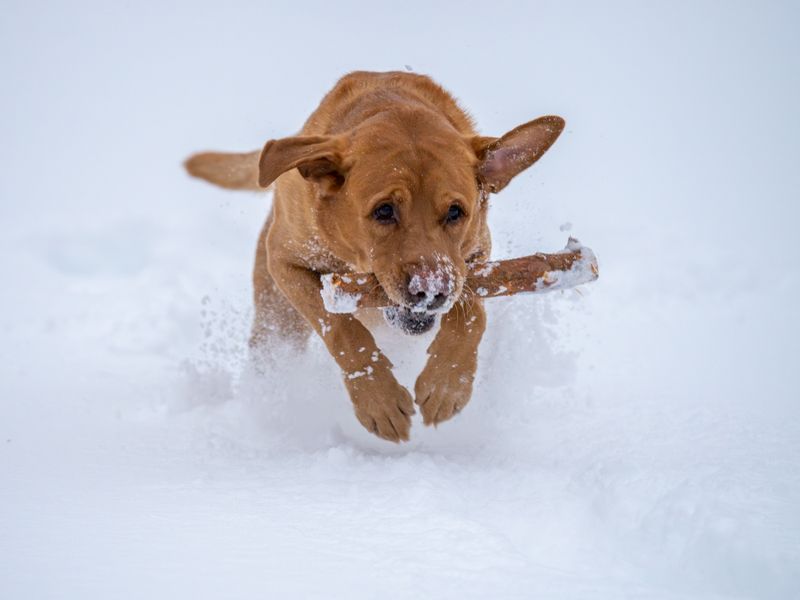
America’s favorite family dog also happens to be a cold-water specialist. Labs wear a thick double coat that insulates well, and most stay comfortable down to around 20 degrees.
Their history hauling nets and retrieving birds explains that fondness for icy water.
Daily exercise keeps them trim and cheerful, especially running and exploring wide open spaces.
Fun fact: despite the name, the Labrador traces back to Newfoundland, not Labrador.
14. Chesapeake Bay Retriever
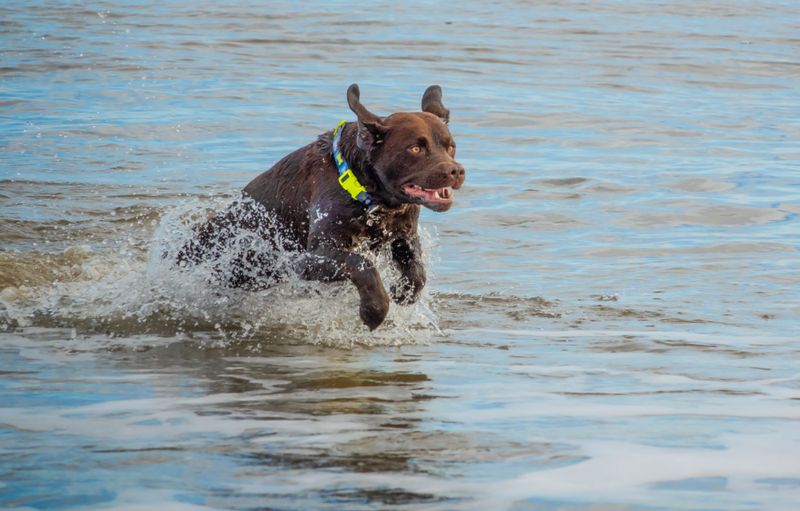
Rough water, freezing spray, howling wind: a Chessie calls that a good morning.
Bred for waterfowl work in the demanding Chesapeake Bay, they carry a dense, oily, wavy double coat that keeps the chill off their skin.
Athleticism runs deep, along with impressive endurance. Plan on 60 to 90 minutes of vigorous work daily, mixing swims, runs, hikes, and retrieving drills.
Eager, stubborn, and weatherproof, they thrive with an owner who keeps showing up.
15. American Eskimo Dog
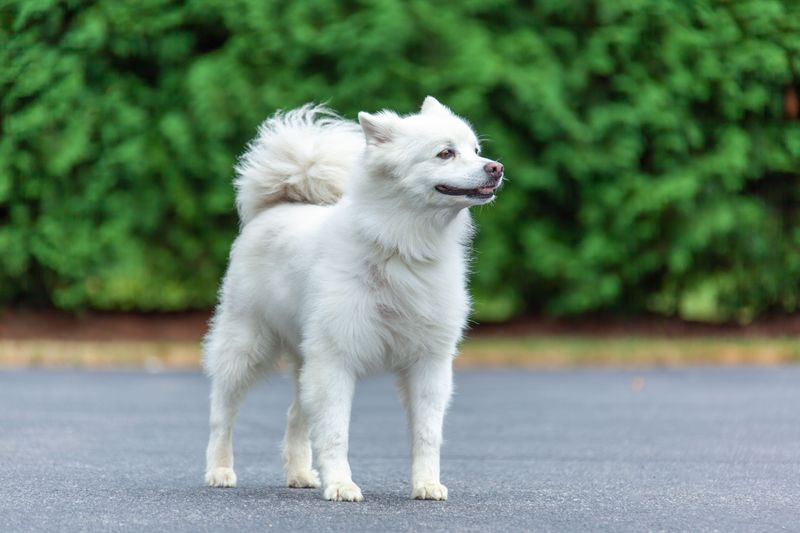
Small package, big winter attitude. This spitz-type charmer comes with cold-weather hardware: a thick double coat, compact ears, and a plumed tail it can curl over its nose.
The dense undercoat handles insulation, so brisk days feel comfortable rather than punishing.
Sharp and quick to learn, Eskies once dazzled circus crowds with tricks and tightrope walks.
Give them 30 to 60 minutes of activity daily, plus agility or trick training to satisfy that clever mind.