What Delaware Dog Owners Should Know About Seasonal Rules At Coastal Beaches
If your dog perks up the moment you reach for the car keys, a Delaware shoreline trip is probably part of your routine. The catch is that rules along the coast shift with the calendar.
A stretch of sand that welcomes your pup in March may be closed to dogs in July, and towns like Rehoboth, Dewey, Lewes, Bethany, South Bethany, and Fenwick Island each set their own dates. Delaware State Parks follow a separate schedule again, allowing pets year-round on many non-lifeguarded beaches while restricting them from guarded swimming areas in summer.
None of this is complicated once you know the pattern. Think of it as learning the tide chart of local ordinances.
This guide walks through the seasonal restrictions, leash expectations, wildlife protections, boardwalk differences, and simple comfort steps that keep a beach day pleasant. Rules do get updated, so always confirm with the town office, park office, or official website shortly before you visit.
With a little preparation, you and your dog can enjoy the coast confidently, respectfully, and without an unwelcome surprise from a patrolling officer.
Check Beach Rules Before You Go
A five minute check at home saves a long walk back to the car. Delaware coastal beaches set their own dog policies, and those policies change with the season.
Most town beaches prohibit dogs during daytime hours from roughly mid-May through mid-September. Delaware State Parks tend to be more flexible, allowing pets year-round on non-lifeguarded stretches.
Look up the specific town or park website before loading the car, since dates differ by community.
Summer Restrictions Can Be Stricter
Peak season brings the tightest limits, largely because the sand fills up fast. Memorial Day and Labor Day are useful mental markers, though actual dates vary.
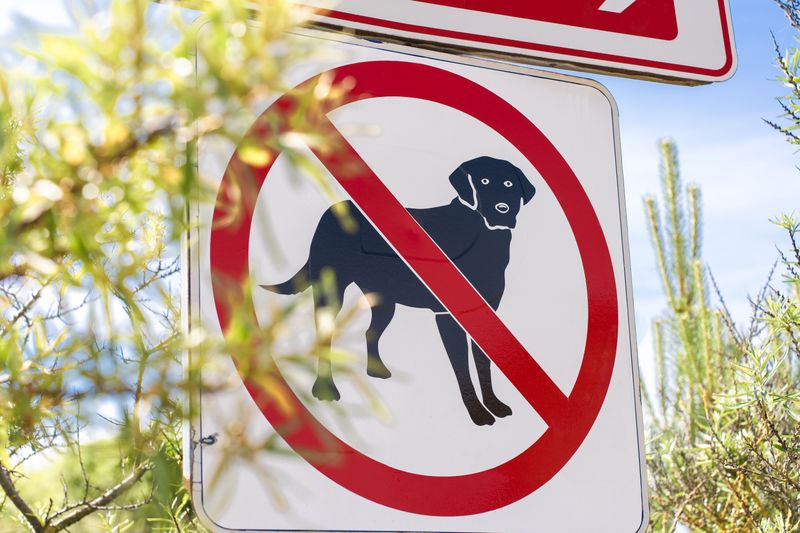
Dog restrictions vary by town and can include specific seasonal dates and hours, so check the current rules for Rehoboth Beach, Bethany Beach, and Fenwick Island before visiting.
Leash Requirements May Change
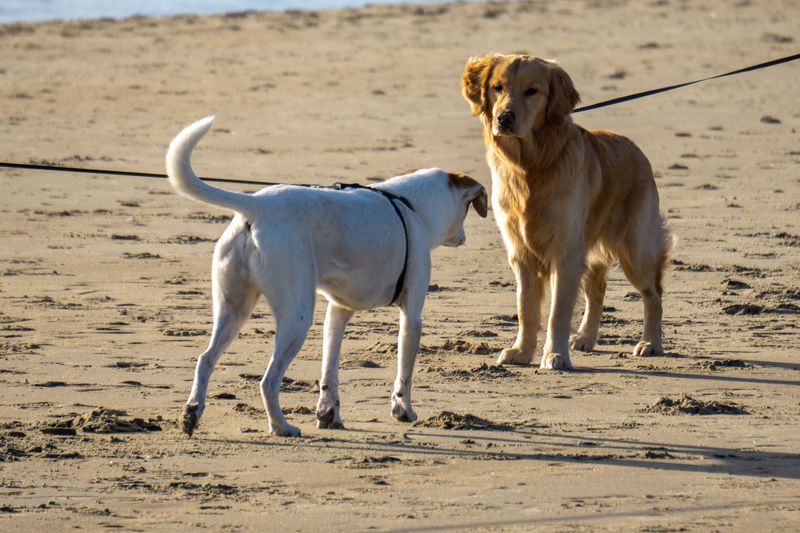
Delaware law generally requires dogs to be under reasonable control, while specific beaches and municipalities may impose their own leash requirements.
Delaware State Parks require a leash no longer than six feet in permitted beach sections. Lewes Beach requires leashing during allowed hours.
Dewey Beach permits off-leash time in the off-season and during certain summer hours, provided the dog stays under voice control. Carry a leash regardless, because conditions and enforcement can shift quickly.
Look For Posted Signs
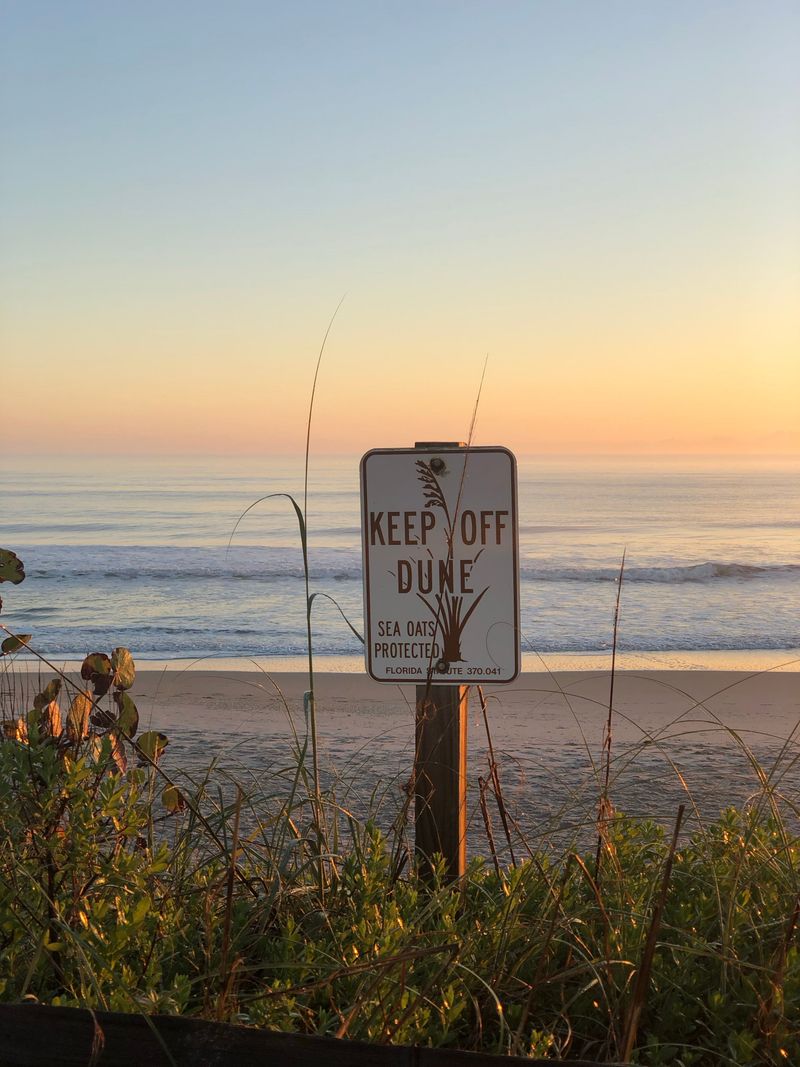
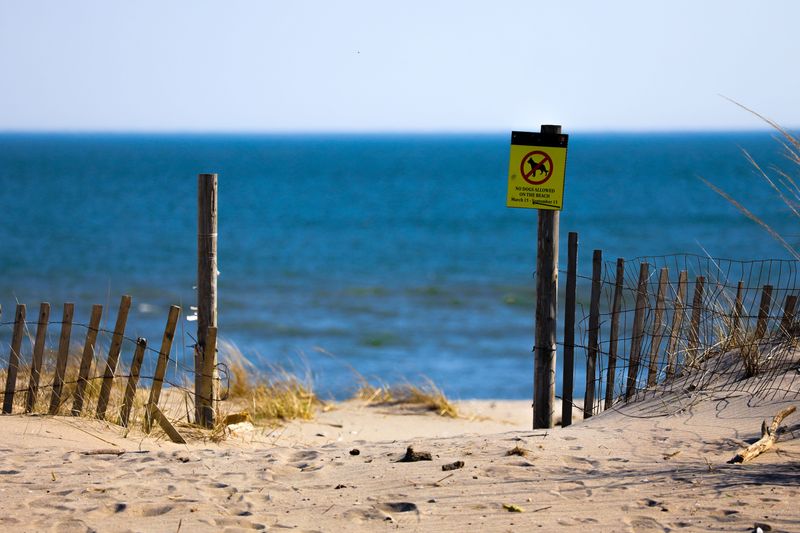
Signs at beach entrances and dune crossings carry the details that general summaries miss. Towns and parks post them for a reason.
In state parks, boundary markers usually sit at the seaward toe of the dune, showing exactly where pets may and may not go.
Take a moment to read before stepping onto the sand. A quick photo of the sign gives you a handy reference if someone asks about the rules later.
Morning Hours May Be More Dog-Friendly

Early risers get the best of the Delaware coast, and dogs are often part of that deal.
Dewey Beach allows dogs before 9:30 AM and after 5:30 PM from May 15 to September 15. Lewes Beach permits them before 8:00 AM and after 6:30 PM from May 1 through September 30.
Cooler sand, thinner crowds, and softer light make those windows genuinely pleasant. Set an alarm and enjoy the quiet stretch.
Watch For Seasonal Wildlife Protections

Every spring, sections of Delaware shoreline become nurseries for nesting shorebirds. Fencing and signs mark those zones clearly.
Delaware State Parks restrict pets from shorebird nesting areas because threatened and endangered species are protected by law.
Even a friendly, curious dog can scatter birds off their nests. Give roped sections a wide berth, keep the leash short nearby, and follow any temporary barriers rangers put up during nesting season.
Dune Areas Are Usually Off-Limits
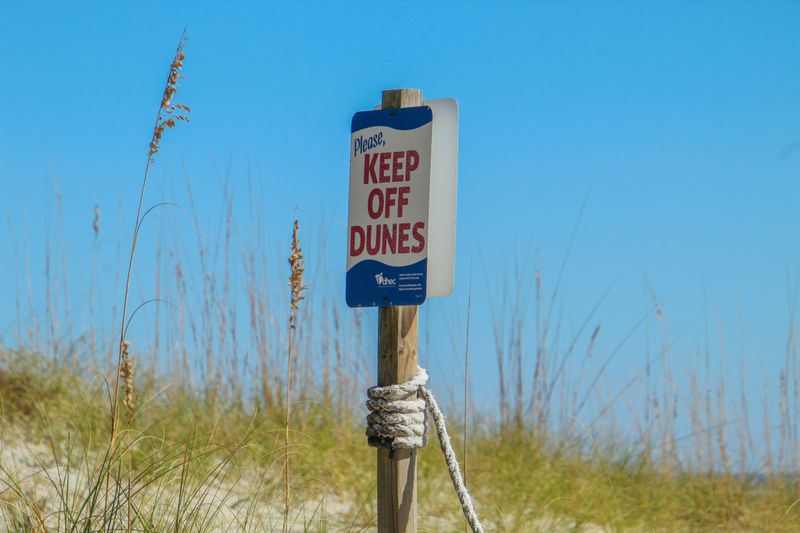
Those grassy mounds behind the beach do heavy lifting during storms. They also hold together with surprisingly delicate roots.
State park rules state plainly that dogs may not enter the dunes, partly to protect habitat used by species such as the piping plover.
Use designated pedestrian crossings to reach pet-friendly sand. Keeping paws on the path protects both wildlife and the natural barrier that shields coastal towns.
Swimming Rules Can Differ From Beach Rules

Sand access and water access are not always the same permission. Lifeguarded swimming zones carry their own limits.
Delaware State Parks prohibit pets from lifeguarded swimming and sunbathing beaches from May 1 to September 30.
Dewey Beach keeps dogs off the bayside beach whenever a lifeguard is on duty. Scan for the stand and any nearby signage before letting your dog wade in, then choose an unguarded stretch instead.
Crowded Beaches Require Extra Awareness
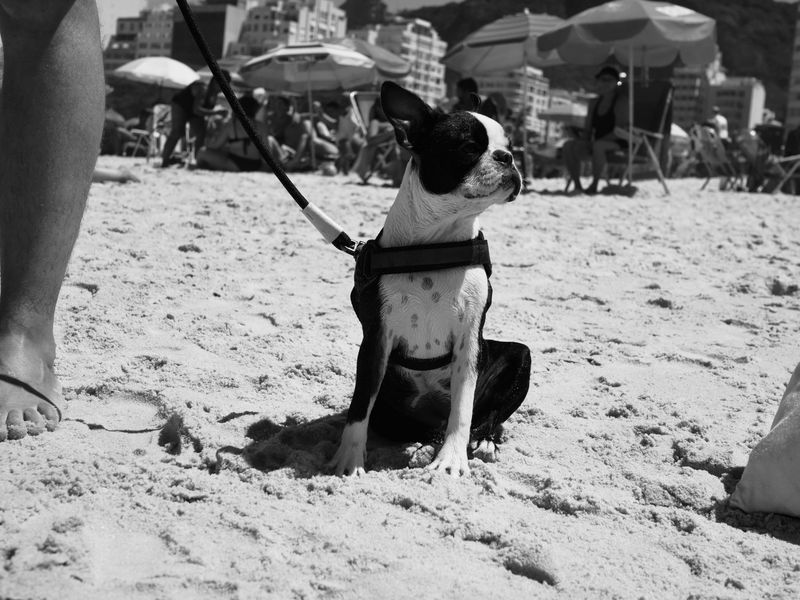
Busy sand changes the whole feel of an outing, even on dog-friendly stretches. Umbrellas, coolers, and running children create constant surprises.
Peak-season restrictions in many towns exist mostly to manage crowding and keep everyone safe.
Shorten the leash, steer clear of tight clusters of beachgoers, and read your dog’s body language. If ears pin back or panting increases, move toward open space or head home early.
Bring Fresh Water For Your Dog
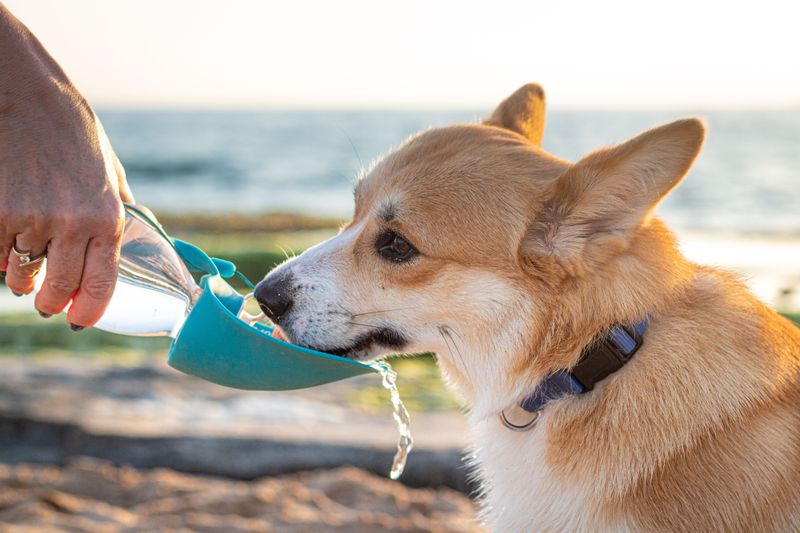
Salt water never quenches thirst, and a dog chasing waves burns through energy fast.
Pack more fresh water than you think you need, plus a collapsible bowl that fits in a beach bag.
Offer fresh water regularly, especially during warm weather or after periods of activity. Frequent small sips also discourage gulping sea water, which can upset a dog’s stomach.
A shaded spot under an umbrella makes those water breaks more restful.
Hot Sand Can Hurt Paws
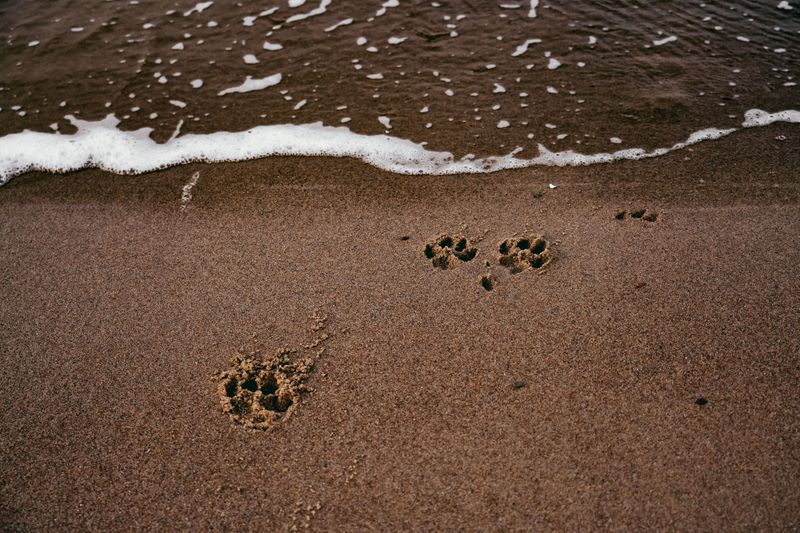
Press the back of your hand to the sand for seven seconds. If you want to pull away, your dog does too.
Midday sun turns dry sand into an uncomfortable surface, particularly in July and August.
Early mornings and evenings are far kinder to paw pads. Walking near the damp waterline helps as well, and some owners use protective booties for dogs that tolerate them without fuss.
Plan Around Tides And Weather

High tide can swallow most of the walkable beach, leaving little room between water and dune. Low tide opens up a broad, firm runway.
Check a tide chart alongside the forecast before heading out.
Wind, thunderstorms, and rough surf all make the shore less enjoyable for dogs. Water condition information is often posted on lifeguard stands, so glance there when you arrive.
Clean Up Every Time
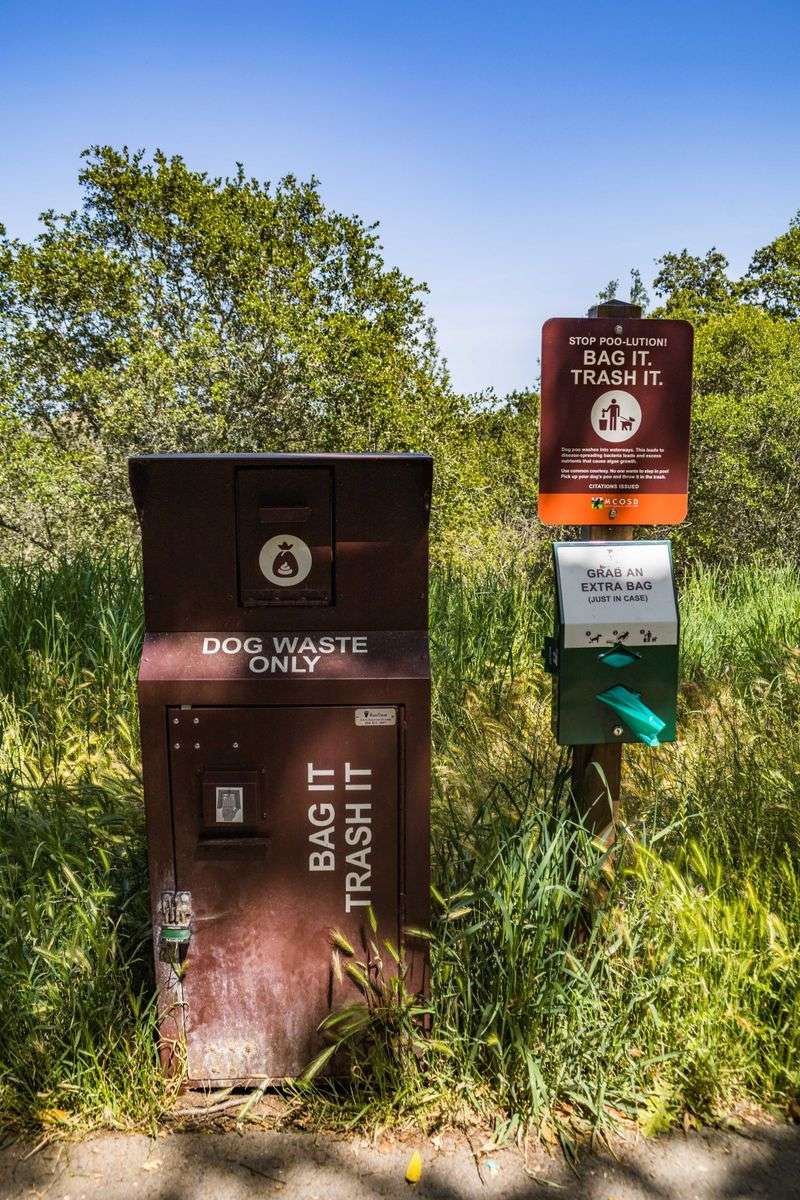
Nobody forgets stepping in a surprise on the sand. Carrying bags is the simplest courtesy you can offer.
Rehoboth, Dewey, and Lewes all have scoop laws, and Delaware State Parks require owners to clean up after pets. Fines can apply for violations.
Tuck extra bags in every pocket and bag you own. Dispose of waste in proper receptacles rather than burying it, since tides uncover everything eventually.
Keep Identification Current
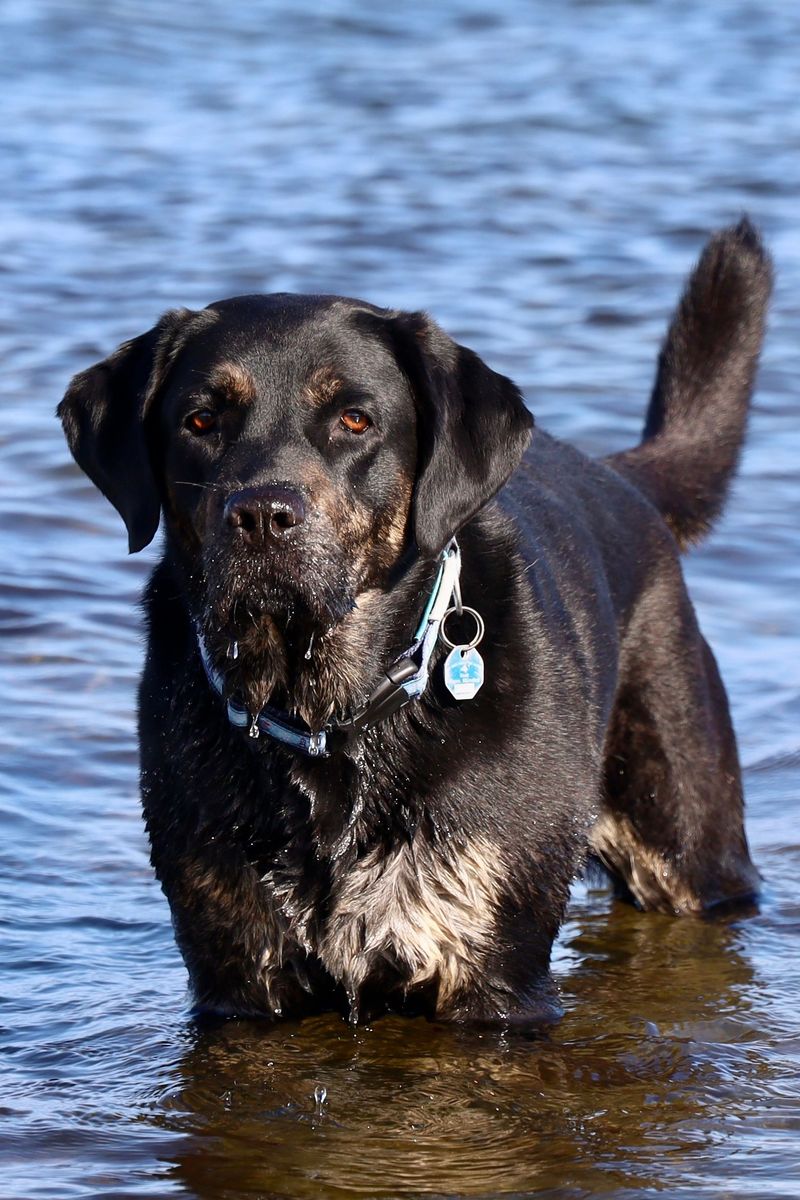
Open sand, unfamiliar smells, and excited crowds can tempt a dog to bolt. Current tags shorten any scare considerably.
Check that your phone number is readable and that microchip records list your current address.
Dewey Beach has local dog-licensing requirements, so check the town’s current rules to make sure your dog’s license and identification are up to date. Delaware State Parks require pets to be licensed with proof of rabies vaccination, so bring documentation when possible.
Respect Areas With Temporary Closures

Sometimes a normally welcoming stretch closes without much notice. Storm damage, dune repair, wildlife needs, or scheduled events can all trigger a restriction.
Town officials and park rangers have authority to close beach sections for safety reasons.
Honor the barrier even when the beach usually allows dogs. Restoration work and nesting protection depend on people cooperating, and the closure is almost always temporary.
Choose a nearby alternative for that day.
Check Rules For Nearby Boardwalks
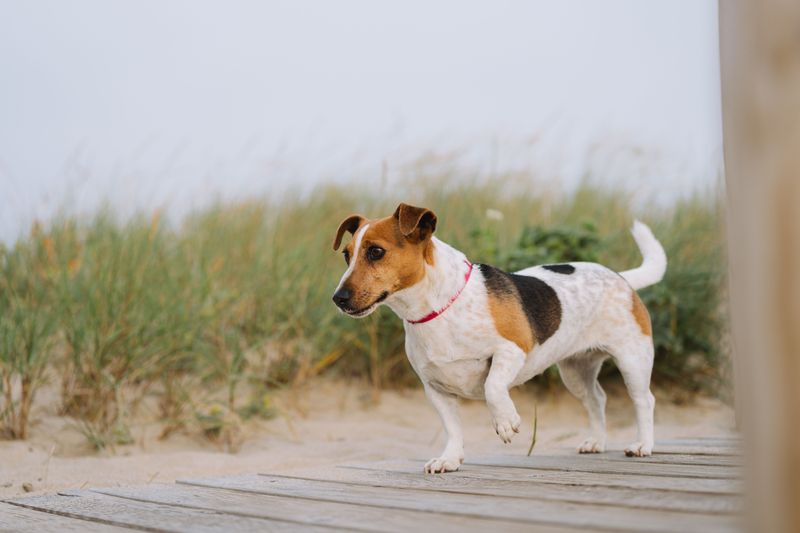
Sand rules and boardwalk rules are two separate matters, which trips up plenty of visitors.
Rehoboth Beach prohibits dogs on its boardwalk from May 15 to September 15, and Bethany Beach bans them from its boardwalk during summer season.
The Dewey Beach Bay Walk, by contrast, welcomes licensed dogs. State park rules also keep pets off bathhouse boardwalks.
Read signage before stepping off the sand.
Be Ready For Changing Seasonal Dates
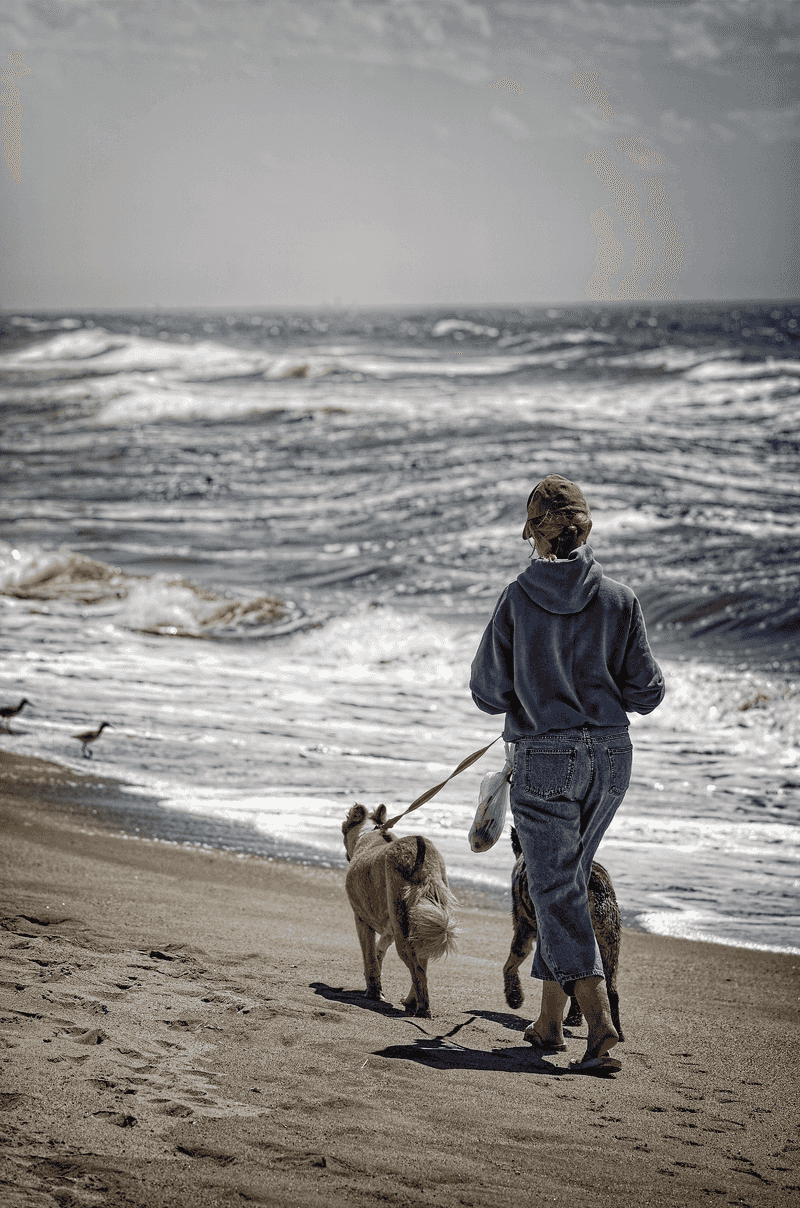
Ordinances get revised, and the calendar you memorized last summer may already be outdated.
Rehoboth Beach recently aligned its dog restriction window with its parking schedule, running May 15 to September 15 for consistency.
Contact town offices or check official websites within a week of your trip. Bookmark the pages for the beaches you visit most.
That habit takes seconds and prevents an avoidable citation.
Choose The Beach With Your Dog In Mind
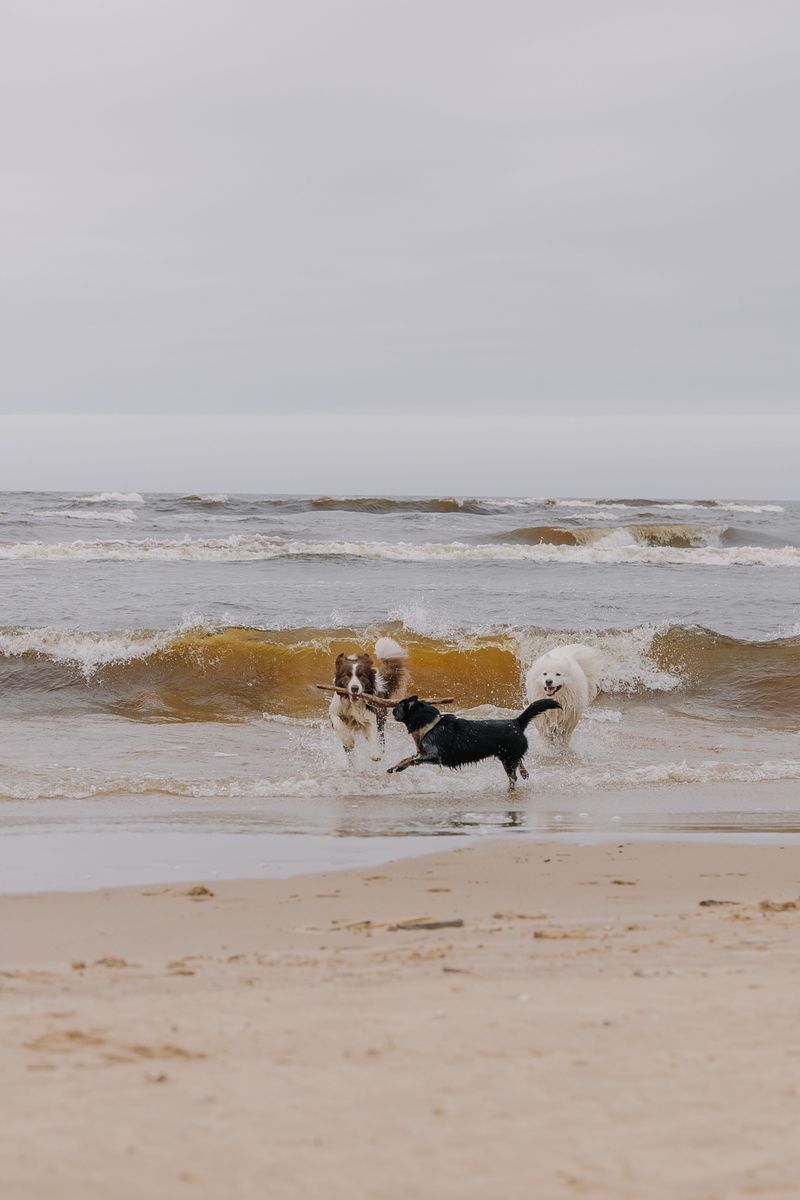
Matching the destination to the outing you actually want makes everything easier.
Delaware State Parks often provide the most consistent year-round access on non-lifeguarded beaches, which suits owners traveling in peak season.
Off-season visits to town beaches open up long, quiet stretches with far fewer limits. Think about your dog’s temperament, the weather, and the crowd level, then pick accordingly.
Steady planning turns a coastal day into a genuine break for both of you.